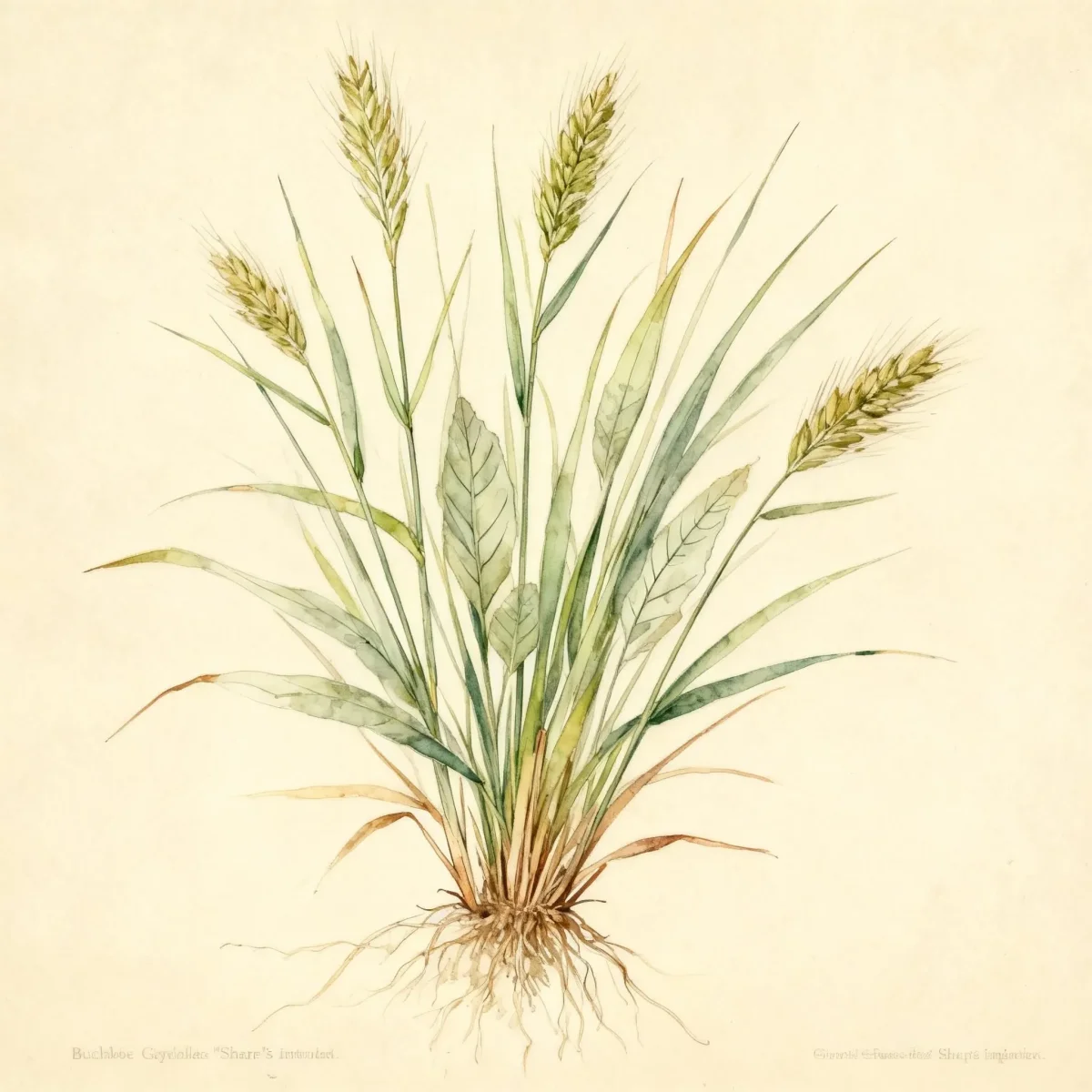
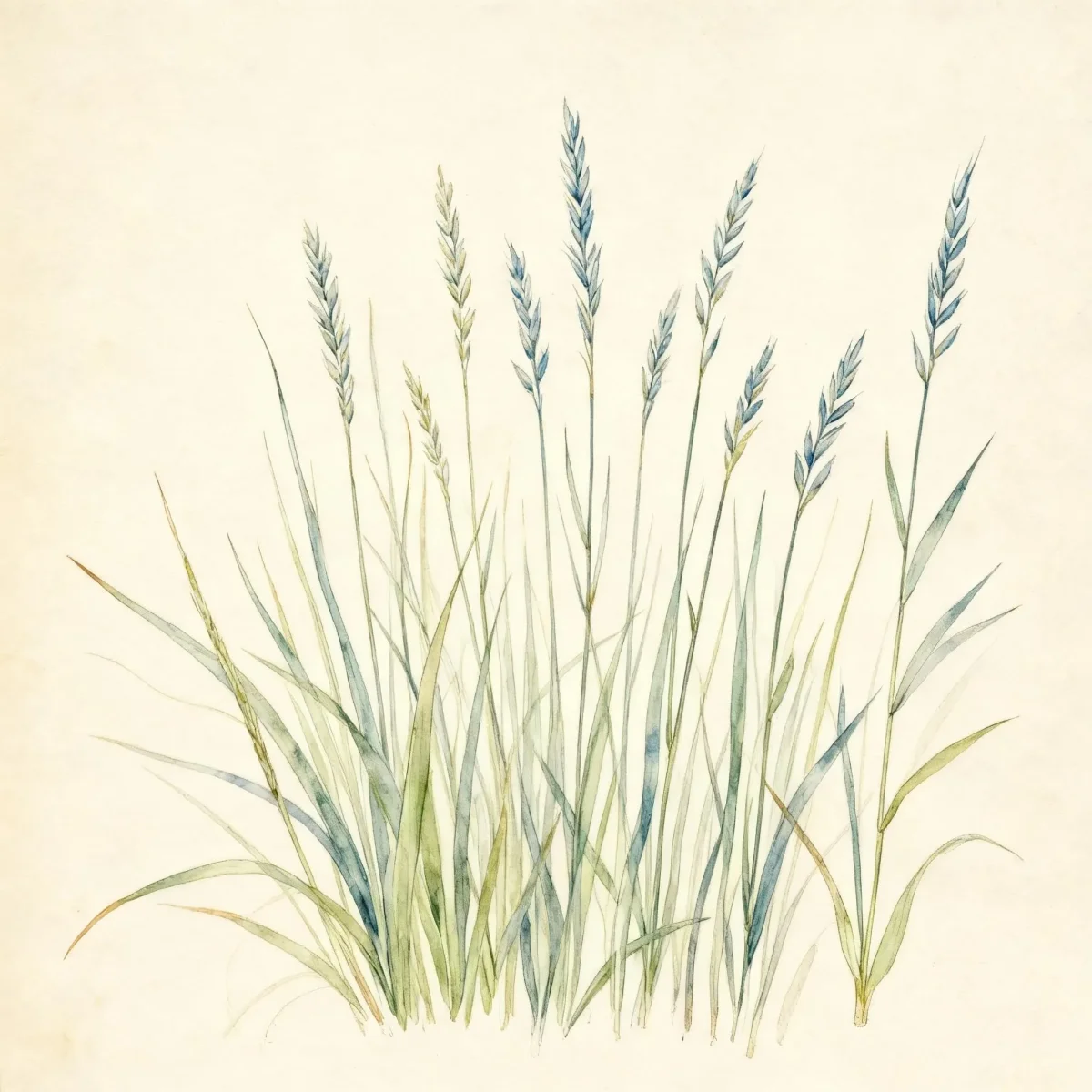
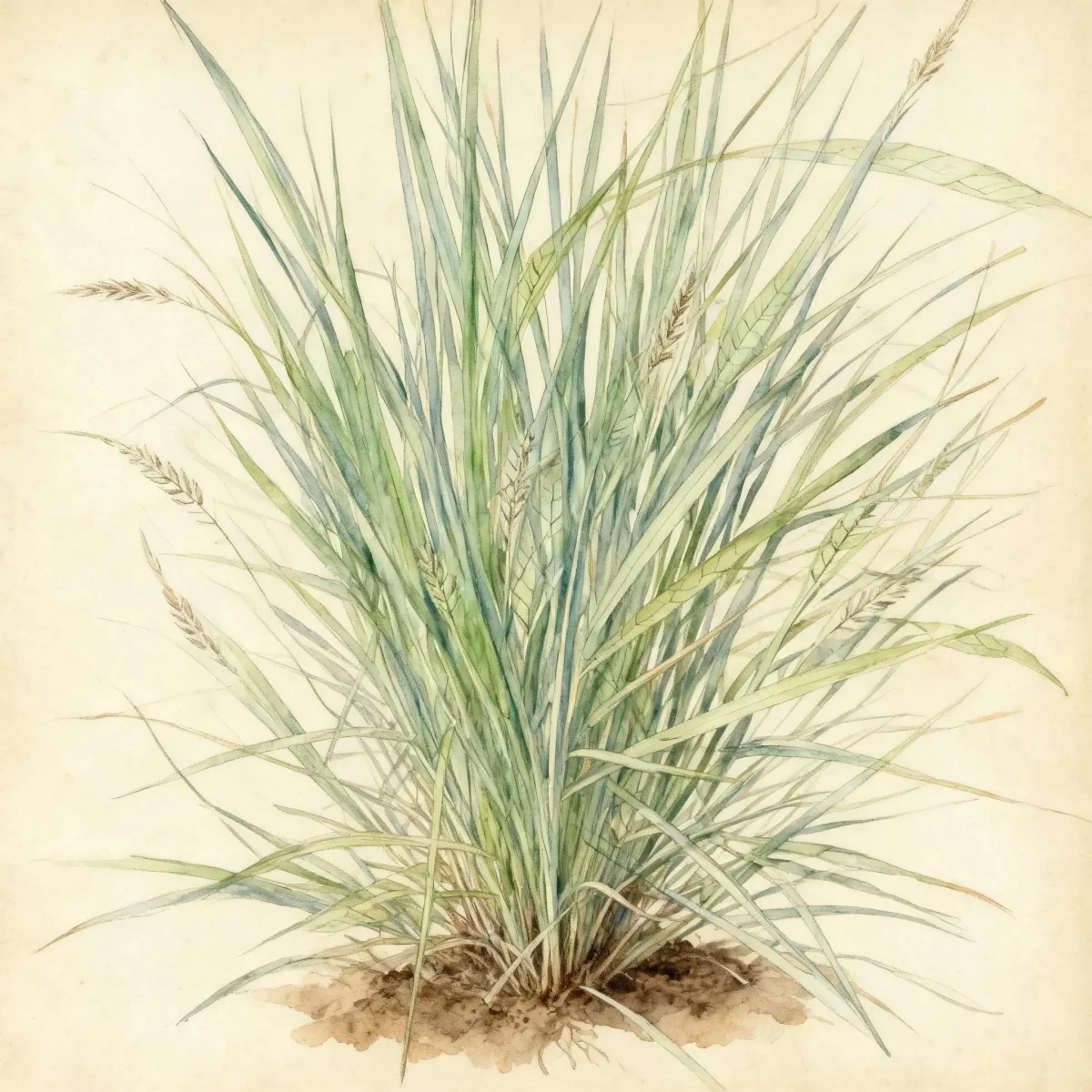
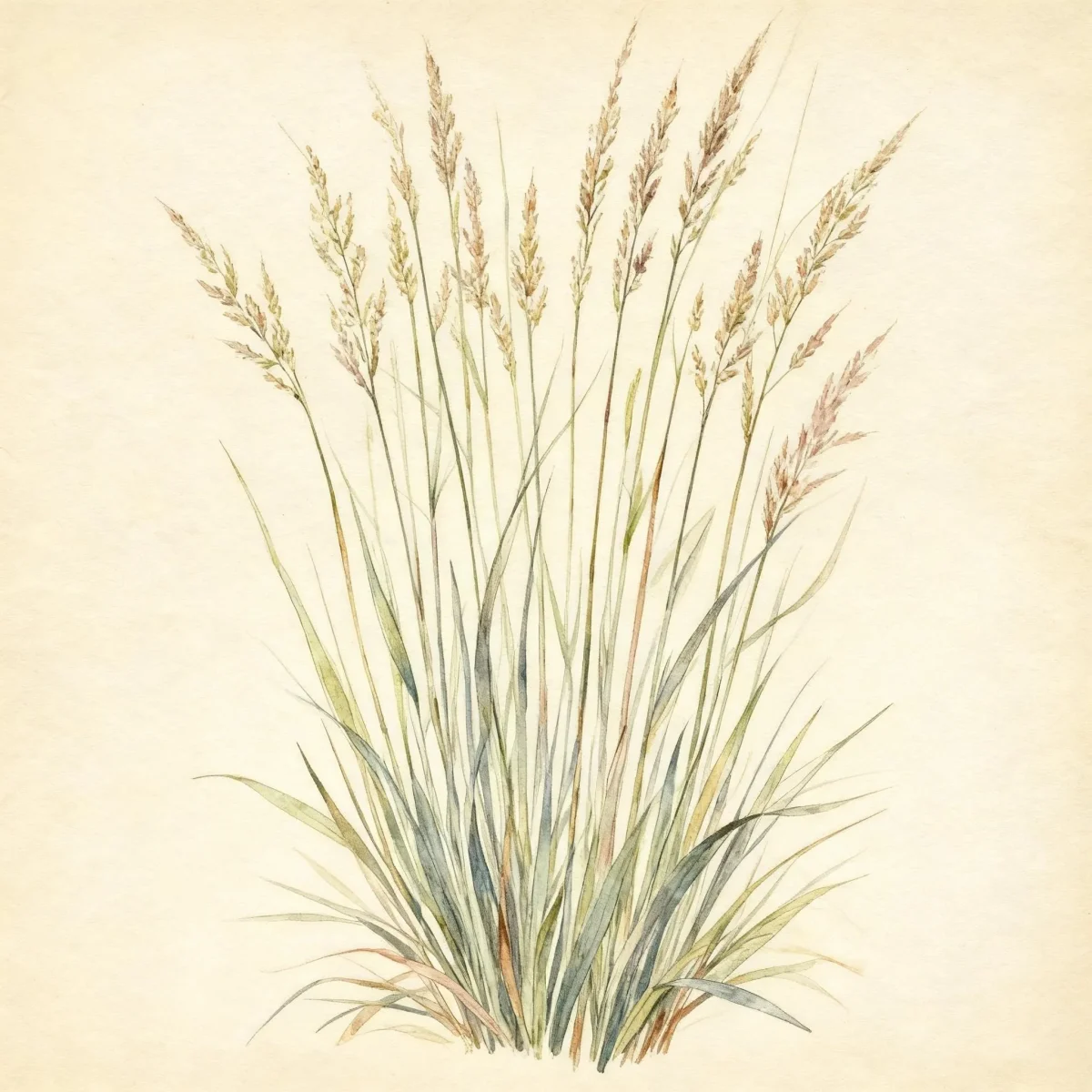
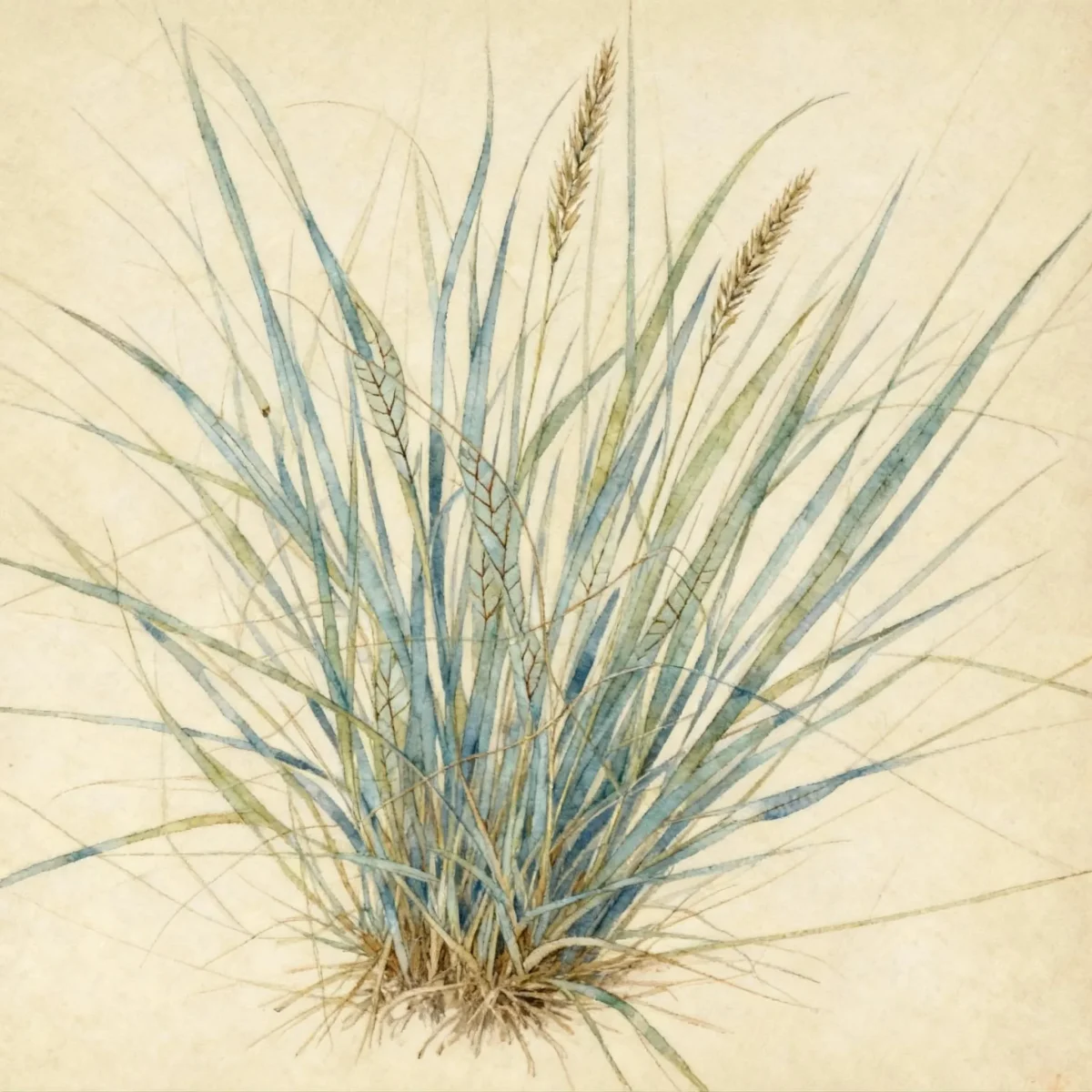
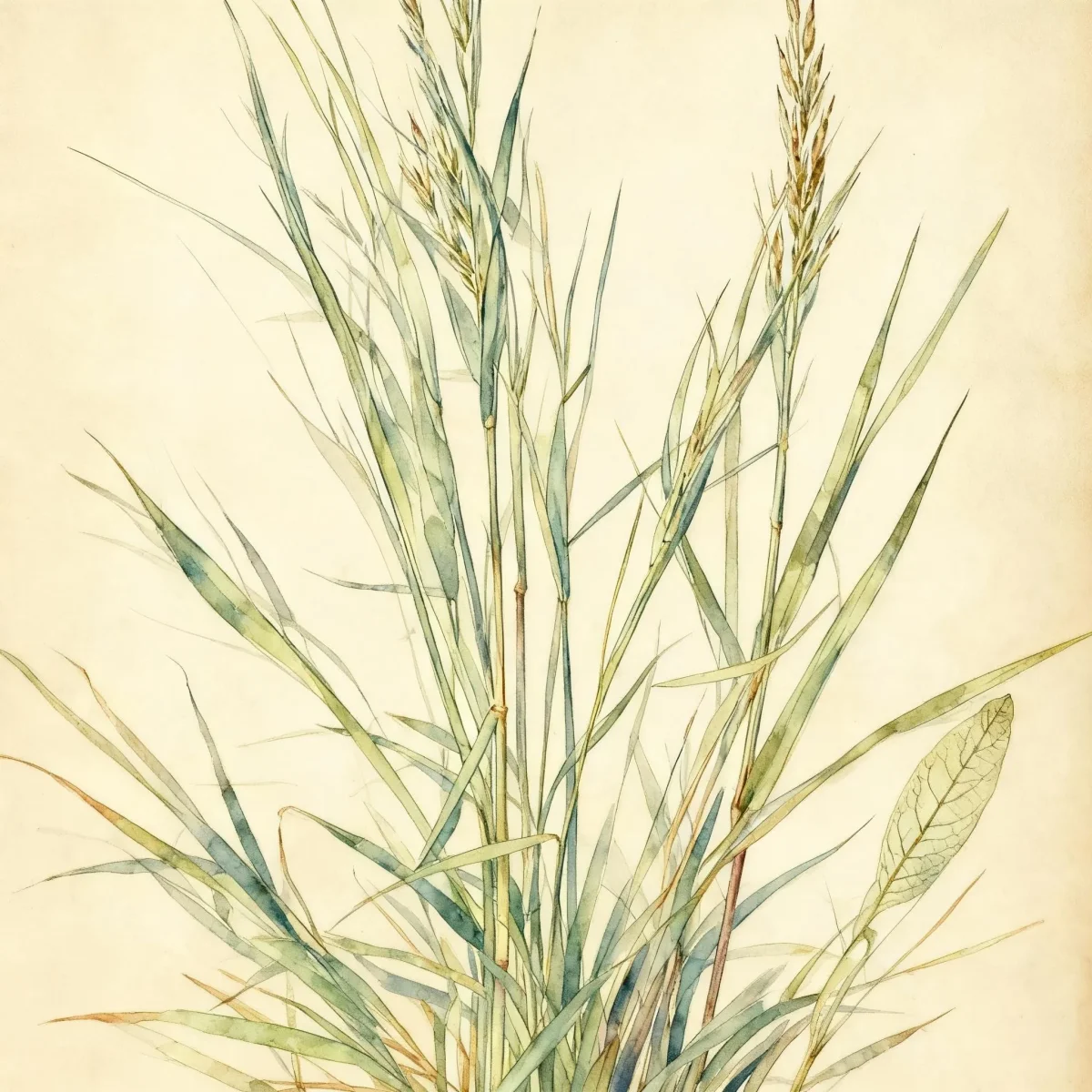
Buffalo grass (Buchloe dactyloides 'Cody')
Buchloe dactyloides 'Cody' offers ultra-low maintenance, drought-tolerant turf perfect for sunny, dry sites across USDA zones 3-9.
Scroll down to discover growing tips, care requirements, companion plants, and more
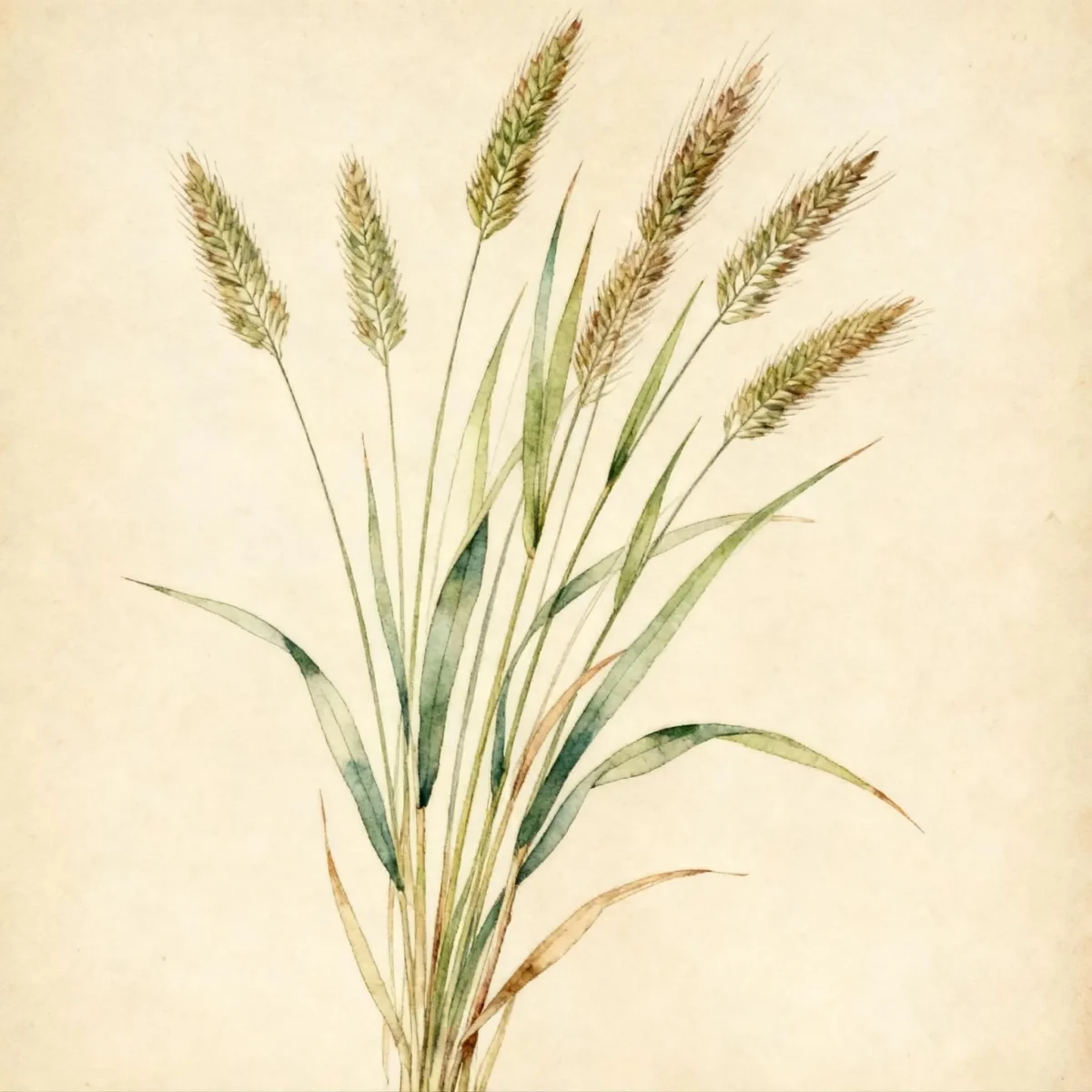
Complete Plant Information
Overview
Buchloe dactyloides ‘Cody’, commonly known as Buffalo grass, is a superior warm-season perennial grass prized for its extremely low water and maintenance requirements, making it ideal for sustainable landscapes. This cultivar, ‘Cody’, exhibits a desirable blue-gray-green color and exceptional density compared to older varieties. It thrives in the hot, dry conditions prevalent across the Great Plains where it naturally dominates the shortgrass prairie ecosystem.
As a vigorous, stoloniferous grass, Buffalo grass forms a dense, tight turf that strongly resists drought once established. While it is native to wide swath of North America, Buchloe dactyloides ‘Cody’ brings its regional resilience to gardens throughout USDA zones 3 through 9. Its adaptation to poor, dry soils and high heat makes it a practical choice replacing higher-input conventional turf grasses.
Gardeners value this species not just for its low input needs, but also for its functional qualities on dry slopes, providing excellent erosion control. Although foliage turns straw-colored during its winter dormancy, its ease of establishment via seed, sod, or plugs reinforces its standing as a premier choice for low-maintenance turfgrass applications.
Fast Facts
- Plant Family: Poaceae
- Plant Type: Turfgrass
- Hardiness Zones: USDA Zones 3-9
- Size at Maturity:
- Height: 0.25-0.75 ft
- Spread: 0.5-1 ft
- Bloom Time: Non-flowering
- Bloom Description: Non-flowering
- Sun Exposure: Full sun
- Water Needs: Dry to medium
- Maintenance Level: Low
How to Grow
Establish Buchloe dactyloides ‘Cody’ by planting seed between April and June, ensuring good soil contact. This grass requires full sun and prefers average to dry, well-drained soil, readily tolerating alkaline conditions. Avoid frequent, shallow watering, as Buffalo grass performs poorly in areas with consistently high moisture levels or heavy rainfall.
Due to its inherently low growth habit, mowing requirements are minimal when established as turf; aim to cut it to 2-3 inches high only when necessary. For a more naturalized look where traffic is low, it may be left unmowed, reaching heights of 4-6 inches. Fertilization is rarely needed if the plant is sited correctly in dry, sunny conditions.
Winter preparation is straightforward; the grass will naturally go dormant, turning straw-colored from fall until spring emergence. Spring cleanup involves removing excessive winter thatch if present, but otherwise, the resilient nature of Buchloe dactyloides ‘Cody’ requires minimal intervention.
Landscape Uses
Buffalo grass excels in functional landscape settings where water conservation is paramount. Its low profile and excellent drought resistance make it the ideal selection for low-maintenance turf on sprawling lawns, public parks, golf course roughs, and along roadsides. Furthermore, its fibrous root structure helps stabilize slopes, making it effective for erosion control in sunny, dry areas.
Consider establishing Buchloe dactyloides ‘Cody’ on hot, exposed slopes where traditional lawn grasses would quickly fail due to heat stress or insufficient water. While it is primarily used as a turfreplacement, its fine texture pairs well visually with native ornamental grasses or low-growing, sun-loving perennials adapted to similar dry soil profiles.
When using Buffalo grass for turf, remember its main limitation: it struggles with heavy foot traffic and shade. Plan paved walkways or dedicated play areas around sections planted with more durable turf types if required.
Standout Features
Noteworthy Characteristics
Buchloe dactyloides, known as buffalo grass, is a dioecious, drought-tolerant, heat-resistant, fine-textured, warm season perennial grass that is native primarily to the Great Plains within the area from Minnesota to Montana south to Louisiana and Arizona. It is one of the dominant grasses of the shortgrass prairie. It is commonly called buffalo grass because it was at one time regularly grazed by herds of buffalo (American bison) that once populated the Great Plains. It typically grows 4-8” tall with gray-green curly leaves. It spreads by stolons. Somewhat inconspicuous green flowers bloom in summer (June -August), with male flowers appearing in comb-like spikes on slender stems rising above the leaves and with female flowers appearing in bur-like clusters on short stems hidden by the leaves. Buffalo grass is considered to be an excellent native forage grass. With the addition of new cultivars, buffalo grass is now becoming more popular as a low-maintenance turfgrass for lawns, parks, golf courses, roadsides and commercial areas. In optimum growing conditions, it can form a low maintenance turf which survives hot and humid summers with minimal water and fertilizer. The main disadvantages of buffalo grass as a lawn turfgrass are (1) foliage turns straw-colored from mid-fall to mid-spring when grass is dormant, (2) invasive habit which may result in stoloniferous spread into adjacent plantings, and (3) intolerance of heavy foot traffic.Specific epithet means resembling fingers.‘Cody’ is a vigorous variety that was developed at the University of Nebraska-Lincoln in cooperation with the Native Turfgrass Group, and released into commerce 1995. ‘Cody’ has an attractive blue-gray-green color. In comparison with other buffalograss varieties, ‘Cody’ is noted for having good winter hardiness, high density, low vertical growth, low water needs, darker color, excellent drought tolerance and ability to rapidly establish.
Tolerances
- Drought
- Erosion
- Dry Soil
Potential Problems
Buffalo grass generally demonstrates resistance to severe pest or disease outbreaks. However, gardeners should watch for indications of Chinch bug infestations, which can cause localized thinning or patches of dead grass. Fungal issues like Brown patch, summer patch, and leaf spot may occasionally appear, often exacerbated by excessive soil moisture.
Management focuses heavily on cultural practice; avoid overwatering to prevent moisture-loving diseases. If stolons aggressively spread into adjacent cultivated beds, regular mowing or light cultivation can help contain the spread of this stoloniferous habit.
Frequently Asked Questions
What hardiness zones is Buffalo grass suitable for?
This resilient turfgrass is suitable for USDA Zones 3 through 9.
How large does Buchloe dactyloides ‘Cody’ grow?
When mature, this grass typically reaches a low height between 0.25 and 0.75 feet, spreading outwards between 0.5 and 1 foot.
What sun exposure does Buchloe dactyloides ‘Cody’ need?
For optimal density and performance, you must provide full sun exposure; this turfgrass cannot tolerate significant shade.
When does Buffalo grass bloom?
Buchloe dactyloides ‘Cody’ is considered non-flowering for practical landscape purposes, though inconspicuous green flowers do appear briefly in summer.
Conclusion
Buchloe dactyloides ‘Cody’ stands out as an exceptional, water-wise choice for functional landscapes demanding minimal attention. The vigor and improved color of this specific Buffalo grass cultivar ensure a durable, environmentally sound turf alternative. Before establishing, confirm your area falls within USDA Zones 3-9 and plan your seeding or sod installation for the late spring planting window.
Companion Planting
Buffalo grass pairs beautifully with other xeriscapic and drought-tolerant species native to sunny, dry environments. Consider incorporating clumps of purple coneflower (Echinacea purpurea) or various ornamental sages (Salvia spp.) along borders to provide contrasting texture and color during the summer months. These companions appreciate the same full sun exposure and should not require excessive supplemental water once established alongside the turf.
For areas transitioning away from the manicured turf, group Buchloe dactyloides ‘Cody’ with low-growing native sedges (Carex spp.) suited to dry shade or partial sun near structure edges. This approach helps manage the transition zone while ensuring all plantings share similar low-water needs, supporting the overall goal of a low-maintenance, resilient landscape.
Seasonal Care Calendar
Spring (April - June): This is the prime time for establishing new areas of Buchloe dactyloides ‘Cody’ via seed or plugs. Ensure soil is warm before planting. Begin very light feeding only if turf looks weak, but generally resist fertilization.
Summer (July - September): Monitor water needs closely at establishment; water deeply but infrequently. Once established, water only during extended, severe drought periods. Mowing, if necessary, should be kept high (2-3 inches).
Fall (October - November): Allow the turf to begin its natural dormancy process. If you live in the cooler edges of Zone 3 or 4, avoid high traffic as the grass enters dormancy to prevent damage.
Winter (December - March): Inactive period. Protect dormant areas from excessive foot traffic to prevent breakage of the straw-colored foliage.