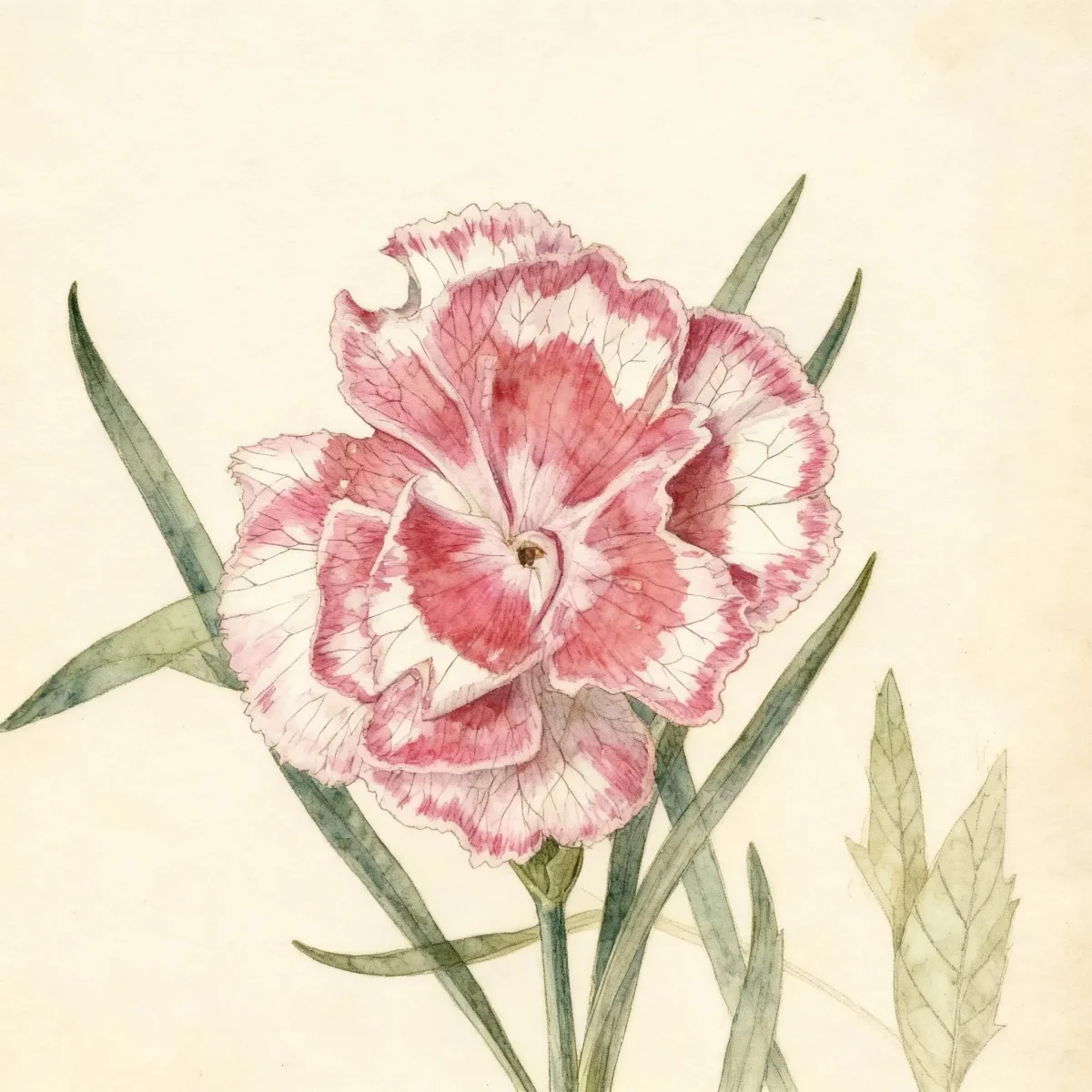
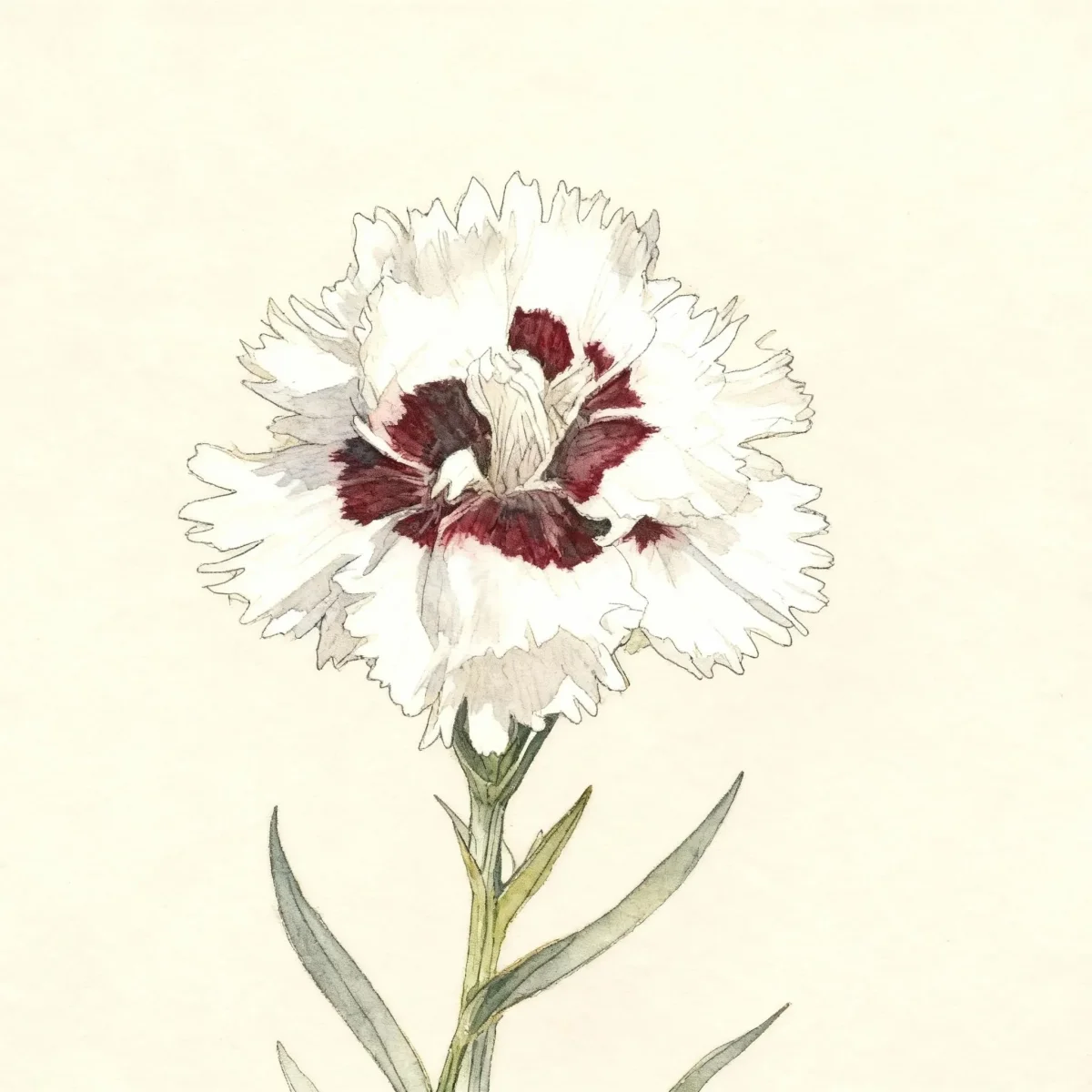
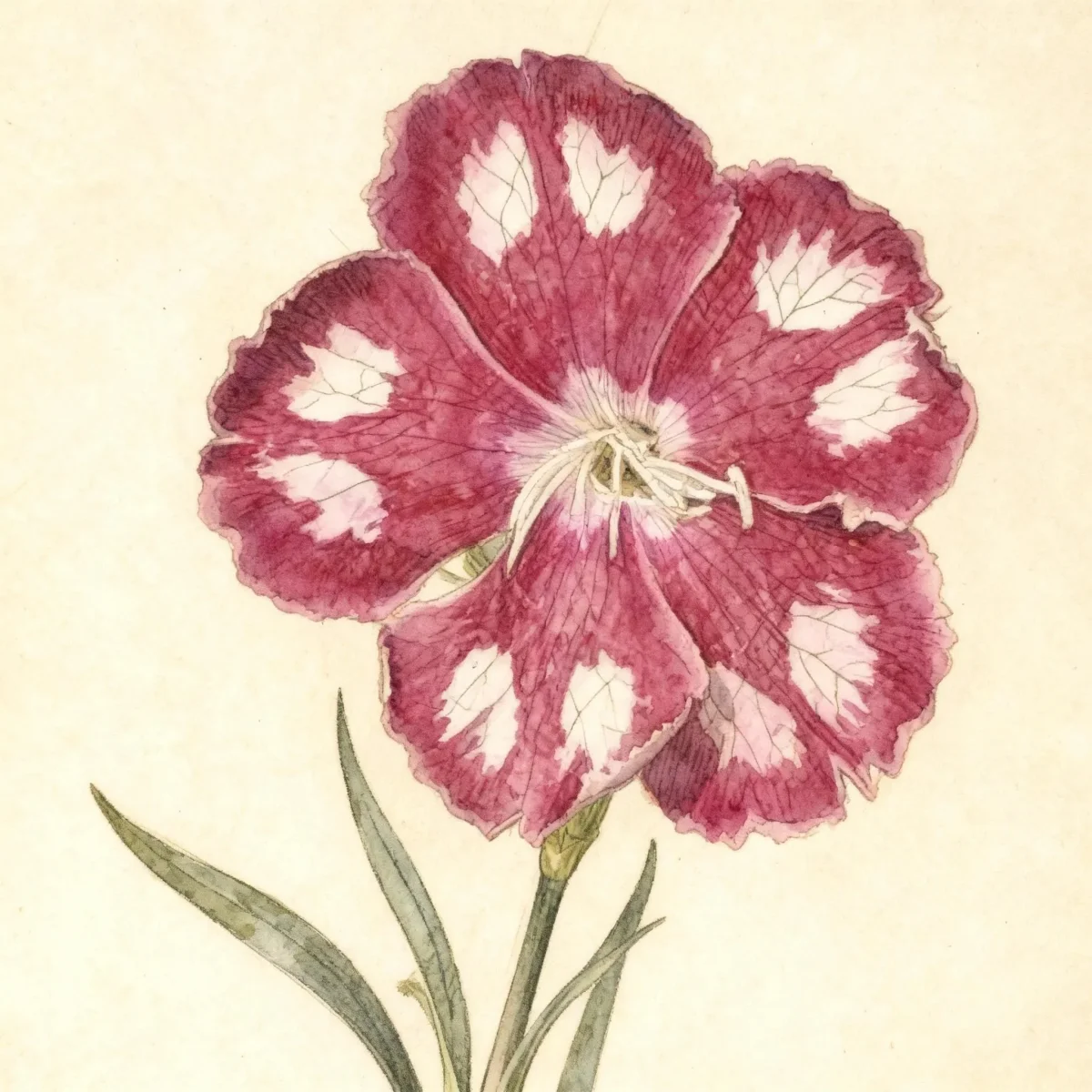
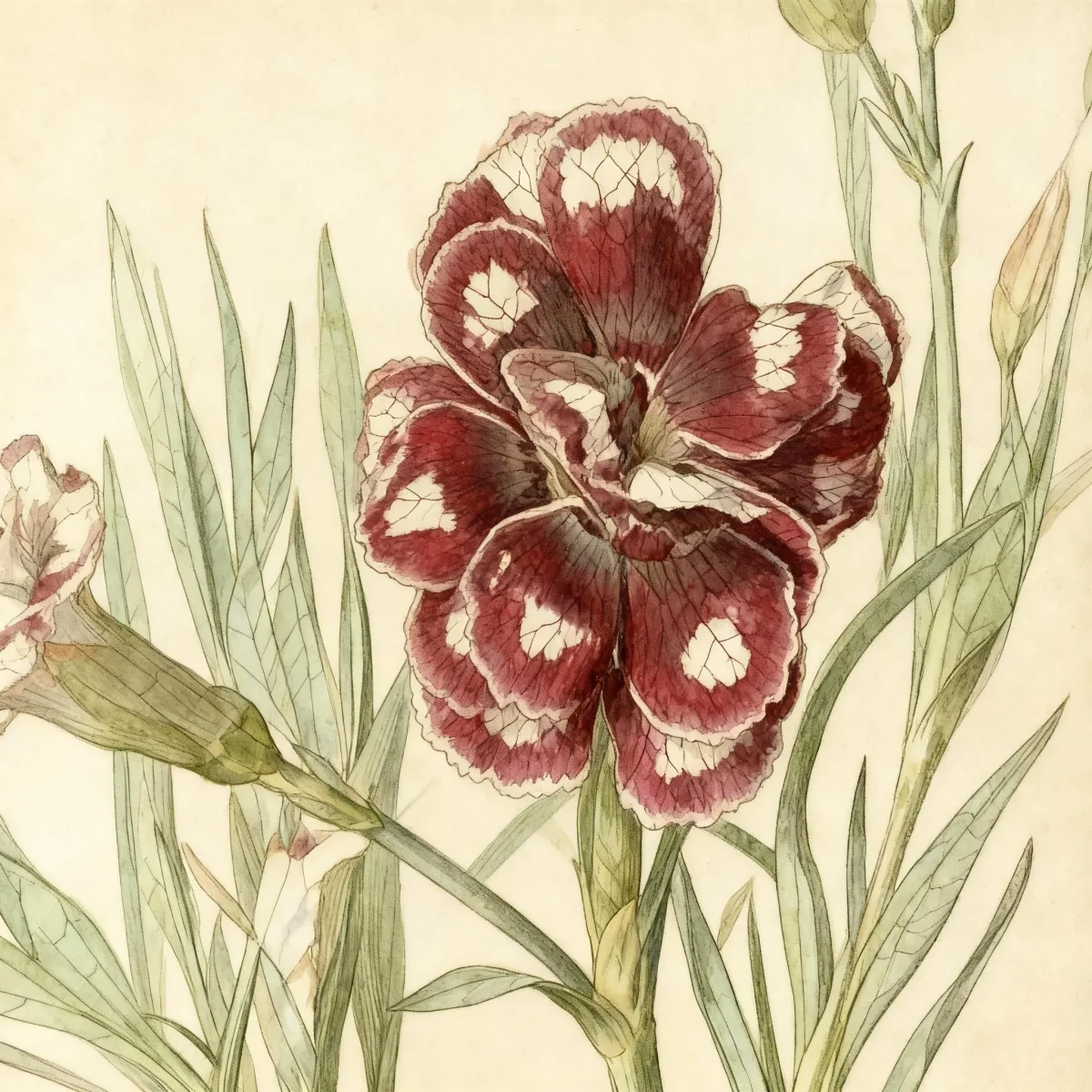
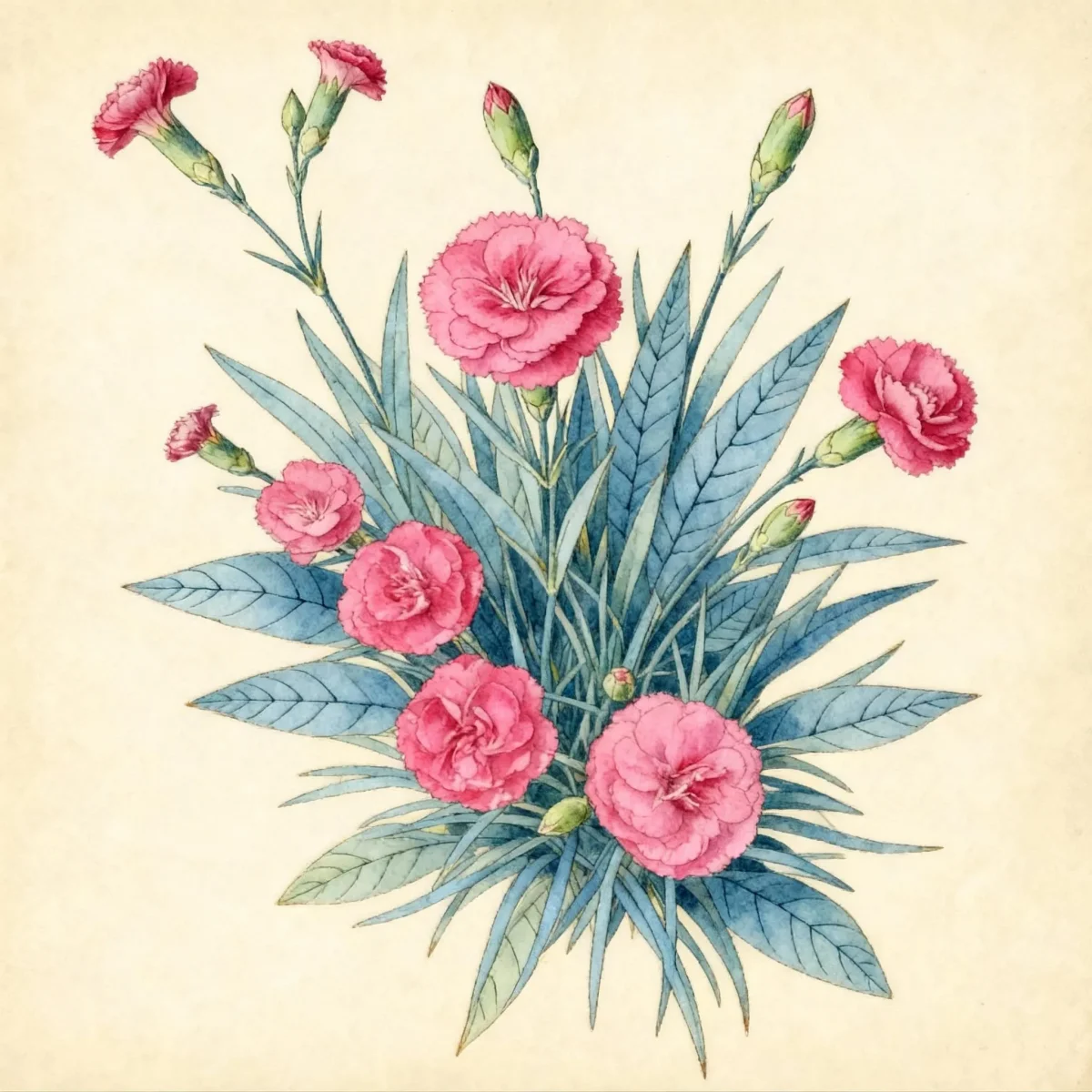
Carnation (Dianthus 'Valda Louise' ROSIE CHEEKS)
Dianthus 'Valda Louise' ROSIE CHEEKS (Carnation) offers showy, fragrant, carmine-pink flowers from May to July in zones 5-8. Low maintenance perennial.
Scroll down to discover growing tips, care requirements, companion plants, and more
Complete Plant Information
Overview
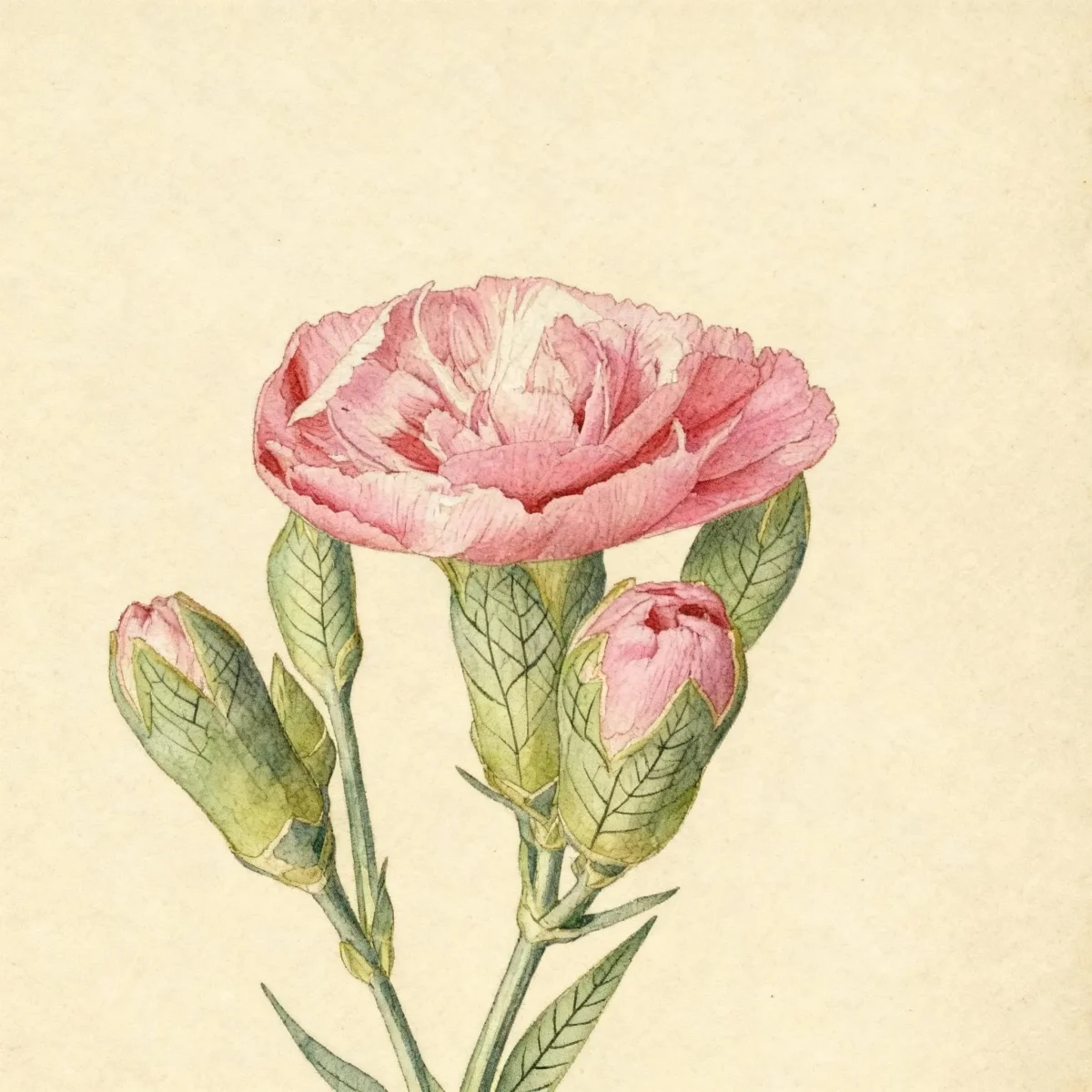
Dianthus ‘Valda Louise’ ROSIE CHEEKS, commonly known as Carnation or Pink, is a prized herbaceous perennial valued for its compact form and abundant, richly colored blooms. This particular cultivar shines with its ruffled, double carmine-pink flowers that emit a lovely, clove-like fragrance during late spring and early summer. As a member of the Devon Cottage Series, Dianthus ‘Valda Louise’ ROSIE CHEEKS provides excellent texture contrast with its narrow, gray-green foliage, making it a standout in mixed borders.
This Carnation thrives when given ample sunshine, though it appreciates cooler summer conditions to maintain peak performance. It is generally considered a low-maintenance plant once established, provided its fundamental needs for sun and sharp drainage are met. Gardeners rely on this variety for its long bloom period which can often extend sporadically into the later summer months.
Incorporating Dianthus ‘Valda Louise’ ROSIE CHEEKS into your garden design brings cottage charm and dependable color to the front of beds or containers. Its manageable size and appealing qualities ensure this perennial provides significant aesthetic returns relative to the small amount of attention it requires through the growing season.
Fast Facts
- Plant Family: Caryophyllaceae
- Plant Type: Herbaceous perennial
- Hardiness Zones: USDA Zones 5-8
- Size at Maturity:
- Height: 0.75-1.5 ft
- Spread: 0.75-1.5 ft
- Bloom Time: May to July
- Bloom Description: Carmine-pink (double)
- Sun Exposure: Full sun
- Water Needs: Medium
- Maintenance Level: Low
How to Grow
Planting Dianthus ‘Valda Louise’ ROSIE CHEEKS is best achieved in average, evenly moist, well-drained soils. While they need consistent moisture, excellent drainage is paramount; soggy conditions invite disease. For optimal flowering, ensure plants receive full sun exposure, though some afternoon relief in the hottest climates may be beneficial, as this Carnation prefers cooler summers.
Cultivation requires medium watering, consistent with maintaining evenly moist soil without becoming waterlogged. Improving the soil by incorporating leaf mold or other organic material helps the soil retain necessary moisture during dry spells without compromising drainage, a critical balance for many Dianthus varieties. Fertilization is usually unnecessary if the soil is organically rich.
Pruning is a simple yet effective maintenance task. Deadhead spent flowers regularly to encourage the plant to produce subsequent flushes of bloom throughout the season. After the main display subsides in mid-summer, shearing the plants back lightly helps tidy the mound, promoting better air circulation and potentially encouraging more flowering late in summer or early fall.
Landscape Uses
The compact, mat-forming habit of Dianthus ‘Valda Louise’ ROSIE CHEEKS makes it highly adaptable across various landscape settings. It excels when used for edgings along walkways or driveways, softening hard lines with its fine, silvery-green foliage and bright blooms. Plantings along border fronts serve to transition between taller background specimens and ground covers nicely.
For a classic look, mass plant these Carnations for an attractive, low-growing ground cover effect. They are superb additions to fragrance gardens due to their clove-scented flowers, and they integrate seamlessly into traditional or cottage gardens, mingling well with herbs and smaller perennials. Consider placing containers featuring Dianthus ‘Valda Louise’ ROSIE CHEEKS near patios where their fragrance can be easily enjoyed.
Standout Features
Flower Qualities
- Showy
- Fragrant
Noteworthy Characteristics
Perennial dianthus, commonly called carnations or pinks, are loosely-tufted, herbaceous perennials that features fragrant, often double flowers on stiff stems clad with narrow, linear, gray-green leaves. This specific hybrid, ‘Valda Louise’ ROSIE CHEEKS, is recognized for its dependable double carmine-pink flowers, compact growth reaching about 15 inches tall and wide, and ruffled, clove-scented blooms. Its silver-green foliage forms a dense, attractive mound year-round, providing a superb backdrop for the vibrant summer color display.
Tolerances
- Deer
Potential Problems
Carnations are generally hardy but can face issues from fungal, bacterial, or viral pathogens, including rust, powdery mildew, and leaf spots. These problems are often exacerbated by poor air circulation or excessive humidity; ensure planting locations are well-drained and receive sufficient sun to keep foliage dry. Pests like aphids, caterpillars, and scale can occasionally appear, though these are usually less problematic in outdoor garden beds compared to greenhouse settings. Management often involves improving cultural conditions—specifically drainage and spacing—rather than heavy chemical intervention for outdoor plantings of Dianthus ‘Valda Louise’ ROSIE CHEEKS.
Frequently Asked Questions
What hardiness zones is Carnation suitable for?
This lovely Carnation, Dianthus ‘Valda Louise’ ROSIE CHEEKS, is suitable for USDA Hardiness Zones 5 through 8.
How large does Carnation grow?
Dianthus ‘Valda Louise’ ROSIE CHEEKS typically reaches a height between 0.75 and 1.5 feet, with a spread of 0.75 to 1.5 feet at maturity.
What sun exposure does Carnation need?
This plant requires full sun exposure to produce the best and most abundant blooms throughout its flowering season.
When does Carnation bloom?
The peak bloom time for Dianthus ‘Valda Louise’ ROSIE CHEEKS is typically from May to July, featuring striking carmine-pink double flowers.
Conclusion
Dianthus ‘Valda Louise’ ROSIE CHEEKS remains a favorite for gardeners seeking fragrant, long-lasting color without demanding extensive effort. Its low maintenance, attractive silver-green foliage, and showy carmine-pink Carnation blooms provide enduring value in the perennial border. Before planting, ensure your garden spot offers full sun and guarantees sharp drainage to set up your ROSIE CHEEKS for years of success.
Companion Planting
Choosing appropriate companions helps maximize the appeal and health of Dianthus ‘Valda Louise’ ROSIE CHEEKS. Since this Carnation prefers neutral to slightly alkaline soil and excellent drainage, pair it with other Mediterranean or rock garden favorites that share similar, drier preferences, such as Lavender (Lavandula) or Thyme (Thymus). Avoid placing it near plants that require consistently wet soil, as this increases the risk of fungal issues common to Dianthus.
Grouping the Carnation with plants that offer contrasting foliage textures, like ornamental grasses or broad-leafed Sedums, enhances its visual impact. The fine, linear leaves of Dianthus ‘Valda Louise’ ROSIE CHEEKS contrast beautifully against chunkier succulents, creating dimensional interest even when the ROSIE CHEEKS are not in full bloom.
Design Ideas for Sunny Borders
The compact, tidy nature of this perennial Dianthus makes it ideal for layering in mixed sunny borders. Plant it in the middle or front third, allowing its gray-green mound to anchor the edge. Its height (up to 1.5 feet) works perfectly beneath taller flowering components like Russian Sage or certain compact Roses.
In cottage garden settings, allow Dianthus ‘Valda Louise’ ROSIE CHEEKS to integrate loosely among taller companions rather than formal edging lines; this naturalistic approach complements their fringed flower heritage (Pinks). They also work exceptionally well when planted in drifts that create flowing ribbons of cool color across a sunny landscape expanse.