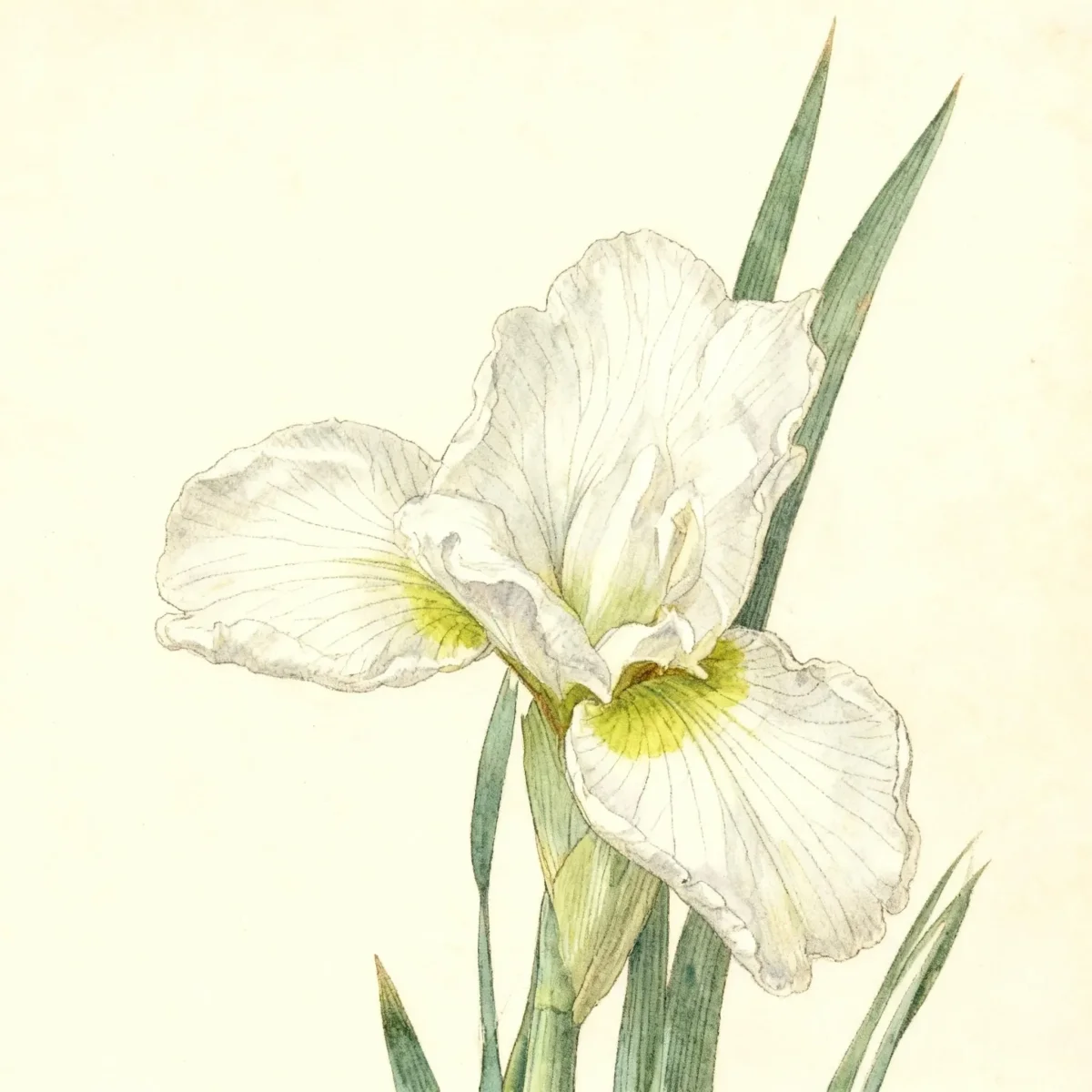
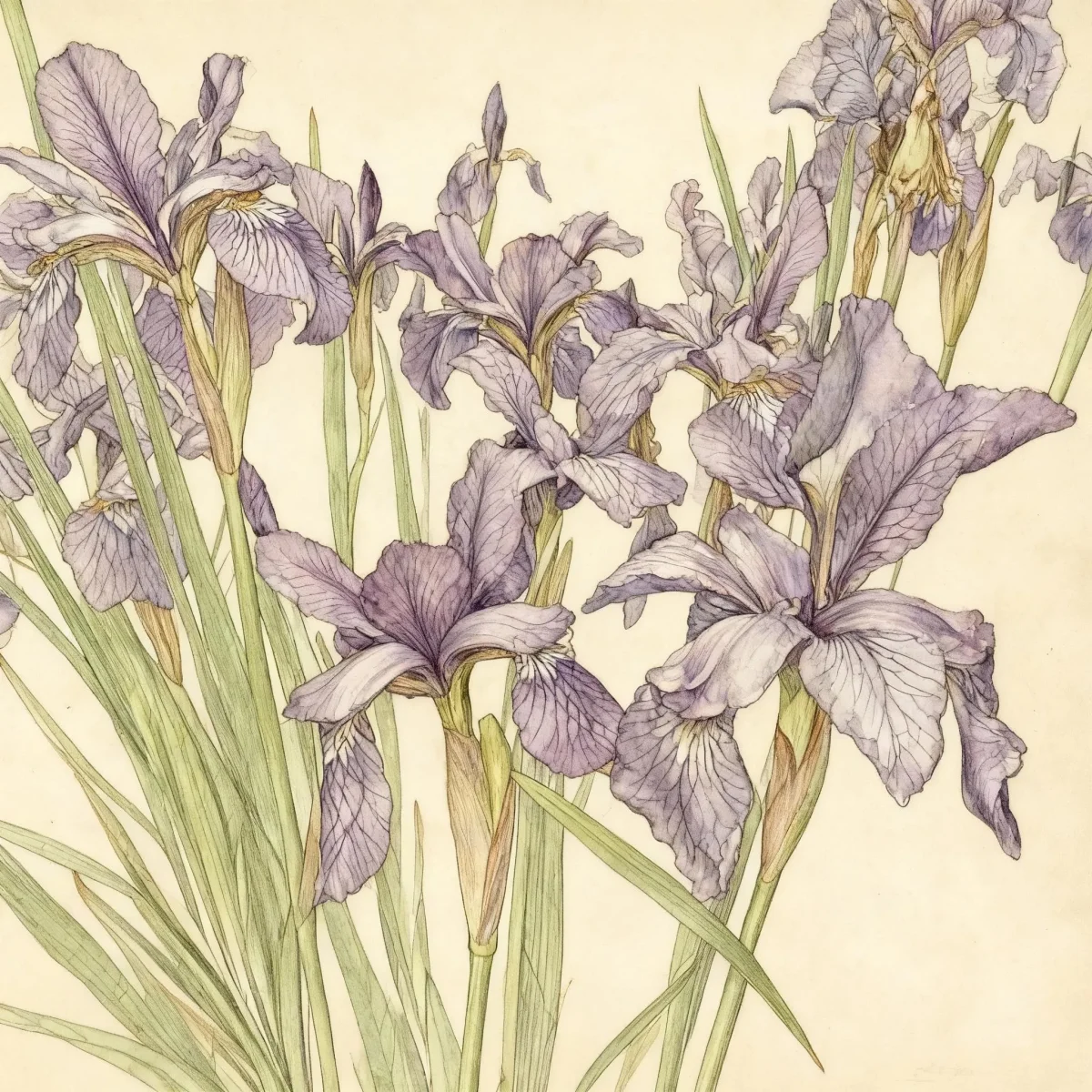
Siberian iris (Iris 'Orville Fay')
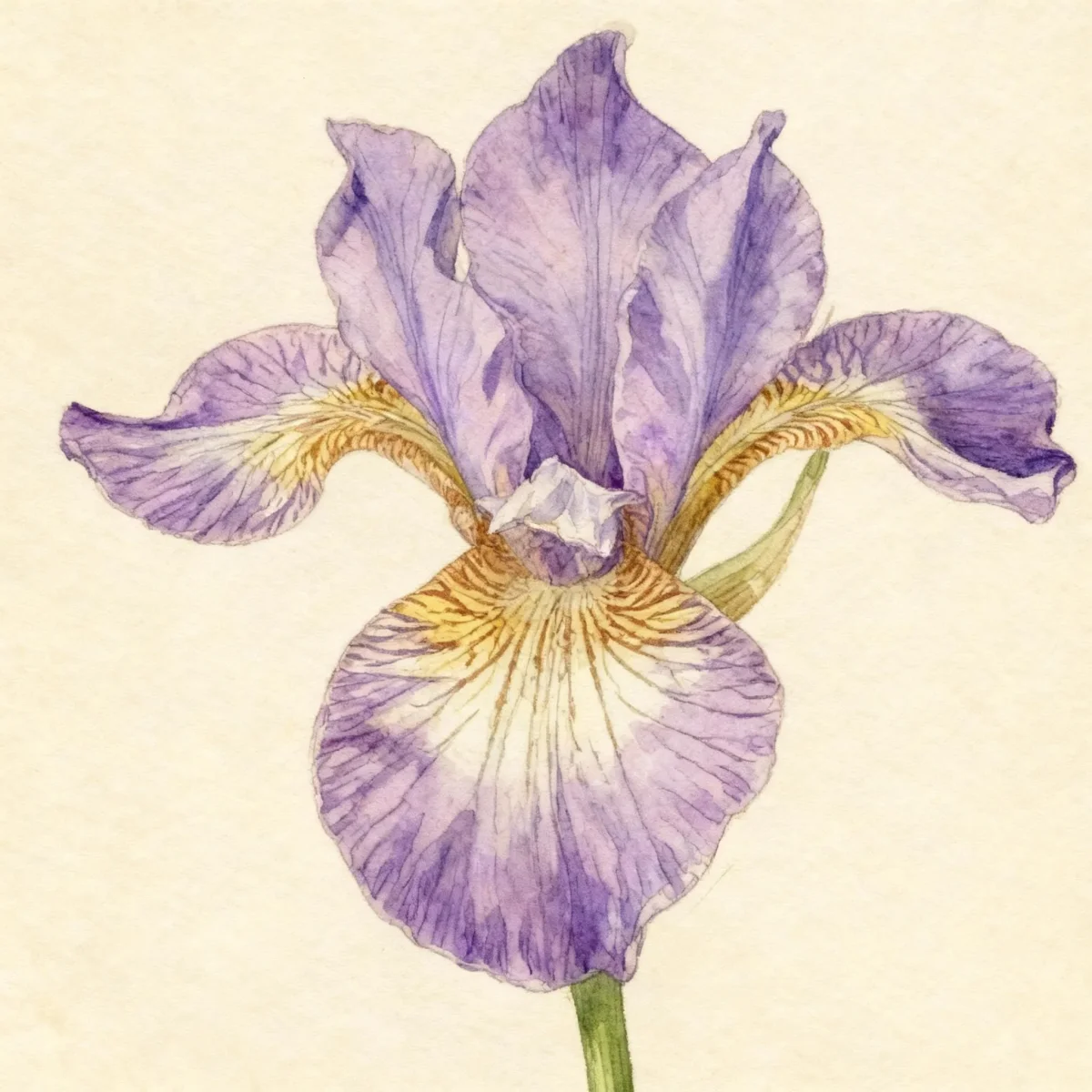
Iris 'Orville Fay' is a stunning Siberian iris featuring medium blue flowers, low maintenance, and adaptation to wet soils.
Scroll down to discover growing tips, care requirements, companion plants, and more
Complete Plant Information
Overview
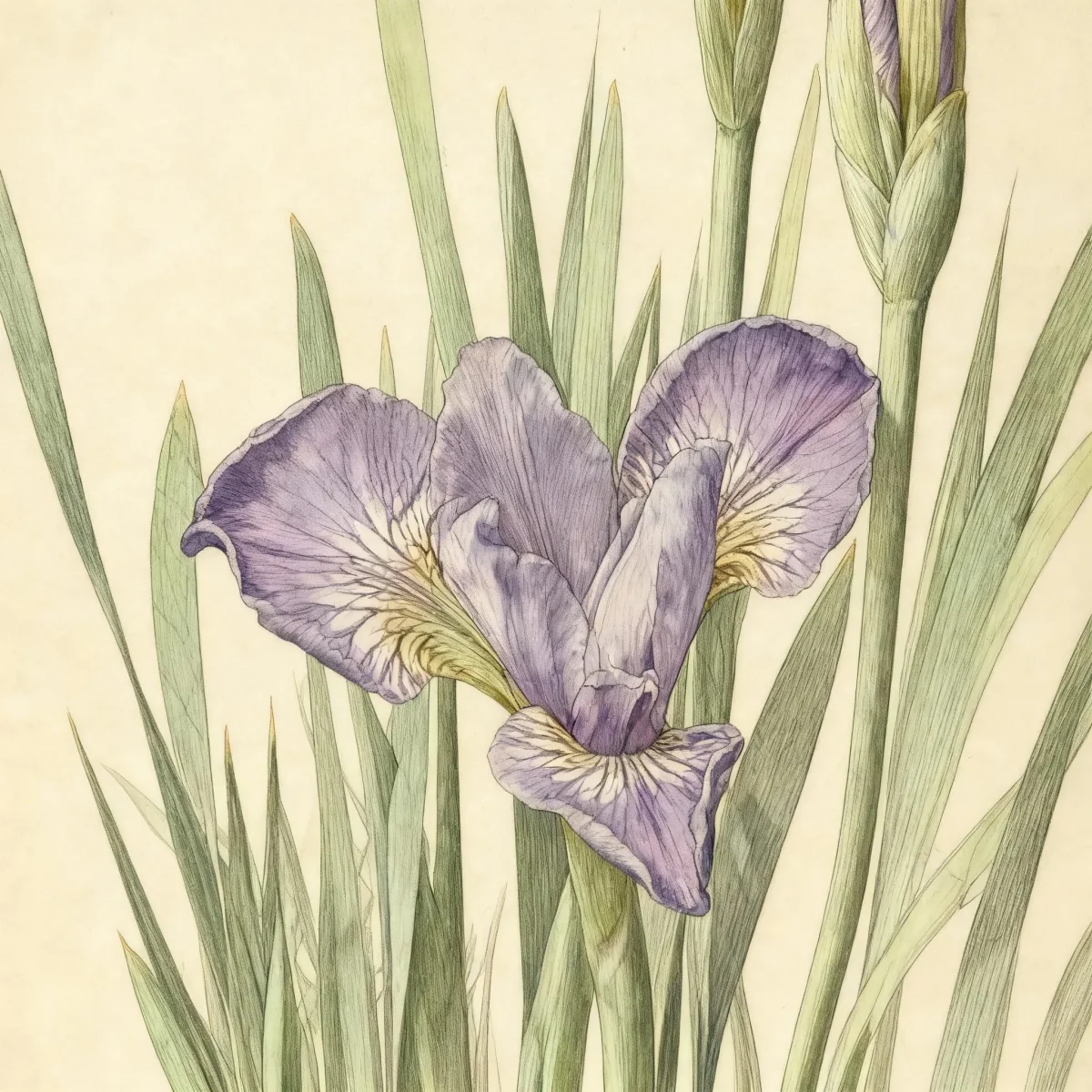
Iris ‘Orville Fay’ is a celebrated cultivar within the Siberian iris group, prized for its vivid blue coloration and robust constitution. It provides an excellent vertical element in the garden, rising above neat mounds of grass-like foliage that remain attractive long after the blooms fade in early summer. This hardy herbaceous perennial offers significant visual interest with minimal effort required from the gardener.
Derived primarily from Asian species, the Siberian iris, including Iris ‘Orville Fay’, differentiates itself from bearded types by lacking heavy rhizomes and possessing finer, more graceful foliage. Gardeners value this plant for its tolerance across a range of soil conditions, provided moisture is consistent during the growing season, making it a versatile addition to many landscape designs.
With its proven, low-maintenance nature and vibrant, medium blue flowers measuring five inches across, Iris ‘Orville Fay’ is an outstanding choice for adding reliable color to moist areas. Whether used as a specimen or massed planting, the structural beauty of this Siberian iris ensures late spring and early summer impact.
Fast Facts
- Plant Family: Iridaceae
- Plant Type: Herbaceous perennial
- Hardiness Zones: USDA Zones 3-8
- Size at Maturity:
- Height: 2.5-3 ft
- Spread: 2-2.5 ft
- Bloom Time: May to June
- Bloom Description: Blue
- Sun Exposure: Full sun to part shade
- Water Needs: Medium to wet
- Maintenance Level: Low
How to Grow
Siberian irises like Iris ‘Orville Fay’ thrive best when planted in fertile, humusy, organically rich soils that are neutral to slightly acidic. They prefer medium moisture and perform best in full sun, though they tolerate part shade. Be aware that too much shade will result in fewer blooms and foliage that tends to flop. Rhizomes should be buried shallowly, about 1 to 2 inches below the surface, and spaced 1 to 2 feet apart to allow for good air circulation and future division.
Establish strong moisture levels starting in early spring, maintaining consistent hydration until several weeks after the flowers finish. While this adaptable plant tolerates drought once established, continued irrigation keeps the foliage attractive through the summer. In very cold regions, planting rhizomes in early spring or late summer is advised, whereas fall planting works well in milder winters.
Maintenance for Iris ‘Orville Fay’ is delightfully low. Deadhead spent flowers promptly unless you value the structure of the drying seed pods. Divide clumps every few years when flowering decreases, typically as the center begins to thin out. Siberian irises are rarely bothered by the pests that plague their bearded cousins, requiring less intensive management.
Landscape Uses
The adaptability of Siberian iris makes Iris ‘Orville Fay’ highly valuable in planned landscapes, especially where consistent moisture is available. Its preference for medium to wet conditions makes it an excellent candidate for rain gardens, pond margins, or along natural streams where other perennials might struggle. The graceful, arching foliage provides texture through late fall, often mimicking ornamental grasses.
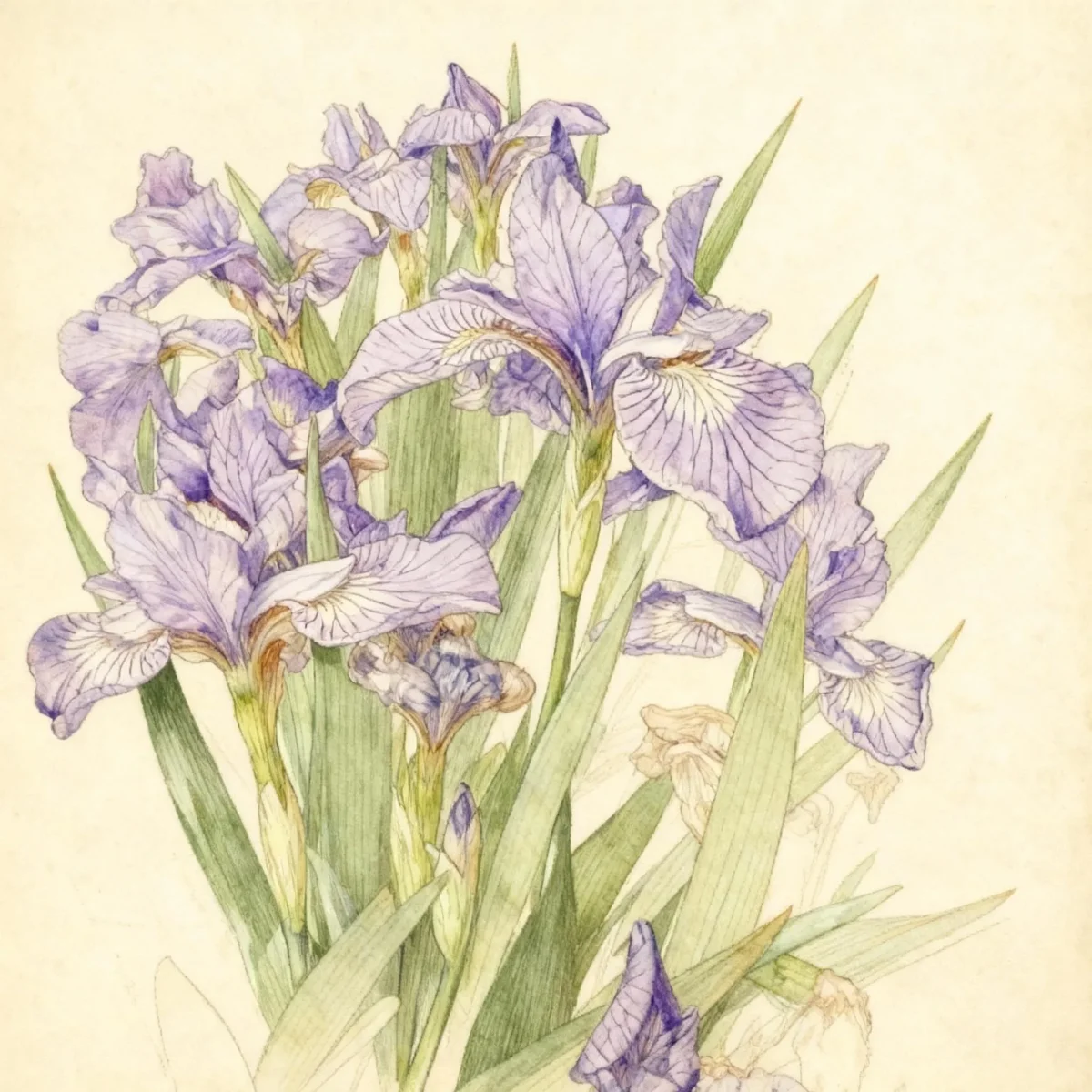
In borders, this cultivar mixes effectively with other moisture-loving perennials, providing mid-season blue accents against bolder textures or lighter summer bloomers. Consider mass plantings along a gentle slope or hillside, as the root systems contribute noted erosion control capabilities. The clean lines and vibrant blue flowers of Iris ‘Orville Fay’ enhance formal paths or add natural beauty to informal cottage settings.
As a practical bonus, the flowers are noted for being quite showy and make surprisingly good cut flowers for vase arrangements, typically lasting a couple of days indoors. The vertical structure ensures the Siberian iris adds height to the middle layers of a perennial bed.
Standout Features
Flower Qualities
- Showy
- Good Cut
Noteworthy Characteristics
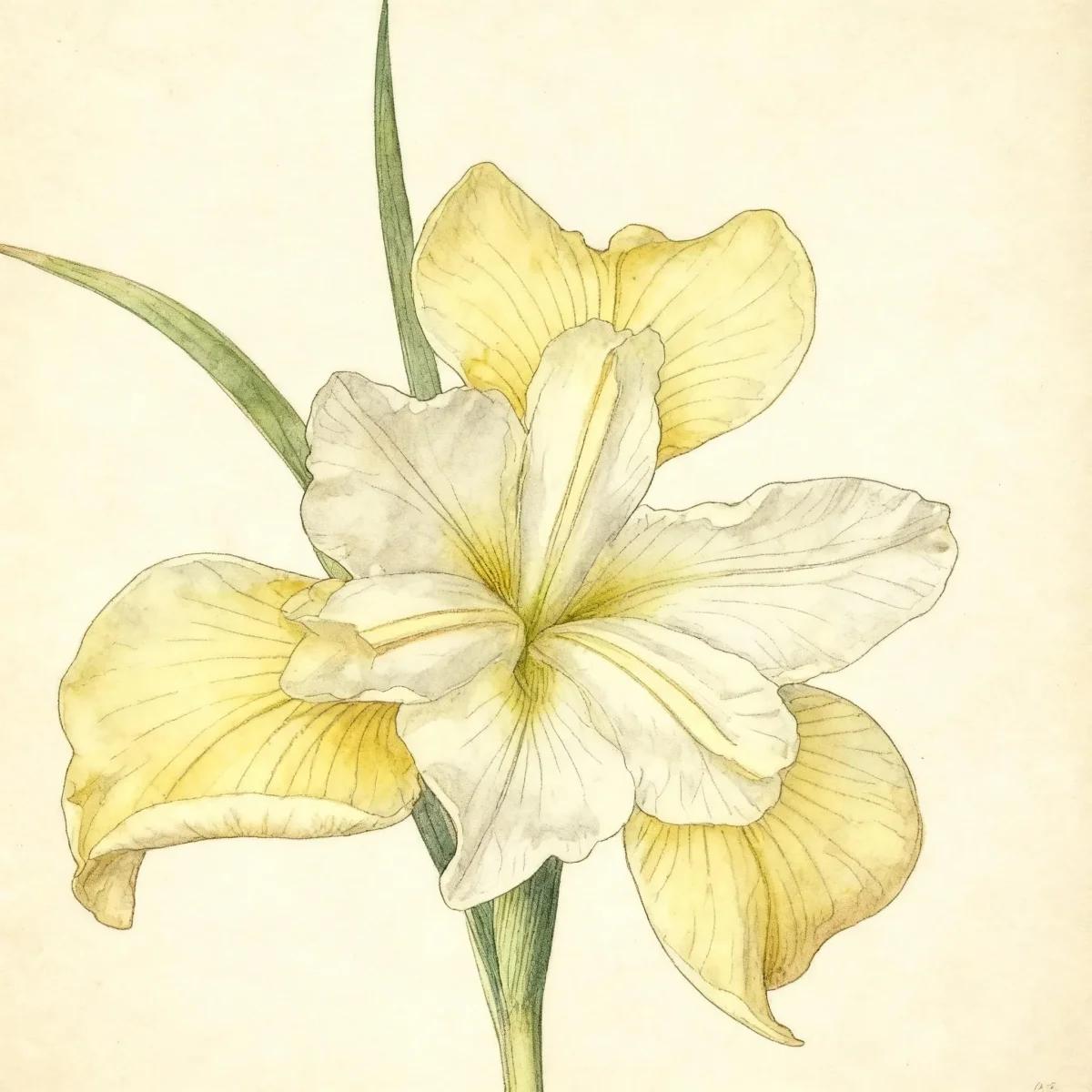
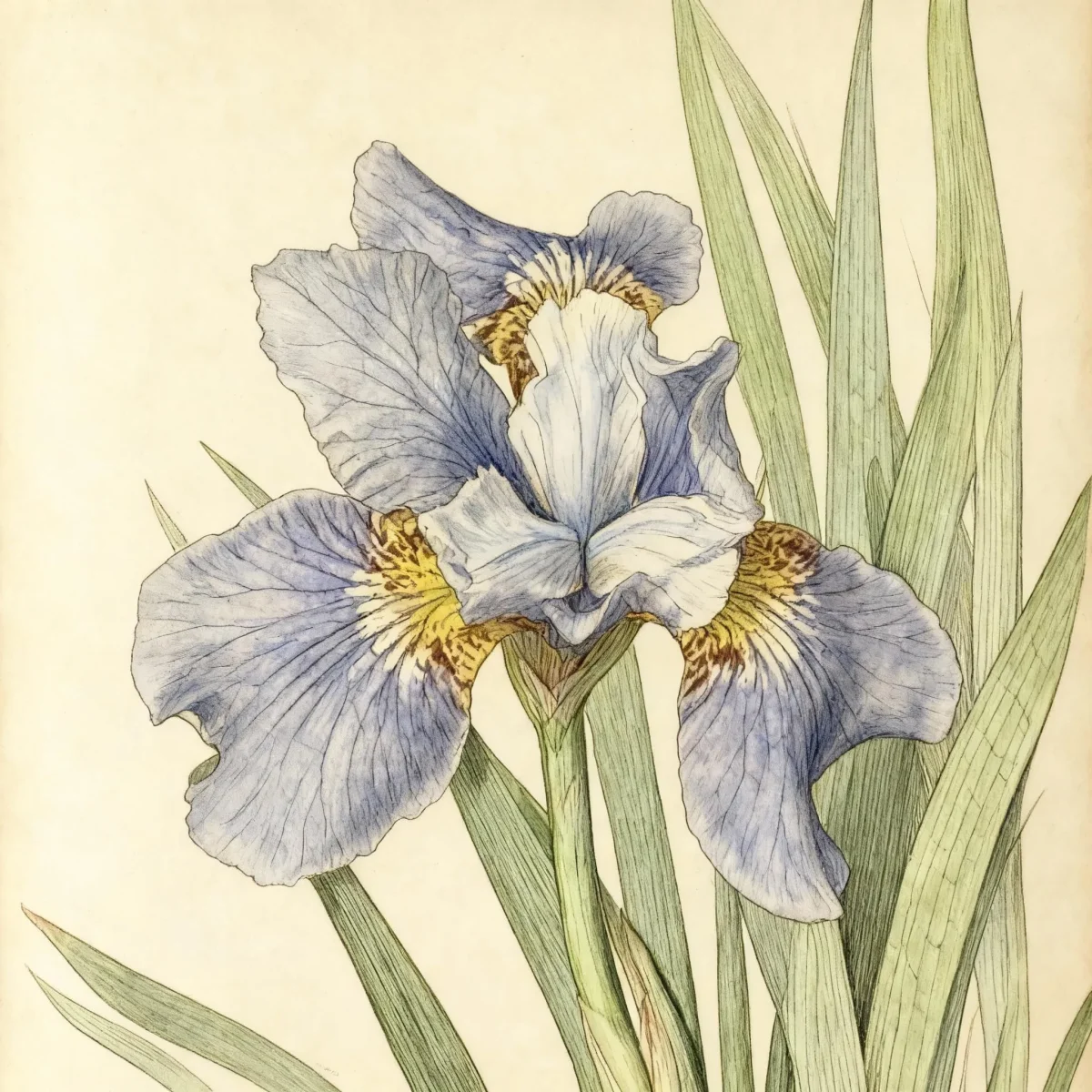
Plants in the Siberian iris group are chiefly of hybrid origin, primarily being derived from two blue-flowered Asian species, namely, I. Sibirica and I. Sanguinea. Flowering stems rise above the foliage in May-June, bearing 2-5 blue, lavender, purple, or white flowers, each featuring upright standards and flaring falls. In comparison to bearded varieties, Siberian irises have smaller beardless flowers and narrower, grass-like leaves, and Iris ‘Orville Fay’ specifically provides bright, medium blue, 5” across blooms on rigid stems. This cultivar was recognized with the 1976 Morgan Award.
Tolerances
- Rabbit
- Deer
- Drought
- Erosion
- Clay Soil
- Wet Soil
Potential Problems
Siberian irises, including the resilient Iris ‘Orville Fay’, generally boast excellent pest resistance and are largely free from the common issues associated with bearded iris, such as bacterial soft rot or iris borer infestations. Proper cultural practices, particularly ensuring adequate air circulation and avoiding excessively wet, poorly draining anaerobic conditions, are the best preventive measures. If foliage begins to flop, it usually indicates the plant is receiving too much shade and requires relocation toward a sunnier spot for healthier, more upright growth.
Frequently Asked Questions
What hardiness zones is Siberian iris suitable for?
Iris ‘Orville Fay’ is highly adaptable, thriving reliably across USDA Zones 3 through 8.
How large does Iris ‘Orville Fay’ grow?
Mature plants typically reach heights between 2.5 and 3 feet, with a spread of 2 to 2.5 feet, forming upright, vase-shaped clumps.
What sun exposure does Siberian iris need?
For best flowering, plant Iris ‘Orville Fay’ in full sun, although it can tolerate partial shade, which may reduce the bloom count.
When does Iris ‘Orville Fay’ bloom?
This Siberian iris variety blooms reliably in late spring to early summer, generally covering the period from May to June, displaying striking blue flowers.
Conclusion
Iris ‘Orville Fay’ remains a favorite among gardeners seeking reliable vertical interest and rich blue tones in the late spring garden. Its robust tolerance for varied soil and moisture conditions, combined with low maintenance requirements, ensures success in diverse settings, particularly marginal or moist garden areas. Evaluate your site conditions to confirm zone compatibility (3-8) and plan for planting during the recommended timing to enjoy the beautiful impact of this choice Siberian iris.
Companion Planting
Since Iris ‘Orville Fay’ prefers consistent moisture and performs well in rain gardens, pairing it with other water-loving perennials enhances the overall garden ecology. Excellent companions include native irises like Iris versicolor, moisture-loving Astilbes for feathery texture, or various Eupatorium species which bloom slightly later. Grouping Iris ‘Orville Fay’ with plants that share similar height profiles in the middle border layer, such as certain Hostas or ornamental grasses, allows its vivid blue flowers to stand out against contrasting greens and blues.
Design Ideas for Moisture Beds
Utilize Iris ‘Orville Fay’ to create strong linear accents within wet garden areas. Given its relatively narrow footprint (2-2.5 ft spread), groupings of three or five plants create an immediate focal point near water features or along boggy pathways. Because the foliage remains attractive after bloom, avoid placing sun-sensitive shade lovers directly against the clump, allowing the Siberian iris to dominate the sunny periphery of a damp border. The structural, rigid stems of Iris ‘Orville Fay’ provide excellent structure that resists drooping, contrasting beautifully with softer, mounding plants.