Leopard plant (Ligularia 'Osiris Fantaisie')
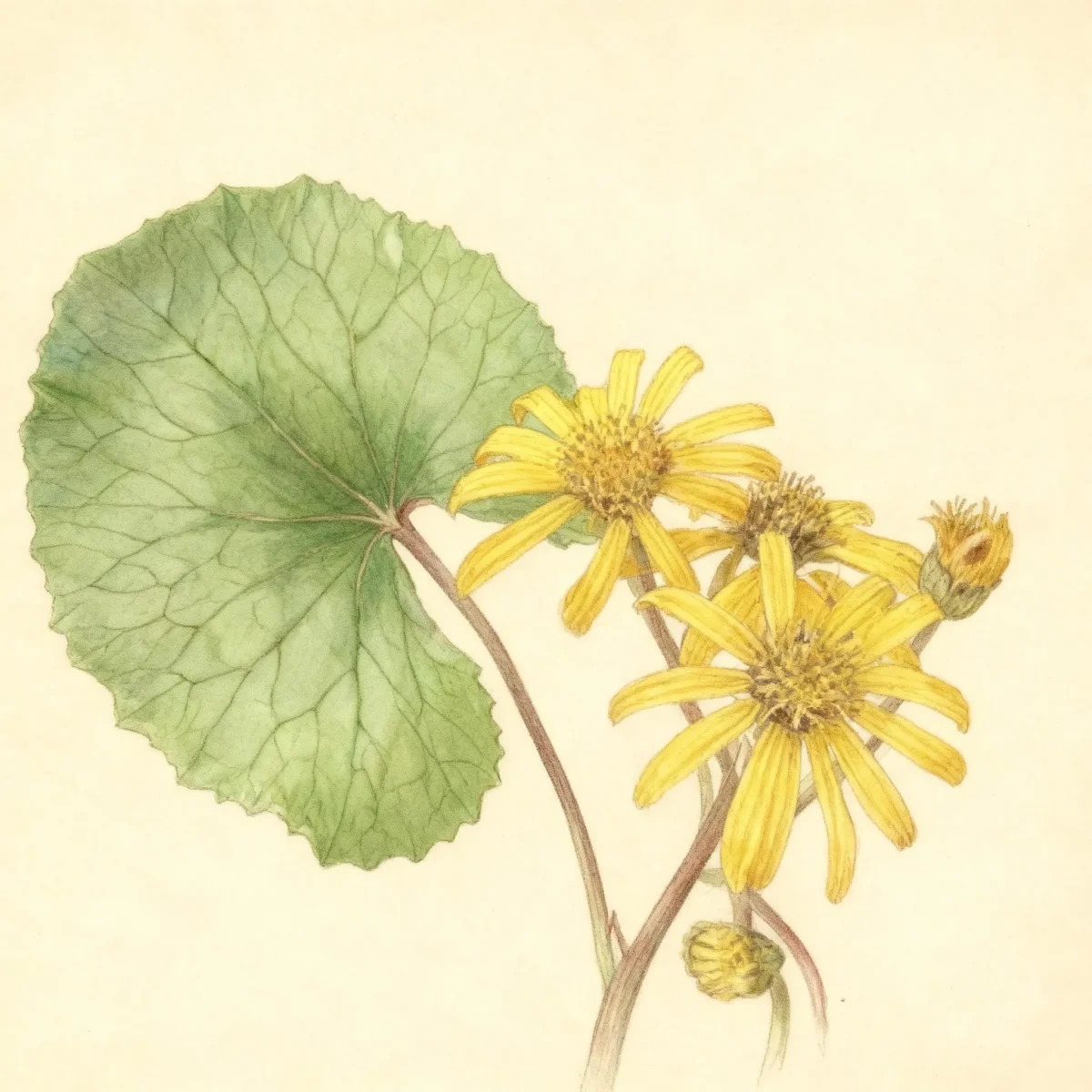
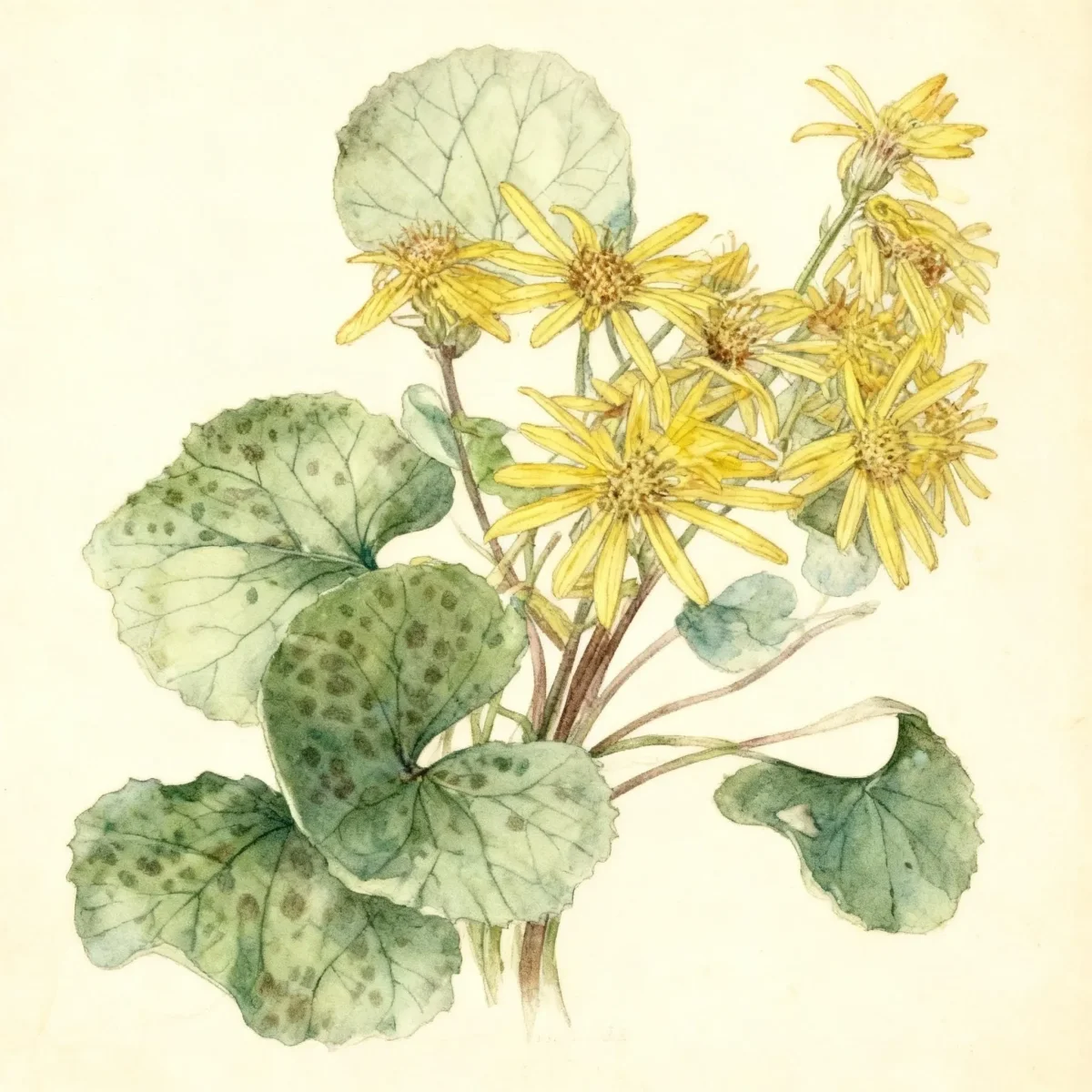
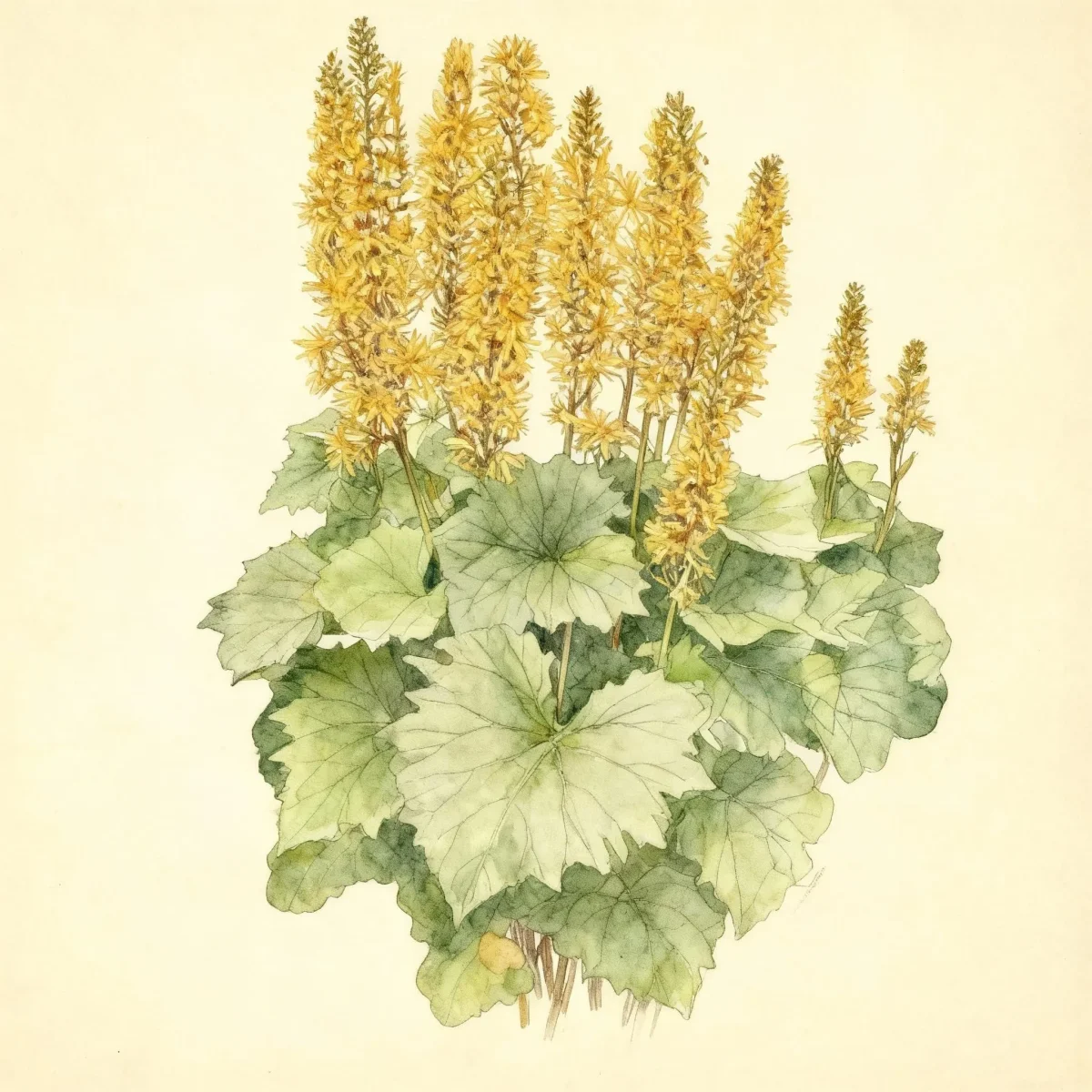
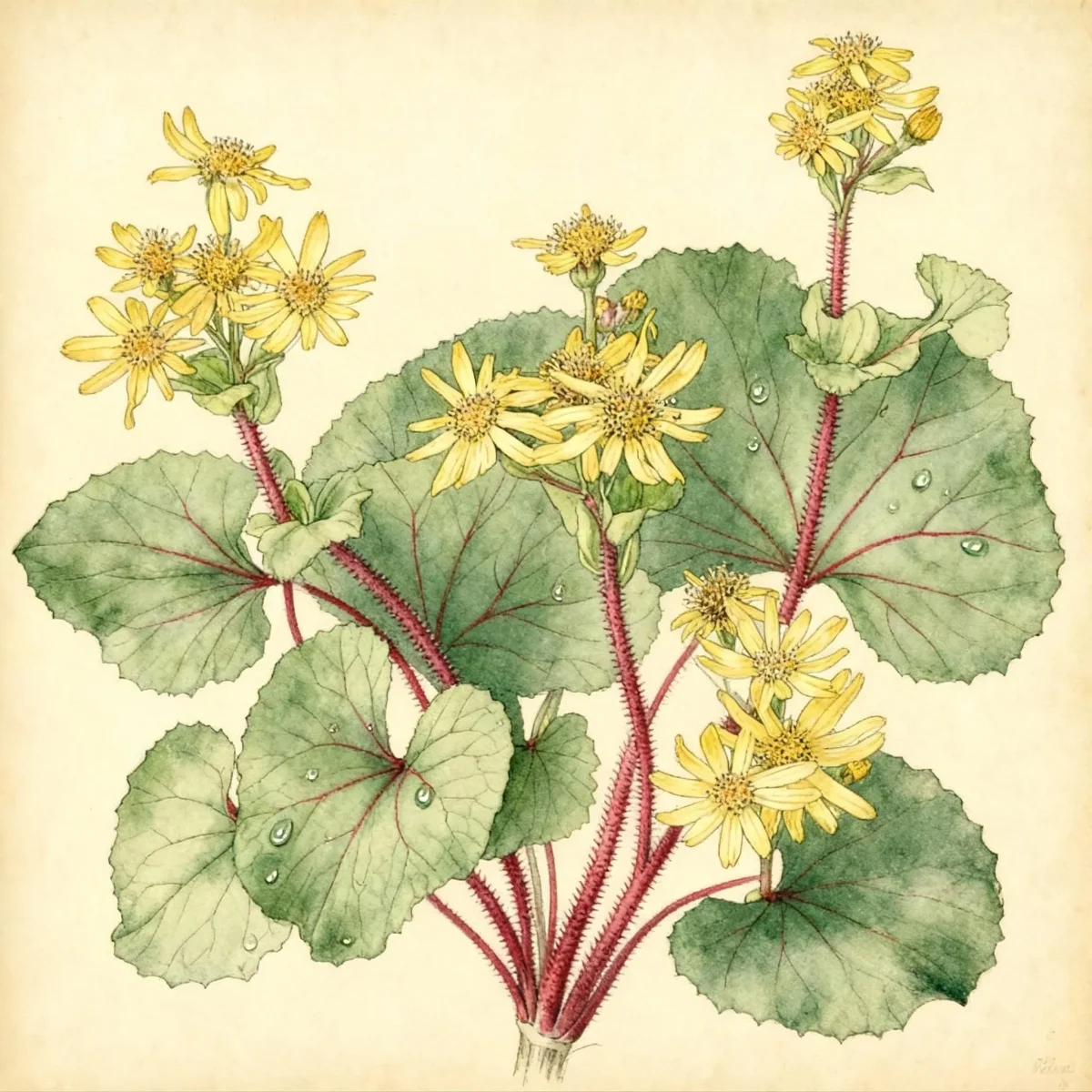
The striking Leopard plant (Ligularia 'Osiris Fantaisie') offers dark, textured foliage and cheerful yellow-orange blooms in deep shade.
Scroll down to discover growing tips, care requirements, companion plants, and more
Complete Plant Information
Overview
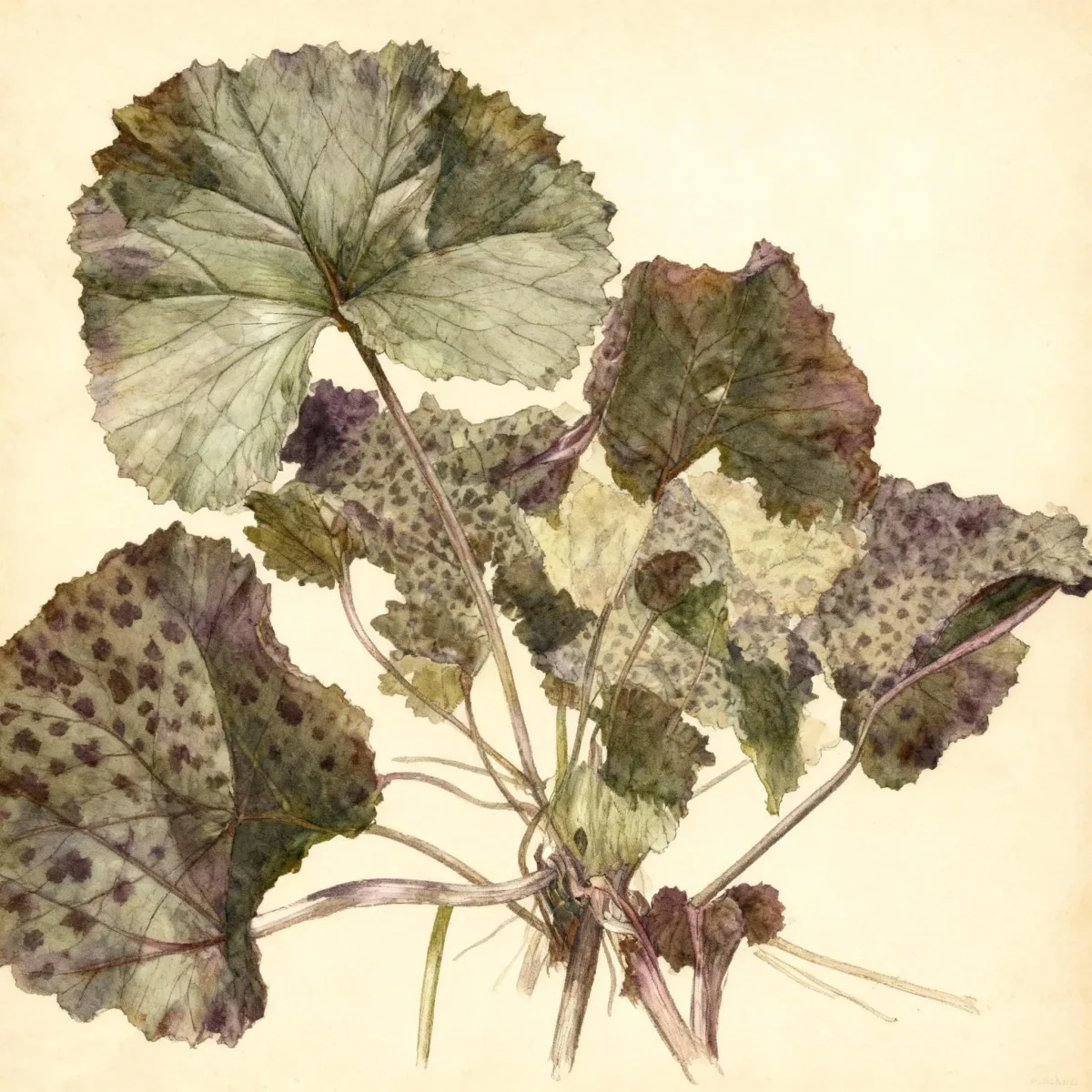
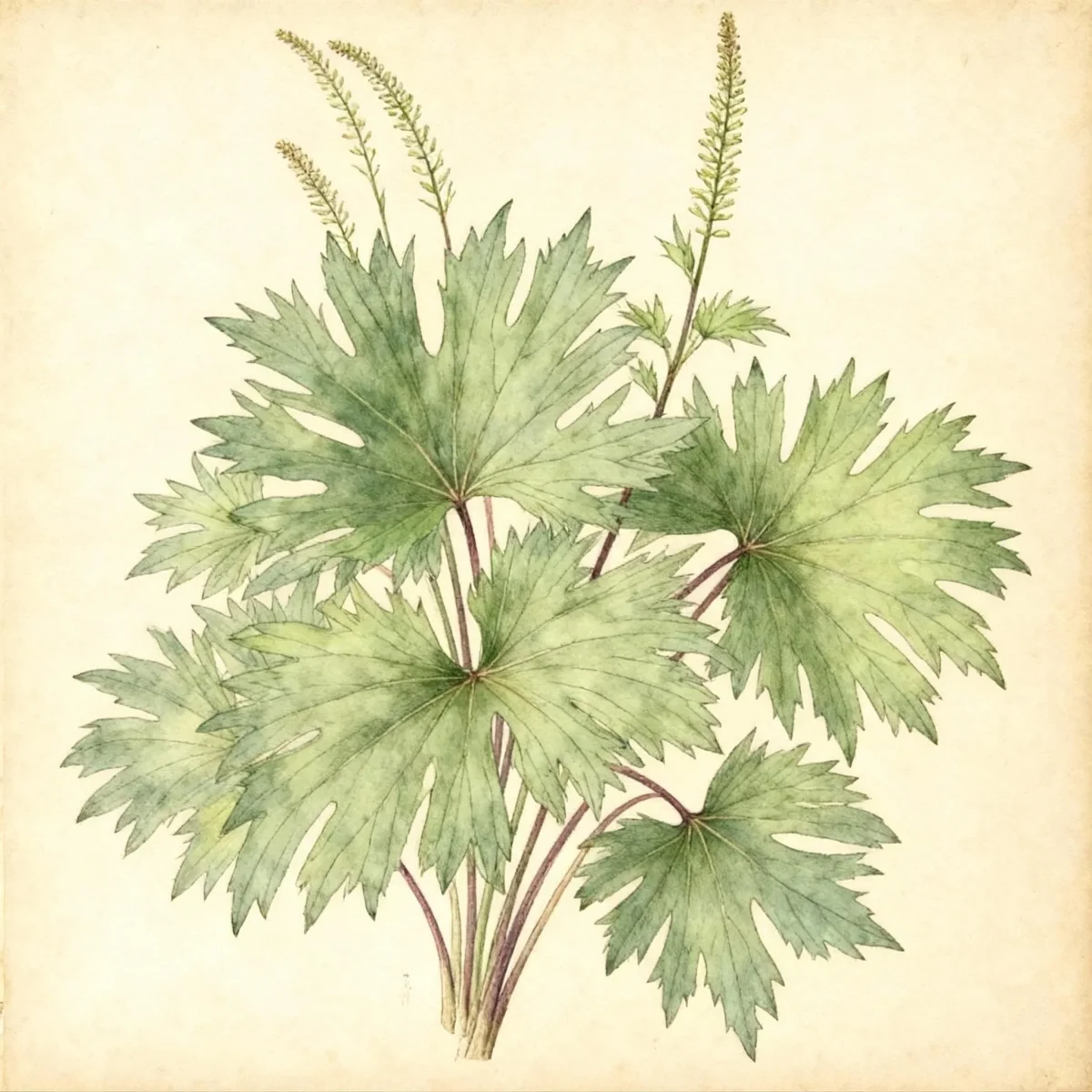
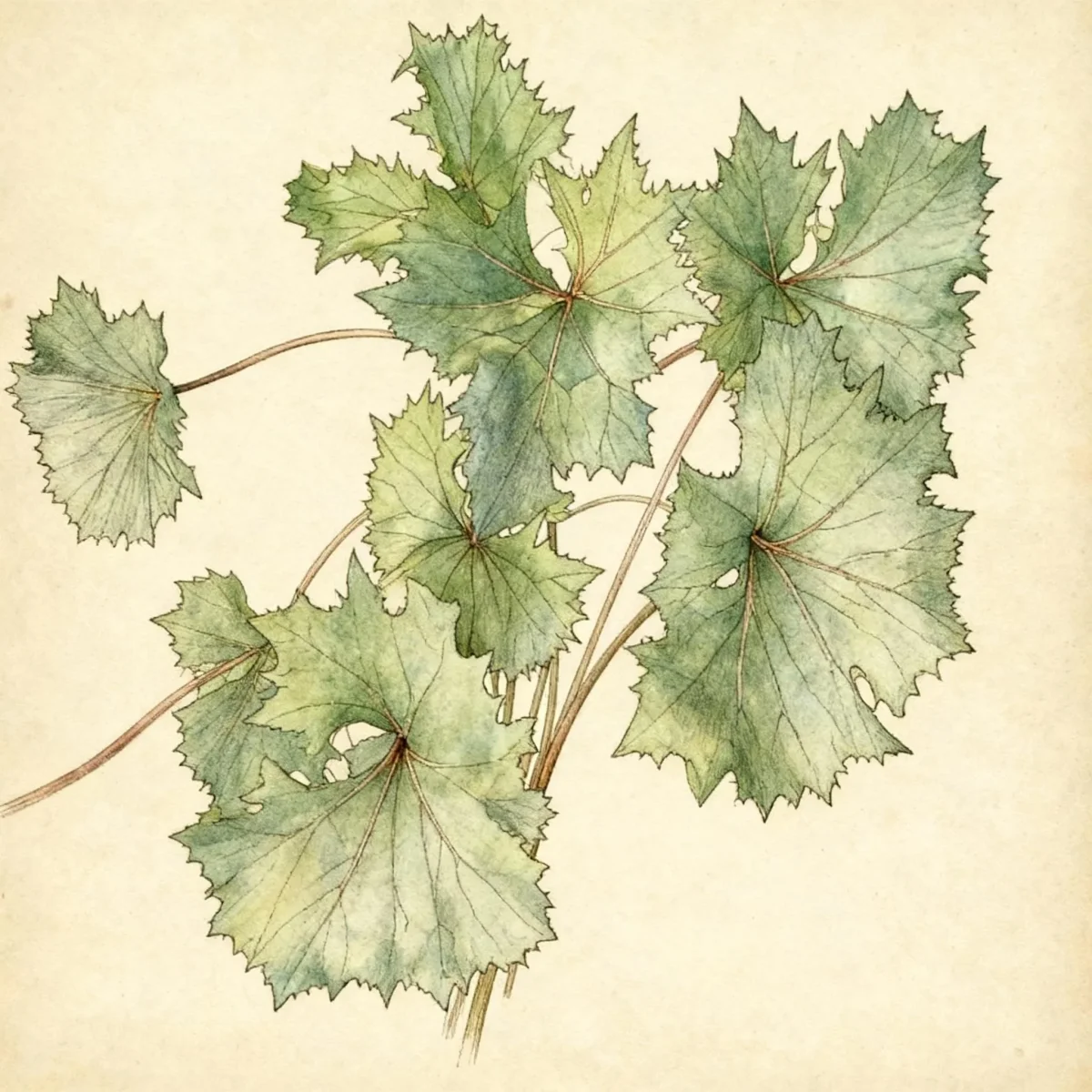
The Leopard plant, scientifically known as Ligularia ‘Osiris Fantaisie’, is highly prized in the garden primarily for its dramatic, sculptural foliage. This imposing, vase-shaped perennial forms a dense mound of thick, dark green leaves uniquely marked by conspicuous veining and burgundy undersides, offering substantial visual weight even when not in bloom. Ligularia ‘Osiris Fantaisie’ brings vibrant, daisy-like yellow-orange flowers to the garden during mid to late summer, contrasting beautifully against its deep green leaves. Its requirement for consistent moisture and tolerance for deep shade make it an essential structural component for difficult, damp areas of the landscape where many flowering perennials struggle.
Fast Facts
- Plant Family: Asteraceae
- Plant Type: Herbaceous perennial
- Hardiness Zones: USDA Zones 4-8
- Size at Maturity:
- Height: 2-3 ft
- Spread: 1.5-2 ft
- Bloom Time: July to August
- Bloom Description: Yellow-orange
- Sun Exposure: Part shade to full shade
- Water Needs: Medium to wet
- Maintenance Level: Medium
How to Grow
The best time to establish Ligularia ‘Osiris Fantaisie’ is in spring or fall, ensuring the plant has time to settle before summer heat hits. Success hinges entirely on soil conditions; these plants demand rich, humusy soils that are consistently medium to wet. Locate Ligularia ‘Osiris Fantaisie’ in a location sheltered from strong winds, favoring afternoon shade if your climate experiences hot summers.
Ongoing care focuses almost entirely on moisture management. This plant absolutely must have moist soils that never dry out. Provide regular, deep watering, especially during hot spells, to minimize leaf wilt, a common issue when the Leopard plant experiences heat stress or too much direct sun.
Maintenance is generally medium. While fertilizing isn’t strictly necessary in rich soil, a spring application of compost can help boost vigor. Pruning involves removing spent flower spikes if desired, though the primary goal of cultivation is simply maintaining optimal hydration to keep the lush foliage looking its best throughout the season.
Landscape Uses
The exceptional moisture requirements of the Leopard plant make it perfectly suited for specialized landscape roles. It excels when group or massed in perpetually damp areas, such as alongside streams, ponds, pools, or within dedicated bog gardens. Ligularia ‘Osiris Fantaisie’ serves as an excellent specimen plant for the shaded border, provided that border location guarantees consistently wet feet. Its dramatic foliage provides strong architectural contrast against finer-textured ferns or acid-loving shrubs like rhododendrons that share similar shade and moisture preferences.
Standout Features
Flower Qualities
- Showy
Noteworthy Characteristics
The genus Ligularia features about 150 species, mostly native to Asia, renowned for their basal rosettes of large, often toothed leaves. Ligularia ‘Osiris Fantaisie’ is a patented, imposing, clump-forming perennial valued highly for its ornamental foliage, featuring thick, leathery, dark green leaves with burgundy undersides. Daisy-like, yellow-orange flowers rise above the foliage on reddish-purple stems in mid to late summer, concluding the display started by its impressive leaf mound.
Tolerances
- Heavy Shade
- Wet Soil
Potential Problems
The main aesthetic threat to the Leopard plant comes from garden mollusks; slugs and snails can rapidly consume and significantly damage the lush foliage. Even when watering is consistent, leaf wilting is common in hot summer climates if the plant receives too much direct exposure to intense sun. To manage pests, apply iron phosphate pellets or copper tape early in the season. To mitigate wilting, site Ligularia ‘Osiris Fantaisie’ where it receives dappled light or afternoon shade, ensuring continuous soil moisture.
Frequently Asked Questions
What hardiness zones is Leopard plant suitable for?
The Leopard plant (Ligularia ‘Osiris Fantaisie’) is reliably hardy in USDA Zones 4 through 8.
How large does Ligularia ‘Osiris Fantaisie’ grow?
This herbaceous perennial typically reaches a height between 2 and 3 feet, spreading outward to 1.5 to 2 feet wide.
What sun exposure does Ligularia ‘Osiris Fantaisie’ need?
This plant thrives best when situated in part shade to full shade, requiring consistent protection from intense afternoon sun.
When does Leopard plant bloom?
Ligularia ‘Osiris Fantaisie’ produces its characteristic yellow-orange flowers during the height of summer, spanning from July through August.
Conclusion
For gardeners looking to add structure, deep color, and reliable performance to shady, wet corners of the landscape, Ligularia ‘Osiris Fantaisie’ is an exceptional selection. The bold, architectural foliage of the Leopard plant offers year-round interest, complemented by bright summer blooms. Before planting, confirm that your chosen site can consistently meet its demanding moisture requirements to ensure this beautiful perennial performs optimally.
Companion Planting
Selecting appropriate neighbors is key to success with Ligularia ‘Osiris Fantaisie’, as companions should share a love for shade and moisture. Consider pairing it with moisture-loving woodland plants such as large Hostas with bright chartreuse or blue foliage, which create stunning texture contrasts against the Leopard plant’s coarser leaves. Ferns, particularly moisture-loving varieties like Japanese Painted Ferns or Ostrich Ferns, complement the robust habit perfectly while filling any gaps in the understory.
Design Ideas
Because this Ligularia cultivar is patented and highly dramatic, it naturally functions as an accent or specimen plant within a shade border. Utilize its substantial visual mass near the edges of dark mulched beds or placed near water features where its need for moisture is easily satisfied. When placing Ligularia ‘Osiris Fantaisie’, remember the flower spikes may lean toward the light source; planting it where morning sun filters through trees provides the best chance for upright summer stems.