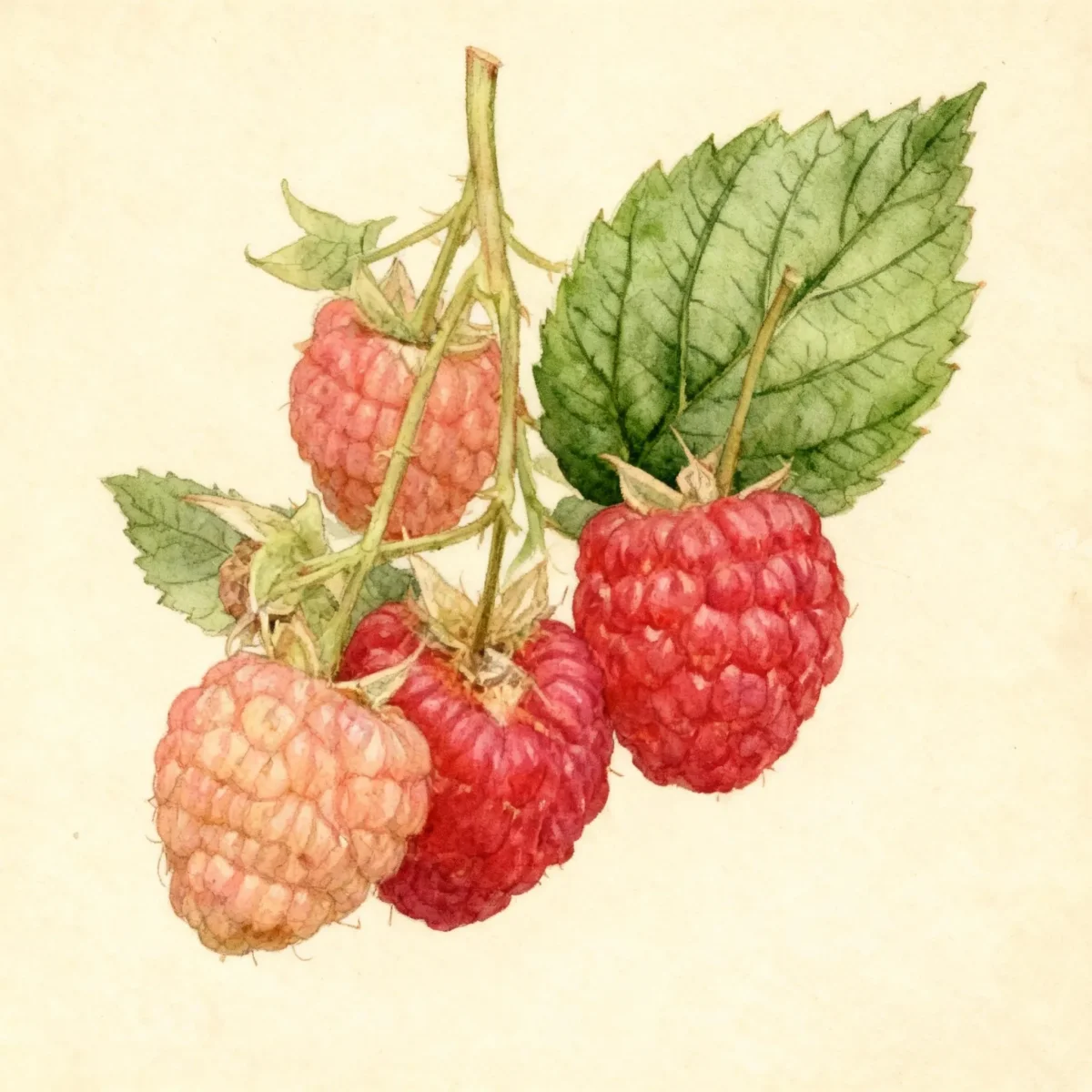
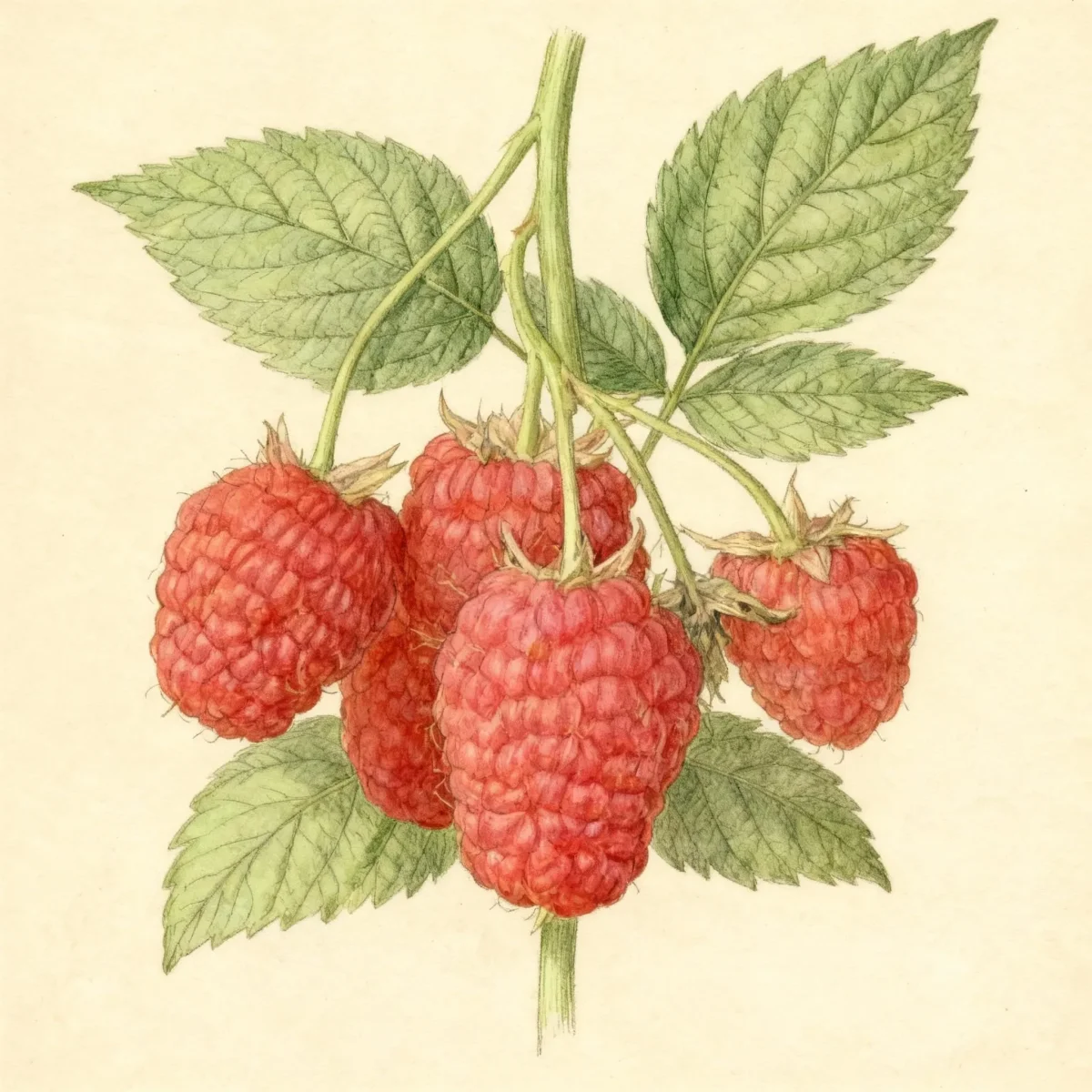
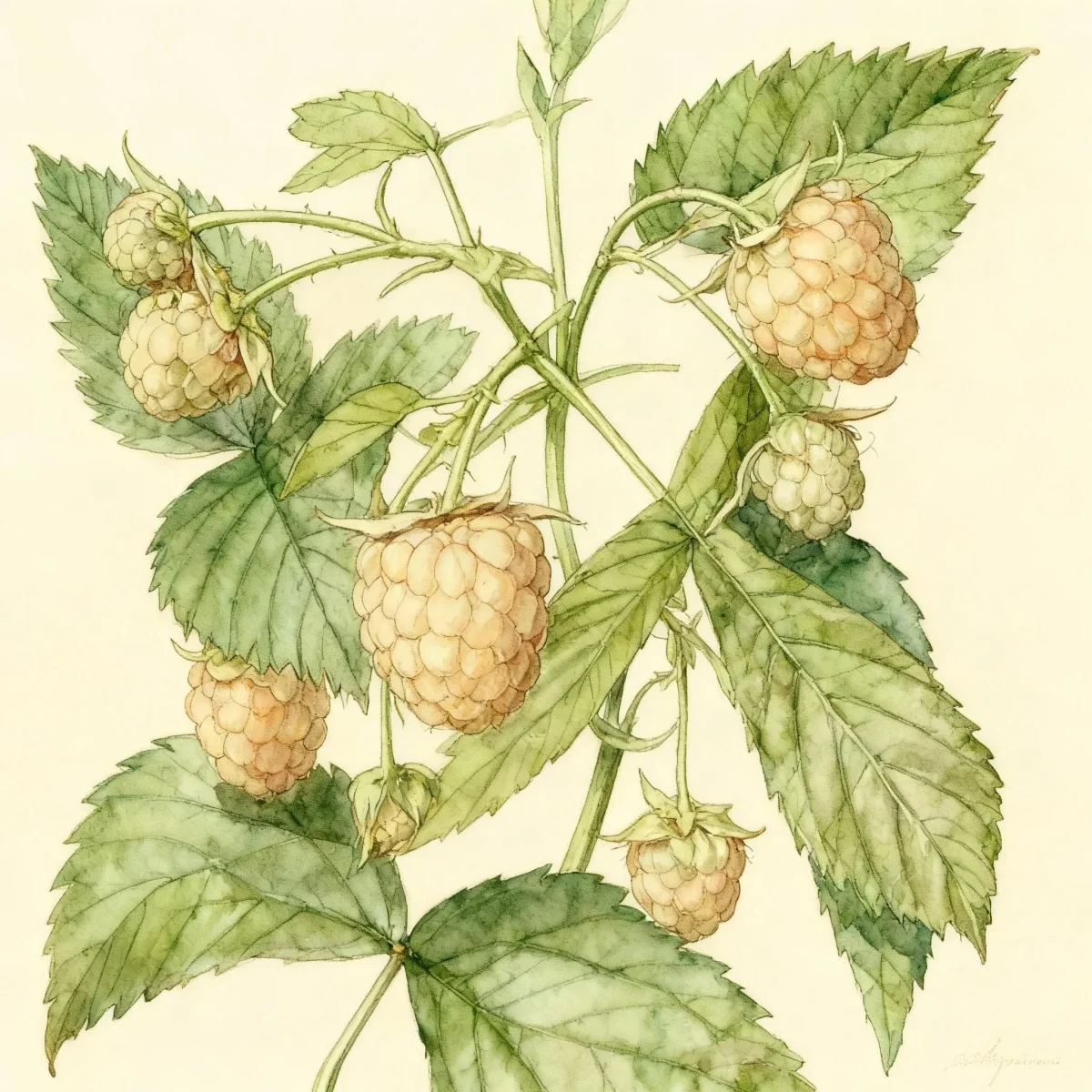
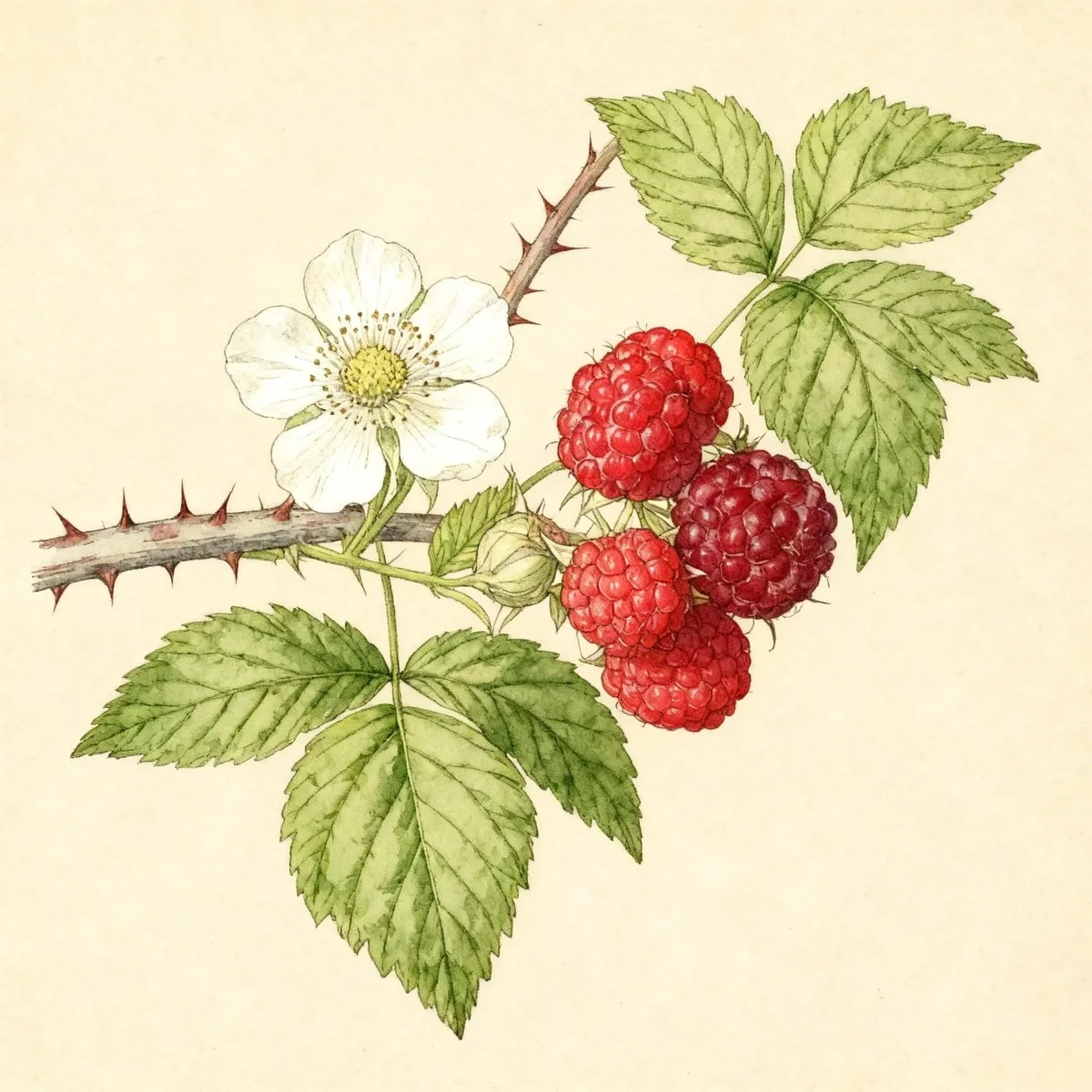
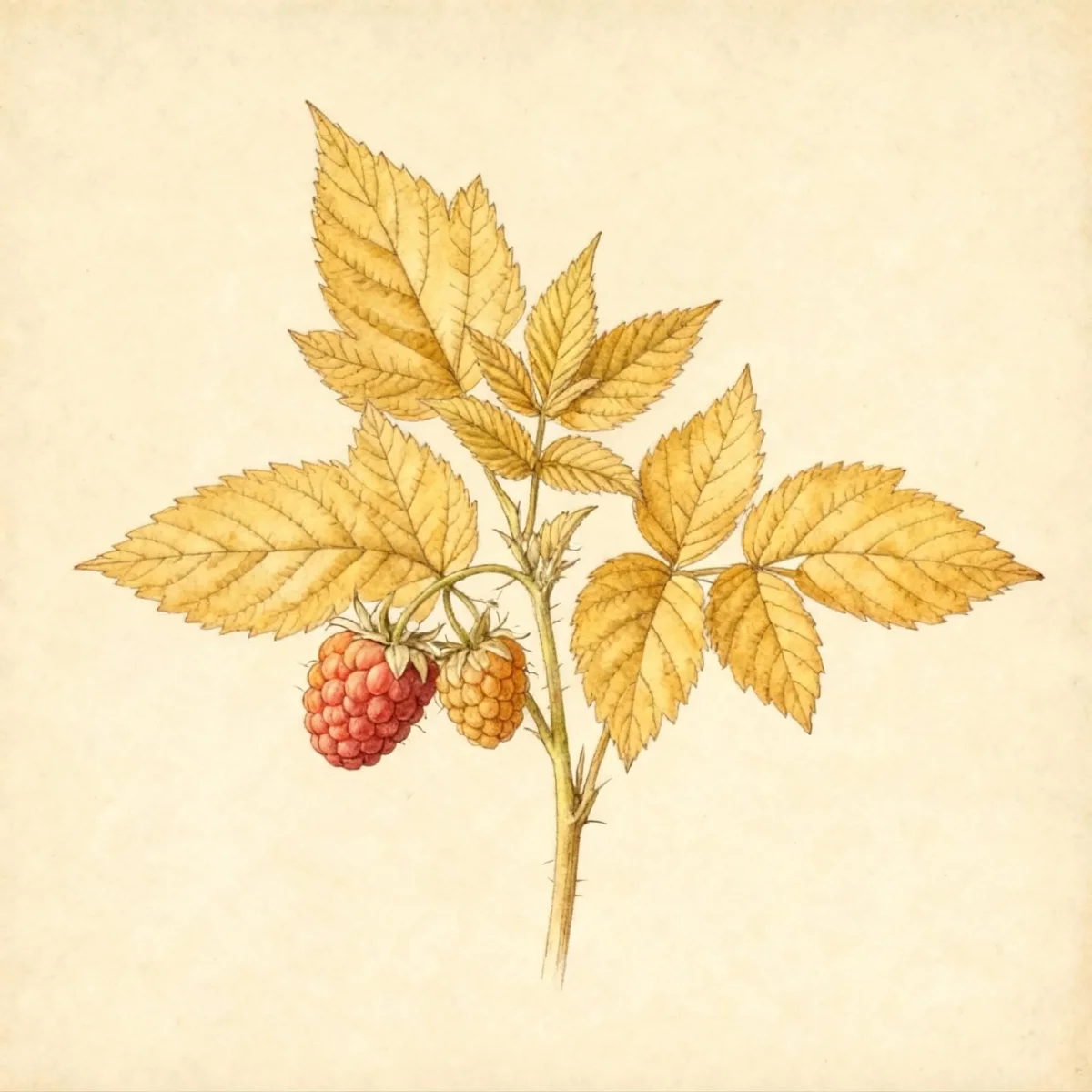
Raspberry (Rubus 'Bristol')
Grow Raspberry Rubus 'Bristol' for glossy black fruit and excellent flavor. A medium-maintenance bramble thriving in Zones 4-8.
Scroll down to discover growing tips, care requirements, companion plants, and more
Complete Plant Information
Overview
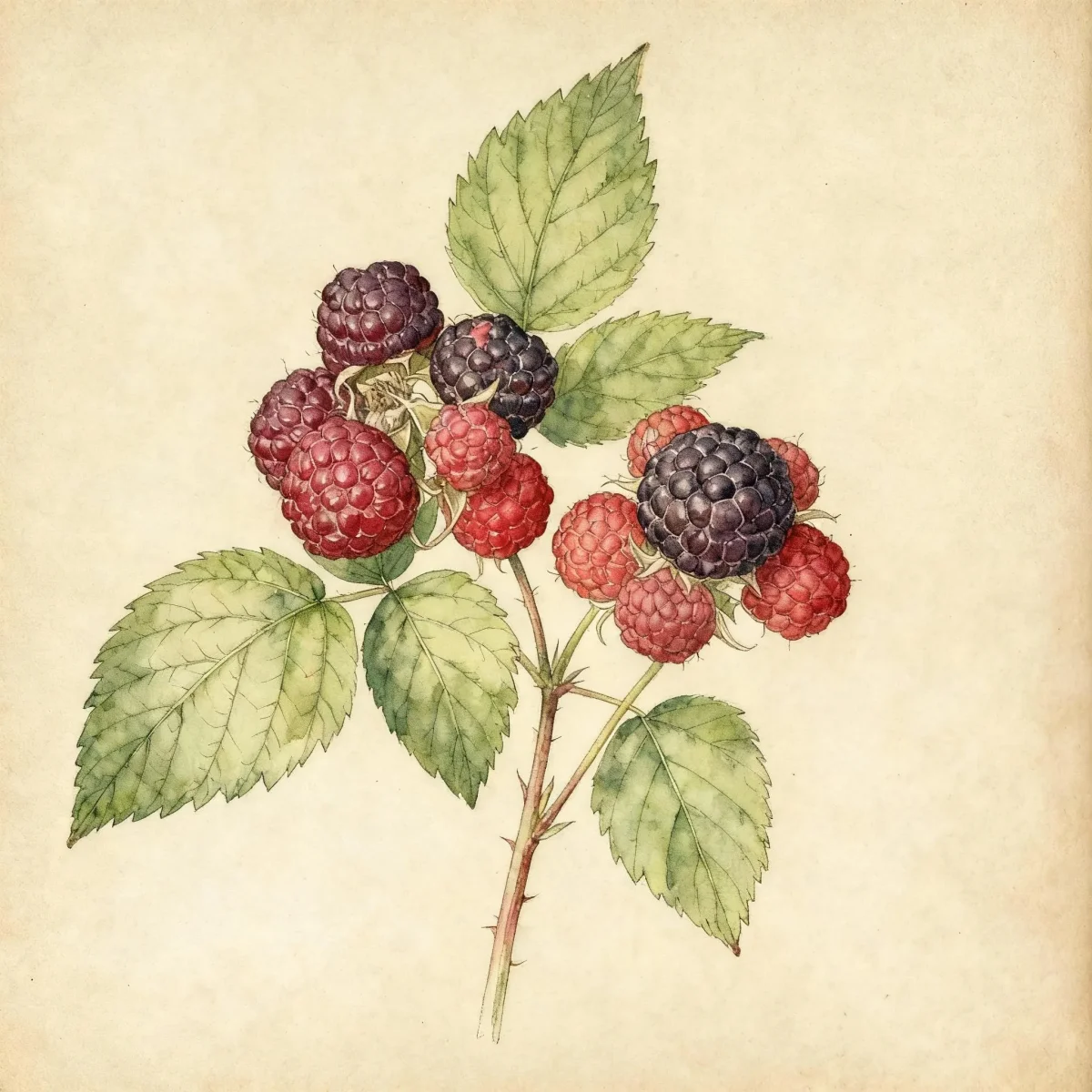
Rubus ‘Bristol’ is a distinguished mid-season black raspberry cultivar, highly valued by home gardeners for its robust aggregate fruit, which boasts excellent eating quality. This Bramble, part of the Rubus genus, grows on biennial canes emerging from a perennial rootstock, offering a semi-erect habit ideal for managed garden spaces. While prized for its edible bounty, the plant also offers aesthetic appeal with clusters of attractive white flowers preceding the glossy black harvest. Successful cultivation of this Raspberry requires attention to soil drainage and specific pruning techniques to maximize the annual yield from the fruited canes.
This Black Raspberry variety generally performs best when situated where it can receive full sun to light afternoon shade, mirroring the preferred conditions of many temperate fruit crops. Gardeners should note that high summer heat can inhibit optimal fruiting, making cooler summer climates ideal for the best production of Rubus ‘Bristol’. Its medium maintenance requirement means consistent care, particularly regarding its biennial cane structure, is necessary to ensure a sweet, abundant summer crop.
As an aggregate-fruited bramble, the Rubus ‘Bristol’ Raspberry provides flavorful, hollow berries that are fantastic when eaten fresh or processed into jams and jellies. Proper site selection, focusing on rich, slightly acidic, and well-drained soil, is the foundation for managing this plant successfully and avoiding common issues like root rot.
Fast Facts
- Plant Family: Rosaceae
- Plant Type: Fruit
- Hardiness Zones: USDA Zones 4-8
- Size at Maturity:
- Height: 4-5 ft
- Spread: 1.5-2 ft
- Bloom Time: April to May
- Bloom Description: White
- Sun Exposure: Full sun to part shade
- Water Needs: Medium
- Maintenance Level: Medium
How to Grow
Planting Rubus ‘Bristol’ should be done in the early spring or fall, ensuring you prepare the site thoroughly. This Raspberry cultivar demands organically rich, slightly acidic soil that must be moist yet exceptionally well-drained; intolerant of wet conditions, root rot is a serious risk. If your native soil involves heavy clay, implementing raised beds is highly recommended to ensure drainage and aeration are adequate for healthy crown development.
Ongoing care centers around consistent watering, maintaining medium moisture without allowing standing water. Since the canes are biennial, pruning is the most critical maintenance task for this Raspberry. Immediately after the summer fruit harvest is complete, locate and remove all canes that have fruited (they are now old wood). Simultaneously, thin out any weak or diseased non-fruiting canes.
In late winter, before new growth starts, perform a final thinning of the remaining one-year-old canes, ensuring healthy, well-spaced growth. You may also reduce the height of the tallest canes by up to 6 inches at this time; this removes the tips that produce smaller fruit and helps the canes remain self-supporting, keeping the developing fruit off the ground. Successful Rubus ‘Bristol’ production depends heavily on correctly executing this two-part annual pruning schedule.
Landscape Uses
While the primary function of Rubus ‘Bristol’ is fruit production, the clusters of white, 5-petaled flowers appearing from April to May offer seasonal appeal. However, this variety is generally cultivated strictly for its culinary rewards rather than purely ornamental landscape use. Its growth habit demands structure, making it perfect for dedicated edible backyards or kitchen gardens where its vigor can be managed.
In a functional landscape design, planting rows of Raspberry utilizes the shrub’s height (4-5 ft) effectively without overwhelming smaller border plants. Consider pairing Rubus ‘Bristol’ with early-season spring bulbs that finish blooming before the raspberry canopy expands and shades the ground completely. For a dedicated edible tapestry, interplanting with perennial herbs that enjoy similar soil conditions can maximize space utilization around this productive bramble.
Standout Features
Flower Qualities
- Showy
Fruit Qualities
- Showy
- Edible
Noteworthy Characteristics
Raspberries are aggregate fruited brambles native to temperate regions around the world. The biennial canes emerge from a perennial rootstock and can take on a sprawling to semi-erect habit. Many raspberry cultivars available today are hybrids of multiple species in the genus Rubus, with the two most common being R. Idaeus (red raspberry) and R. Occidentalis (black raspberry). Raspberries can be distinguished from blackberries by certain characteristics of their aggregate fruits; when picked, the receptacle remains on the cane, creating a hollow space inside. The cultivar ‘Bristol’ is a mid-season black raspberry noted for its excellent flavor, producing one crop each year in early summer.
Tolerances
Potential Problems
This Raspberry variety is susceptible to several fungal diseases that require vigilance, including Anthracnose, botrytis, spur blight, and leaf spot; root rot is often caused by improper soil drainage. Management often necessitates chemical treatments for severe outbreaks of these fungal issues. Gardeners must also watch for serious wilt diseases like verticillium and bluestem wilt, as well as the raspberry mosaic disease complex.
Insect control focuses mainly on borers; cane borers and crown bores can be potentially serious pests that damage the structural integrity of the canes. Aphids are also noted as troublesome pests that can transmit viruses or cause direct feeding damage. Implementing the correct pruning practices annually is vital, as it helps promote good air circulation, which is the single best cultural defense against many common fungal issues affecting the Rubus ‘Bristol’.
Frequently Asked Questions
What hardiness zones is Raspberry suitable for?
Rubus ‘Bristol’ is suitable for USDA Zones 4 through 8.
How large does Raspberry grow?
This variety typically reaches a mature height between 4 and 5 feet tall, with a spread of 1.5 to 2 feet wide.
What sun exposure does Rubus ‘Bristol’ need?
The ideal sun exposure for this Raspberry is full sun to part shade conditions.
When does Rubus ‘Bristol’ bloom?
You can expect clusters of white flowers to appear between April and May.
Conclusion
The Rubus ‘Bristol’ Raspberry offers gardeners a rewarding harvest of uniquely flavorful black raspberries when its specific cultural needs are met. By understanding the biennial cane structure and diligently following the annual pruning regime, you can ensure consistent and high-quality fruit production from this excellent cultivar. Before planting, confirm that your site offers the required well-drained, rich soil and matches the USDA Zone 4-8 compatibility.
Companion Planting
Selecting appropriate neighbors is crucial for maximizing health and yield in an edible garden setting, especially with Rubus ‘Bristol’. Since raspberries prefer slightly acidic conditions and consistent moisture (but excellent drainage), look for companion plants that share these preferences. Low-growing herbs like chives, thyme, or oregano can serve as living mulches that help suppress weeds near the root zone without competing aggressively for nutrients required by the canes.
Avoid planting potatoes, tomatoes, or eggplants nearby, as these Solanaceae family members are susceptible to Verticillium wilt, a soil-borne pathogen that can also seriously affect black raspberries. Instead, consider planting nitrogen-fixing legumes, like bush beans or clover, in adjacent rows to naturally enrich the soil over time, supporting the vigorous growth required for next year’s fruit production on your Raspberry plants.
Design Ideas
Due to their semi-erect, sprawling nature, Rubus ‘Bristol’ plants are best incorporated into planned rows or hedgerows rather than scattered plantings. Utilize sturdy trellising or post-and-wire systems to keep the 4-5 foot canes vertical and support the weight of the summer berry crop, preventing fruit from touching the soil. This structure also makes the critical sanitation pruning much easier to perform each year.
For a visually intentional edible landscape, position the Raspberry rows where their spring white blooms and mid-summer dark fruit create a textural contrast against neighboring green foliage. Keep the area immediately surrounding the canes clear of dense groundcovers to improve air circulation, which is essential for disease prevention; utilize light gravel or wood chips as mulch instead of thick organic layers directly against the canes.