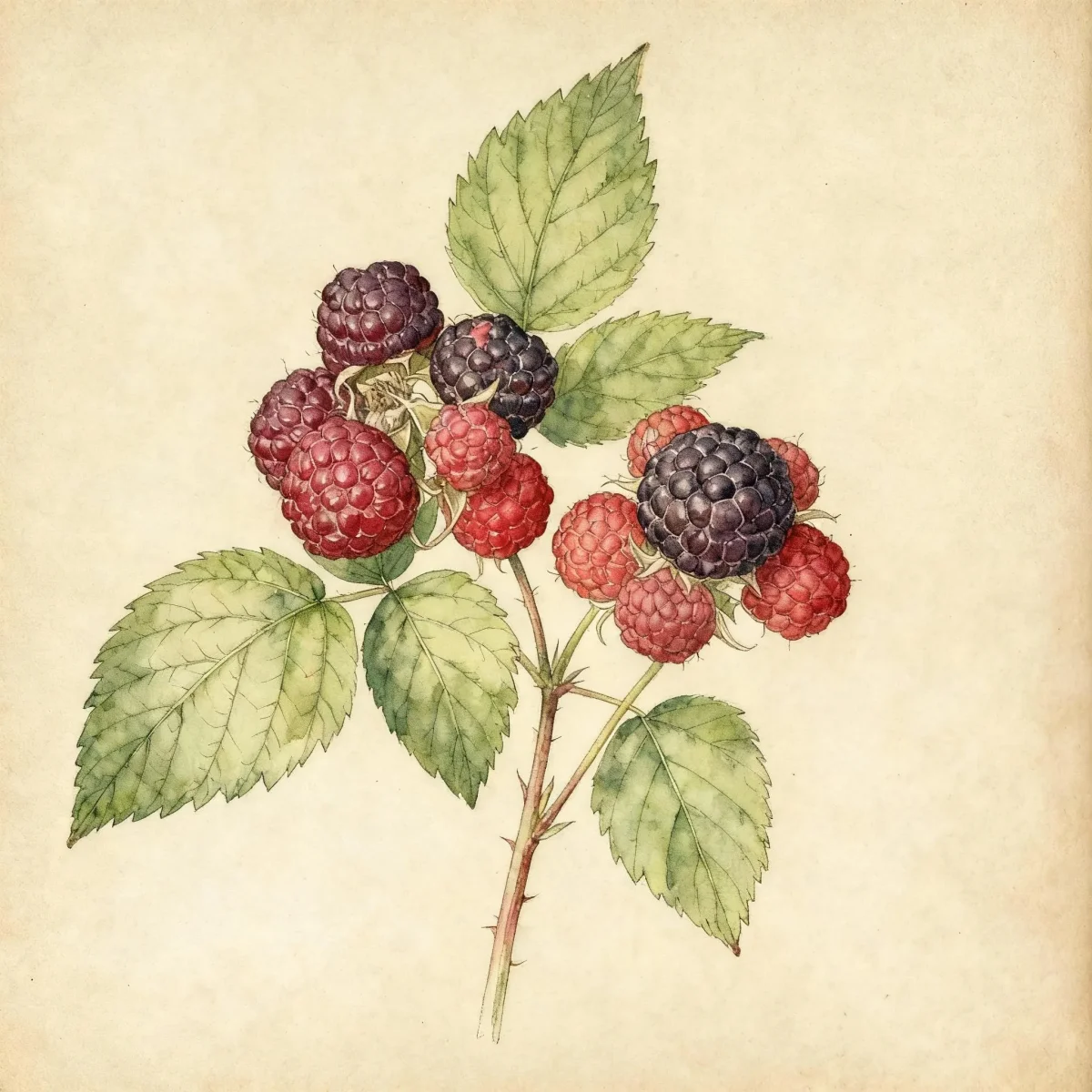
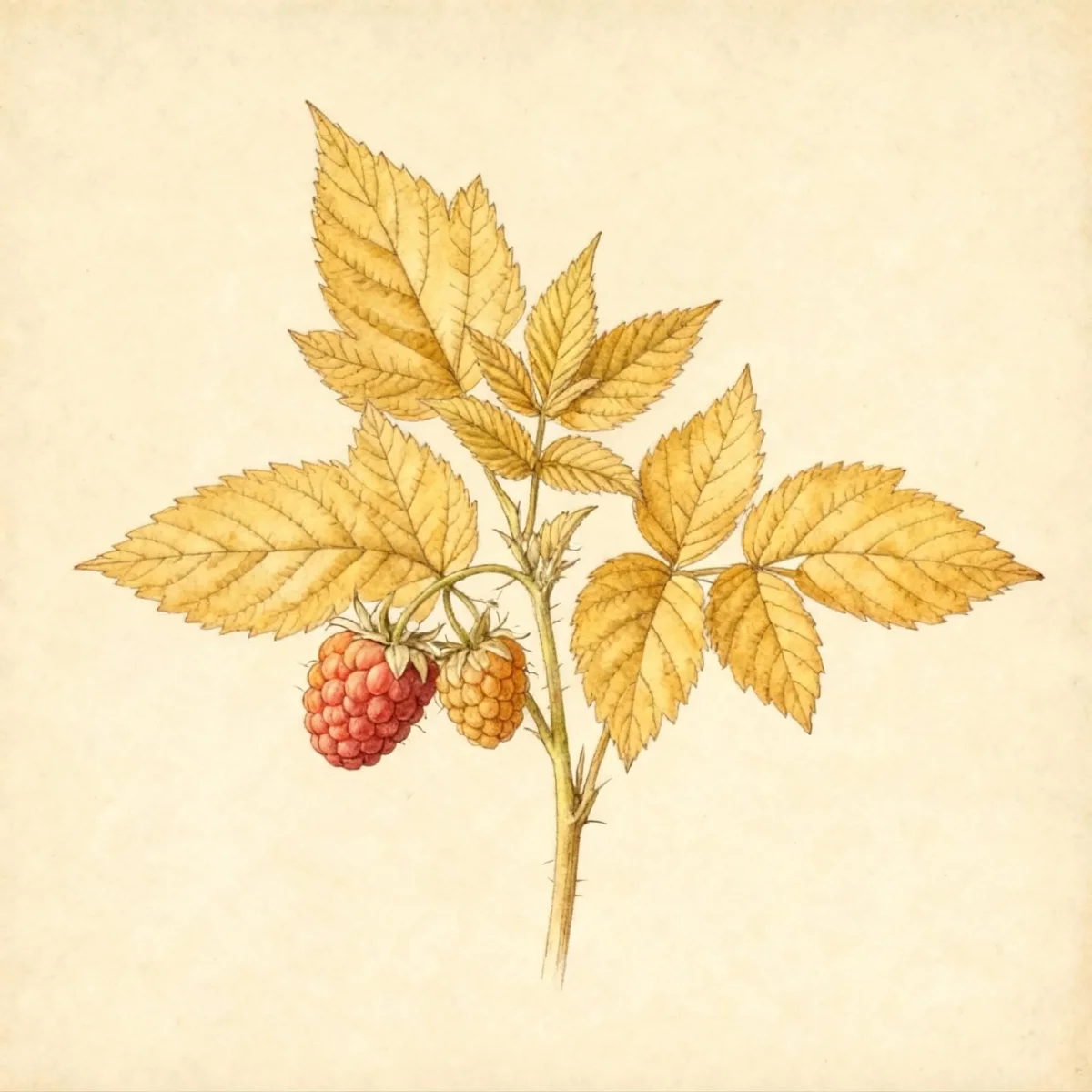
Raspberry (Rubus 'Munger')
Rubus 'Munger' Raspberry is a prized mid-season black raspberry cultivar known for excellent flavor, thriving in cool summers.
Scroll down to discover growing tips, care requirements, companion plants, and more
Complete Plant Information
Overview
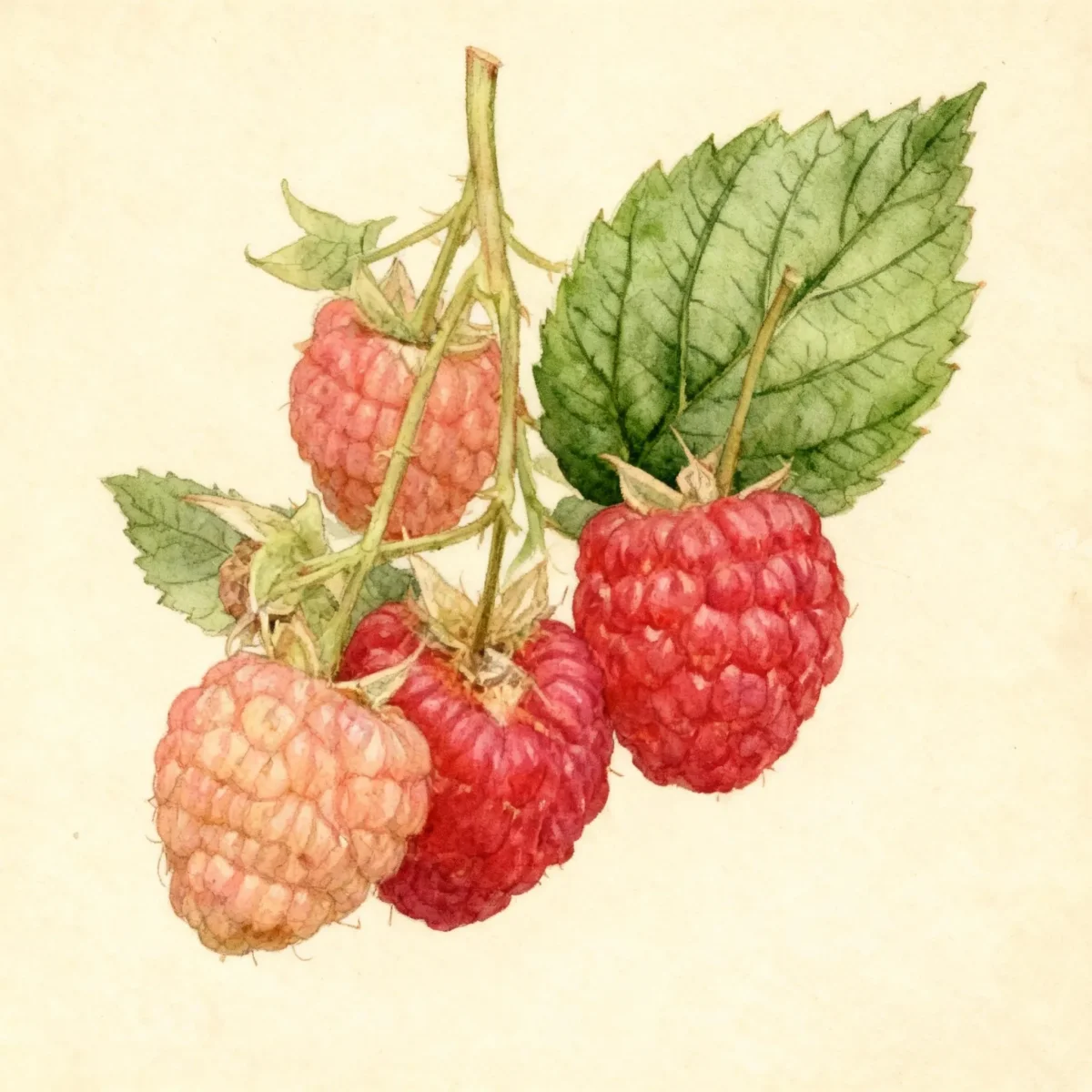
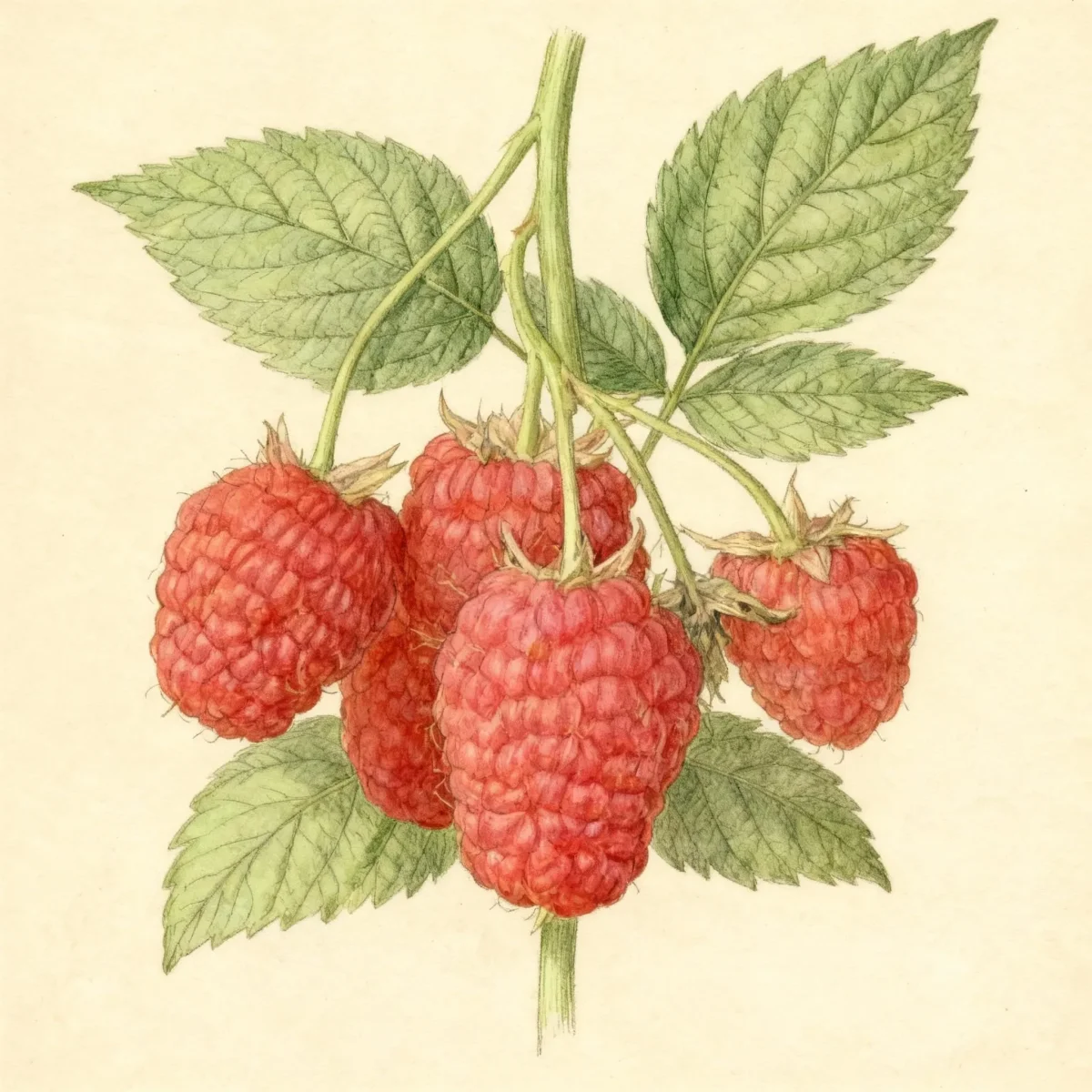
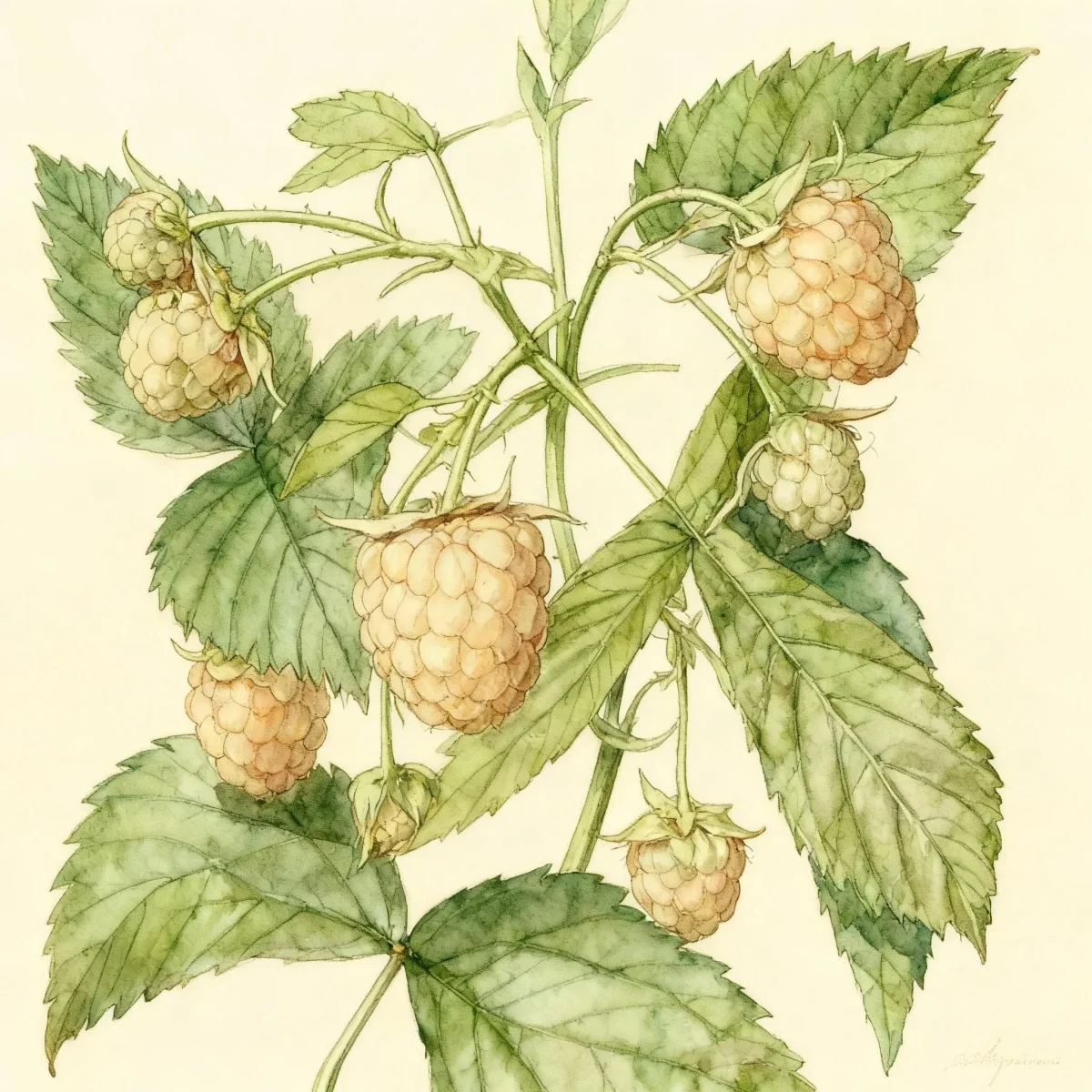
Rubus ‘Munger’ is a distinguished black Raspberry cultivar, introduced in 1897, and is highly valued by growers for its exceptional flavor profile. This fruit crop produces plump, shiny, black raspberries that are superb when eaten fresh or processed into preserves. As a member of the Rubus genus, it showcases the classic aggregate fruit structure characteristic of brambles.
This plant’s growth habit involves biennial canes emerging from a perennial rootstock, meaning that successful harvest depends on understanding its two-year fruiting cycle. Optimal cultivation for this Raspberry variety favors climates with relatively cool summers, as excessive summer heat can negatively impact plant vigor and yield. Gardeners seeking reliable, high-quality black raspberries will find Rubus ‘Munger’ a rewarding, though moderately demanding, addition.
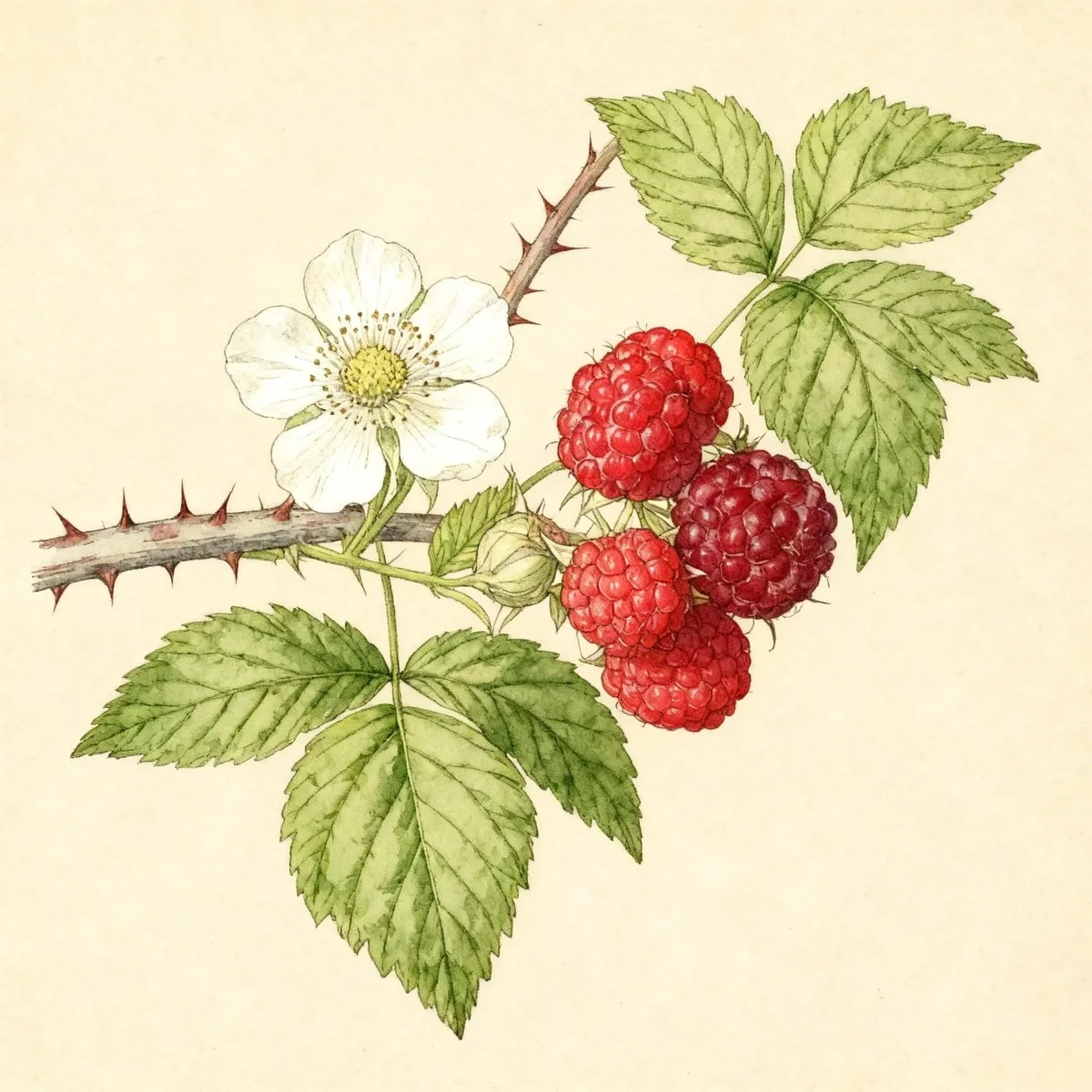
Aesthetically, the plant produces attractive white, rose-like flowers in spring, followed by an abundant summer crop. Successful management of Rubus ‘Munger’ centers around appropriate pruning and soil management to ensure disease prevention and maximize the yield of this superior summer-bearing Raspberry.
Fast Facts
- Plant Family: Rosaceae
- Plant Type: Fruit
- Hardiness Zones: USDA Zones 4-8
- Size at Maturity:
- Height: 4-5 ft
- Spread: 1.5-2 ft
- Bloom Time: April to May
- Bloom Description: White
- Sun Exposure: Full sun to part shade
- Water Needs: Medium
- Maintenance Level: Medium
How to Grow
The Rubus ‘Munger’ Raspberry performs best when planted in well-drained, organically rich, and slightly acidic soils. Raised beds are highly recommended if your native soil has heavy clay content, as this plant is intolerant of wet conditions that lead directly to root rot. Plant during the appropriate time for your region, ensuring full sun to partial shade exposure for the best fruiting results.
Water requirements are medium; maintain consistent moisture, especially during fruit development, but avoid saturation. Fertilization should follow recommendations for cane fruits. The key to sustaining healthy Rubus ‘Munger’ cultivation lies in diligent biennial cane pruning. Summer-bearing raspberries fruit on second-year wood.
Immediately after the summer fruit harvest, remove all canes that have completed fruiting. At this time, also remove any weak or poorly positioned non-fruiting canes. In late winter, prune out any canes damaged by winter cold and thin out the remaining healthy wood. Reducing the overall height of the remaining canes by up to six inches during this late-winter prune can help keep the fruit off the ground and encourage better support.
Landscape Uses
While the white blooms of the Rubus ‘Munger’ are attractive, this plant is primarily grown for its high-quality edible fruit. Therefore, its placement should be strategic, focusing on easy harvest access rather than purely ornamental borders. Planting rows or sections within a dedicated kitchen garden or edible landscape area is the most common and practical application.
Consider companion planting with other acid-loving fruits or supportive perennial vegetables that share similar sun and water needs. Ensure ample airflow between canes, as good air circulation is vital for minimizing common fungal diseases. While not typically used as a formal hedge, a cluster of Rubus ‘Munger’ can create an attractive, productive screen in a functional garden space.
Standout Features
Flower Qualities
- Showy
Fruit Qualities
- Showy
- Edible
Noteworthy Characteristics
Raspberries are aggregate fruited brambles native to temperate regions around the world. The biennial canes emerge from a perennial rootstock and can take on a sprawling to semi-erect habit. Many raspberry cultivars available today are hybrids of multiple species in the genus Rubus, with the two most common being R. Idaeus (red raspberry) and R. Occidentalis (black raspberry). Raspberries can be distinguished from blackberries by certain characteristics of their aggregate fruits. When raspberries are picked off the canes, the receptacle (central attachment point for the fruiting body) is left behind, creating a hollow space inside the aggregate fruit. The drupelets (small, individual fruits that make up the aggregate fruit) of raspberries have small hairs while the drupelets of blackberries are smooth. Raspberry cultivars are mainly characterized by their fruiting color and habit, as well as whether the canes bear thorns or are considered thornless. Red, black, yellow, and purple raspberries are all commercially available. Cultivars that produce a single crop on only two year old canes are called floricanes. “Everbearing” or primocane varieties will produce fruit on two year old canes as well as a small, late crop on new canes.Genus name is the Latin name for brambles (blackberry and raspberry).‘Munger’ (introduced in 1897) is a mid-season black raspberry cultivar that is noted for its excellent flavor. It is the leading commercial variety planted in the Pacific Northwest (Oregon is the center of commercial production in the U.S. Today). One berry crop each year is produced in early summer. Clusters of white, 5-petaled, rose-like flowers with yellow anthers give way to an abundant crop of plump, shiny, non-seedy black raspberries of excellent eating quality. Fruit matures in late June to early July in the St. Louis area. Berries may be eaten fresh or used in jams and jellies. Pinnate green leaves
Tolerances
Potential Problems
Fungal diseases pose a significant threat to the health and productivity of Rubus ‘Munger’. Be vigilant for anthracnose, botrytis, spur blight, and leaf spot, which can heavily impact cane life and yield. If these issues appear, cultural adjustments like improving air circulation and targeted chemical treatments may be necessary to protect your Raspberry patch.
Insects also require monitoring; cane borers and crown borers are potentially devastating pests, while aphids can be troublesome. Inspect canes closely, especially in late winter during thinning, for signs of boring activity. Healthy cultural practice is the first line of defense against both pests and pathogens.
Furthermore, watch carefully for systemic vascular issues such as verticillium wilt, bluestem wilt, and the raspberry mosaic disease complex. Selecting a planting site with no history of related plant diseases is crucial for long-term success with this variety.
Frequently Asked Questions
What hardiness zones is Raspberry (Rubus ‘Munger’) suitable for?
Rubus ‘Munger’ is suitable for USDA Hardiness Zones 4 through 8.
How large does Raspberry (Rubus ‘Munger’) grow?
This Raspberry typically reaches a mature height between 4 and 5 feet, with a spread of 1.5 to 2 feet.
When does Raspberry (Rubus ‘Munger’) bloom?
The plant blooms between April and May, displaying clusters of white flowers.
Conclusion
The Rubus ‘Munger’ Raspberry stands out as an excellent choice for gardeners prioritizing superior flavor in their summer harvest. With its established history and status as a leading commercial black raspberry, it promises an abundant crop of delicious fruit when its biennial pruning requirements are met diligently. Ensure your growing site offers cool summers and excellent drainage before planting this mid-season treasure.
Companion Planting
When establishing your patch of Rubus ‘Munger’, strategic companion planting can enhance growth and reduce pest pressure. Consider perennial herbs like chives or garlic planted nearby, as their strong scents can mask the presence of aphids that sometimes bother raspberries. They share similar soil fertility needs, preferring rich amendments.
Avoid planting tomatoes, potatoes, eggplants, or peppers near your Rubus canes, as these crops can share susceptibility to verticillium wilt, a disease that poses a risk to this Raspberry variety. Keeping related species apart helps break the soil-borne disease cycle common in vegetable gardens.
For beneficial ground cover, low-growing, shallow-rooted plants that tolerate partial shade can keep the soil cool around the root zone without competing aggressively for moisture. The key is ensuring that any companion does not impede the necessary airflow around the canes.
Seasonal Care Calendar
Spring preparation is crucial for a successful Raspberry season. As soon as winter damage is assessed, complete the final cane thinning and shaping in late winter/very early spring. This maximizes sunlight penetration and fruit production. Ensure fertilization occurs early in the growing season to support vigorous summer cane development.
Summer is dedicated to monitoring fruit development and pest activity, alongside the critical task of post-harvest pruning. As soon as the summer crop finishes on your Rubus ‘Munger’, immediately prune out the spent canes entirely. This directs the plant’s energy into strengthening the vegetative canes that will bear next year’s fruit.
Fall maintenance is focused on cleanup and hardening off. Remove all debris from the base of the plants to discourage overwintering fungal spores. For exceptionally cold late-winter zones (closer to Zone 4), lightly mulch the root zone, though established canes are generally cold hardy due to the plant’s robust nature.