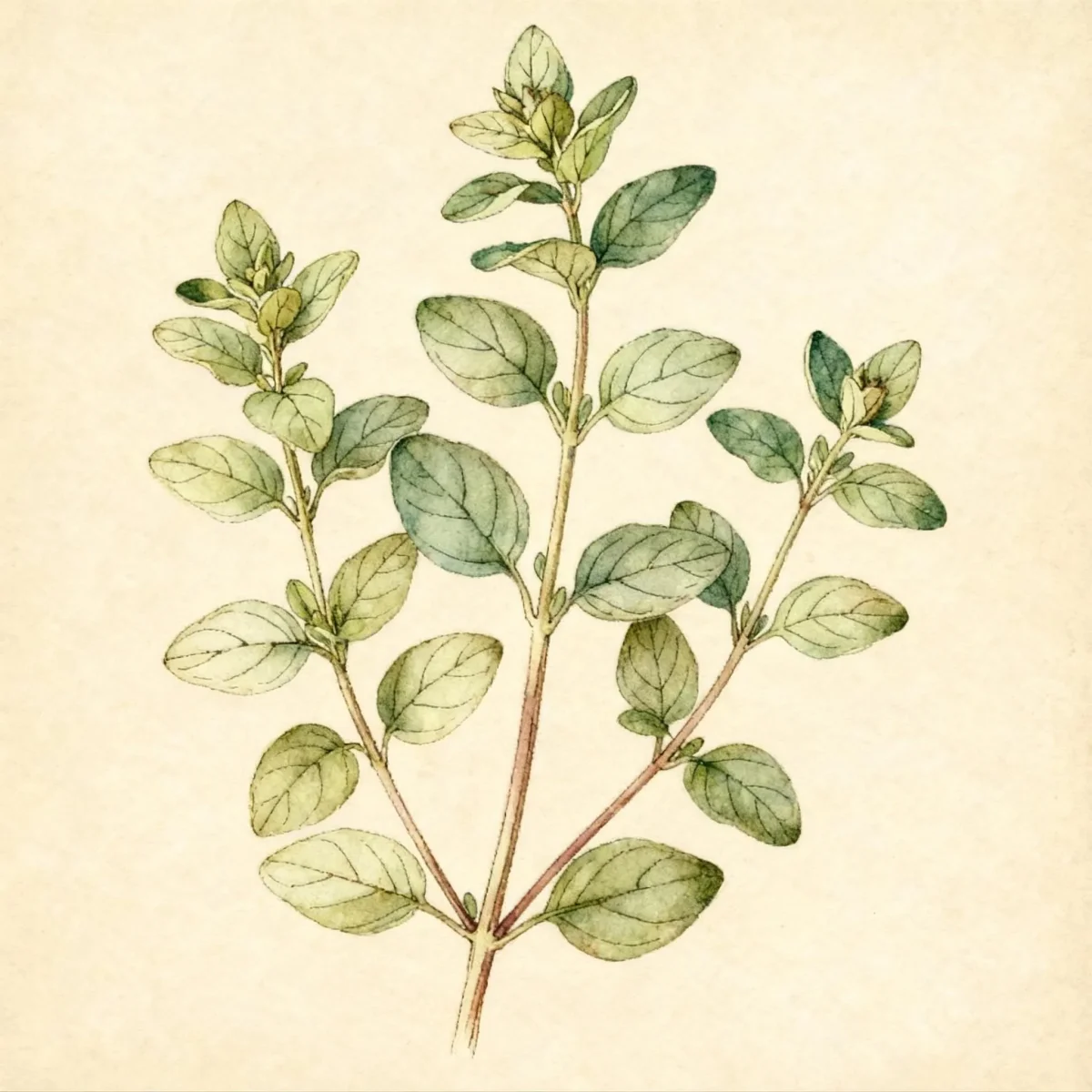
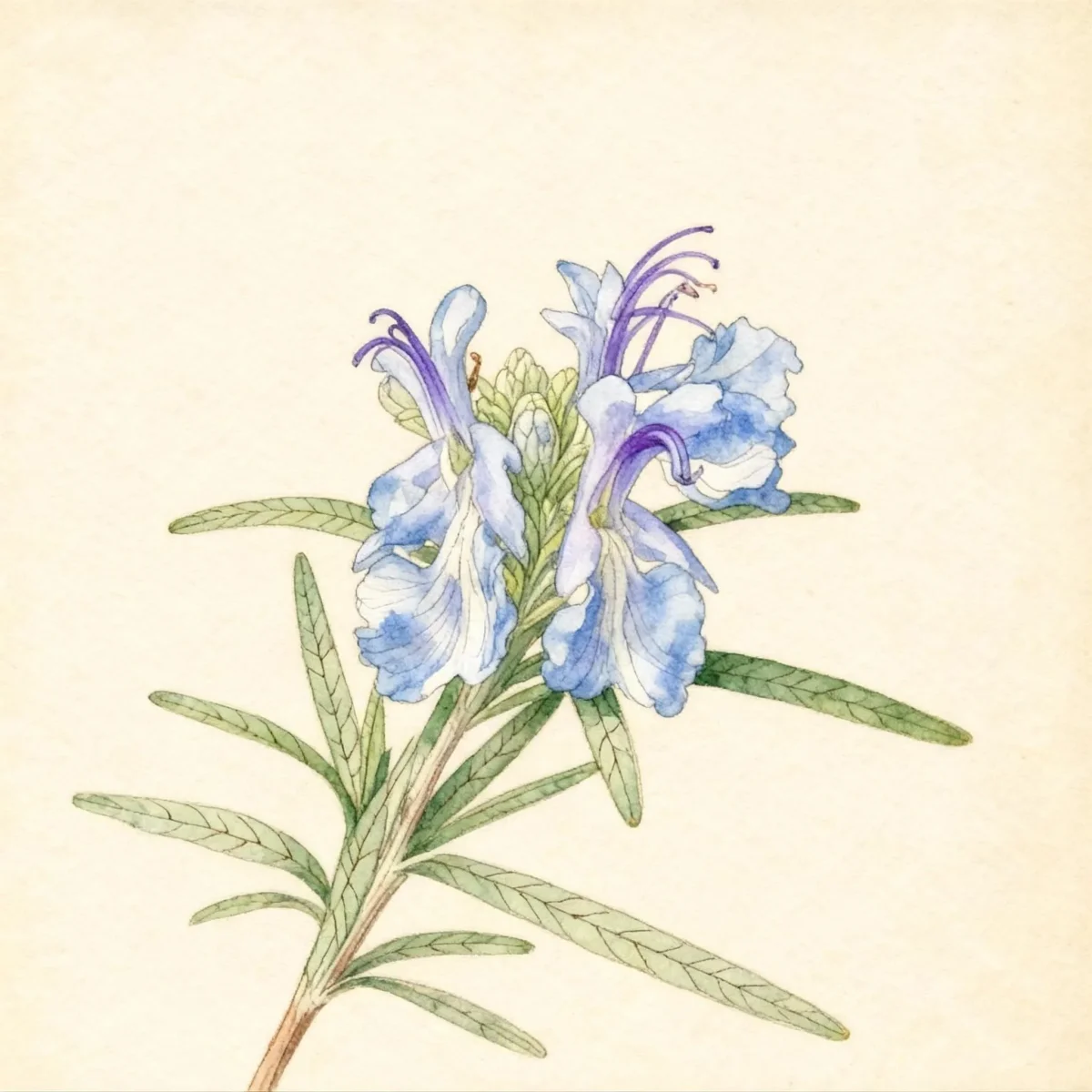
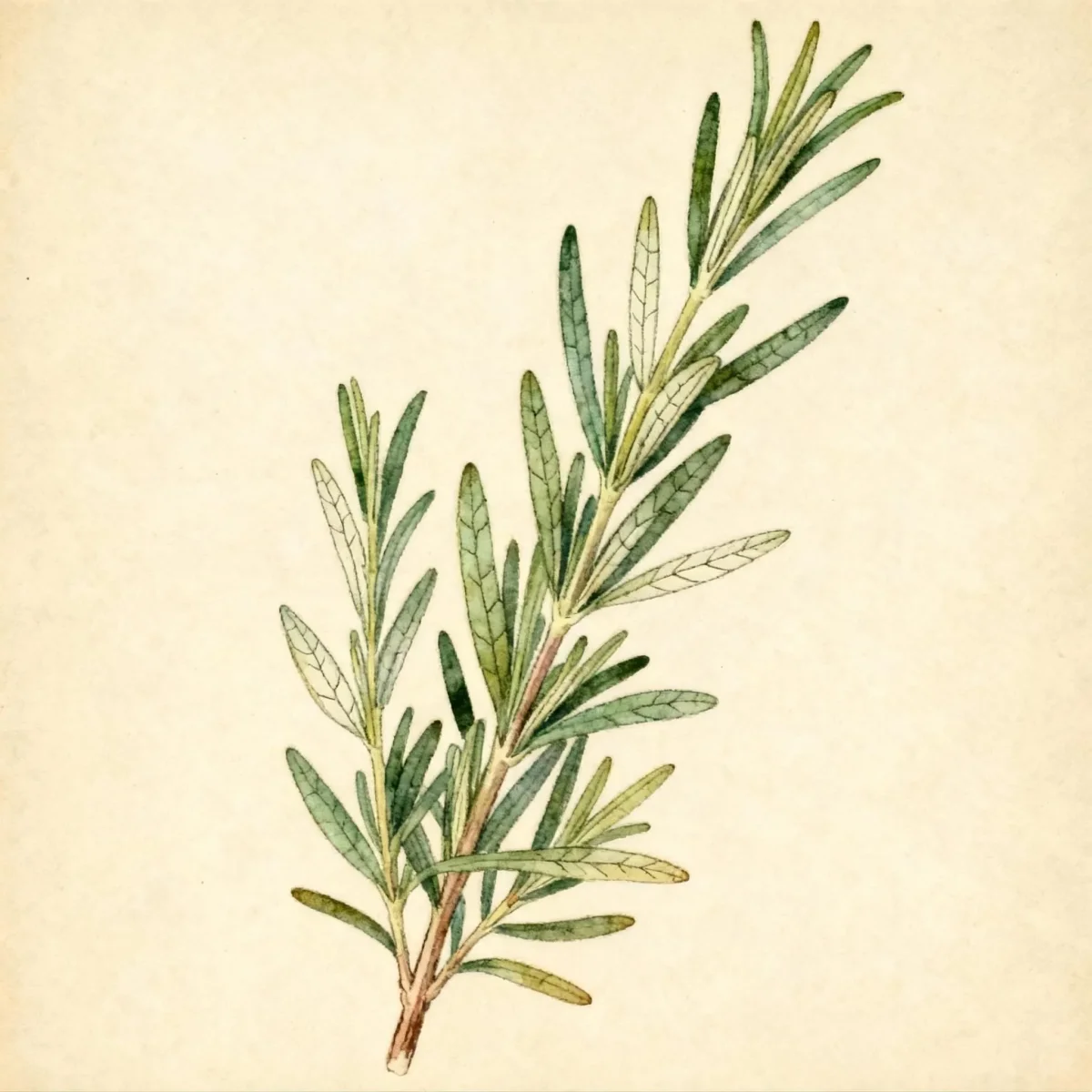
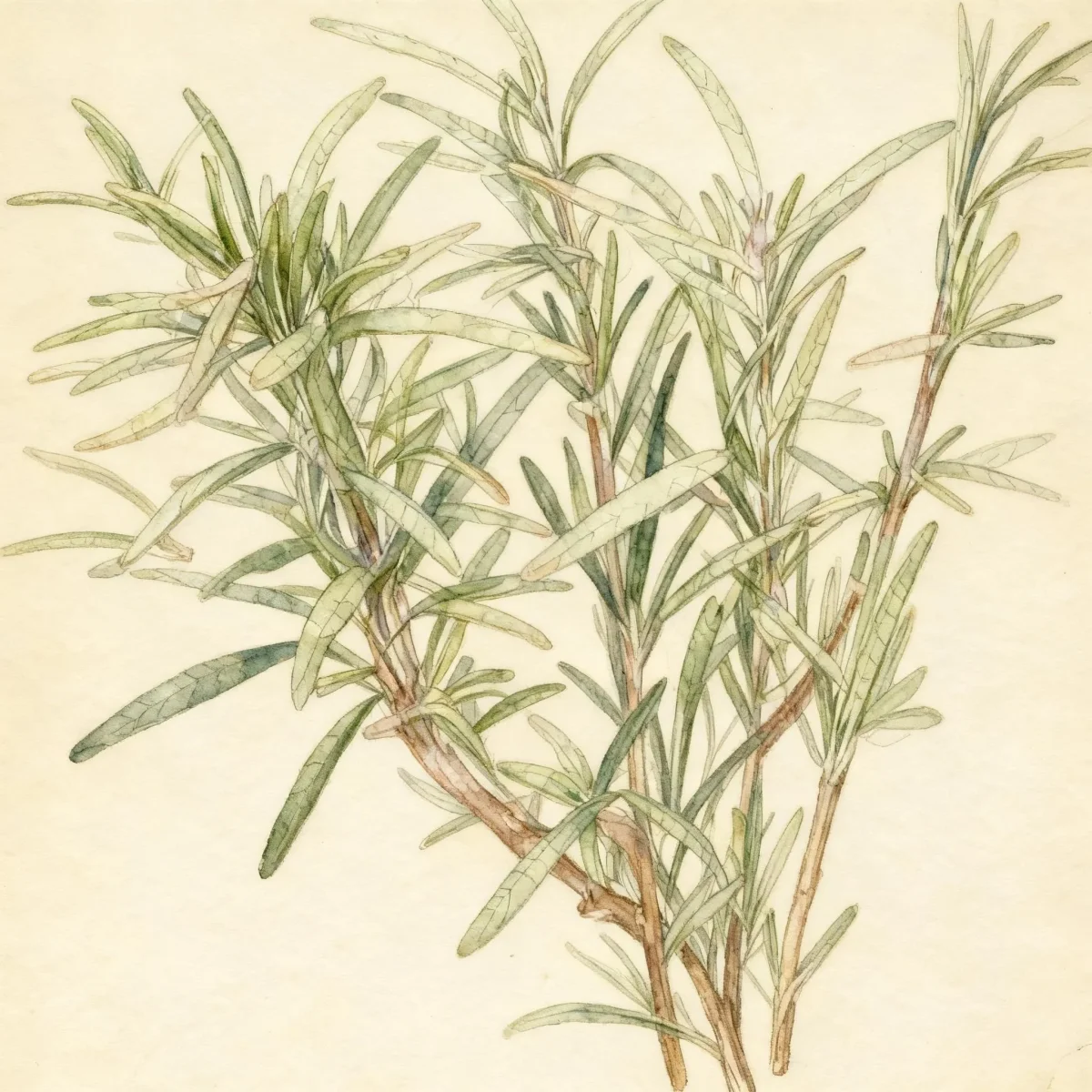
Golden oregano (Origanum majorana 'Aurea')
Origanum majorana 'Aurea' or Golden oregano offers bright yellow, aromatic foliage. A low-maintenance, drought-tolerant culinary herb for sunny spots.
Scroll down to discover growing tips, care requirements, companion plants, and more
Complete Plant Information
Overview
Origanum majorana ‘Aurea’, commonly known as Golden oregano, is primarily valued for its striking, bright yellow foliage which adds significant ornamental value to the herb garden. While it shares the traditional aromatic properties of sweet marjoram, this cultivar is often chosen for its brighter, eye-catching color contrasted against typical green garden plants. This species is a tender perennial, surviving winters outdoors only in warmer climates designated USDA Zones 9 through 10.
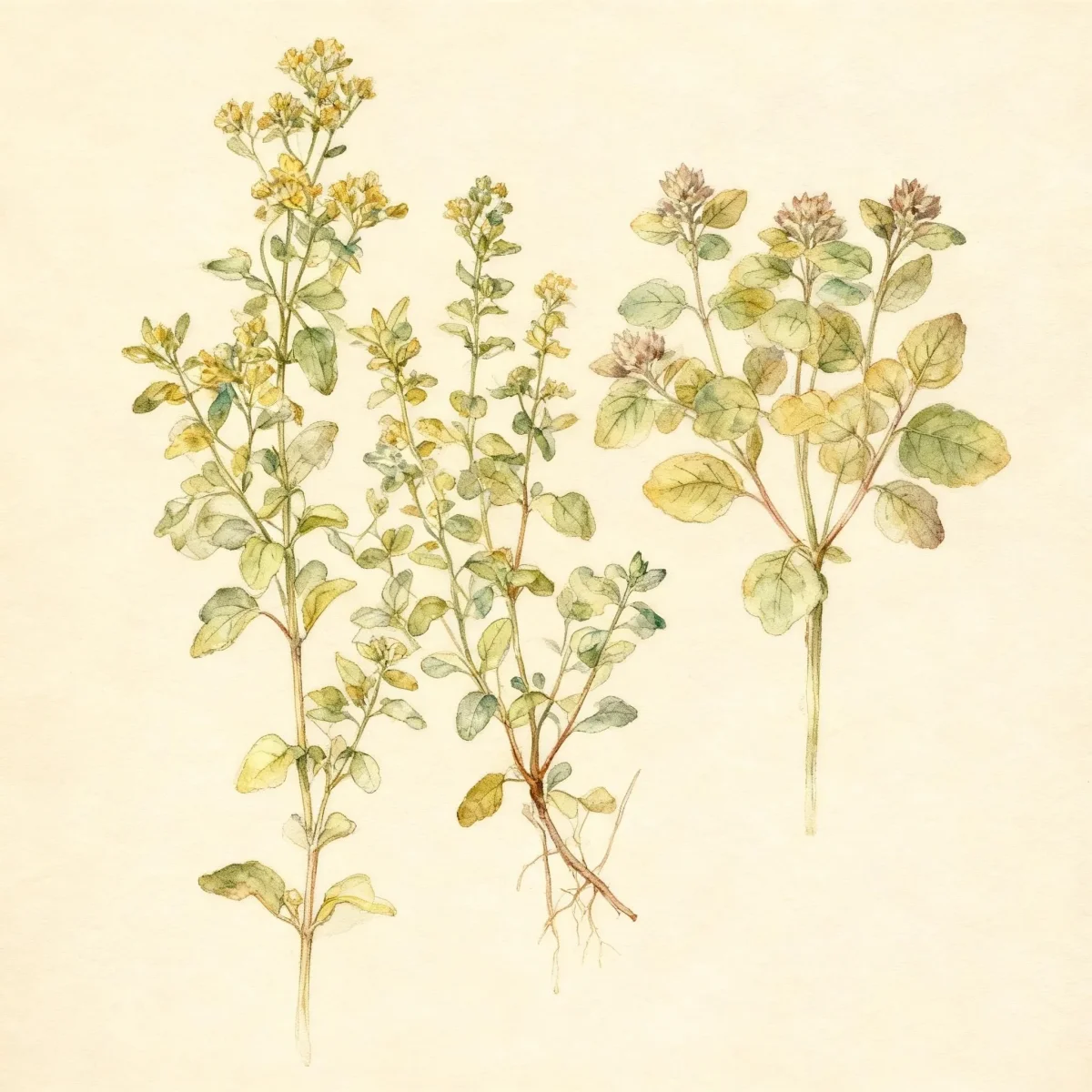
Golden oregano forms a low, bushy mound, typically reaching 1 to 2 feet in height and spread. It is celebrated for being easy to grow, demanding relatively low maintenance once established in the right location. Its heat and drought tolerance make it an excellent choice for sunny, drier areas where other herbs might struggle.
Beyond its visual appeal, Origanum majorana ‘Aurea’ provides mild, delicate leaves perfect for culinary use, setting it apart from the pungency of standard oregano. Gardeners appreciate its flexibility, utilizing it as both a flavoring agent and a vibrant, low-growing accent plant along borders or in containers before the height of summer fades its golden hue.
Fast Facts
- Plant Family: Lamiaceae
- Plant Type: Herbaceous perennial
- Hardiness Zones: USDA Zones 9-10
- Size at Maturity:
- Height: 1-2 ft
- Spread: 1-2 ft
- Bloom Time: July to August
- Bloom Description: White to pale pink
- Sun Exposure: Full sun
- Water Needs: Dry to medium
- Maintenance Level: Low
How to Grow
Establishing healthy Origanum majorana ‘Aurea’ begins with careful attention to soil and drainage, which is the most critical factor for success. This herb performs best in average, dry to medium soils that are well-drained, thriving particularly well in gritty, sandy loams. Since superior soil drainage prevents root rot, amend heavy clay soils generously with grit or sand before planting. Plant in a location receiving full sun for the best flavor and most intense golden coloration.
Though winter hardy in Zones 9-10, plants outside this range must be treated as annuals or moved indoors before the first hard frost, though overwintering containers indoors is often challenging. If starting from seed, begin indoors 6 to 8 weeks before your last frost date, or sow seeds directly outdoors about two weeks before that date. Support bushy growth and optimize leaf flavor by cutting back stems before the flowers begin to emerge.
Golden oregano exhibits good tolerance for heat and dry conditions once established, requiring infrequent watering—maintain a dry to medium moisture level. While it generally tolerates poor soils, it prefers neutral to alkaline conditions. For the best ornamental display, be aware that the brilliant yellow leaves of Origanum majorana ‘Aurea’ may fade somewhat as summer temperatures peak, benefiting from a touch of afternoon shade to protect the brightest foliage.
Landscape Uses
The ornamental qualities of Golden oregano make it highly suitable for more than just the kitchen garden. Suggested uses include integrating it into dedicated herb gardens where its bright color breaks up green monotony, using it as a fragrant, low edging material along pathways, or featuring it prominently in mixed containers.
For container gardening, Origanum majorana ‘Aurea’ looks fantastic spilling over the edges of window boxes or hanging baskets, capitalizing on its spreading yet tidy habit. When companion planting, consider pairing it with other sun-loving, drought-tolerant herbs that prefer similar soil conditions, such as hardy thyme varieties or trailing rosemary, ensuring the whole arrangement thrives under full sun exposure.
Standout Features
Flower Qualities
- Insignificant
Noteworthy Characteristics
Origanum majorana, commonly called sweet marjorum, is a bushy sub-shrub with aromatic foliage that typically grows in an upright mound to 1-2’ tall. It is widely cultivated as an annual culinary herb. Leaves are milder with a more delicate flavor than those of perennial oregano (Origanum vulgare). Sweet marjorum features branching, reddish, square stems that are densely clad with ovate, highly aromatic, pubescent, gray-green leaves (to 1.25” long). Tiny, two-lipped, tubular, white or pale pink flowers with gray-green bracts bloom in spike-like clusters from mid to late summer. Flowers are not particularly showy. Marjorum is a popular herb (fresh or dried) for seasoning soups, sauces, salads, stuffings, stews, roasts, vegetables and meats. Fresh leaves do not freeze as well as oregano leaves. Dried leaves are sometimes added to potpourri.Genus name probably comes from the Greek words oros meaning “mountain” and gamos meaning “beauty” in reference to the physical appearance of this plant which is sometimes native of mountain areas where it is appropriately referred to as “beauty of the mountain”.’Aurea’ is a golden-leaved cultivar that is more often grown for the ornamental impact of its yellow foliage than as a culinary herb. Yellow leaves tend to fade as the summer progresses
Tolerances
- Deer
- Drought
- Dry Soil
- Shallow-Rocky Soil
Potential Problems
This variety generally exhibits resistance to serious insect pests and common diseases, which contributes to its low maintenance rating. The primary concern when growing Origanum majorana ‘Aurea’ relates to poor moisture management. Root rot is a significant potential problem, especially if the plant is grown in heavy soils that retain too much water.
To prevent root rot, ensure that the planting location offers superior drainage, adhering strictly to dry to medium water needs. Avoid overhead watering, and refrain from planting in consistently soggy areas, even though the plant tolerates medium water usage.
Frequently Asked Questions
What hardiness zones is Golden oregano suitable for?
Origanum majorana ‘Aurea’ is winter hardy only in USDA Zones 9 through 10. Gardeners in cooler regions should treat this aromatic plant as a seasonal annual.
How large does Golden oregano grow?
This plant typically matures to a height between 1 and 2 feet tall, with a similar spread of 1 to 2 feet, forming a compact, bushy mound.
What sun exposure does Origanum majorana ‘Aurea’ need?
This golden-leaved cultivar thrives best in full sun, although it may benefit from some afternoon light shade to prevent its yellow foliage from fading excessively during the hottest part of the summer.
When does Golden oregano bloom?
Golden oregano produces its small, white to pale pink flowers between July and August. Flavor is reputedly best just before blooming commences.
Conclusion
The combination of its vibrant, heat-tolerant golden foliage and its low-maintenance requirements makes Origanum majorana ‘Aurea’ a standout choice for sunny borders and containers. Ensure excellent soil drainage—the key to success—and enjoy the delicate flavor and bright color throughout the growing season. Check your local hardiness zone compatibility before planting this beautiful Golden oregano cultivar.
Container Growing
Growing Golden oregano in pots is an excellent strategy, particularly for gardeners outside of Zones 9-10 who wish to try overwintering them indoors. When potting Origanum majorana ‘Aurea’, use a mix amended heavily with perlite or coarse sand to guarantee the aeration and drainage this Mediterranean herb demands. Small containers may dry out too quickly, so slightly larger pots (e.g., 10 inches or more) help maintain the required dry to medium moisture balance without becoming waterlogged.
When grown in containers, remember that the foliage color is maximized with abundant sunlight, so place pots where they receive full, unobstructed sun for most of the day. While the plant performs well in the ground even with drought, container plants will require checking more frequently, especially during peak summer heat when they may dry out rapidly.
Companion Planting
Because Origanum majorana ‘Aurea’ loves sun and dry, well-drained soil, select companions that share these precise cultural needs to create a harmonious planting scheme. Pair it with other Mediterranean herbs such as Lavender (Lavandula spp.), Thyme (Thymus spp.), or Rosemary (Salvia rosmarinus). These plants thrive in similar gritty substrates and do not require consistent heavy watering.
Avoid planting Golden oregano directly next to moisture-loving vegetables or bog-edge perennials, as the resulting competition for water or the excess moisture provided for border-mates will invariably lead to decline and potential root rot in the marjoram. Using it as a soft contrast to deep greens in a sunny rock garden setting is also highly effective.