Black-eyed Susan (Rudbeckia hirta 'Cappuccino')
Rudbeckia hirta 'Cappuccino' offers vibrant bicolor blooms late season; a low-maintenance Black-eyed Susan that thrives in full sun.
Scroll down to discover growing tips, care requirements, companion plants, and more
Complete Plant Information
Overview
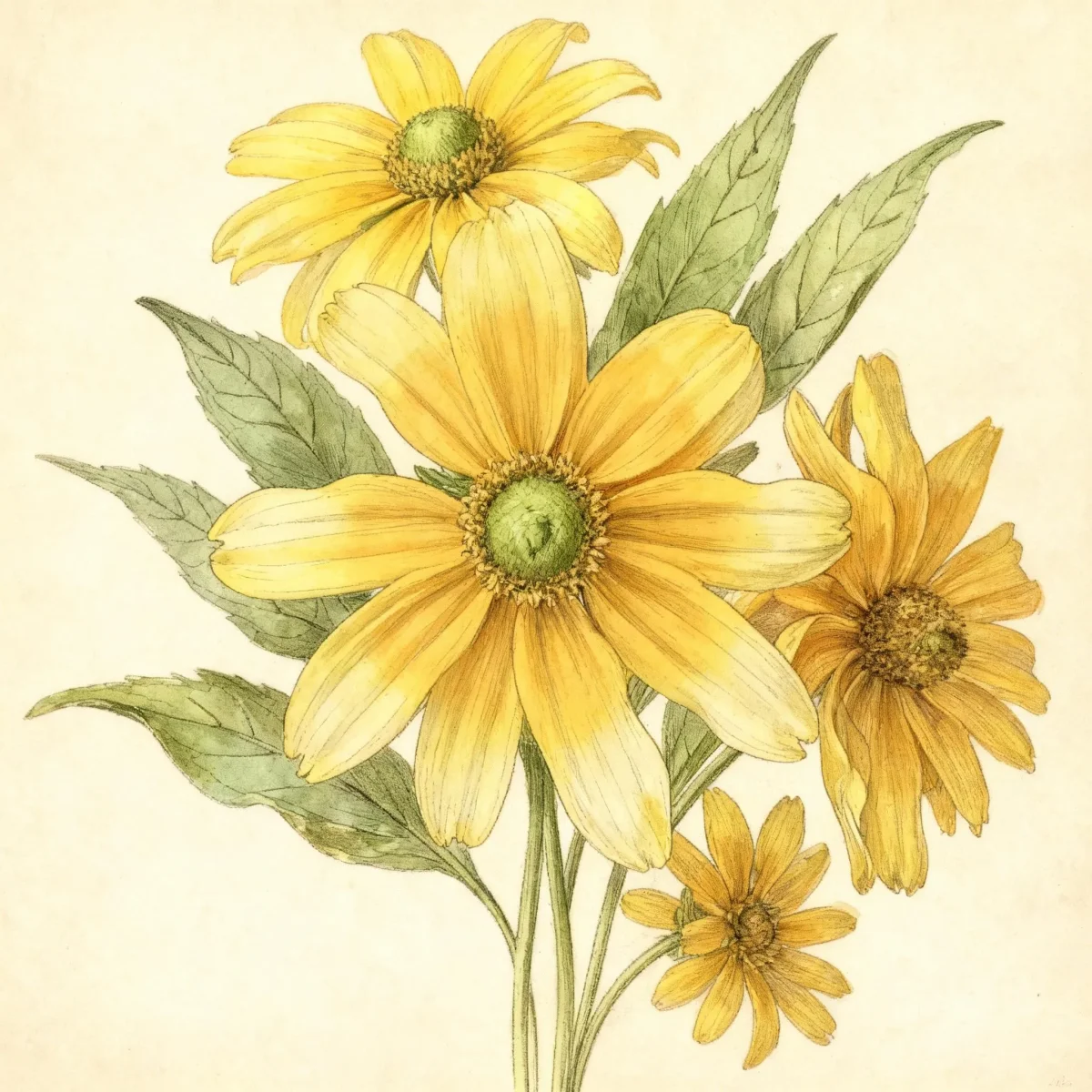
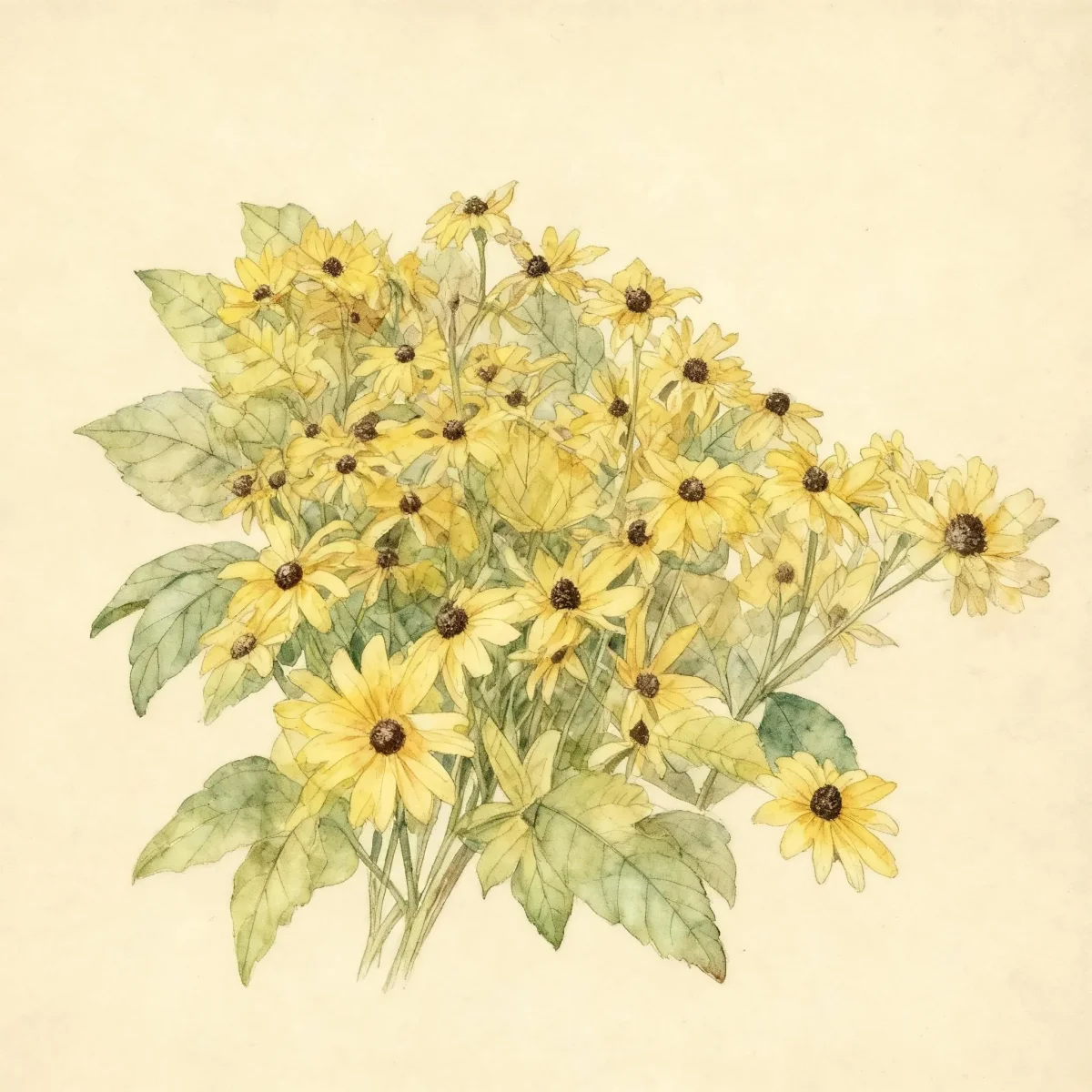
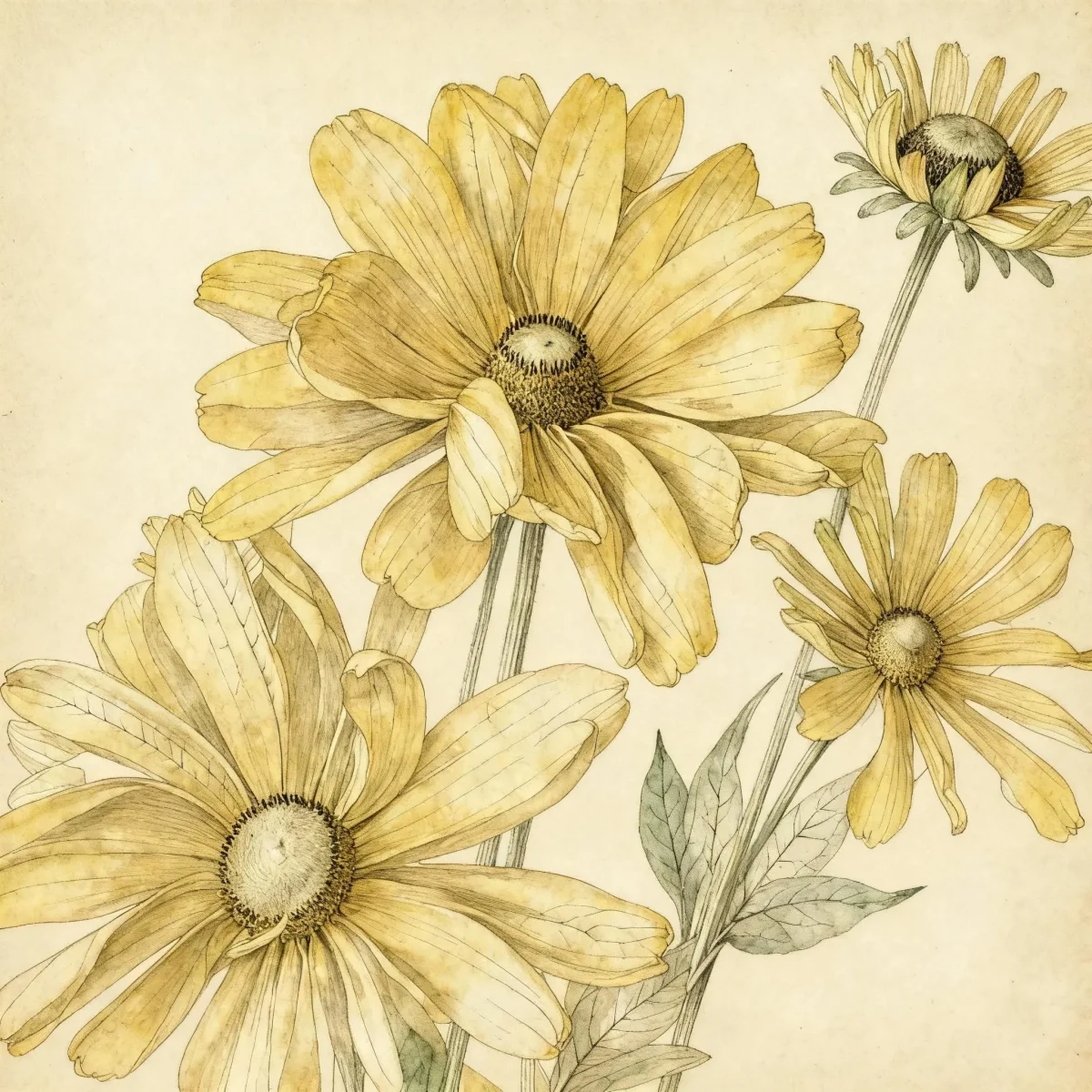
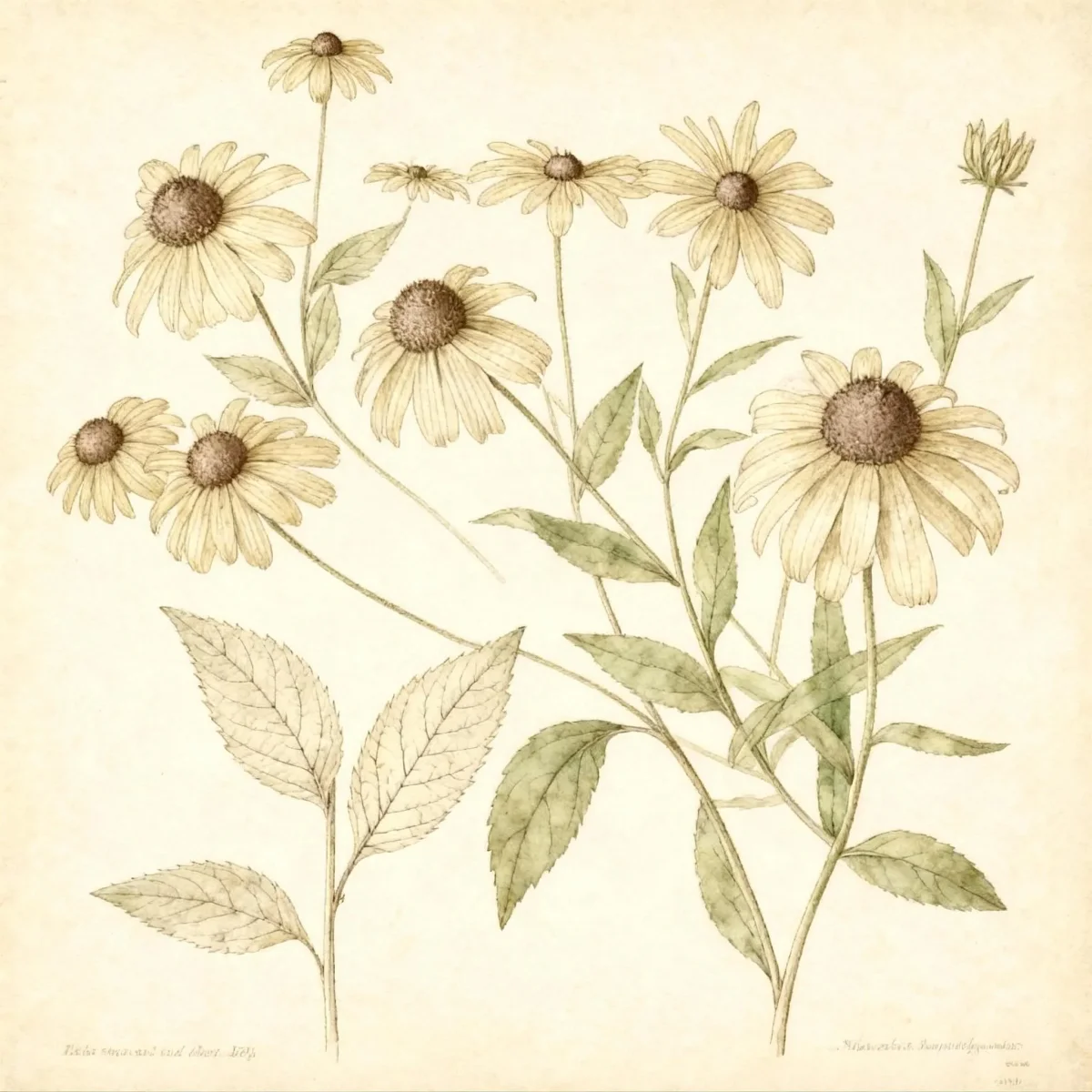
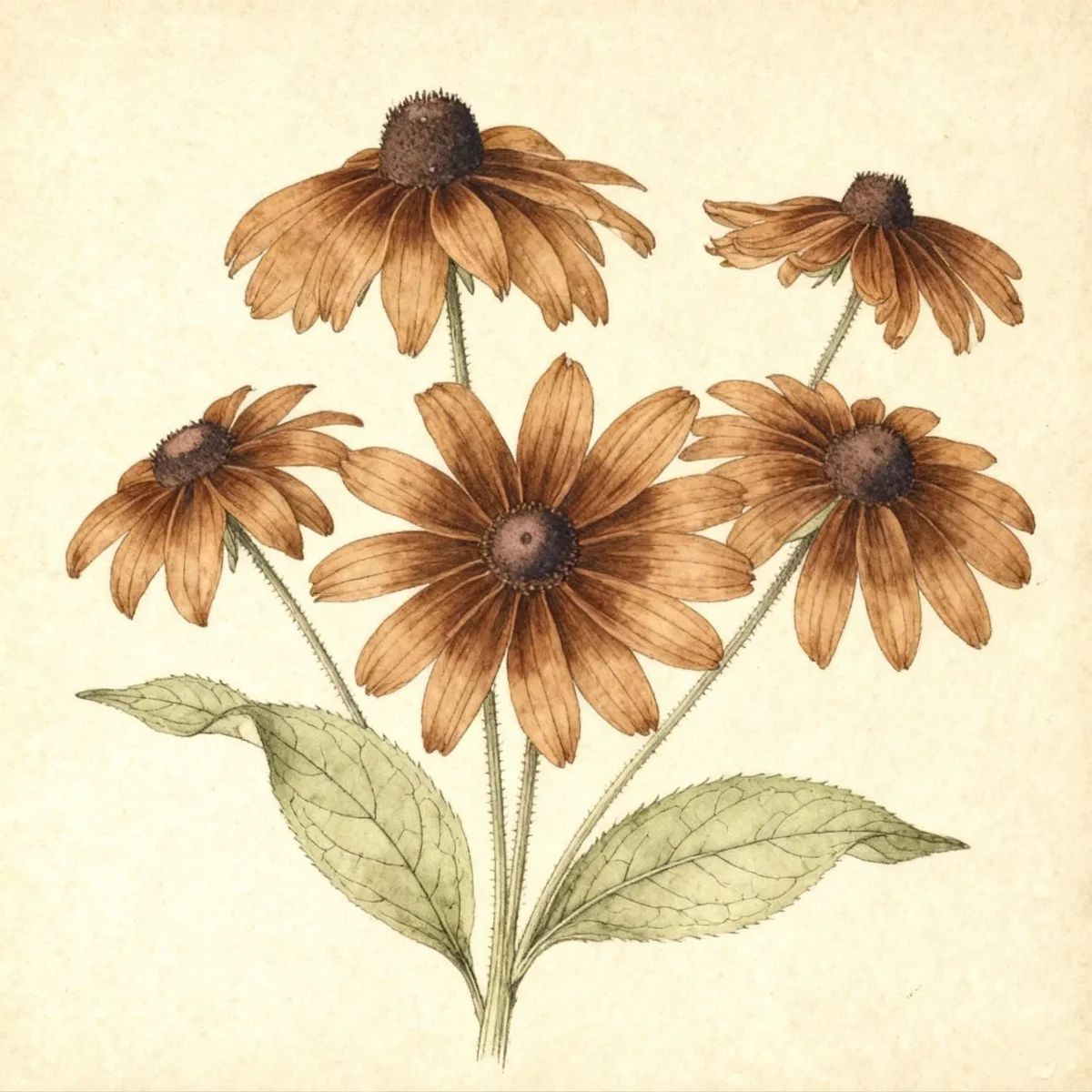
Rudbeckia hirta ‘Cappuccino’ is a highly valued selection within the Black-eyed Susan group, celebrated for its outstanding performance and unique coloration extending late into the season. This variety produces showy, 3-4 inch wide flowers featuring striking bronzy, red-orange ray florets tipped with yellow, all surrounding a characteristic dark brown central disk. As a vigorous and well-branched cultivar, it provides excellent structure and dependable summer impact in the garden setting.
While technically a short-lived perennial, Rudbeckia hirta ‘Cappuccino’ is often treated as an annual because it blooms readily the first year from seed, making it perfect for instant summer color displays. It thrives in average, well-drained soils under full sun conditions, exhibiting notable toughness against heat and drought once established. The dark centers of these flowers act as magnets for vital insect pollinators, contributing significantly to garden ecosystem health.
This easy-to-grow Black-eyed Susan requires low maintenance, rewarding gardeners with continuous blooms when spent flowers are removed. Whether you are filling annual beds or seeking reliable height in perennial borders, the consistent performance of Rudbeckia hirta ‘Cappuccino’ makes it a garden staple for capturing the classic prairie look with an updated, rich color palette.
Fast Facts
- Plant Family: Asteraceae
- Plant Type: Herbaceous perennial
- Hardiness Zones: USDA Zones 3-8
- Size at Maturity:
- Height: 2-2.5 ft
- Spread: 1.5-2 ft
- Bloom Time: June to frost
- Bloom Description: Red-orange and yellow bicolor ray florets with dark brown central disk
- Sun Exposure: Full sun
- Water Needs: Medium
- Maintenance Level: Low
How to Grow
For best results, sow seeds for Rudbeckia hirta ‘Cappuccino’ indoors around early spring (such as March 1st for northern growers) or direct sow outside after the danger of the last frost has passed. This plant establishes best in average, medium-moisture, well-drained soils, although it is adaptable and tolerates a wide range of soil types, including clay. While it performs well in average soil, providing an organically rich medium will maximize vigor.
Once established, care for this Black-eyed Susan is minimal. Water needs are medium; ensure consistent moisture, especially during dry spells, though the species is noted for its drought tolerance. Fertilizing is rarely necessary if the soil is reasonably fertile. A crucial maintenance task is deadheading spent flowers regularly throughout the season.
Deadheading encourages the plant to produce more of those lovely bicolor blooms and also controls its natural tendency to self-seed. While plants may not always overwinter reliably in every zone, self-seeding often ensures a continuation of the Rudbeckia hirta ‘Cappuccino’ population in the garden year after year. This hardiness, coupled with its tolerance for heat, makes summer care straightforward.
Landscape Uses
Rudbeckia hirta ‘Cappuccino’ excels in numerous landscape applications due to its strong vertical habit and long bloom season. It is an excellent choice for defining the edges of borders, providing a vibrant display that contrasts well with blue or purple flowering companions. Since it is often grown as an annual, it is perfect for quickly filling gaps in established perennial beds or mixing into seasonal cottage garden designs.
Consider utilizing the Black-eyed Susan in mass plantings or sweeping drifts within meadows or naturalized areas where its informal, wildflower character can genuinely shine. Furthermore, the stiff stems and showy heads make Rudbeckia hirta ‘Cappuccino’ highly desirable as a cut flower, adding rustic texture to summer bouquets. Its ability to thrive in various soils, including clay, adds practical versatility for large-scale plantings.
Standout Features
Flower Qualities
- Showy
- Good Cut
Noteworthy Characteristics
The common Black-eyed Susan species is native to wildflower prairies and fields across the state, typically featuring bright yellow rays and a dark brown dome. The specific cultivar, Rudbeckia hirta ‘Cappuccino’, offers a refined, well-branched habit perfect for garden borders. Its signature bronze-to-red-orange ray florets tipped in yellow surround that classic dark central disk, providing excellent contrast and drawing in numerous butterflies pollinating the disk florets.
Tolerances
- Deer
- Drought
- Clay Soil
Potential Problems
Rudbeckia hirta ‘Cappuccino’ is generally robust, boasting few serious insect or disease issues typical of many tough Asteraceae members. The primary cultural challenge is susceptibility to powdery mildew, especially when air circulation is poor or humidity is excessively high; ensure adequate spacing between plants to mitigate this. While deer usually avoid this hairy foliage, young seedlings may occasionally attract slugs and snails until they mature. Because this variety readily self-seeds, gardeners intending to maintain strict control over its location should diligently deadhead blooms before seed set occurs.
Frequently Asked Questions
What hardiness zones is Black-eyed Susan suitable for?
This particular Black-eyed Susan, Rudbeckia hirta ‘Cappuccino’, is winter hardy across USDA Zones 3 through 8, offering reliable perennial performance in most regions.
How large does Rudbeckia hirta ‘Cappuccino’ grow?
Mature clumps typically reach heights between 2 and 2.5 feet tall, spreading outwards to occupy a space of 1.5 to 2 feet wide at the base.
What sun exposure does Rudbeckia hirta ‘Cappuccino’ need?
This plant requires full sun exposure to develop strong stems and produce the maximum number of its showy, bicolor blooms throughout the summer months.
When does Rudbeckia hirta ‘Cappuccino’ bloom?
You can expect this cultivar to begin flowering profusely in June and continue producing its distinctive red-orange and yellow bicolor ray florets until the first hard frost arrives.
Conclusion
The inclusion of Rudbeckia hirta ‘Cappuccino’ brings reliable structure, vibrant bicolor flowers, and exceptional resilience to almost any sunny location in the garden. Its low maintenance needs and tolerance for drought and clay soil make this Black-eyed Susan both practical and beautiful for both novice and expert gardeners. Check your USDA hardiness zone compatibility and plan to incorporate this vigorous selection into your borders this spring for guaranteed late-season color.
Wildlife Benefits
The domed, dark brown central disks of the Rudbeckia hirta ‘Cappuccino’ flowers are highly significant food sources for a wide array of beneficial insect life. These dense centers are packed with florets that attract butterflies, bees, and other native pollinators throughout the mid to late summer bloom season. Planting this Black-eyed Susan helps create a more functional, ecologically diverse garden space.
Companion Planting Recommendations
Due to its full sun requirements and medium water needs, pair Rudbeckia hirta ‘Cappuccino’ with other drought-tolerant, sun-loving perennials that share a similar growth habit. Excellent companions include ornamental grasses like Little Bluestem (Schizachyrium scoparium) for textural contrast, or flowering companions such as Purple Coneflower (Echinacea purpurea) and Lantana. These combinations create a classic, low-maintenance prairie or meadow style planting that thrives together.