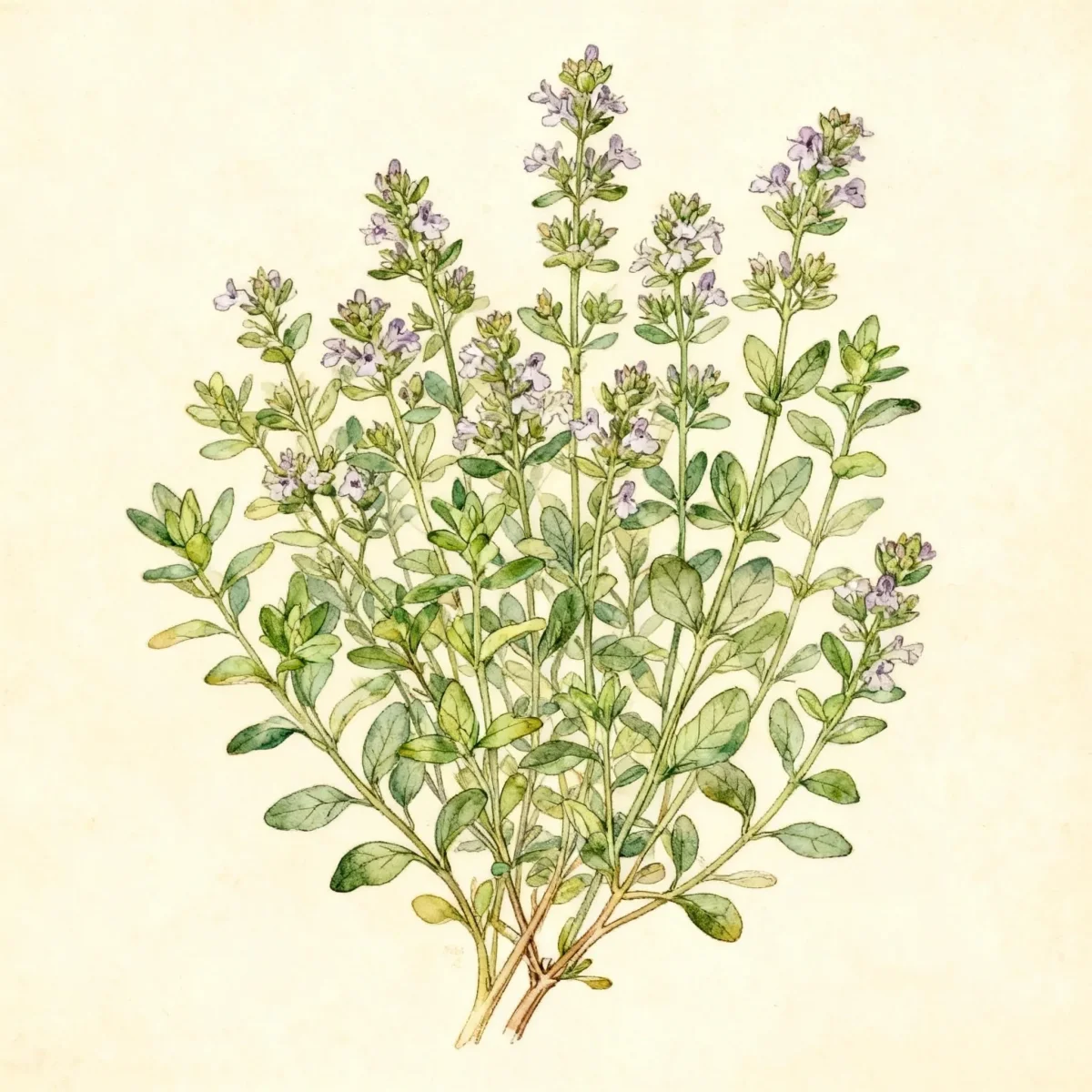
Silver sage (Salvia argentea 'Artemis')
Salvia argentea 'Artemis' (Silver sage) features striking silver-gray foliage, low maintenance, and drought tolerance for sunny gardens.
Scroll down to discover growing tips, care requirements, companion plants, and more

Complete Plant Information
Overview
Salvia argentea ‘Artemis’, known commonly as Silver sage, distinguishes itself in the garden primarily through its spectacular foliage rather than its flowers. This plant forms impressive mounds of large, woolly, silver-gray leaves that feel soft and provide incredible texture interest throughout the growing season. While technically a biennial or short-lived perennial, it often establishes itself readily, making it a valuable addition to beds and borders.
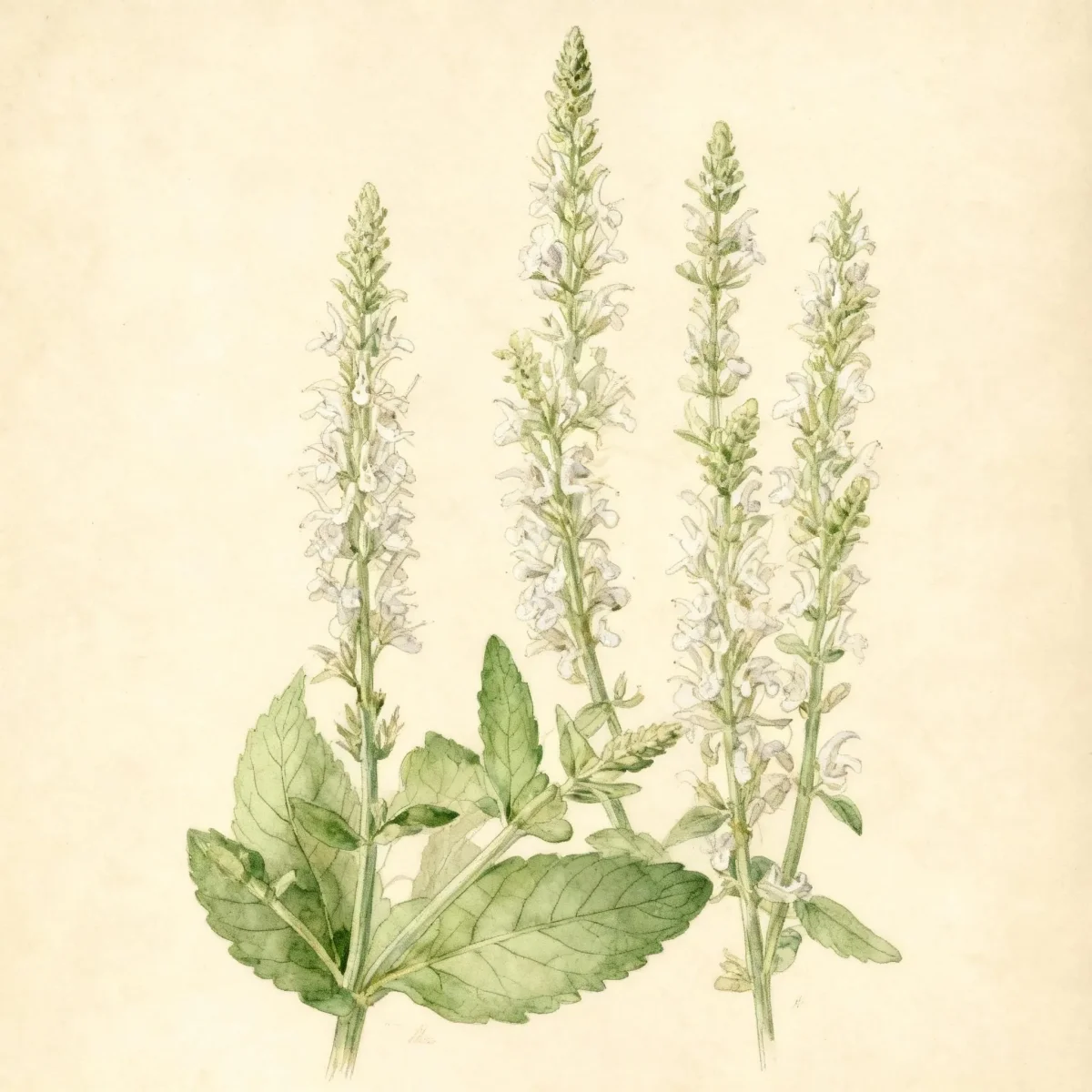
The foliage of Salvia argentea ‘Artemis’ emerges silver-white, maturing to a lovely silver-gray hue. In its second year, it sends up tall spikes bearing white flowers tinged with pink, though many gardeners prune these to focus solely on the perennial silvery display. Because it handles dry conditions well and requires little attention once established, Silver sage is an excellent choice for low-maintenance landscaping where sun exposure is high.
Gardeners prize this variety for its unique contribution to color palettes, offering a cool contrast against deep greens and hot yellows. The stunning rosette structure also means that even when blooming structures are removed, the primary aesthetic value of Salvia argentea ‘Artemis’ remains vibrant. Consider incorporating this unique Silver sage cultivar for year-round silvery highlights in sunny, well-drained locations.
Fast Facts
- Plant Family: Lamiaceae
- Plant Type: Herbaceous perennial
- Hardiness Zones: USDA Zones 5-8
- Size at Maturity:
- Height: 0.5-1 ft
- Spread: 0.75-1.5 ft
- Bloom Time: June to July
- Bloom Description: White tinged with pink
- Sun Exposure: Full sun
- Water Needs: Dry to medium
- Maintenance Level: Low
How to Grow
Plant Salvia argentea ‘Artemis’ where it receives full, uninterrupted sun exposure to ensure the foliage remains brilliantly silver. This plant thrives in average, dry to medium soils, provided they are well-drained. Good drainage is paramount; it specifically prefers light, gravelly, or sandy soils and absolutely requires avoiding wet conditions, particularly during the winter months.
Watering should be infrequent once the plant is established, as it tolerates drought very well. Fertilizing is generally unnecessary, which reinforces its low-maintenance appeal. Since Silver sage behaves as a biennial or short-lived perennial, its performance depends on management: let it bloom in its second year to set seed for naturalizing, or promptly cut the flowering stems to encourage its perennial tendencies and focus on foliage display.
If growing from seed, expect a large, downy rosette of foliage in the first year, with flower spikes following in the second. For perennializing the clump, carefully remove any rooted lateral offshoots available in spring, or simply allow self-seeding to maintain the population in slightly different garden spots annually. Be aware that in hot, humid conditions south of USDA Zone 7a, the silver foliage may struggle or decline as summer heat peaks.
Landscape Uses
The primary appeal of Salvia argentea ‘Artemis’ lies in its dramatic foliage, making it an excellent plant for edging paths, defining borders, or as a striking component in herb gardens. Whether grown as a true perennial, a biennial, or often treated as a highly decorative annual foliage plant, its texture catches the light beautifully. It pairs wonderfully alongside plants requiring similar dry, full-sun conditions.
Use this Silver sage to create sharp contrast next to dark purple or deep green foliage subjects, such as Sedums or dark-leaved Heucheras. Its low, spreading mound formation makes it ideal for the front of borders where its structure can be appreciated up close, or as a feature plant in containers where its silver color can brighten shaded edges of a patio arrangement.
Standout Features
Flower Qualities
- Showy
Noteworthy Characteristics
Salvia argentea, commonly called silver sage, is a clump-forming biennial or short-lived perennial that is native to the Mediterranean area (southern Europe to northern Africa). Unlike most salvias, plants of this species are grown primarily for their large, woolly leaves and not for their flowers. In the first year, this sage features a large rosette of soft, felt-like, broad-oval, downy, wrinkled, silver-gray leaves (to 8” long by 6” wide) that form an attractive foliage mound to 12” tall and to 20” wide. Leaves emerge silver-white in spring but gradually mature to silver-gray to greenish-gray as the summer progresses. In the second year, silver flower spikes rise well above the foliage to 2-3’ tall, topped with tubular, hooded, white flowers that are tinged with pink. Flowers bloom in early summer.The genus name Salvia comes from the Latin word salveo meaning “to save or heal”, in reference to the purported medically curative properties attributed to some plants in the genus.Specific epithet comes from the Latin word argentum meaning silver in reference to the young leaves that emerge silver-white in spring.‘Artemis’ features a large rosette of soft, felt-like, broad-oval, downy, silver-gray leaves (to 8” long by 6” wide) that form an attractive foliage mound to 12” tall and to 20” wide. Artemis is the Greek goddess of the hunt.
Tolerances
- Deer
- Drought
- Dry Soil
Potential Problems
This plant generally experiences no serious insect or disease issues, which adds to its low-maintenance appeal. However, gardeners should remain vigilant for slugs and snails, which can find the soft foliage appealing. Fungal issues like powdery mildew, rust, and leaf spot can occur, especially if air circulation is poor or if the plant experiences prolonged wetness. Stem and root rot are significant threats if drainage is inadequate, particularly in winter.
Management often involves ensuring excellent soil drainage and applying preventative organic sprays if fungal signs appear. For mollusk control, standard slug baits or hand-picking efforts are usually effective in protecting young Salvia argentea ‘Artemis’ growth.
Frequently Asked Questions
What hardiness zones is Silver sage suitable for?
Salvia argentea ‘Artemis’ is highly adaptable in USDA Zones 5 through 8.
How large does Silver sage grow?
This plant typically reaches a modest height of 0.5 to 1 foot tall, with a spread between 0.75 and 1.5 feet wide, forming a dense rosette.
What sun exposure does Salvia argentea ‘Artemis’ need?
For the best foliage color and overall health, Salvia argentea ‘Artemis’ requires full sun exposure.
When does Silver sage bloom?
The blooms, which are white tinged with pink, usually appear in early summer, specifically from June to July.
Conclusion
The fuzzy, silver foliage of Salvia argentea ‘Artemis’ provides unique, year-round texture and high drought tolerance, making it an indispensable plant for sunny, dry garden spaces. This Silver sage variety is exceptionally easy to care for if its need for sharp drainage is met. Before planting, confirm your garden falls within USDA Zones 5-8 to ensure this silver beauty thrives.
Companion Planting
Companion planting with Silver sage focuses on leveraging its unique color and drought tolerance. Pair Salvia argentea ‘Artemis’ with plants that share cultural needs for full sun and dry soil. Excellent partners include Mediterranean natives such as Lavender (Lavandula), Thyme (Thymus), and low-growing ornamental grasses like Blue Fescue (Festuca glauca).
These combinations create a tapestry of textures where the soft, broad leaves of the sage contrast beautifully with the fine texture of grasses or the narrow spikes of lavender. Because this Silver sage stays relatively low (under 1.5 feet), place shorter companions in front and taller, spiky perennials like Salvia nemorosa varieties behind it to create dynamic layers.
Propagation Tips
While Salvia argentea ‘Artemis’ can complete its life cycle by setting seed in its second year, propagation methods allow gardeners to manage its placement and lifespan. The most straightforward way to maintain desired clumps is by propagating vegetatively. In the spring, look for rooted lateral offshoots forming around the base of established rosettes.
These small offsets can be carefully separated from the mother plant, ensuring they have a small root system attached. Plant these sections immediately into well-drained soil, keeping the soil slightly moist until new growth confirms rooting has occurred. Growing Salvia argentea ‘Artemis’ directly from seed is also possible, though gardeners must be patient to wait for the full foliage display in the subsequent year.