Purple coneflower (Echinacea purpurea 'Red Knee High')
Compact Echinacea purpurea 'Red Knee High' offers intense magenta-red blooms from June to August. A low-maintenance Purple coneflower, thriving in drought and sun.
Scroll down to discover growing tips, care requirements, companion plants, and more
Complete Plant Information
Overview
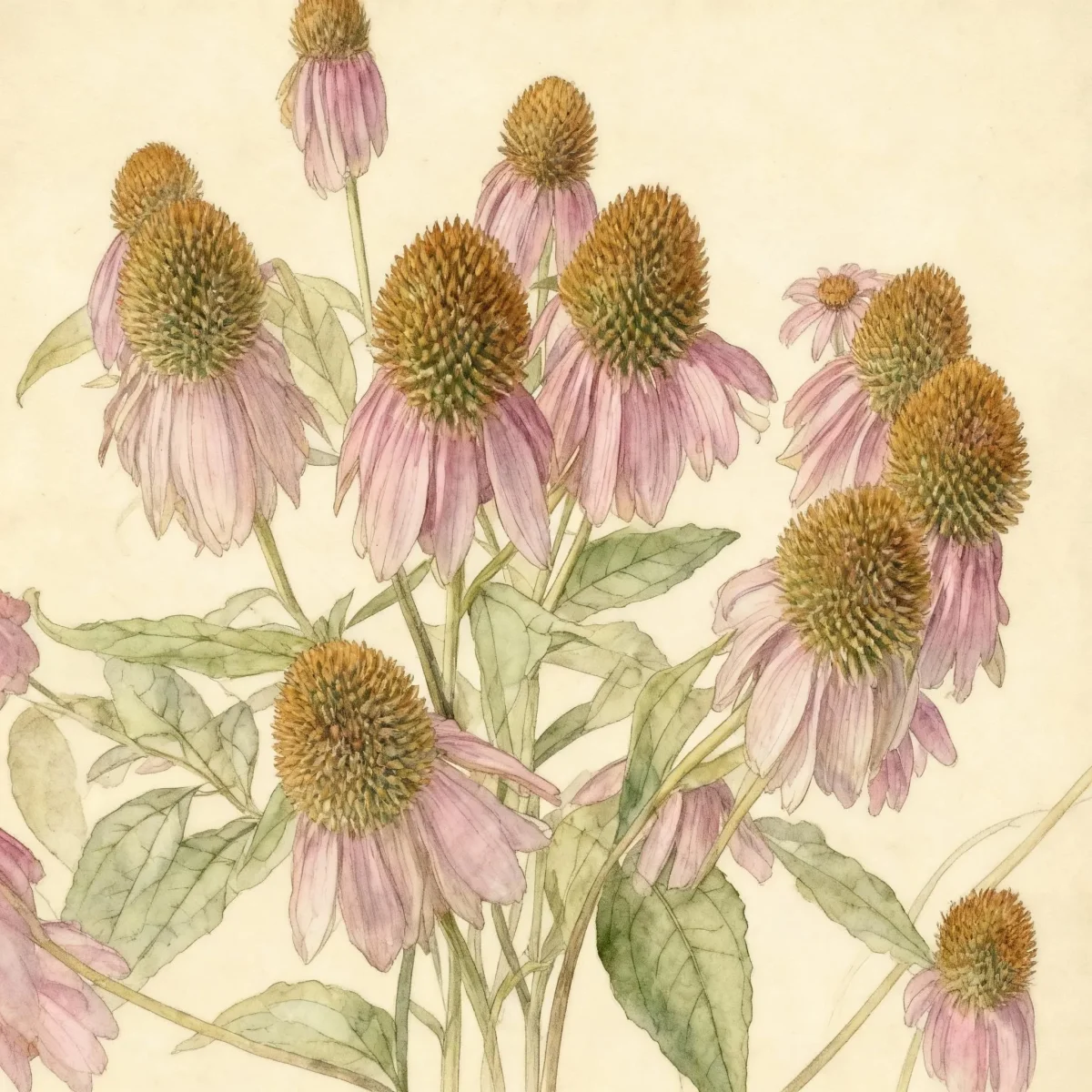
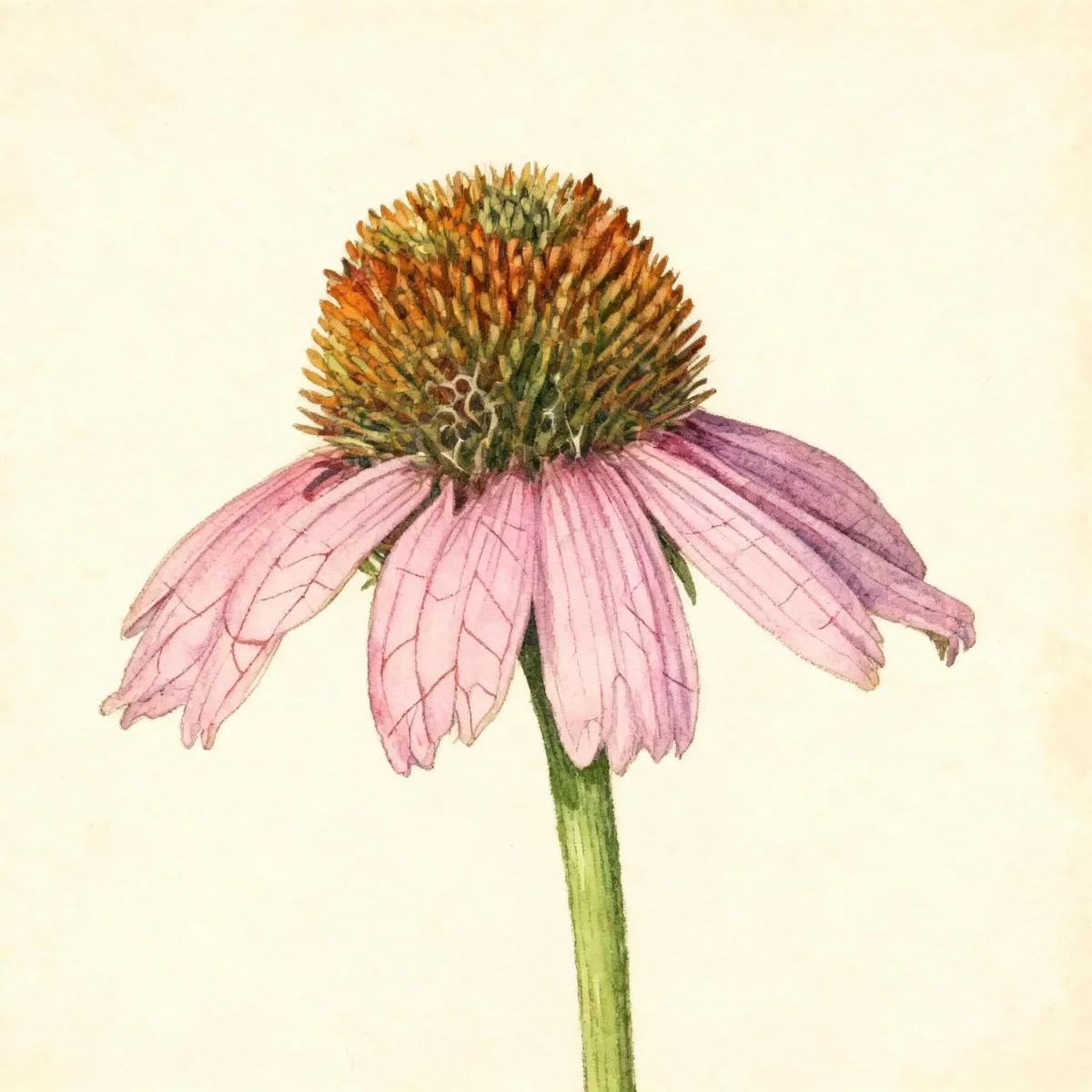
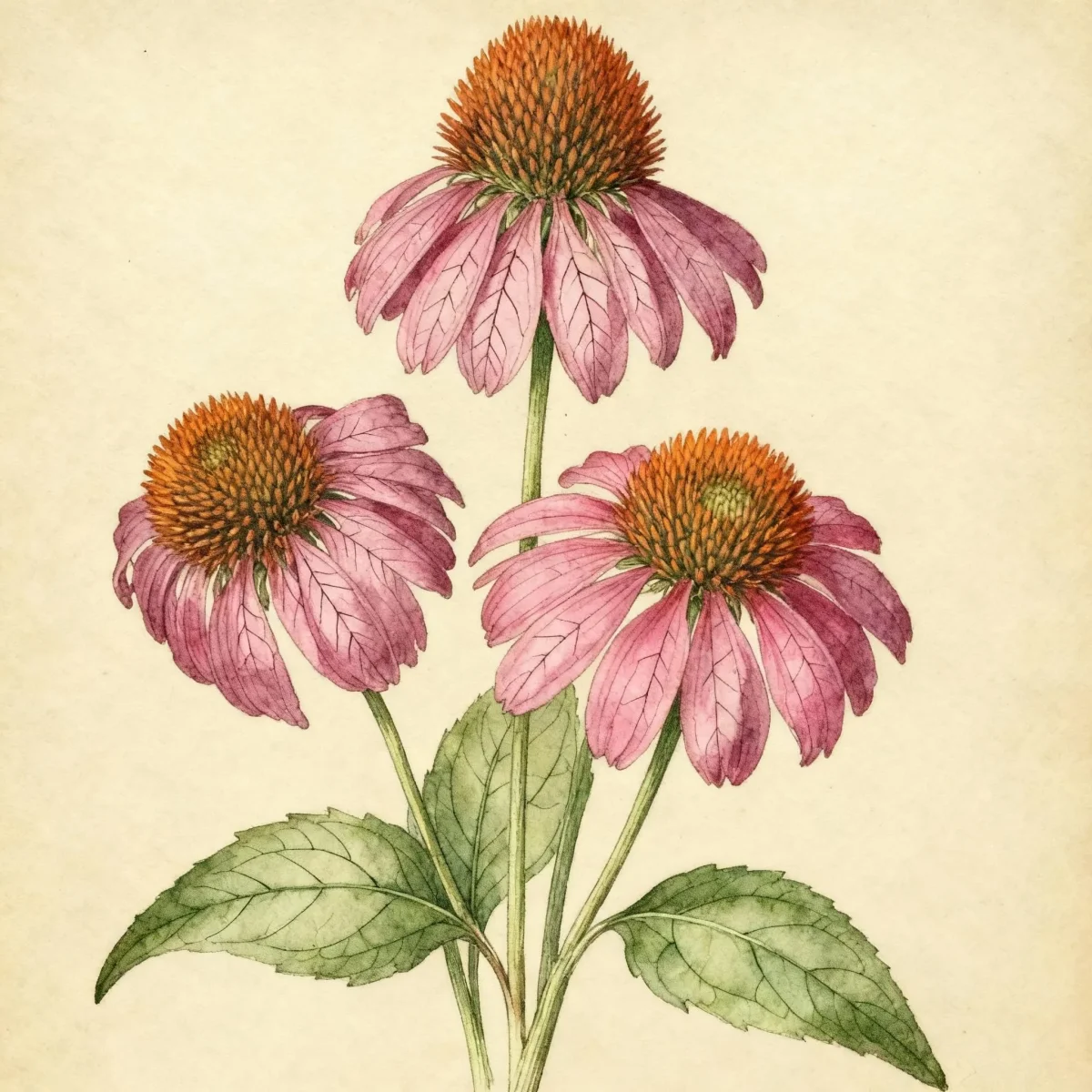
Echinacea purpurea ‘Red Knee High’ is a highly desirable, compact cultivar of the popular Purple coneflower, valued for its abundant summer-to-fall flowering display. This variety stands out with its intensely colored, magenta-red ray petals that gracefully droop from prominent copper-orange center cones. As a sturdy herbaceous perennial, the Purple coneflower provides excellent structure and reliable color in perennial borders.
This adaptable plant is known for its low maintenance needs, tolerating a wide range of conditions including drought, heat, and various soil types. Growing only to about 18 inches tall, Echinacea purpurea ‘Red Knee High’ fits beautifully into smaller garden spaces where taller coneflowers might overwhelm neighboring plants. Its extended bloom time makes it a steady performer, attracting pollinators throughout the season.
Gardeners appreciate the resilience of the Purple coneflower. Beyond the vibrant blooms, the persistent, blackened seed cones left standing into winter offer critical late-season interest and food for goldfinches. Planting Echinacea purpurea ‘Red Knee High’ is a fantastic way to introduce native structure and continuous color into mixed garden designs.
Fast Facts
- Plant Family: Asteraceae
- Plant Type: Herbaceous perennial
- Hardiness Zones: USDA Zones 3-8
- Size at Maturity:
- Height: 1-1.5 ft
- Spread: 1-1.5 ft
- Bloom Time: June to August
- Bloom Description: Magenta red rays
- Sun Exposure: Full sun to part shade
- Water Needs: Dry to medium
- Maintenance Level: Low
How to Grow
Start your planting in spring or fall, ensuring the site offers well-drained soil. While Echinacea purpurea ‘Red Knee High’ tolerates part shade, it performs best and produces the most abundant flowers when situated in full sun. This cultivar is highly adaptable, proving tolerant of drought, heat, humidity, and even poor, clay-heavy soils once established.
Water sparingly once mature, as this Purple coneflower prefers dry to medium moisture conditions. Fertilizing is generally unnecessary; over-fertilizing can result in weak stems and fewer flowers. While plants usually rebloom without intervention, prompt deadheading of spent flowers improves the overall appearance through mid-summer.
For sustained seasons of color, gardeners can cut stems back after the main flush of bloom concludes to encourage further flowering intermittently into the fall. Divide large clumps every four years to maintain vigor. If you wish to encourage natural reseeding, leave some of the spent flower heads standing through the winter for birds to enjoy the seeds.
Landscape Uses
Echinacea purpurea ‘Red Knee High’ is a superb, long-blooming anchor for the sunny border, bringing that classic daisy-like form and bold color to the mid-ground. Its compact nature makes it excellent for massing plantings where a wave of magenta color can truly stand out against surrounding foliage. Consider using this variety in wildflower gardens or naturalized areas to integrate easily with native grasses and meadow companions.
This coneflower mixes exceptionally well with other sun-loving, drought-tolerant perennials. A classic combination involves massing it alongside black-eyed Susans (Rudbeckias) for contrasting, vibrant yellows and oranges that echo the copper cones of the ‘Red Knee High’. It also pairs beautifully with sedums, salvias, and ornamental grasses, providing structure when other blooms fade.
Due to its manageable, knee-high stature, Echinacea purpurea ‘Red Knee High’ is also perfect for filling spaces in cottage gardens or even in larger containers where its robust nature can shine. Ensure it has good air circulation, which helps prevent potential leaf spot issues.
Standout Features
Flower Qualities
- Showy
Noteworthy Characteristics
Echinacea purpurea, commonly called purple coneflower, is a coarse, rough-hairy, herbaceous perennial native to prairies and open woods of the central to southeastern United States. Showy daisy-like purple coneflowers bloom throughout summer atop stiff stems. The genus name derives from the Greek word echinos, referencing the spiny seed cone. The cultivar ‘Red Knee High’ is specifically noted for its long summer to fall bloom showcasing intensely colored magenta red rays drooping from prominent copper-orange to bronze center cones atop compact stems reaching only 18” tall.
Tolerances
- Deer
- Drought
- Clay Soil
- Dry Soil
- Shallow-Rocky Soil
Potential Problems
Aphids, Japanese beetles, and leaf spot can occasionally present challenges for Echinacea purpurea ‘Red Knee High’. Japanese beetles may chew on the blooms, so manual removal or targeted insecticide application may be necessary during their peak feeding time. Susceptibility to aster yellows disease is also noted; this viral-like condition often causes stunted, distorted growth, and infected plants should be removed promptly to prevent further spread via leafhoppers.
Frequently Asked Questions
What hardiness zones is Purple coneflower suitable for?
Echinacea purpurea ‘Red Knee High’ is reliably hardy across USDA Zones 3 through 8, offering a wide range for temperate gardeners.
How large does Echinacea purpurea ‘Red Knee High’ grow?
This cultivar matures to a compact height between 1 and 1.5 feet tall, with a spread ranging from 1 to 1.5 feet wide, making it mid-sized for a perennial border.
When does Purple coneflower bloom?
The bloom time for Echinacea purpurea ‘Red Knee High’ is generally from June through August, presenting striking magenta red rays.
What sun exposure does Echinacea purpurea ‘Red Knee High’ need?
This plant thrives best in full sun, though it will tolerate partial shade, always performing best with ample direct sunlight.
Conclusion
The dense, vibrant display of the Echinacea purpurea ‘Red Knee High’ makes it an essential component for any sunny, low-water garden space. Its robust nature, tolerance for poor soils, and extended bloom ensure year-after-year satisfaction from this compact Purple coneflower. Before planting, confirm that your USDA hardiness zone falls between 3 and 8 to ensure the best long-term success with this outstanding cultivar.
Companion Planting
For optimal vigor and aesthetic appeal, pair Echinacea purpurea ‘Red Knee High’ with other plants sharing similar needs for sun and well-drained soil. Its moderate height makes it an excellent middle-layer plant alongside shorter groundcovers or taller vertical accents. Consider pairing it beneath prairie dropseed (Sporobolus heterolepis) or alongside drought-tolerant sages (Salvia species) that offer contrasting textures.
When designing meadows or native groupings, combine this coneflower with complementary structures. Plants like ornamental grasses offer wispy movement that contrasts nicely with the stiff stems of the Echinacea. Ensure companion plants do not create heavy shade, as the Purple coneflower requires significant light to maintain its dense flower production.
Wildlife Benefits
The prominent, spiny cones of Echinacea purpurea ‘Red Knee High’ stand erect well into winter, offering significant visual interest and crucial foraging opportunities for birds. Goldfinches, in particular, are frequently observed visiting the dried flower heads seeking the nutritious seeds held within the cones. This makes leaving some spent heads standing a rewarding practice for winter wildlife watchers.
Furthermore, the open, daisy-like structure of the actively blooming flowers provides accessible landing pads for a wide variety of pollinators. Bees, butterflies, and other beneficial insects are strongly attracted to the nectar-rich centers of these magenta-red blooms throughout the summer months. Integrating this plant into your landscape directly supports local insect biodiversity.