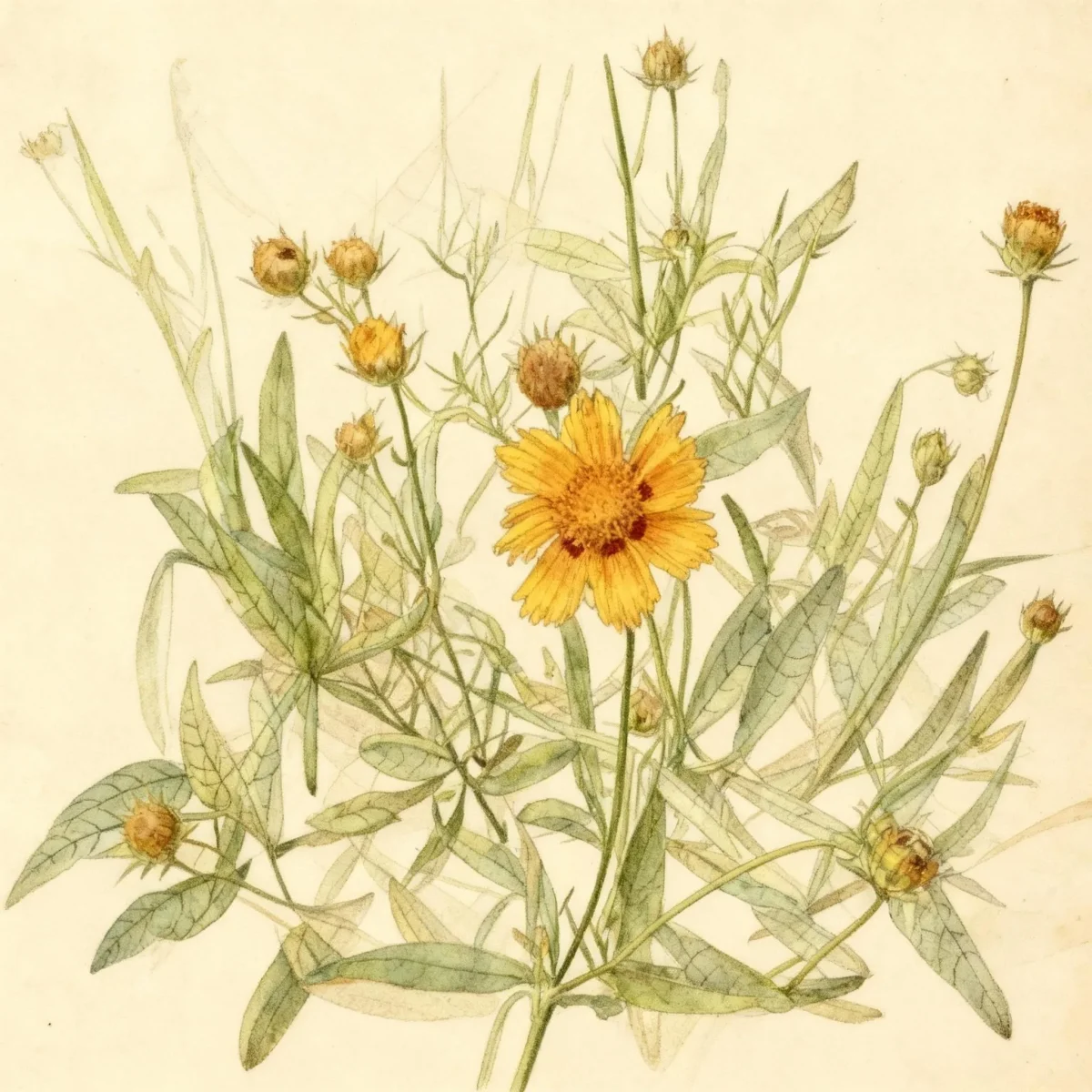
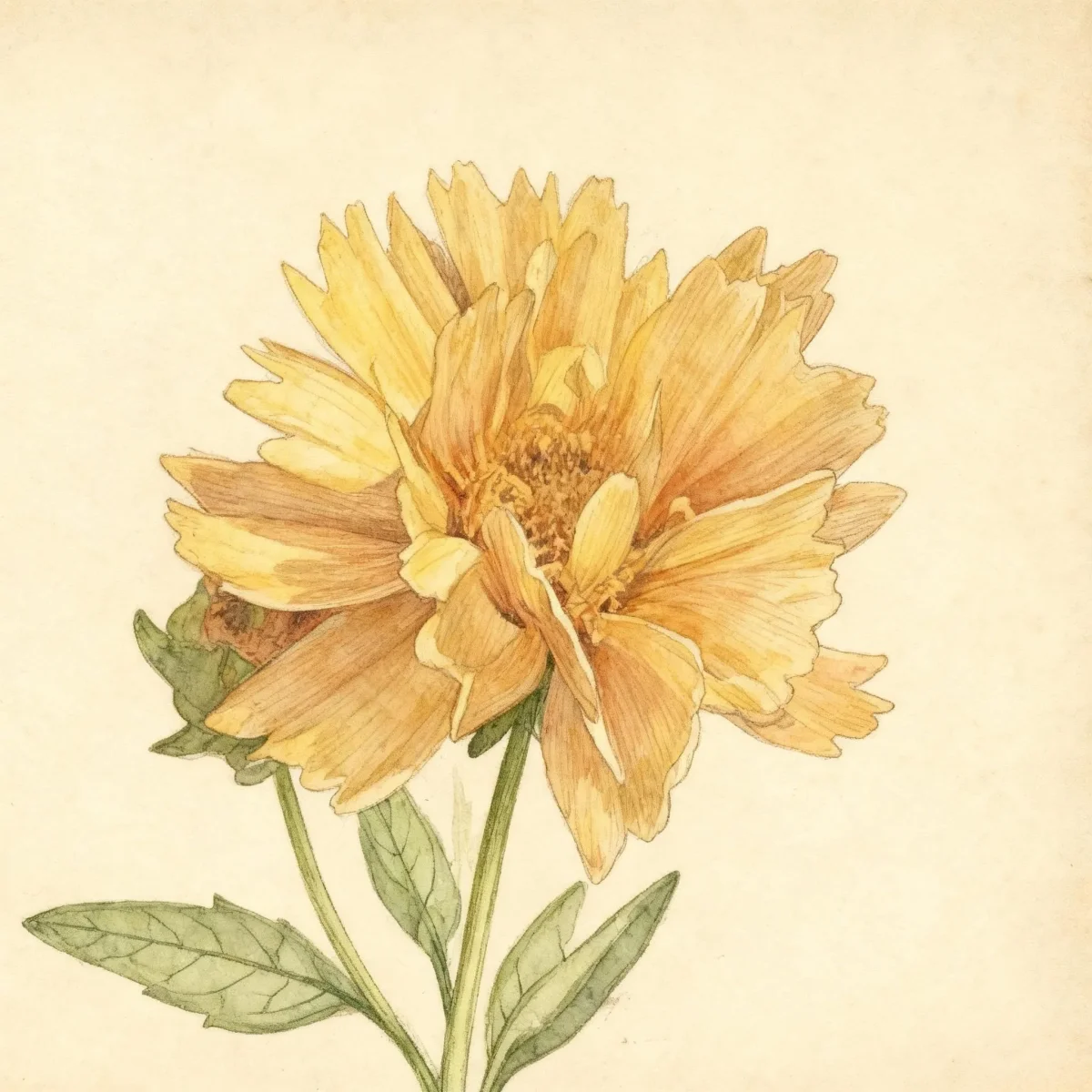
Blanket flower (Gaillardia 'Tizzy')
Gaillardia 'Tizzy' blanket flower offers showy red-to-rose blooms from May to September. This low-maintenance perennial thrives in full sun.
Scroll down to discover growing tips, care requirements, companion plants, and more
Complete Plant Information
Overview
Gaillardia ‘Tizzy’ is a highly valued herbaceous perennial known for its floriferous nature and vibrant daisy-like flowers that last across the summer months. This compact cultivar, a member of the COMMOTION series, provides consistent color, making it an excellent choice for gardeners seeking low-effort, high-impact displays. As a Blanket flower, it naturally tolerates heat and drier conditions once established.
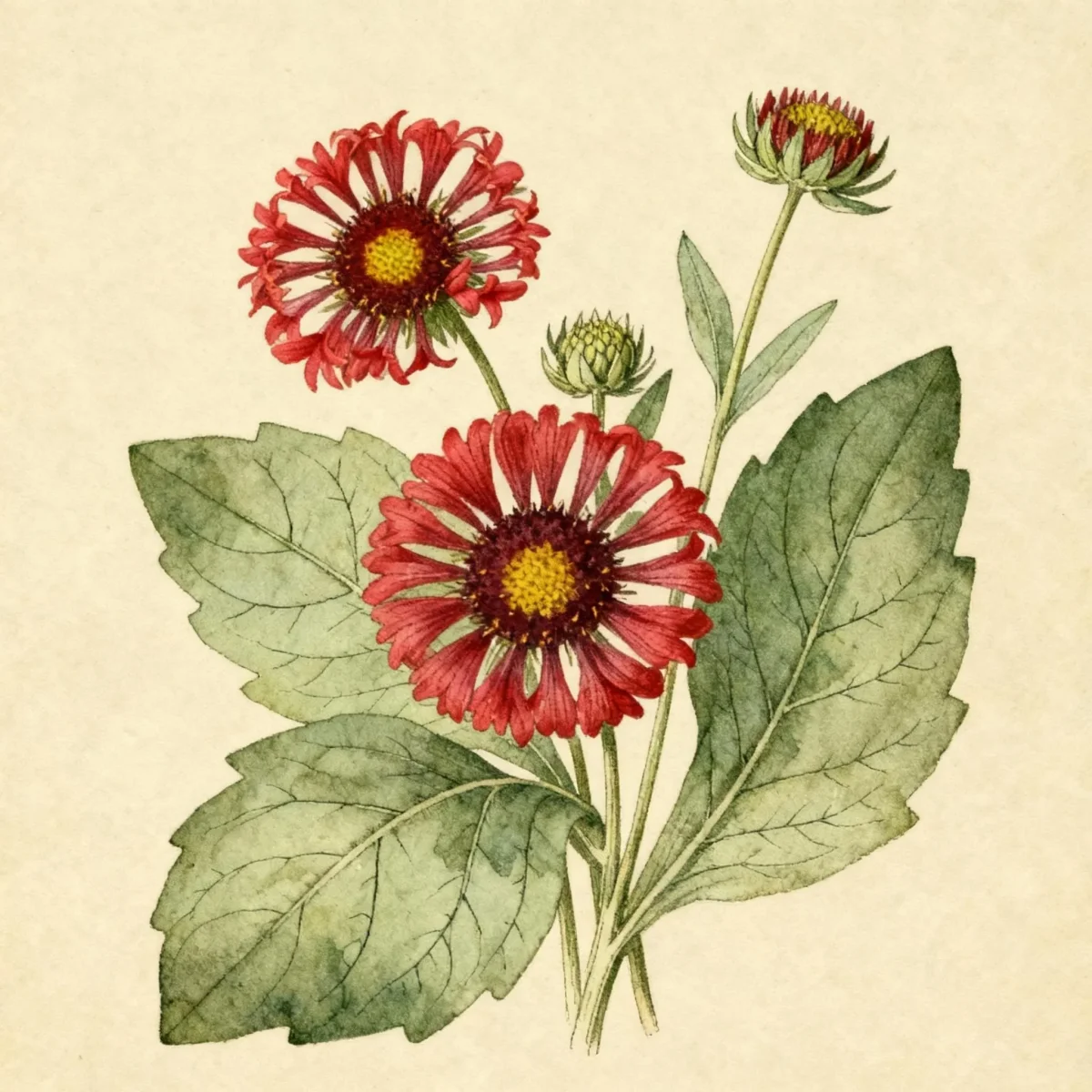
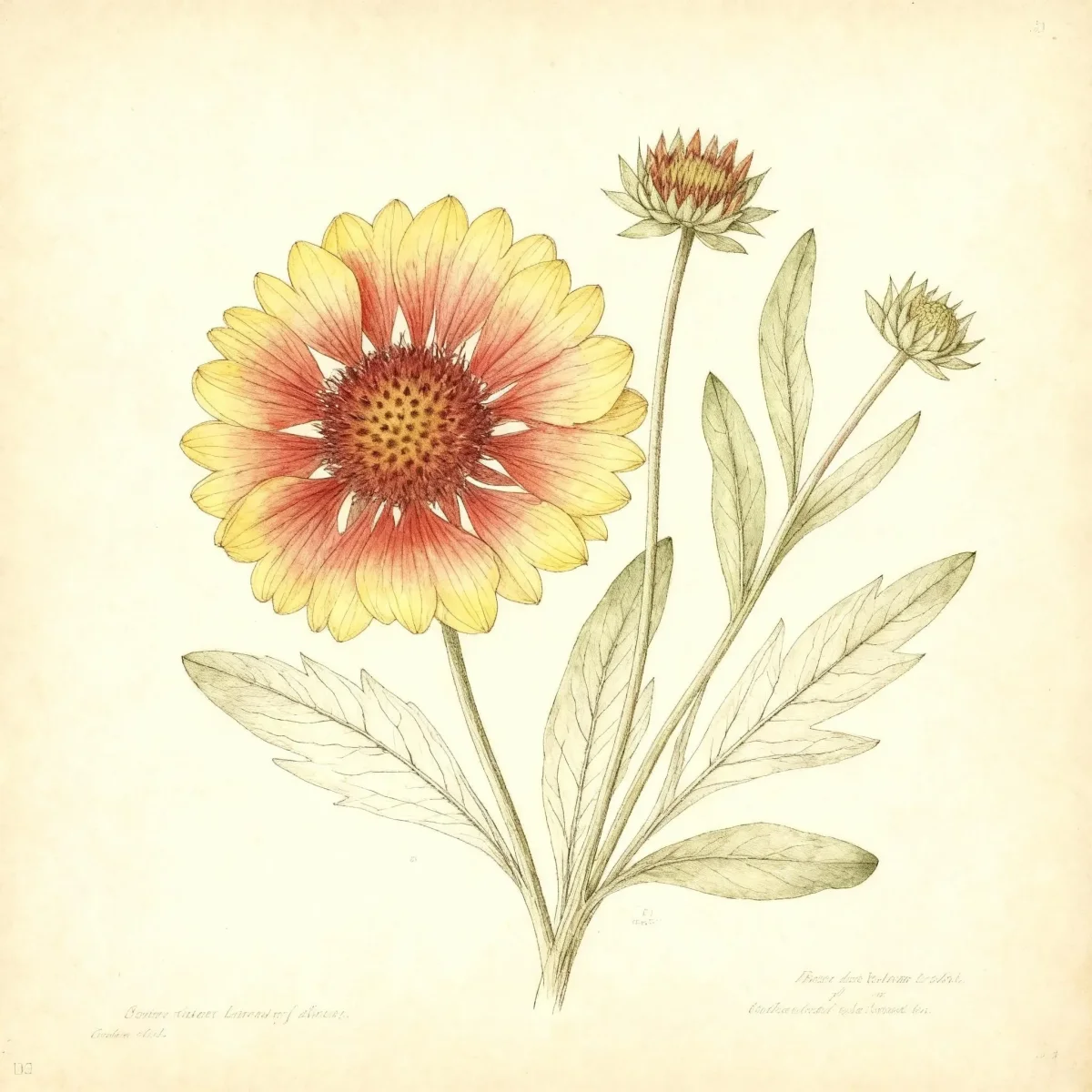
The beauty of Gaillardia ‘Tizzy’ lies in its attractive bloom structure: fluted rays of red and rosy terracotta surround a contrasting russet brown center cone. Beyond aesthetics, these blooms attract butterflies, adding dynamic life to the garden space. This resilience and long bloom period cement the status of Gaillardia ‘Tizzy’ as a staple for sunny borders and cottage gardens alike.
Growing to a manageable height and spread of about 1.5 to 2 feet, this variety fits well in various settings without demanding constant attention. Its low maintenance level, coupled with its adaptability to average soils, ensures that both novice and experienced gardeners can successfully cultivate this popular Blanket flower variety.
Fast Facts
- Plant Family: Asteraceae
- Plant Type: Herbaceous perennial
- Hardiness Zones: USDA Zones 5-9
- Size at Maturity:
- Height: 1.5-2 ft
- Spread: 1.5-2 ft
- Bloom Time: May to September
- Bloom Description: Red to rose rays with russet brown center
- Sun Exposure: Full sun
- Water Needs: Dry to medium
- Maintenance Level: Low
How to Grow
Planting Gaillardia ‘Tizzy’ should occur when danger of hard frost has passed, ensuring it receives full, unobstructed sun exposure throughout the day. While these plants prefer organically rich, moist soils that drain well, they are remarkably adaptable. Ensure the site offers excellent drainage, as heavy clay soils can lead to saturation, which this plant dislikes.
Ongoing care for the Blanket flower is minimal. Water requirements are dry to medium; water deeply but infrequently, especially after the plants are established and adapting to moderate drought tolerance. There is generally no need for heavy fertilization, as rich soil can sometimes encourage excessive leafy growth at the expense of flowers.
To maximize the long blooming season extending from May to September, deadheading is crucial. Regularly remove spent flowers to encourage the plant to produce new buds rather than setting seed. If the plant becomes overly leggy during the mid-summer heat, cutting it back to the basal growth can rejuvenate the clump and promote fresh, compact flowering until fall.
Landscape Uses
Gaillardia ‘Tizzy’ excels in areas demanding reliable, hot-summer color. Its compact, mounding habit makes it perfect for defining the front edge of perennial borders or softening the edge of pathways. It functions beautifully in cottage gardens where its bright, daisy-like appearance contributes to a cheerful, informal look.
This variety is also highly valued for functional landscape roles. It performs admirably in cutting gardens, as the flowers are noted for being “Good Cut.” Furthermore, its hardiness and drought tolerance make it an excellent choice for large patio containers where reliability is key, especially when paired with complementary textural plants.
Because Gaillardia ‘Tizzy’ attracts butterflies, integrate it into dedicated butterfly gardens to enhance wildlife viewing. Its vibrant reds and oranges contrast nicely with blues and purples, such as salvias or catmint, creating dynamic color pairings in sunny locations.
Standout Features
Flower Qualities
- Showy
- Fragrant
- Good Cut
Noteworthy Characteristics
Gaillardia, the genus for this Blanket flower, encompasses species often found on open, sunny prairies and hillsides across the Americas. ‘Tizzy’ is specifically noted as being floriferous and compact, rising to about 18 inches topped with those distinctive fluted flowers. The parents of this cultivar ensured its vigor and reliable performance, leading to its commercial success as a sturdy perennial for sunny spots.
Tolerances
- Drought
Potential Problems
The primary concern when growing Gaillardia ‘Tizzy’ relates to excessive moisture. Root rot is a significant threat, particularly if the garden experiences protracted heavy summer rains combined with poorly drained or heavy clay soils. Always amend soil to ensure swift drainage.
This Blanket flower can also be susceptible to common fungal issues like powdery mildew and fungal leaf spot diseases. Good air circulation, achieved by proper spacing and avoiding overhead watering late in the day, helps mitigate these risks. Vigilance against common pests like aphids and leafminers is also recommended.
Frequently Asked Questions
What hardiness zones is Blanket flower suitable for?
The Gaillardia ‘Tizzy’ blankets flower thrives in USDA Hardiness Zones 5 through 9, providing reliable perennial performance across these ranges.
How large does Gaillardia ‘Tizzy’ grow?
This compact cultivar typically reaches a height between 1.5 and 2 feet tall, with a similar spread of 1.5 to 2 feet, forming a tidy mound.
What sun exposure does Blanket flower need?
Gaillardia ‘Tizzy’ requires full sun exposure to achieve its best bloom performance and maintain a compact shape.
When does Gaillardia ‘Tizzy’ bloom?
This perennial blooms prolifically from May all the way through September, displaying striking flowers that feature red to rose rays with a russet brown center.
Conclusion
Gaillardia ‘Tizzy’ is an exceptional choice for sunny borders, offering low maintenance combined with sensational, long-lasting color from the Blanket flower genus. Its proven drought tolerance and visual appeal ensure it remains a favorite among gardeners planning for reliability. Before planting, confirm your local climate falls within USDA Zones 5-9 and prepare a well-drained site to ensure a magnificent summer display wherever you place this Blanket flower.
Companion Planting
When selecting companions for Gaillardia ‘Tizzy,’ focus on plants that share its passion for intense sunlight and well-drained, drier soil conditions. This helps ensure balanced resource competition and prevents moisture-loving neighbors from compromising the Blanket flower’s health. Look to plants with contrasting foliage or flower shapes to create visual depth around the bright disks of ‘Tizzy’.
Excellent partners include ornamental grasses, which offer fine texture contrast to the broad leaves and large blooms of the Gaillardia. Drought-tolerant lavender, Russian sage (Perovskia), or Sedum varieties blend beautifully and share similar cultural needs, creating a cohesive, water-wise dry garden display.
For color contrast, choose cooler tones. Blue or silver foliage plants effectively mute the intense red and orange hues of the Blanket flower, bringing out the detail in the russet cones. This strategy maximizes the impact of the showy flowers displayed by Gaillardia ‘Tizzy’ throughout the season.
Wildlife Benefits
The bright, accessible structure of the Blanket flower makes it an undeniable magnet for beneficial insects. Any garden prioritizing pollinator support should incorporate this variety, as the blooms are highly attractive to various species of butterflies throughout the summer months. Planting Gaillardia ‘Tizzy’ provides a rich, continuous nectar source when many other summer bloomers may be slowing down.
Furthermore, the center cones of the flowers, once spent, often mature into seed heads. While removing spent blooms encourages more flowering, leaving some seed heads provides a late-season food source for seed-eating songbirds, such as finches, during the fall and winter months.
This plant’s tendency to grow in dense, attractive mounds means it provides good ground cover as well as nectar support. Utilizing Gaillardia ‘Tizzy’ in masses enhances visibility for pollinators while suppressing weed growth beneath its attractive, low-maintenance canopy.