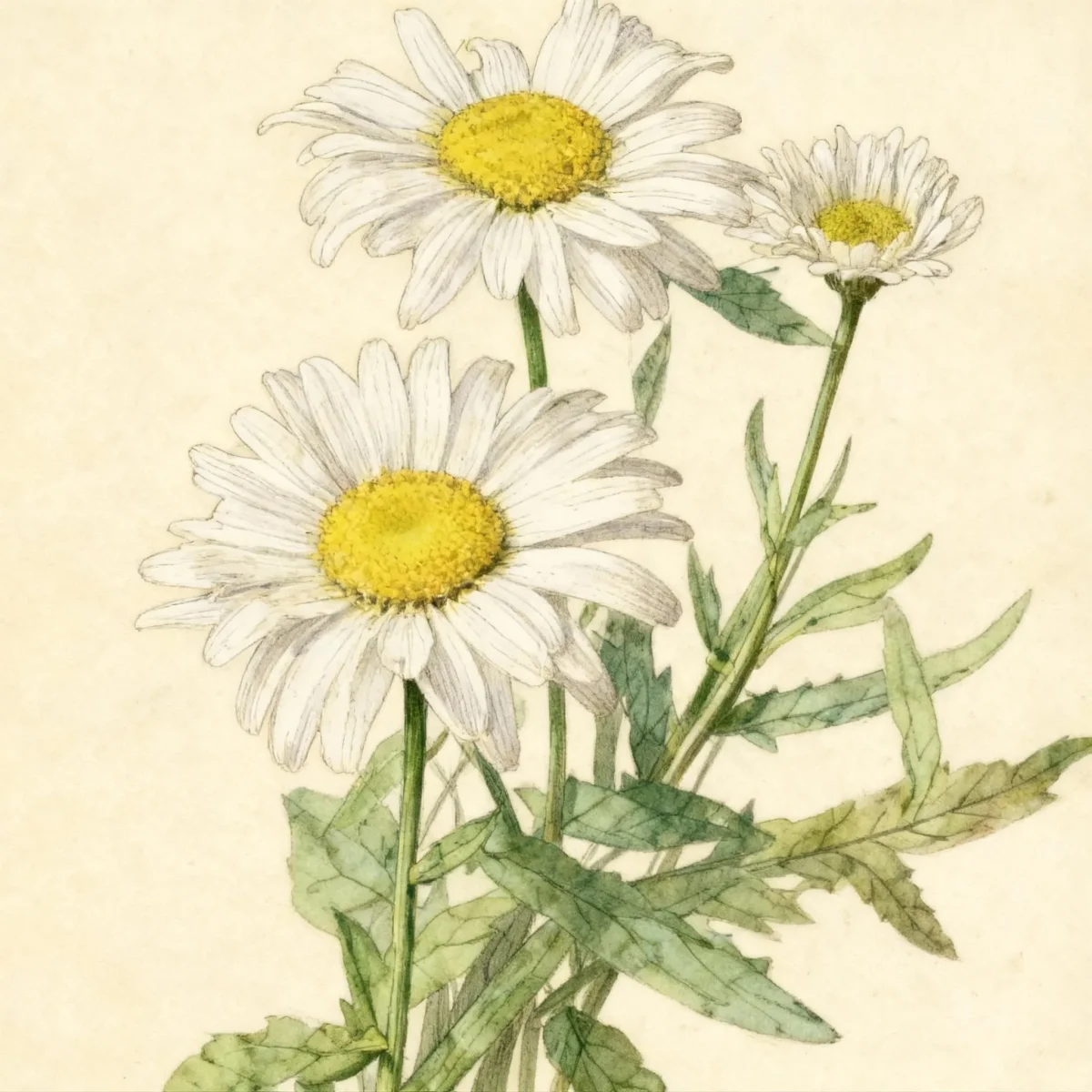
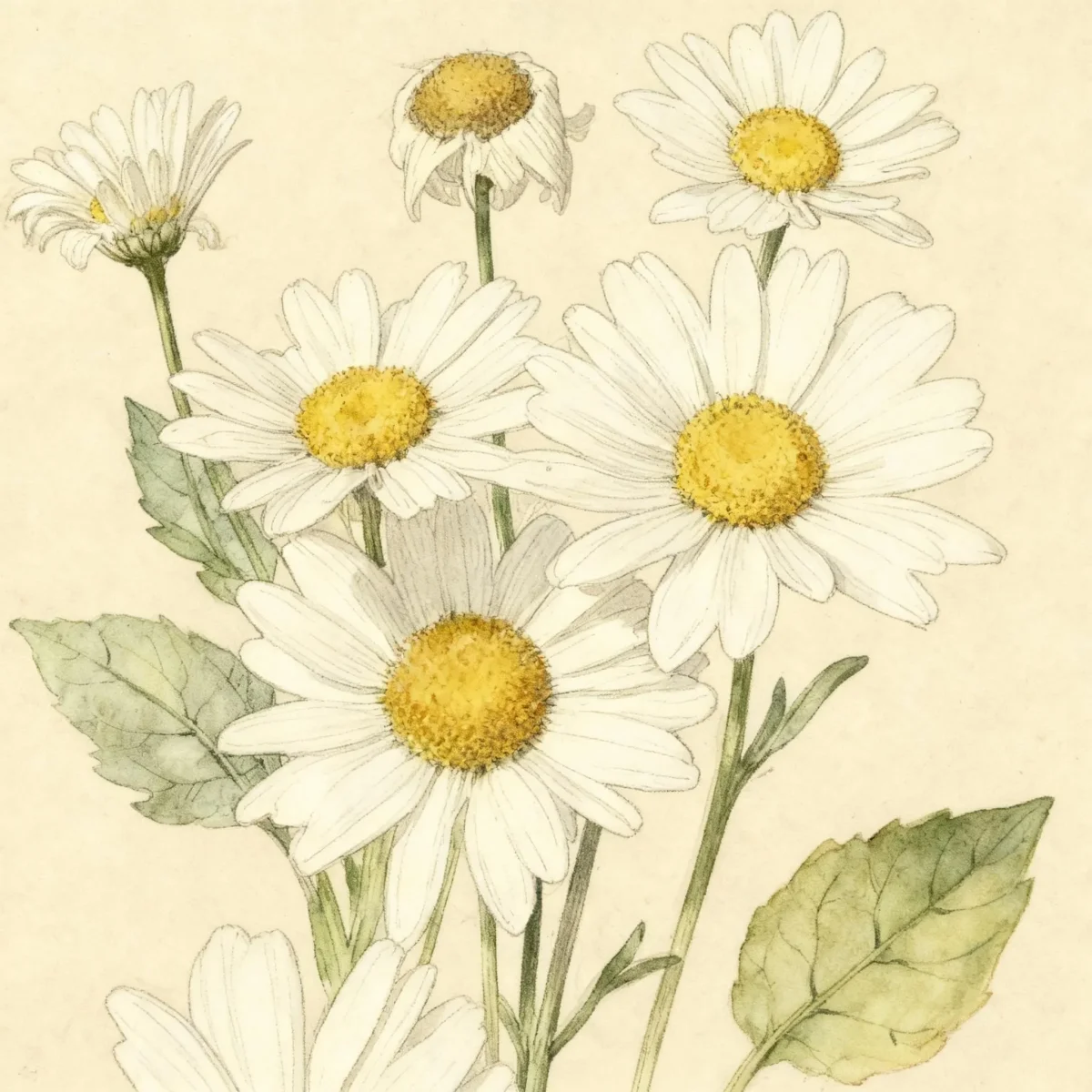
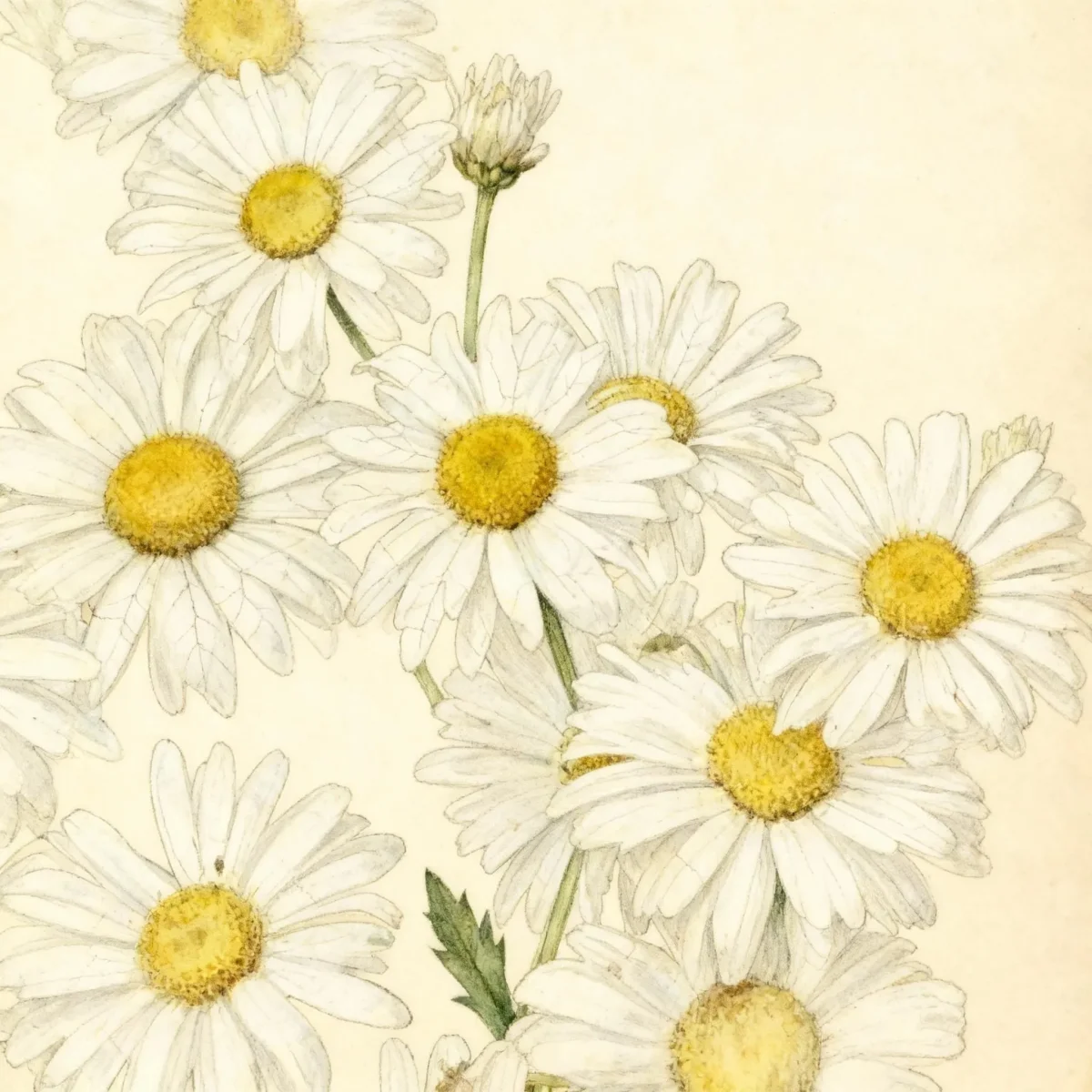
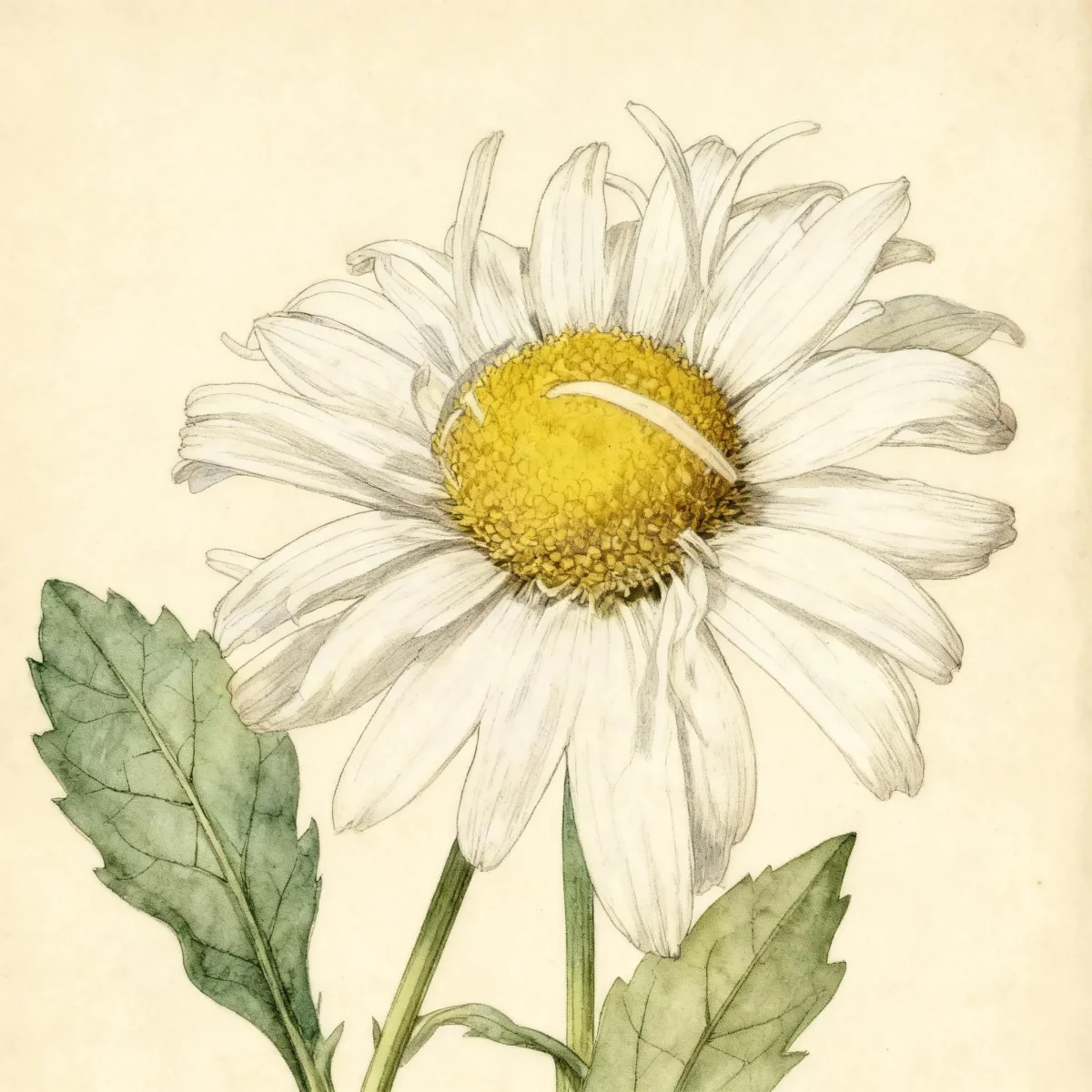
Shasta daisy (Leucanthemum × superbum 'Amelia')
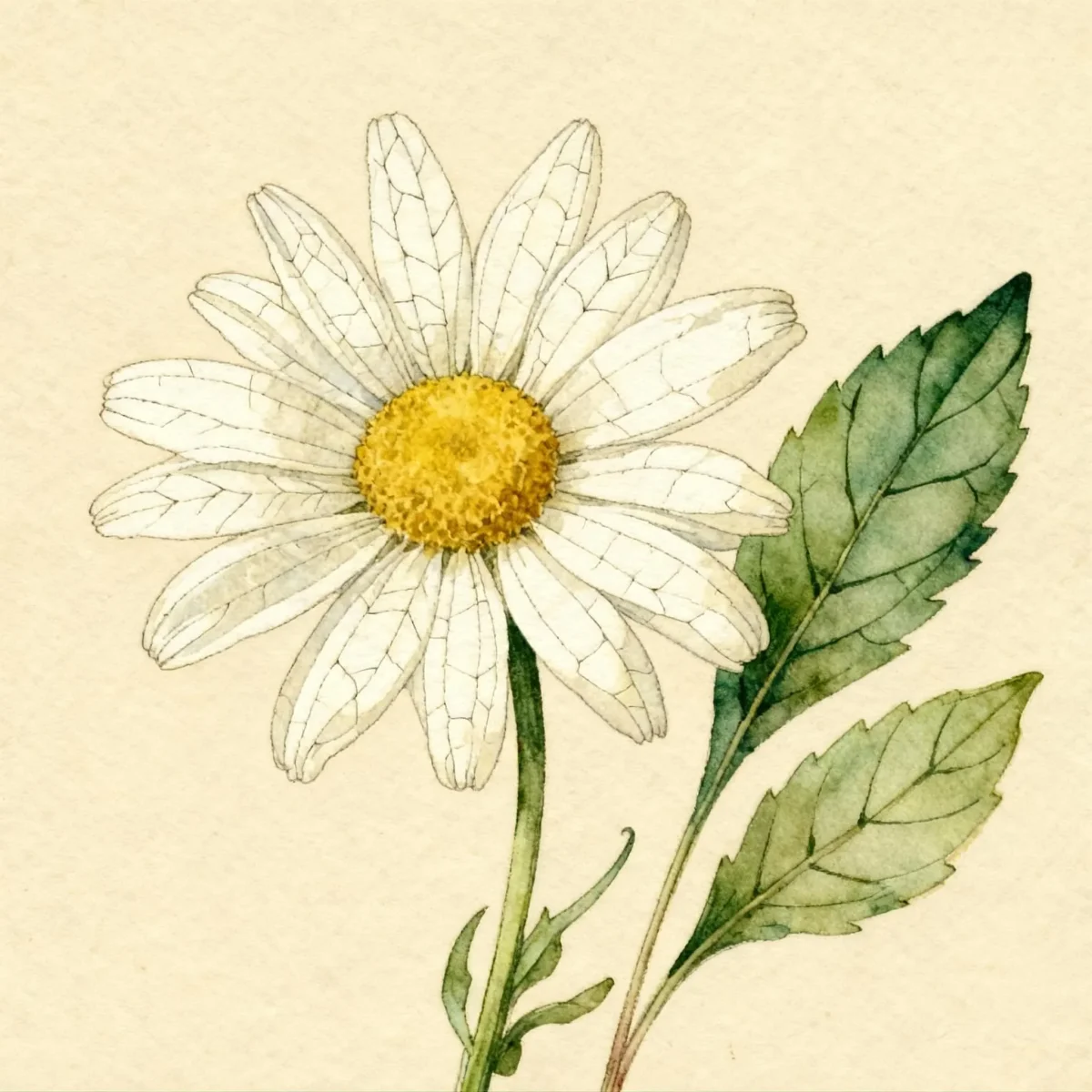
Leucanthemum × superbum 'Amelia', a vigorous Shasta daisy, offers showy white blooms from June to September, thriving in full sun.
Scroll down to discover growing tips, care requirements, companion plants, and more
Complete Plant Information
Overview
The Leucanthemum × superbum ‘Amelia’ offers gardeners a reliable source of classic, cheerful blooms, cementing its place as a mainstay in sunny borders. This particular cultivar of Shasta daisy is valued for its height and robust flowers, which can reach up to 5 inches in diameter, creating a striking display against its deep green foliage. As a vigorous herbaceous perennial, the Leucanthemum × superbum ‘Amelia’ provides exceptional value, returning reliably year after year to brighten the landscape from early summer well into fall.
Developed from historical hybridization efforts utilizing several field daisy species, the modern Shasta daisy brings high aesthetic appeal with remarkably low demands. It exhibits excellent drought tolerance once established, making it a pragmatic choice for sunny locations where water conservation is a concern. Gardeners seeking long-lasting color and excellent material for arrangements will find the Leucanthemum × superbum ‘Amelia’ an essential addition.
Fast Facts
- Plant Family: Asteraceae
- Plant Type: Herbaceous perennial
- Hardiness Zones: USDA Zones 5-9
- Size at Maturity:
- Height: 3-4 ft
- Spread: 2-3 ft
- Bloom Time: June to September
- Bloom Description: White rays with yellow center disks
- Sun Exposure: Full sun
- Water Needs: Dry to medium
- Maintenance Level: Low
How to Grow
Leucanthemum × superbum ‘Amelia’ should be planted in spring or fall in a location receiving full sun for the best flowering performance. While it tolerates some light shade, particularly in scorching summer climates, ensure the site provides average, well-drained soil. Good soil drainage is absolutely essential; wet winter soils are often fatal to these otherwise robust plants.
Care is generally straightforward, aligning with its low maintenance needs. Water dry to medium, focusing irrigation during establishment or periods of severe drought. Minimal fertilization is typically required, as high fertility can lead to lush, floppy growth rather than dense flowering. Deadheading—removing spent flower heads—will encourage the plant to produce continuous new blooms throughout the season.
To maintain the vigor of your Shasta daisy patches, plan to divide the clumps every two to three years. These perennials can become somewhat short-lived, so dividing them helps rejuvenate the plants. A useful tip for prolonging life is considering cutting the stems back to the basal leaves immediately after the main flush of blooming finishes, allowing the plant to conserve energy for the next season.
Landscape Uses
Shasta daisies provide long-lasting summer bloom and are mainstays of the perennial border, cottage garden and cutting garden. Their upright habit and bright white flowers offer excellent vertical contrast against shorter, mounding perennials. Leucanthemum × superbum ‘Amelia’ works wonderfully as a middle- or back-border plant, capable of standing tall without support when conditions are right.
The brilliant white and yellow centers of these flowers make them versatile companions. Pair them with purples, blues, or deep reds for striking color blocking, or use them among silvery-leaved plants for a softer, cottage aesthetic. Beyond borders, this specific Shasta daisy variety is excellent for use in rock gardens, providing substantial height, and it is also an outstanding performer when grown in large containers.
Standout Features
Flower Qualities
- Showy
- Good Cut
Noteworthy Characteristics
Leucanthemum × superbum, commonly called Shasta daisy, is a hybrid developed by Luther Burbank (1849-1926) in the 1890s near snow covered Mt. Shasta in northern California. Burbank crossed L. Vulgare (European oxeye daisy), L. Maximum (Pyrenees chrysanthemum), L. Lacustre (Portuguese field daisy) and Nipponanthemum nipponicum (Japanese field daisy) to produce Leucanthemum × superbum which was given the common name of Shasta daisy. This hybrid typically grows to 2-3’ tall with a spread to 18” wide. Genus name comes from the Greek leukos meaning white and anthemum meaning flower in reference to the white flowers of some species. The hybrid name superbum means superb. ‘Amelia’ is a vigorous Shasta daisy cultivar that grows on strong stems to 30-40” tall with large flowers featuring clean white rays surrounding a bright showy yellow center.
Tolerances
- Rabbit
- Deer
- Drought
- Dry Soil
Potential Problems
Leucanthemums generally exhibit some susceptibility to common fungal issues, including verticillium wilt, leaf spots, and stem rots, especially where air circulation is poor or soil drainage is inadequate. Good cultural practices, such as ensuring excellent drainage and avoiding overly dense planting, are your best defense against these diseases. Always select a sunny location to help foliage dry quickly after rain or irrigation.
Pest pressure on the Shasta daisy is usually minor but watch for aphids clustered on new growth, as well as leaf miners or spider mites, particularly during hot, dry spells. A strong blast of water can often dislodge aphids, and regular inspection allows for early intervention before infestations become established. Maintaining plant vigor through division helps plants resist opportunistic pests and diseases.
Frequently Asked Questions
What hardiness zones is Shasta daisy suitable for?
Leucanthemum × superbum ‘Amelia’ is reliably hardy across USDA Zones 5 through 9.
How large does Leucanthemum × superbum ‘Amelia’ grow?
This vigorous cultivar typically reaches a height between 3 and 4 feet tall, with a spread ranging from 2 to 3 feet wide.
What sun exposure does Shasta daisy need?
For optimal health and prolific blooming, ensure your Leucanthemum × superbum ‘Amelia’ receives full sun exposure throughout the day.
When does Shasta daisy bloom?
The characteristic bloom time for this perennial is generally from June through September, producing classic white rays surrounding bright yellow centers.
Conclusion
The Leucanthemum × superbum ‘Amelia’ remains a cornerstone of the sunny perennial garden, delivering exceptional, continuous color with wonderfully low maintenance requirements. Its drought and pest tolerance, combined with its stunning, showy flowers, makes this Shasta daisy a true workhorse. Before your next planting season, confirm that your garden conditions align with its preference for full sun and excellent soil drainage to ensure a long, robust display.
Companion Planting
Selecting thoughtful companions can enhance the garden aesthetic and cultural success of your Leucanthemum × superbum ‘Amelia’. Because Shasta daisies prefer drier conditions and full sun, pair them with other summer bloomers that share similar cultural needs to simplify watering. Consider drought-tolerant companions like Russian Sage (Perovskia), ornamental grasses, or sturdy coneflower varieties (Echinacea).
When placing plants near your Leucanthemum × superbum ‘Amelia’, think about texture and color contrast. The bold, flat faces of the daisy flowers look fantastic next to fine-textured plants like Nepeta, which also offers contrasting lavender-blue flower spikes. This pairing not only creates visual interest but often provides varying levels of deer or rabbit resistance, offering multilayered garden protection.
Seasonal Care Calendar
Early Spring cleanup involves removing any old, dead foliage close to the ground once new growth begins to emerge. Avoid heavy fertilization at this stage; instead, focus on ensuring the soil drains well following winter snowmelt or spring rains. If dividing large clumps, spring is a good time to lift and separate the root masses every 2-3 years to maintain plant vigor.
Summer care centers on deadheading to maximize bloom duration. As individual flower heads fade, shear them off just above the next set of healthy leaves. This practice directs the plant’s energy away from seed production and into setting new flower buds, ensuring the Leucanthemum × superbum ‘Amelia’ continues performing its duty as a season-long feature.
Late Fall is the appropriate time for a substantial cutback, especially if you did not deadhead consistently through summer. Cut the stems of your Shasta daisy back to about 3-4 inches above the ground. This removes potential overwintering sites for disease spores and pests, keeping the area neat as you transition into winter dormancy.