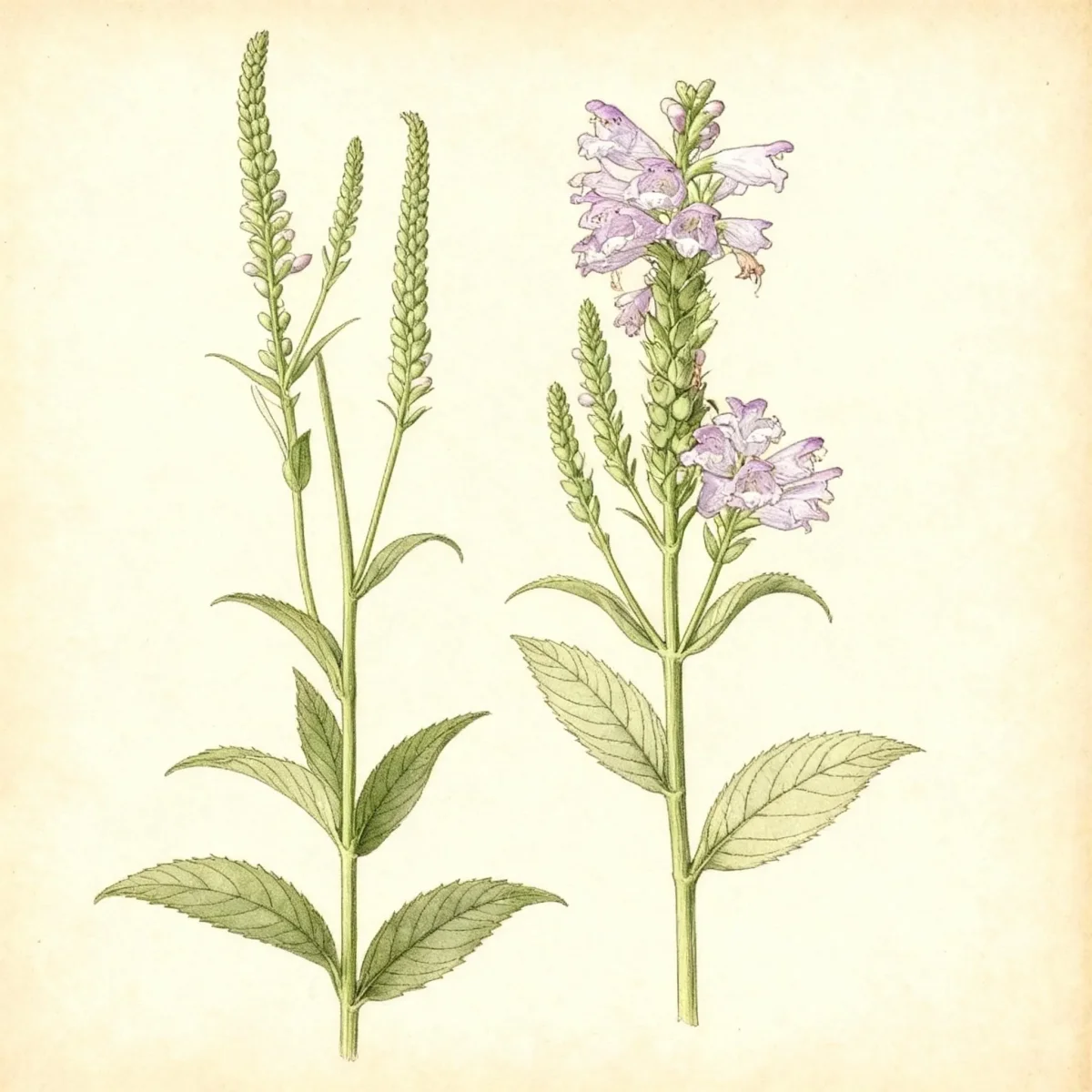
Obedient plant (Physostegia virginiana 'Miss Manners')
Discover Physostegia virginiana 'Miss Manners', the clump-forming Obedient plant, boasting long-season white blooms in zones 3-9.
Scroll down to discover growing tips, care requirements, companion plants, and more
Complete Plant Information
Overview
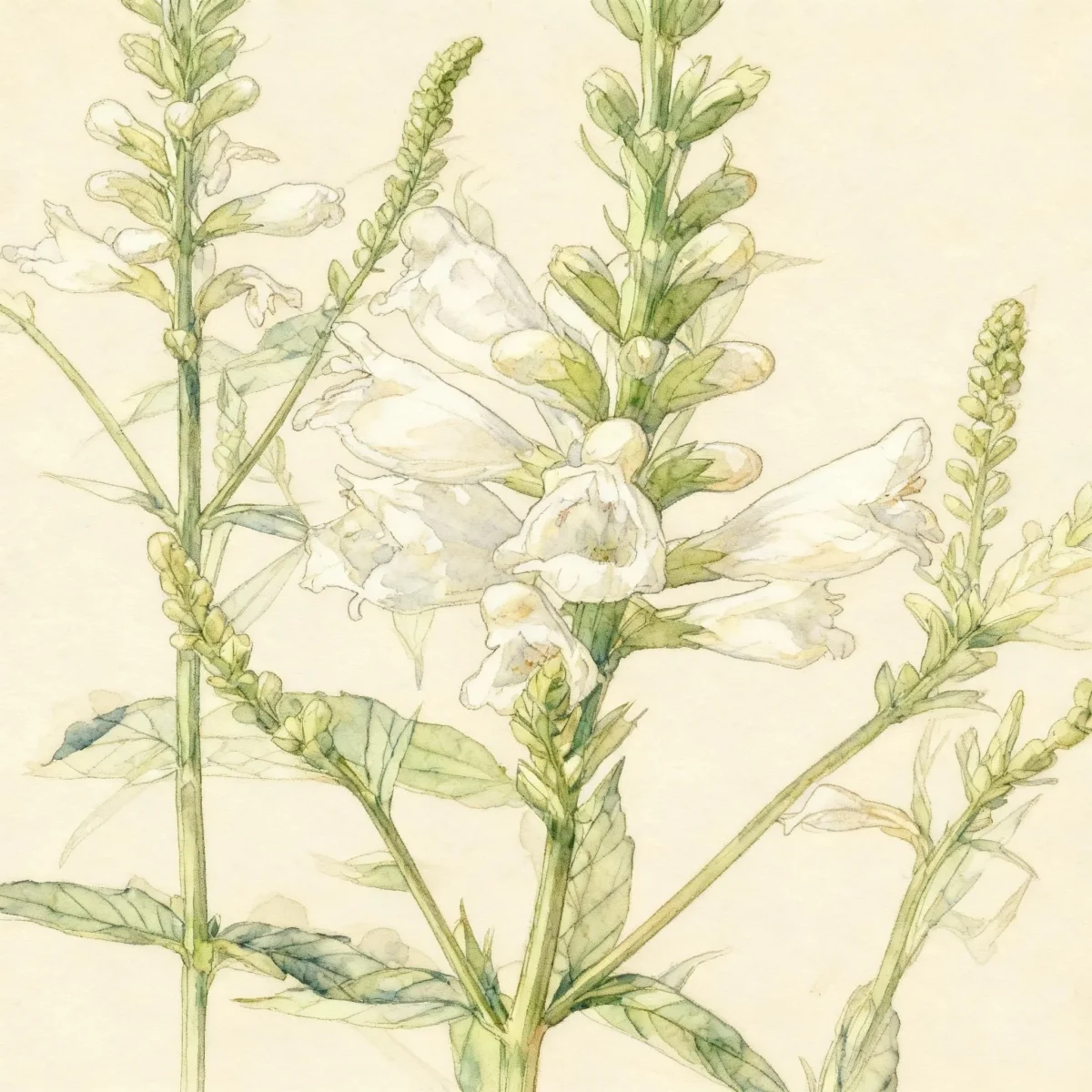
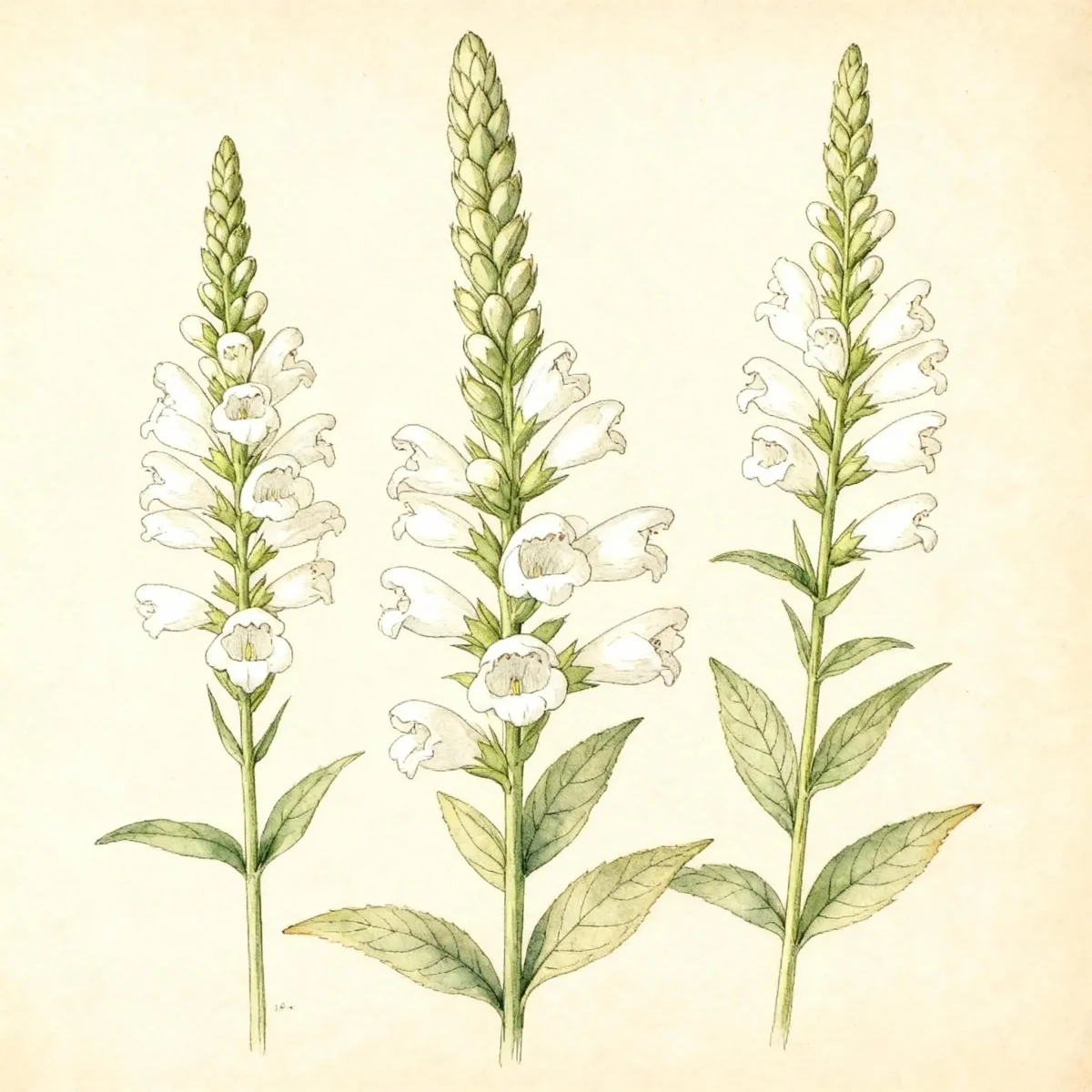
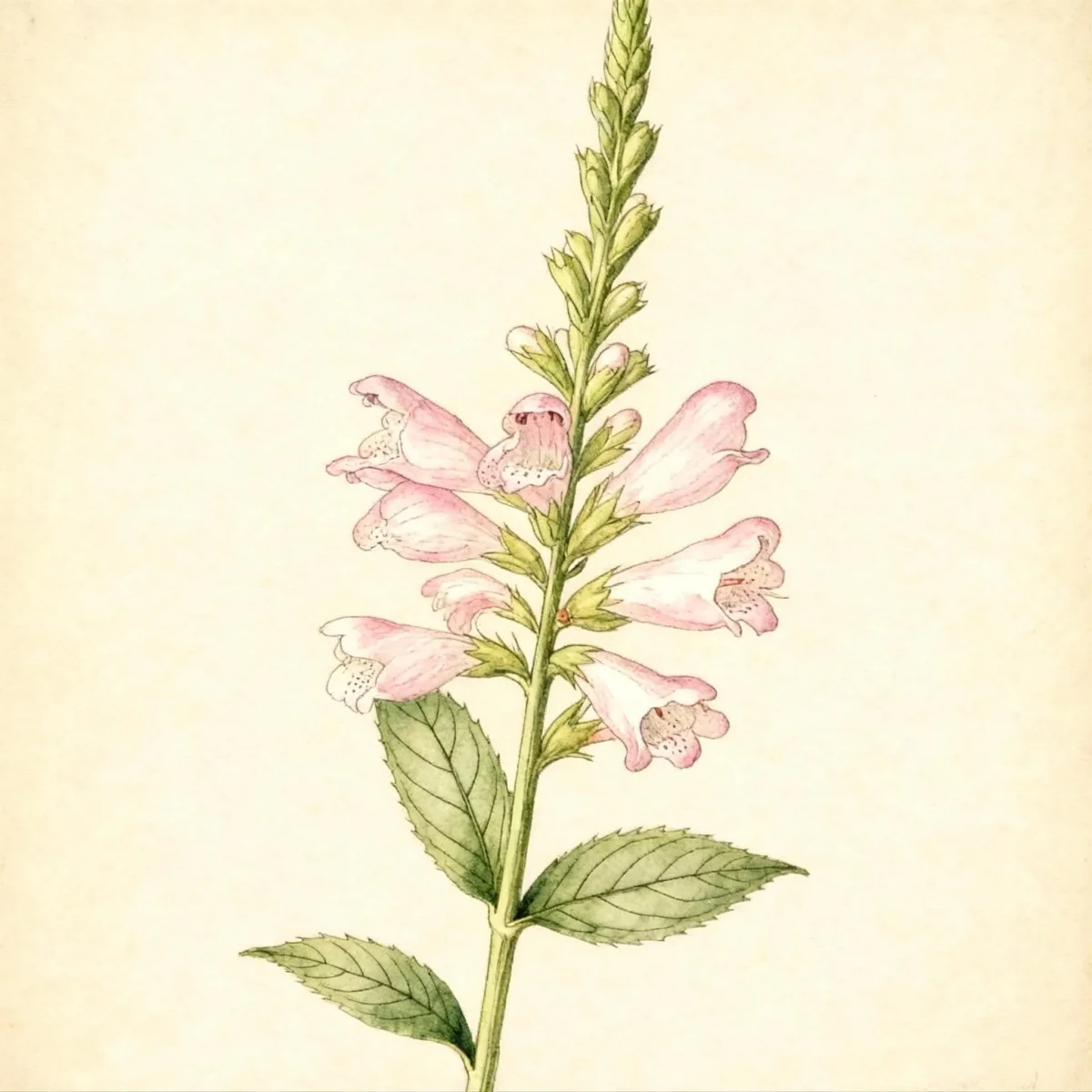
The cultivar Physostegia virginiana ‘Miss Manners’ offers the striking summer color of the native North American Obedient plant while correcting its most significant landscape failing: aggressive spreading. This variety forms a tight, non-spreading clump, making it an invaluable asset for gardeners seeking structure and reliability in perennial borders. Its sturdy stems host dense spikes of pure white, snapdragon-like flowers throughout the summer months.
Unlike the straight species, this patented selection of Physostegia virginiana ‘Miss Manners’ is specifically bred for its compact form and notably unbreakable stems, which resist flopping even when heavily watered or shaded. This reliability ensures vertical accents without the need for constant staking, providing consistent vertical interest from early summer well into fall.
For gardeners needing a dependable mid-border plant that thrives in moist conditions, the Obedient plant ‘Miss Manners’ is an excellent choice. It attracts attention with its unique flowers and offers year-round value by tolerating deer pressure and clay soils, simplifying garden management.
Fast Facts
- Plant Family: Lamiaceae
- Plant Type: Herbaceous perennial
- Hardiness Zones: USDA Zones 3-9
- Size at Maturity:
- Height: 2-2.5 ft
- Spread: 2-2.5 ft
- Bloom Time: June to September
- Bloom Description: White
- Sun Exposure: Full sun
- Water Needs: Medium
- Maintenance Level: Medium
How to Grow
Plant the Obedient plant during the spring or fall, ensuring a location that receives full sun for the best flower production and strongest stems. This perennial prefers average, moist, acidic, well-drained soils, though it demonstrates a good tolerance for heavy clay soils and slightly wetter sites, making it suitable for rain gardens. Avoid overly rich soils, as this can encourage weak, floppy growth, even in the improved ‘Miss Manners’ variety.
Water consistently, maintaining medium moisture levels, especially during periods of high heat or dry spells. Fertilizing is rarely necessary; the primary concern for maintenance lies in ensuring adequate sunlight to promote sturdy stems. If taller vertical growth is desired, ensure it receives at least six hours of direct sun daily.
Pruning typically involves cutting back the faded stems in late fall or early spring before new growth emerges. Gardeners should be aware that while Physostegia virginiana ‘Miss Manners’ does not spread aggressively like its wild relatives, diligent deadheading can encourage a prolonged bloom period.
Landscape Uses
The compact habit and upright white flower spikes make Physostegia virginiana ‘Miss Manners’ a stellar choice for defined borders where structure is essential. It integrates beautifully into cottage gardens, adding a formal, vertical element among looser plantings. Because of its medium water needs and tolerance for moisture, it is perfectly situated in rain gardens or along the edges of ponds or streams.
Consider planting Physostegia virginiana ‘Miss Manners’ alongside shorter, mounding perennials that offer contrasting colors or textures, such as hostas, ornamental grasses, or black-eyed Susans. Its mid-height ensures it doesn’t obscure shorter border plants while still towering over groundcovers.
For naturalized settings like prairies or meadows, this Obedient plant works well when grouped in drifts. Its non-running nature means it won’t aggressively take over native wildflower areas, permitting easy management while providing dependable summer flowering.
Standout Features
Flower Qualities
- Showy
Noteworthy Characteristics
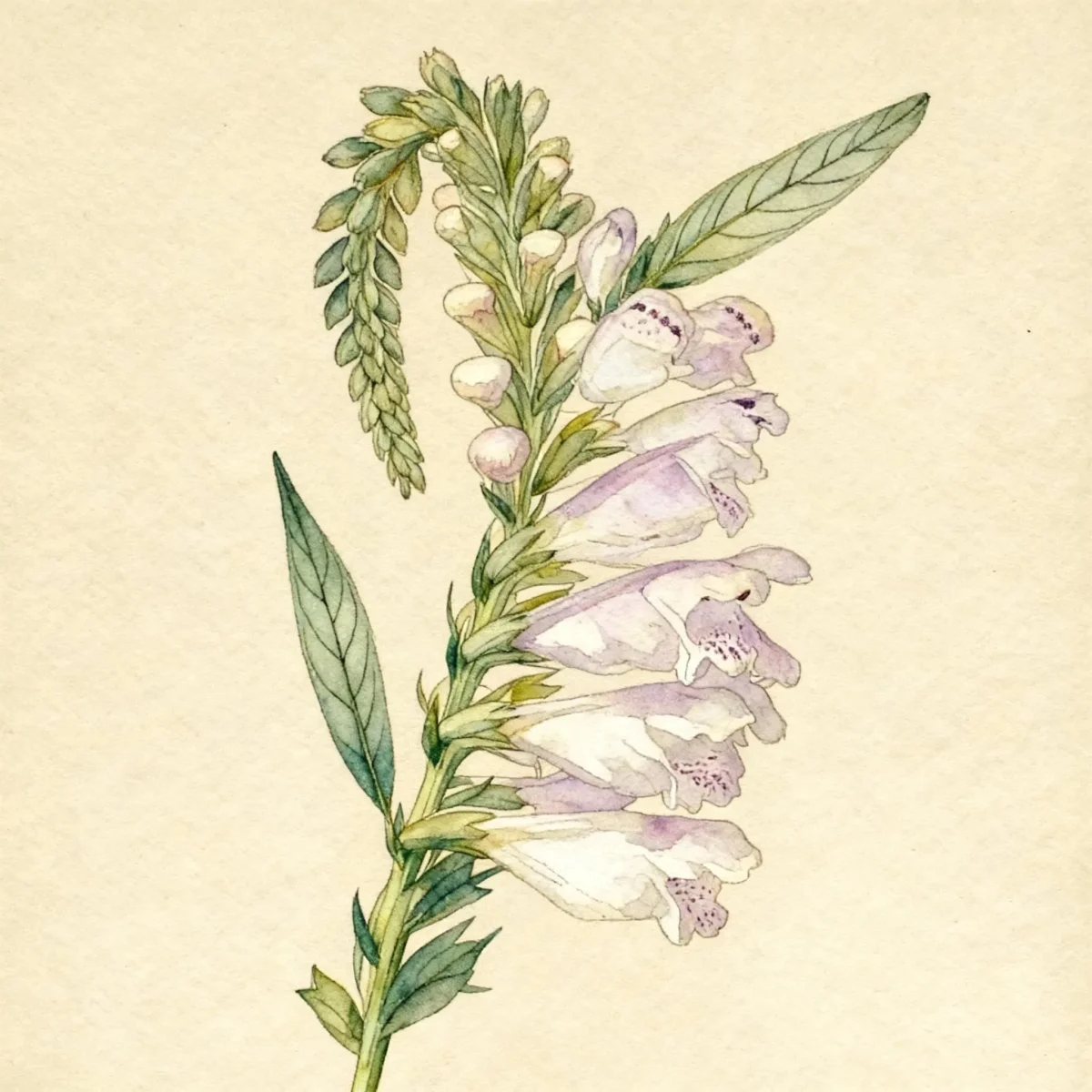
Physostegia virginiana, known generally as the obedient plant or false dragonhead, is a rhizomatous perennial native primarily to eastern and central North America. Its genus name references the inflated calyces, while its common name derives from the flowers’ ability to remain in place temporarily when pushed. The cultivar ‘Miss Manners’ is unique for its compact nature, stiff stems that resist flopping, and enhanced clump-forming habit, producing dense spikes of pure white, snapdragon-like blooms throughout the summer season.
Tolerances
- Deer
- Clay Soil
Potential Problems
The primary concern for the species, aggressive spreading via rhizomes, is largely mitigated in Physostegia virginiana ‘Miss Manners’; however, this cultivar is still susceptible to fungal issues. Rust is an occasional problem, often appearing as unsightly orange or reddish pustules on the lower leaves, particularly when air circulation is poor. Monitor regularly for minor pests such as aphids and spider mites, especially in hot, dry conditions.
To prevent rust, practice good garden hygiene by ensuring adequate spacing between plants to promote air flow around the foliage. If rust appears, treat promptly with a registered fungicide, and ensure stems are cut back after flowering to eliminate overwintering fungal spores.
Frequently Asked Questions
What hardiness zones is Obedient plant suitable for?
The Obedient plant, including the ‘Miss Manners’ cultivar, is highly adaptable and suitable for USDA Hardiness Zones 3 through 9.
How large does Physostegia virginiana ‘Miss Manners’ grow?
This specific variety typically reaches a mature height between 2 and 2.5 feet tall, with a spread of 2 to 2.5 feet, forming a respectable clump.
When does Obedient plant bloom?
Physostegia virginiana ‘Miss Manners’ provides a long period of interest, blooming reliably from June straight through September, displaying attractive white flowers.
What sun exposure does Physostegia virginiana ‘Miss Manners’ need?
For optimal performance, especially to keep the stems upright, this plant requires full sun exposure.
Conclusion
The combination of reliable deep-summer bloom, white flower color, and unmatched clump-forming structure makes Physostegia virginiana ‘Miss Manners’ a must-have perennial. Its superior habit means you gain all the aesthetic benefits of the Obedient plant without the maintenance worries associated with aggressive spreaders. Ensure you check your local USDA zone compatibility before planning your purchase for the upcoming spring planting season.
Companion Planting
When designing garden beds featuring Physostegia virginiana ‘Miss Manners’, consider partners that share similar sun and moisture requirements. Silvery foliage plants like Lamb’s Ears (Stachys byzantina), while requiring slightly less water once established, juxtapose beautifully against the dark green leaves and white spikes. For continuous color interest, pair it with late-blooming rudbeckias or compact asters, as they will begin flowering just as the Obedient plant starts waning.
Alternatively, group the upright structure of ‘Miss Manners’ with clumping grasses such as Little Bluestem (Schizachyrium scoparium). The airy plumes of the grass provide movement and contrast against the stiff, rigid flower stalks of the perennial, creating a dynamic textural display throughout the late summer and fall garden.
Designing with Vertical Accents
Vertical elements are crucial for giving a garden depth and visual flow; the 2.5-foot height of Physostegia virginiana ‘Miss Manners’ places it perfectly in the middle ground of mixed borders. Use these plants to transition between short edging material and tall background specimens like sunflowers or delphiniums. Because the bloom is white, this cultivar works exceptionally well in moon gardens or areas intended to glow softly during evening hours.
Staking is generally unnecessary for this specific cultivar, which is its key selling point. This inherent sturdiness allows you to rely on it to provide unwavering vertical structure through rainstorms and summer heat, offering consistent architectural honesty to your design plan.