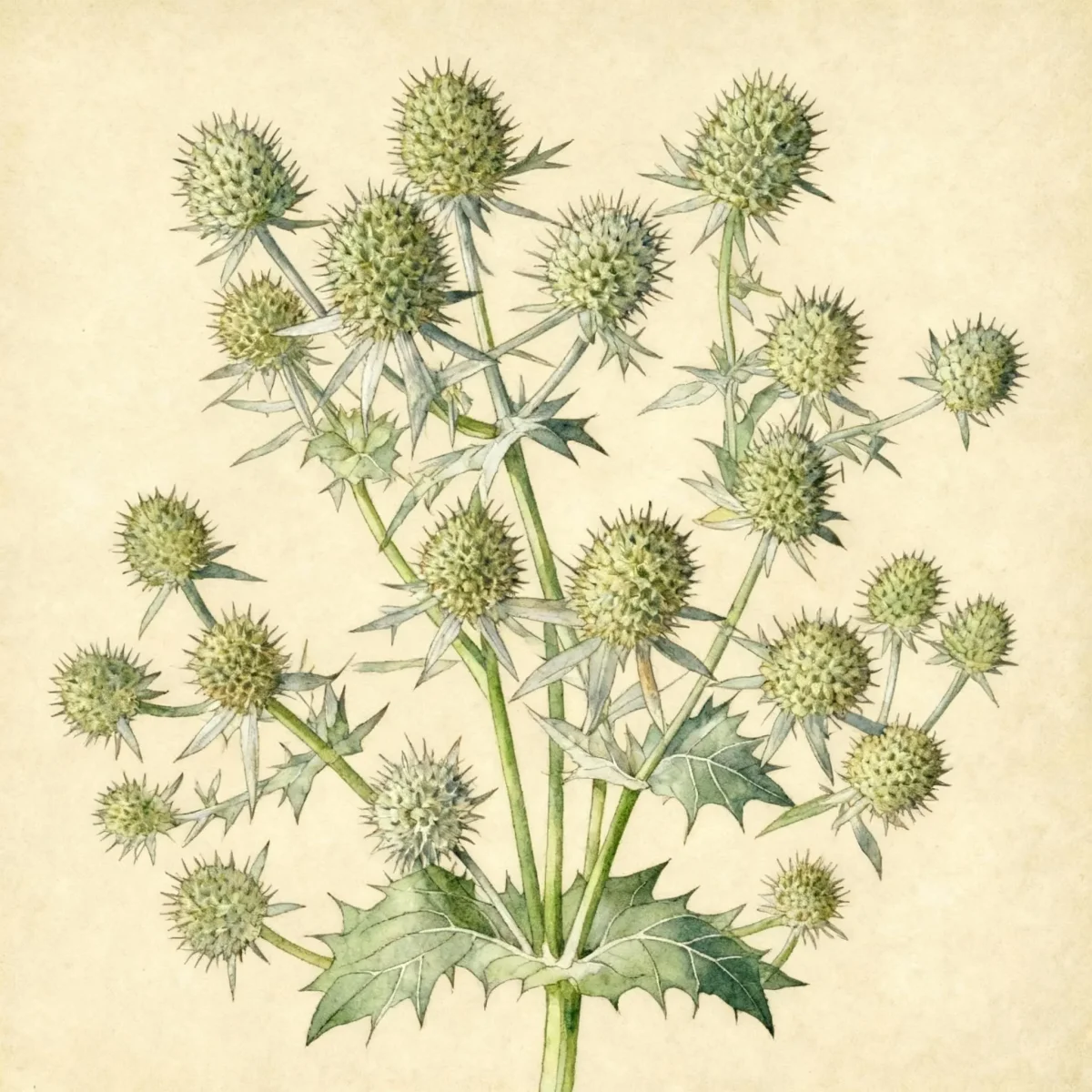
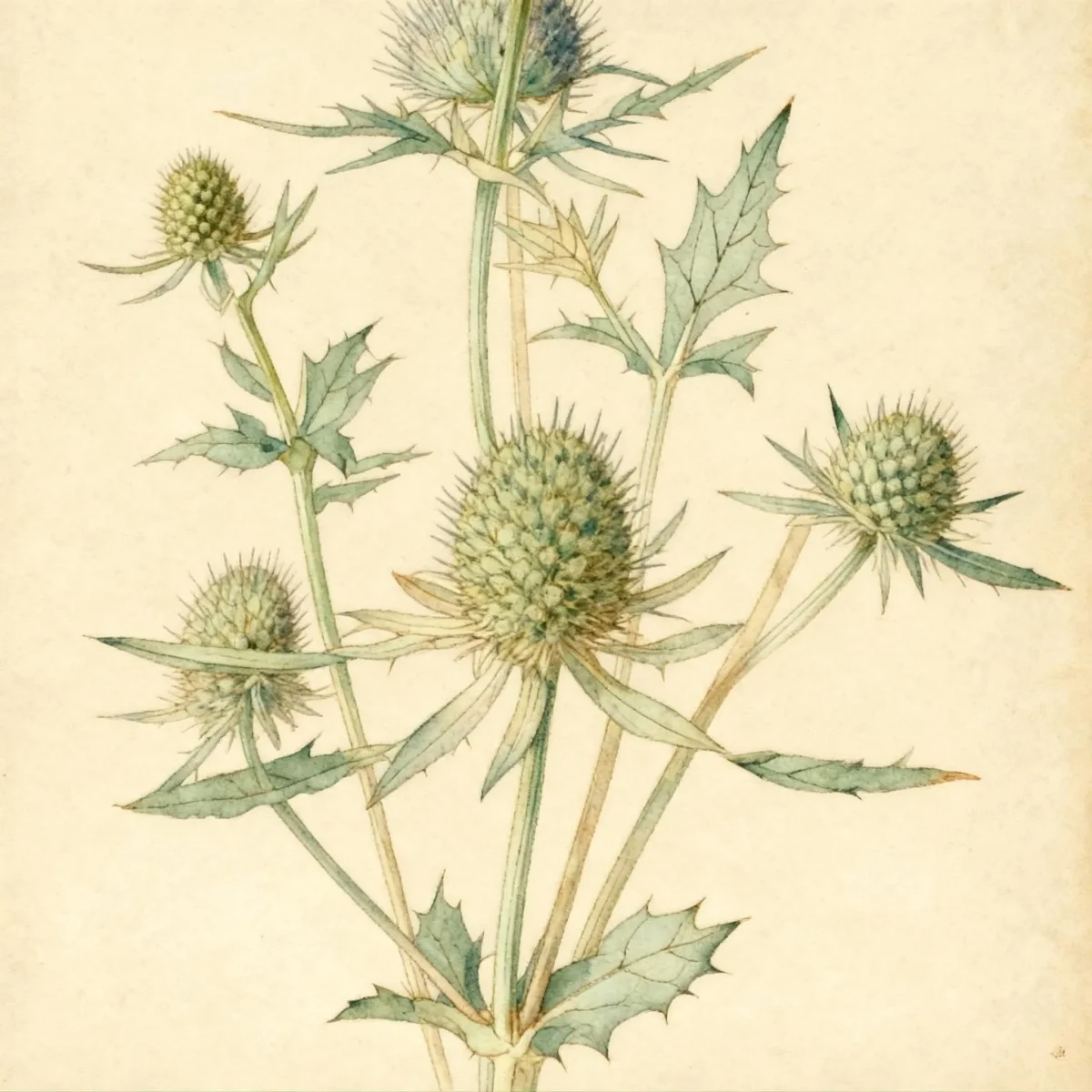
Sea holly (Eryngium planum 'Blue Hobbit')
Dwarf Sea holly, Eryngium planum 'Blue Hobbit', offers long-lasting purplish-blue blooms. Perfect for dry spots in full sun.
Scroll down to discover growing tips, care requirements, companion plants, and more
Complete Plant Information
Overview
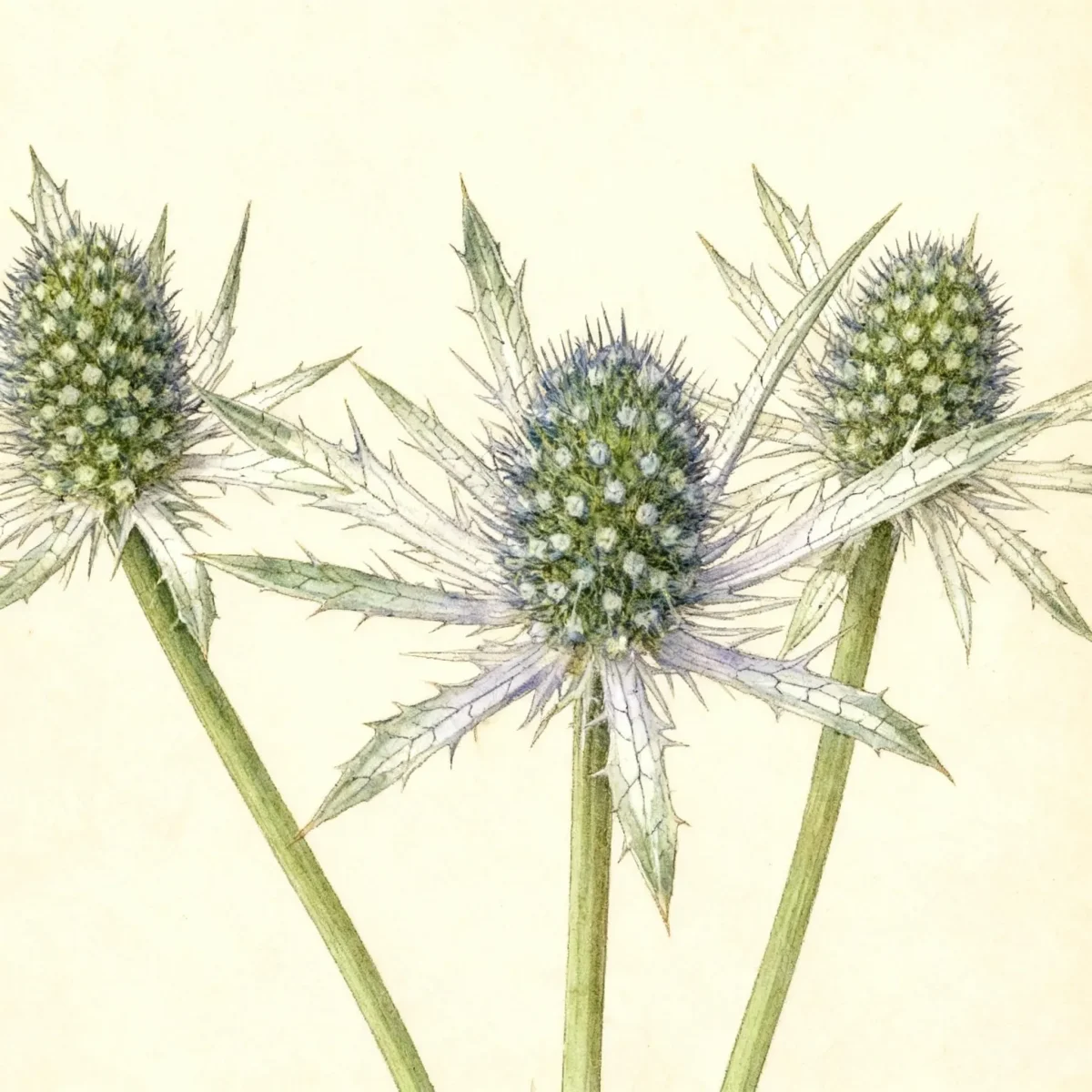
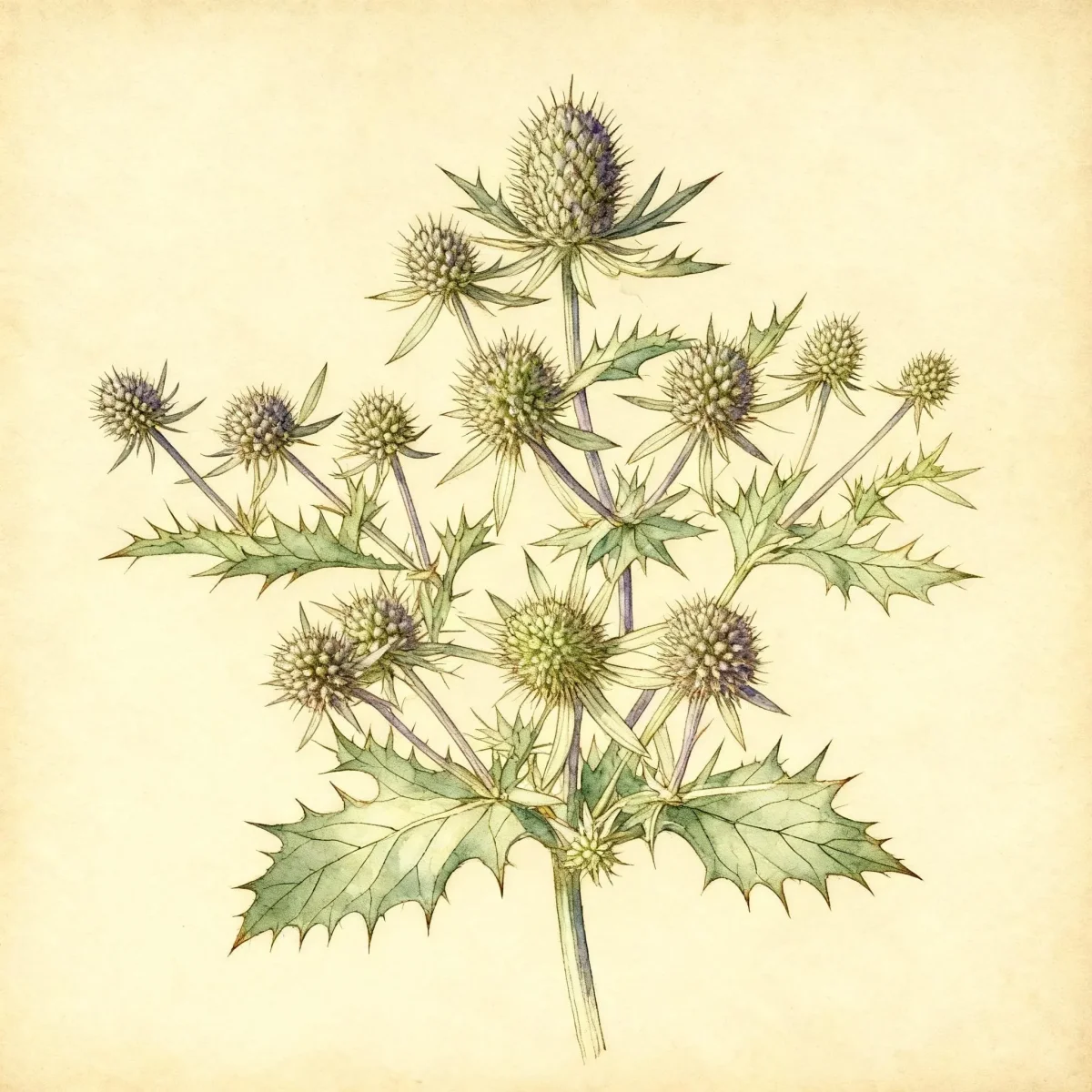
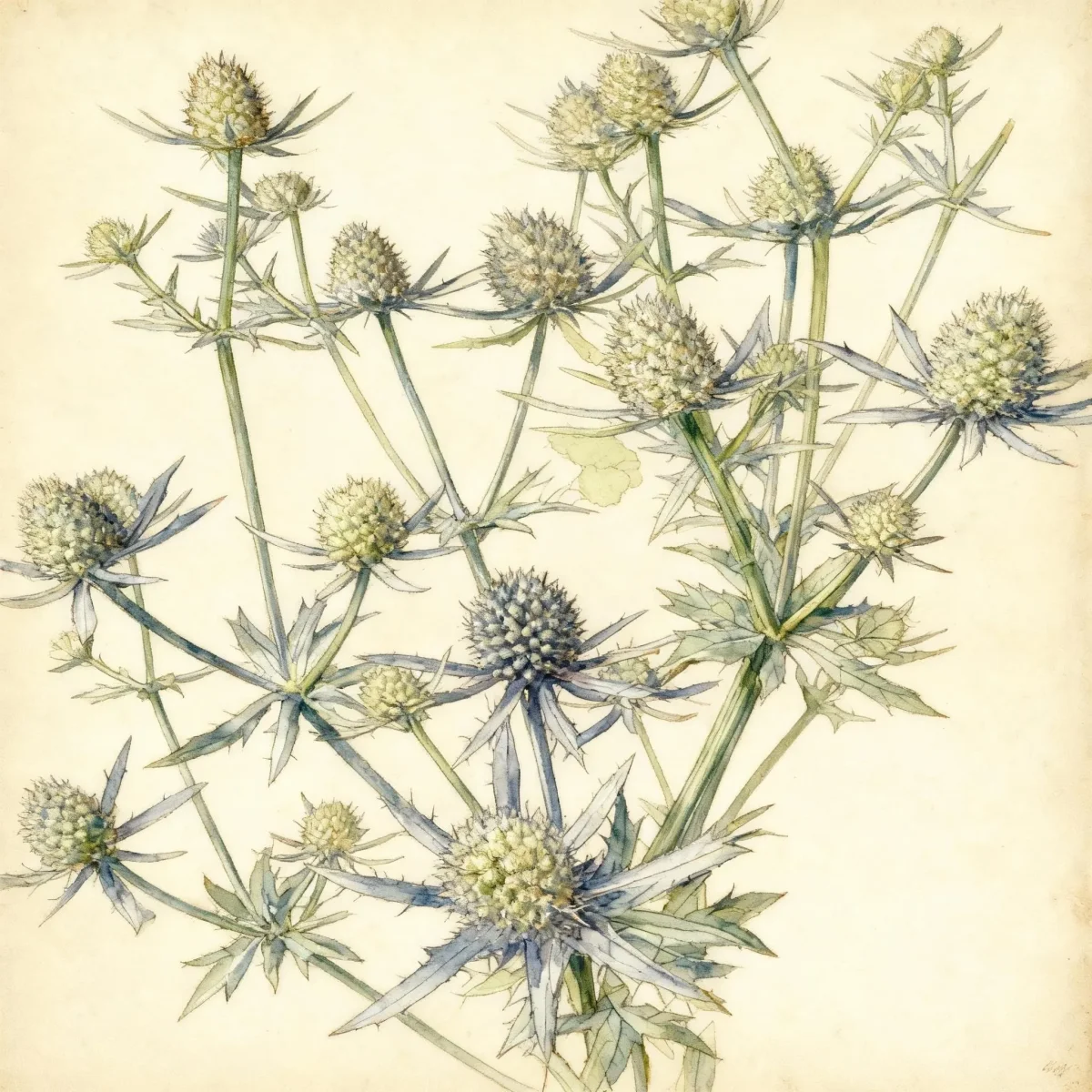
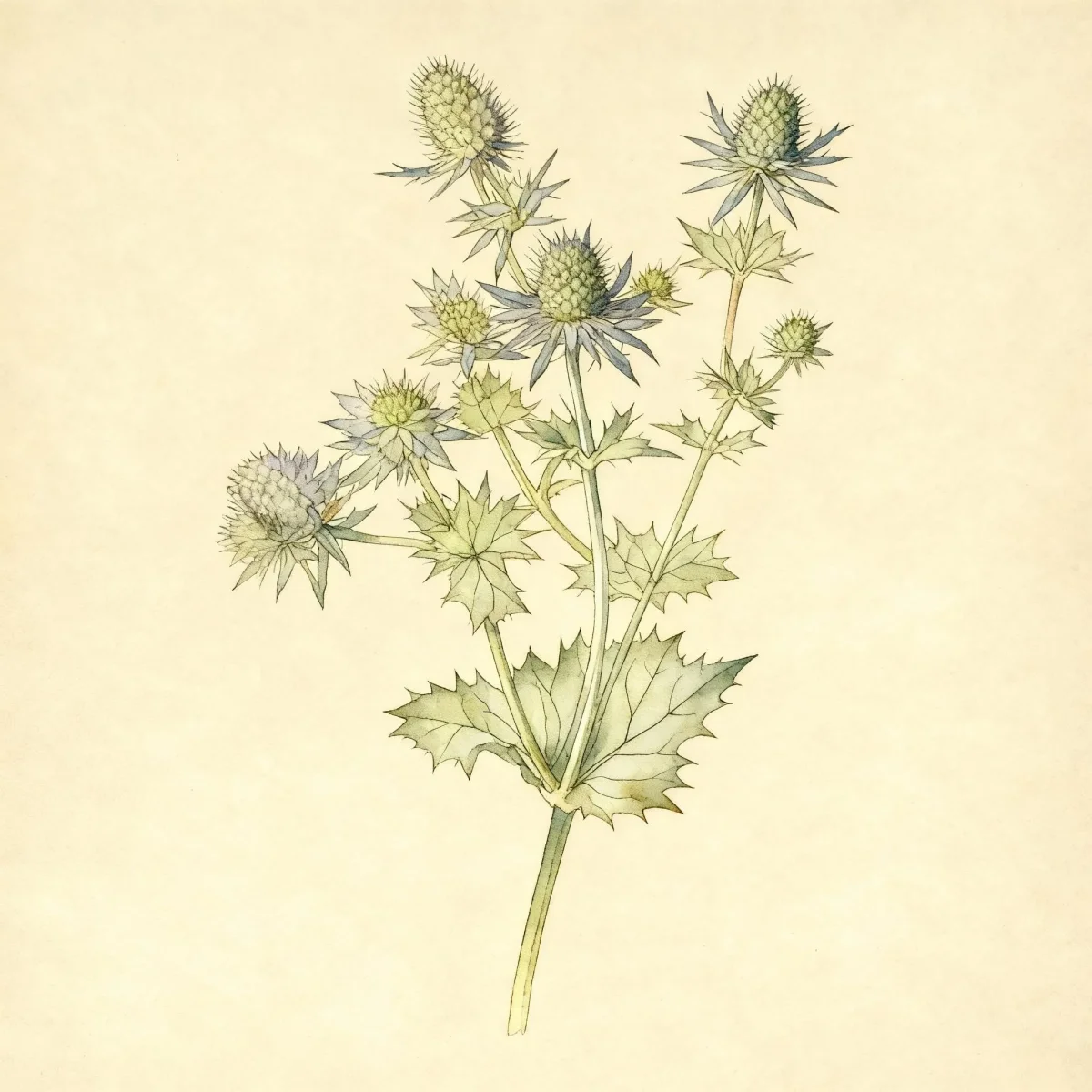
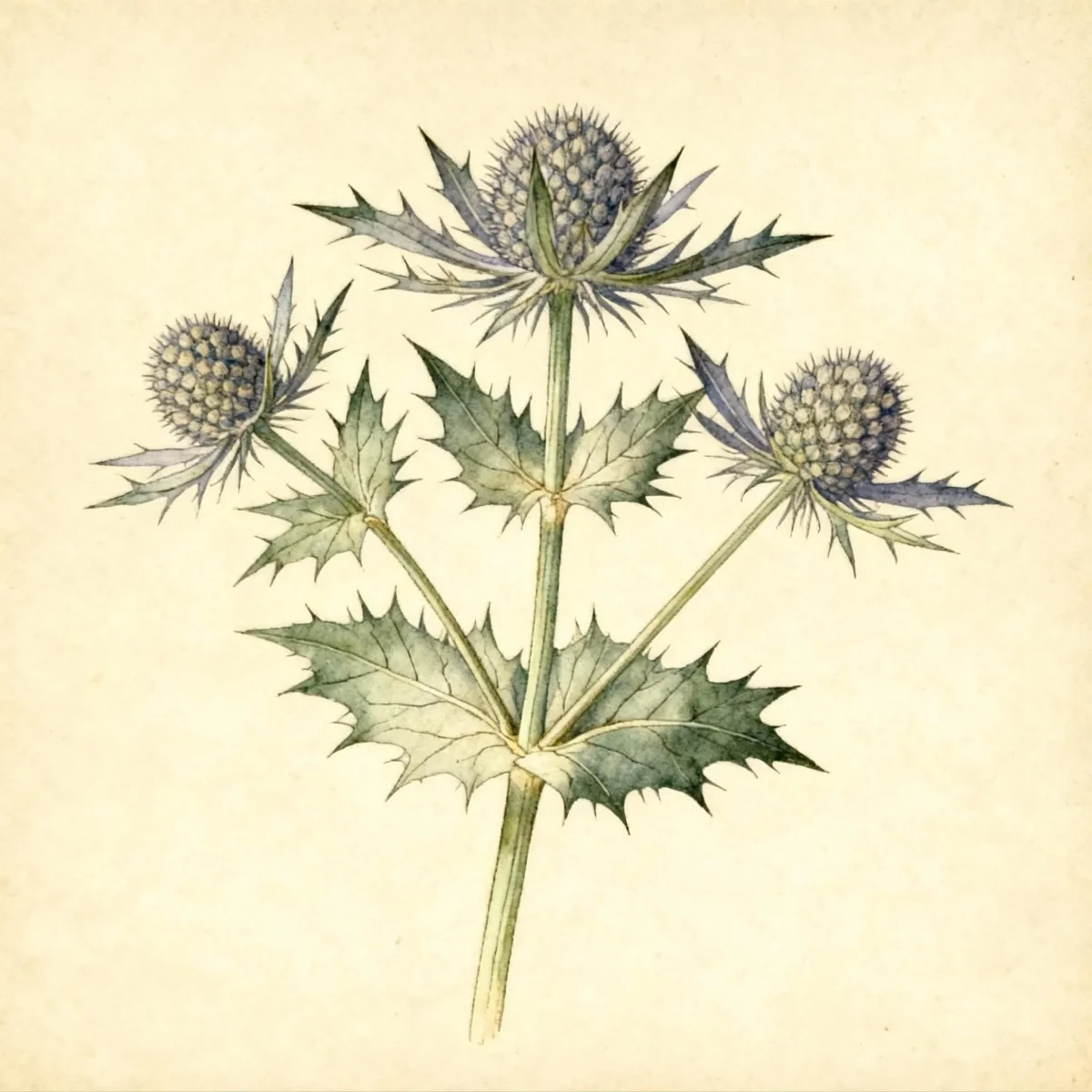
Eryngium planum ‘Blue Hobbit’ is a highly valued, cobalt-hued dwarf variety known commonly as Sea holly. This unique plant brings striking, thistle-like flower heads, subtended by spiky blue-green bracts, providing intense structural color throughout the long summer season. Its compact size, reaching only 8 to 12 inches tall in bloom, makes the application of Sea holly much easier than its taller relatives.
As an herbaceous perennial, Eryngium planum ‘Blue Hobbit’ thrives on neglect, preferring lean, dry conditions over rich, moist soil. It establishes a deep taproot, which contributes significantly to its excellent drought tolerance once mature. Gardeners appreciate this plant for its low maintenance needs and its ability to inject strong architectural interest into xeriscaped areas or sunny perennial borders.
The distinctive look of this Sea holly cultivar, whether in the landscape or as a cut flower, ensures it remains a memorable feature. The cultivar name ‘Hobbit’ references its compact, globular mound habit, setting it apart while retaining the prickly, charismatic appeal of the genus.
Fast Facts
- Plant Family: Apiaceae
- Plant Type: Herbaceous perennial
- Hardiness Zones: USDA Zones 4-8
- Size at Maturity:
- Height: 0.5-1 ft
- Spread: 0.5-1 ft
- Bloom Time: June to September
- Bloom Description: Purplish blue
- Sun Exposure: Full sun
- Water Needs: Dry
- Maintenance Level: Low
How to Grow
Plant Eryngium planum ‘Blue Hobbit’ in the spring after the last frost, positioning it in a location that receives full sun throughout the day. This plant demands perfectly drained soil, ideally sandy or gritty, and it truly thrives in poor soil conditions much more than rich substrates. Avoid planting in loamy or heavy clay soils unless significant amendments are made to improve drainage, as poor drainage leads directly to root rot.
Care is remarkably simple, reflecting its low maintenance rating. Once established, this Sea holly requires infrequent watering—only during extended, severe drought periods. Overwatering is the quickest way to harm this species; remember to avoid excessive moisture, especially near the crown. Fertilizing should generally be avoided, as feeding can cause the stems of this taprooted plant to become floppy.
This taprooted perennial establishes best when planted young and should be left undisturbed for many years. Transplanting established Sea holly is often unsuccessful due to the sensitive root system. If propagation is desired, Eryngium planum ‘Blue Hobbit’ can be grown successfully from seed sown directly or started indoors.
Landscape Uses
The compact structure and intense blue flowers of Eryngium planum ‘Blue Hobbit’ make it incredibly useful in modern and naturalistic garden designs. It is an excellent selection for sun-baked areas of the landscape where many other perennials struggle to perform. Use this dwarf Sea holly in mass groupings to create shimmering pools of blue spikes, or feature single specimens as punctuation marks near pathways or edging.
Due to its excellent tolerance for dry soil, consider planting this variety alongside other drought-tolerant companions such as yarrow (Achillea), sedum, or lavender. Its steel-blue tones contrast beautifully with plants featuring yellow or cream blooms, providing high visual impact against dark green or silvery foliage backdrops.
Furthermore, the tough, architectural blooms of this Eryngium make it an outstanding choice for both fresh and dried flower arrangements. Groupings of Eryngium planum ‘Blue Hobbit’ are equally effective tucked into combination containers where they can provide vertical interest without taking up excessive space.
Standout Features
Flower Qualities
- Showy
Noteworthy Characteristics
Eryngium planum, commonly called sea holly, is a coarse, clump-forming perennial that features a summer bloom of steel-blue, thistle-like flower heads on branched stems rising from a rosette of dark green basal leaves. ‘Blue Hobbit’ is a dwarf sea holly that rises in a globular mound to only 8-12” tall when in full bloom. Spiny, egg-shaped, purplish-blue flower heads atop silver-blue stems appear in a profuse and long summer bloom.
Tolerances
- Drought
- Dry Soil
Potential Problems
This Sea holly generally resists serious insect or disease issues, thriving when planted in its preferred dry environment. The most significant threat is fungal root rot, which occurs exclusively if the soil retains too much moisture, underscoring the necessity of superb drainage. Gardeners should monitor foliage for occasional leaf spot diseases, which can usually be managed by ensuring good air circulation around the clumps.
While generally pest-free, occasionally aphids may be observed clustered on new growth tips; these are typically easy to manage with a strong jet of water. Slugs and snails might also sample the leaves, particularly when the plant is young or if the surrounding area holds more moisture than desirable.
Frequently Asked Questions
What hardiness zones is Sea holly suitable for?
Eryngium planum ‘Blue Hobbit’ is reliably hardy across USDA Zones 4 through 8.
How large does Sea holly grow?
This dwarf cultivar typically reaches a height between 0.5 to 1 foot tall with a spread of 0.5 to 1 foot wide.
What sun exposure does Eryngium planum ‘Blue Hobbit’ need?
For the best bloom production and compact shape, this plant requires full sun exposure.
When does Eryngium planum ‘Blue Hobbit’ bloom?
You can expect the profuse blooms of purplish blue flower heads from June all the way through September.
Conclusion
The Eryngium planum ‘Blue Hobbit’ offers phenomenal texture and long-lasting, jewel-toned color for the water-wise garden. Utilizing this excellent Sea holly in sunny, dry spots maximizes its low-maintenance potential and striking aesthetic. Before planting, confirm your local USDA zone aligns with the 4-8 range and ensure you have planned for sharp soil drainage to guarantee success with your Sea holly.
Companion Planting
When selecting companions for Eryngium planum ‘Blue Hobbit’, prioritize plants that share its love for hot, dry conditions and full sun exposure. Plants with contrasting foliage texture—such as the fine, feathery leaves of yarrow or the silver-gray mats of Lamb’s Ears (Stachys byzantina)—work beautifully alongside the structural stiffness of the Sea holly. Similarly, plants that bloom earlier or later in the season, such as salvias or ornamental grasses, help maintain interest when the ‘Blue Hobbit’ bloom begins to wane. Avoid moisture-loving perennials, as keeping the soil dry enough for the Eryngium will inevitably cause problems for thirsty neighbors.
Propagation Tips
While Eryngium planum ‘Blue Hobbit’ is best purchased as nursery stock for immediate impact, propagation is certainly possible, primarily through seed or careful division. As a taprooted plant, dividing mature clumps is often difficult and stressful to the plant; if division is attempted, it should be done in early spring, ensuring a substantial portion of the taproot remains intact with each division. Growing Sea holly from seed is often the preferred method for gardeners aiming to increase their stock since ‘Blue Hobbit’ can be grown successfully from seed, allowing the young plants to establish their necessary deep root system naturally in their permanent sunny location.