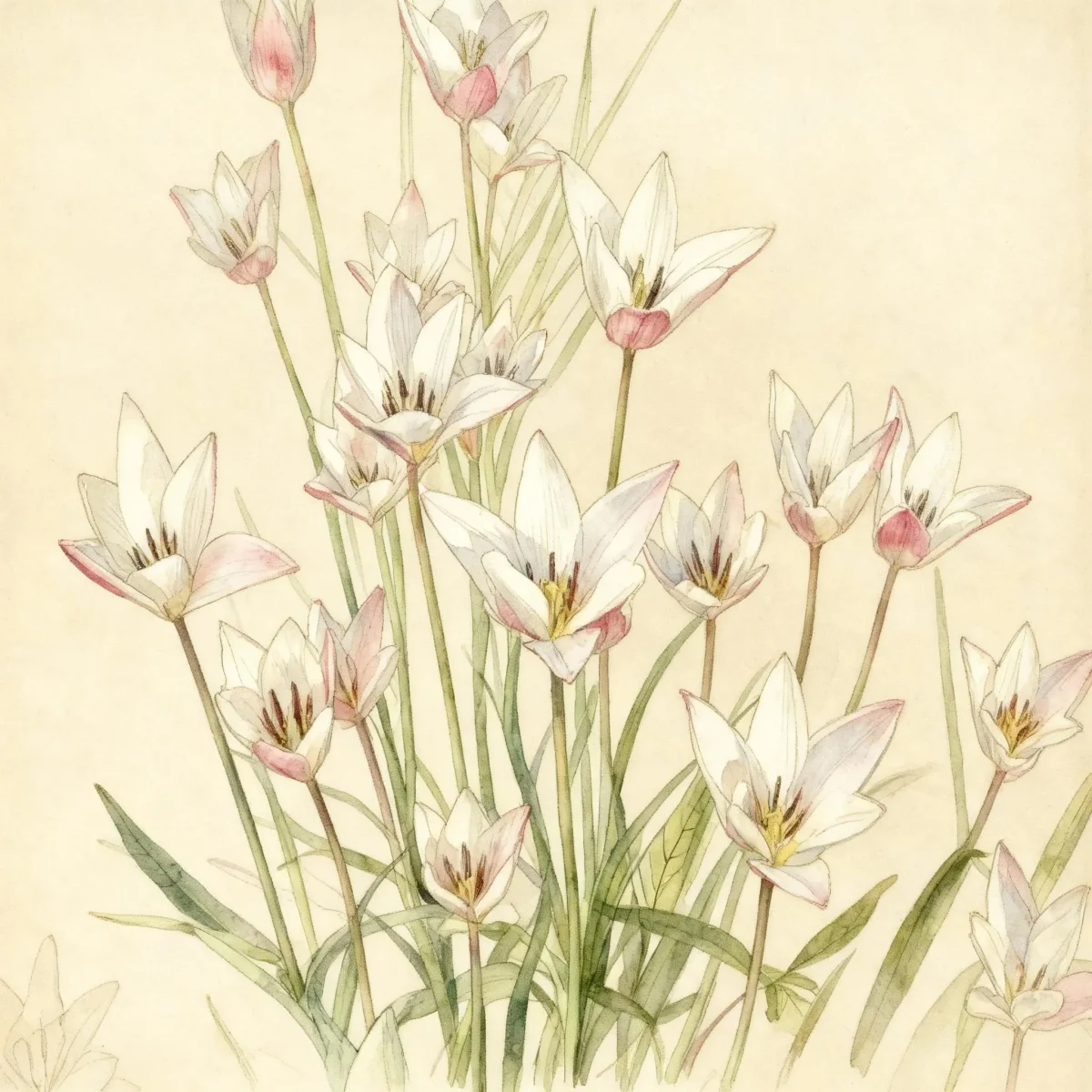
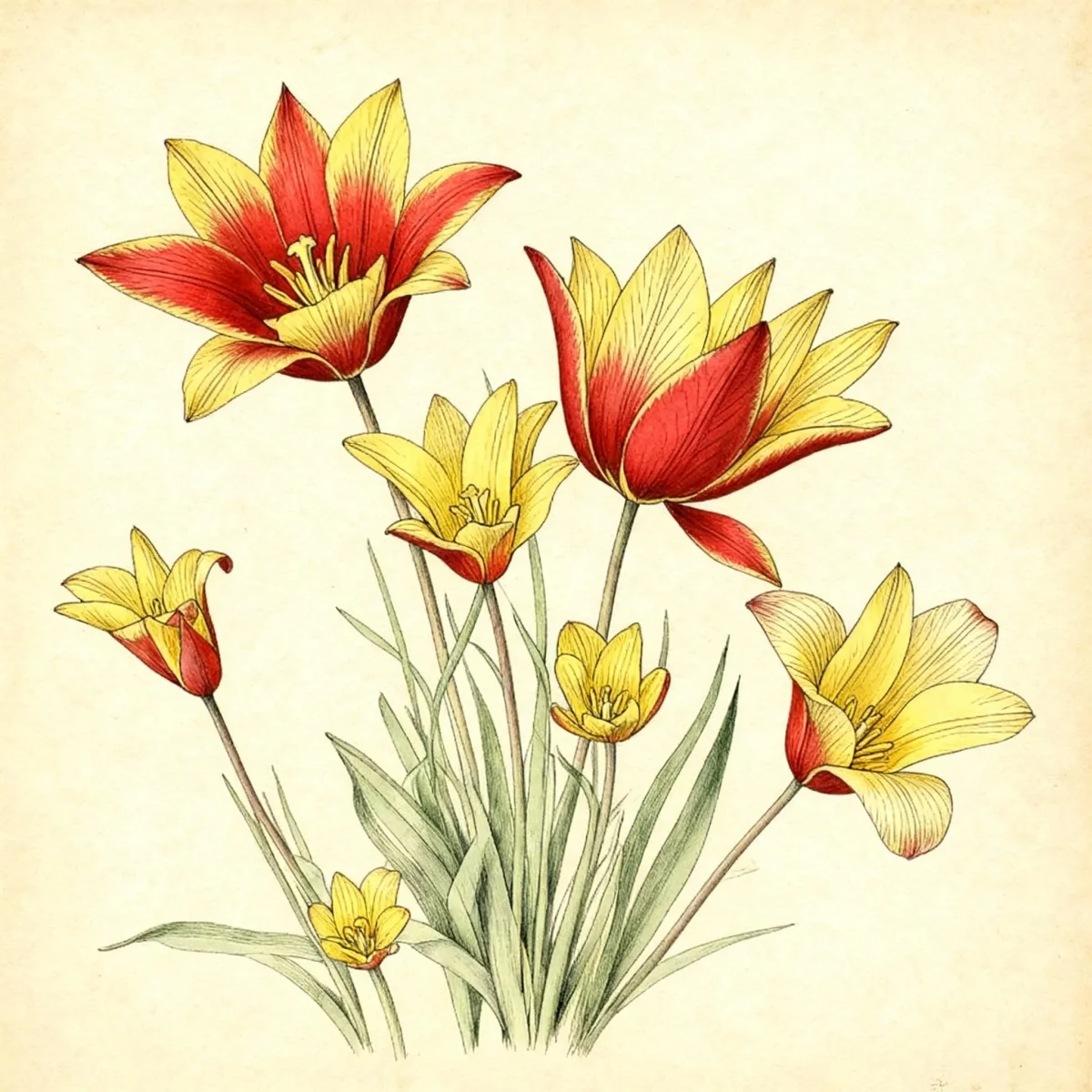
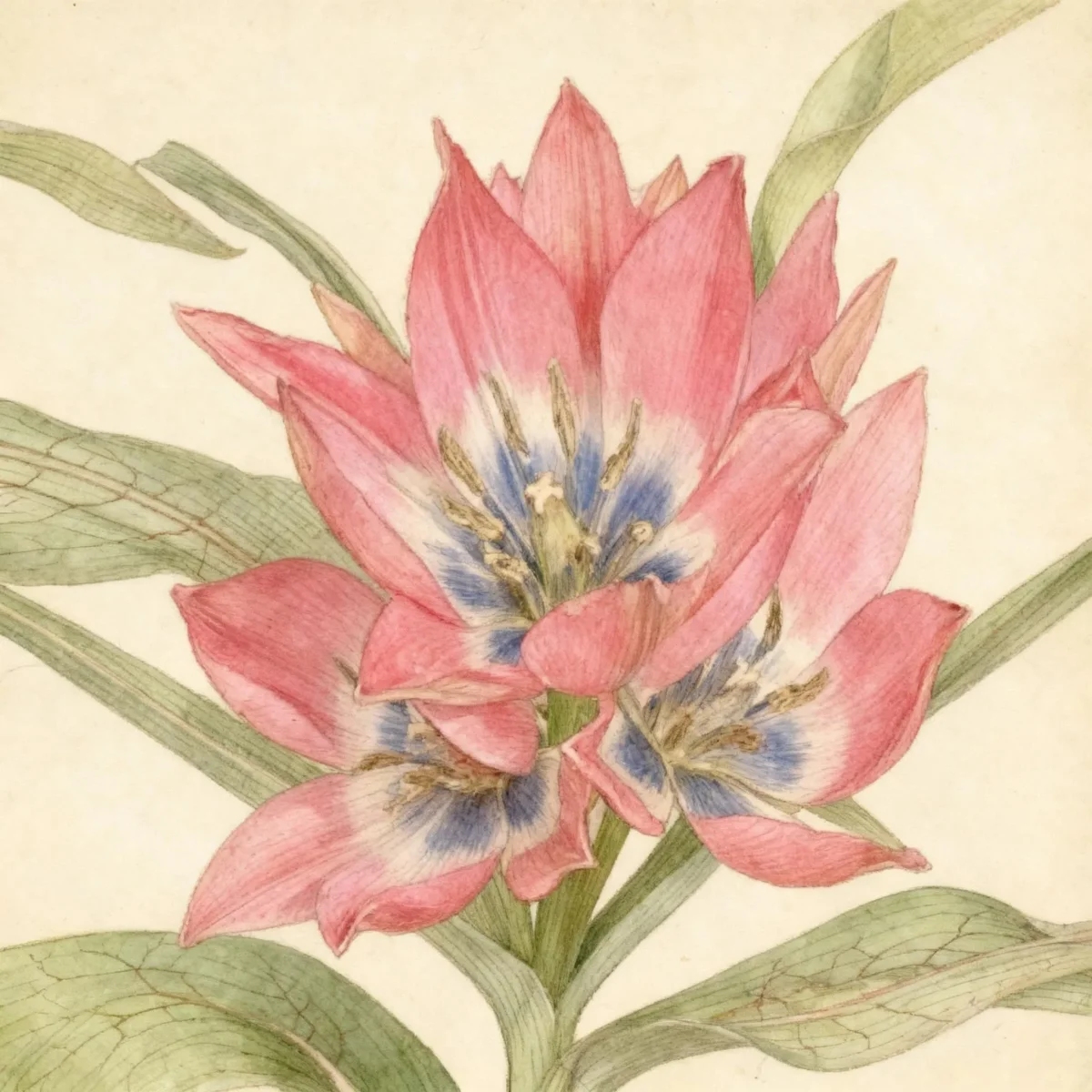
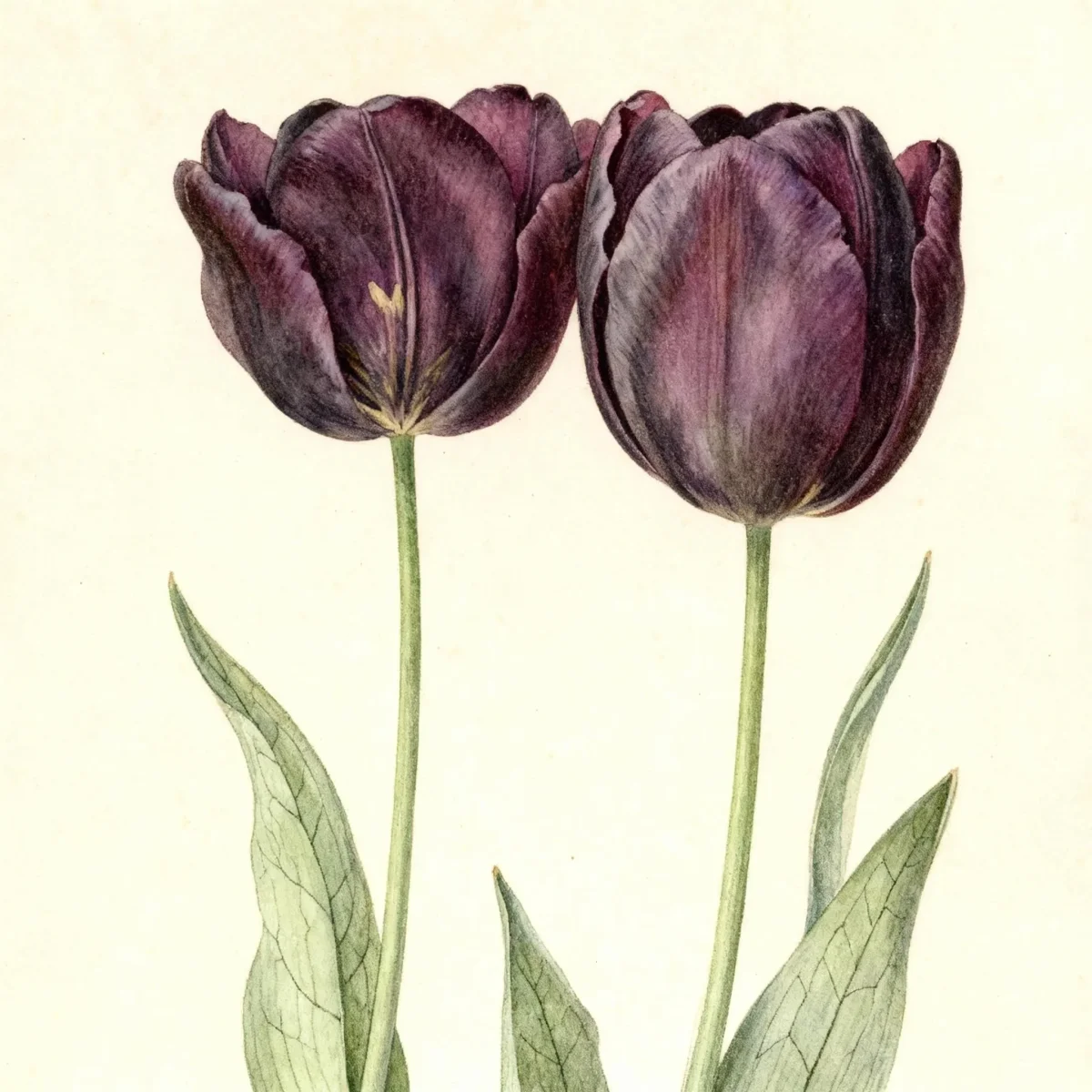
Lady tulip (Tulipa clusiana 'Cynthia')
Discover the charming Tulipa clusiana 'Cynthia', a low-maintenance Lady tulip perfect for spring color in zones 3-7.
Scroll down to discover growing tips, care requirements, companion plants, and more
Complete Plant Information
Overview
The stunning Tulipa clusiana ‘Cynthia’, known commonly as the Lady tulip, offers exquisite early spring elegance with minimal aftercare. This species tulip variety is prized for its delicate, star-like blooms that open fully in the sun before gracefully closing each evening or on dark days. Gardeners value the Lady tulip for its reliable perennial nature; unlike many hybrid tulips, Tulipa clusiana ‘Cynthia’ often returns faithfully year after year.
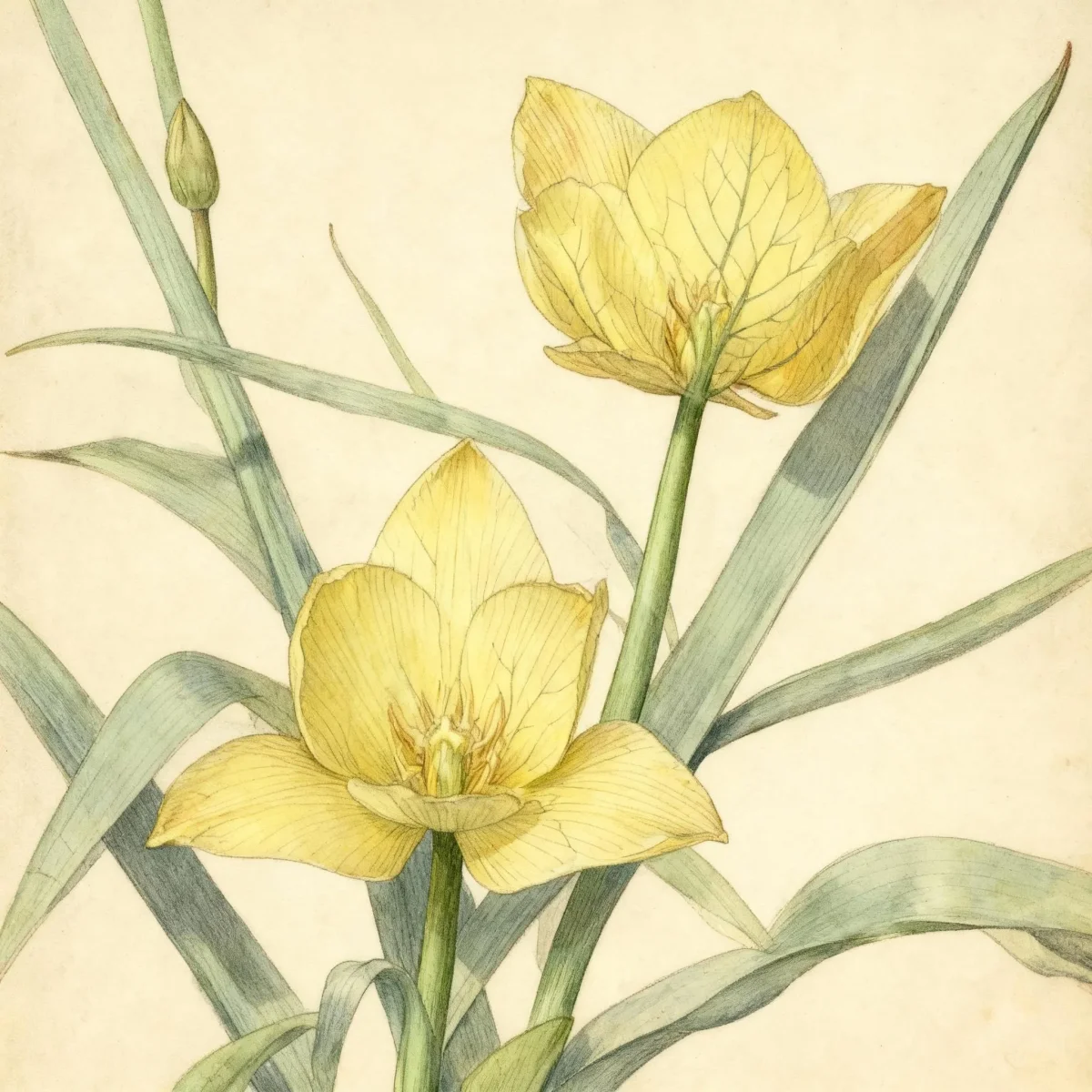
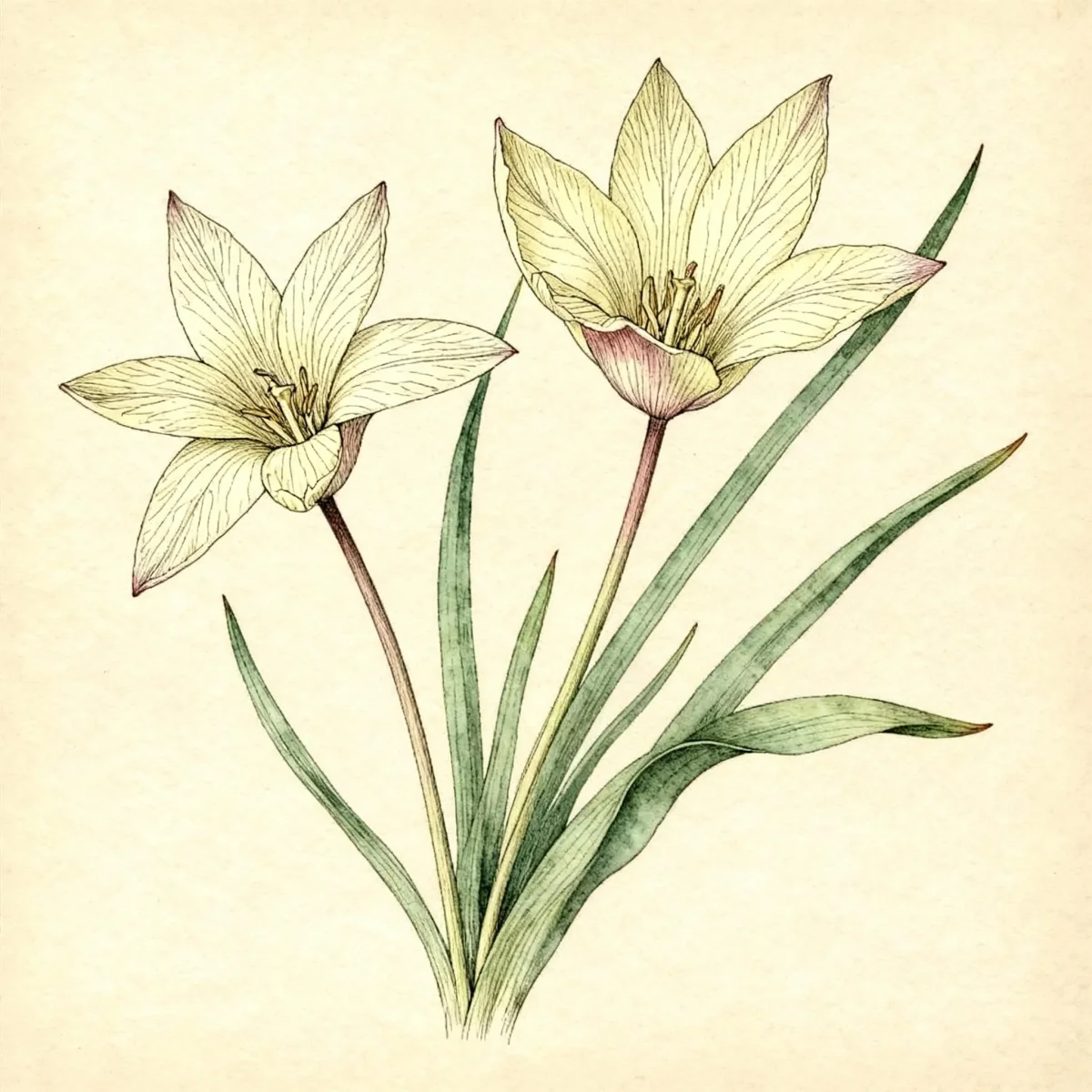
Blooming reliably in April, this variety displays flowers that are pale yellow inside, contrasting beautifully with outer tepals edged in pink-red. It thrives best where winters are cool and relatively moist, followed by warm, dry summers, making it exceptionally suited for established perennial borders or rock gardens where soil drainage is excellent.
With a modest stature, reaching less than one foot tall, Tulipa clusiana ‘Cynthia’ is perfect for adding vertical detail without overpowering neighboring plants. Its recommendation for naturalizing means that once established, this lovely Lady tulip will slowly spread by offsets, creating beautiful, self-sustaining colonies over time, providing dependable seasonal interest.
Fast Facts
- Plant Family: Liliaceae
- Plant Type: Bulb
- Hardiness Zones: USDA Zones 3-7
- Size at Maturity:
- Height: 0.75-1 ft
- Spread: 0.5-0.75 ft
- Bloom Time: April
- Bloom Description: Pink-red edged with pale yellow
- Sun Exposure: Full sun
- Water Needs: Medium
- Maintenance Level: Low
How to Grow
To achieve the best display from your Tulipa clusiana ‘Cynthia’, plant the bulbs in the fall. Choose a spot that receives full sun, although light shade is tolerated. The soil must be organically rich, fertile, and, critically, well-drained, especially as bulb and root rots are a risk in wet conditions. Plant bulbs 6 to 8 inches deep, or reduce depth to 4 to 6 inches if heavy clay soil is present or if you plan to treat them as annuals. Space individual bulbs about 4 to 5 inches apart.
Water needs are medium; ensure consistent moisture during the growing season but avoid soggy winter soil, as this contributes to rot issues. The Lady tulip generally requires low maintenance. When flowers fade in the spring, promptly remove the spent flower stems; however, resist the urge to cut back the foliage immediately. Allow leaves to yellow naturally, usually several weeks after blooming, as this process replenishes the bulb’s stored energy for next year’s display.
A significant advantage of the Lady tulip is its robust performance, even in slightly warmer climates (southern gardens) where other tulips might fail due to insufficient chilling hours. With optimal care and excellent drainage, this tulip will naturalize gracefully via stolons and offsets, resulting in increasingly dense colonies of blooms season after season.
Landscape Uses
The subtle elegance of Tulipa clusiana ‘Cynthia’ makes it an extremely versatile garden component. It excels when planted in large groups or massed plantings, providing a stunning ribbon of color along borders where its flowers can be closely appreciated. Because of its relatively short stature (under 1 foot), it is an excellent choice for the forefront of mixed spring beds, ensuring shorter plants do not obscure the dainty blossoms of the Lady tulip.
For a refined cottage garden aesthetic, naturalize these bulbs alongside low-growing bulbs like dwarf daffodils or scilla. You can also successfully grow Tulipa clusiana ‘Cynthia’ in containers, provided the container allows for the required 6-8 inch planting depth and ensures swift drainage, mimicking its preferred well-drained meadow environment. Use them to brighten up rock gardens where drainage is naturally excellent.
Standout Features
Flower Qualities
- Showy
- Good Cut
Noteworthy Characteristics
Tulipa clusiana, commonly known as lady tulip, is a species tulip (Division 15) that grows to 9-12” tall. This specific cultivar designated ‘Cynthia’ is pale yellow with outer tepals exhibiting a striking pink-red edge over a pale yellow base, while the flower interior is a solid pale yellow. Flowers open dramatically in the sun to form a star shape but neatly close up at night or during inclement weather.
Tolerances
- Black Walnut
Potential Problems
Tulipa clusiana ‘Cynthia’ generally avoids serious insect or disease issues, positioning it as a low-maintenance selection. The primary threat comes from environmental conditions, specifically bulb and root rots which occur when soils are poorly drained or overly wet, particularly over winter. You may also encounter Gray mold or Mosaic virus, though these are less common.
Be aware of animal pests attracted to the underground stores; mice, voles, and slugs may feed on the bulbs or tender new growth. Planting bulbs at the recommended depth helps deter some surface-feeding pests, and applying slug bait or protective barriers near new plantings can manage snail and slug populations effectively during the early spring emergence.
Frequently Asked Questions
What hardiness zones is Lady tulip suitable for?
The Lady tulip (Tulipa clusiana ‘Cynthia’) is well-suited for cool climates, thriving best in USDA Zones 3 through 7.
How large does Tulipa clusiana ‘Cynthia’ grow?
This plant typically reaches a height between 0.75 and 1 foot tall, with a spread of 0.5 to 0.75 feet at maturity.
When does Lady tulip bloom?
Tulipa clusiana ‘Cynthia’ blooms during April, displaying distinctive flowers that are pink-red edged with pale yellow on the exterior.
What sun exposure does Tulipa clusiana ‘Cynthia’ need?
For optimal flowering and performance, Tulipa clusiana ‘Cynthia’ requires full sun exposure.
Conclusion
The Tulipa clusiana ‘Cynthia’ offers a delightful combination of perennial reliability and unique floral structure, making the Lady tulip a fantastic addition to early spring gardens. Its low maintenance requirements and ability to naturalize beautifully reward the gardener year after year. Before fall planting begins, verify that your site provides the required full sun and excellent drainage necessary for success with this sophisticated species tulip.
Companion Planting
When planning a border featuring Tulipa clusiana ‘Cynthia’, consider pairings that share similar cultural needs, namely medium water and full sun exposure. Bulbs that emerge slightly later help sustain spring interest once the Lady tulip finishes blooming in April. Consider planting low-growing Scilla, Muscari, or species Iris which provide contrasting texture and bloom structures underneath or beside the upright stems of the tulip.
For excellent contrast in foliage, combine Tulipa clusiana ‘Cynthia’ with plants offering fine-textured, silvery greens, such as Artemisia or certain varieties of creeping Sedum, ensuring the soil remains dry for the tulips once they enter summer dormancy. This strategy keeps the area tidy post-bloom while ensuring proper drainage remains the focus around the tulip bulbs.
Design Ideas
The distinctive coloring of ‘Cynthia’ lends itself well to classic English or woodland-edge garden designs. Plant them in sweeping drifts along a path edge to maximize the visual impact of their star-shaped blooms opening in the sun. Because they are short, they work perfectly tucked into the gaps of established, dormant perennials or within rock gardens where the stone highlights their delicate form.
For container gardening, use deep pots and layer them for extended viewing; place the Lady tulip bulbs deep at the bottom, then plant spring annuals or shorter bulbs above them. This maximizes vertical space typical of container growing and ensures the bulbs receive the necessary planting depth for perennializing successfully.