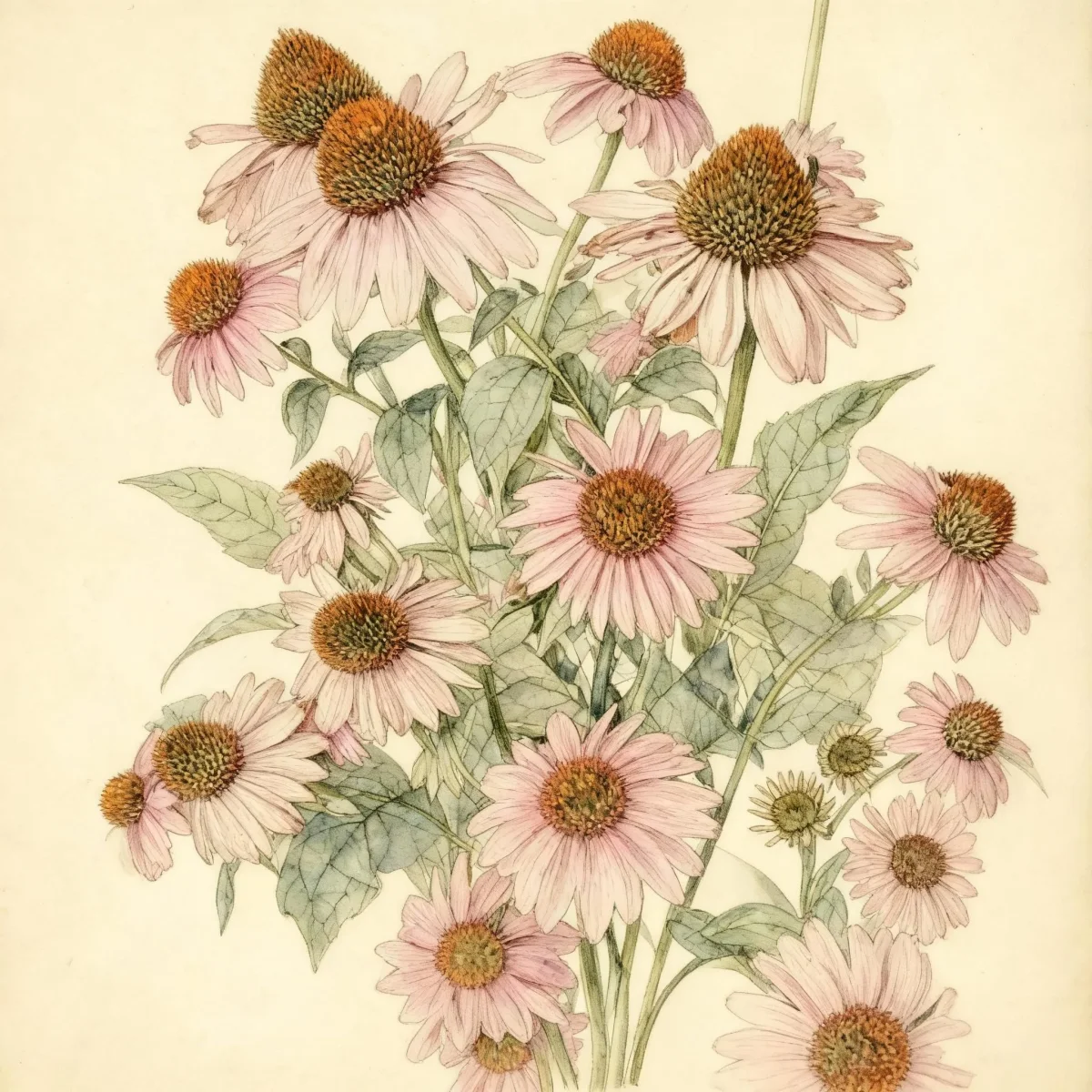
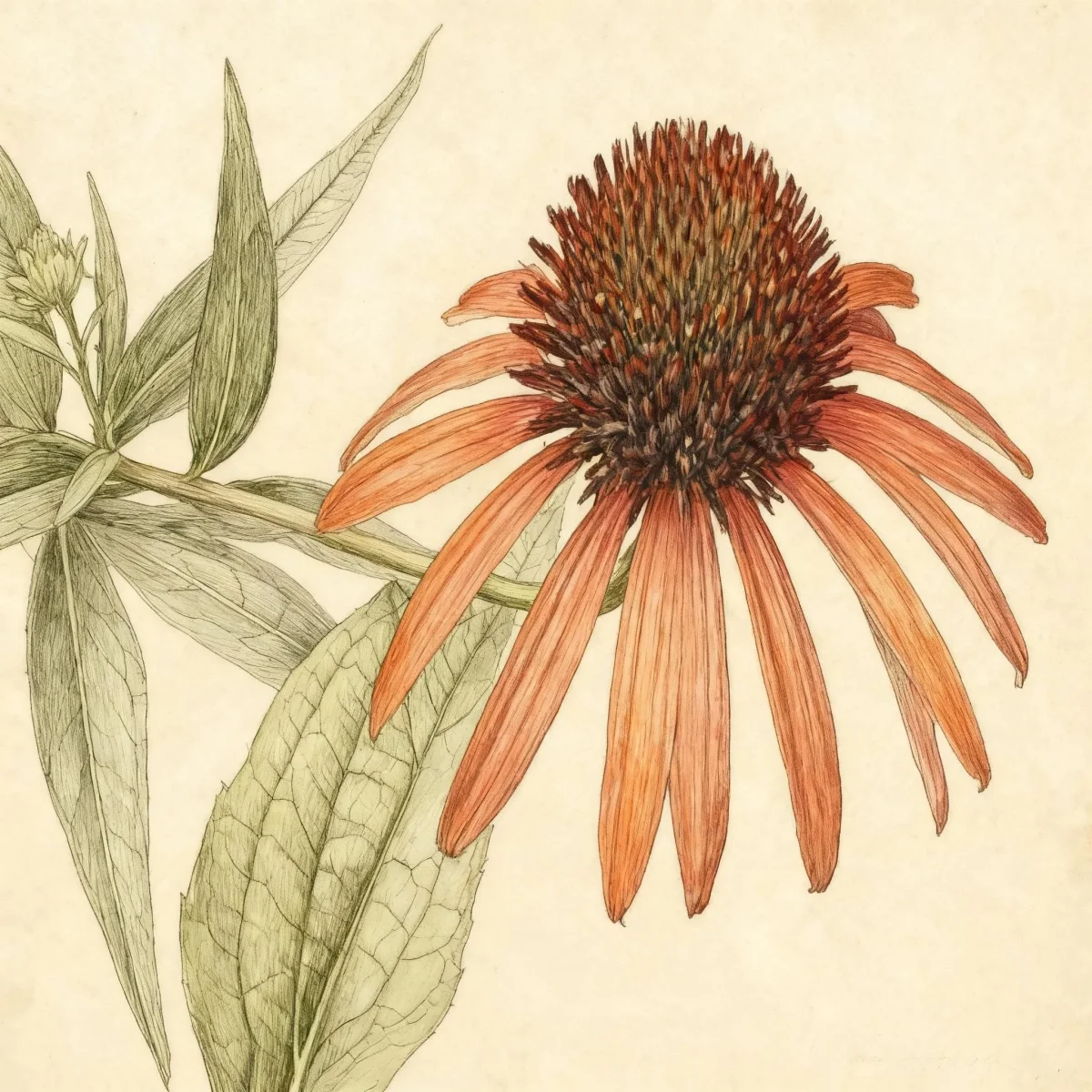
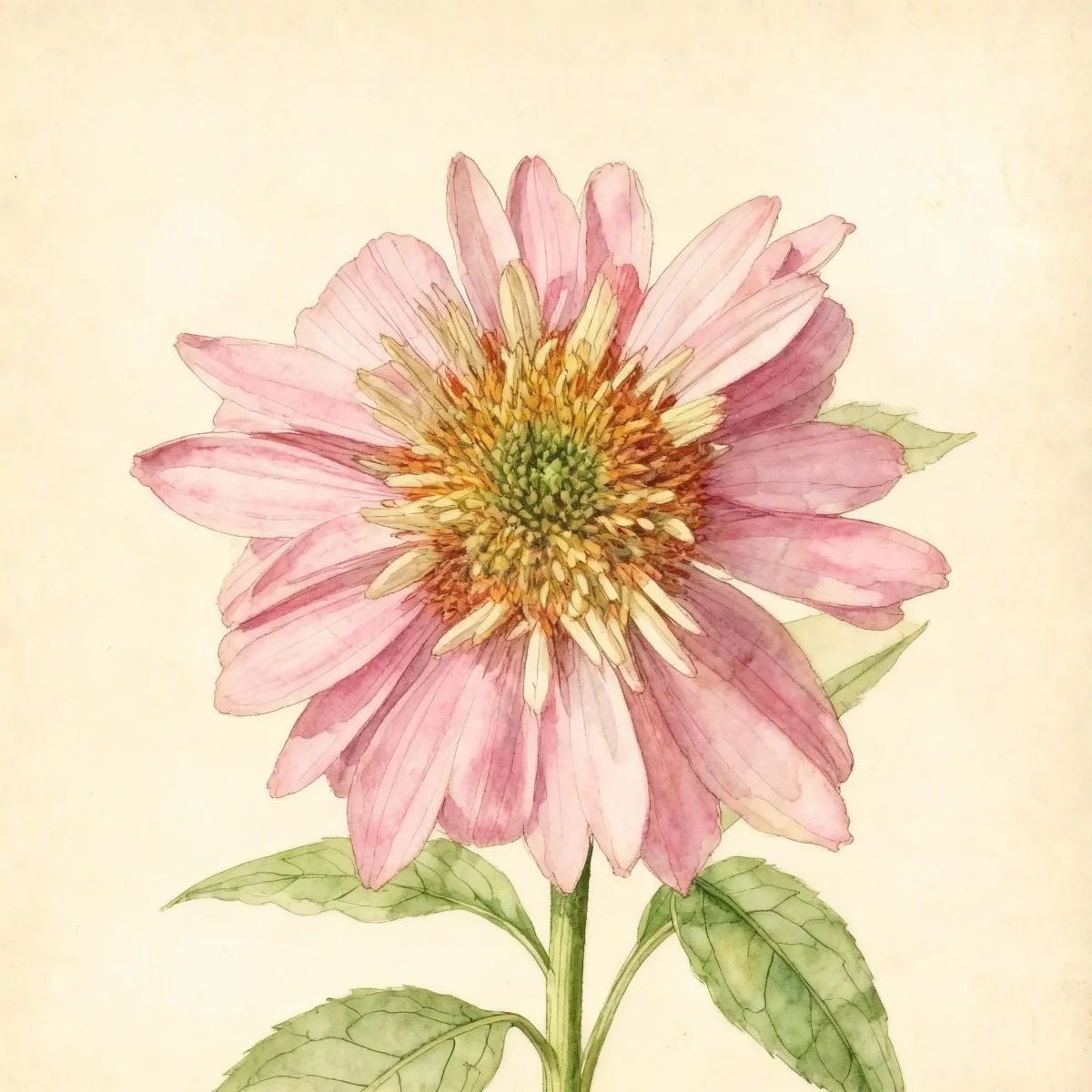
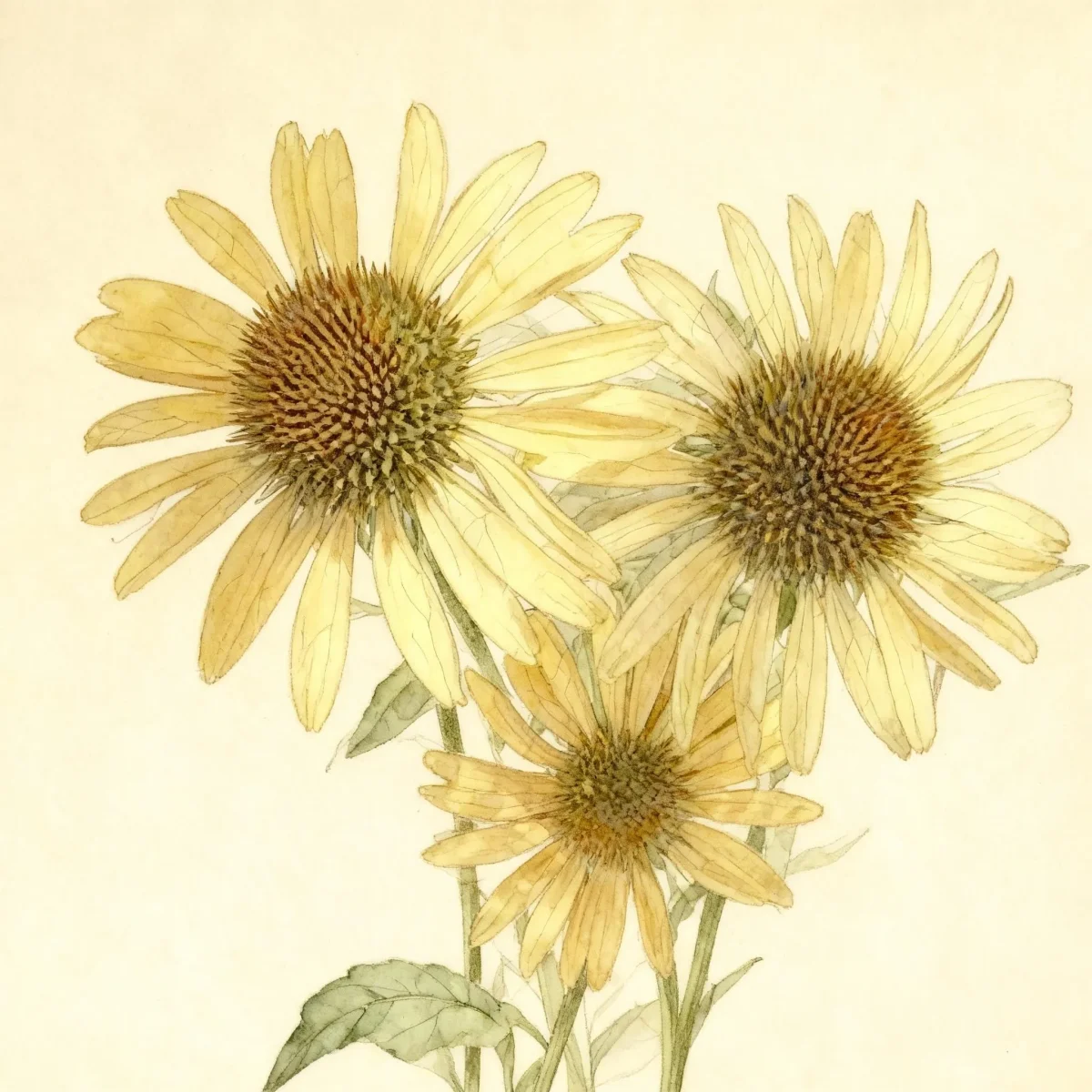
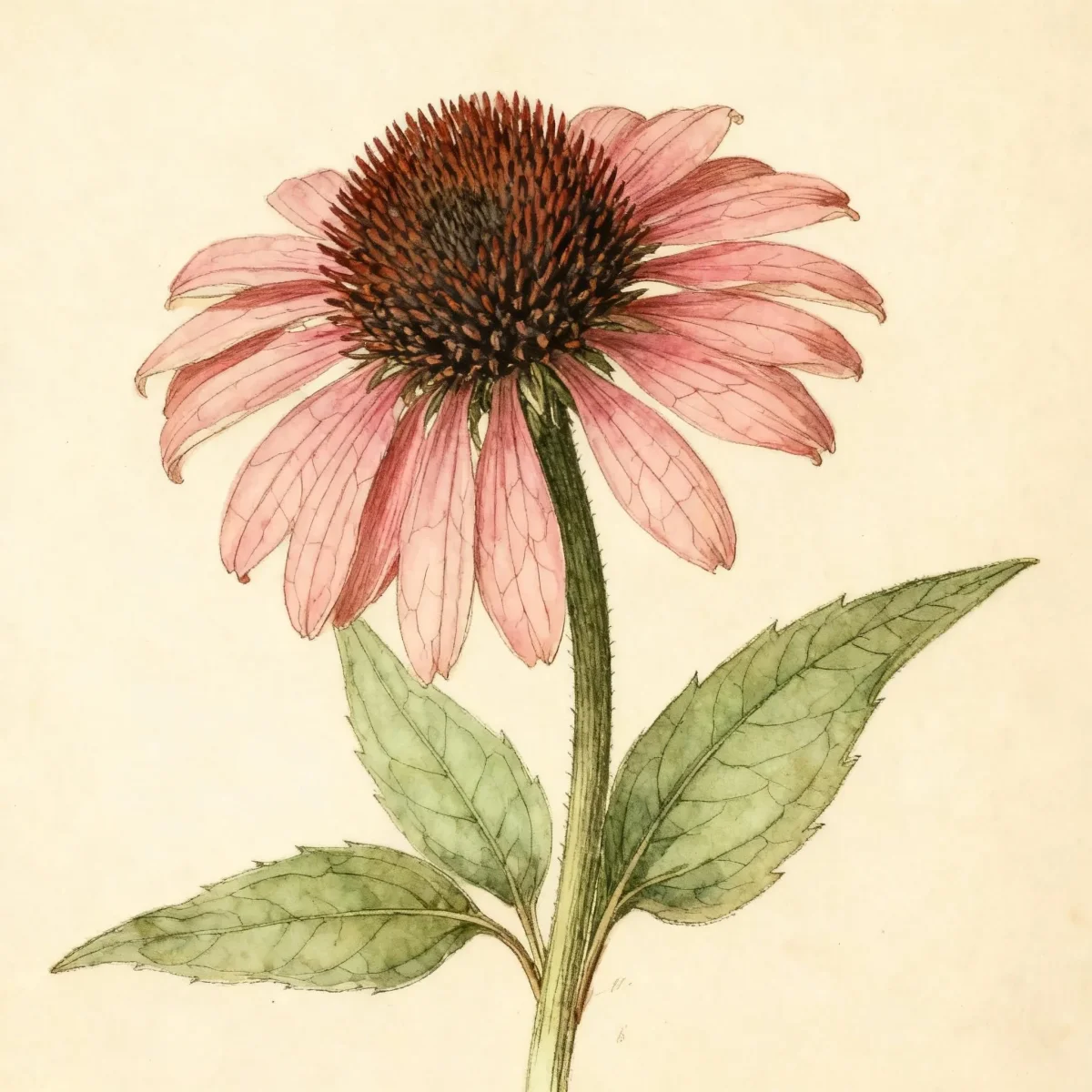
Coneflower (Echinacea 'Tomato Soup')
Vibrant Echinacea 'Tomato Soup' Coneflower boasts showy, tomato-red blooms. Low maintenance, drought-tolerant perennial for full sun gardens.
Scroll down to discover growing tips, care requirements, companion plants, and more
Complete Plant Information
Overview
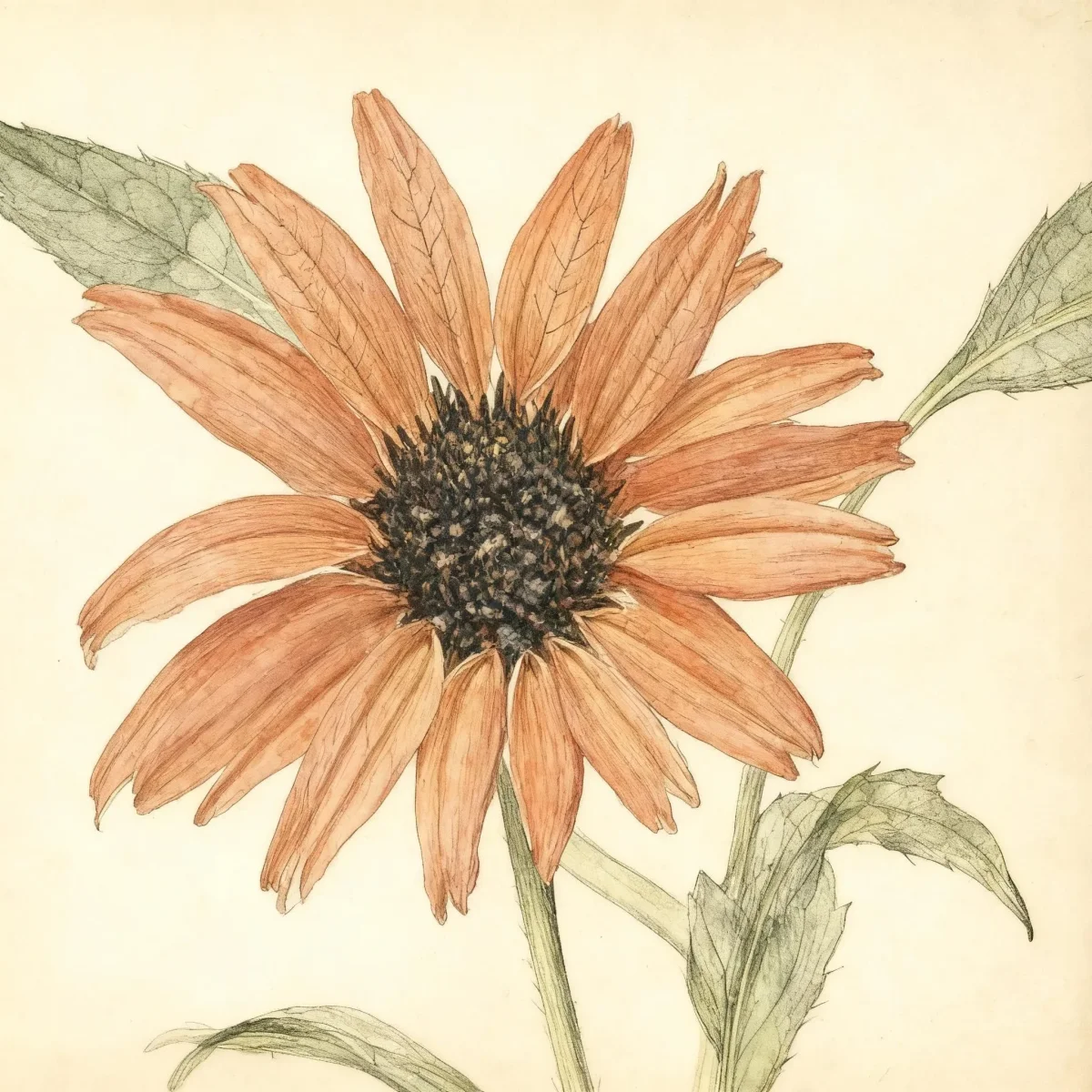
Echinacea ‘Tomato Soup’ is an exceptionally vibrant addition to the summer garden, celebrated for its brilliant, eye-catching coloration. This particular cultivar of Coneflower stands out with its rich, tomato-red petals contrasting beautifully against a dark, prominent center cone, injecting warmth into mass plantings and borders. As a hardy herbaceous perennial, the Coneflower is valued not only for its stunning summer performance but also for its resilience across challenging conditions.
This adaptable perennial thrives when given full sun, though it tolerates partial shade, making it a versatile choice for various landscape situations. Echinacea ‘Tomato Soup’ typically matures to a manageable two to three feet tall, exhibiting sturdy stems that resist flopping, meaning staking is rarely necessary. Its long bloom period, extending from early summer well into late August, ensures consistent color and significant appeal to crucial garden visitors.
Beyond aesthetics, the Coneflower offers great functional value. The blooms are excellent materials for fresh cutting gardens, and they dry beautifully for winter arrangements. Furthermore, leaving the seed heads intact provides essential late-season food sources for goldfinches and other beneficial birds, highlighting the value of Echinacea ‘Tomato Soup’ throughout all four seasons.
Fast Facts
- Plant Family: Asteraceae
- Plant Type: Herbaceous perennial
- Hardiness Zones: USDA Zones 3-8
- Size at Maturity:
- Height: 2-3 ft
- Spread: 2-3 ft
- Bloom Time: June to August
- Bloom Description: Tomato-red rays with yellow-brown center cone
- Sun Exposure: Full sun to part shade
- Water Needs: Dry to medium
- Maintenance Level: Low
How to Grow
Planting Echinacea ‘Tomato Soup’ is best achieved in the spring after the danger of hard frost has passed, ensuring the soil is well-drained. While this dependable Coneflower handles average soils, it performs optimally in average to dry moisture conditions. Full sun exposure maximizes flower production, though it will tolerate part shade. Ensure good drainage is present, as standing water is detrimental to the long-term health of your Coneflower.
Care for this variety is wonderfully simple, fitting its low maintenance rating perfectly. Watering should be infrequent once the plant is established, relying on natural rainfall unless extended dry periods occur. Fertilization is generally unnecessary; over-fertilizing can lead to weak, floppy growth rather than robust flowering. Deadheading spent flowers is optional; while prompt removal encourages better continuous bloom and tidiness, leaving the cones attracts winter birds.
A key maintenance task for older clumps is division, typically required every four years when the center of the clump begins to thin out. This rejuvenation ensures vigorous new growth and better flowering performance. As an adaptable plant, Echinacea ‘Tomato Soup’ shows high tolerance for heat, drought, and even humidity once established in the right spot.
Landscape Uses
The striking tomato-red color of Echinacea ‘Tomato Soup’ makes it an excellent choice for providing late-summer focal points. These vibrant blooms look fantastic situated toward the front of mixed perennial borders, offering height without overwhelming shorter companions. Equally effective are mass plantings, where groupings create a bold swathe of warm color that draws the eye across the garden space.
For specialized settings, this drought-tolerant Coneflower looks natural integrated into rock gardens, where its hardiness shines against drier, poorer soil conditions. It also adds welcome structure to partially shaded woodland edges, provided enough sun filters through to sustain reliable blooming. Think of Echinacea ‘Tomato Soup’ as an outstanding specimen plant or a reliable component in prairie-style designs alongside ornamental grasses.
Companion planting should focus on species that share similar needs for full sun and drier conditions. Pair the vibrant red of the Coneflower with cool blue salvias, silvery lamb’s ears, or contrasting deep purple Russian Sage for high-impact color combinations. Its upright habit also complements lower-growing groundcovers effectively.
Standout Features
Flower Qualities
- Showy
- Good Cut
- Good Dried
Noteworthy Characteristics
Echinacea, or Coneflower, is native to central and eastern North America, with the genus name referencing the hedgehog-like spiny center cone. ‘Tomato Soup’ originated from planned crosses, resulting in an upright perennial reaching 2-3 feet tall on sturdy, well-branched stems. Visitors are highly attracted to the blooms, which feature large (up to 5” wide), slightly drooping, tomato-red rays surrounding dark yellowish-brown center cones that are fantastic for cutting or wildlife viewing.
Tolerances
- Deer
- Drought
- Clay Soil
- Dry Soil
- Shallow-Rocky Soil
Potential Problems
All coneflowers, including Echinacea ‘Tomato Soup’, face susceptibility to common issues primarily related to fungal or bacterial activity, such as aster yellows or various leaf spots. Proper air circulation is the best defense; avoid overcrowding plants when planting. Watch specifically for pests like erythroid mites and Japanese beetles, which favor coneflowers. Handpicking beetles during early morning hours and ensuring cultural needs (especially drainage) are met will minimize these challenges.
Frequently Asked Questions
What hardiness zones is Coneflower suitable for?
This reliable perennial, Echinacea ‘Tomato Soup’, is hardy and suitable for USDA Zones 3 through 8.
How large does Coneflower grow?
Echinacea ‘Tomato Soup’ typically reaches a height between 2 and 3 feet, with a corresponding spread of 2 to 3 feet at maturity.
When does Echinacea ‘Tomato Soup’ bloom?
This particular Coneflower displays its tomato-red rays with a yellow-brown center cone from June right through August, often providing sporadic follow-up blooms until frost.
What sun exposure does Coneflower need?
For the best performance and most prolific flowering, Echinacea ‘Tomato Soup’ requires full sun, although it can tolerate light shade.
Conclusion
Echinacea ‘Tomato Soup’ provides essential summer structure and stunning, dependable color with minimal effort, making it a favorite for gardeners seeking resilience and beauty. Its adaptability across soil types and drought tolerance secures its place as a valuable, low-maintenance perennial. Before planting, verify that your local climate falls within USDA Zones 3-8, and prepare to enjoy the vibrant flowers of this excellent Coneflower variety for years to come.
Wildlife Benefits
The genus Echinacea is foundational for supporting local ecosystems, and Echinacea ‘Tomato Soup’ is no exception. The large, nectar-rich flowers are exceptionally attractive to butterflies, bees, and various other beneficial insect pollinators throughout their long bloom cycle. Beyond summer nectar, the persistence of the plant offers critical late-season resources.
Once the tomato-red rays fade, gardeners should consider leaving the stiff, erect seed heads standing through autumn and winter. These blackened cones become an important food source for seed-eating birds, most notably goldfinches, adding dynamic visual interest to the dormant winter landscape.
Companion Planting Ideas
Due to its full sun requirement and dry to medium water needs, Echinacea ‘Tomato Soup’ pairs beautifully with other prairie natives that share similar cultural preferences. Combining it with ornamental grasses like Little Bluestem (Schizachyrium scoparium) adds architectural contrast and movement against the solid form of the Coneflower.
Excellent color companions include plants with cooler tones that make the tomato-red pop—think of Russian Sage (Perovskia atriplicifolia) for vertical silver-blue spikes, or various Daylilies (Hemerocallis) in yellow or orange shades that harmonize without competing. These companions help create a dynamic, full-season perennial border that echoes the natural hardiness of the Coneflower.