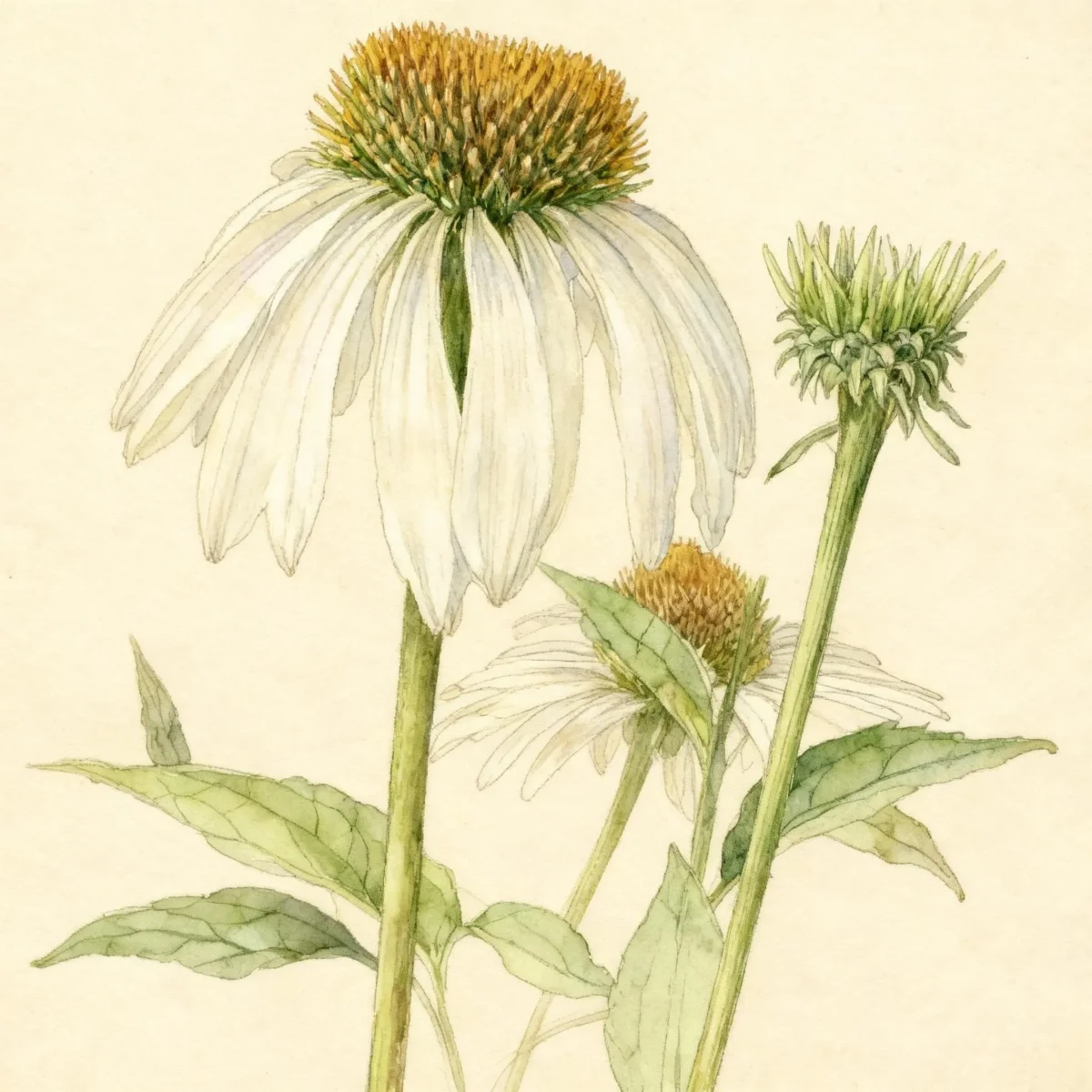
Purple coneflower (Echinacea purpurea 'Amado')
Echinacea purpurea 'Amado' is a low-maintenance white coneflower, perfect for sunny borders. Drought tolerant and hardy in zones 3-8.
Scroll down to discover growing tips, care requirements, companion plants, and more
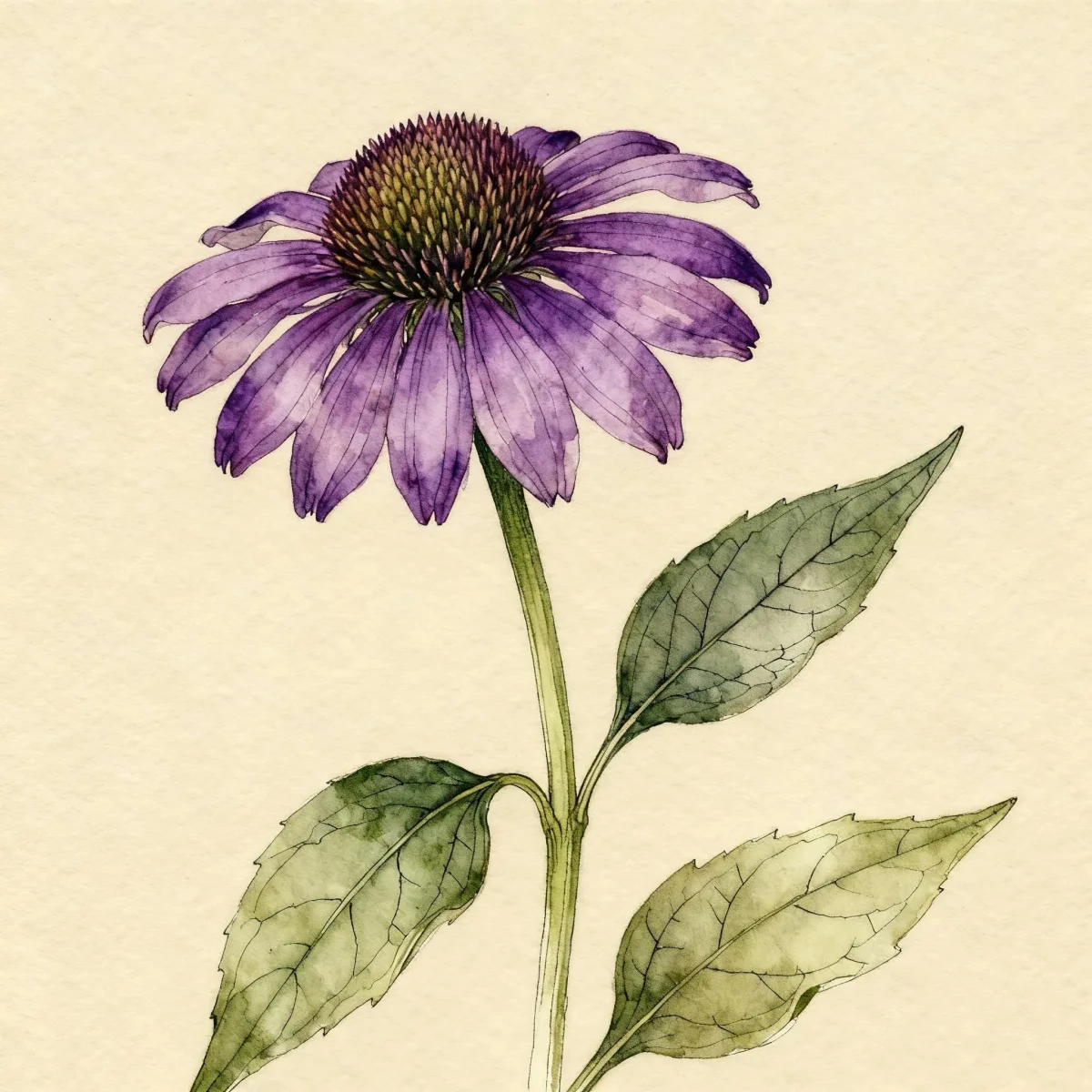
Complete Plant Information
Overview
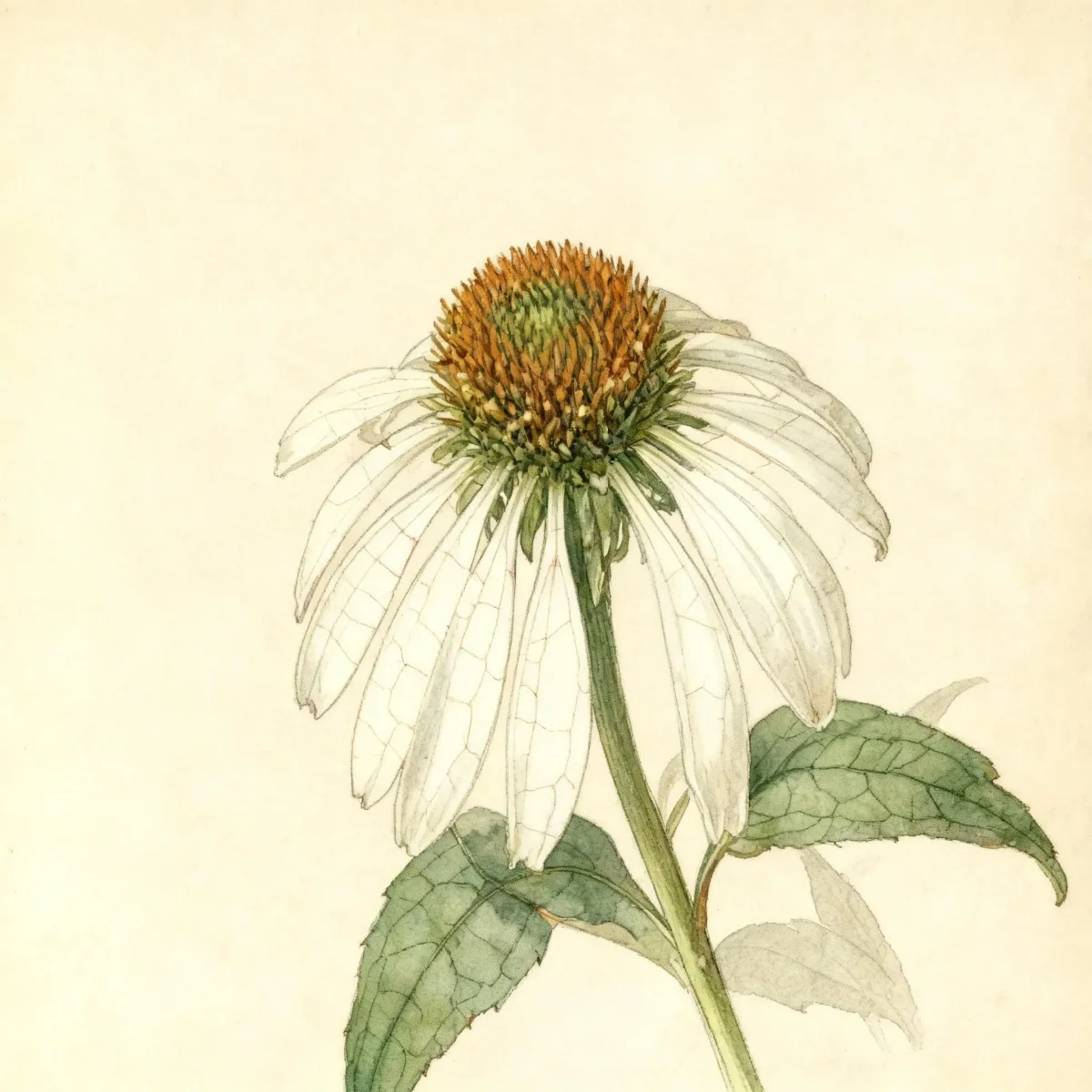
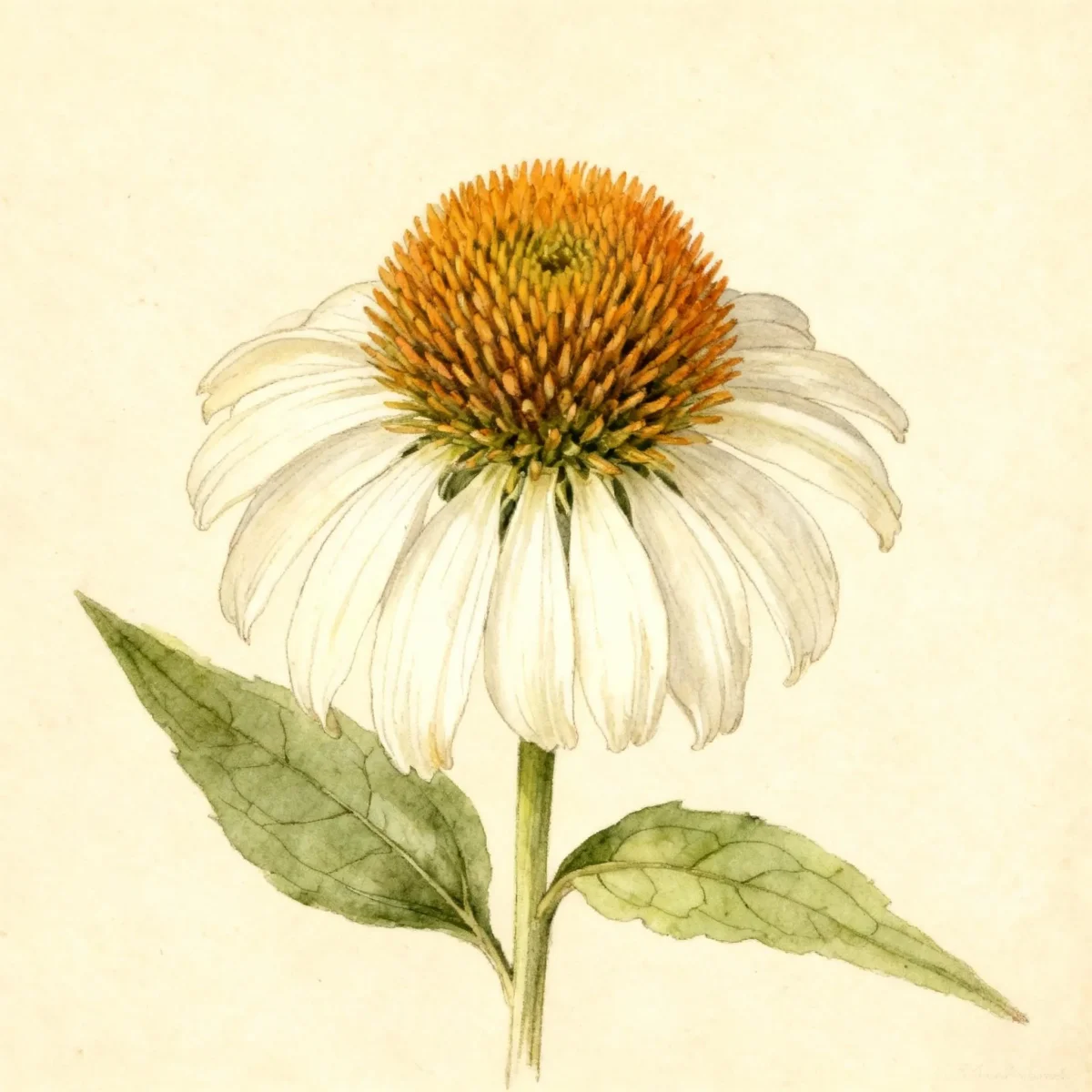
Echinacea purpurea ‘Amado’, a striking cultivar of the beloved Purple coneflower, offers gardeners a reliable source of summer interest with its unique white ray flowers contrasting against a prominent greenish-orange center cone. This herbaceous perennial is highly valued for its adaptability and long blooming season, bringing light color structure to mixed plantings. It thrives in sunny locations and requires minimal intervention once established, making it a favorite for both novice and expert gardeners seeking resilient beauty.
Growing to a medium height, the sturdy stems of Echinacea purpurea ‘Amado’ support blooms from June through August, and the plant exhibits excellent tolerance for challenging conditions. Alongside its aesthetic appeal, this coneflower supports local ecosystems by providing food for birds that forage the dried seed heads in winter, offering multi-seasonal garden value. Establishing beds with Purple coneflower ensures vibrant summer color with low demands.
Fast Facts
- Plant Family: Asteraceae
- Plant Type: Herbaceous perennial
- Hardiness Zones: USDA Zones 3-8
- Size at Maturity:
- Height: 2-3 ft
- Spread: 1.5-2 ft
- Bloom Time: June to August
- Bloom Description: White rays with greenish-orange center cone
- Sun Exposure: Full sun to part shade
- Water Needs: Dry to medium
- Maintenance Level: Low
How to Grow
Plant Purple coneflower in the spring or fall, ensuring a location that receives full sun for the best flower production, although part shade is tolerated. This adaptable plant performs well in average, well-drained soil, but it is notably tolerant of dry conditions, heat, humidity, and even poorer soil compositions, including clay. Proper drainage is the most critical soil requirement for healthy root systems.
Maintenance for Echinacea purpurea ‘Amado’ is generally low. Water thoroughly when establishing the plant; once mature, water only during extended dry periods as it prefers dry to medium moisture levels. Deadheading spent flowers is not strictly required as this variety often reblooms without it, but prompt removal slightly improves the overall appearance of the clump throughout summer.
If clumps become overly dense—typically every four years—divide them during the spring or early fall to maintain vigor and optimal flowering. Be aware that Echinacea purpurea ‘Amado’ may freely self-seed if seed heads are left standing over winter. Gardeners wishing to maximize seed dispersal for birds should leave some seed heads intact during the dormant season. For those starting seed, ensure germination by starting indoors late in January in colder climates, as flowers can appear about 20 weeks after sowing.
Landscape Uses
The upright, sturdy habit of Echinacea purpurea ‘Amado’ makes it an excellent choice for massing in traditional perennial borders, providing continuous structure and brightness through the mid-summer slump. Due to its drought and soil tolerance, it fits seamlessly into native plant gardens, meadow plantings, or naturalized areas where resilience is key. It pairs beautifully with other sun-lovers that share similar low-water needs.
Consider pairing this white-flowering coneflower with contrasting colors and textures, such as dark-leafed Heuchera or tall ornamental grasses. It functions wonderfully alongside black-eyed Susans (Rudbeckias) for that classic meadow tapestry look. For a more subtle woodland edge effect, Echinacea purpurea ‘Amado’ can also be successfully integrated into areas receiving part shade, though flowering may be slightly reduced.
Standout Features
Flower Qualities
- Showy
- Good Cut
- Good Dried
Noteworthy Characteristics
Echinacea purpurea, commonly called purple coneflower, is a coarse, rough-hairy, herbaceous perennial that is native to moist prairies, meadows and open woods of the central to southeastern United States (Ohio to Michigan to Iowa south to Louisiana and Georgia). The cultivar ‘Amado’ provides a distinctive look with downward-arching white rays encircling a large greenish-orange-brown center cone, growing on sturdy, well-branched stems that rarely require staking. The genus name Echinacea derives from the Greek word for hedgehog, referencing the spiny central cone featured prominently upon this beautiful flower.
Tolerances
- Deer
- Drought
- Clay Soil
- Dry Soil
- Shallow-Rocky Soil
Potential Problems
Potential health issues for the Purple coneflower are generally minor. Gardeners should watch for occasional infestations of Japanese beetles, which can chew on the foliage and flowers. Leaf spot diseases can sometimes occur, especially in areas with excessive humidity or poor air circulation around the plant base. Susceptibility to aster yellows disease is also noted, though management often requires removing infected plants to prevent spread.
Frequently Asked Questions
What hardiness zones is Echinacea purpurea ‘Amado’ suitable for?
This low-maintenance perennial is hardy across USDA Zones 3 through 8, offering a wide range of planting suitability across the temperate US.
How large does Purple coneflower grow?
Echinacea purpurea ‘Amado’ typically reaches a mature height between 2 and 3 feet tall, spreading to about 1.5 to 2 feet wide, forming a manageable upright clump.
When does Purple coneflower bloom?
The main display for Echinacea purpurea ‘Amado’ occurs mid-summer, blooming reliably from June to August with attractive white rays surrounding a greenish-orange center cone.
What sun exposure does Purple coneflower need?
For the most robust growth and prolific flowering, Echinacea purpurea ‘Amado’ should be sited in full sun, though it tolerates light afternoon shade or part shade conditions.
Conclusion
Echinacea purpurea ‘Amado’ is a superb choice for gardeners seeking a tough, rewarding perennial that provides bright, long-lasting summer color without demanding constant care. Its exceptional drought tolerance and adaptability to various soil types, including clay, secures its place as a garden staple. Evaluate your site conditions to ensure adequate sun exposure and plan your planting for spring or fall to best establish your new Purple coneflower specimens.
Wildlife Benefits
The dried seed heads of the coneflower genus are highly prized by songbirds, especially goldfinches, which feed on the seeds throughout the late fall and winter months. Leaving the spent stalks standing provides essential late-season structure and winter foraging opportunities, maximizing the garden’s ecological contribution well past the final bloom of the Echinacea purpurea ‘Amado’.
Companion Planting for Echinacea
When designing beds featuring Echinacea purpurea ‘Amado’, select companions that enjoy similar full sun exposure and tolerate dry to medium soil conditions. Plants like Sedum (Stonecrop), Russian Sage (Perovskia), and various ornamental grasses offer excellent contrasting textures and bloom times that extend the garden season. Avoid extremely moisture-loving plants, as Purple coneflower prefers its soil to dry out between waterings.