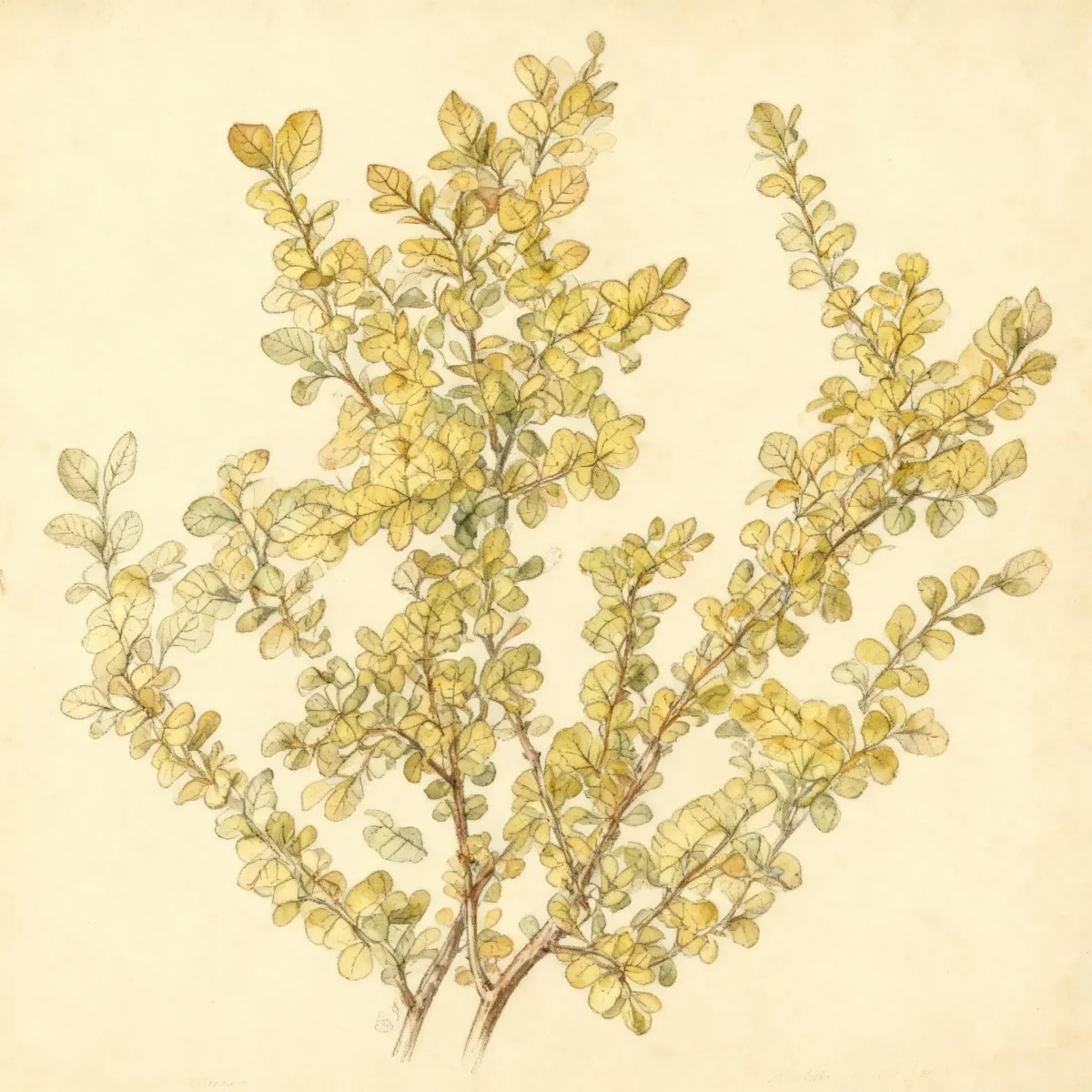
Japanese barberry (Berberis thunbergii 'Maria' SUNJOY GOLD PILLAR)
Berberis thunbergii 'Maria' SUNJOY GOLD PILLAR is a columnar Japanese barberry prized for non-scorching, bright golden-yellow summer foliage.
Scroll down to discover growing tips, care requirements, companion plants, and more
Complete Plant Information
Overview
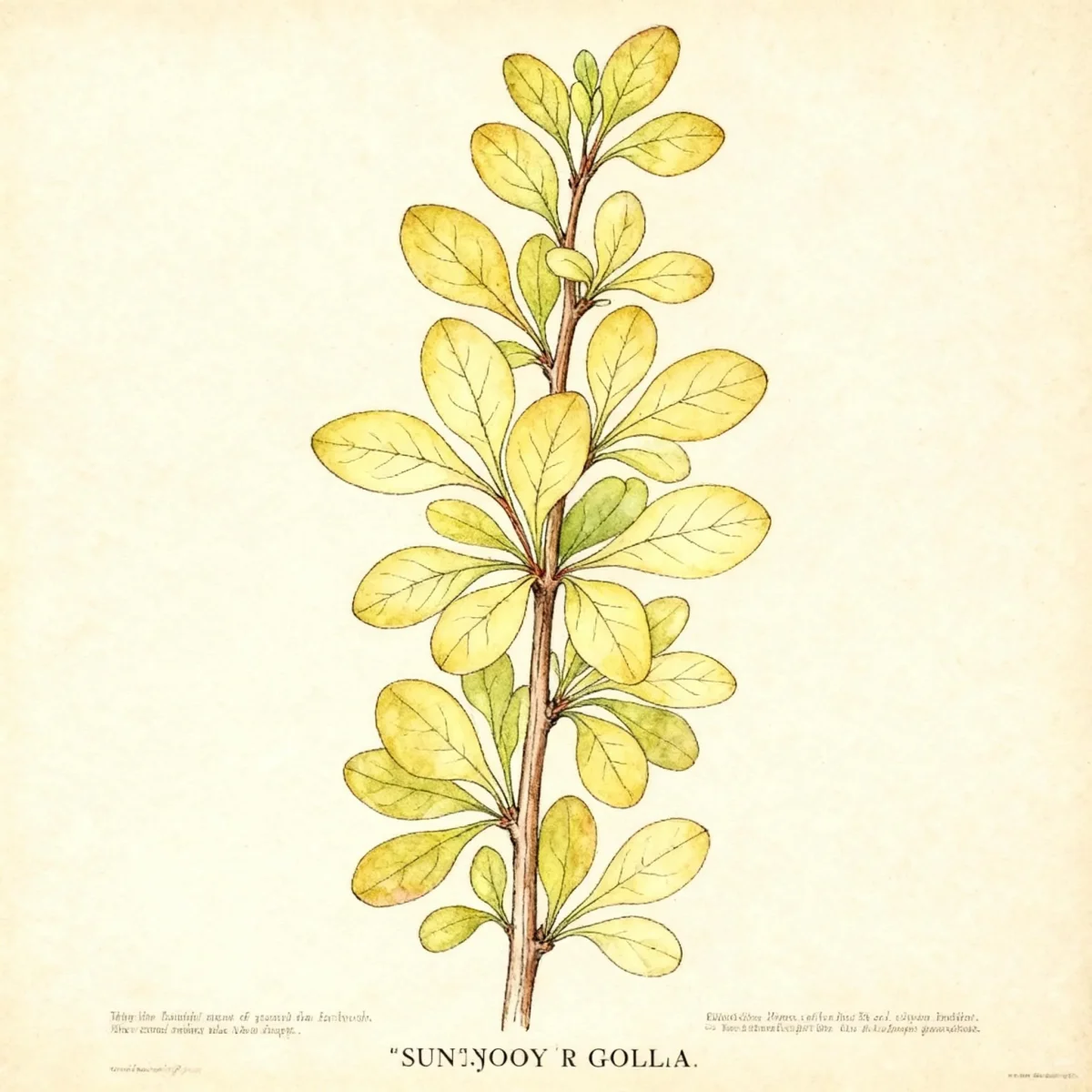
Berberis thunbergii ‘Maria’ SUNJOY GOLD PILLAR offers a striking, upright columnar form ideal for modern and formal landscape designs. This specific cultivar of Japanese barberry is highly valued because its bright golden-yellow foliage holds its color exceptionally well throughout the summer without scorching, unlike many other yellow-leafed varieties. As a deciduous shrub, it provides year-round visual interest, shifting to attractive orange-red tones before dropping its leaves.
Known commonly as Japanese barberry, this plant is remarkably adaptable and low-maintenance, making it a practical choice for busy gardeners. Its dense, spiny structure makes the Berberis thunbergii ‘Maria’ SUNJOY GOLD PILLAR excellent for security plantings or as a defining structural element where formal lines are desired.
Gardeners benefit from the shrub’s tolerance to various challenging conditions, including drought and poor soil types. While it is generally easy to care for, be mindful of its invasive potential in certain regions when selecting a location for this stunning yellow accent.
Fast Facts
- Plant Family: Berberidaceae
- Plant Type: Deciduous shrub
- Hardiness Zones: USDA Zones 4-8
- Size at Maturity:
- Height: 3-4 ft
- Spread: 3-4 ft
- Bloom Time: April
- Bloom Description: Pale yellow
- Sun Exposure: Full sun
- Water Needs: Dry to medium
- Maintenance Level: Low
How to Grow
For optimal performance, establish your Berberis thunbergii ‘Maria’ SUNJOY GOLD PILLAR in the spring or fall. This shrub thrives best when planted in average, well-drained soil, although it demonstrates good adaptability to clay soils once established. Full sun exposure is critical to maintaining the vibrant, non-scorching golden-yellow leaf color; while it tolerates partial shade, darker green tones will develop if light is insufficient.
Maintenance for this Japanese barberry is remarkably low once the plant is established. Watering needs are dry to medium; allow the soil to dry out between waterings, especially in summer, as this plant dislikes constantly wet or poorly-drained conditions. Fertilization is rarely required unless soil fertility is extremely poor. Pruning should focus on shaping or maintaining size, though its natural columnar habit requires minimal intervention. Be cautious handling the stems, as they are spiny.
This adaptable shrub handles urban conditions well and exhibits good drought tolerance once mature. Be aware that Berberis thunbergii cultivars may spread slowly by creeping roots or via bird-dispersed seeds, and this species is considered invasive in some zones, so monitor its spread in your landscape system. Propagation is typically achieved via cuttings.
Landscape Uses
The upright, columnar habit of Berberis thunbergii ‘Maria’ SUNJOY GOLD PILLAR makes it an outstanding architectural element in landscape design. It excels when used as an accent plant in smaller areas where vertical interest is needed without significant width. This cultivar is perfect for creating formal, disciplined lines, such as an edger along pathways or low foundation plantings where structure is paramount.
Consider utilizing this Japanese barberry as a spiny barrier plant. Its defensive spines offer an excellent deterrent against foot traffic, making it a practical choice for marking property lines or protecting vulnerable areas. For a striking color contrast, pair the luminous gold of the SUNJOY GOLD PILLAR with deep purple or dark green shrubs or perennials.
When planning borders, the Berberis thunbergii ‘Maria’ SUNJOY GOLD PILLAR serves well in layered shrub borders, providing a bright backdrop or mid-layer accent. Its tolerance for dryness ensures it performs reliably in locations that might challenge less resilient hedging material.
Standout Features
Flower Qualities
- Insignificant
Noteworthy Characteristics
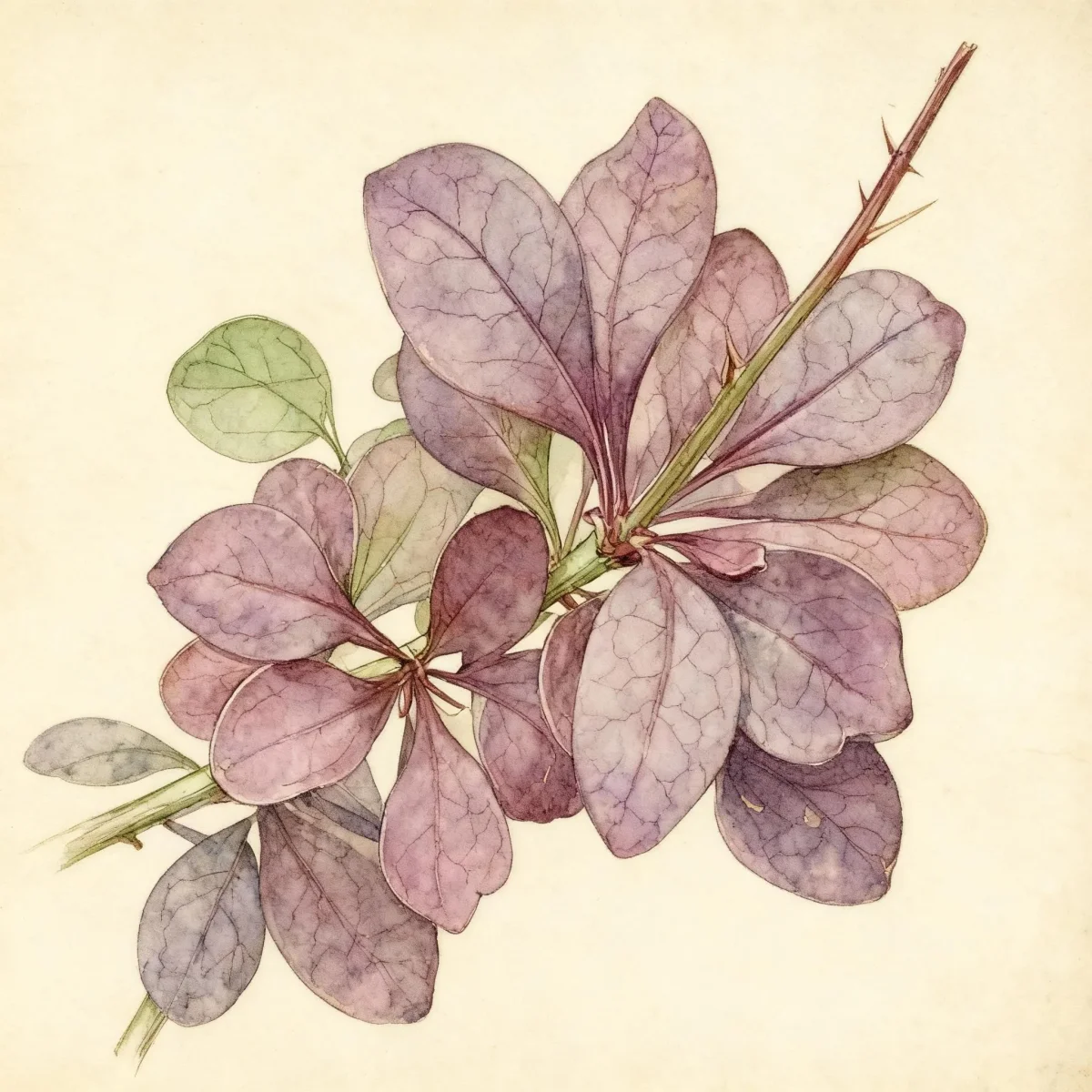
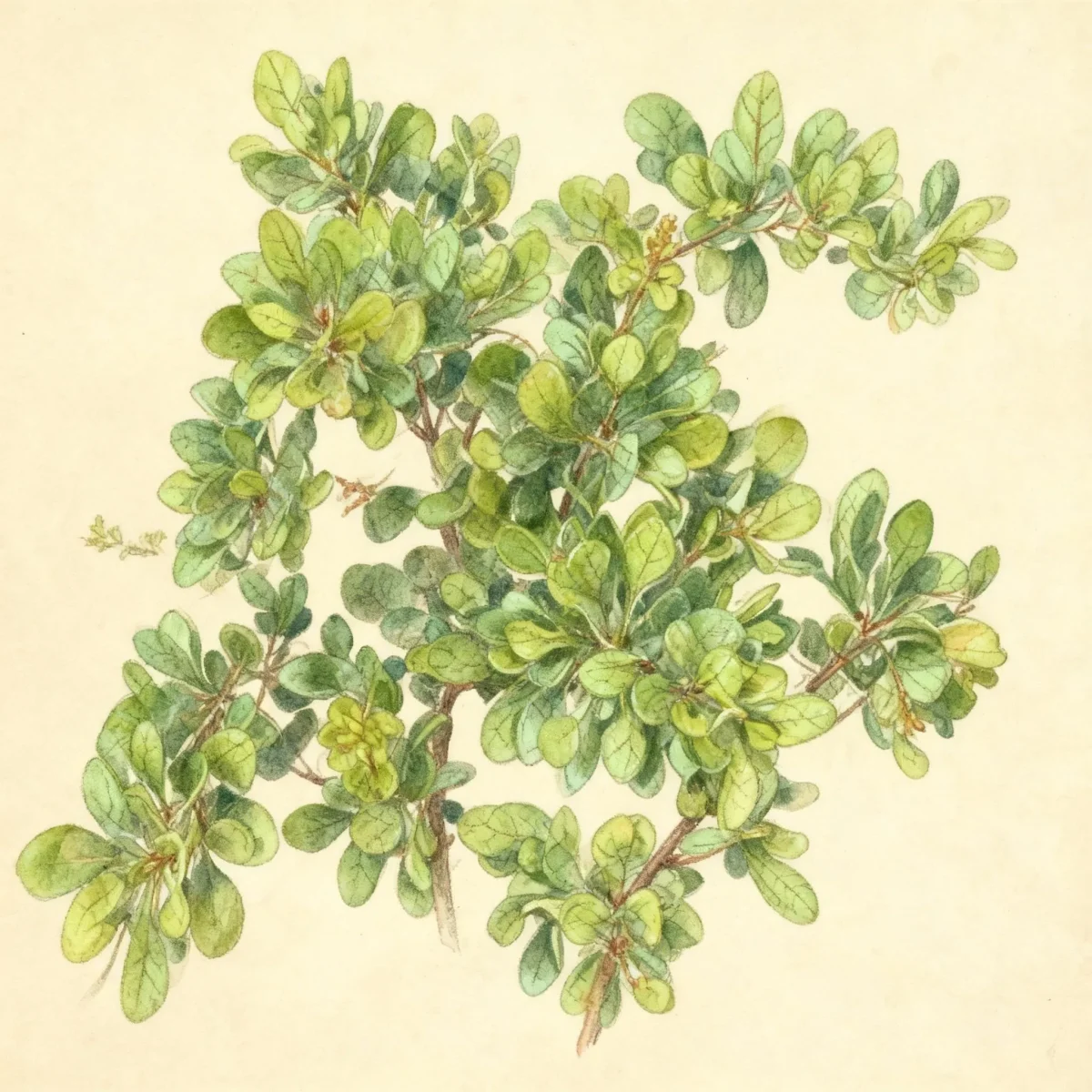
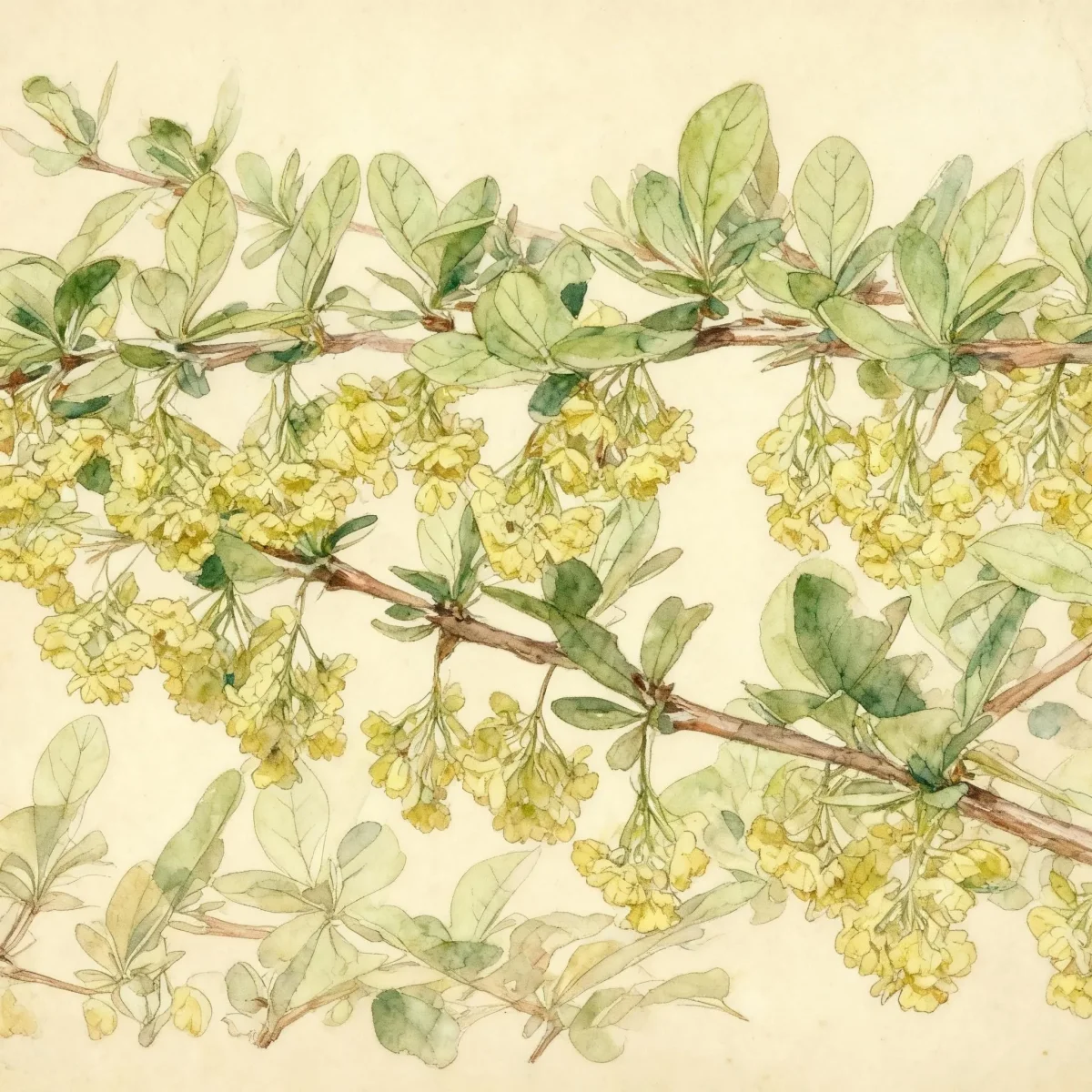
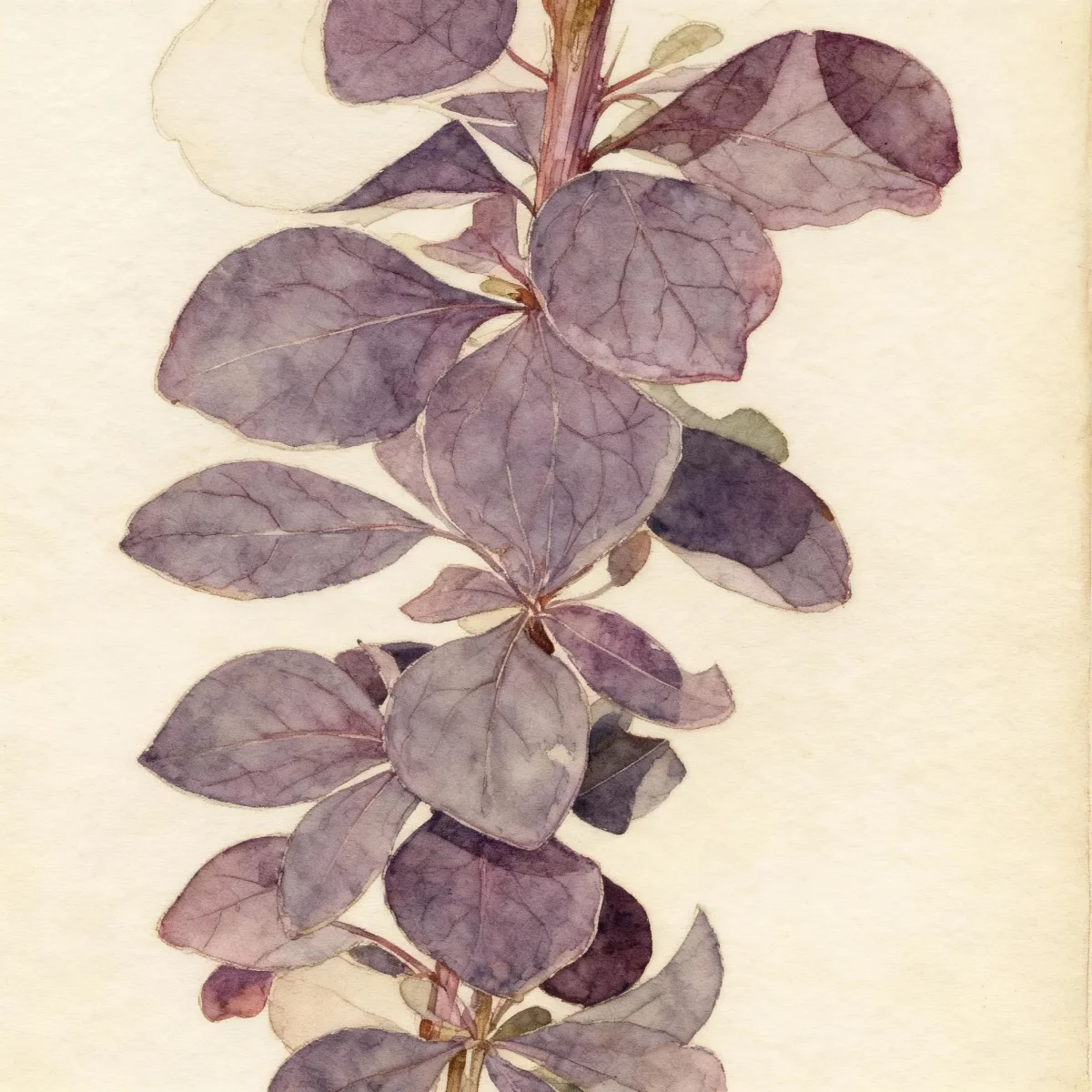
Berberis thunbergii, commonly called Japanese barberry, is a spiny, broad-rounded, deciduous shrub. The cultivar SUNJOY GOLD PILLAR is particularly noteworthy for its bright yellow foliage that retains excellent golden color all summer long without scorching in the sun. Leaves emerge red early in spring before rapidly maturing to bright golden yellow, culminating in excellent orange-red coloration in the fall. It forms an upright columnar structure, typically maturing to 3-4 feet tall and wide, marked by tiny, somewhat inconspicuous pale yellow flowers in spring.
Tolerances
- Deer
- Drought
- Clay Soil
- Dry Soil
Potential Problems
Generally, Berberis thunbergii ‘Maria’ SUNJOY GOLD PILLAR avoids serious pest issues, contributing to its low-maintenance appeal. However, gardeners should remain aware of potential susceptibility to common problems like bacterial leaf spot, anthracnose, and various root rots, particularly if drainage is poor. Foliage can occasionally host aphids, barberry webworm, or scale insects, requiring monitoring. A common nuisance is that the spiny stems have a tendency to trap wind-blown trash and debris, necessitating periodic cleaning.
A critical consideration when growing this Japanese barberry is its environmental impact. This species is known to be highly invasive in portions of the eastern United States, aggressively spreading via birds eating the fruits and distributing the seeds. Once established, it can form dense, impenetrable thickets that shade out native wildflowers and understory plants, necessitating careful siting.
Frequently Asked Questions
What hardiness zones is Berberis thunbergii ‘Maria’ SUNJOY GOLD PILLAR suitable for?
This Japanese barberry is highly adaptable, thriving in USDA Zones 4 through 8.
How large does Japanese barberry grow?
Berberis thunbergii ‘Maria’ SUNJOY GOLD PILLAR typically matures to a height and spread of 3 to 4 feet, maintaining an upright, columnar shape.
What sun exposure does Berberis thunbergii ‘Maria’ SUNJOY GOLD PILLAR need?
For the best possible bright golden foliage color, this shrub requires full sun exposure throughout the growing season.
When does Berberis thunbergii ‘Maria’ SUNJOY GOLD PILLAR bloom?
Flowering occurs in April, producing small, pale yellow blossoms along the stems.
Conclusion
The Berberis thunbergii ‘Maria’ SUNJOY GOLD PILLAR stands out as an essential structural shrub, delivering reliable, brilliant golden summer color with minimal upkeep. This unique Japanese barberry cultivar’s narrow profile makes it invaluable where space conservation meets high impact. Before planting, ensure your site offers full sun and well-drained soil, and always evaluate local invasive species regulations regarding planting Berberis thunbergii.
Companion Planting
When selecting companions for the SUNJOY GOLD PILLAR, contrast is your best design tool. Pair its bright yellow foliage with plants possessing deep burgundy, dark green, or blue-toned leaves to make the gold truly pop. Consider dark-leafed Heuchera varieties, deep purple Sedums, or contrasting deep green dwarf evergreens that maintain their color year-round. Because this barberry prefers dry to medium soil and full sun, choose neighbors with similar low water requirements. Avoid planting near moisture-loving perennials unless you can isolate watering zones carefully.
Propagation Tips
While you can purchase Berberis thunbergii ‘Maria’ SUNJOY GOLD PILLAR from nurseries, propagation is relatively straightforward for dedicated gardeners. The primary method mentioned for this species is taking cuttings. Semi-hardwood cuttings are usually taken in mid-summer, treating the base with rooting hormone and placing them under mist or in a humid environment to encourage root development before winter. Given the plant’s slow spreading habit via creeping roots, ground-layering branches that touch the soil may also result in new individuals over time, though cuttings offer faster, more reliable results for cultivar retention.