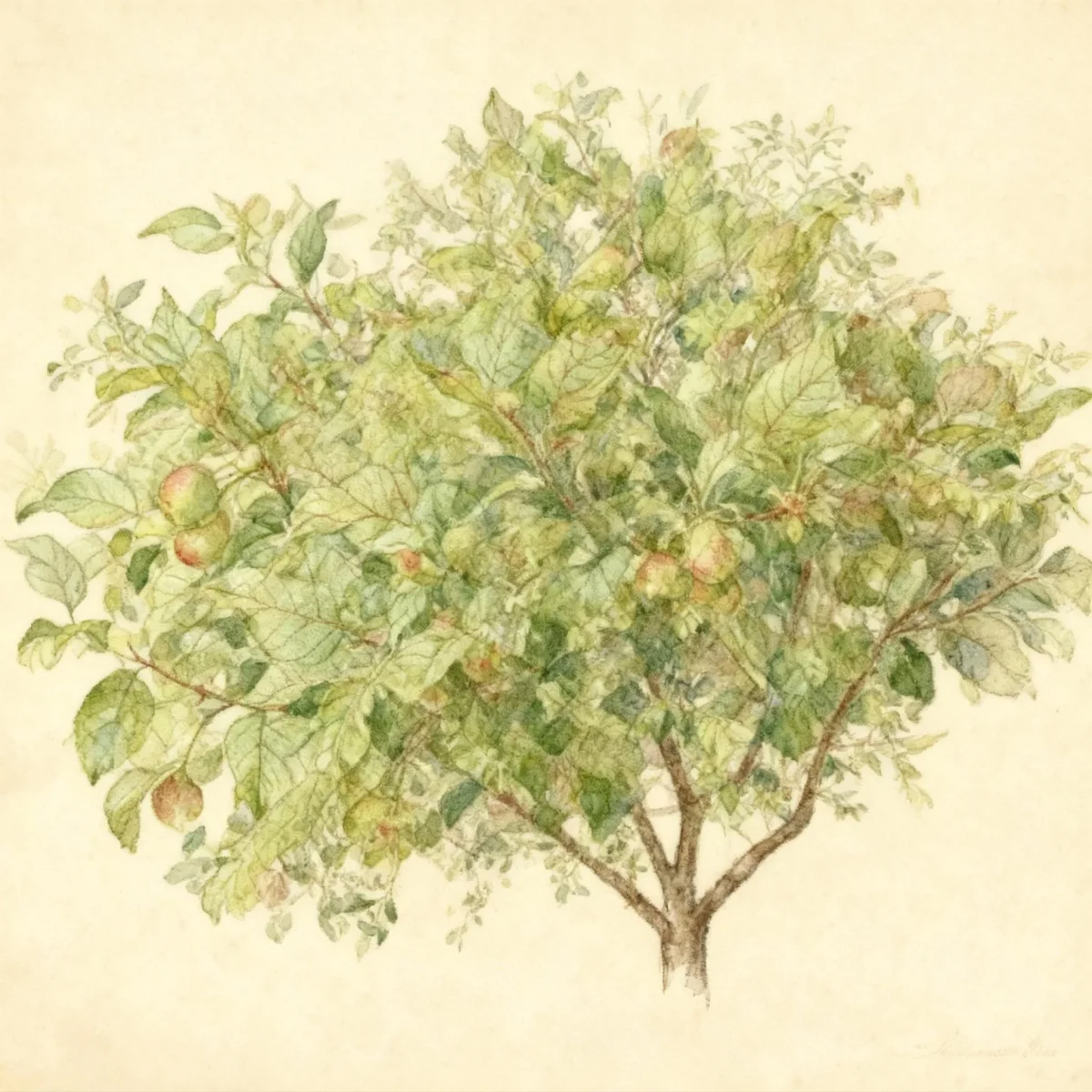
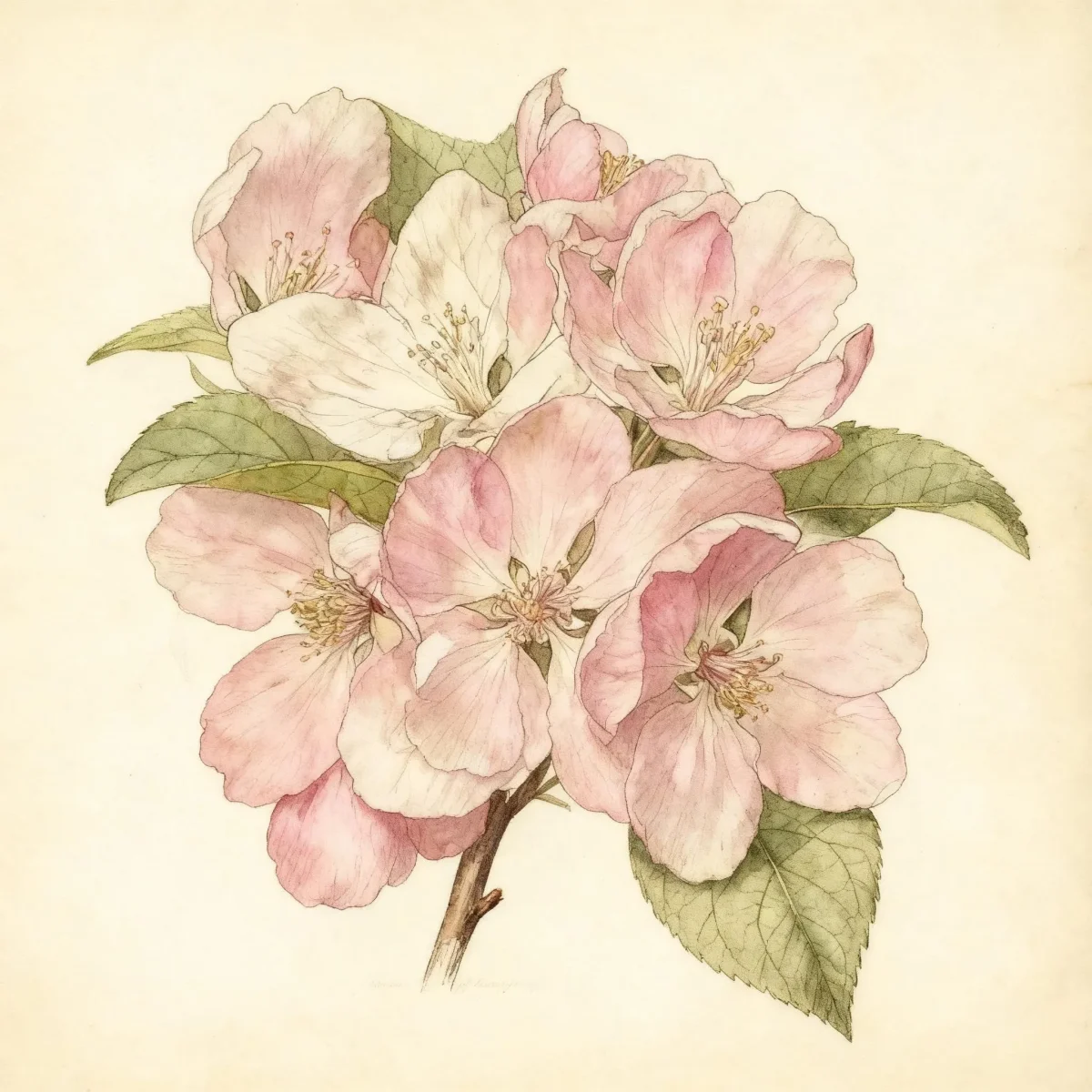
Flowering crabapple (Malus 'JFS-KW5' ROYAL RAINDROPS)
Discover the Malus 'JFS-KW5' ROYAL RAINDROPS Flowering crabapple, a disease-resistant tree with stunning magenta-pink blooms.
Scroll down to discover growing tips, care requirements, companion plants, and more
Complete Plant Information
Overview
The Malus ‘JFS-KW5’ ROYAL RAINDROPS is an exceptional cultivar recognized as a highly valuable Flowering crabapple for home landscapes and public spaces. This tree offers four seasons of interest, highlighted by its deeply lobed purple foliage that maintains excellent color throughout the summer months. Gardeners appreciate the ROYAL RAINDROPS for its manageable size, density, and inherent disease resistance, making it an easy-to-grow specimen.
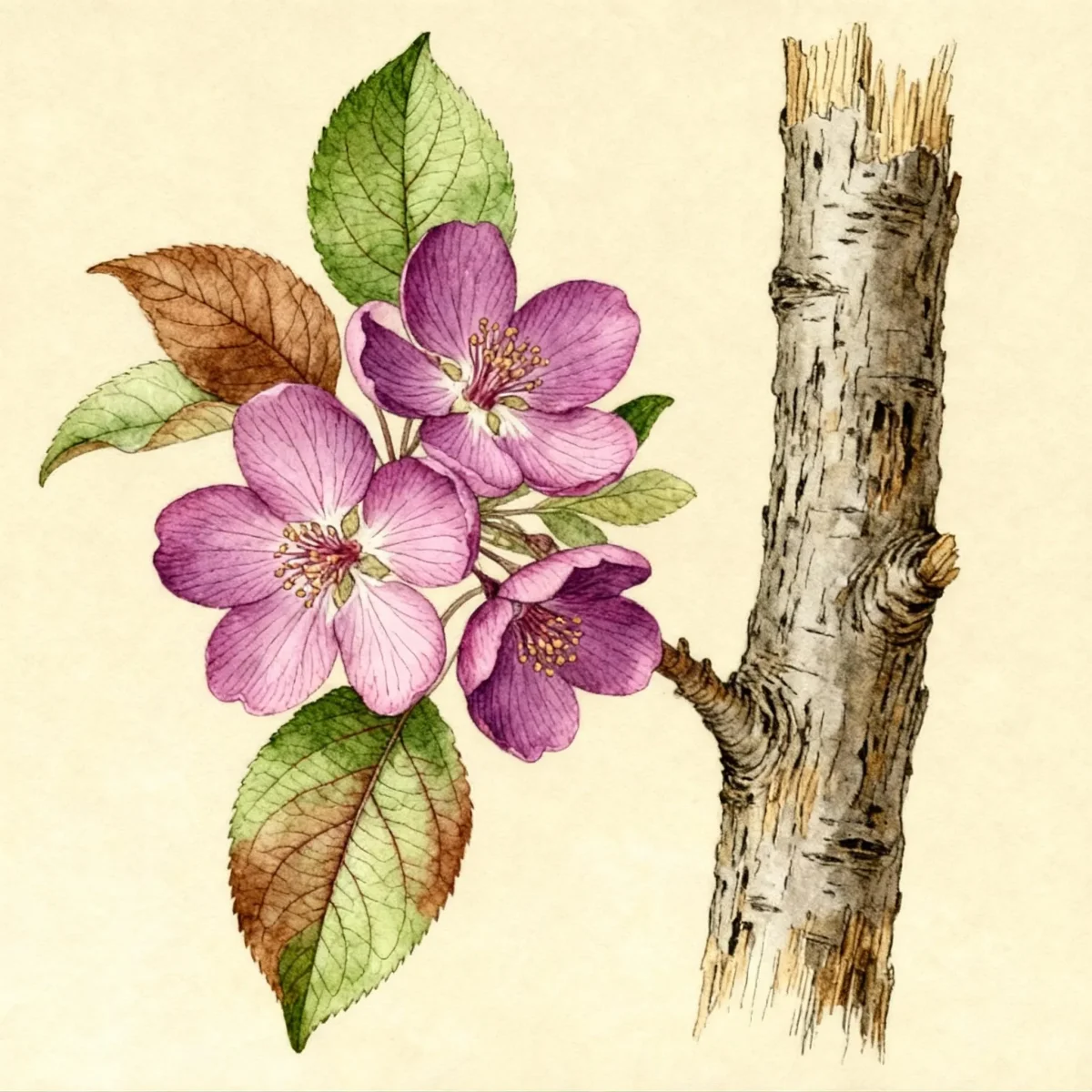
Blooming begins in April, showering the upright-spreading canopy with striking magenta-pink single flowers, creating substantial early-season curb appeal. Following the bloom, tiny maroon-red crabapples add winter interest and serve as a reliable food source for local birds. Malus ‘JFS-KW5’ ROYAL RAINDROPS provides consistent beauty and structure, maturing neatly into a dense, rounded canopy perfect for enhancing property aesthetics.
Fast Facts
- Plant Family: Rosaceae
- Plant Type: Tree
- Hardiness Zones: USDA Zones 4-8
- Size at Maturity:
- Height: 15-20 ft
- Spread: 12-16 ft
- Bloom Time: April
- Bloom Description: Magenta-pink
- Sun Exposure: Full sun
- Water Needs: Medium
- Maintenance Level: Low
How to Grow
Planting the Malus ‘JFS-KW5’ ROYAL RAINDROPS is best done when dormant, ideally in early spring or late fall, ensuring the tree establishes before intense summer heat. This cultivar thrives best when sited in full sun to maximize flower production and foliage color. It prefers well-drained, acidic loams with medium moisture, though it adapts remarkably well to various soil types and demonstrates some drought tolerance once established.
Watering should be consistent, especially during the first few growing seasons, to develop a strong root system; mature ROYAL RAINDROPS require medium, supplemental watering during extended dry periods. Maintenance is generally low, which is a major benefit for busy gardeners. Pruning should be executed sparingly, adhering strictly to late winter for shaping and removing crossing limbs.
Crucially, avoid any spring pruning. Pruning during the growing season opens fresh wounds susceptible to infection from the fireblight bacterium, a known potential issue for crabapples. By sticking to late winter pruning, you ensure tree health while preserving structure and flowering potential.
Landscape Uses
The Malus ‘JFS-KW5’ ROYAL RAINDROPS excels as a specimen or accent tree due to its attractive year-round features. Its manageable height (15-20 feet) makes it suitable for placement near entryways or in smaller suburban yards where larger shade trees would overwhelm the space. Consider planting groups of ROYAL RAINDROPS along property lines for a cohesive screen of color in spring and attractive fall hues.
This Flowering crabapple also performs effectively as a street tree, demonstrating tolerance to urban conditions like air pollution and heavier clay soils. When designing mixed borders, pair this cultivar with late-blooming shrubs to extend interest, or use low-growing, drought-tolerant perennials beneath it since the soil tolerance of the crabapple is quite adaptable.
Standout Features
Flower Qualities
- Showy
Fruit Qualities
- Showy
- Edible
Noteworthy Characteristics
Malus is a genus of about 35 species of deciduous trees and shrubs from Europe, Asia and North America. The genus name from Latin is an ancient name for apple. ‘JFS-KW5’, commonly sold under the trade name of ROYAL RAINDROPS, is an upright-spreading, disease-resistant, easy-to-grow, crabapple tree that features deeply lobed purple foliage which retains excellent color throughout summer. This small tree typically matures to 15-20’ tall with a dense rounded canopy, and its tiny maroon-red crabapples persist into early winter as an attractive food source for birds.
Tolerances
- Clay Soil
- Air Pollution
Potential Problems
While Malus ‘JFS-KW5’ ROYAL RAINDROPS exhibits strong disease resistance compared to many crabapples, vigilance is still practical for long-term health. The primary concerns for crabapple management involve diseases such as scab, rusts, leaf spot, and powdery mildew. Fire blight remains a risk, which is why careful, late-winter pruning is emphasized to avoid providing entry points for the bacterium.
Insect pests are generally less serious, though monitoring for aphids, scale, borers, and spider mites is wise during the active growing season. Maintaining good air circulation through appropriate pruning and avoiding overhead watering methods can help mitigate common fungal issues across the landscape.
Frequently Asked Questions
What hardiness zones is Flowering crabapple suitable for?
The Malus ‘JFS-KW5’ ROYAL RAINDROPS is reliably hardy in USDA Zones 4 through 8.
How large does Malus ‘JFS-KW5’ ROYAL RAINDROPS grow?
This ornamental tree typically reaches a mature height between 15 and 20 feet tall, with a spread ranging from 12 to 16 feet wide.
What sun exposure does ROYAL RAINDROPS need?
For optimal performance, including vibrant foliage and abundant flowers, this Flowering crabapple requires full sun exposure throughout the day.
When does Malus ‘JFS-KW5’ ROYAL RAINDROPS bloom?
It produces its beautiful magenta-pink flowers early in the season, typically during April.
Conclusion
The Malus ‘JFS-KW5’ ROYAL RAINDROPS stands out as a robust, low-maintenance centerpiece tree, delivering intense spring color, deep purple summer foliage, and persistent winter interest from its fruit. For gardeners seeking a disease-resistant Flowering crabapple that handles diverse urban soil conditions, this cultivar is an excellent choice. Before planting, confirm your location falls within USDA Zones 4-8 and plan your pruning schedule for late winter to ensure the healthiest performance of your ROYAL RAINDROPS.
Wildlife Benefits
Crabapples, including the tiny, persistent maroon fruit of Malus ‘JFS-KW5’ ROYAL RAINDROPS, are invaluable for supporting local fauna during the colder months. These fruits are a highly attractive food source for numerous bird species when other natural forage becomes scarce or buried by early snow. Planting this tree near a bird feeder or in a mixed habitat area guarantees seasonal foraging opportunities for species that rely on winter berries.
Furthermore, the dense canopy and branching structure of the ROYAL RAINDROPS offer excellent protective cover and potential nesting sites during the spring and summer breeding seasons. While it is not heavily marketed as a pollinator plant like some flowering trees, the single, open magenta-pink blossoms in April still provide early-season nectar and pollen sources for emerging bees shortly after they break dormancy.
Companion Planting
Selecting appropriate understory plants for the ROYAL RAINDROPS involves balancing their need for full sun with cultural compatibility. Because this crabapple tolerates clay soils and some drought once established, groundcovers that thrive in similar, perhaps slightly tougher conditions are ideal. Consider low-growing Sedums or creeping Thymes, which will not compete aggressively for surface moisture but offer texture near the base of the tree without obscuring the view of the trunk.
For seasonal contrast, planting spring ephemerals like Daffodils (Narcissus) or early Tulips beneath the canopy can provide a vibrant low-level color show just before the crabapple’s dark foliage completely fills in during late spring. Ensure any companion plants chosen also appreciate medium water needs corresponding to the crabapple’s requirements, especially during establishment.