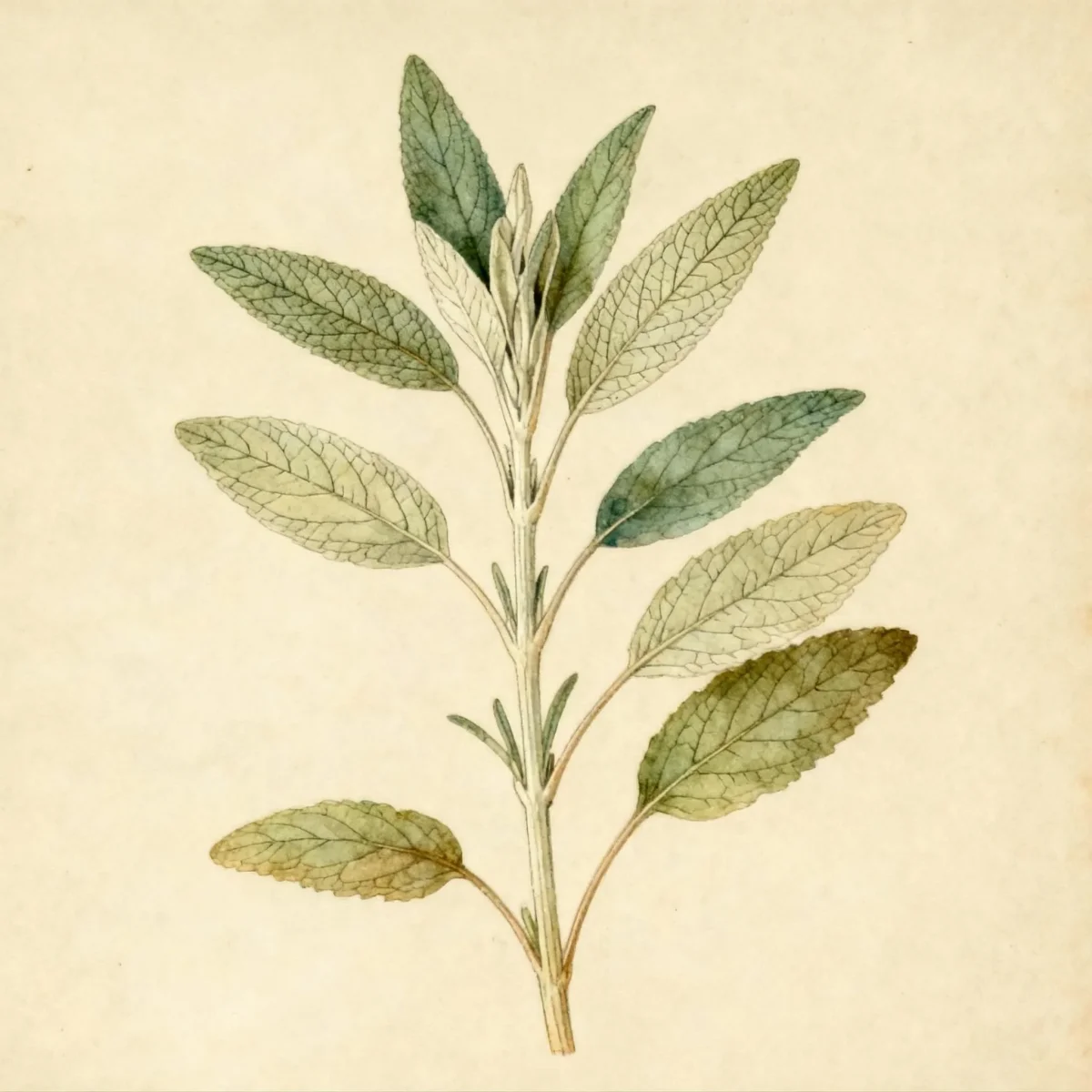
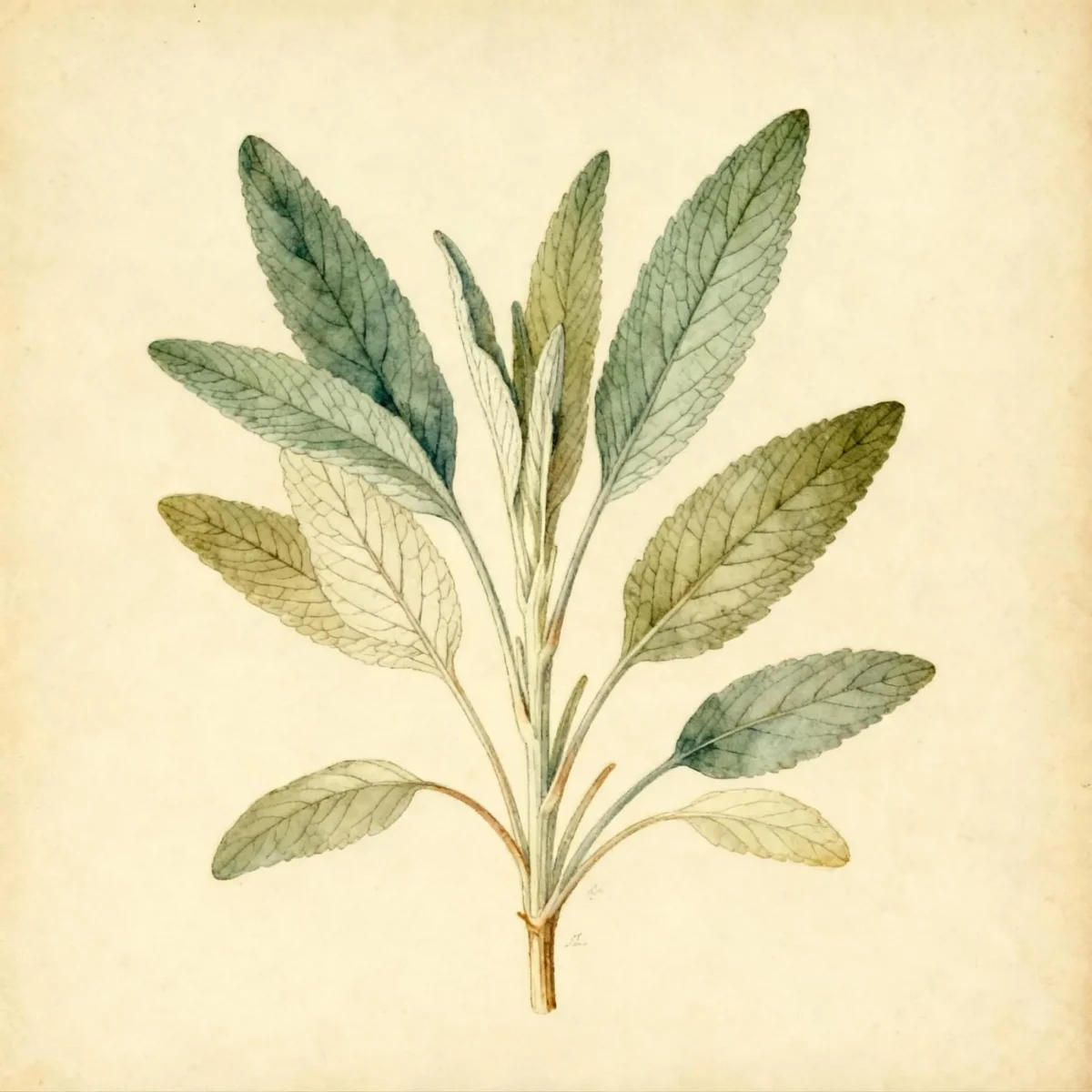
Russian sage (Perovskia 'Longin')
Perovskia 'Longin', or Russian sage, offers silvery foliage and consistent blue flowers from June to September in full sun.
Scroll down to discover growing tips, care requirements, companion plants, and more
Complete Plant Information
Overview
Perovskia ‘Longin’, commonly known as Russian sage, is cherished for its ability to bring a delightful blue haze effect to the late-season garden. This woody-based perennial features silvery, fragrant foliage that contrasts beautifully against its airy, deep blue flower spikes. Gardeners value the sustained bloom period offered by Perovskia ‘Longin’, which extends color interest well into autumn.
As a tough, low-maintenance selection, Russian sage thrives in challenging conditions where many other perennials wilt. It exhibits excellent drought tolerance once established, making it an exemplary choice for xeriscaping or hot, dry borders. The stiff, upright stems of Perovskia ‘Longin’ ensure structural interest even when not in full bloom.
This cultivar remains one of the most reliable choices in the genus, embodying the airiness and aromatic qualities that define Russian sage. Utilize its striking texture and true blue color to provide contrast among mid-to-late summer flowering companions.
Fast Facts
- Plant Family: Lamiaceae
- Plant Type: Herbaceous perennial
- Hardiness Zones: USDA Zones 5-9
- Size at Maturity:
- Height: 3-4 ft
- Spread: 2-3 ft
- Bloom Time: June to September
- Bloom Description: Blue
- Sun Exposure: Full sun
- Water Needs: Dry to medium
- Maintenance Level: Low
How to Grow
Plant Perovskia ‘Longin’ in the spring after the danger of last frost has passed, selecting a location that guarantees full afternoon sun exposure. The most critical factor for success is excellent soil drainage; this plant dislikes wet feet, especially in winter. It thrives in average soils but readily adapts to clay soil provided drainage is sharp.
Care routines for this Russian sage are minimal, which is part of its appeal. Water sparingly once established, as it possesses significant drought tolerance. Avoid heavy fertilization, as rich soils encourage lush, floppy growth, whereas lean, dry conditions promote the best habits and flowering.
Maintenance primarily centers around pruning. To maintain a compact, erect form and prevent stems from flopping, prune Perovskia ‘Longin’ back hard in late winter or very early spring. Cut stems down almost to the ground just as new growth begins to emerge. Over-shading in the garden will result in fewer blooms and weaker stems; full sun is essential for maintaining its upright stature.
Landscape Uses
The texture and color provided by Perovskia ‘Longin’ make it an indispensable perennial for adding depth to the mixed border. Its silvery, aromatic foliage lights up the garden day and night, complementing the richer greens and darker flower tones of surrounding plants. It excels when used as a mass planting to create a true blue haze effect across the mid-to-back of perennial beds.
Consider using Russian sage as an informal hedge or specimen plant where its height (3-4 ft) can serve as a transition between low-growing groundcovers and tall background shrubs. Its heat and drought tolerance mean it pairs well with Mediterranean herbs and other tough, sun-loving companions like coneflowers, ornamental grasses, or salvias. The fine texture of Perovskia ‘Longin’ provides excellent contrast against plants with broad leaves.
Standout Features
Flower Qualities
- Showy
Noteworthy Characteristics
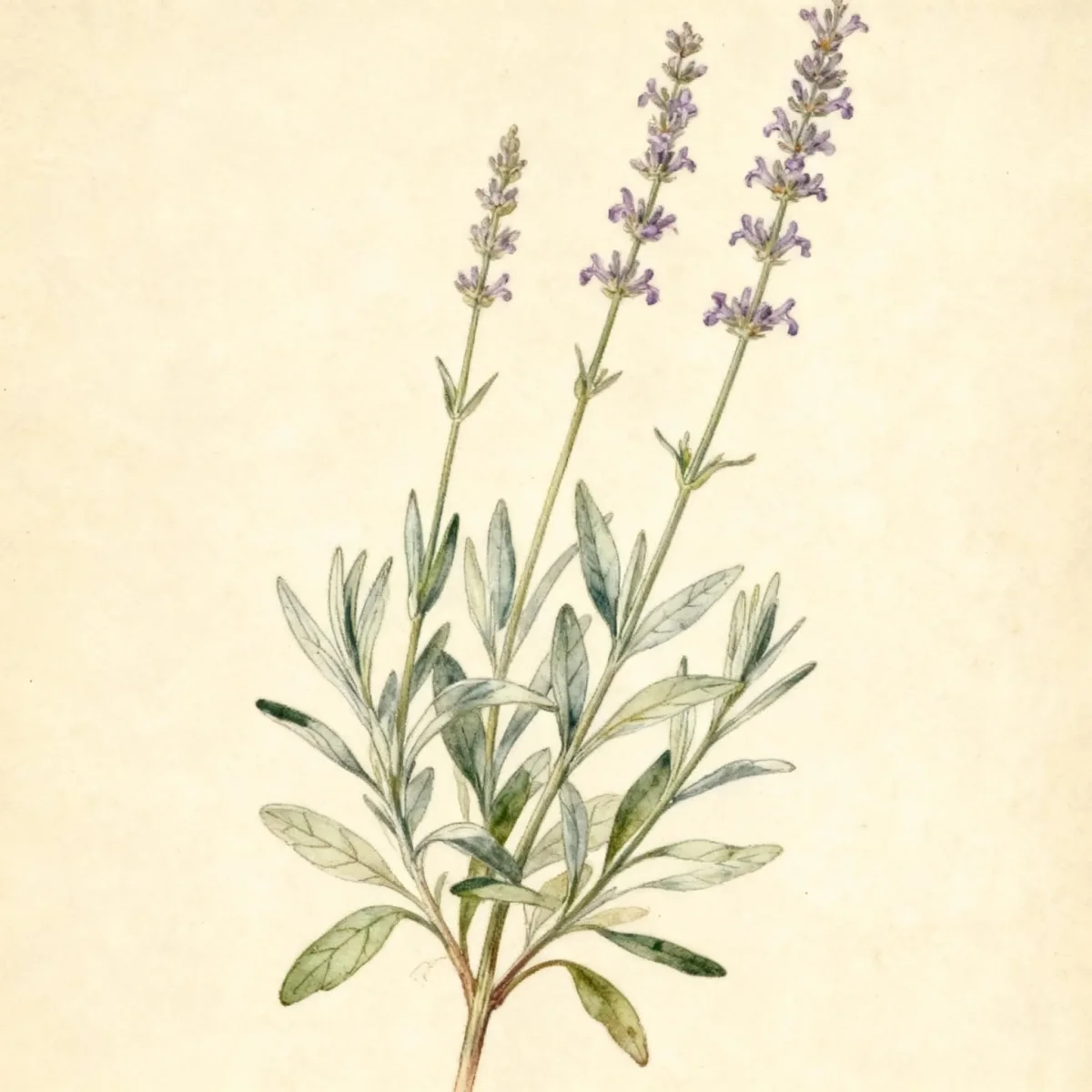
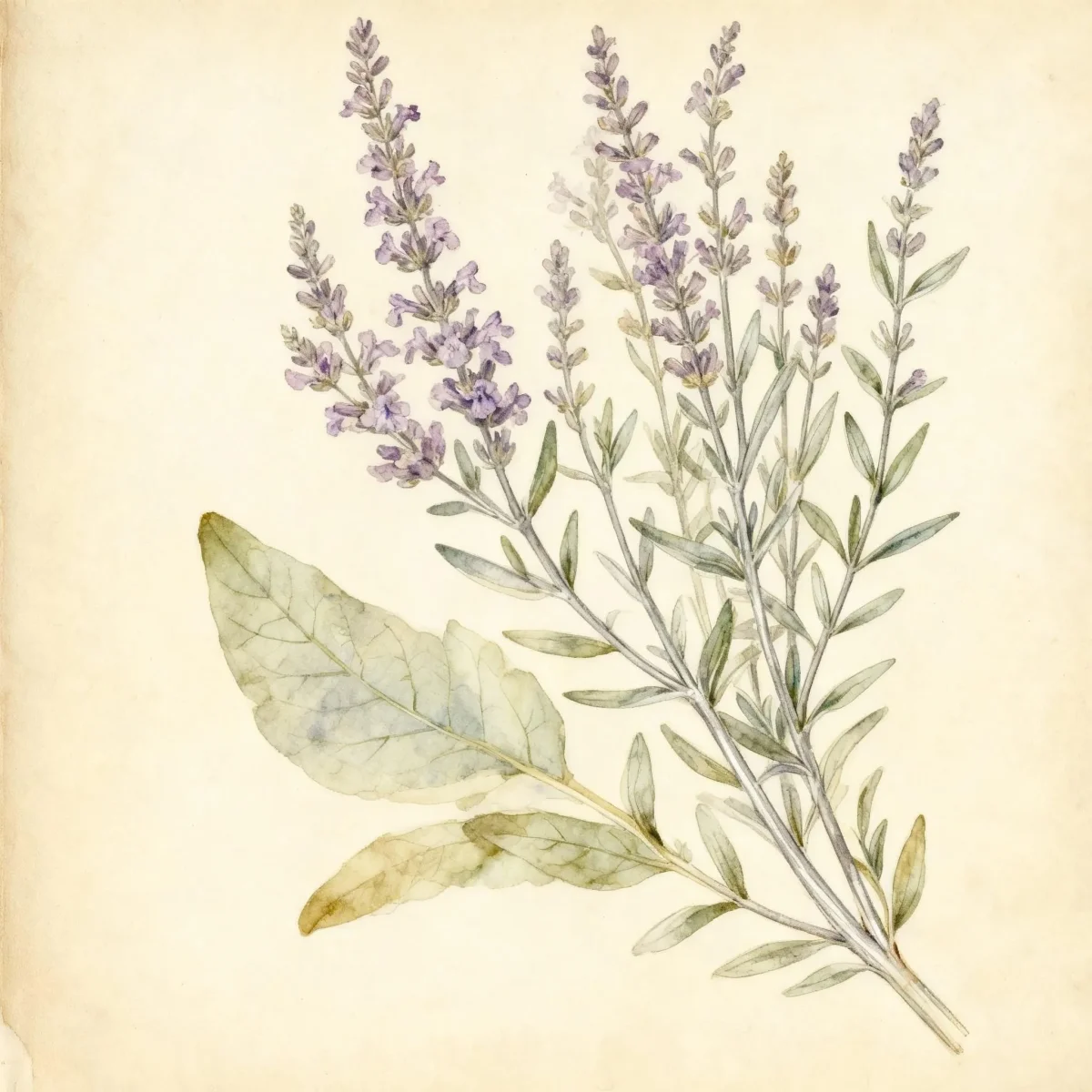
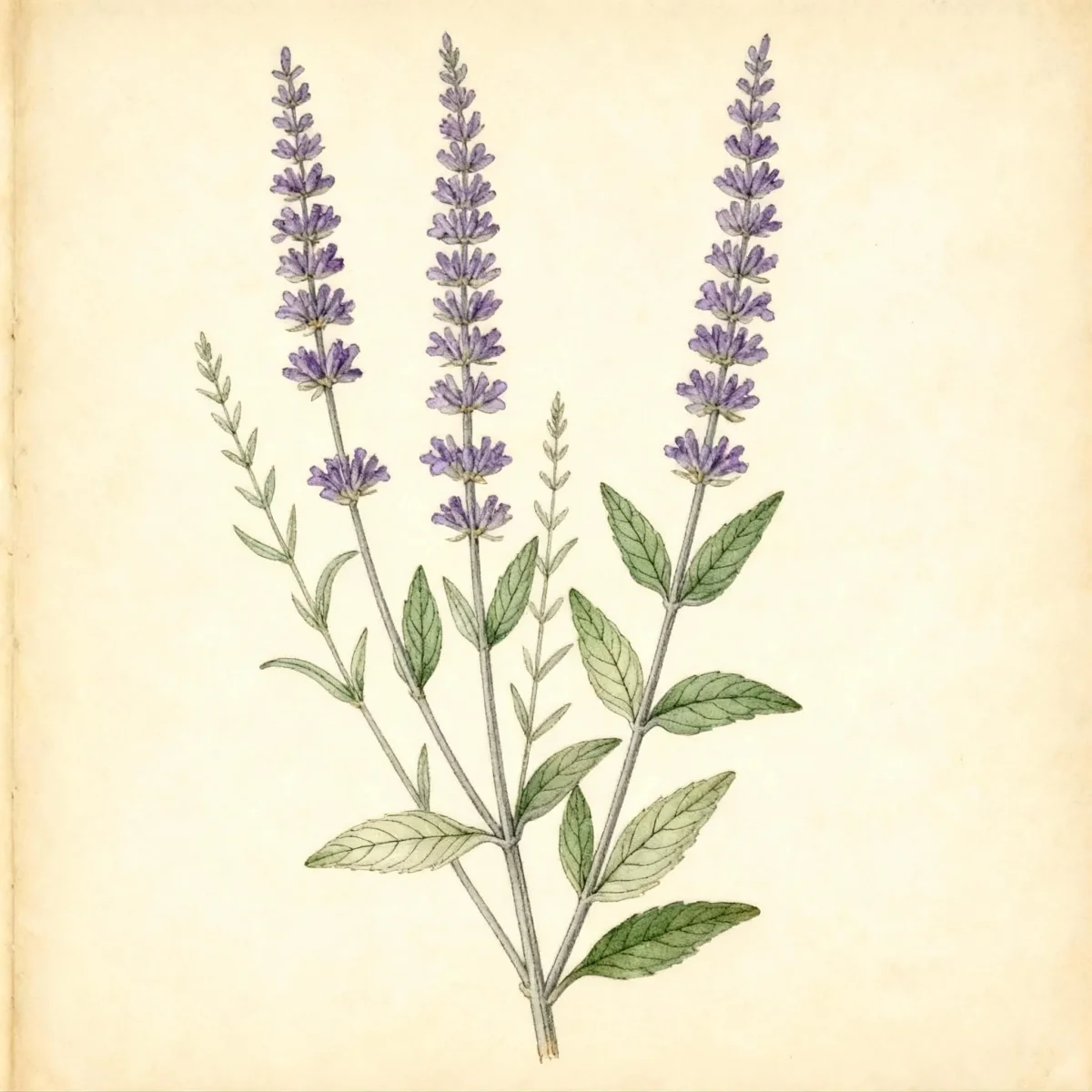
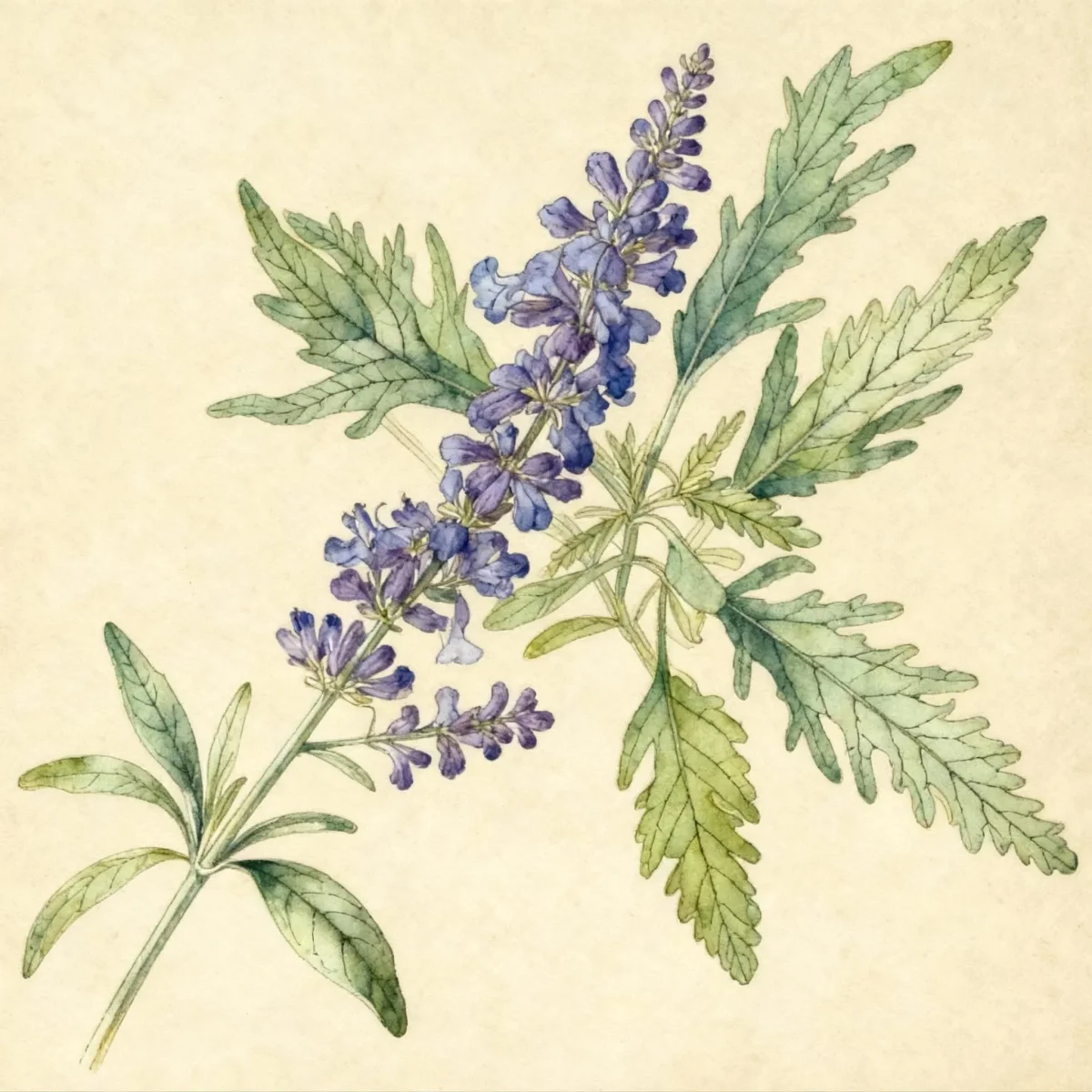
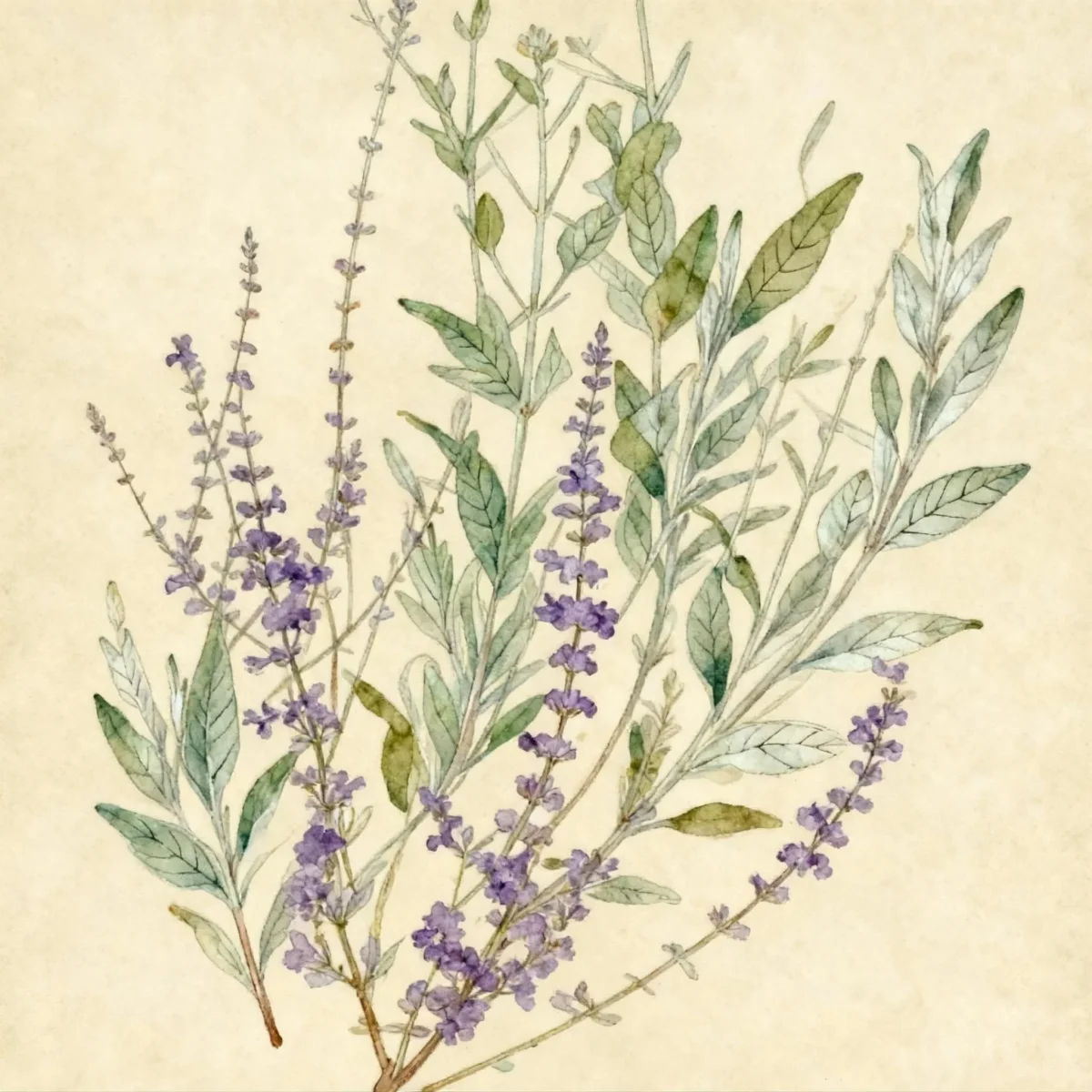
Perovskia is a genus of 7 species of deciduous shrubs from Central Asia to the Himalayas. They are grown for their attractive foliage and flowers. Genus name honors Russian general V. A. Perovski (1794 - c. 1857). ‘Longin’ is a compact Russian sage cultivar that typically grows to 3-4’ tall. It features feathery, narrow, dissected, silvery gray-green leaves on stiff, upright, square, silvery stems that emit a strong sage-like aroma when bruised. Whorls of tiny, deep blue flowers tiered in branched, narrow panicles appear over a long summer bloom, bringing a blue haze to the garden.
Tolerances
- Rabbit
- Deer
- Drought
- Clay Soil
- Dry Soil
- Air Pollution
Potential Problems
Generally, Perovskia ‘Longin’ remains highly resistant to serious pest infestations or diseases, contributing to its appeal as an easy-care plant. The primary cultural issue encountered by gardeners is stem flopping, which happens if the plant receives insufficient sunlight or too much supplemental water or rich fertilizer.
To manage flopping, ensure the plant is situated in a location receiving full, unobstructed sun throughout the day. When pruning in early spring, removing significant bulk helps strengthen the remaining stems as they grow upward. Because stems tend to sprawl as the summer heat peaks, some gardeners employ light staking early in the season if perfect vertical structure is paramount.
Frequently Asked Questions
What hardiness zones is Russian sage suitable for?
Perovskia ‘Longin’ is reliably hardy in USDA Zones 5 through 9.
How large does Russian sage grow?
This cultivar typically reaches a mature height between 3 and 4 feet tall, with a spread of 2 to 3 feet wide.
What sun exposure does Perovskia ‘Longin’ need?
This plant demands full sun exposure; reducing light levels will negatively impact flowering and increase susceptibility to flopping.
When does Perovskia ‘Longin’ bloom?
You can expect consistent color from Russian sage throughout the summer, blooming from June all the way through September with distinctive blue flowers.
Conclusion
Perovskia ‘Longin’ offers exceptional value to gardeners seeking long-lasting color, aromatic foliage, and reliability in hot, dry spots. The low maintenance needs and tough tolerances of this Russian sage make it a staple for sunny borders. Before planting this season, confirm your site provides sharp drainage and ample sunlight to ensure the stiff, upright habit of Perovskia ‘Longin’ shines all summer long.
Companion Planting
When selecting companions for Perovskia ‘Longin’, focus on plants that share its love for full sun and dry, well-drained conditions. Plants requiring consistent moisture will struggle near this drought-tolerant perennial. Good neighbors include plants with contrasting foliage colors or flower shapes, such as the deep purple or burgundy foliage of darker Sedum cultivars or the bold structural forms of upright Yuccas.
For complementary bloom structures, look towards sturdy, upright blooms like Coneflowers (Echinacea), Black-Eyed Susans (Rudbeckia), or tall ornamental grasses. These partners thrive in similar harsh summer environments and their textures balance the misty, airy quality of the Russian sage flowers beautifully, creating layered interest in the border.
Design Ideas for Dry Gardens
The primary landscape role for Perovskia ‘Longin’ is providing architectural structure and cool color in sunny, challenging spots. Grouping three or five plants together creates a significant, shimmering cloud of blue that draws the eye from a distance. Because the foliage is silvery-gray, it serves as an excellent visual respite between blocks of intensely colored companions, such as hot oranges or deep reds planted nearby.
Consider utilizing this plant near pathways or patios, where the simple act of walking past will release the pleasant, sage-like aroma from lightly brushed stems and leaves. Its toughness also makes Perovskia ‘Longin’ an anchor plant in water-wise or rock garden designs where sharp drainage is naturally provided.