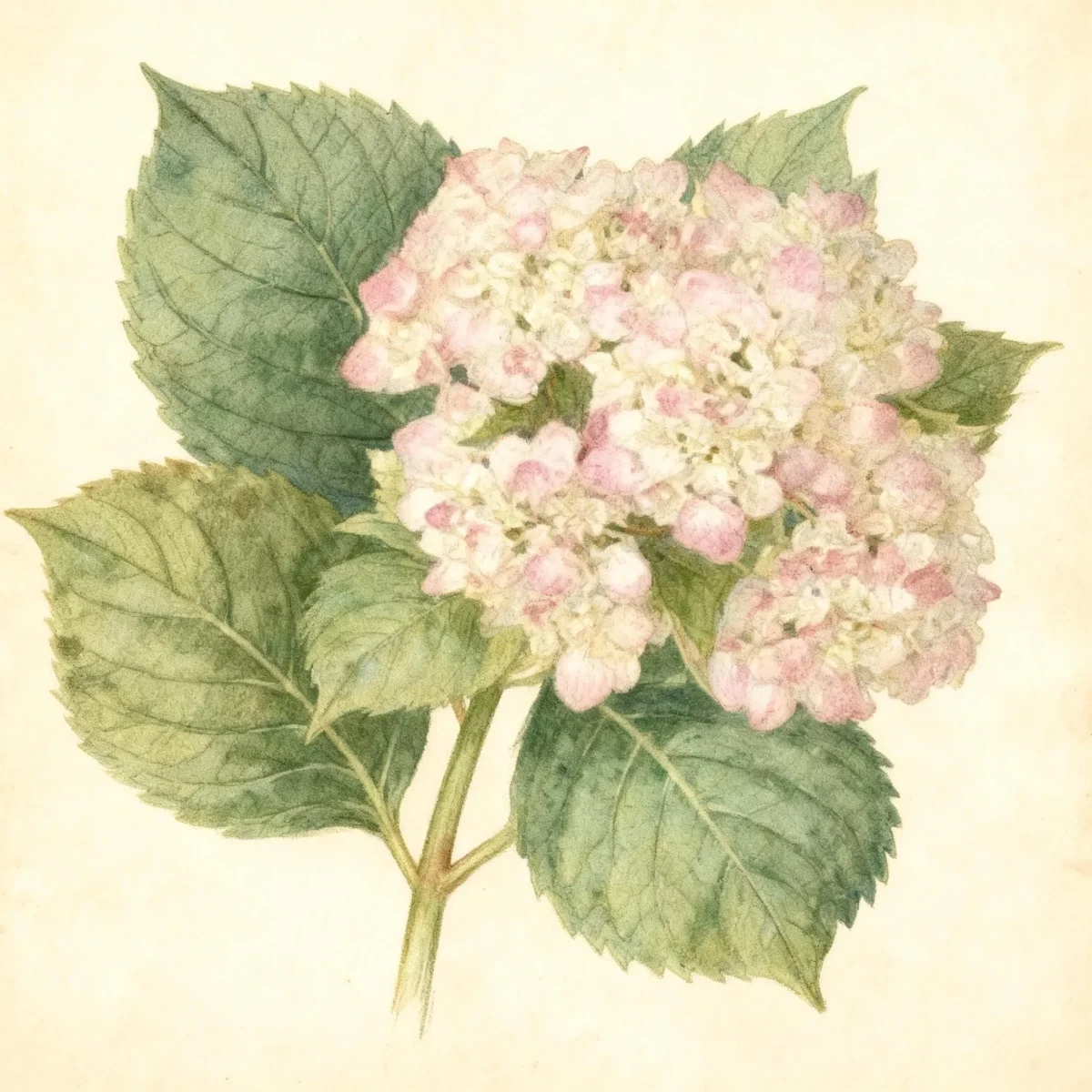
Bigleaf hydrangea (Hydrangea macrophylla 'Robert' LET'S DANCE MOONLIGHT)
The reblooming Bigleaf hydrangea, Hydrangea macrophylla 'Robert' LET'S DANCE MOONLIGHT, offers continuous summer color from July to September in zones 5-9.
Scroll down to discover growing tips, care requirements, companion plants, and more
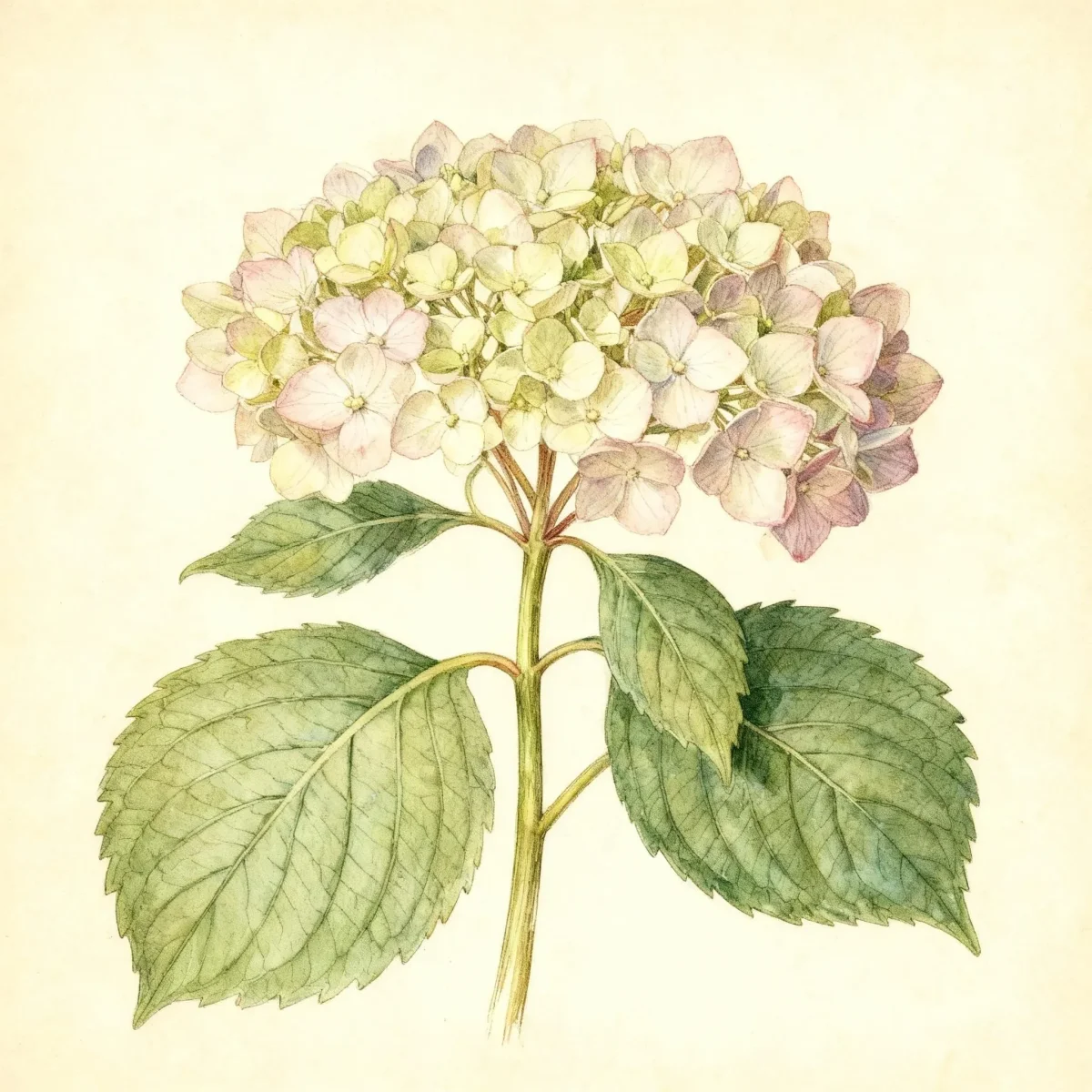
Complete Plant Information
Overview
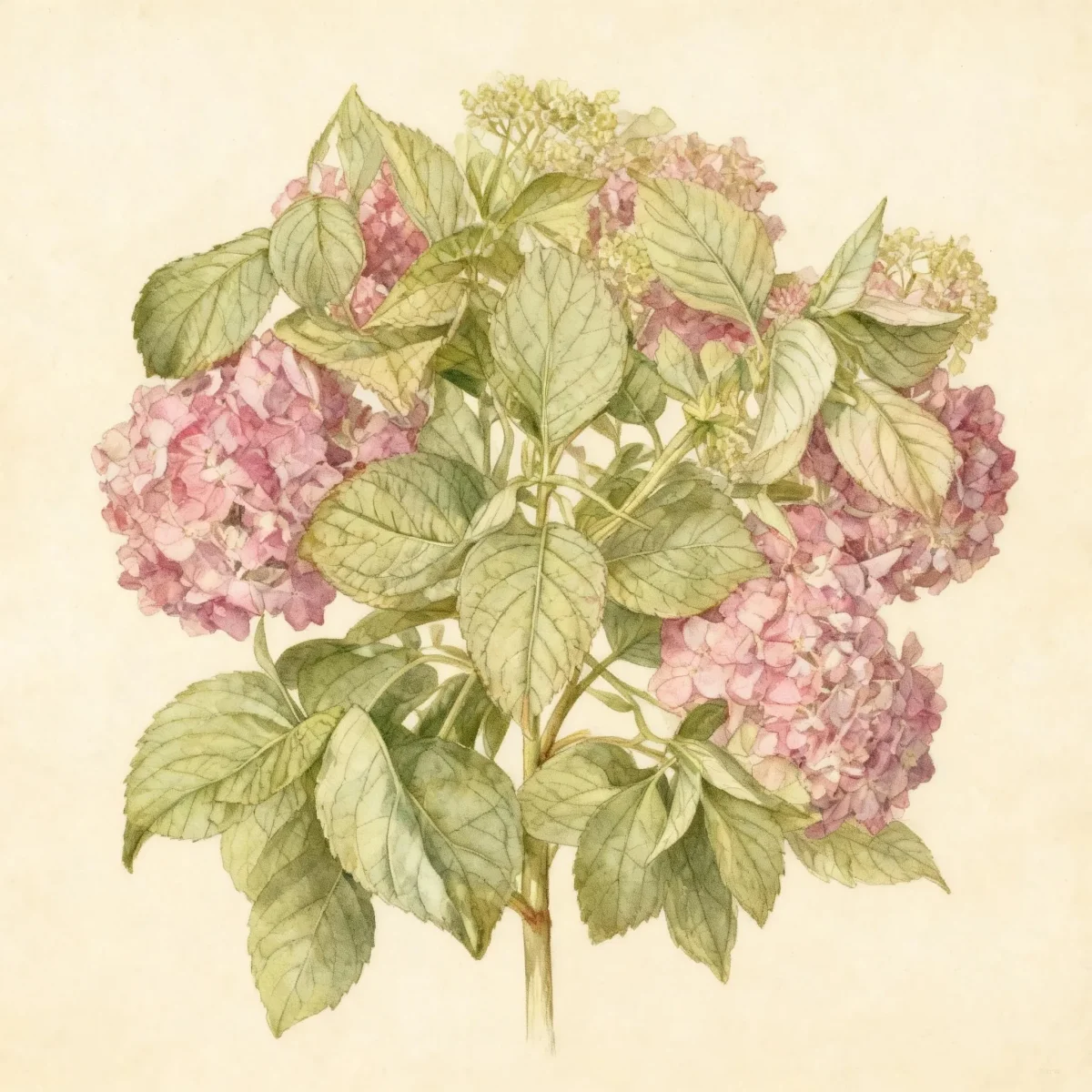
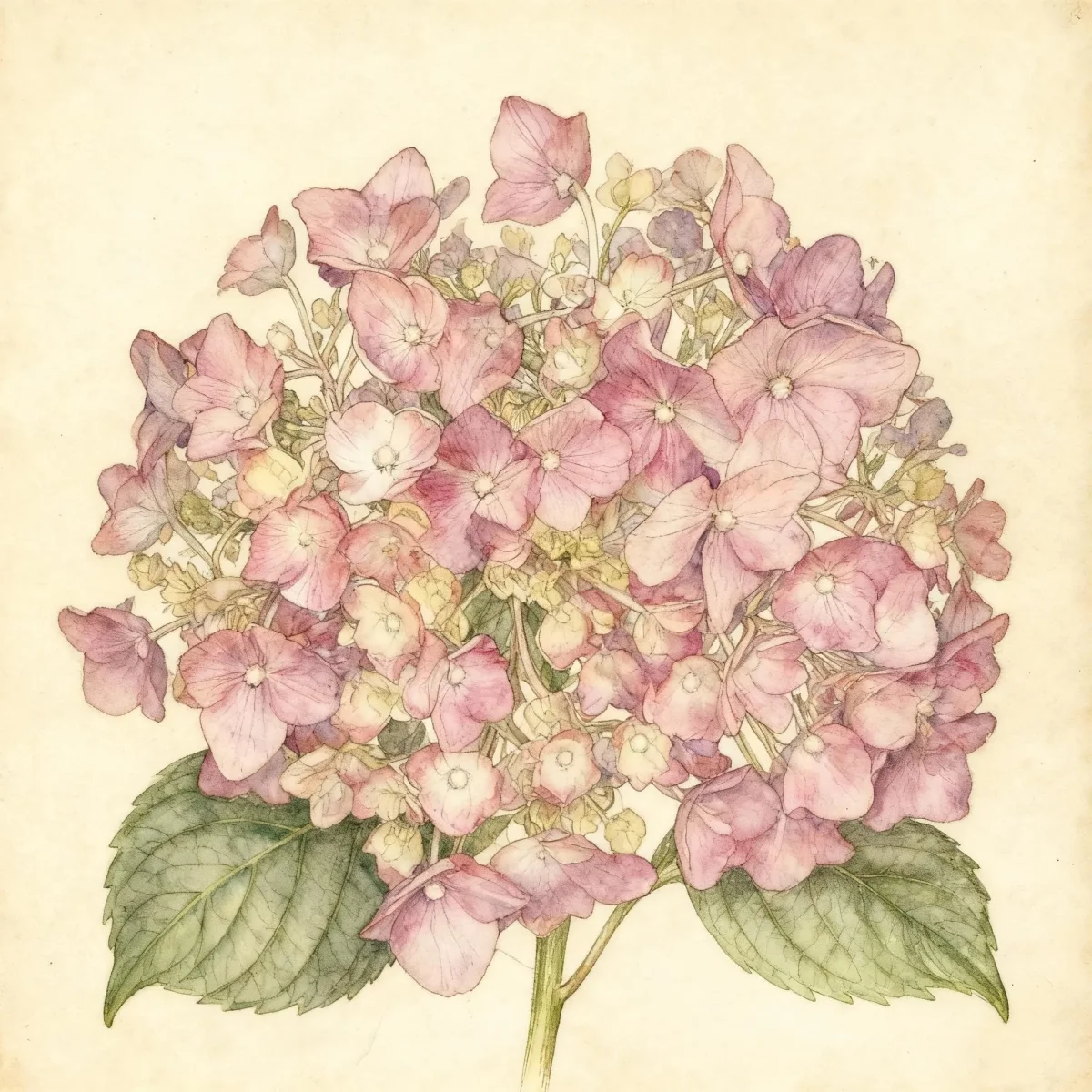
Hydrangea macrophylla ‘Robert’ LET’S DANCE MOONLIGHT is a highly valued deciduous shrub celebrated for its dependable, extended bloom period. As a member of the Let’s Dance Series, this Bigleaf hydrangea is specifically bred to flower on both old and new wood, ensuring consistent color display from mid-summer well into autumn. Its attractive, mophead flower clusters provide significant ornamental impact across the garden canvas.
This cultivar typically matures into a rounded shrub, boasting dark green foliage that often transitions to attractive bronze-red tones in the fall. While the size range is generally 3 to 6 feet tall, the specific ‘Robert’ selection often remains more compact. Gardeners should note that its vigorous, reliable flowering across varying winter conditions sets this particular Bigleaf hydrangea apart from many standard varieties.
Providing medium water needs and requiring protection from harsh afternoon sun, Hydrangea macrophylla ‘Robert’ LET’S DANCE MOONLIGHT thrives best in rich, well-drained soil. Its long bloom time, combined with its reblooming nature, makes it an excellent anchor plant for borders or as a specimen where season-long performance is desired.
Fast Facts
- Plant Family: Hydrangeaceae
- Plant Type: Deciduous shrub
- Hardiness Zones: USDA Zones 5-9
- Size at Maturity:
- Height: 3-6 ft
- Spread: 3-6 ft
- Bloom Time: July to September
- Bloom Description: Rose pink to blue
- Sun Exposure: Part shade
- Water Needs: Medium
- Maintenance Level: Medium
How to Grow
For best establishment, plant this Bigleaf hydrangea with rich, medium-moisture, well-drained soil in a location receiving partial shade. While it tolerates full sun, this is only advisable if soil moisture is maintained consistently throughout the growing season. Soil pH is a crucial cultural factor, as it dictates flower color: highly acidic soils (pH 5.5 or less) encourage blue blooms, while slightly acidic to alkaline soils (pH 6.0 or higher) produce rose-pink flowers. Adjust soil pH using aluminum sulfate for bluer tones or lime for pinker tones, initiating these treatments in late autumn or early spring to affect the upcoming bloom.
Watering should be consistent, meeting its medium water needs, especially during dry spells. Generally, pruning requirements for Hydrangea macrophylla ‘Robert’ LET’S DANCE MOONLIGHT are minimal due to its reblooming nature on both wood types. If pruning is absolutely necessary, shape the plant immediately after the first flush of bloom fades by cutting stems back to a healthy pair of buds. In late winter or early spring, assess and remove any weak or damaged stems.
Protecting the roots and stems is beneficial, particularly if growing near the lower limit of Zone 5. Apply a thorough 3-inch layer of mulch using shredded bark, compost, or peat year-round. While older hydrangeas in Zone 5 risk die-back or bud loss from harsh winters, this reblooming cultivar is more reliable; however, gardeners in Zone 5 should still consider extra winter protection for maximum bud survival.
Landscape Uses
The adaptability of Hydrangea macrophylla ‘Robert’ LET’S DANCE MOONLIGHT makes it versatile across many landscape designs. It performs exceptionally well when massed in the shrub border, creating a continuous wall of summer color. Its reliable structure also qualifies it for use as an accent or specimen planting near foundations or patios where its large flower clusters can be easily viewed up close.
This Bigleaf hydrangea excels when used formally as a hedge, providing a medium-height screen that rewards the gardener with long-lasting blooms rather than standard foliage. Consider companion planting with shade-tolerant perennials like Hosta or Astilbe, or underplanting with spring bulbs that emerge before the hydrangea foliage fully develops.
For those with smaller spaces, Hydrangea macrophylla ‘Robert’ LET’S DANCE MOONLIGHT is an excellent candidate for containers. When potted, ensure that watering routines account for containers drying out faster than garden beds, especially during the heat of July and August when bloom production is peaking.
Standout Features
Flower Qualities
- Showy
Noteworthy Characteristics
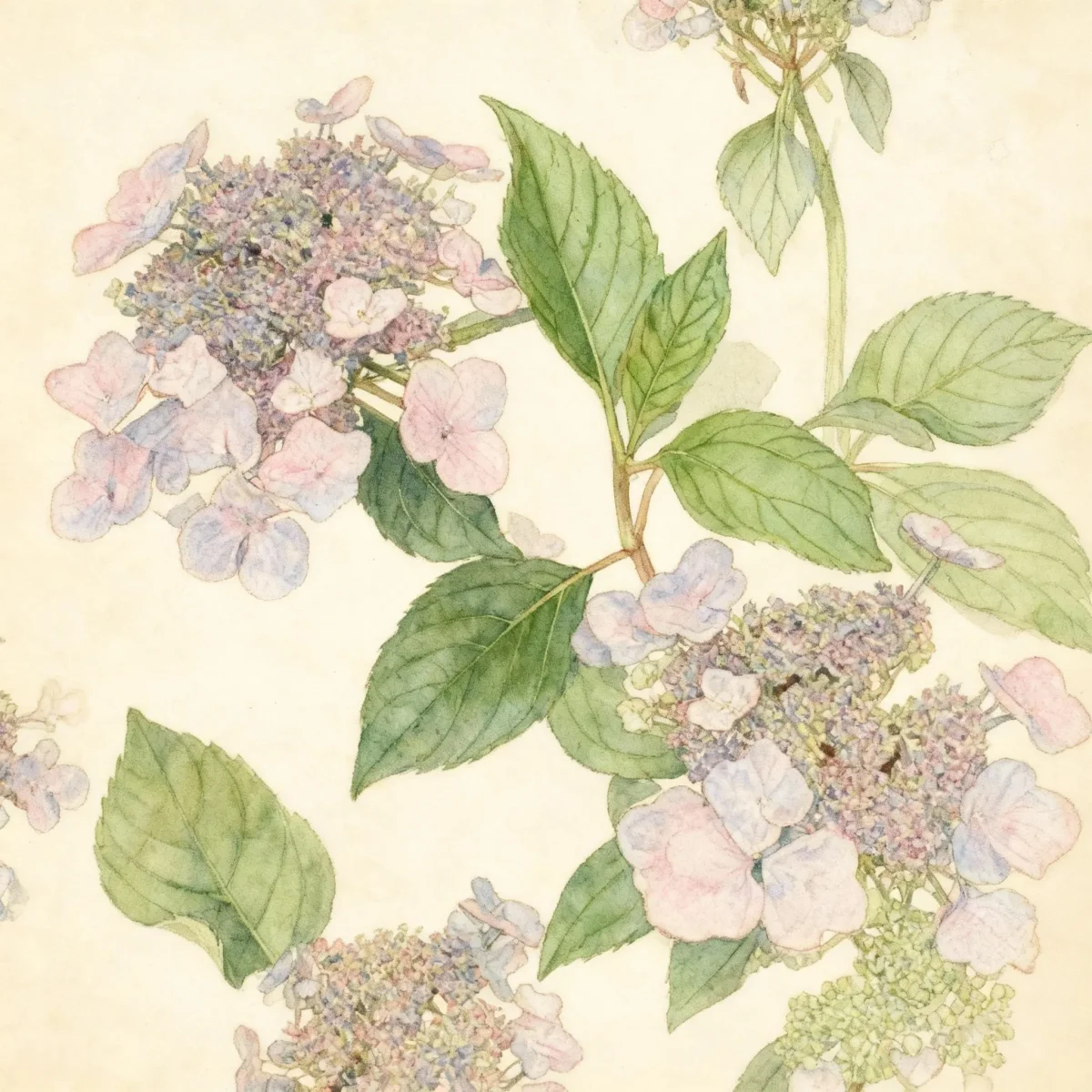
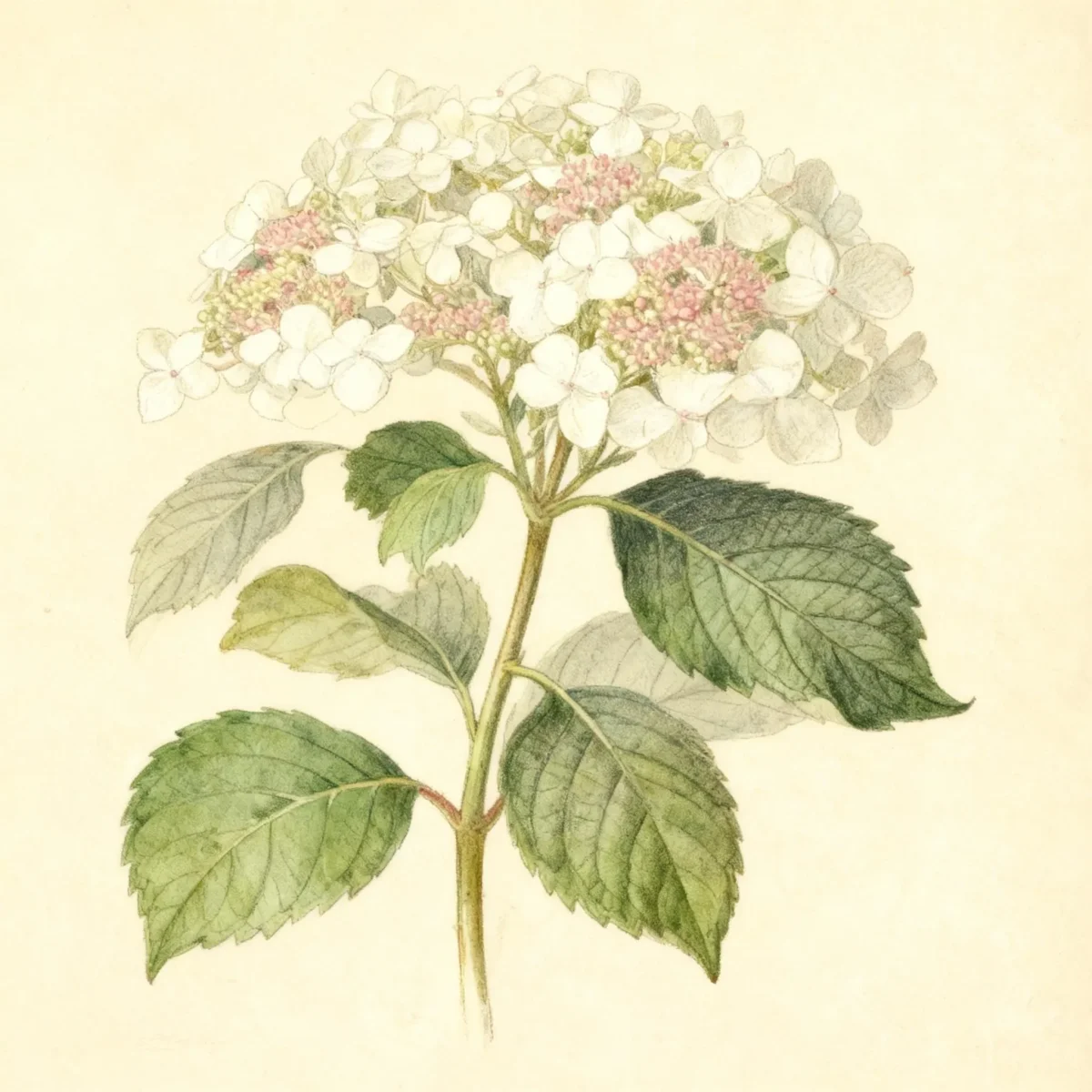
Hydrangea macrophylla, commonly called big leaf hydrangea, is a deciduous shrub with a rounded habit that, in the St. Louis area, typically grows 3-6’ tall and as wide unless damaged by harsh winters or pruned smaller. It generally features serrate, obovate to elliptic, dark green leaves (4-8” long) and large clusters of long-blooming summer flowers in either lacecap form or mophead form. ‘Robert’, commonly sold under the trade name of LET’S DANCE MOONLIGHT, is a mophead cultivar that produces rich rose-pink or blue mopheads (depending on soil pH) on both old and new wood, resulting in a somewhat continuous bloom from July through September. This reliability means the plant will generally bloom each year, even if winter temperatures affect buds on old wood, as new growth will still produce flowers later in the season.
Tolerances
- None listed
Potential Problems
This Bigleaf hydrangea may occasionally show susceptibility to issues like bud blight, bacterial wilt, leaf spot, and mildew. Regular scouting of the foliage, particularly after wet periods, helps catch leaf spot or mildew early; ensure good air circulation around the shrubs to mitigate fungal issues. Aphids are known occasional visitors; minor infestations can often be washed off with a strong jet of water, though persistent problems may require horticultural oil or insecticidal soap treatment.
Frequently Asked Questions
What hardiness zones is Bigleaf hydrangea suitable for?
Hydrangea macrophylla ‘Robert’ LET’S DANCE MOONLIGHT is generally suited for USDA Hardiness Zones 5 through 9.
How large does Hydrangea macrophylla ‘Robert’ LET’S DANCE MOONLIGHT grow?
This cultivar typically reaches a mature height and spread between 3 and 6 feet, although it can sometimes be more compact depending on local conditions and cultivar strain.
What sun exposure does Bigleaf hydrangea need?
This shrub performs best when situated in part shade. It can tolerate full sun if the soil remains consistently moist.
When does Hydrangea macrophylla ‘Robert’ LET’S DANCE MOONLIGHT bloom?
This reblooming Bigleaf hydrangea produces flowers from July through September, displaying colors ranging from rose pink to blue, depending on soil pH.
Conclusion
The Hydrangea macrophylla ‘Robert’ LET’S DANCE MOONLIGHT stands out due to its superior reblooming capabilities, offering reliable summer-to-fall color even after challenging winters. Incorporating this robust Bigleaf hydrangea into foundations, borders, or containers guarantees dependable floral interest throughout the warmest months. Before planting, confirm your location falls within USDA Zones 5-9 and plan your soil amendments early to achieve your desired pink or blue flower hue.
Companion Planting
Choosing companions that share similar cultural requirements enhances the overall health and aesthetic of your Bigleaf hydrangea plantings. Since Hydrangea macrophylla ‘Robert’ LET’S DANCE MOONLIGHT prefers rich, consistently moist, well-drained soil and part shade, look for shade-loving woodland perennials. Excellent partners include Ferns, which provide fine texture contrast against the large hydrangea leaves, and Hostas, which offer varied leaf colors and shapes in the understory.
Consider flowering companions that bloom at different times to extend visual interest across the entire season. Digitalis (Foxglove) blooms earlier in late spring/early summer, complementing the spring foliage before the hydrangea’s main show starts. Astilbe thrives in similar moist, shaded conditions and adds feathery plumes of color after the initial hydrangea flush fades, ensuring continuous garden appeal.
Seasonal Care Calendar
Spring preparation focuses on waking up the plant and setting the stage for color. In early spring, prune out any obviously weak or dead wood from the previous winter before new growth begins. Simultaneously, if you wish to adjust flower color, begin soil treatments now by incorporating aluminum sulfate or lime, as timing is important for the season’s blooms.
Summer maintenance revolves primarily around consistent moisture management. As Hydrangea macrophylla ‘Robert’ LET’S DANCE MOONLIGHT is a medium water user and sensitive to drying out under full sun, check soil moisture several times a week, especially during heatwaves. Continue monitoring for occasional pests like aphids while enjoying the robust July to September bloom period.
As autumn approaches, focus shifts to protection and cleanup. If you have a Zone 5 location, consider applying a protective layer of mulch after the first hard frost to insulate any late-forming buds on old wood. Foliage will often display nice bronze-red tones; allow these leaves to remain until they drop naturally before performing a final cleanup of stems around the base for winter dormancy.