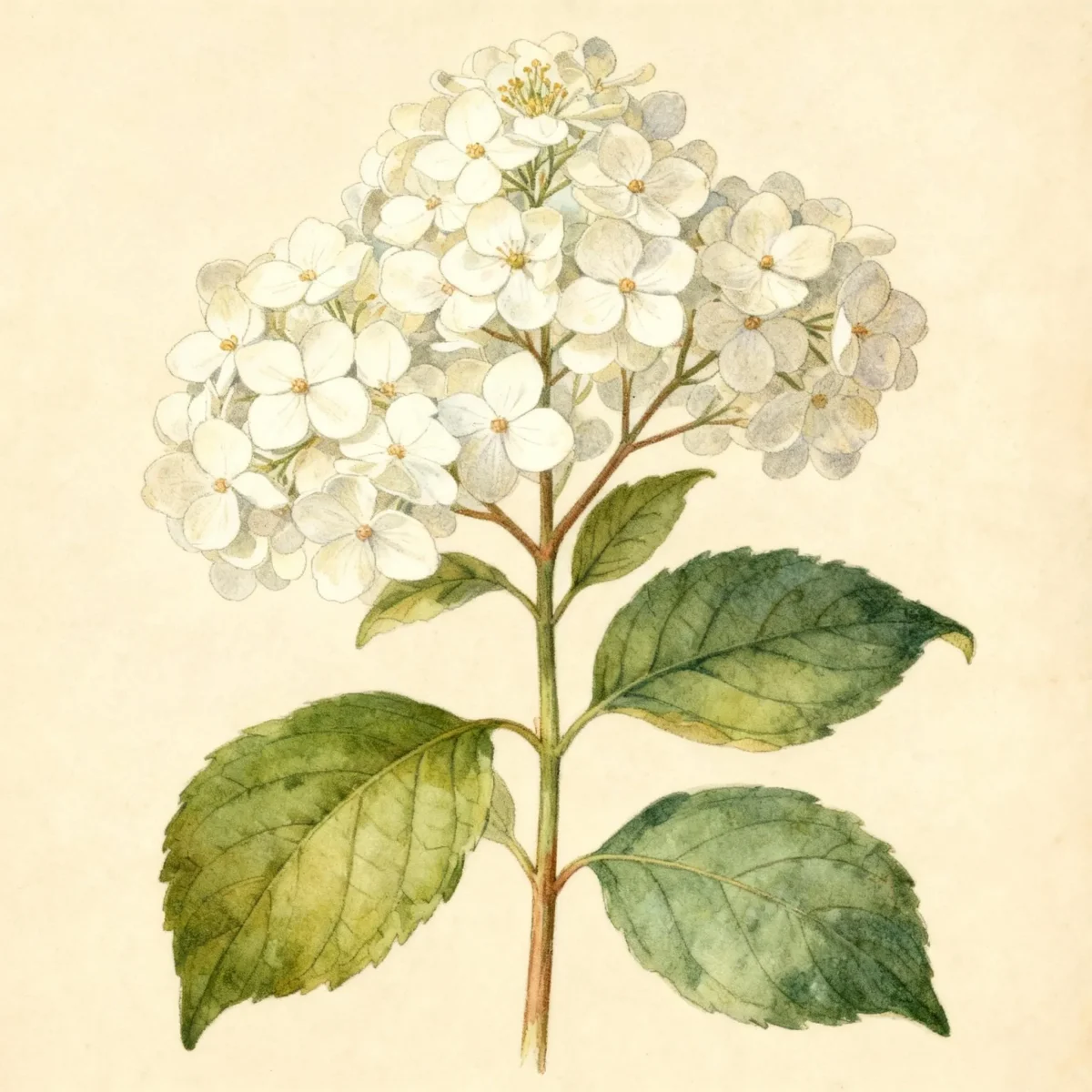
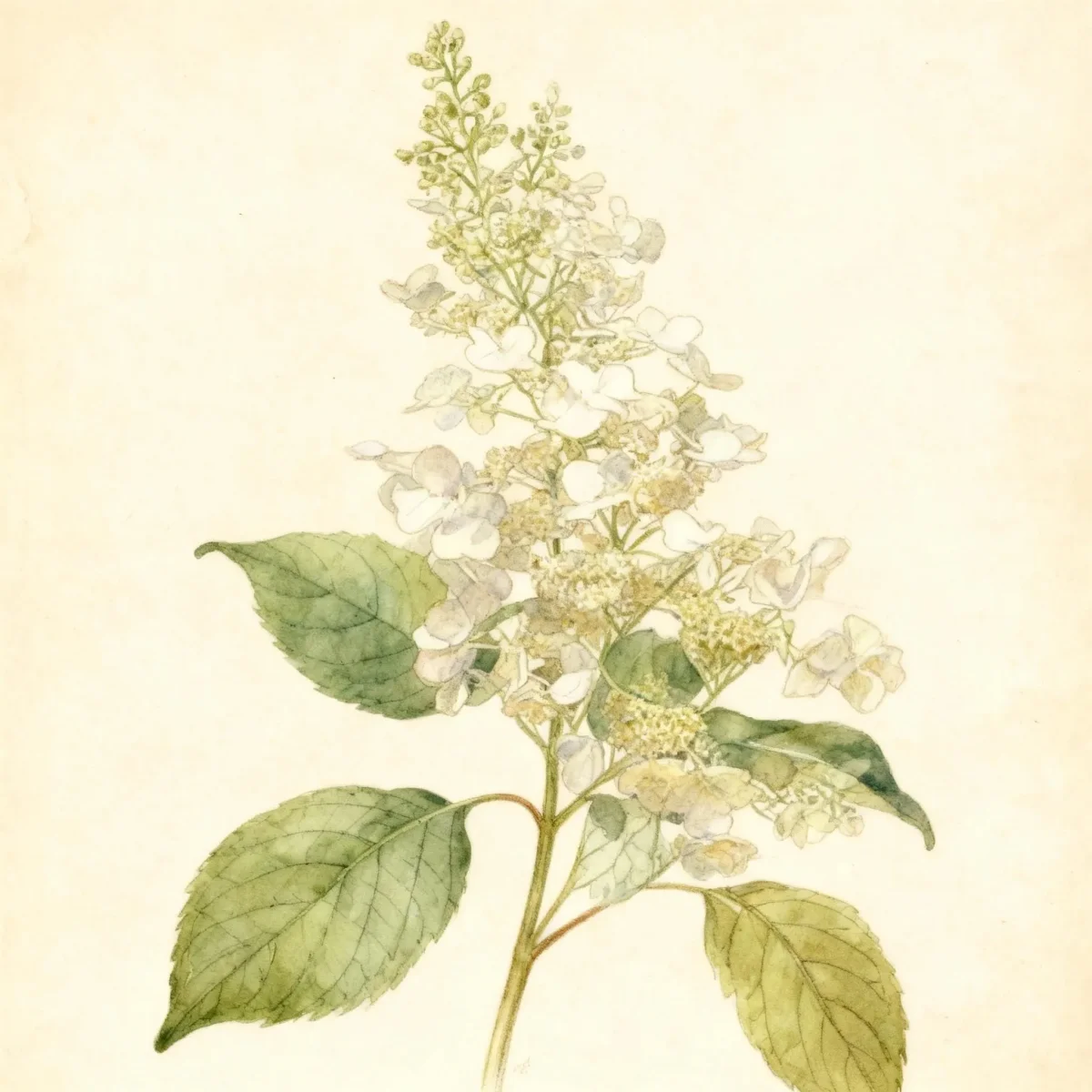
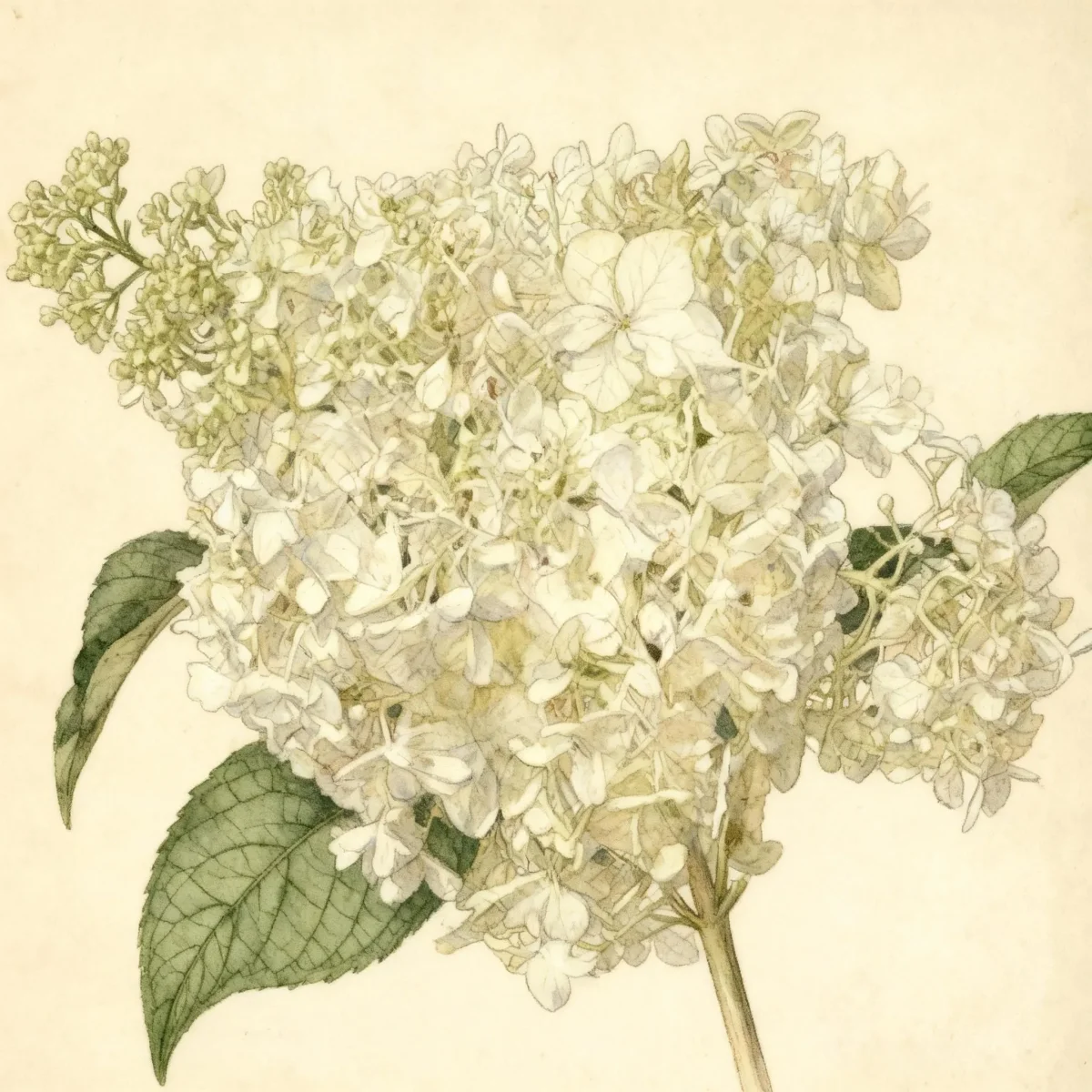
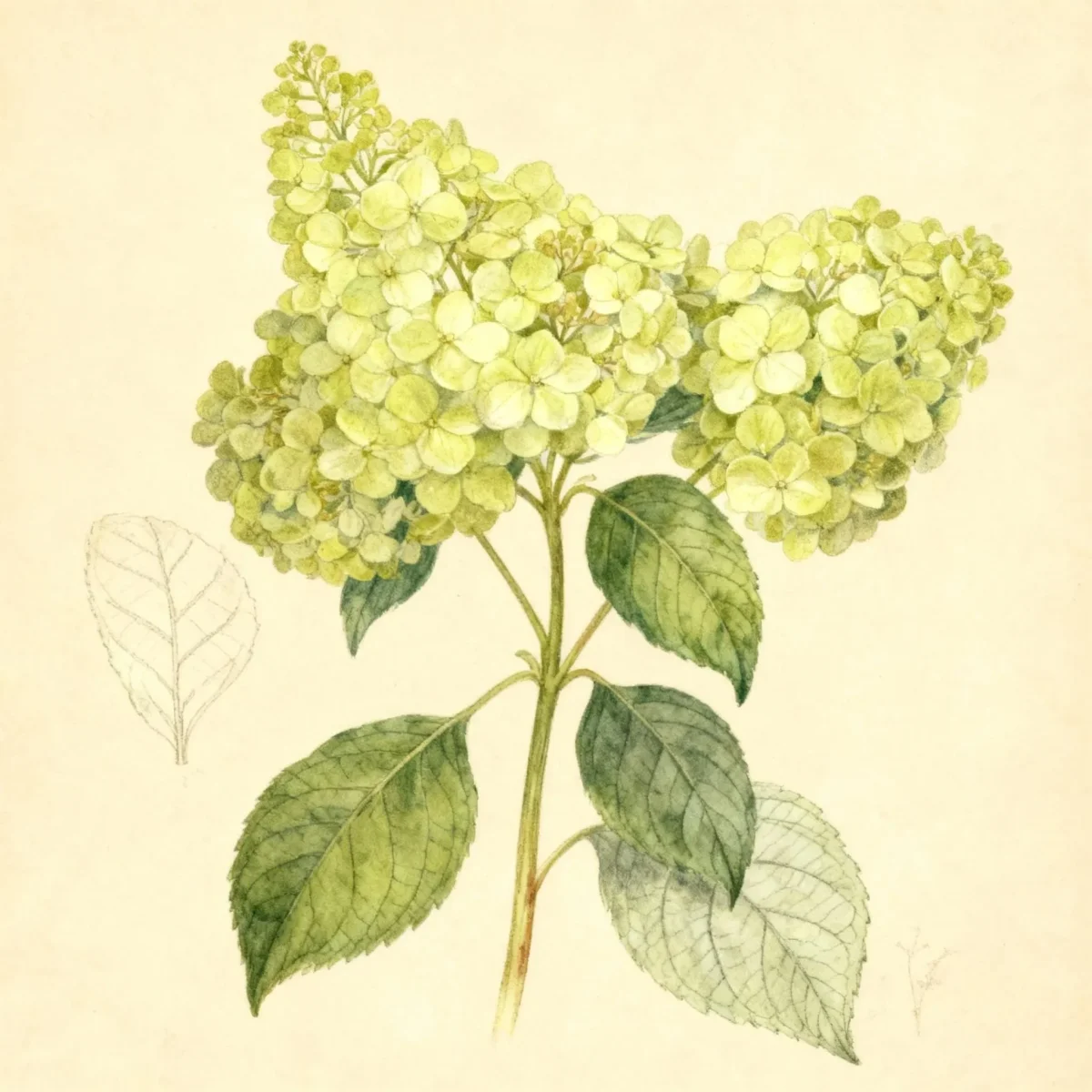
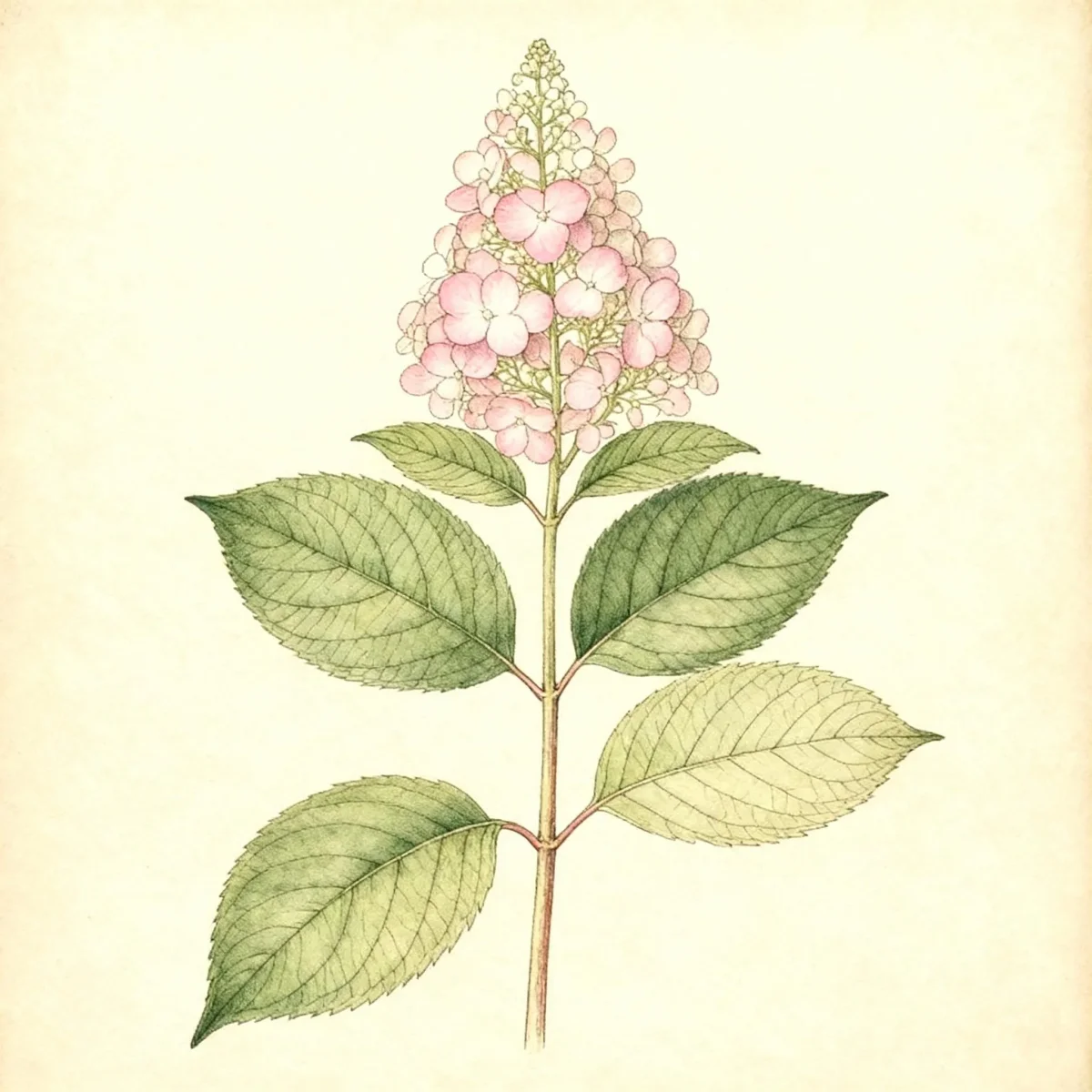
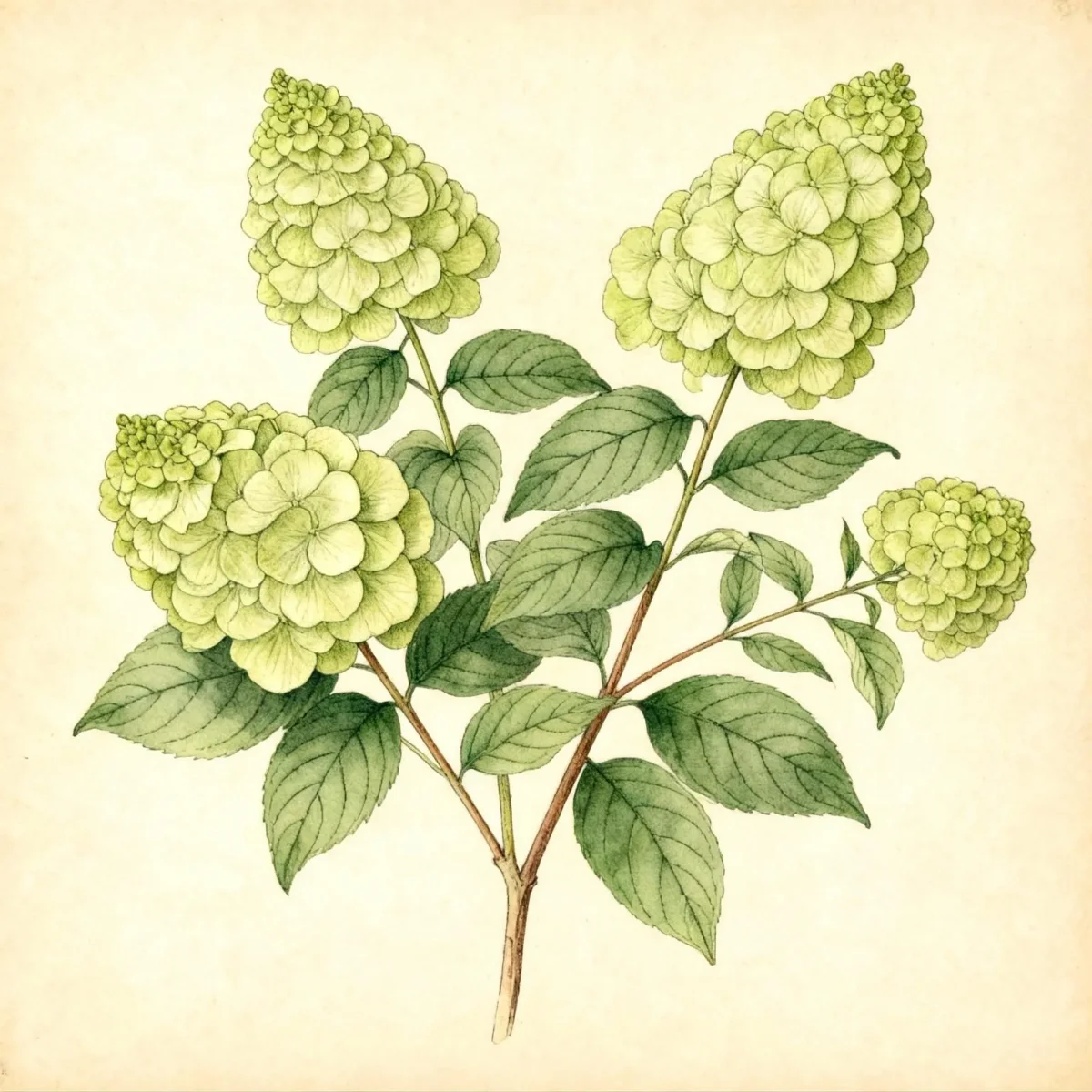
Panicle hydrangea (Hydrangea paniculata 'Interhydia' PINK DIAMOND)
Hydrangea paniculata 'Interhydia' PINK DIAMOND is a robust Panicle hydrangea known for long-lasting white to pink blooms and urban hardiness.
Scroll down to discover growing tips, care requirements, companion plants, and more
Complete Plant Information
Overview
The Hydrangea paniculata ‘Interhydia’ PINK DIAMOND, a celebrated cultivar of the Panicle hydrangea, offers gardeners spectacular and reliable late-season color. This vigorous, upright shrub is prized for its dense, upright, pyramidal flower panicles that transition beautifully from creamy white to a rich pink as summer progresses. It provides substantial structure and dependable performance in the landscape when many other shrubs are finishing their display.
This cultivar is part of the incredibly hardy group of Hydrangea paniculata, capable of thriving in challenging conditions, including urban environments and colder northern zones. It features strong stems, meaning the large flower heads are less prone to flopping over, ensuring an elegant presentation throughout its long bloom period from July through September.
As a fast-growing specimen, the Panicle hydrangea forms an excellent screening hedge or a dramatic standalone accent. Beyond its flowers, the dark green foliage adds texture, making Hydrangea paniculata ‘Interhydia’ PINK DIAMOND a highly effective and low-stress choice for adding season-long interest to mixed borders or open woodland settings.
Fast Facts
- Plant Family: Hydrangeaceae
- Plant Type: Deciduous shrub
- Hardiness Zones: USDA Zones 3-8
- Size at Maturity:
- Height: 8-15 ft
- Spread: 8-15 ft
- Bloom Time: July to September
- Bloom Description: White maturing to pink
- Sun Exposure: Full sun to part shade
- Water Needs: Medium
- Maintenance Level: Medium
How to Grow
For optimal performance, plant Hydrangea paniculata ‘Interhydia’ PINK DIAMOND in the late fall or early spring. This Panicle hydrangea prefers organically rich, medium-moisture, well-drained soils. While it tolerates full sun—which encourages the best flower color and stem strength—it also performs well with partial afternoon shade, especially in hotter climates.
Watering for this shrub should remain consistent, aiming for medium moisture levels, particularly during the establishment period and hot, dry spells. Though it is known for being winter-hardy, proper site selection minimizing wind exposure can help protect developing buds. This shrub thrives in urban conditions, demonstrating resilience to various environmental stressors.
Pruning is crucial for maximizing bloom size and maintaining desired shape. Since bloom occurs on current season’s growth, perform pruning in late winter or very early spring before new growth begins. To encourage truly large flower panicles, thin the plant back to only 5 to 10 robust primary shoots. If desired, Hydrangea paniculata ‘Interhydia’ PINK DIAMOND can be carefully trained into a small, single-trunk tree form, though it excels as a large, multi-stemmed shrub, often reaching 6-10 feet tall with regular shaping.
Landscape Uses
The versatility of this Panicle hydrangea makes it a staple in many landscape designs. Its upright habit is perfectly suited for its suggested use as a formal or informal hedge, providing a colorful screen that blooms well into early autumn. Consider massing several Hydrangea paniculata ‘Interhydia’ PINK DIAMOND shrubs together in a mixed shrub border to create a powerful block of late-season texture and color.
This variety also functions beautifully as a specimen plant due to its strong stems holding the conical blooms erect. Plant it strategically where its arching habit—which occurs naturally when the flower panicles are heavy—can be appreciated, perhaps near a lawn edge or next to a walkway. For a layered look, place it behind shorter perennials or groundcovers that enjoy similar sun and moisture requirements.
When selecting companions, look for plants that provide contrast in texture or bloom time. Since the Hydrangea paniculata ‘Interhydia’ PINK DIAMOND is a large structural element, consider pairing it with fine-textured evergreens or late-blooming perennials like Rudbeckia or ornamental grasses to complement its summer show.
Standout Features
Noteworthy Characteristics
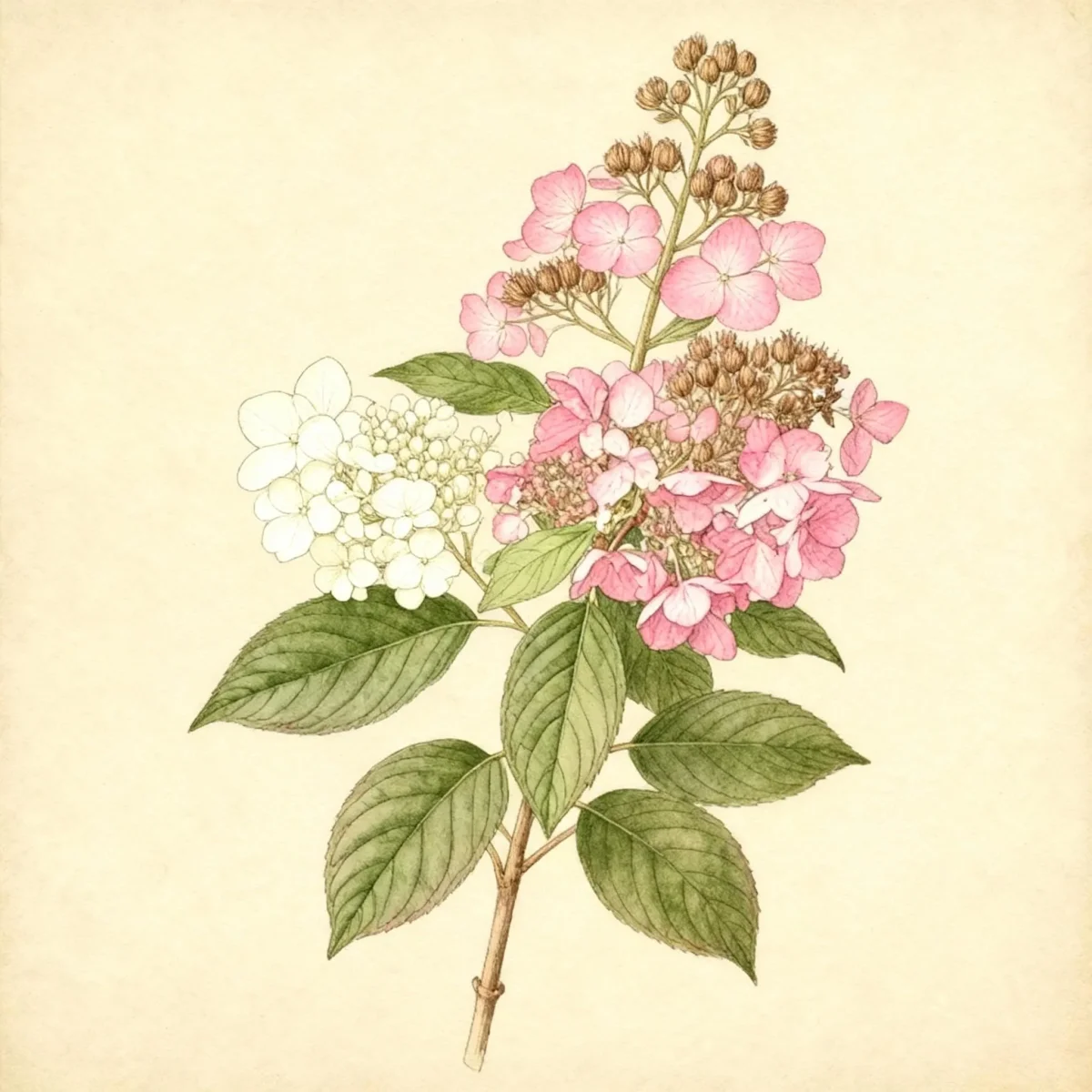
Hydrangea paniculata, commonly called panicle hydrangea, is a vigorous, upright, rapid-growing, somewhat coarsely textured, deciduous shrub that is native to China and Japan. Its cultivar, ‘Interhydia’, often sold as PINK DIAMOND, is noted for producing dense, pyramidal, cone-shaped panicles that can reach up to 12 inches long. The flowers emerge white but mature to a rich pink color, and the plant features strong, stiff stems that prevent drooping, even when fully laden with blooms from July through September.
Tolerances
- Air Pollution
Potential Problems
This Panicle hydrangea exhibits general susceptibility to several common fungal issues, including leaf spot, rust, and mildew. Occasionally, sap-sucking pests like aphids and mites may be present, though they rarely cause severe damage to the robust Hydrangea paniculata ‘Interhydia’ PINK DIAMOND. To minimize disease risk next season, ensure good air circulation by pruning correctly and avoid overhead watering late in the day; if necessary, use targeted fungicides for fungal prevention.
Frequently Asked Questions
What hardiness zones is Panicle hydrangea suitable for?
The Hydrangea paniculata ‘Interhydia’ PINK DIAMOND is highly reliable across USDA Zones 3 through 8, making it suitable for a wide climatic range.
How large does Hydrangea paniculata ‘Interhydia’ PINK DIAMOND grow?
This cultivar typically reaches a height between 8 and 15 feet and spreads between 8 and 15 feet wide at maturity, forming a substantial, rounded shrub.
When does Panicle hydrangea bloom?
It provides reliable color from peak bloom time in July, continuing through September, with flowers that start white and age to a beautiful pink.
What sun exposure does Hydrangea paniculata ‘Interhydia’ PINK DIAMOND need?
This plant performs best receiving full sun, though it tolerates part shade quite well, especially in regions experiencing intense afternoon heat.
Conclusion
The Hydrangea paniculata ‘Interhydia’ PINK DIAMOND stands out as an exceptionally sturdy and rewarding garden shrub, delivering reliable height, structure, and enduring late-summer color. Its ability to mature from white to pink, combined with its strong stems, ensures that this Panicle hydrangea remains upright and showy. Before planting, confirm that your site falls within USDA Zones 3-8 and plan for an early spring pruning schedule to ensure the largest flower display possible.
Companion Planting
When integrating Hydrangea paniculata ‘Interhydia’ PINK DIAMOND into a mixed border, select companions that offer contrasting foliage textures to enhance its coarse, upright habit, or those that bloom before or after its July-to-September peak. Consider pairing it with plants that share its preference for rich, well-drained soil and medium moisture, such as Japanese Forest Grass (Hakonechloa macra) for soft, cascading texture near its base, or upright conifers for reliable year-round structure. Early-season bloomers like Peonies or Siberian Irises, which fade nicely before the hydrangea takes center stage, create a seamless transition of interest across the growing season.
Seasonal Care Calendar
Spring is the most critical time for shaping this specific Panicle hydrangea. In late winter or very early spring, before bud break, prune the plant by removing any weak, damaged, or crossing stems. For the most impressive, largest panicles on your Hydrangea paniculata ‘Interhydia’ PINK DIAMOND, thin the overall structure down to the sturdiest 5-10 main stems, cutting back to just above a strong, developing bud. Summer watering should be deep and consistent, especially if grown in full sun, allowing the soil to approach dry before rewatering thoroughly. In fall, resist the urge to prune; the dried flower heads can be left standing through winter for structural interest and wildlife shelter.