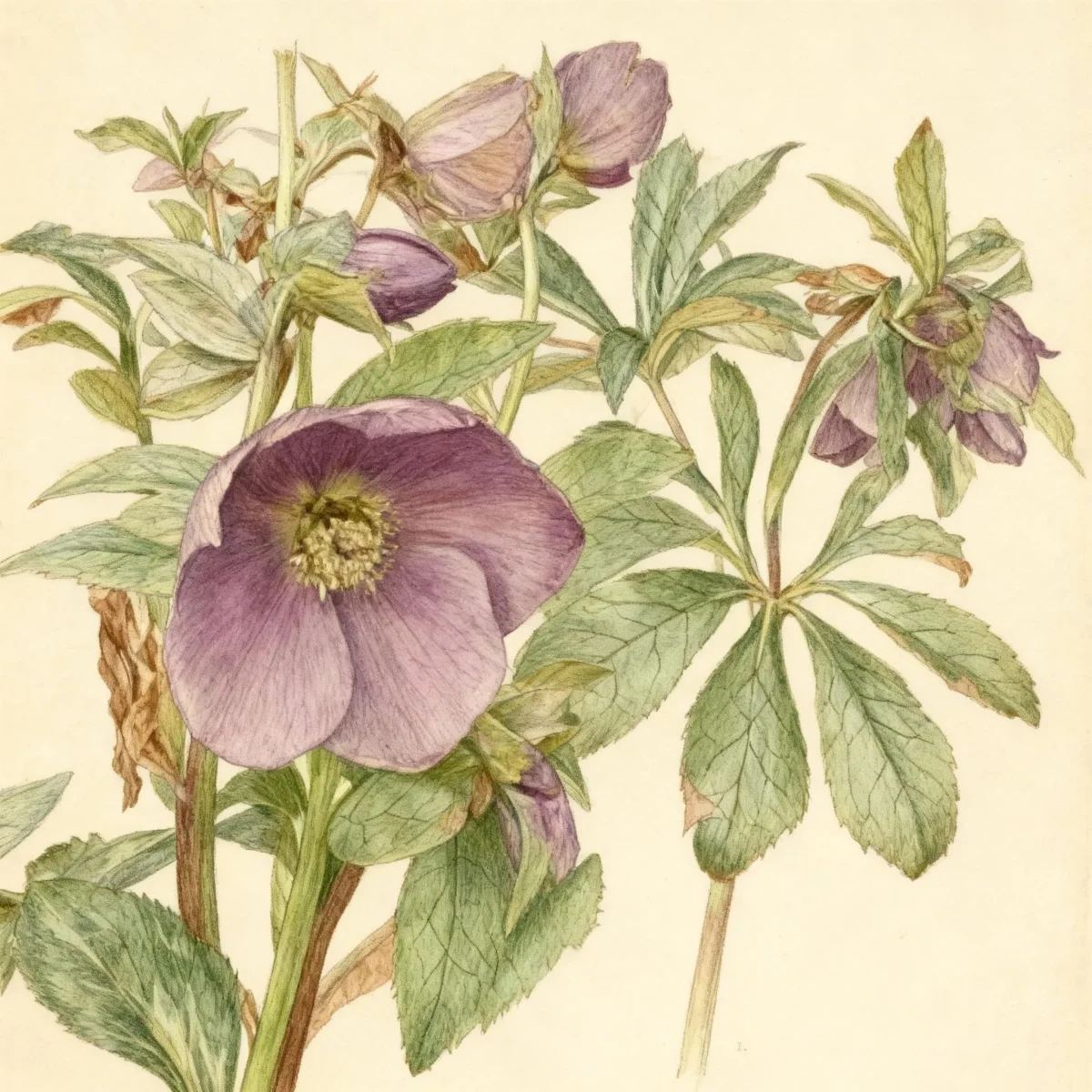
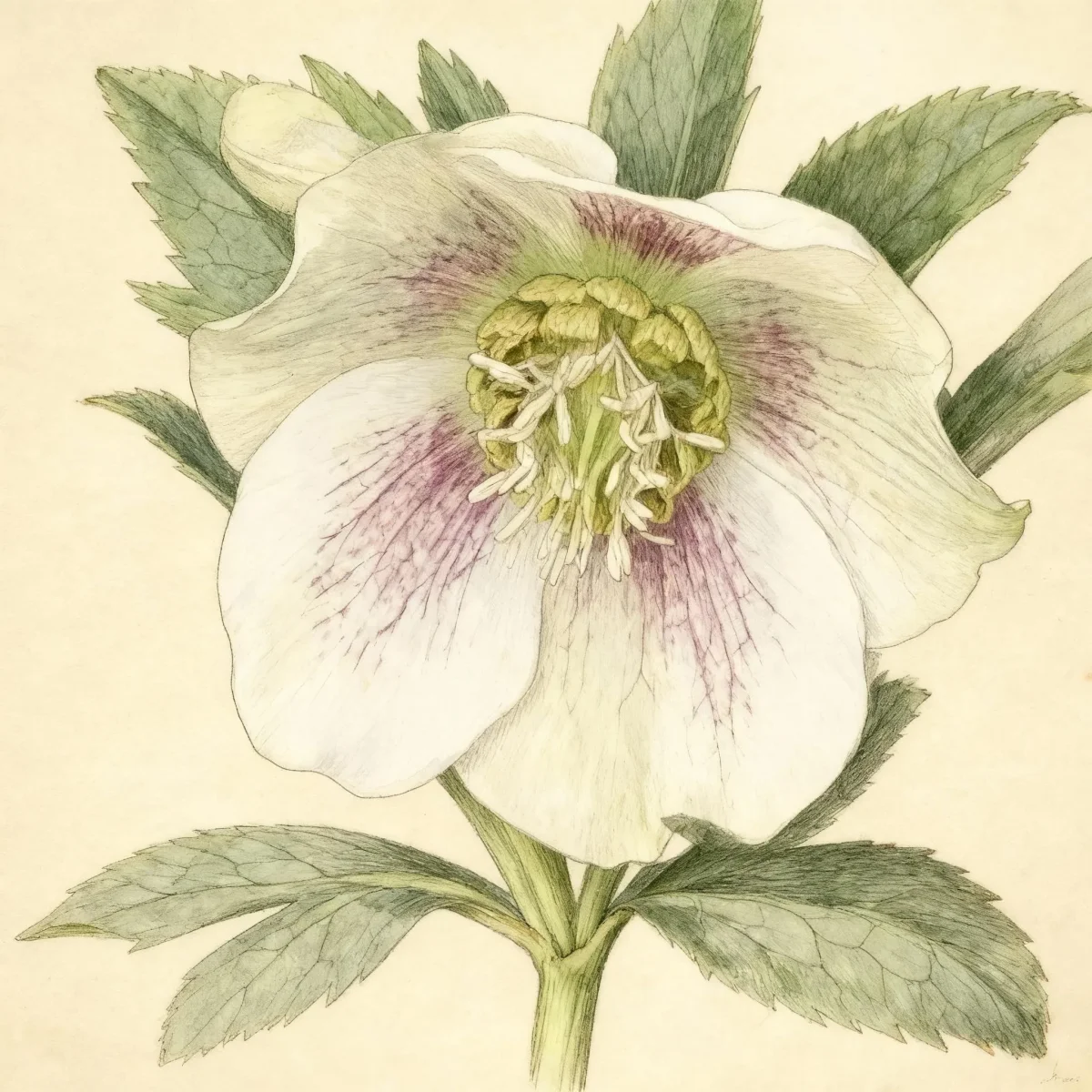
Hellebore (Helleborus × hybridus (Lady Mix))
Discover the evergreen Helleborus × hybridus (Lady Mix), a low-maintenance Hellebore blooming from March to May in shady spots.
Scroll down to discover growing tips, care requirements, companion plants, and more
Complete Plant Information
Overview
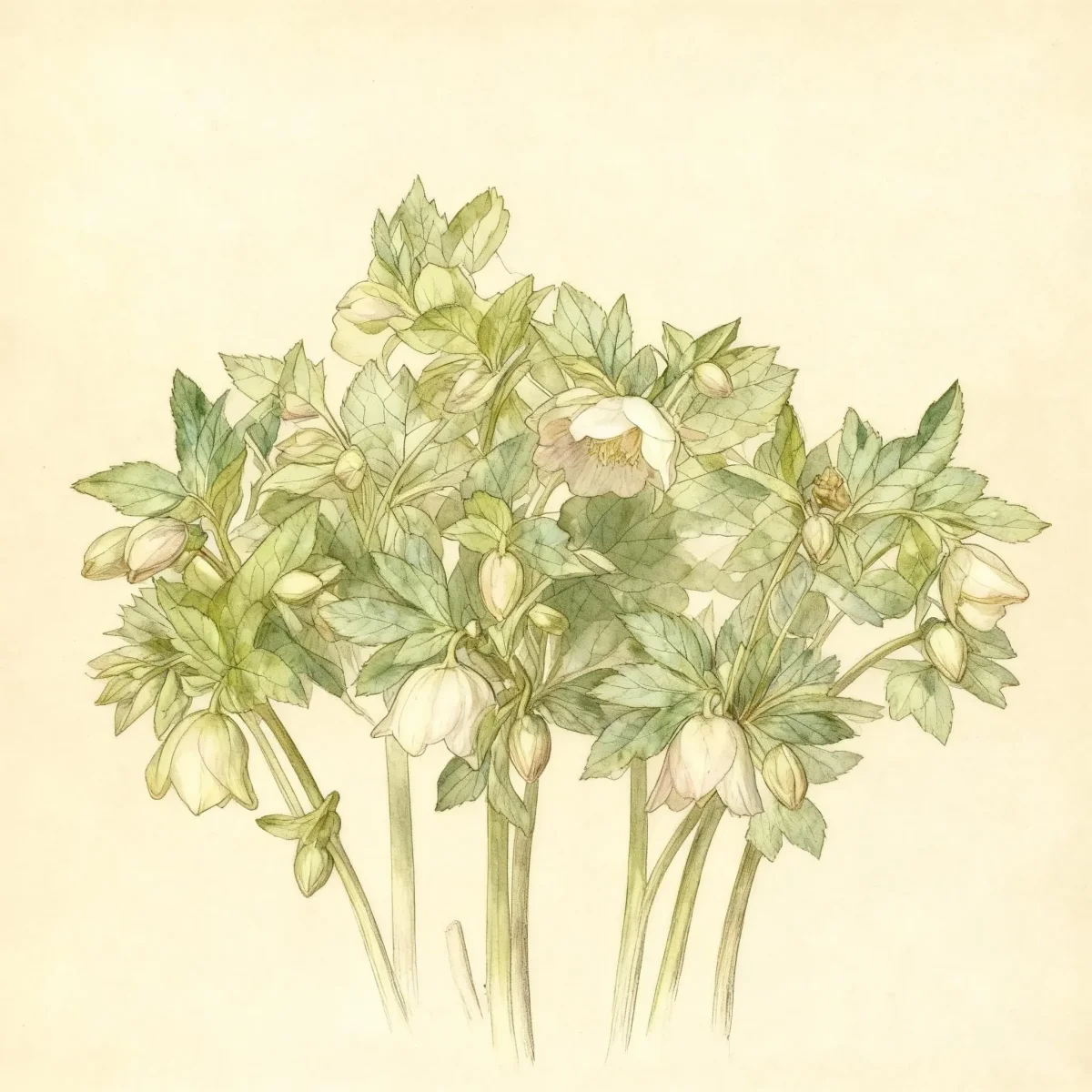
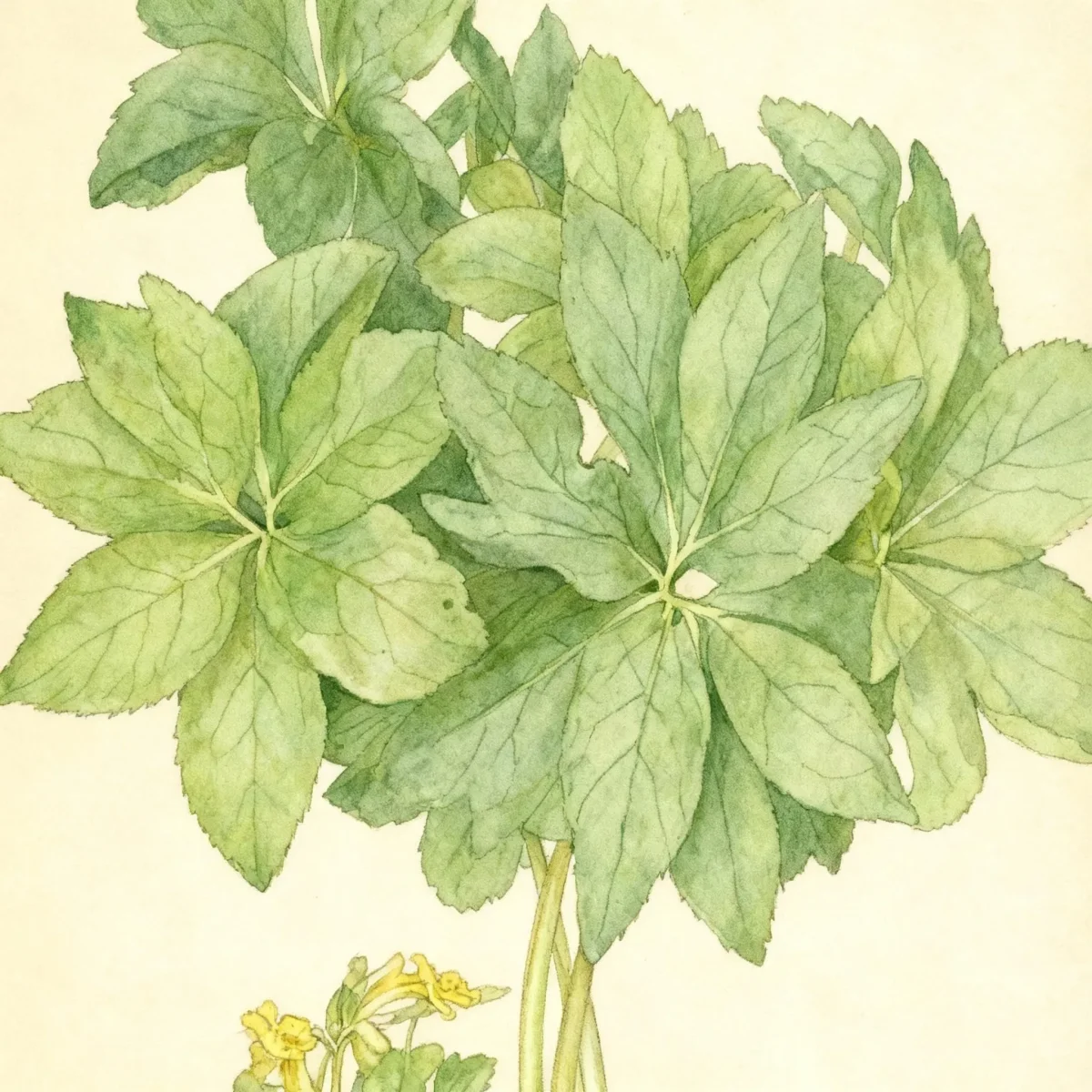
The Helleborus × hybridus (Lady Mix), commonly known as Hellebore or Lenten rose, is highly valued for its exceptionally early bloom time, often appearing when little else is flowering. These bushy, clump-forming perennials offer essential color and interest in the garden from late winter well into spring. Their glossy, dark green evergreen foliage provides excellent year-round structure, particularly in woodland settings.
Growing Helleborus × hybridus (Lady Mix) is straightforward, characterized by low maintenance requirements once established in the correct environment. They thrive in shaded borders and under deciduous trees, providing a reliable burst of white, pink, red, or purple flowers. This adaptability makes the Hellebore a cornerstone for creating colorful, shade-tolerant landscapes that start the gardening season early.
Gardeners appreciate the resilience of this hybrid series, which exhibits strong tolerance to deer and deep shade. Incorporating the Helleborus × hybridus (Lady Mix) ensures that your garden maintains visual appeal throughout the tougher early transition months, rewarding patient gardeners with dependable, beautiful blooms.
Fast Facts
- Plant Family: Ranunculaceae
- Plant Type: Herbaceous perennial
- Hardiness Zones: USDA Zones 4-9
- Size at Maturity:
- Height: 1-1.5 ft
- Spread: 1-1.5 ft
- Bloom Time: March to May
- Bloom Description: White to red to purple
- Sun Exposure: Part shade to full shade
- Water Needs: Medium
- Maintenance Level: Low
How to Grow
Planting Helleborus × hybridus (Lady Mix) is best done in the fall or early spring, setting them into organically rich, fertile, humusy, alkaline soils. Ensure the site provides the preferred light conditions: part shade to full shade, favoring light to moderate shade rather than intense afternoon sun. Good drainage is crucial, as this Hellebore will not tolerate wet feet, which can lead to crown rot.
General care is minimal; these plants prefer medium moisture, so water consistently until they are well-established. While naturally hardy, be mindful that evergreen foliage can suffer scorching in extreme winters, especially without protection from harsh winter winds or insulating snow cover. Pruning involves cutting back old flowering stems immediately after blooming finishes to encourage the unfurling of fresh, healthy foliage during the growing season.
Established clumps of Hellebore that appear congested can be divided in the late summer to early fall. Be aware that growing Helleborus × hybridus (Lady Mix) from seed is slow; plants grown this way often require two full years before they successfully produce their first blooms.
Landscape Uses
The inherent shade tolerance and evergreen nature of the Helleborus × hybridus (Lady Mix) make it perfect for naturalizing under existing canopy layers. These plants are best incorporated in large groups beneath mature trees or large shrubs, where their slow spread through self-seeding creates attractive, ever-widening colonies over time. Using them as mass plantings establishes a durable, year-round ground cover in darker corners of the garden.
Locating these blooms near frequently used areas, such as patios, walkways, or outside a kitchen window, maximizes enjoyment of their early flowers—true harbingers of spring. As suggested use indicates, they integrate beautifully into woodland gardens, blending in seamlessly while providing crucial early structural color that sets the stage for summer perennials.
Standout Features
Flower Qualities
- Showy
Noteworthy Characteristics
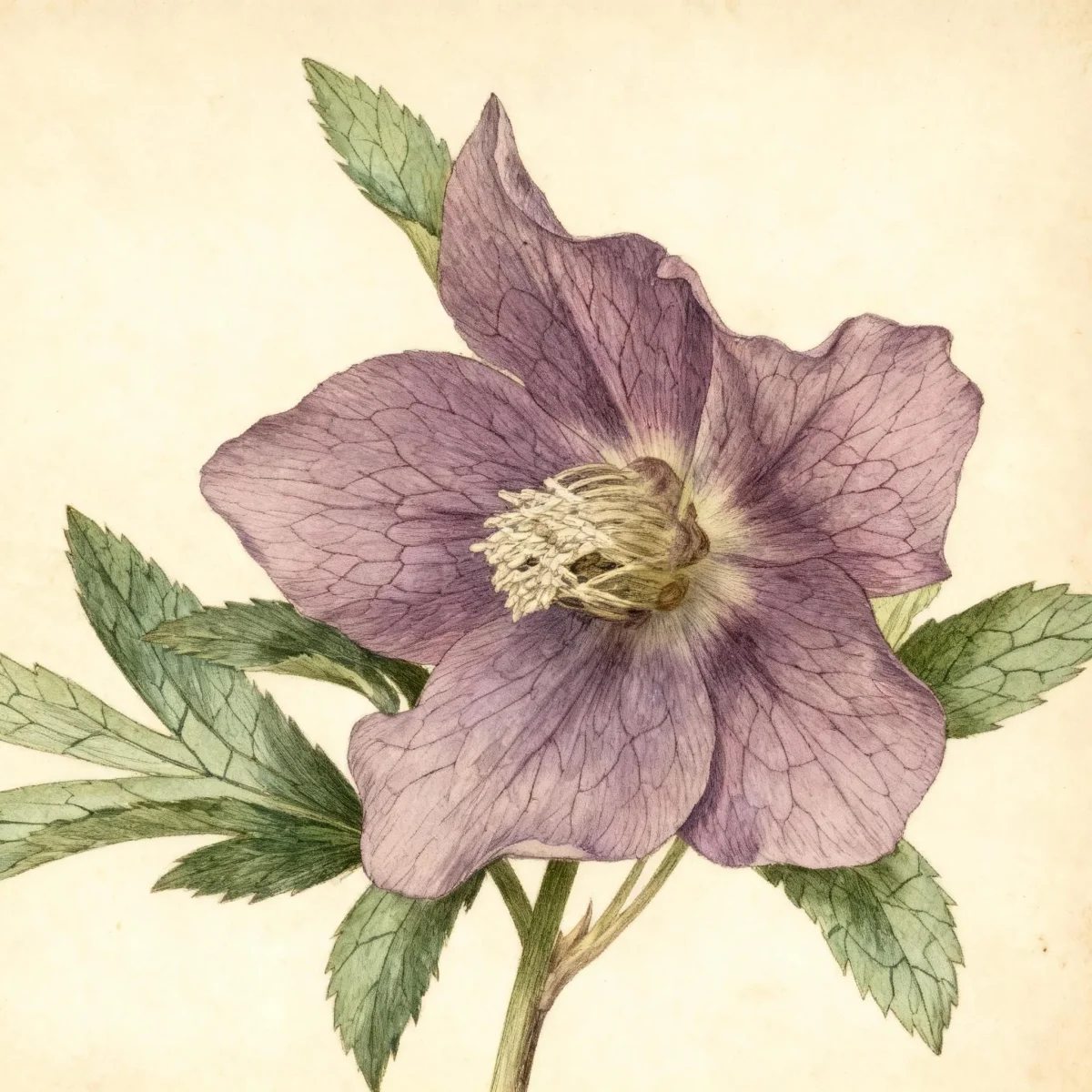
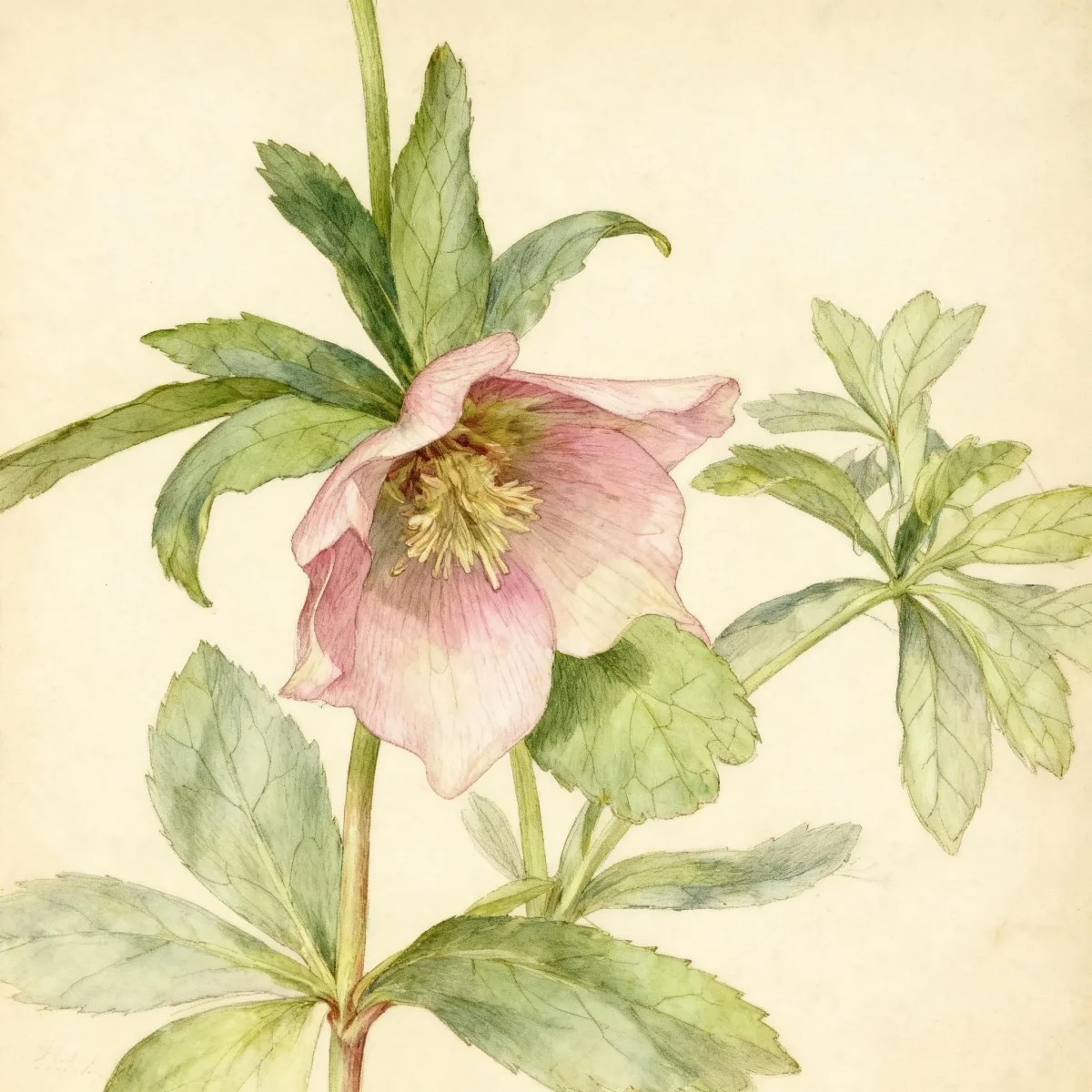
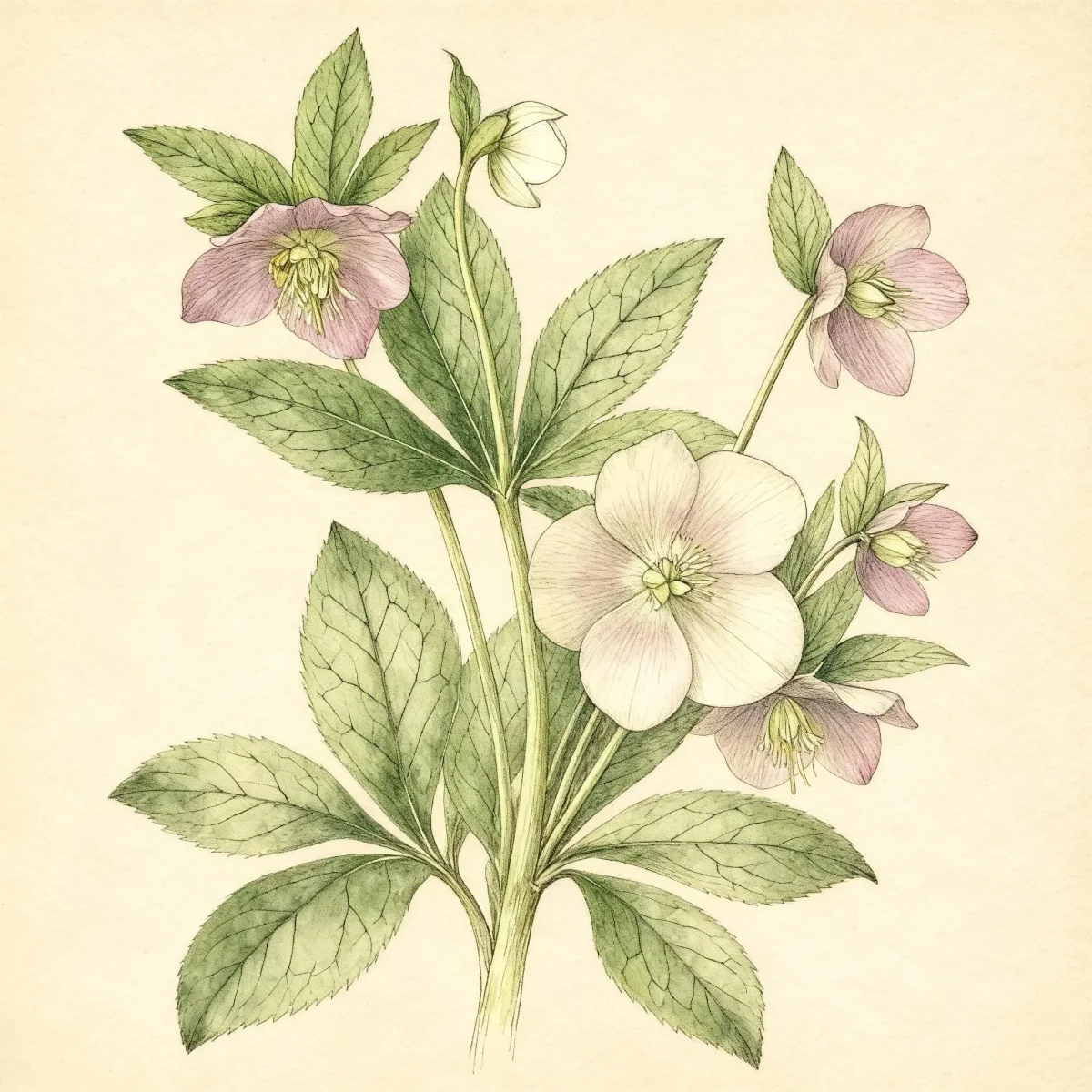
Hybrid hellebores, sometimes commonly called hybrid Lenten roses or hybrid winter roses, are bushy, clump-forming perennials which typically grow to 12-15” tall. They are noted for producing single, cup-shaped flowers (typically 2-3” diameter) with five showy, usually overlapping petals (technically sepals), but sometimes come in a double flowered form. Flowers bloom in a large variety of colors, including various shades and tints of white, pink, red, purple, and yellow, and sometimes have inside spotting. Bloom typically commences in mid to late winter extending into early spring. The Lady Series specifically features ten distinct color strains, offering gardeners specific, quality-controlled palettes.
Tolerances
- Deer
- Heavy Shade
Potential Problems
Hellebores generally exhibit few serious insect or disease issues, contributing to their low maintenance reputation. The plant’s leaves, stems, and roots are poisonous if ingested, so handle with care, especially around pets or small children.
The most common issues are site-related, including occasional crown rot if drainage is poor, or leaf spot, especially in overly damp or crowded conditions. To manage leaf spot, ensure good air circulation and clean up old foliage during the late summer division period or early spring cleanup. Proper siting in well-drained soil is the best preventative measure against most health complaints.
Frequently Asked Questions
What hardiness zones is Hellebore suitable for?
The Helleborus × hybridus (Lady Mix) is adaptable to a wide range, thriving in USDA Hardiness Zones 4 through 9.
How large does Hellebore grow?
This perennial generally reaches mature sizes between 1 to 1.5 feet tall and spreads to a width of 1 to 1.5 feet, forming a neat, manageable clump.
What sun exposure does Hellebore need?
This Hellebore prefers the dappled light environment of part shade, though it tolerates deep, full shade conditions very well.
When does Helleborus × hybridus (Lady Mix) bloom?
You can expect flowers from Helleborus × hybridus (Lady Mix) to appear between March and May, displaying colors ranging from white to deep red and purple.
Conclusion
The Hellebore remains an essential choice for gardeners needing reliable, early-season color in shady areas. With its evergreen foliage and remarkably tough nature, the Helleborus × hybridus (Lady Mix) delivers ongoing aesthetic appeal with minimal intervention. Check your local hardiness zone compatibility now and plan planting during the cooler fall months to maximize spring establishment.
Companion Planting
When designing a shady border featuring Hellebores, select companions that share their cultural needs for moist, humus-rich soil and part shade. Good pairings include hostas, lungwort (Pulmonaria), ferns, and bleeding hearts (Dicentra spectabilis). These plants emerge later in the season, allowing the Hellebore flowers to take center stage before being bordered and softened by emerging, lush foliage.
Grouping the Helleborus × hybridus (Lady Mix) with early spring bulbs like snowdrops (Galanthus) and minor bulbs extends this early color palette even further. Since Hellebores are poisonous and deer resistant—unlike many spring bulbs—they offer a reliable textural contrast without fear of grazing damage.
Propagation Tips
While established Hellebore plants are tempting to divide, successful propagation often relies on collecting seeds, though this requires significant patience. If you choose to divide older, congested clumps, perform this task in the late summer or early fall when the plant is beginning to slow its active growth cycle. Dig carefully to separate the root ball, ensuring that each division retains a healthy portion of roots and crown.
Remember that growing Helleborus × hybridus (Lady Mix) from seed is a lengthy process; plants started this way typically will not reach flowering maturity until their second year. If seeds are collected directly from seed strain mixes, the resulting plants will exhibit wide variation in flower color and form, which can be a delightful surprise.