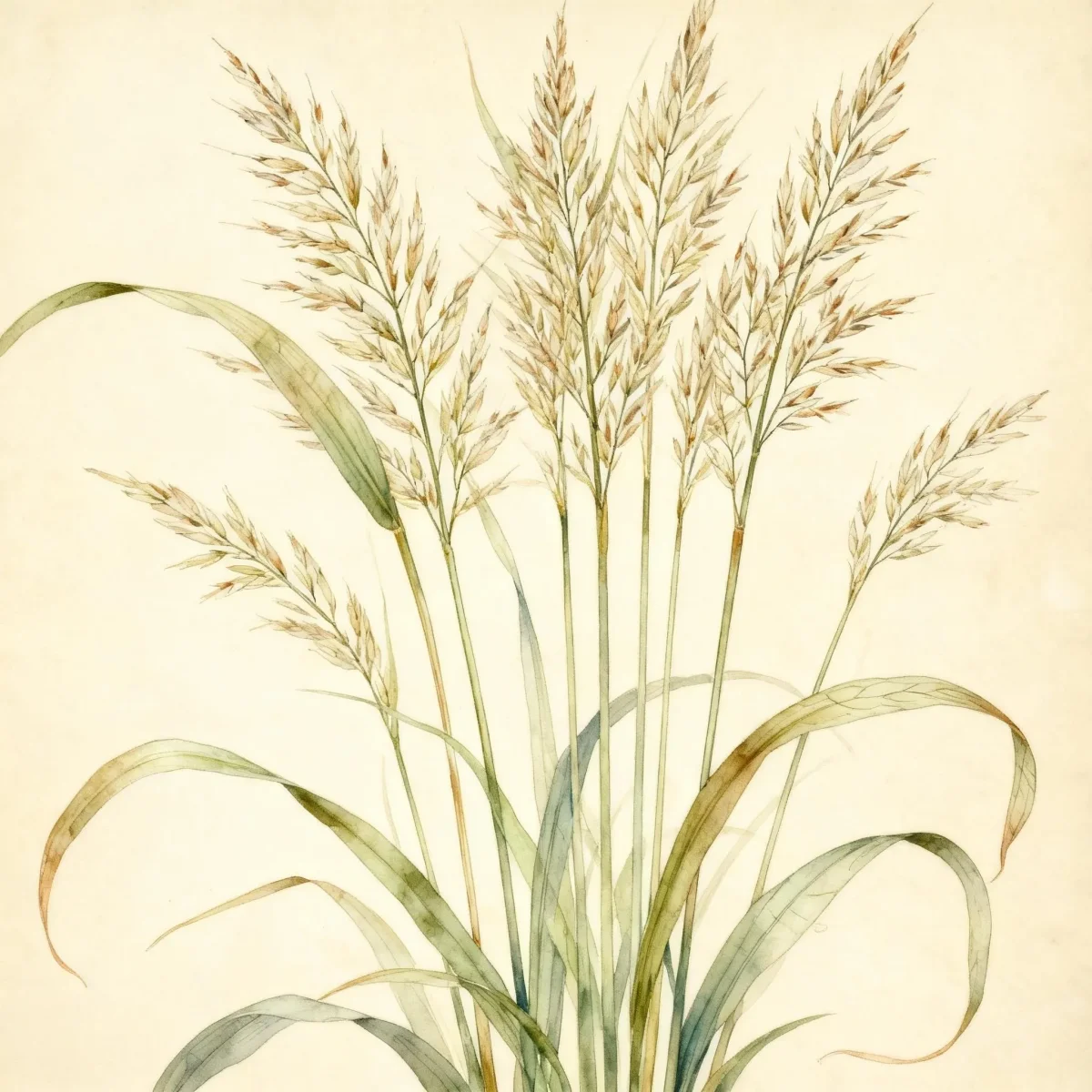
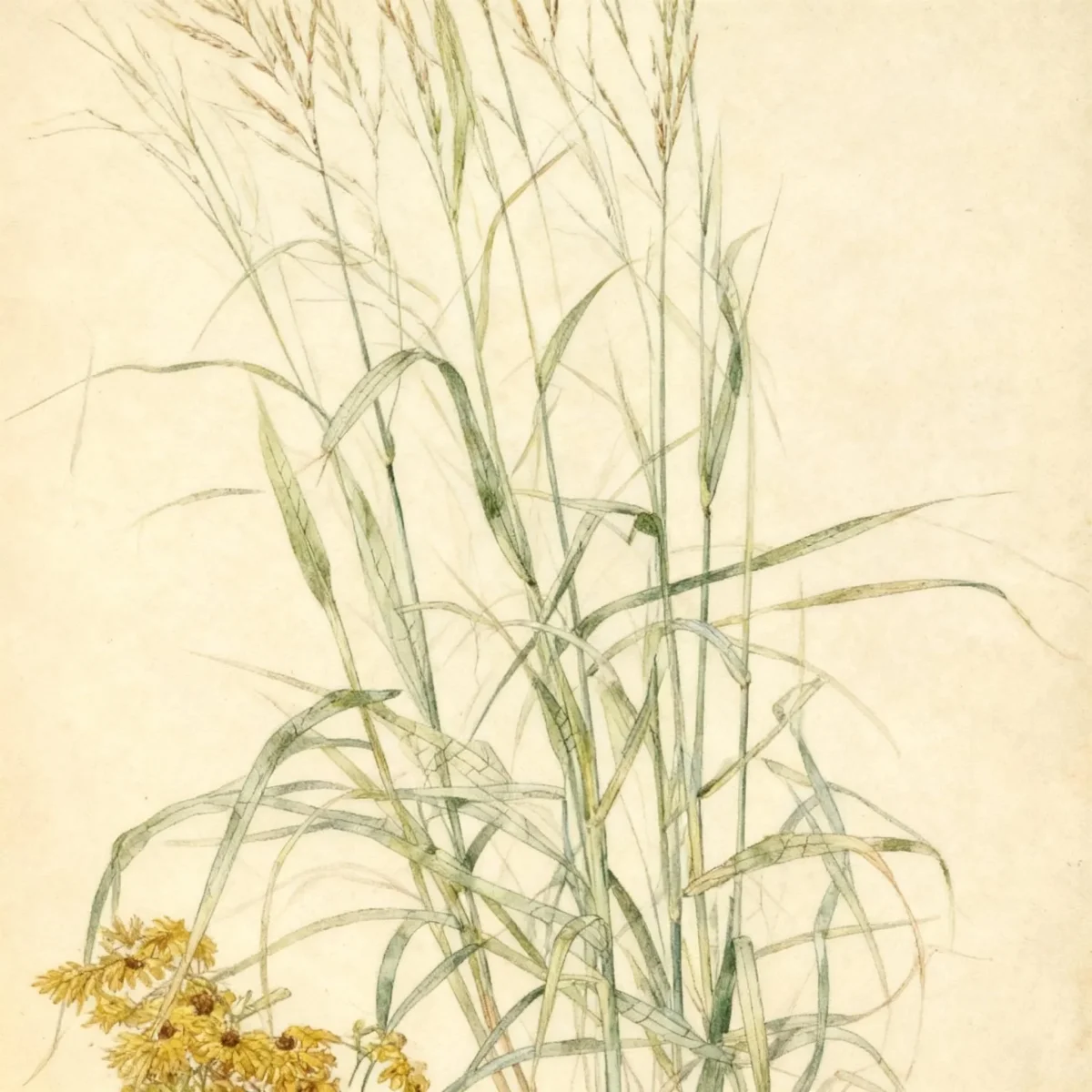
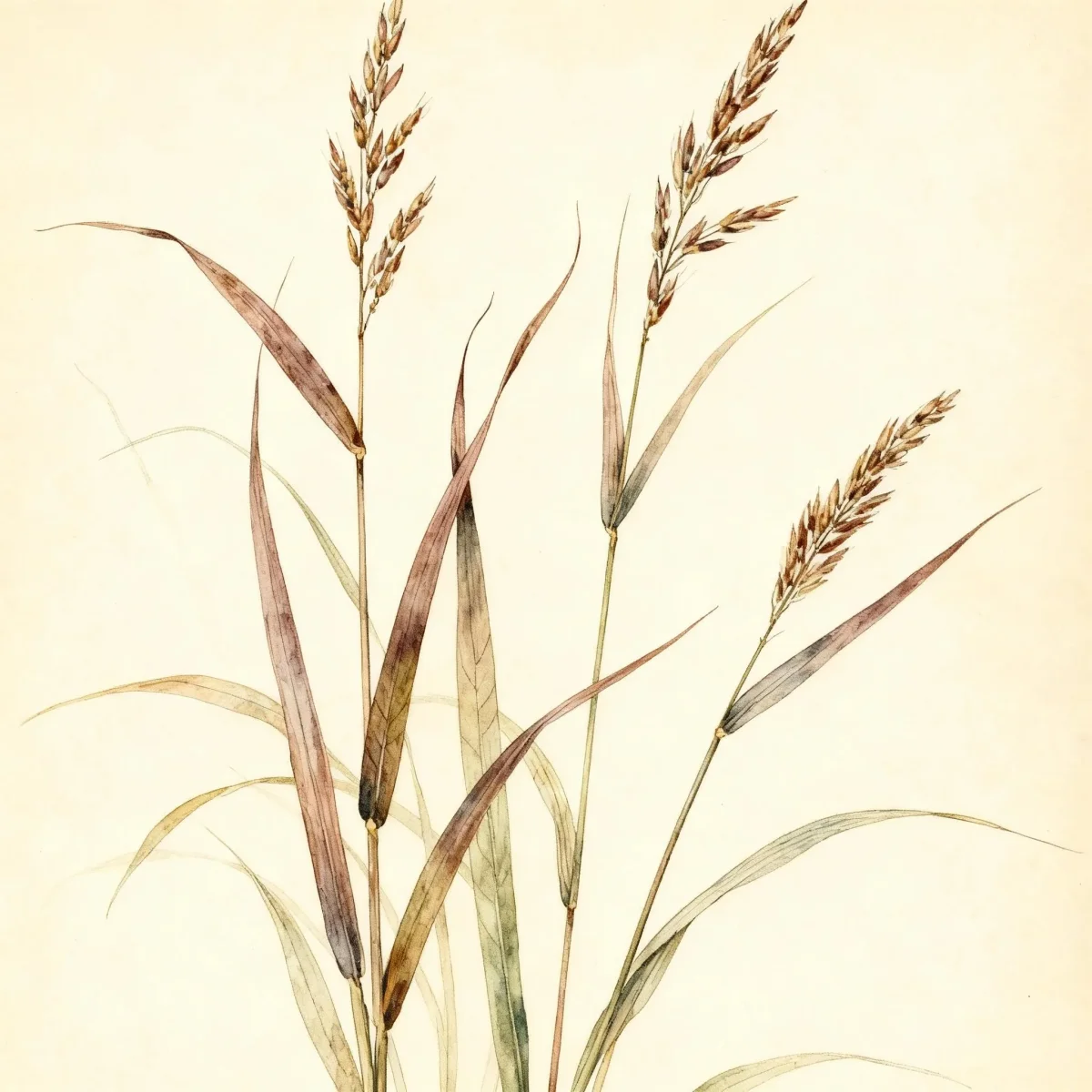
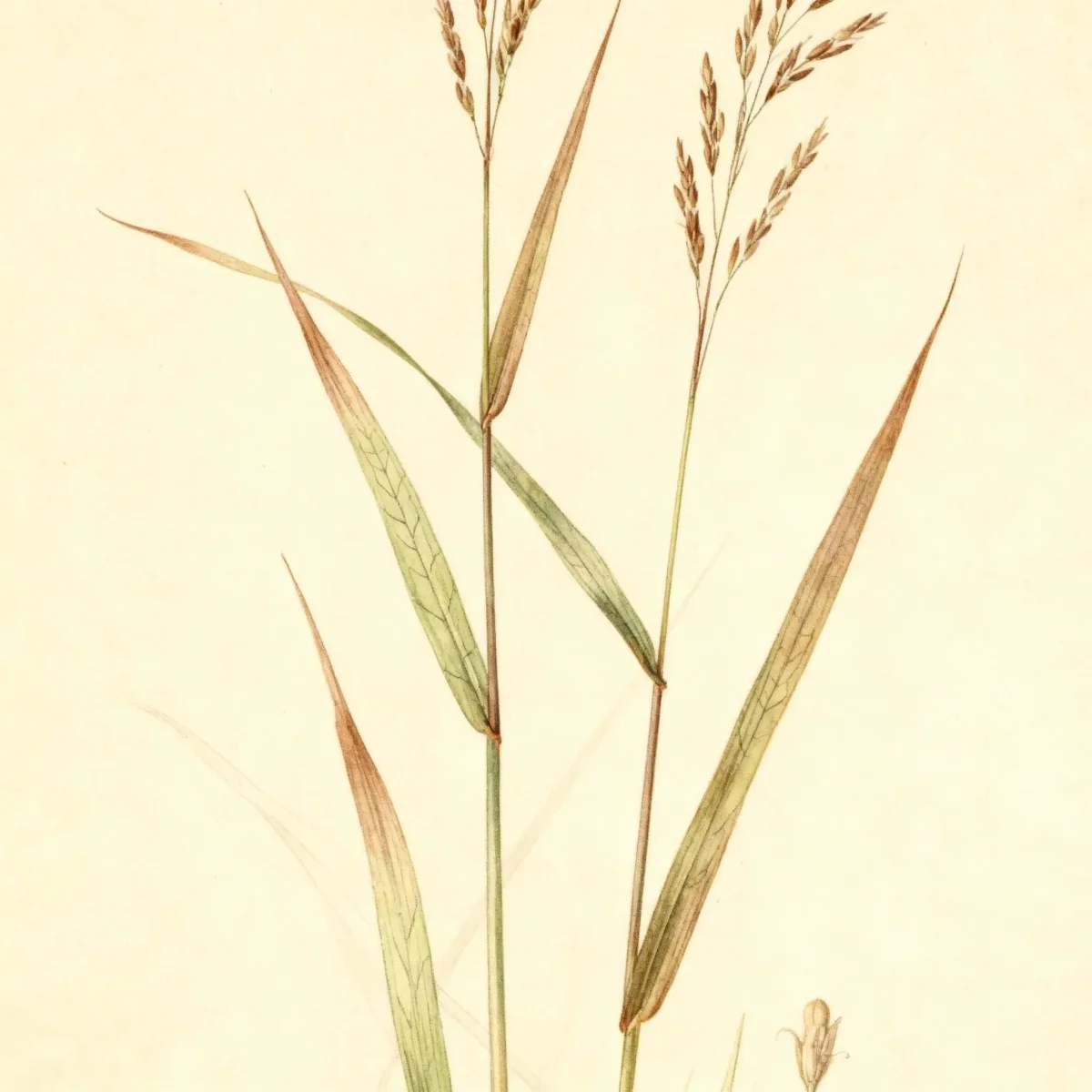
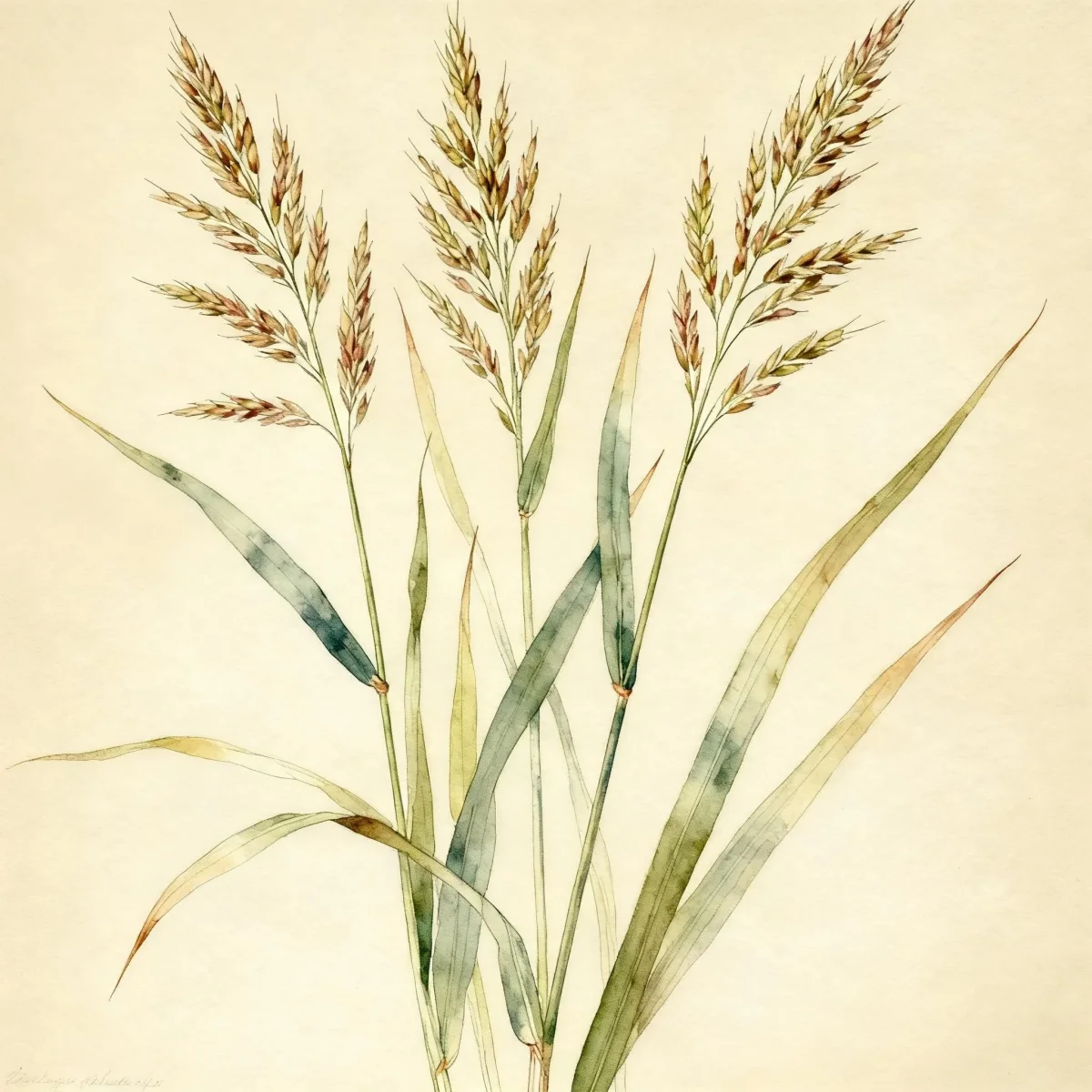
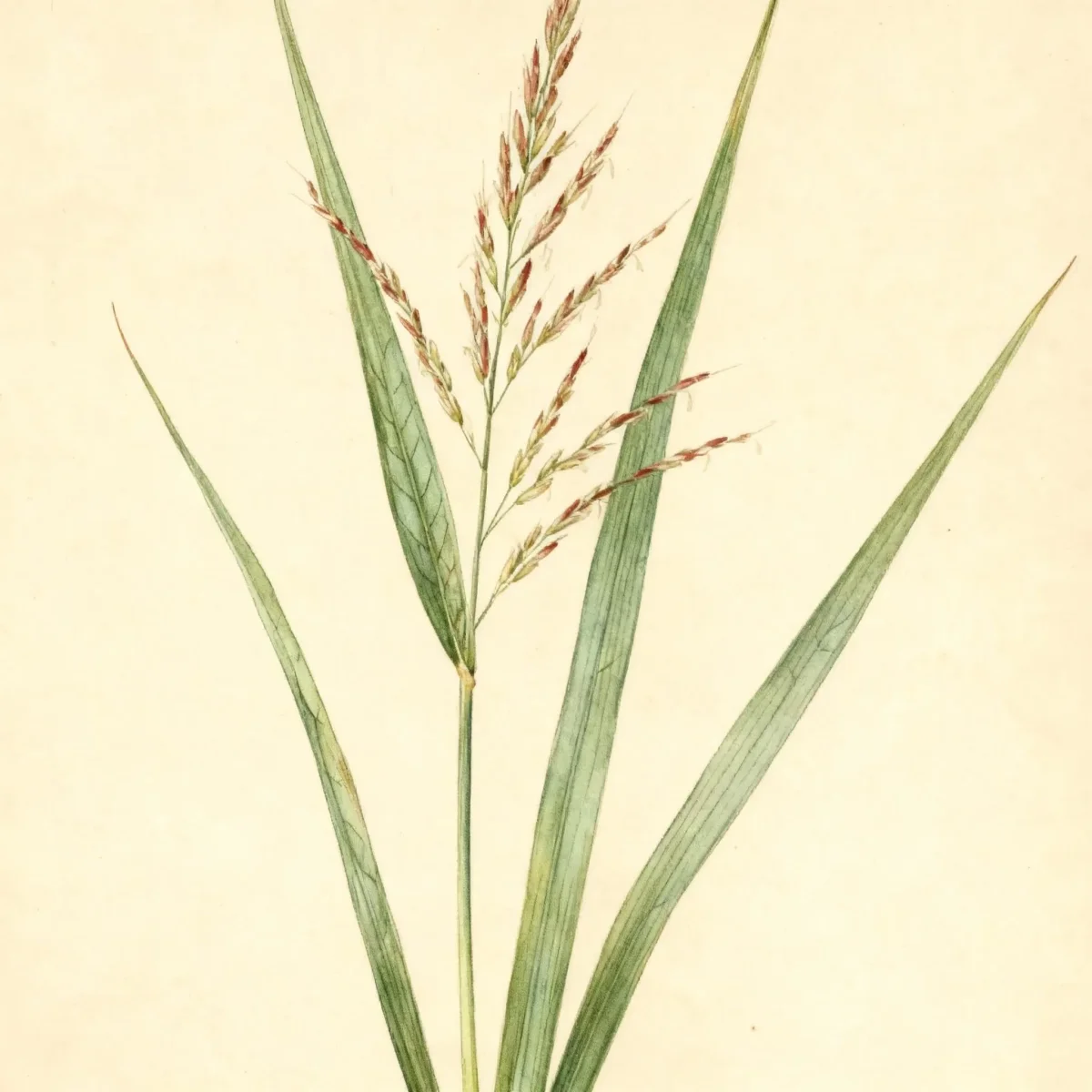
Switch grass (Panicum virgatum 'Cheyenne Sky')
Panicum virgatum 'Cheyenne Sky' is a low-maintenance, blue-green Switch grass cultivar noted for its upright habit and deep wine-red fall color, thriving in sunny, moist sites.
Scroll down to discover growing tips, care requirements, companion plants, and more
Complete Plant Information
Overview
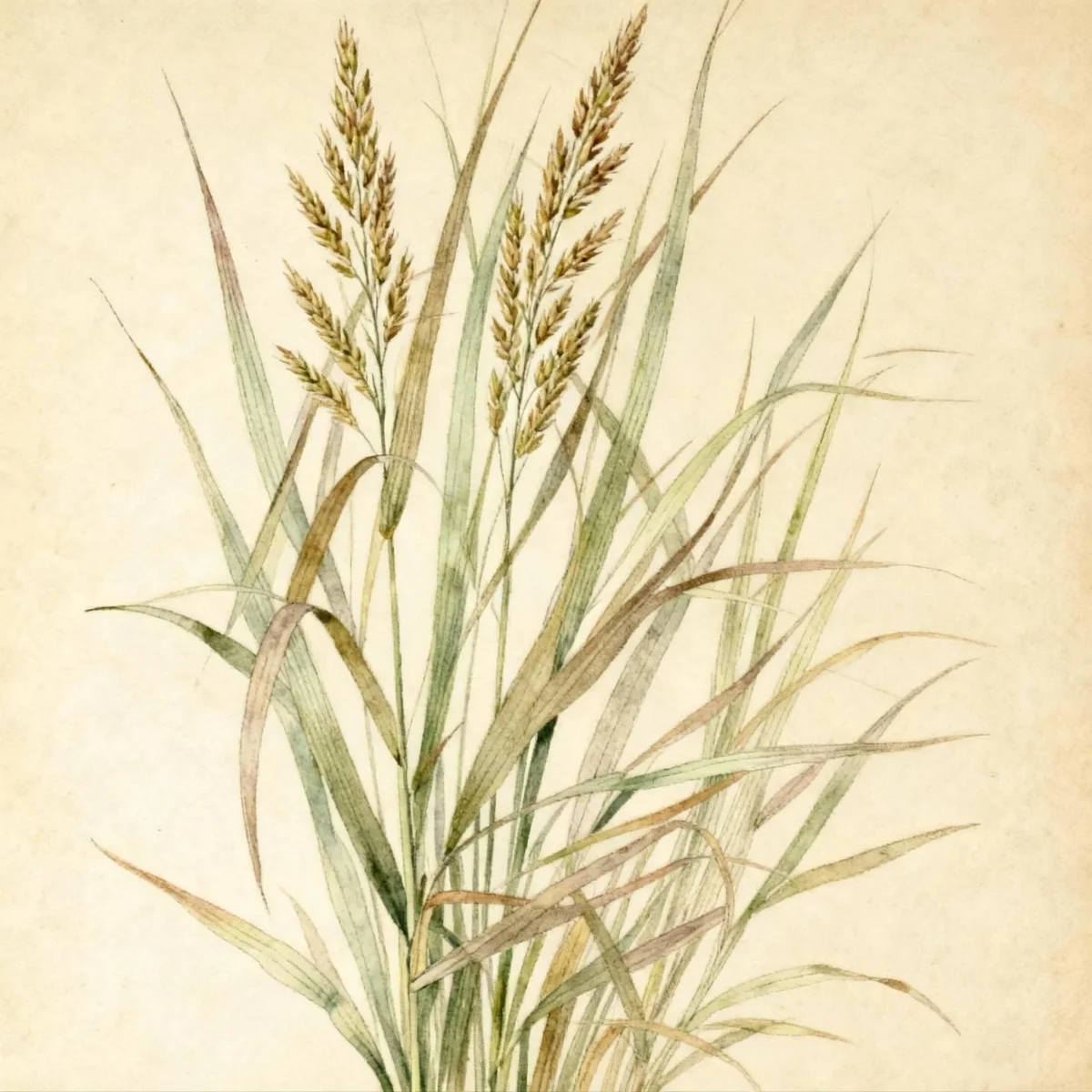
Panicum virgatum ‘Cheyenne Sky’, commonly known as Switch grass, is a visually striking, warm-season ornamental grass prized for its dense, erect, and narrow clump form. This cultivar stands out due to its foliage, which emerges blue-green and matures to a deep wine red early in the summer, providing excellent late-season garden color that persists into winter. As a robust native species, Switch grass offers critical ecological benefits while requiring minimal input from the gardener once established.
The characteristic upright habit of Panicum virgatum ‘Cheyenne Sky’ makes it an excellent vertical accent in perennial borders or mass plantings where its structure can be appreciated throughout the year. While it performs best in full sun, it shows moderate adaptability, though performance and form can decline slightly if planted in too much shade. Its tolerance for various soil conditions, including moisture extremes, significantly broadens its usability across different landscape settings.
This tough ornamental grass provides texture and movement, functioning beautifully in naturalized areas, meadows, or as an effective screen. The enduring flower panicles, which appear in mid-summer, mature to a tan-beige, offering sustained interest and winter structure, making the Switch grass an indispensable plant for year-round garden design.
Fast Facts
- Plant Family: Poaceae
- Plant Type: Ornamental grass
- Hardiness Zones: USDA Zones 5-9
- Size at Maturity:
- Height: 2-3 ft
- Spread: 1.5-2 ft
- Bloom Time: July to February
- Bloom Description: Burgundy-red
- Sun Exposure: Full sun to part shade
- Water Needs: Medium to wet
- Maintenance Level: Low
How to Grow
Panicum virgatum ‘Cheyenne Sky’ is generally easy to establish. Plant in average soil during spring or fall, ensuring the location receives at least partial sun for the best color and form. While this Switch grass tolerates a wide range of substrates, it thrives best in moist, well-drained sandy or clay soils, and it can handle occasional flooding, making it ideal for rain gardens.
Maintenance for this cultivar is famously low. Watering needs range from medium to wet, though established plants show good drought resistance. Avoid planting in overly rich soils, as this can cause the clump to flop, disrupting its desirable columnar shape. Fertilization is rarely necessary; focus on managing soil conditions rather than amending nutrients.
The most significant maintenance task involves spring cleanup. Cut back the entire clump to the ground in late winter or very early spring before new growth begins. This pruning removes the dried winter foliage and prepares the plant for its spring emergence. Although cultivars may not come true from seed, existing clumps can slowly spread via slightly creeping rhizomes.
Landscape Uses
Switch grass, particularly the upright form of Panicum virgatum ‘Cheyenne Sky’, excels in functional and aesthetic applications. It is perfect for incorporation into rain gardens and bog gardens, managing medium to wet soil conditions near water features or low spots where runoff collects. Its vertical habit makes it a spectacular accent plant or an excellent choice for mass planting to create a textural screen.
Consider grouping Panicum virgatum ‘Cheyenne Sky’ with contrasting perennials that share similar moisture needs. Native plant gardens, prairies, and informal perennial borders benefit immensely from its steadfast structure. Along ponds or in naturalized settings, its movement adds dynamism while its sturdy clumps serve as effective anchors.
For formal designs, use the upright columns of this Switch grass to provide rhythm along borders or pathways. Its late-season color makes it an exceptional partner for plants that fade quickly in summer, ensuring continuous visual interest until the deep burgundy tones of the foliage take over.
Flower Qualities
- Showy
Noteworthy Characteristics
Panicum virgatum, commonly called switch grass, is a Missouri native ornamental grass which was an important component of the tallgrass prairie. It is noted for its stiff, columnar form, retaining its vertical shape throughout the growing season. ‘Cheyenne Sky’ is a switch grass cultivar specifically noted for its tall, upright, blue-green foliage that transitions to deep wine red in early summer, typically maintaining a compact 2’ clump.
Tolerances
- Drought
- Erosion
- Black Walnut
- Air Pollution
Potential Problems
Panicum virgatum ‘Cheyenne Sky’ generally exhibits good pest and disease resistance. Serious insect or disease issues are uncommon. However, be aware of potential susceptibility to rust, particularly if grown in hot, humid summer environments.
Improper growing conditions, such as poor drainage leading to prolonged saturation outside of the plant’s preferred ‘wet’ range, can predispose the plant to crown or root rot. Occasionally, pests like Japanese beetles, thrips, or spider mites may appear, though they rarely cause fatal damage to a healthy specimen.
Management should focus on proper placement—avoiding overly wet, poorly draining spots outside of designated water gardens—and monitoring for common summer pests if conditions are stressed.
Frequently Asked Questions
What hardiness zones is Switch grass suitable for?
Panicum virgatum ‘Cheyenne Sky’ is hardy and reliable in USDA Zones 5 through 9.
How large does Panicum virgatum ‘Cheyenne Sky’ grow?
This variety typically forms a dense clump between 2 and 3 feet tall, spreading between 1.5 and 2 feet wide.
What sun exposure does Panicum virgatum ‘Cheyenne Sky’ need?
This grass performs best in full sun but tolerates part shade; however, too much shade can cause it to lose its preferred upright form.
When does Switch grass bloom?
The flower panicles appear from July and provide interest lasting well into February, with the notable burgundy-red summer foliage adding color throughout the season.
Conclusion
Panicum virgatum ‘Cheyenne Sky’ offers exceptional value due to its low maintenance requirements, upright architectural form, and stunning color shift from blue-green to deep wine red. This Switch grass cultivar is a reliable choice for adding vertical interest and seasonal drama to diverse landscape settings. Before planting, confirm your garden conditions align with USDA Zones 5-9 and its preference for full sun and medium to wet soils.
Companion Planting
When planning garden vignettes featuring Panicum virgatum ‘Cheyenne Sky’, choose companions that complement its upright, coarse texture and its need for consistent moisture. Excellent partners are perennials that bloom slightly later, such as Rudbeckia (Coneflower) or Aster varieties, focusing on plants that thrive in similar sun exposure. For water-wise areas, pair it with other tough prairie natives that share its drought tolerance once established.
In wetter areas suitable for rain gardening, consider using wetland edge species like Iris or certain Sedge varieties (Carex). Because this Switch grass is clump-forming and resistant to spreading aggressively, it complements more delicate textures, allowing its bold, colorful foliage to serve as a structural backbone throughout the growing season against softer neighbors.
Wildlife Benefits
As a native tallgrass prairie component, Switch grass provides significant ecological contributions. The dense foliage clumps offer excellent cover and nesting material opportunities for beneficial insects and small ground-dwelling wildlife throughout the winter months, especially if left standing prior to spring pruning.
The late-season flower panicles mature into persistent seed heads, which become a vital food source for various seed-eating songbirds during the lean winter months. Planting Panicum virgatum ‘Cheyenne Sky’ supports local ecosystems by providing habitat and sustenance.