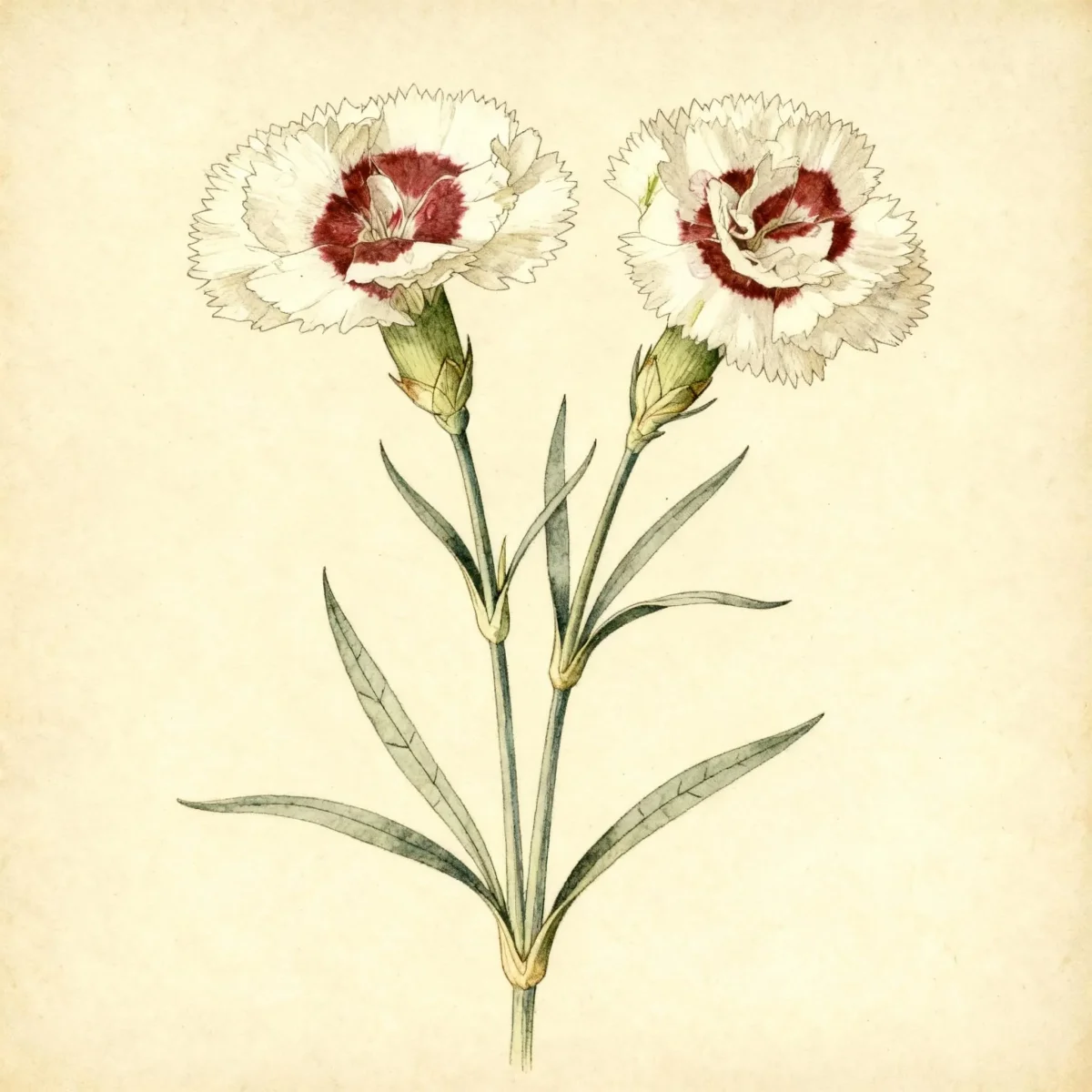
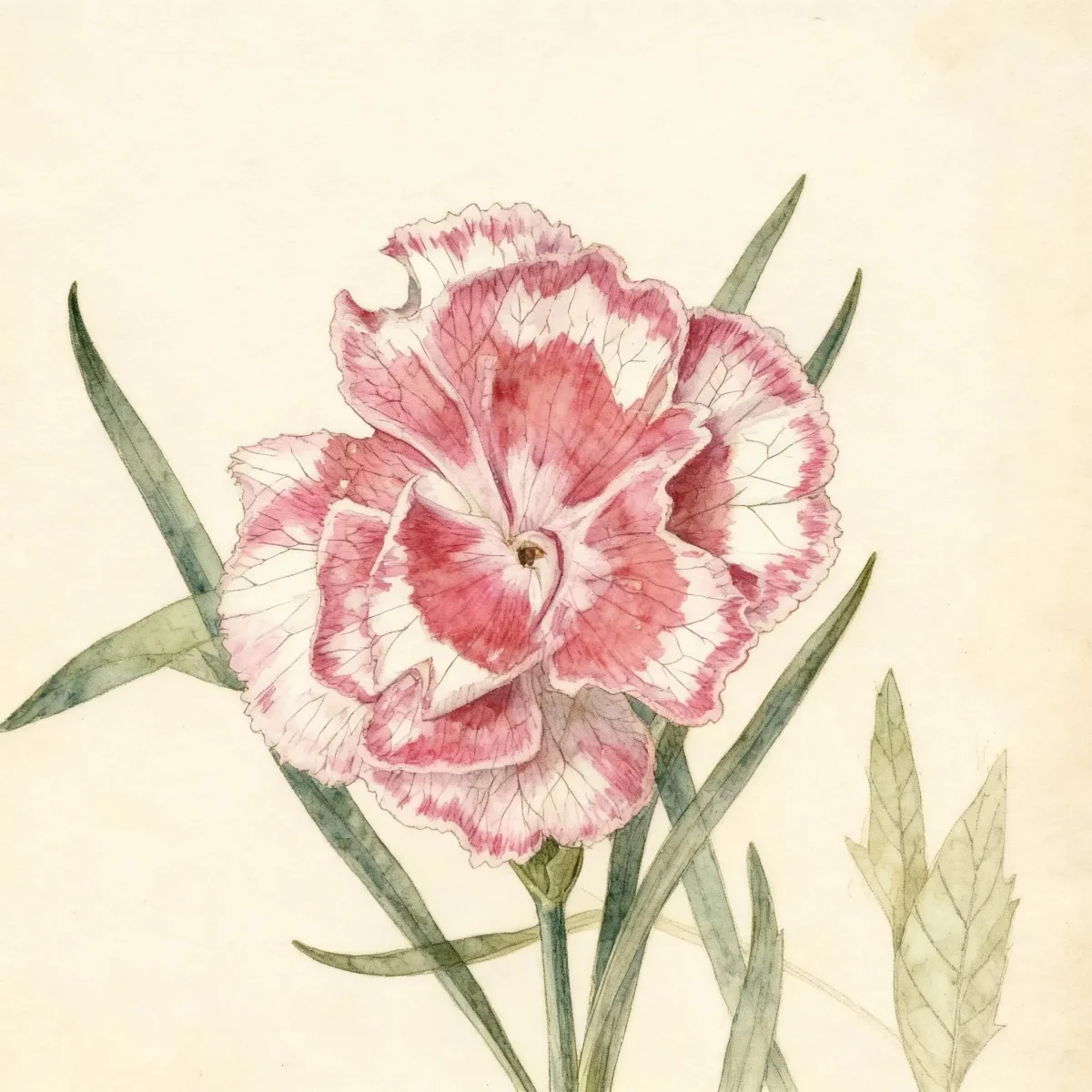
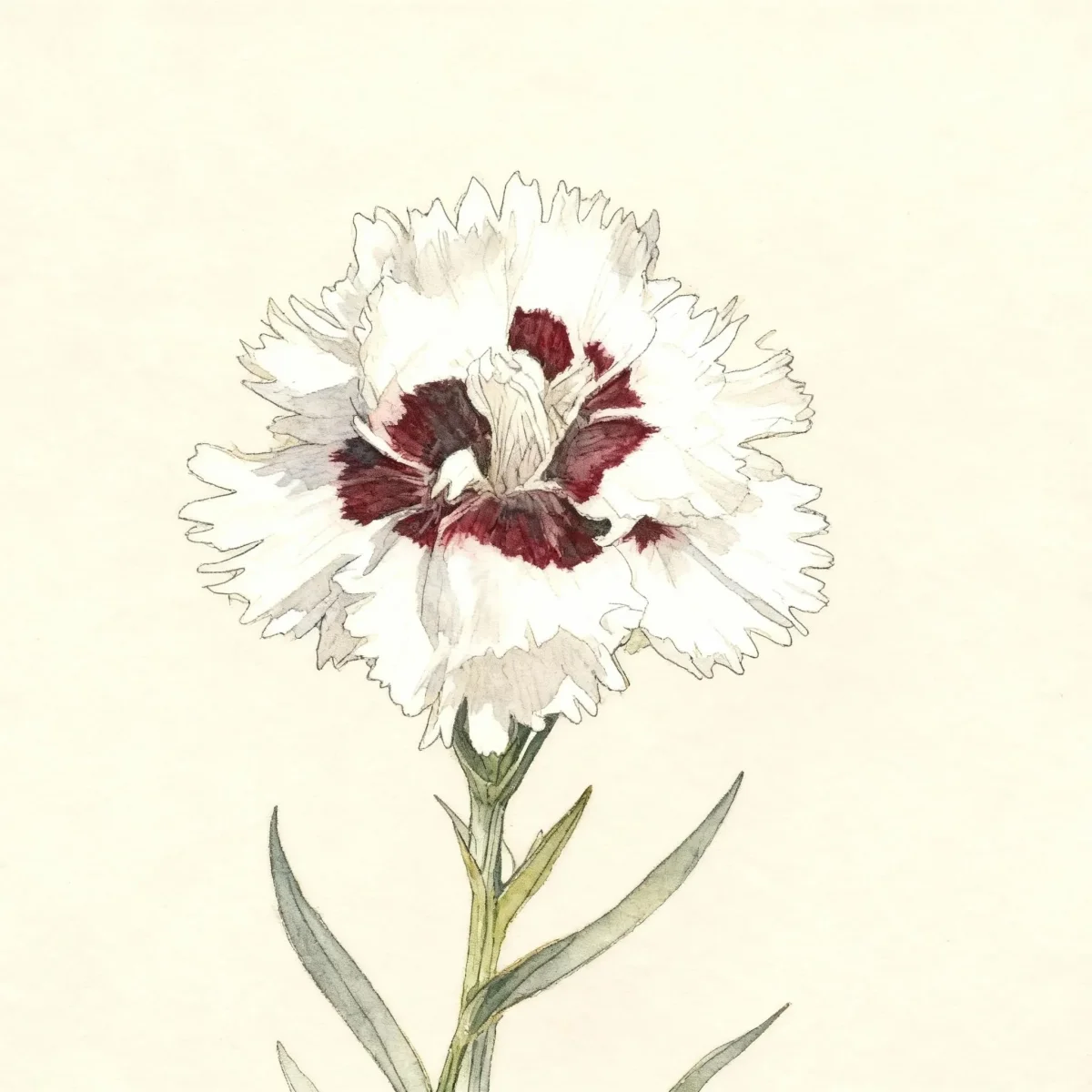
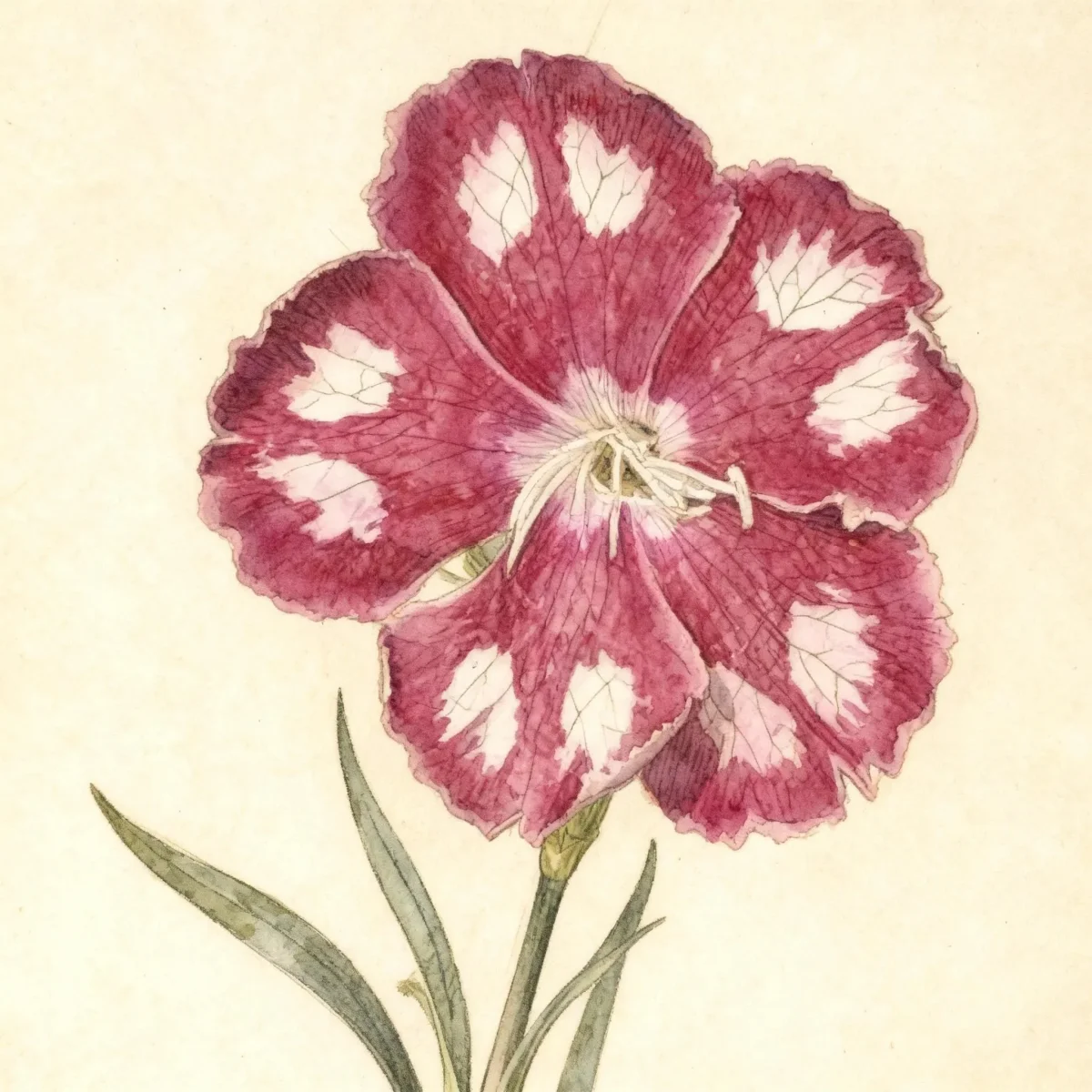
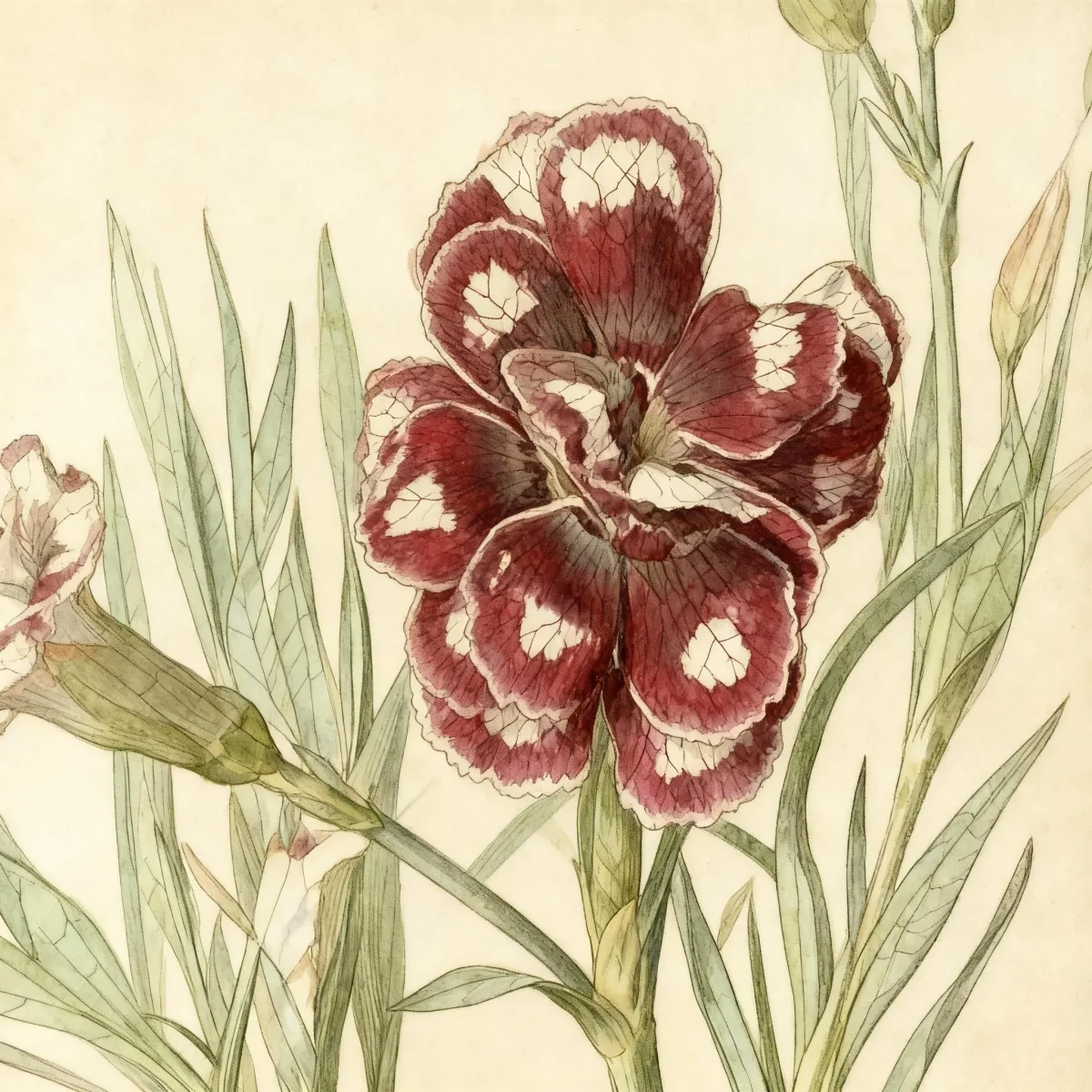
Carnation (Dianthus 'Supra Purple')
Dianthus 'Supra Purple' Carnation provides showy, rosy purple blooms from June to September in zones 5-9, perfect for borders and containers.
Scroll down to discover growing tips, care requirements, companion plants, and more
Complete Plant Information
Overview
Dianthus ‘Supra Purple’, commonly known as Carnation, is a superb bedding plant celebrated for its continuous, vibrant display of rosy pink to purple flowers throughout the summer months. This highly valued hybrid pink offers superior performance in heat and frost tolerance compared to parent species, ensuring rich color from June well into September. Its compact, mounding habit makes the Dianthus ‘Supra Purple’ versatile for many landscape roles, providing excellent texture and reliable season-long interest.
As an F1 hybrid, Dianthus ‘Supra Purple’ delivers uniformity and vigorous growth, forming a dense mound of narrow, gray-green foliage topped by fringed blooms. Gardeners appreciate this Carnation for its exceptional use as an annual, quickly establishing itself to produce a lavish show of color perfect for cutting or mass planting. Selecting Dianthus ‘Supra Purple’ guarantees a modern cultivar noted for its consistent performance and appealing mounded structure.
Fast Facts
- Plant Family: Caryophyllaceae
- Plant Type: Annual
- Hardiness Zones: USDA Zones 5-9
- Size at Maturity:
- Height: 0.5-1 ft
- Spread: 0.5-1 ft
- Bloom Time: June to September
- Bloom Description: Rosy pink to purple
- Sun Exposure: Full sun
- Water Needs: Medium
- Maintenance Level: Medium
How to Grow
For optimal performance, plant Dianthus ‘Supra Purple’ starter plants or seeds after the last spring frost date in northern climates. This Carnation thrives in rich, medium moisture, well-drained soils that are neutral to slightly alkaline; consider adding lime if your soil runs acidic. While it prefers full sun, plants benefit from afternoon shade in extremely hot summer locales, as best flowering typically occurs in cooler summer conditions.
Maintain consistent soil moisture, as Dianthus requires regular watering, though excellent drainage is critical to prevent crown rot. Fertilization should be moderate to support continuous blooming while avoiding overly rich conditions that can stunt flower production. Deadheading spent flowers regularly is highly recommended. This simple task keeps the planting tidy and actively encourages the vigorous ‘Supra Purple’ variety to produce more rewarding blooms over its long season.
For gardeners in warm winter regions (Zones 8-9), spring planting allows for summer bloom, or plants can be established in the fall. Fall-planted dianthus foliage remains attractive through mild winters, rewarding the gardener with early spring flowers. Remember that Dianthus ‘Supra Purple’ is an F1 hybrid; seeds saved from these plants will likely not breed true to the parent.
Landscape Uses
Dianthus ‘Supra Purple’ excels anywhere a low-growing, colorful edging or front-of-border plant is needed. Its compact, rounded mound of foliage acts as a perfect textural contrast against coarser or taller perennials. These mat-forming plants are ideal for defining the edges of pathways or softening harsh slopes when massed together for a ground-cover effect.
Beyond traditional garden beds, this Carnation shows outstanding versatility in containers and outdoor pots. Group ‘Supra Purple’ with trailing edibles or upright annuals for a dynamic mixed display, leveraging its strong upright stems for height variation. Many gardeners also utilize this fragrant variety in dedicated fragrance gardens, appreciating the sweet scent released when near walkways or seating areas.
Standout Features
Flower Qualities
- Showy
- Good Cut
Noteworthy Characteristics
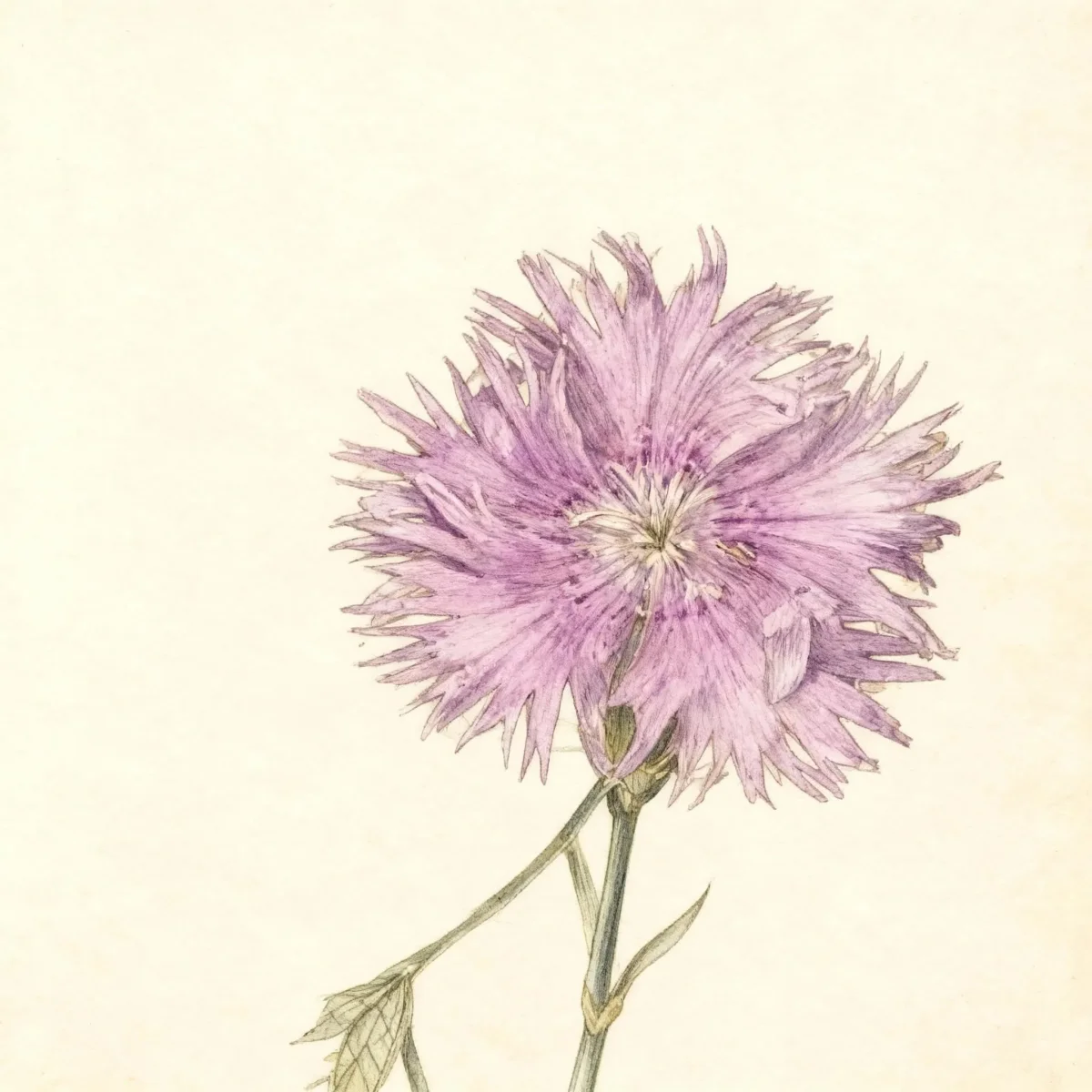
Bedding dianthus, which includes this hybrid pink known as Dianthus ‘Supra Purple’, is technically a cross between Chinese pinks and sweet William, resulting in superior vigor and longevity of bloom. It grows into a dense, upright mound reaching 8-12 inches tall, featuring narrow, gray-green foliage. The notable feature of ‘Supra Purple’ is its lengthy bloom period spanning June through September, showcasing 5-petaled flowers with distinctly fringed edges, earning it an AAS Bedding Plant award in 2006.
Tolerances
- Deer
Potential Problems
Dianthus is generally susceptible to crown rot, particularly if grown in wet, poorly drained soils. Manage this risk by ensuring soil preparation includes necessary amendments for rapid drainage; avoid heavy clay if possible. Leaf spot diseases can appear during humid summers, especially if plants are overcrowded, so ensure good air circulation around the foliage of your Carnation plantings.
Monitor for common insect pests such as slugs, aphids, and spider mites, though deer tend to avoid this plant. Quick identification and treatment—often using insecticidal soaps or targeted physical removal—are key to keeping the display vibrant. Addressing these minor issues promptly ensures the Dianthus ‘Supra Purple’ maintains its vigorous, long-blooming performance.
Frequently Asked Questions
What hardiness zones is Carnation suitable for?
Dianthus ‘Supra Purple’ is suitable for USDA Zones 5 through 9, offering flexibility across many climates.
How large does Dianthus ‘Supra Purple’ grow?
This variety typically reaches a height between 0.5 to 1 foot and spreads similarly, forming a compact mound about 8 to 10 inches wide.
What sun exposure does Carnation need?
Dianthus ‘Supra Purple’ requires full sun for the best flowering performance, though some midday shade is appreciated in the hottest regions.
When does Carnation bloom?
This Carnation variety blooms abundantly from June all the way through September, producing rosy pink to purple flowers.
Conclusion
The Dianthus ‘Supra Purple’ Carnation is an outstanding choice for gardeners seeking consistent, vibrant color and moderate maintenance throughout the growing season. Its attractive mounding habit and reliable bloom time make it a workhorse in borders and containers alike. Check your local climate to ensure you are planting during the appropriate season to maximize the spectacular display offered by this award-winning hybrid.
Companion Planting
When planning garden beds around Dianthus ‘Supra Purple’, select companions that share similar cultural needs for sun and drainage. Pairing it with low-mounding, drought-tolerant herbs like Thyme or Oregano works well visually and practically, as they won’t compete heavily for nutrients. Consider utilizing sun-loving, low-growing perennials such as creeping Phlox or hardy Geraniums to create continuous ground coverage beneath taller focal plants.
For a cottage garden aesthetic, combine the ‘Supra Purple’ Carnation with taller companions that appreciate neutral soil. Salvias, shorter varieties of Coreopsis, or trailing Petunias make excellent neighbors, as they also thrive in full sun and medium moisture conditions. The fine-leaved texture of the Dianthus foliage complements the broader leaves of many summer bloomers beautifully.
Design Ideas for Container Groupings
Dianthus ‘Supra Purple’ is an ideal thriller or filler element in mixed container arrangements due to its contained height, usually reaching 12 inches. When planting in pots, ensure the container offers excellent drainage, mimicking the plant’s preferred well-drained soil conditions. Use ‘Supra Purple’ alongside plants with contrasting flower shapes, such as rounded petunias or spiky foliage plants, for visual interest.
For a formal look, mass several pots of Dianthus ‘Supra Purple’ near an entryway or along steps; the consistent rosy-purple hue provides a sophisticated, uniform border effect. In summer containers, pair it with plants that require similar medium watering schedules to simplify maintenance. Avoid pairing with moisture-loving plants like Impatiens, as this risks the crown rot issues common to Dianthus in overly wet conditions.