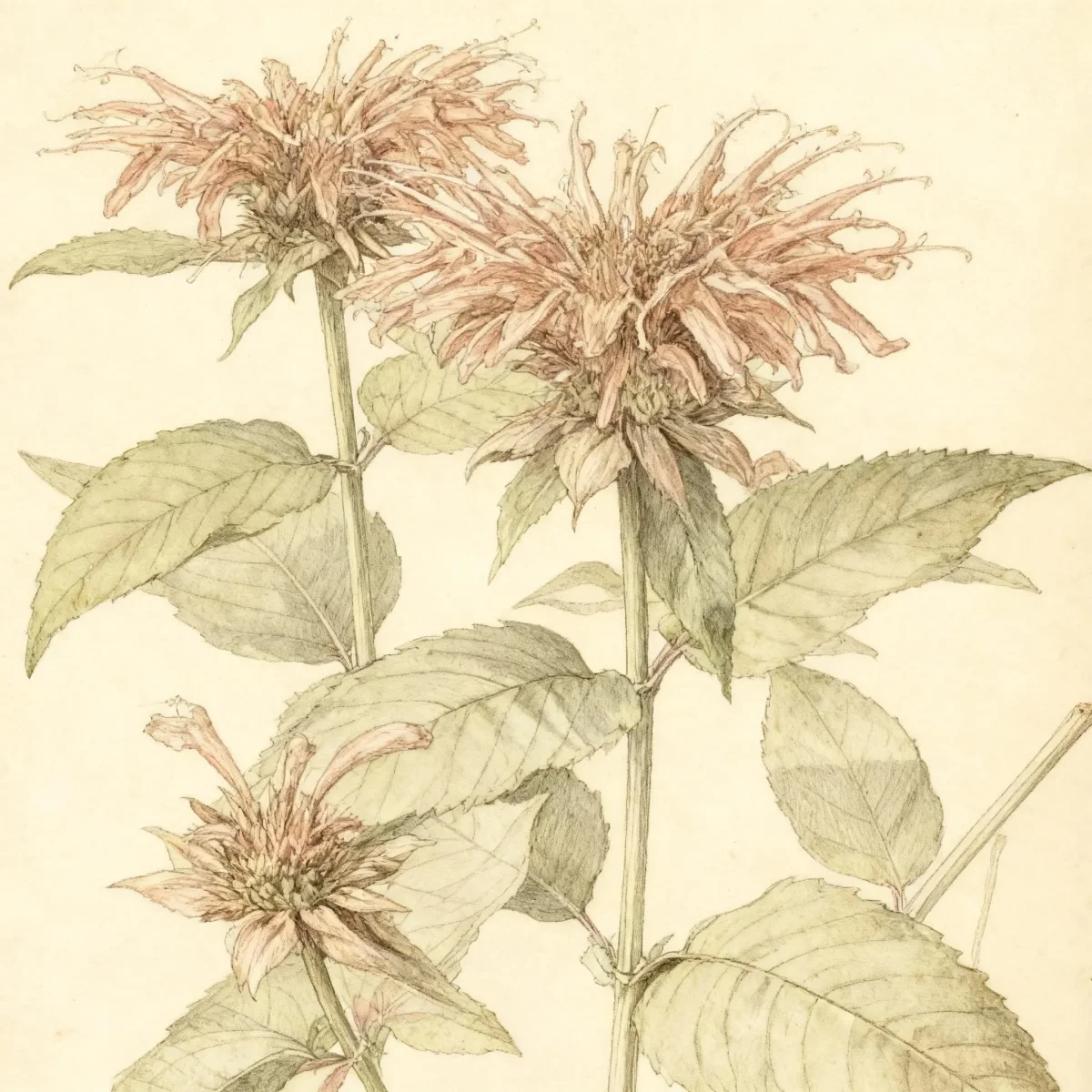
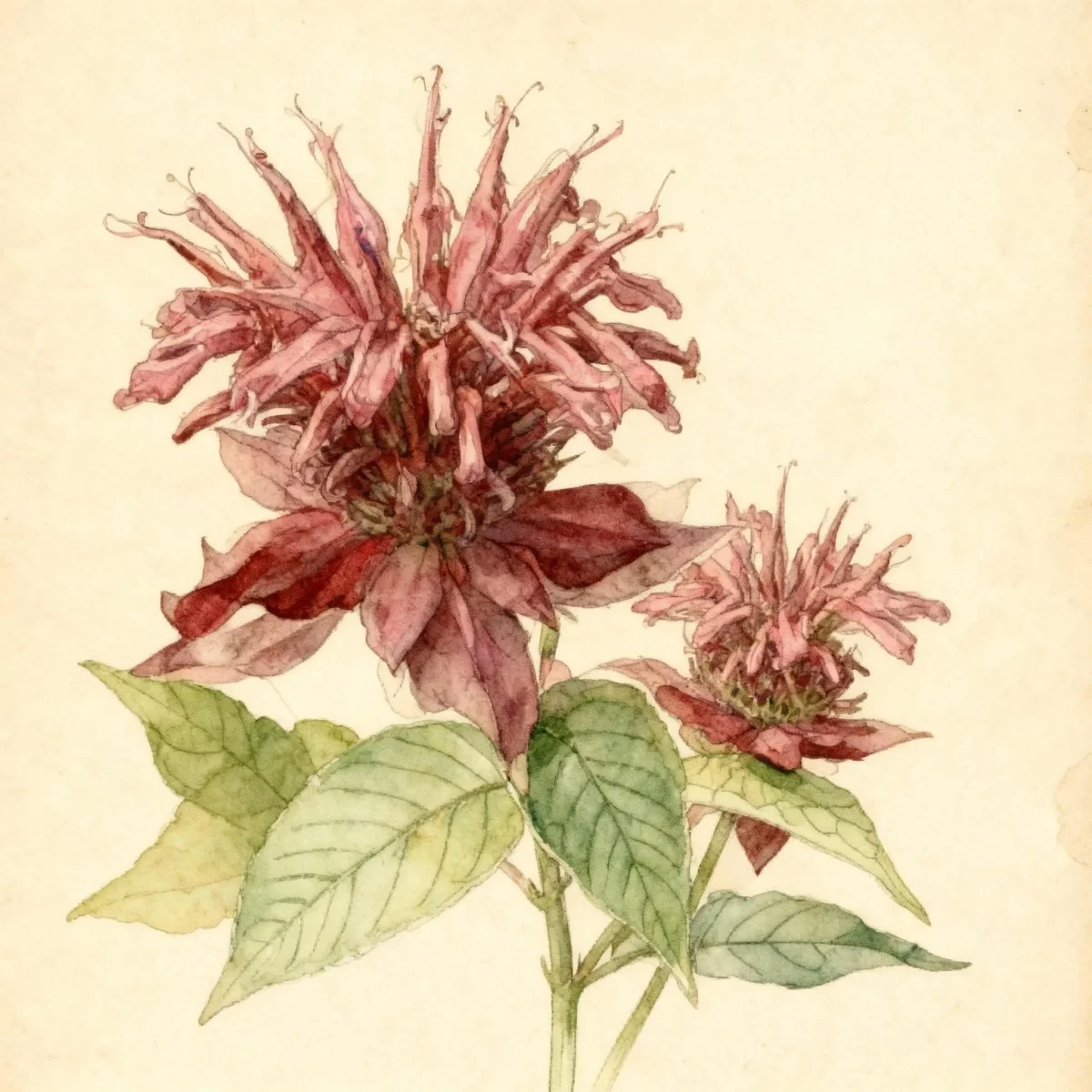
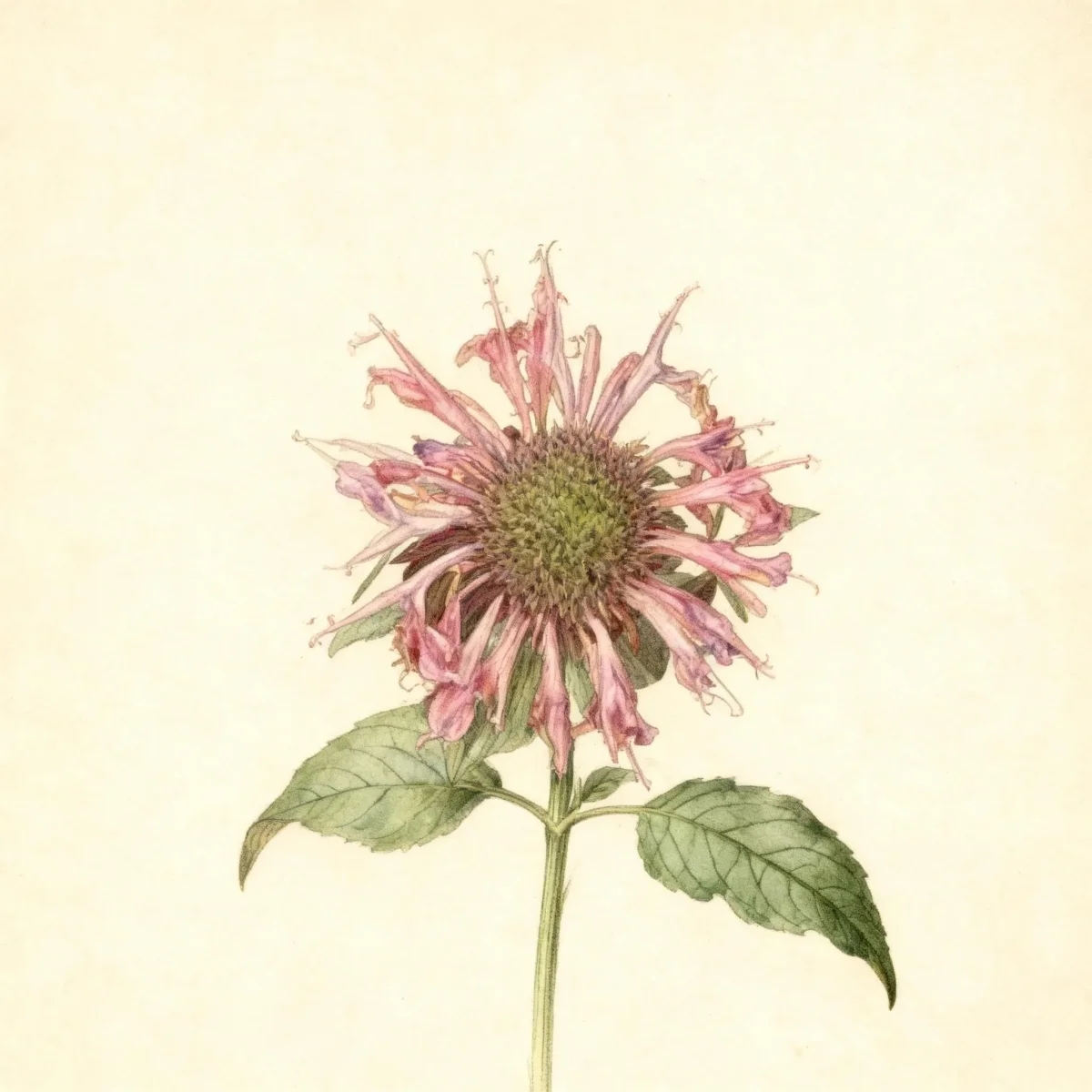
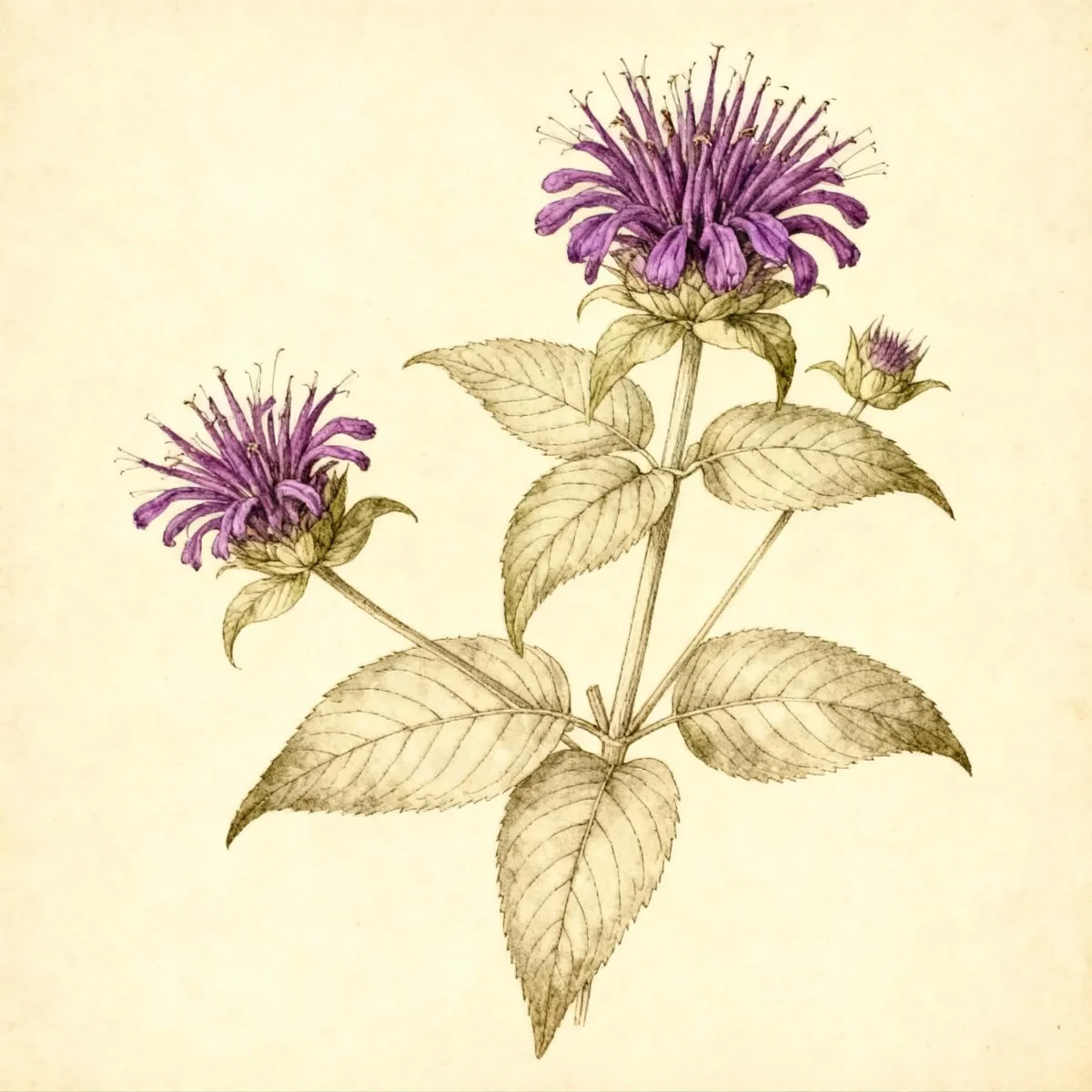
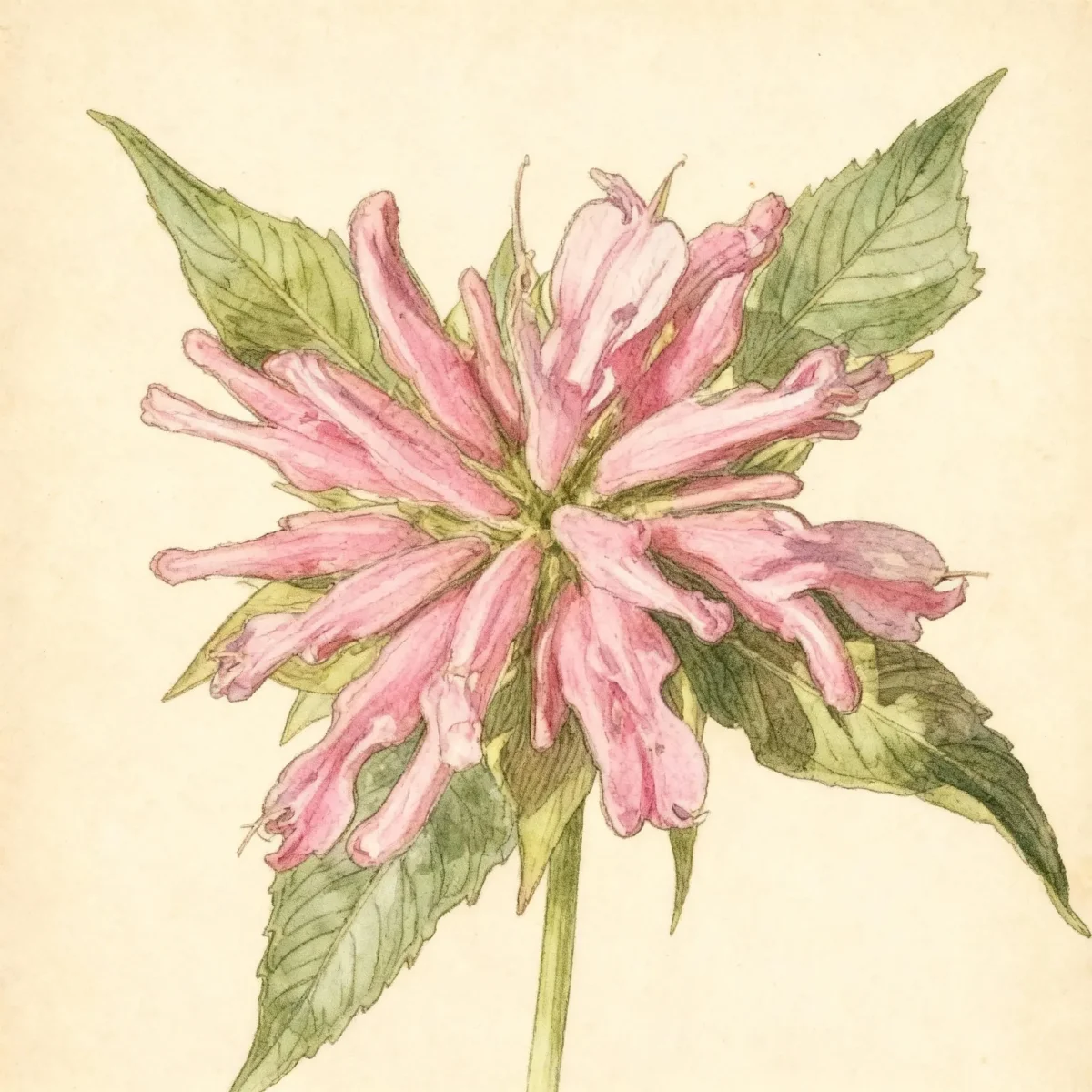
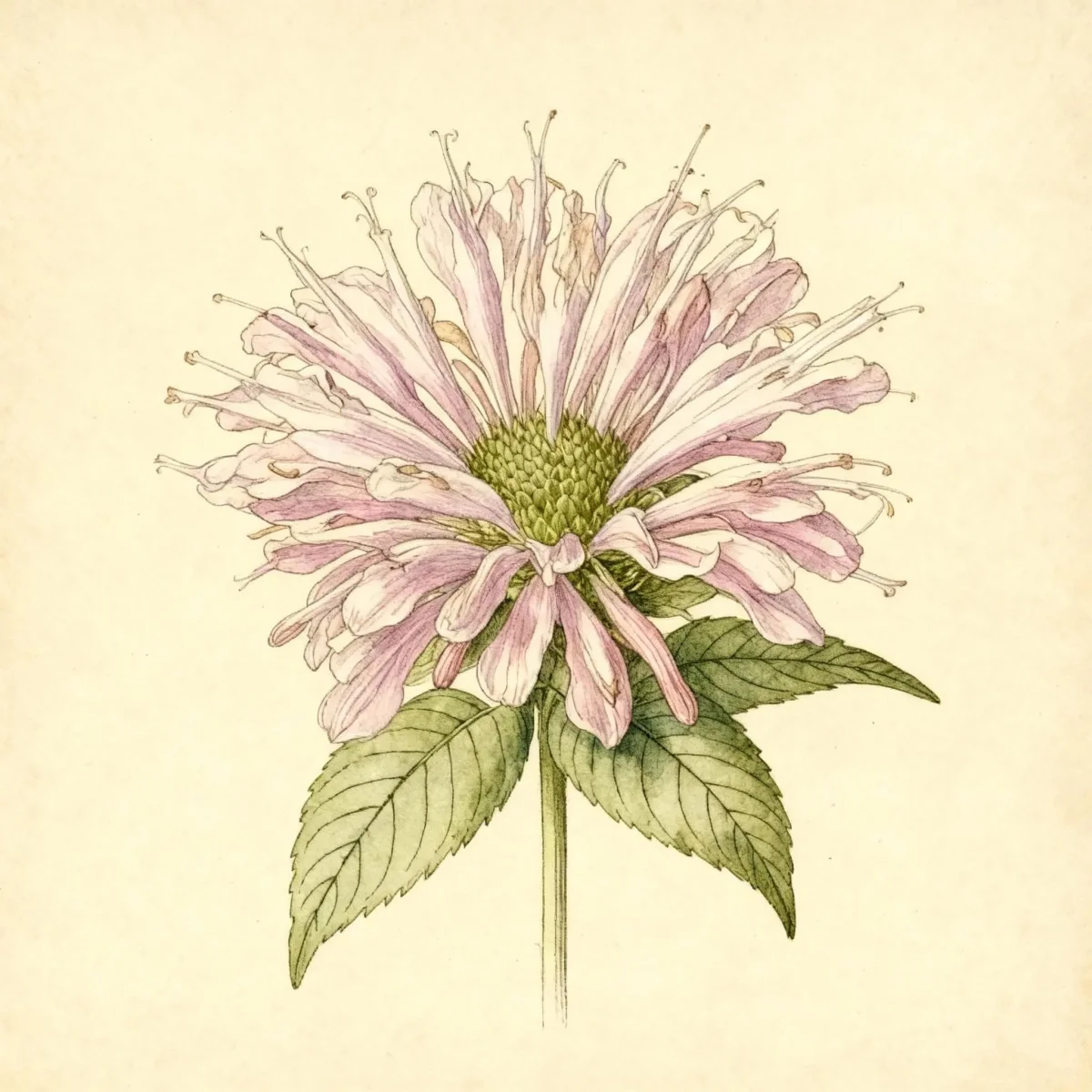
Bee balm (Monarda didyma 'Pink Lace')
Vibrant Monarda didyma 'Pink Lace' offers showy pink blooms from June through August, perfect for moist garden spots.
Scroll down to discover growing tips, care requirements, companion plants, and more
Complete Plant Information
Overview
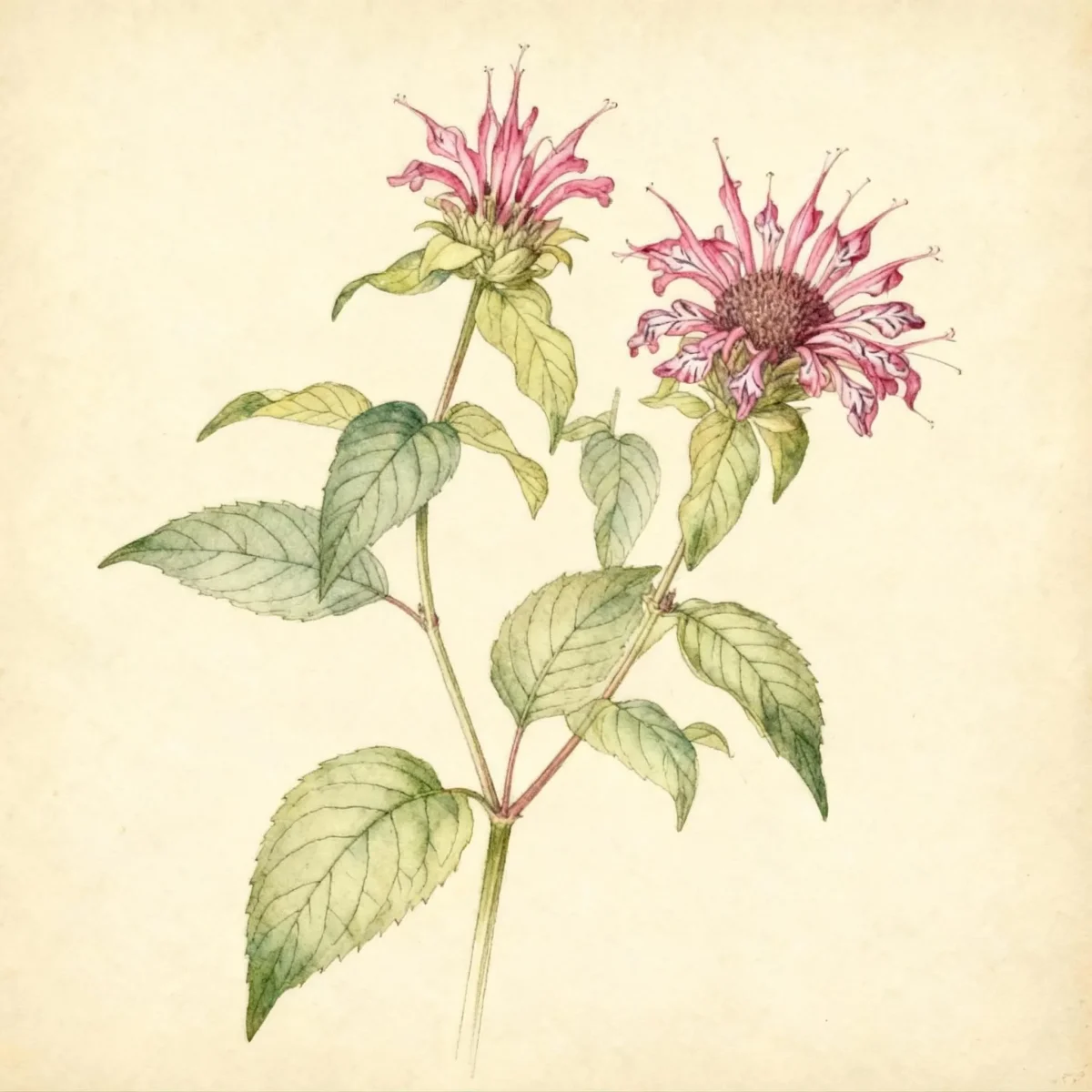
Monarda didyma ‘Pink Lace’ is a highly valuable herbaceous perennial, celebrated for its ornamental pink flowers and resilience in moist locations. This compact cultivar of bee balm thrives across USDA zones 4 to 9, forming tidy clumps suitable for borders and naturalized plantings. Its vivid blooms actively attract essential pollinators, making it a cornerstone for ecologically focused gardens.
This variety of bee balm maintains a manageable size, typically reaching 1 to 1.5 feet tall and wide, offering a burst of color from early summer well into mid-summer. Beyond its beauty, the aromatic foliage and ability to handle wetter soils distinguish Monarda didyma ‘Pink Lace’ from many other sun-loving perennials. Gardeners appreciate its dual role as a wildlife magnet and a reliable performer in the perennial border.
Fast Facts
- Plant Family: Lamiaceae
- Plant Type: Herbaceous perennial
- Hardiness Zones: USDA Zones 4-9
- Size at Maturity:
- Height: 1-1.5 ft
- Spread: 1-1.5 ft
- Bloom Time: June to August
- Bloom Description: Pink
- Sun Exposure: Full sun to part shade
- Water Needs: Medium to wet
- Maintenance Level: Medium
How to Grow
Plant Monarda didyma ‘Pink Lace’ in rich, humusy soils that retain moisture well. While it prefers full sun, providing some afternoon shade will benefit the plant in hotter climates, especially during peak summer heat. This bee balm variety is notably tolerant but performs best when soil moisture is consistently medium to wet; do not let the soil dry out, as stressed plants are prone to disease.
Maintenance for healthy bee balm generally requires medium effort. Ensure good air circulation around the plants to mitigate the risk of fungal leaf diseases like powdery mildew, which can be a significant issue. Deadheading spent flowers promptly will prolong the beautiful bloom season throughout the summer.
To control its natural tendency to spread via rhizomes and self-seeding, plan to divide the clumps every three to four years. This division rejuvenates the plant and prevents overcrowding, ensuring vigorous summer displays of pink flowers from your Monarda didyma ‘Pink Lace’.
Landscape Uses
The aesthetic contribution of Monarda didyma ‘Pink Lace’ makes it an excellent choice for filling gaps in perennial borders, offering vibrant color contrast against greens and blues. Its preference for medium to wet conditions naturally guides it toward rain gardens, near ponds, or in areas where soil moisture collects. As a native plant, it seamlessly integrates into wild gardens and meadow settings.
This variety is highly recommended as a butterfly magnet, drawing in numerous beneficial insects to the garden front. Furthermore, the striking, showy flowers of Monarda didyma ‘Pink Lace’ make them highly desirable for use in fresh-cut flower arrangements, bringing summer color indoors.
Standout Features
Flower Qualities
- Showy
- Good Cut
Noteworthy Characteristics
The species Monarda didyma, widely known as bee balm or Oswego tea, is native to moist eastern North American environments. The ‘Pink Lace’ cultivar offers abundant heads of bright pink flowers, growing compactly to about 1 to 1.5 feet tall and wide. This plant maintains its appeal through its aromatic foliage and its significant attractiveness to bees and hummingbirds throughout the long summer bloom period.
Tolerances
- Rabbit
- Deer
- Clay Soil
- Wet Soil
- Black Walnut
Potential Problems
Powdery mildew represents the most common health challenge for bee balm, especially when planted densely or when air circulation is poor. If the soil is allowed to dry out, the plant becomes stressed and far more susceptible to this cosmetic, though sometimes severe, fungal issue. Gardeners should also monitor for rust disease.
Prevention is key: ensure adequate spacing between plantings to allow for strong air movement through the foliage of your Monarda didyma ‘Pink Lace’. While deer and rabbits typically avoid this aromatic herb, vigilance against mildew will support robust, healthy growth. If mildew occurs, promptly remove affected foliage and apply appropriate preventative fungicide treatments.
Frequently Asked Questions
What hardiness zones is Bee balm suitable for?
Monarda didyma ‘Pink Lace’ is suitable for gardeners in USDA Zones 4 through 9.
How large does Bee balm grow?
This perennial typically reaches a height between 1 and 1.5 feet, with a spread that mirrors its height, usually 1 to 1.5 feet wide.
When does Bee balm bloom?
This colorful variety offers its blooms from June to August, presenting attractive pink flowers throughout the core of summer.
What sun exposure does Monarda didyma ‘Pink Lace’ need?
Monarda didyma ‘Pink Lace’ thrives when situated in full sun, though it appreciates a bit of afternoon shade when situated in very hot summer regions.
Conclusion
Monarda didyma ‘Pink Lace’ is an essential choice for gardeners seeking vibrant color, pollinator attraction, and reliability in moist soil conditions. Its manageable size and extended bloom time cement its value as a top-tier herbaceous perennial. Check your local USDA hardiness zone compatibility and plan to plant this bee balm in spring or fall for the best establishment.
Companion Planting
When selecting neighbors for Monarda didyma ‘Pink Lace’, focus on plants that share similar requirements for rich, consistently moist soil and full sun to part shade. Good companions often include moisture-loving natives like Astilbe, various Iris species, or Cardinal Flower (Lobelia cardinalis), which harmonize aesthetically during the summer months. Grouping these plants also helps maintain the humid microclimate that bee balm prefers.
Avoid pairing it with very dry-loving perennials, as the resulting watering schedule conflicts will stress one or the other. In the herb garden context, try mixing it near Mint (though keep separate due to aggressive spreading) or Thyme, remembering that good air circulation is vital for all Lamiaceae family members planted closely together.
Wildlife Benefits
The tubular, pink flowers of Monarda didyma ‘Pink Lace’ are a phenomenal resource for long-tongued pollinators. This specific type of bee balm is particularly lauded for drawing in hummingbirds, which view the bright blooms as a rich nectar source during migration and breeding season. Beyond hummingbirds, the flowers provide substantial nourishment for various beneficial native bees and butterflies.
Massing plantings of Monarda didyma enhance its visual impact and create a more significant target for wildlife. Planting bee balm near a patio or window allows convenient observation of these beneficial visitors throughout the summer, maximizing the garden’s ecological function.