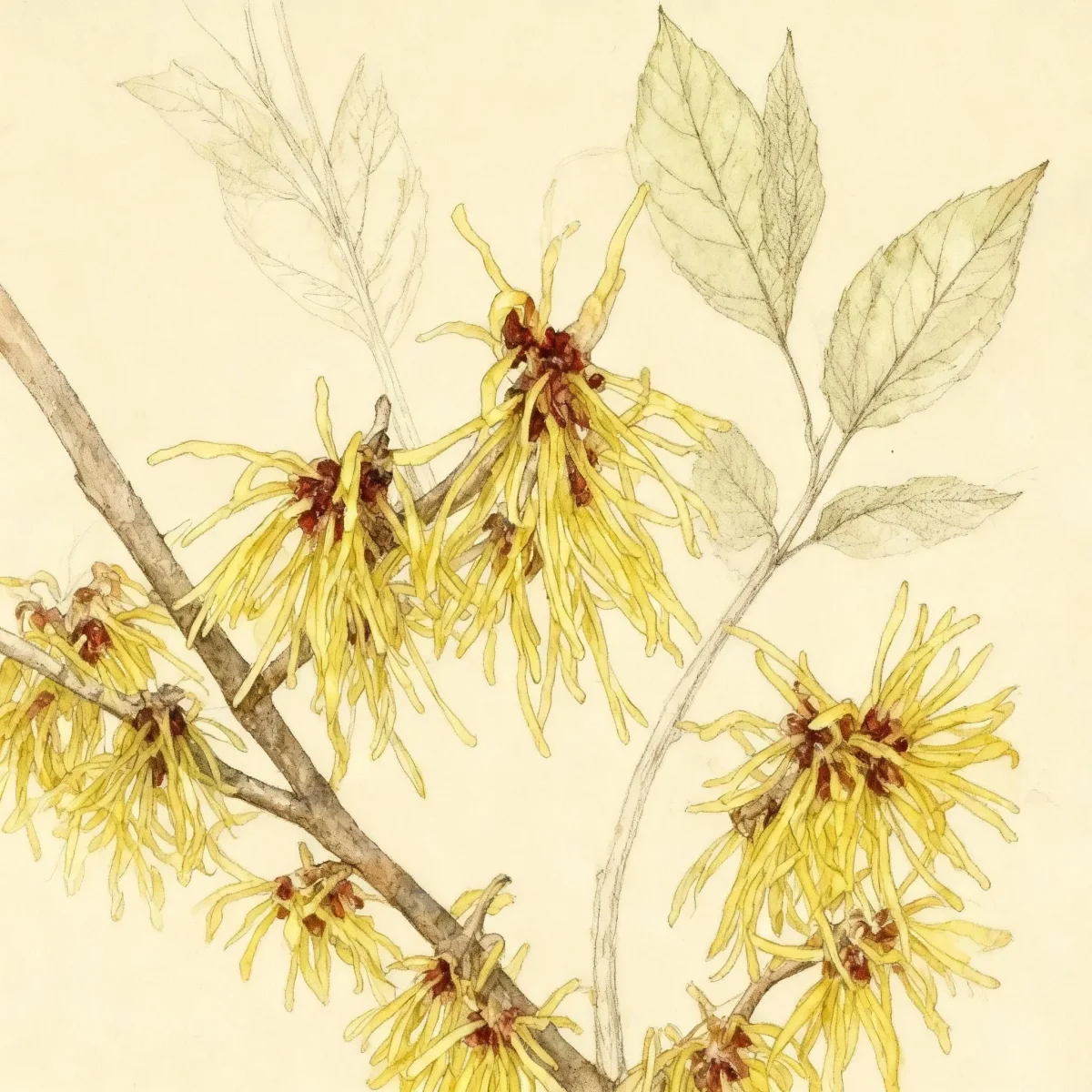
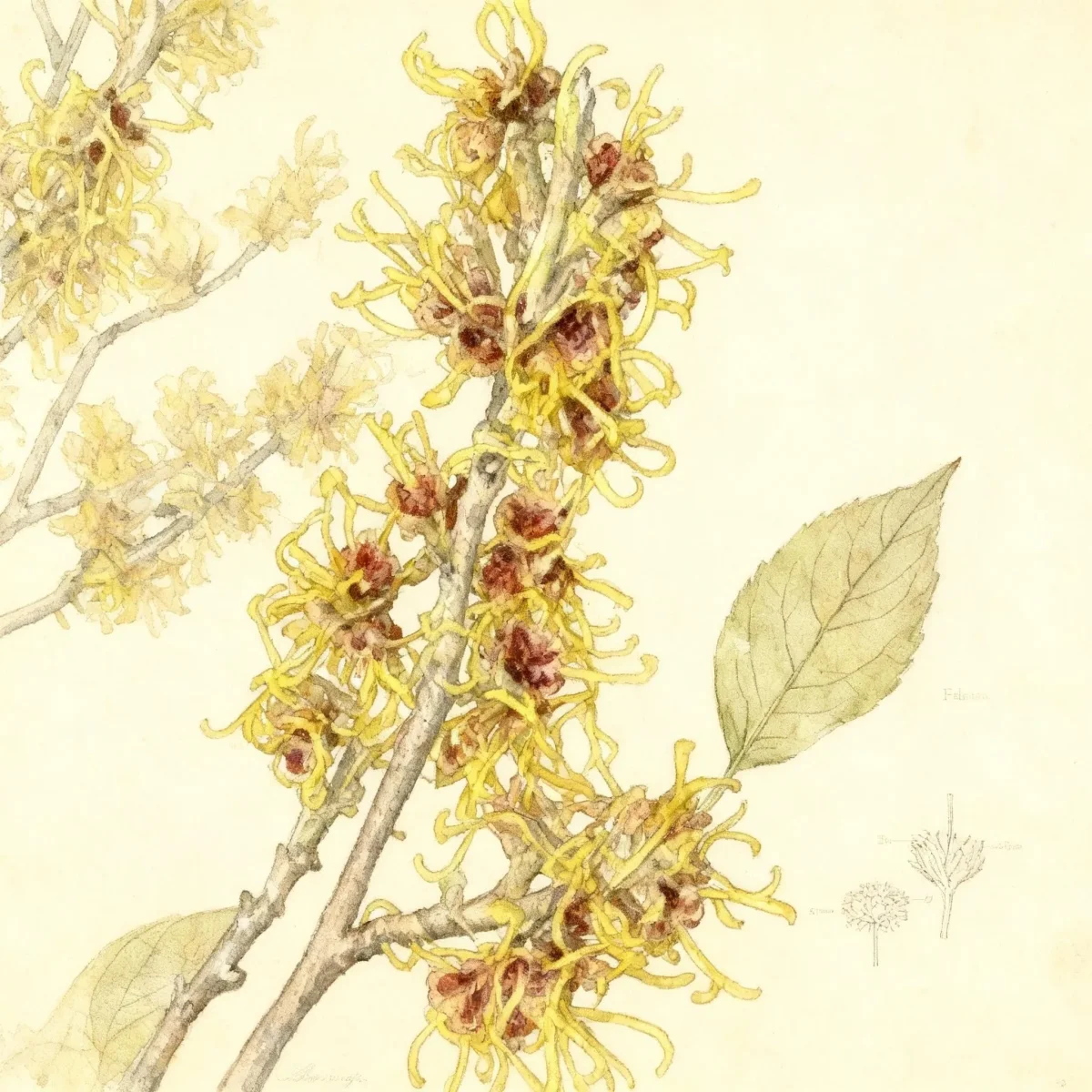
Chinese witch hazel (Hamamelis mollis 'Sweet Sunshine')
Hamamelis mollis 'Sweet Sunshine' offers fragrant, golden winter blooms. This Chinese witch hazel is a low-maintenance, deer-tolerant shrub.
Scroll down to discover growing tips, care requirements, companion plants, and more
Complete Plant Information
Overview
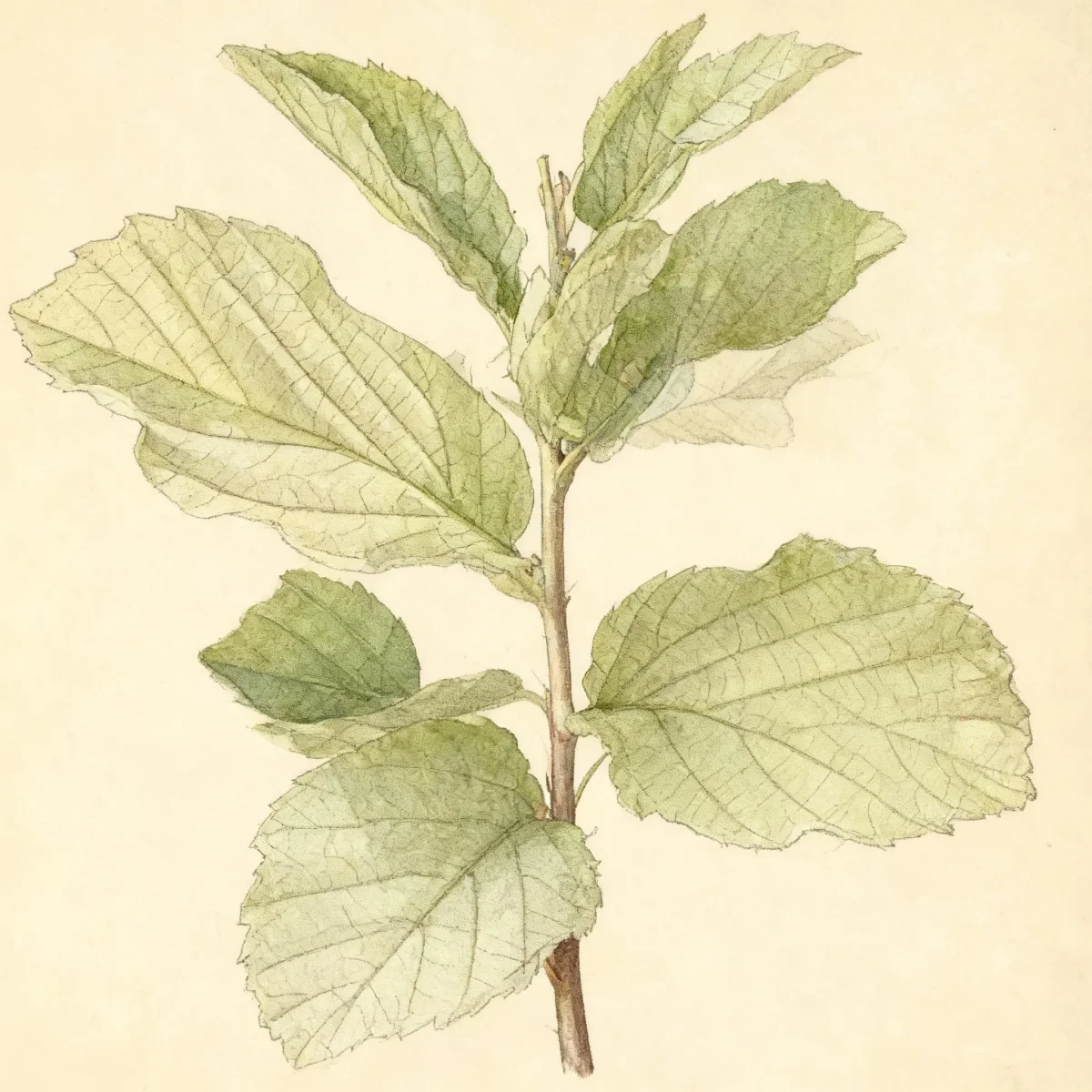
Hamamelis mollis ‘Sweet Sunshine’, known commonly as Chinese witch hazel, is prized by gardeners for its exceptional performance during the late winter season when little else is flowering. This deciduous shrub delivers a show of wonderfully fragrant, golden yellow blossoms right before spring emerges, providing vital early color. It matures into an open, upright specimen, perfect for adding structure to the winter garden.
The cultural requirements for Hamamelis mollis ‘Sweet Sunshine’ are relatively straightforward, requiring medium moisture and well-drained soil. While it tolerates part shade, achieving the best, most abundant flowering demands full sun exposure. As a low-maintenance selection, this cultivar offers year-round visual interest, shifting from striking winter blooms to pleasant yellow fall color.
Gardeners value this specific Chinese witch hazel not only for its aesthetic appeal but also for its utility in hedging and its ability to thrive in diverse conditions, including some clay soil tolerance. Selecting the right site placement is key, especially in colder regions, to protect the winter flower buds from harsh freezes associated with USDA Zone 5.
Fast Facts
- Plant Family: Hamamelidaceae
- Plant Type: Deciduous shrub
- Hardiness Zones: USDA Zones 5-8
- Size at Maturity:
- Height: 6-10 ft
- Spread: 6-10 ft
- Bloom Time: February to March
- Bloom Description: Yellow petals with red at the base
- Sun Exposure: Full sun to part shade
- Water Needs: Medium
- Maintenance Level: Low
How to Grow
Planting Chinese witch hazel should ideally occur in spring or fall, ensuring the shrub has time to establish roots before facing summer drought or deep winter cold. Provide it with an average, well-drained soil, though it appreciates moist, organically rich, acidic conditions for optimal growth. While it handles clay to some degree, confirming good drainage is critical to preventing root issues.
Ongoing care centers on moisture management; aim for a consistent medium moisture level, as periods of summer drought can cause leaf scorch. This shrub is generally low maintenance. Pruning should be performed promptly in the spring immediately following the flowering period if shaping or size reduction is necessary.
A crucial aspect of maintenance involves addressing root suckers. Because Hamamelis mollis ‘Sweet Sunshine’ may be grafted onto different rootstocks, promptly remove any suckers arising from below the graft union to maintain the integrity of the cultivar. In marginal Zone 5 locations, site the shrub in a protected area, as winter flower buds are susceptible to damage when temperatures dip below -5°F.
Landscape Uses
The unique timing of blooming makes Hamamelis mollis ‘Sweet Sunshine’ an excellent specimen plant, drawing the eye during the dormant season. Its moderate size, reaching up to 10 feet tall and wide, suits it perfectly for use in shrub borders where its glowing winter display can serve as a focal point. As it is listed as a good choice for hedge material, grouping several plants provides a fragrant, unexpected screen come late winter.
Consider planting this Chinese witch hazel near seating areas or walkways where its strong fragrance can be fully appreciated when you need winter interest most. For woodland garden settings, ensure the location receives adequate light—full sun to light shade—to encourage robust flowering. Because of its excellent yellow fall color, integrating it with later-blooming or evergreen shrubs creates appealing rotational seasonal contrast.
Standout Features
Flower Qualities
- Showy
- Fragrant
Noteworthy Characteristics
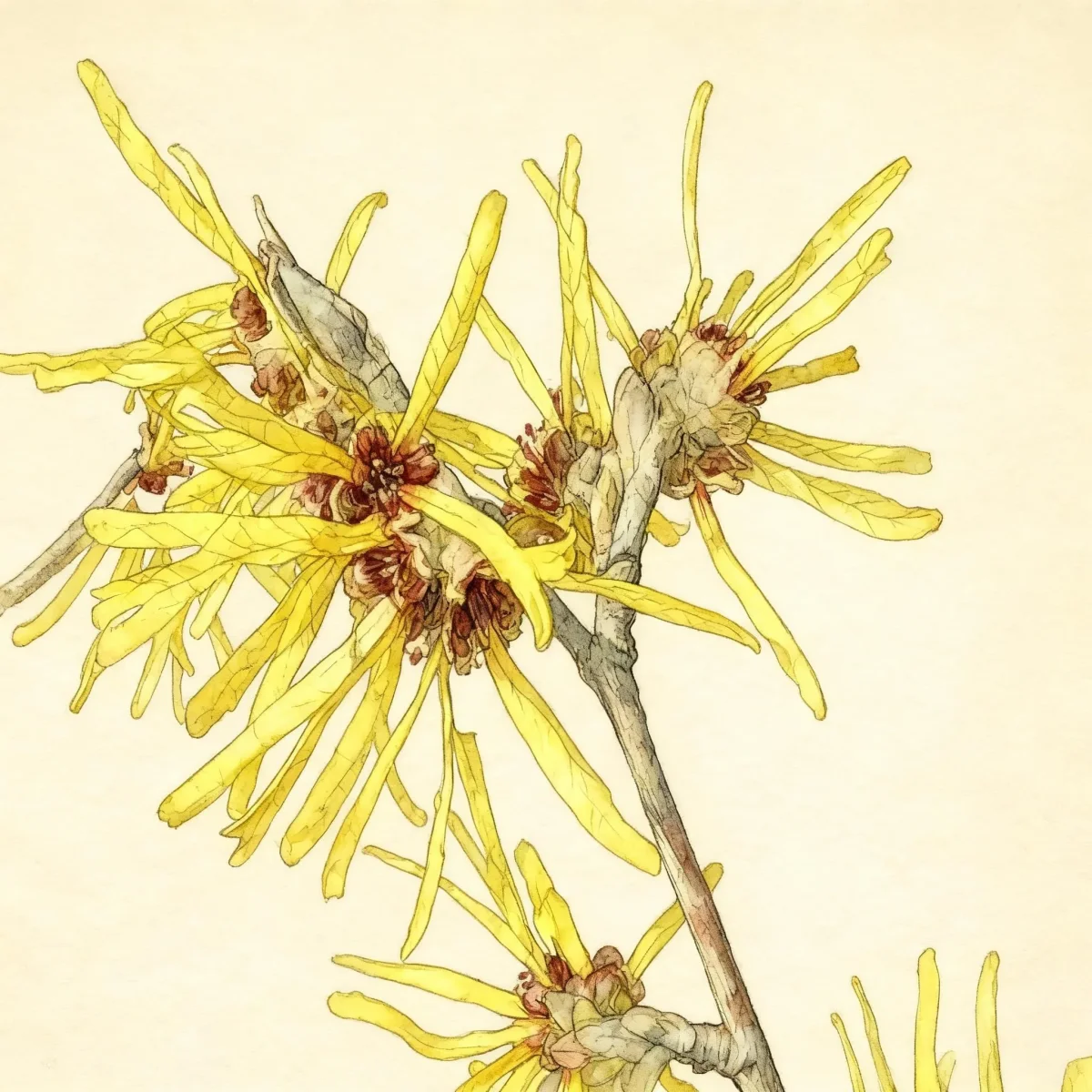
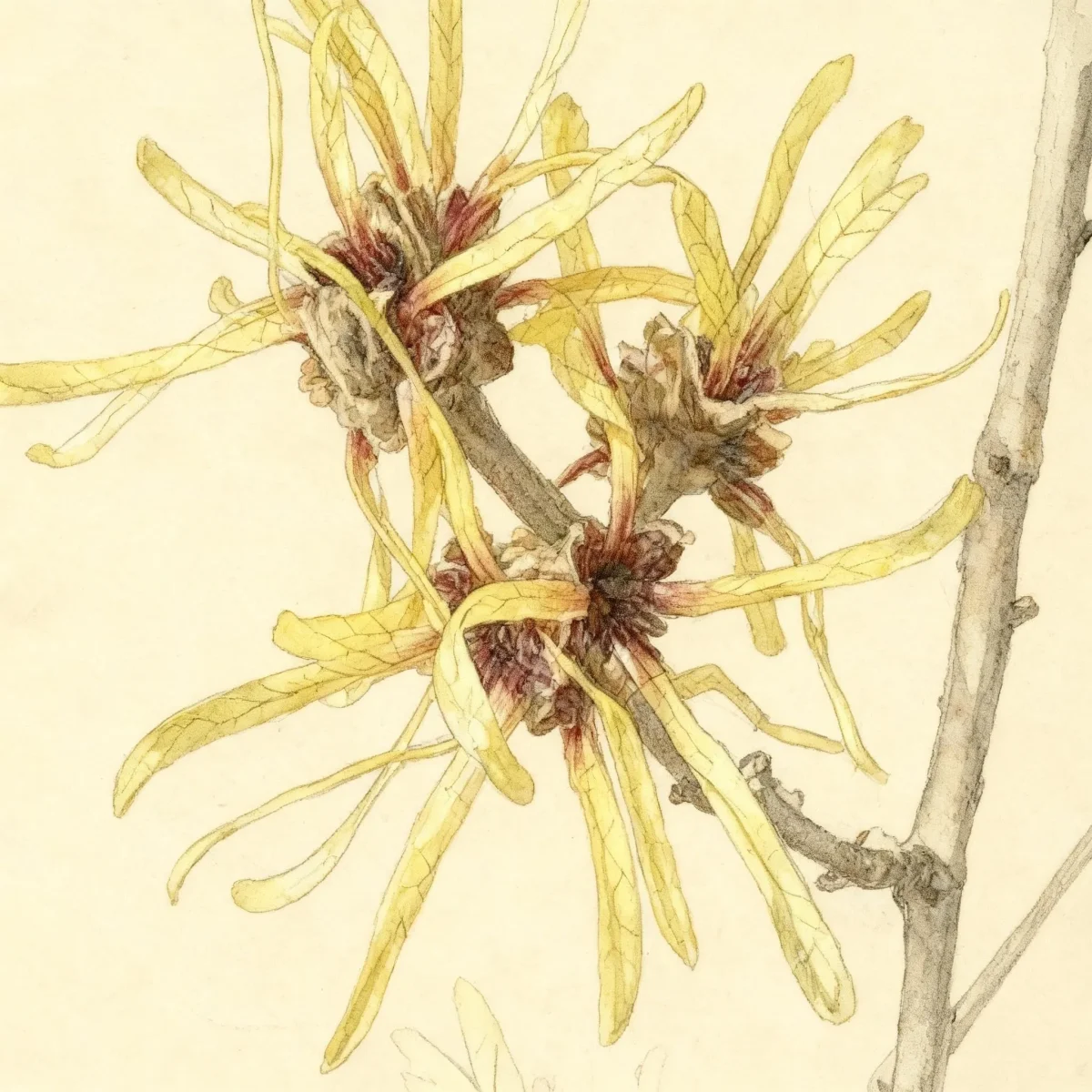
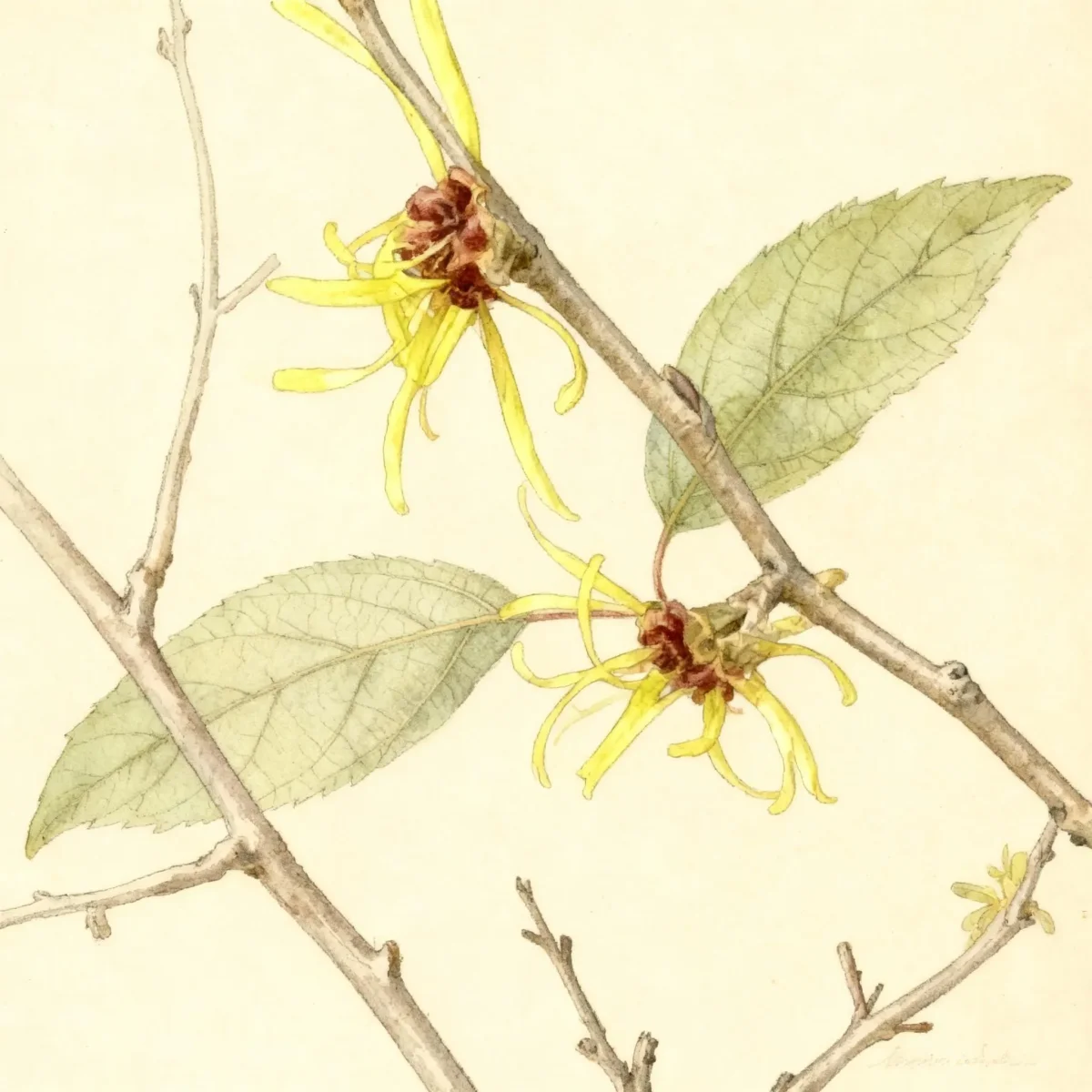
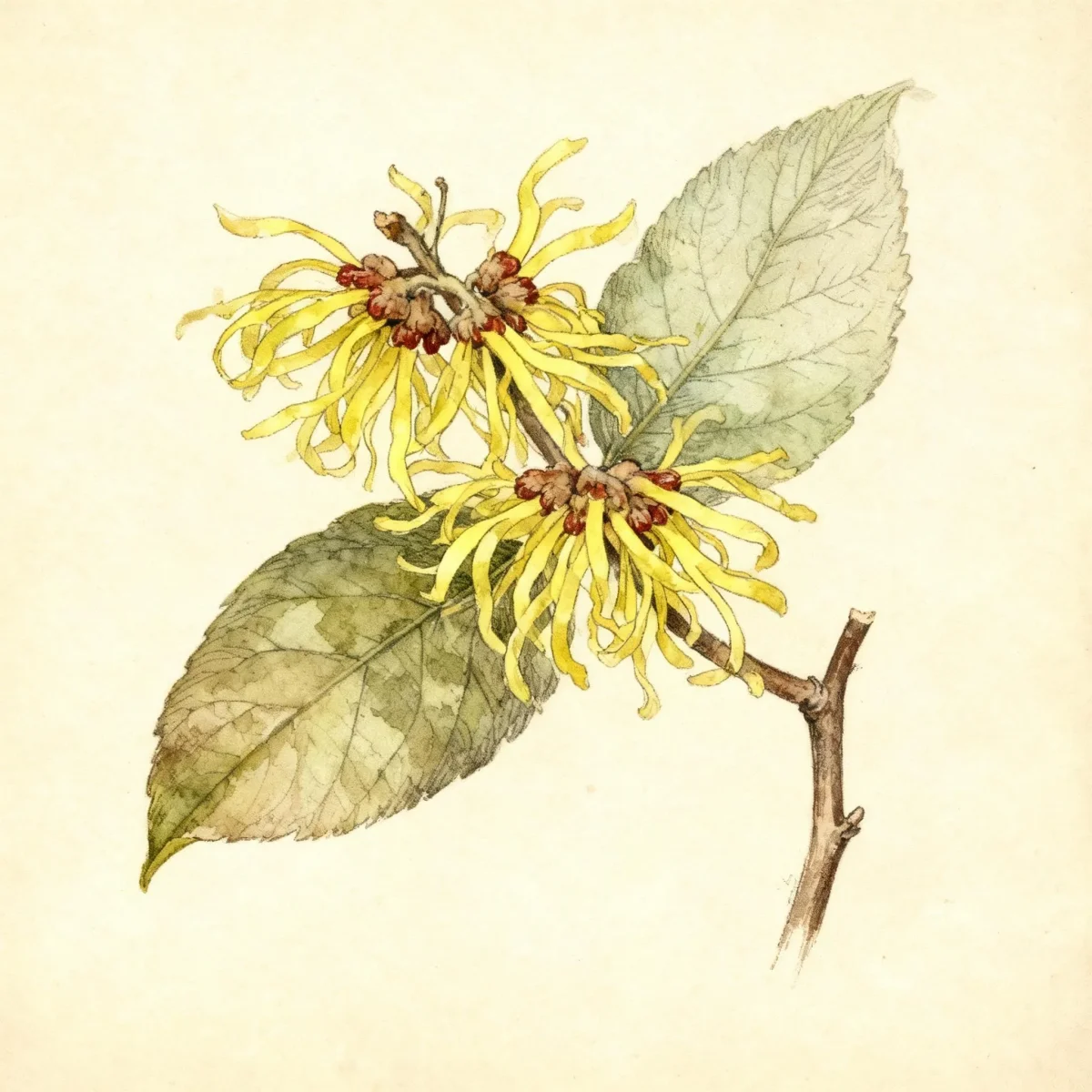
‘Sweet Sunshine’ is a Chinese witch hazel cultivar that features fragrant, golden yellow flowers (to 5/8” long) which bloom in clusters along bare stems in mid- to late winter (February-March) before spring foliage emerges. Each crinkly yellow flower has narrow, strap-shaped petals which are tinged with red at the base. This shrub typically matures to 6-10’ tall and as wide, offering beautiful yellow fall color before leaf drop.
Tolerances
- Deer
- Erosion
- Clay Soil
Potential Problems
While generally robust, be aware that caterpillars and Japanese beetles might cause cosmetic leaf damage during the growing season. Watch for sap-sucking pests such as gall aphids, scale, leafrollers, and leafminers, although these issues rarely require chemical intervention. Disease susceptibility includes powdery mildew and occasional leaf spots, which often indicate poor air circulation or overly wet conditions rather than a serious systemic problem. Always prune after flowering to maximize airflow, which helps mitigate fungal issues.
Frequently Asked Questions
What hardiness zones is Chinese witch hazel suitable for?
Hamamelis mollis ‘Sweet Sunshine’ is reliably hardy throughout USDA Zones 5 through 8.
How large does Chinese witch hazel grow?
This deciduous shrub typically matures to a height between 6 and 10 feet, with a corresponding spread of 6 to 10 feet, forming a rounded shape.
When does Chinese witch hazel bloom?
The striking winter display of Hamamelis mollis ‘Sweet Sunshine’ occurs from February right through March, showcasing deep yellow petals tinged with red at the base.
What sun exposure does Chinese witch hazel need?
For the best flowering results, aim for full sun, although the plant can tolerate light to part shade conditions.
Conclusion
For reliable, fragrant winter spectacle and attractive fall foliage, the Chinese witch hazel cultivar Hamamelis mollis ‘Sweet Sunshine’ is an outstanding choice for the landscape. Its low maintenance needs and varied tolerances make it highly practical for many garden situations. Before planting, confirm your location falls within USDA Zones 5-8 and ensure the proposed site offers good drainage to enjoy this rewarding shrub for years to come.
Companion Planting
When selecting companions for Hamamelis mollis ‘Sweet Sunshine’, consider plants that offer contrasting foliage texture or bloom time to maximize visual impact when the witch hazel is dormant. Early spring bloomers like snowdrops (Galanthus) or crocus provide a vibrant transition just as its flowers fade. For structural contrast, consider evergreen ferns or low-growing heaths, which thrive similarly in moist, acidic soils and create a lush backdrop for the shrub’s bare, flower-laden branches in late winter.
Design Ideas
Utilizing the specimen value of this Chinese witch hazel means planting it where its winter display is not obscured by taller structures or other plantings. Place this shrub near an entryway or a frequently used patio to benefit from its strong, sweet fragrance experienced during cold weather walks. Grouping it in small drifts can enhance its hedge potential while ensuring that its fine yellow fall color complements later-season shrubs like Viburnum varieties that maintain interest into autumn.