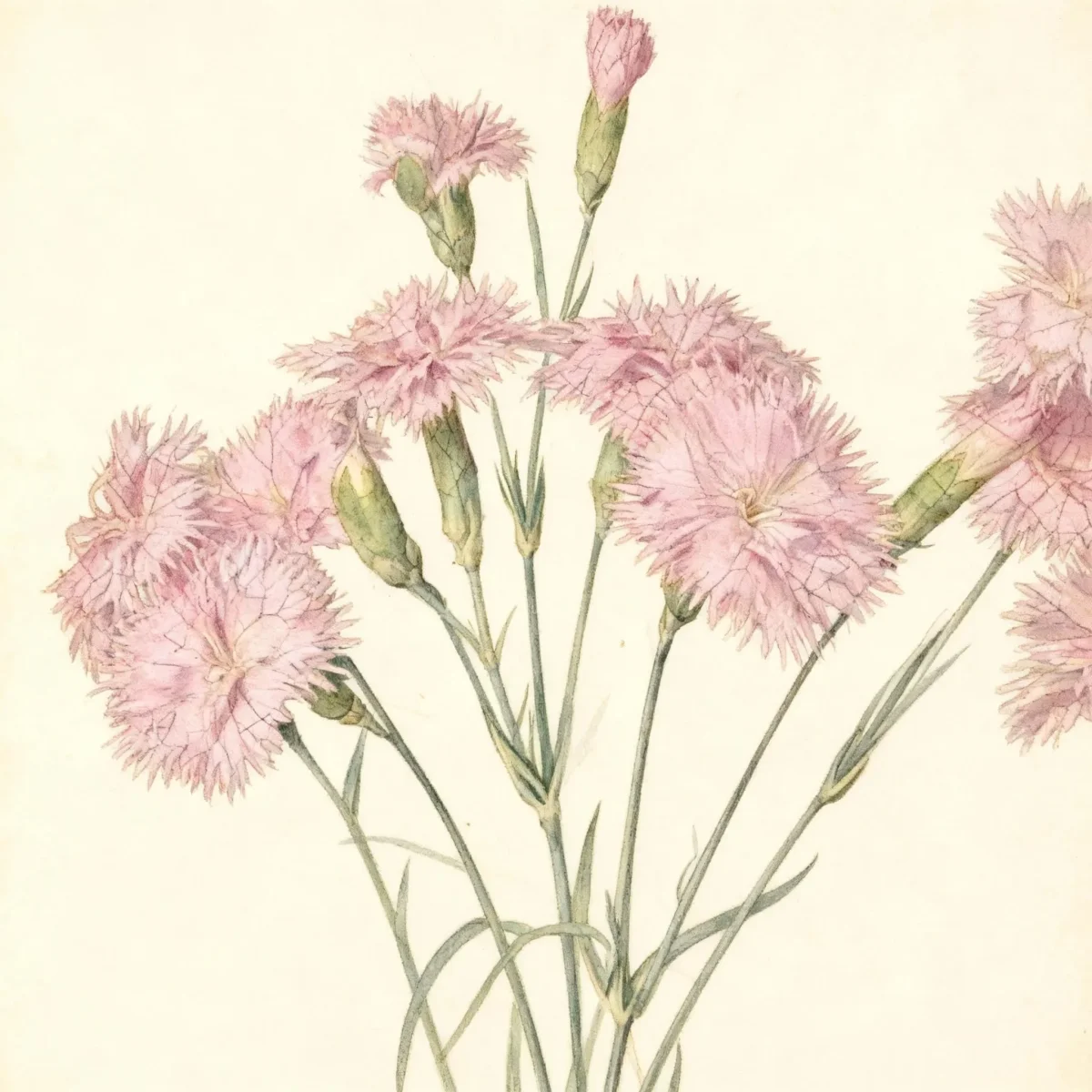
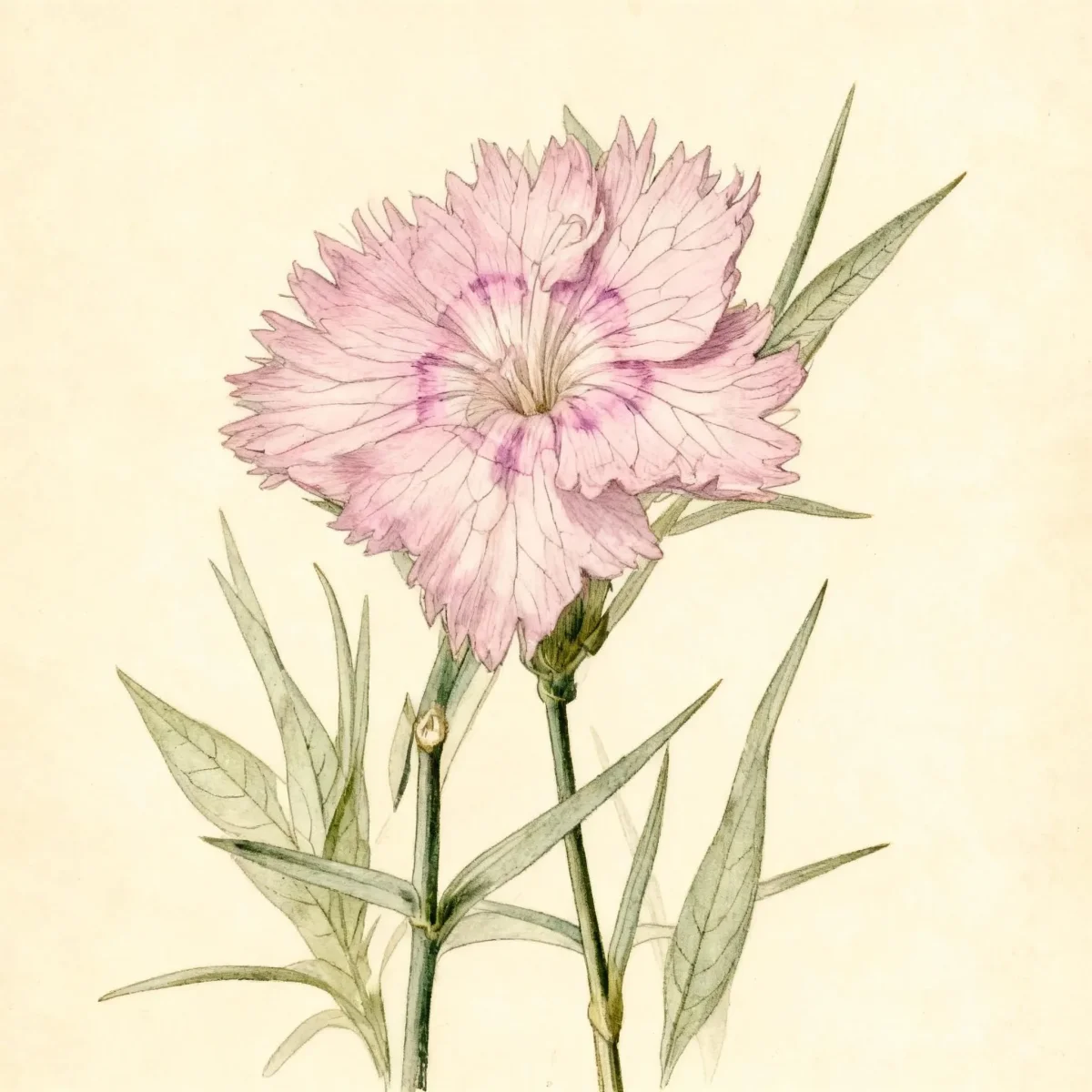
Dianthus (Dianthus 'Heart's Desire')
Dianthus 'Heart's Desire' is a fragrant, low-growing perennial featuring pink blooms, ideal for rock gardens in zones 4-8.
Scroll down to discover growing tips, care requirements, companion plants, and more
Complete Plant Information
Overview
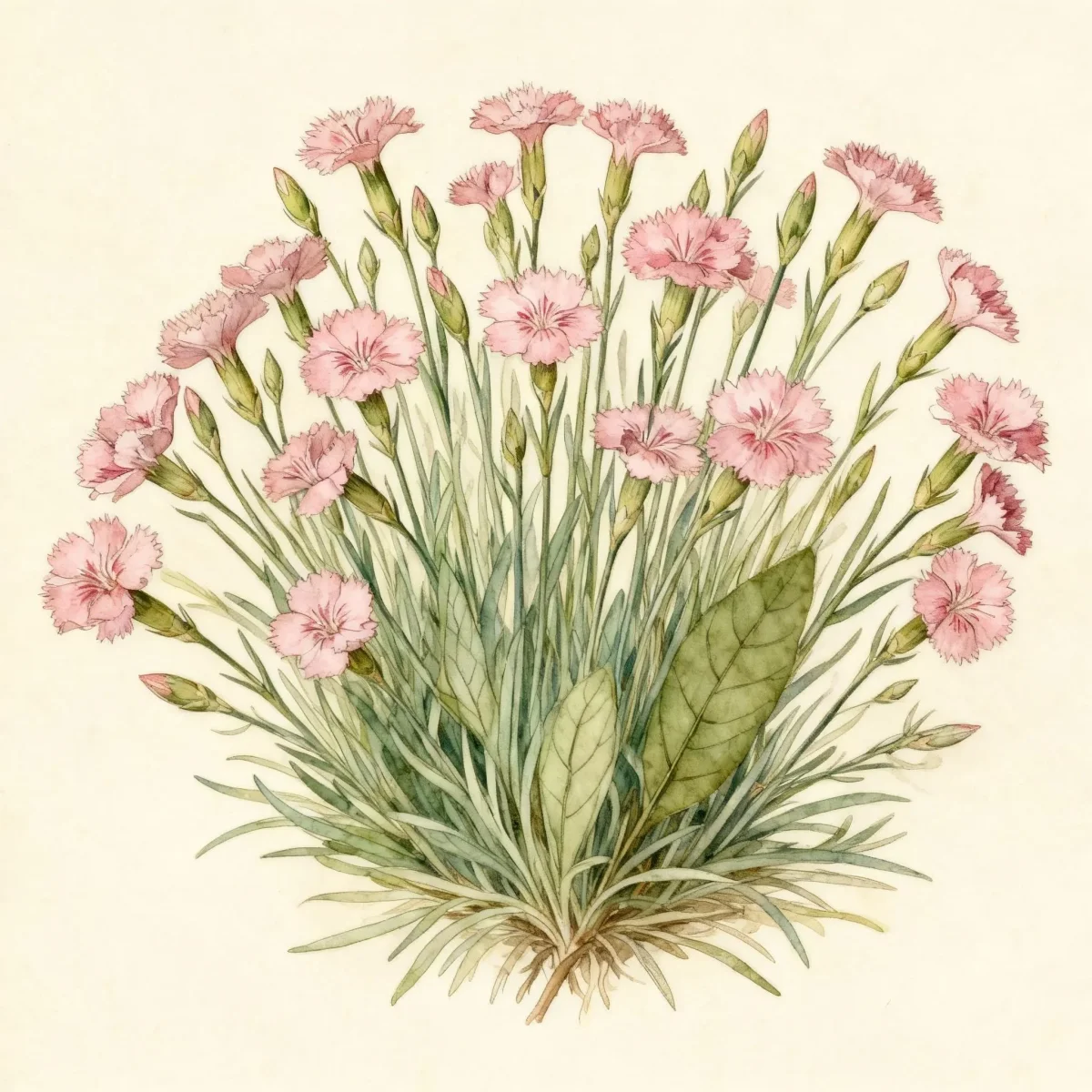
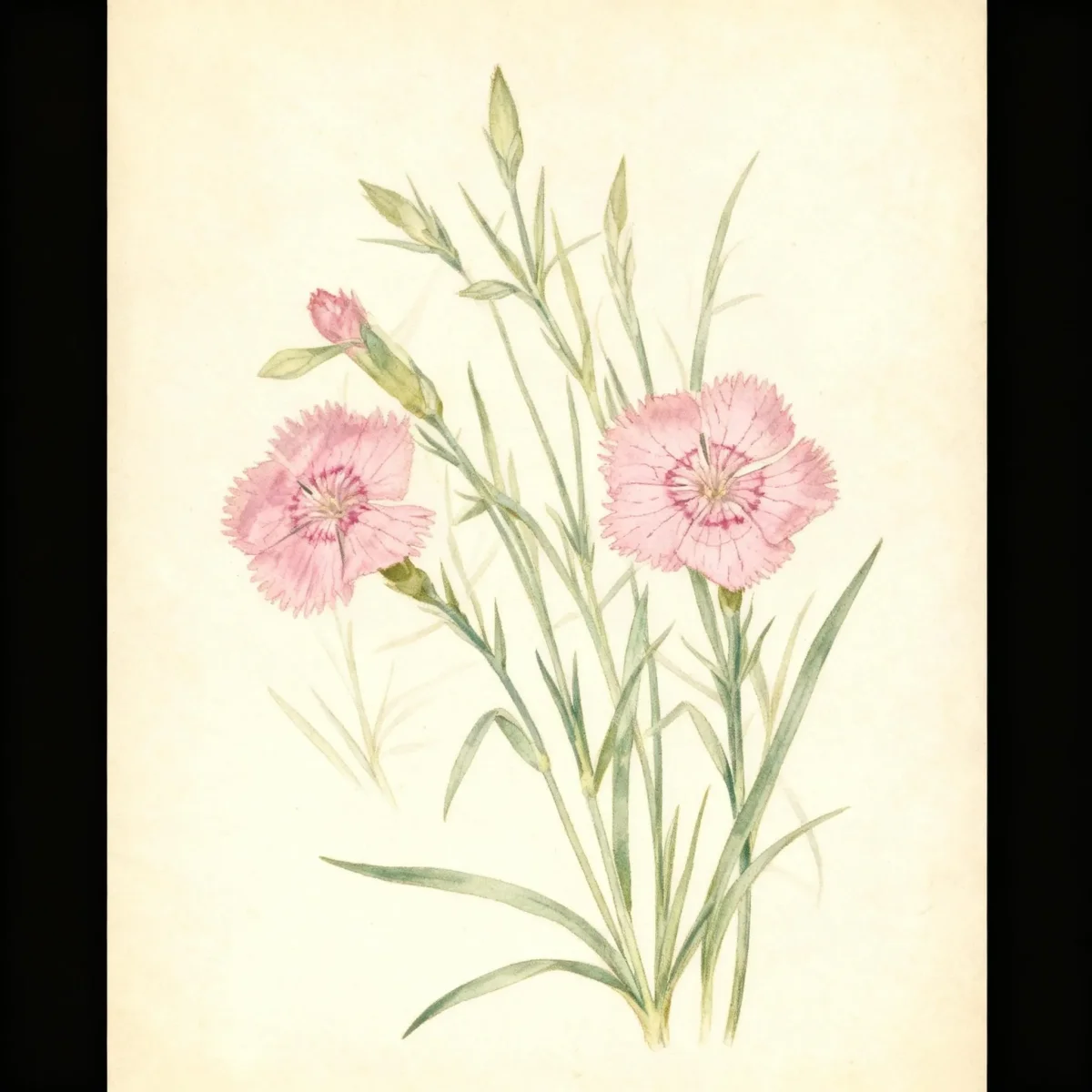
Dianthus ‘Heart’s Desire’ offers exceptional texture and color near the front of garden beds. This robust variety of Dianthus, commonly known as Pinks, forms attractive cushions of blue-green, grass-like foliage, setting the stage for its early summer display. Gardeners value this specific cultivar for its compact habit and reliable, spicy-scented flowers.
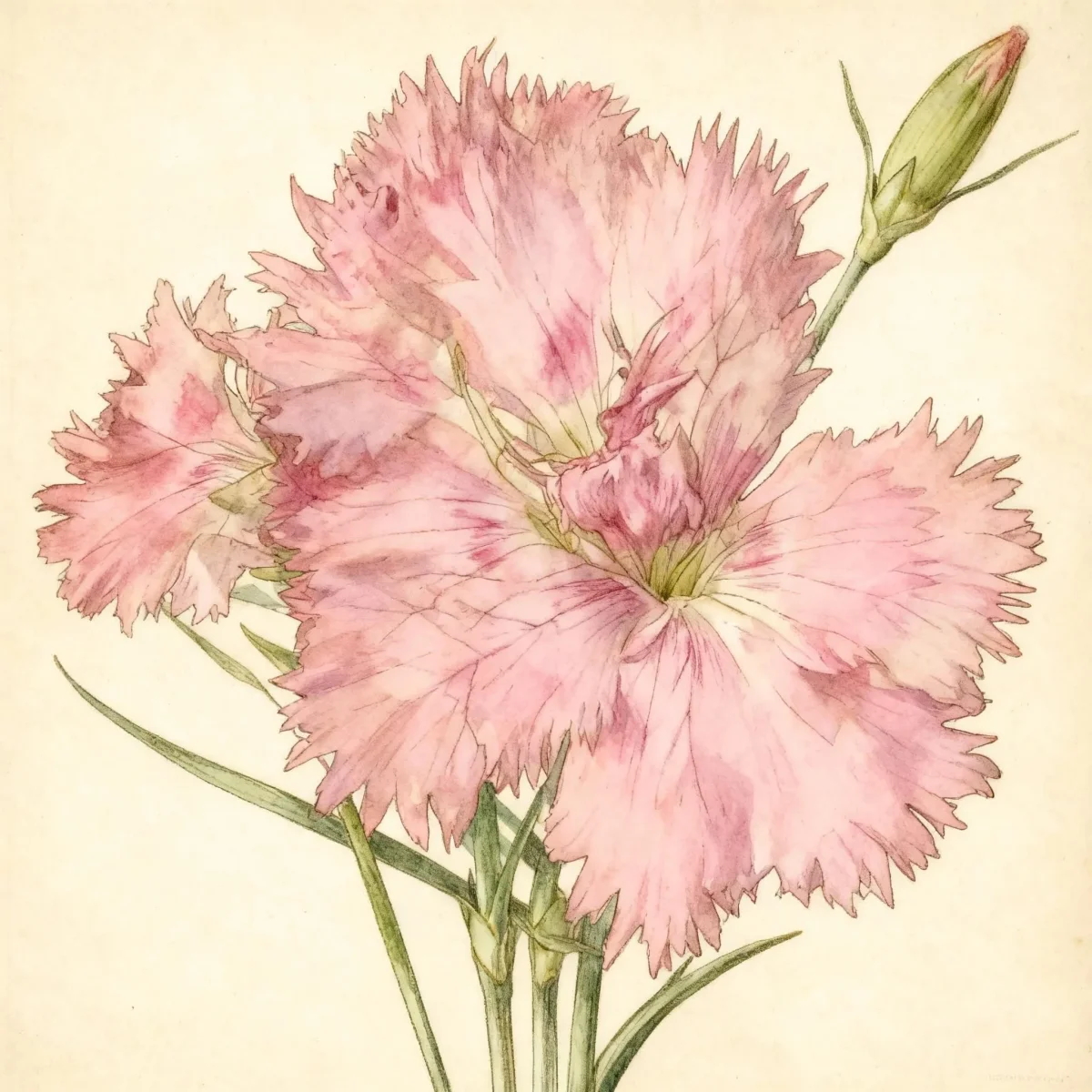
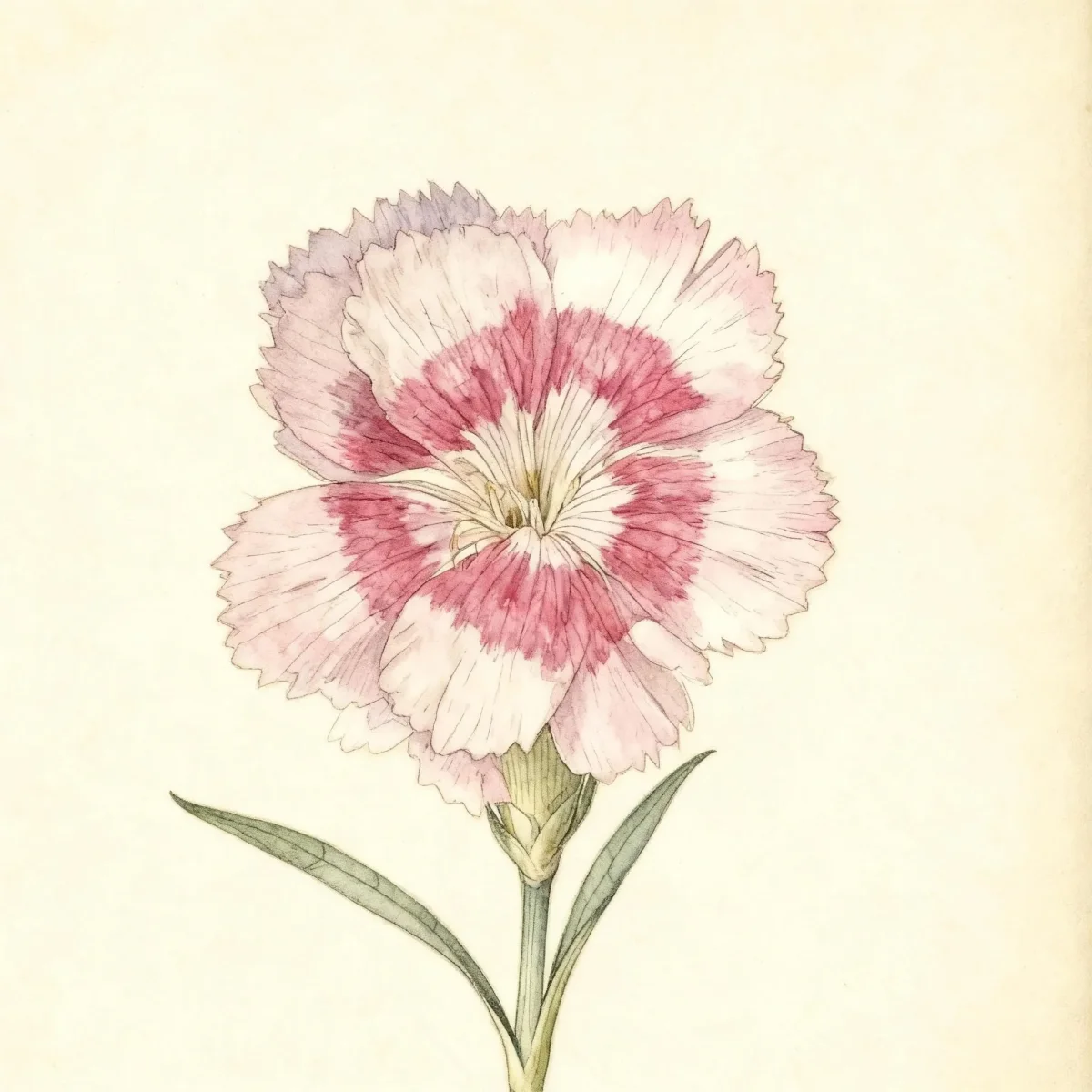
Emerging from late spring into mid-summer, the blooms of Dianthus ‘Heart’s Desire’ are a delightful shade of pink accented by distinctive red-purple staining. As a low-maintenance herbaceous perennial, it thrives in full sun, provided it receives adequate drainage, which is paramount for the long-term health of Dianthus in the landscape.
This variety presents a wonderful opportunity to introduce classic cottage garden charm in small spaces. Whether used as edging or in rockeries, Dianthus ‘Heart’s Desire’ brings reliable, fragrant performance with minimal fuss, making it an expert choice for sunny borders.
Fast Facts
- Plant Family: Caryophyllaceae
- Plant Type: Herbaceous perennial
- Hardiness Zones: USDA Zones 4-8
- Size at Maturity:
- Height: 0.25-0.5 ft
- Spread: 0.5-1 ft
- Bloom Time: May to July
- Bloom Description: Pink with red-purple staining
- Sun Exposure: Full sun
- Water Needs: Medium
- Maintenance Level: Low
How to Grow
Dianthus ‘Heart’s Desire’ is best established in the spring or early fall when temperatures are moderate. Ensure the planting location receives full sun, as abundant sunlight is necessary for prolific flowering, although these plants appreciate relief from the most intense summer heat, which dictates ideal siting in hotter climates. The most critical factor for success is soil health: plants perform best in organically rich, gritty loams that are slightly alkaline or neutral.
Good drainage is absolutely essential; soggy soils invite fungal issues common to all Dianthus. To improve structure while retaining necessary moisture, amend the soil with plenty of leaf mold or other organic material before planting. Follow an average watering schedule, ensuring the soil remains evenly moist but never waterlogged, especially during dry spells.
Maintenance for Dianthus ‘Heart’s Desire’ is generally low. Deadheading spent blooms reliably encourages the plant to produce additional flushes of fragrant flowers throughout the season. For aesthetic tidiness and to promote a late summer or early fall rebloom, consider shearing the plants back lightly after the main flowering period concludes.
Landscape Uses
Dianthus ‘Heart’s Desire’ excels near the front of borders, providing low-growing, dependable color where taller plants would obscure it. Their tight, mounding habit makes them perfect for defining an edge or filling pockets within rock gardens, adding softness to hardscaping elements. They also fit seamlessly into traditional cottage gardens, creating dense sweeps of texture between larger perennials.
When considering companions, look for plants that share a cultural preference for full sun and well-drained soil, but offer contrasting textures or bloom times. Low-growing Sedums, creeping Thymes, or interspersed Alpine plants pair beautifully with the needle-like foliage of this Dianthus. The cool blue-green of the foliage contrasts nicely with plants bearing yellow or deep burgundy foliage.
Standout Features
Flower Qualities
- Showy
- Fragrant
Noteworthy Characteristics
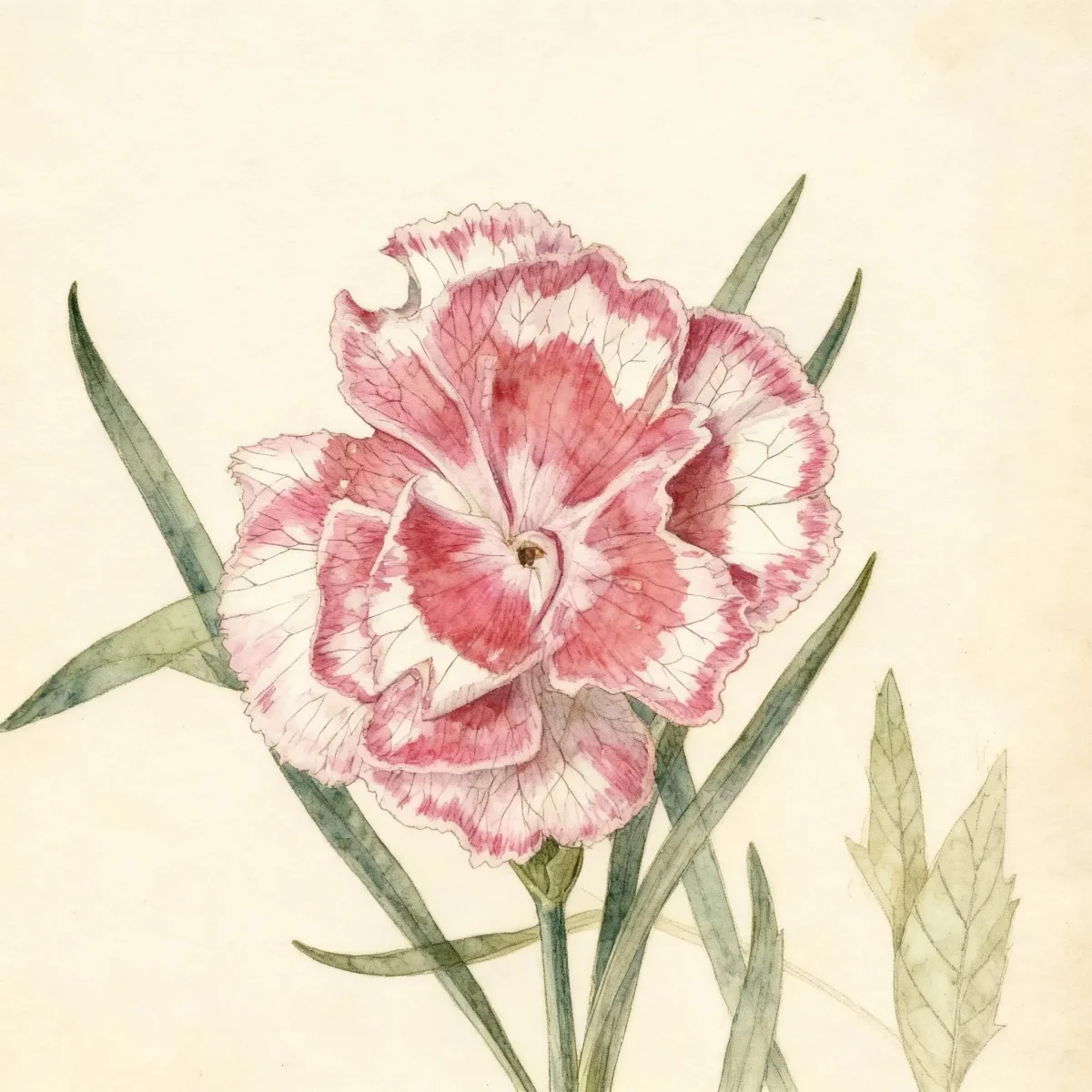
Perennial dianthus, commonly called carnations or pinks, are loosely-tufted, herbaceous perennials that features fragrant, often double flowers on stiff stems clad with narrow, linear, gray-green leaves. The common name of pink for plants in the genus Dianthus is in probable reference to the fringed flower petal margins (they appear to have been cut with pinking shears) and not to flower color. The specific cultivar ‘Heart’s Desire’ typically grows to only 4-6” tall, spreading over time to 12” wide, arising from a mutation of Dianthus ‘Rosish One’, and was granted U. S Plant Patent PP20,323 in 2009.
Tolerances
- Deer
Potential Problems
Carnations are susceptible to a variety of fungal, bacterial, and viral pathogens, including botrytis, rust, powdery mildew, leaf spots, and fusarium wilt. They may also attract pests such as aphids, caterpillars, leafminers, spidermites, and scale. Significantly, these issues are much more problematic when growing Dianthus under glass for cut flower production; when grown outdoors in a garden bed, these problems are far less frequent.
The key to prevention lies in cultural control: ensure excellent air circulation and strictly adhere to proper drainage requirements. Avoid overhead watering, especially late in the day, to keep the foliage dry, frustrating fungal pathogens. If pests appear, horticultural oils or insecticidal soaps can effectively manage soft-bodied insects like aphids on your Dianthus ‘Heart’s Desire’.
Frequently Asked Questions
What hardiness zones is Dianthus ‘Heart’s Desire’ suitable for?
Dianthus ‘Heart’s Desire’ is well-suited for USDA Hardiness Zones 4 through 8.
How large does Dianthus grow?
This perennial typically reaches a height between 0.25 and 0.5 feet, spreading to occupy a space between 0.5 and 1 foot wide.
What sun exposure does Dianthus need?
For the best performance and bloom coverage, Dianthus ‘Heart’s Desire’ requires full sun conditions.
When does Dianthus bloom?
You can expect blooms from May through July, featuring beautiful pink flowers marked with red-purple staining.
Conclusion
Dianthus ‘Heart’s Desire’ is a valued addition to any garden, offering dependable low growth, striking foliage, and lovely fragrant blooms. By ensuring well-drained, slightly sweet soil and full sun exposure, you can easily maintain this robust perennial. Check your local hardiness zone compatibility and plan to plant this season to enjoy the classic charm of Dianthus.
Companion Planting Strategy
Since Dianthus ‘Heart’s Desire’ prefers lean, gritty, neutral to slightly alkaline soil and excellent drainage, select companions that share these preferences to avoid over-fertilizing or waterlogging the area. Plants often associated with alpine or rock garden settings are excellent partners. Consider pairing the fine texture of the Dianthus foliage with plants that offer broader leaf shapes for visual contrast.
Many native limestone-loving plants thrive alongside Dianthus. Look into associating it with certain varieties of creeping Phlox (Phlox subulata) or low-growing members of the Asteraceae family that are tolerant of drier conditions once established. These groupings create a naturalistic, resilient planting scheme that requires little supplementary feeding.
Seasonal Care Calendar
Spring preparation involves removing any winter debris and top-dressing lightly with composted leaf mold or grit to maintain ideal soil structure before new growth begins. Spring is the prime time for any needed division, though this Dianthus is generally low-maintenance. During the summer heat, monitor moisture levels, ensuring the plants receive medium water, especially if blooming heavily.
In late summer or early fall, a light shearing after the main flower flush can encourage a second, smaller bloom event and keep the mounds tidy heading into winter. Avoid heavy fertilization, as excess nitrogen can cause lush foliage growth at the expense of flowers and may weaken the plant against disease. Minimal intervention ensures the longevity of Dianthus ‘Heart’s Desire’.