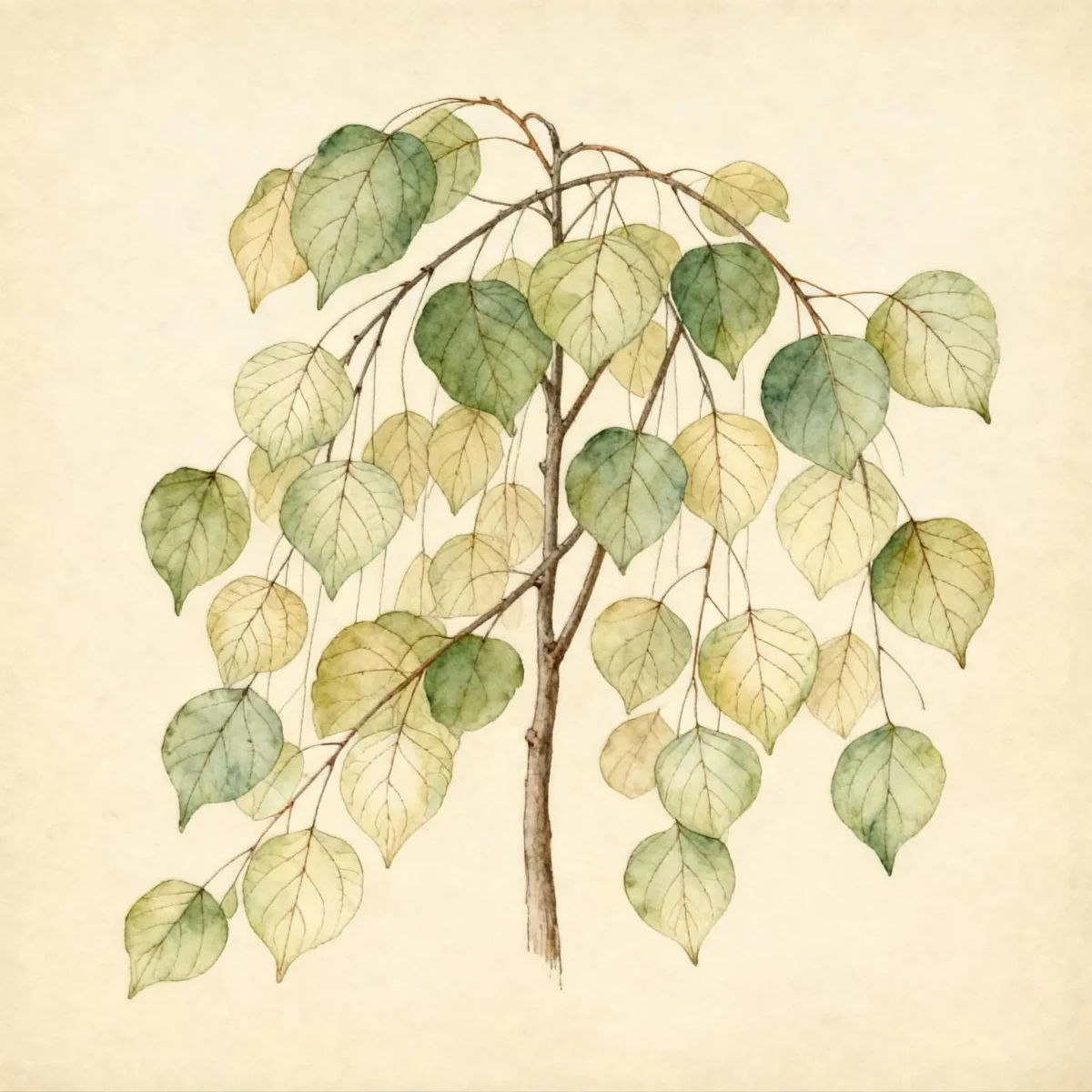
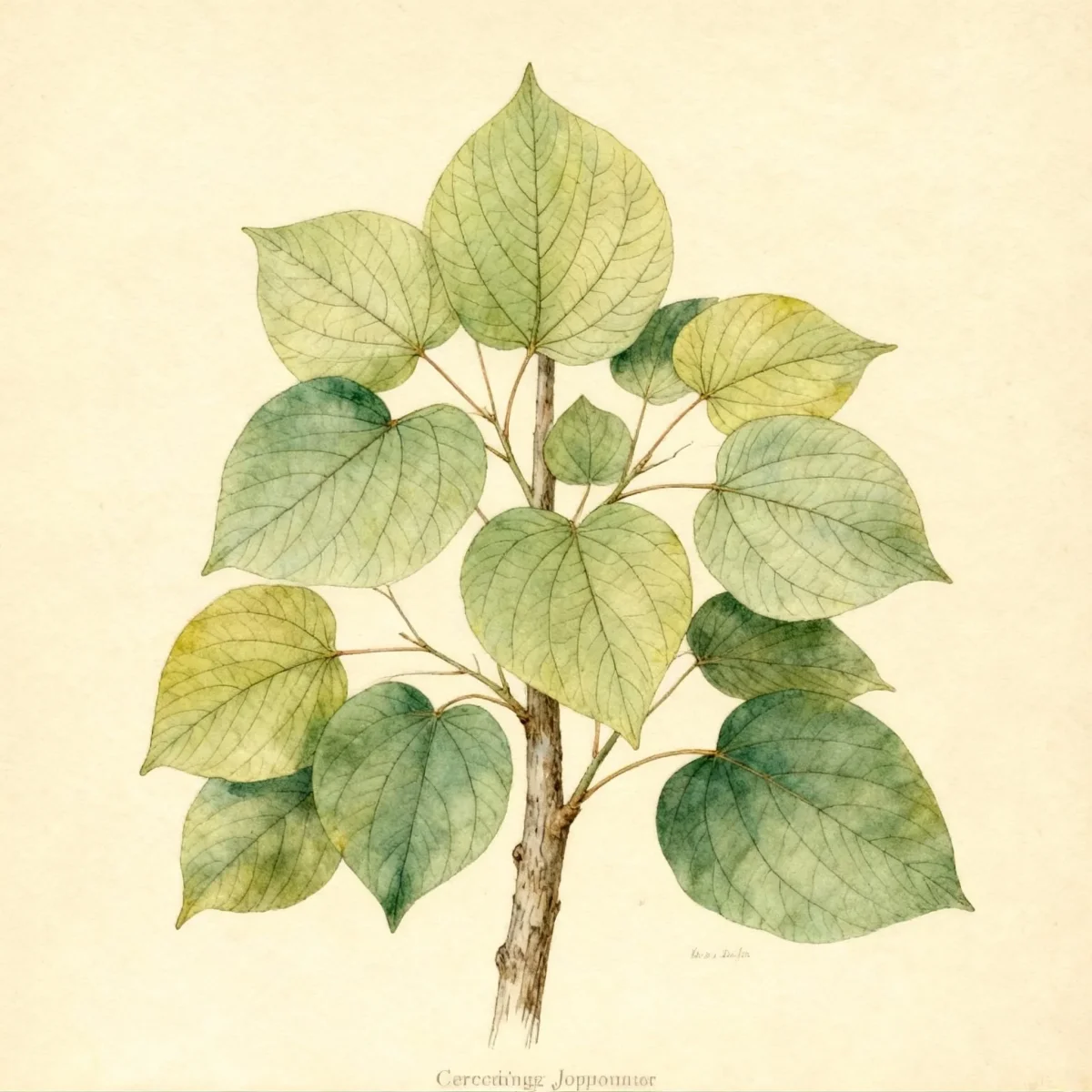
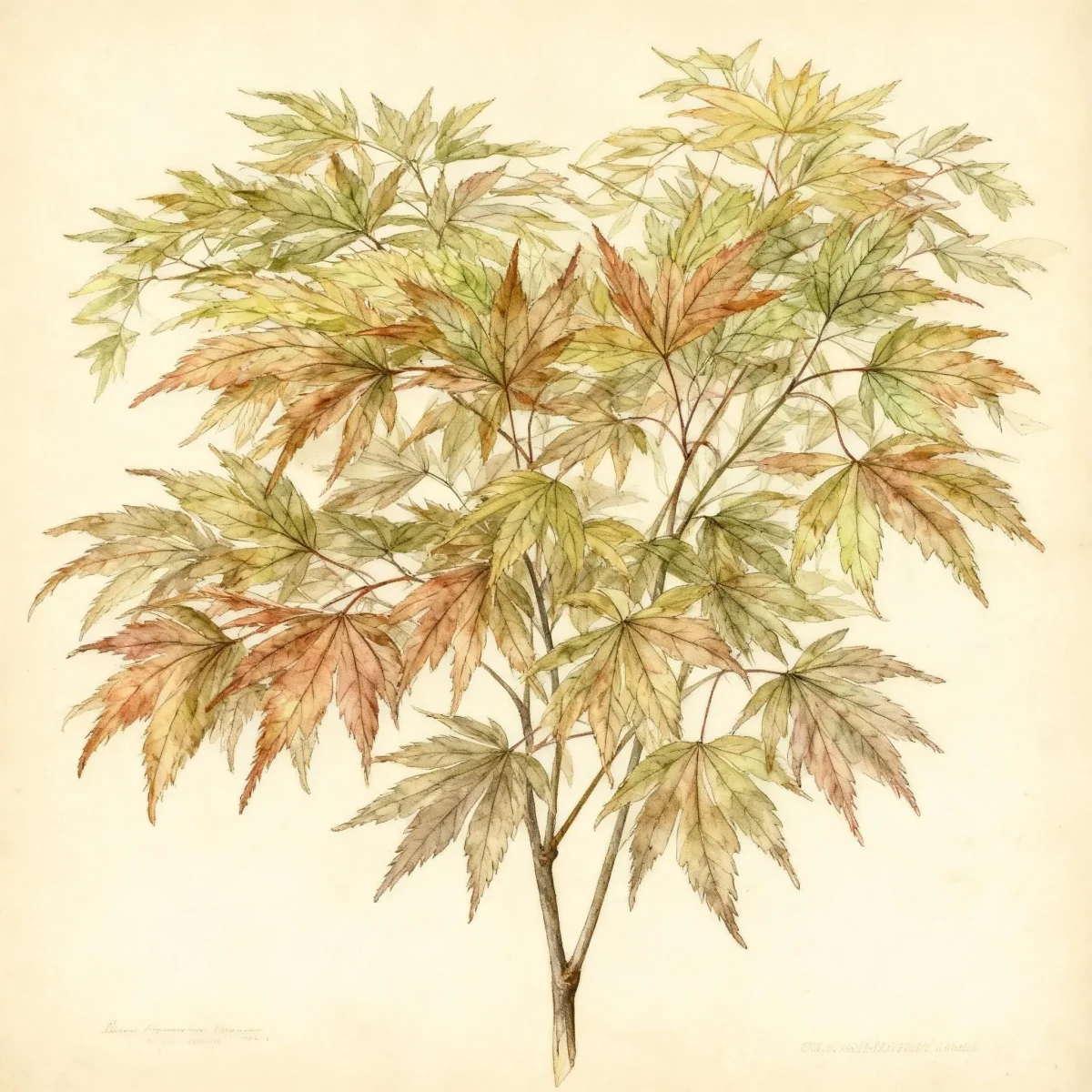
Katsura tree (Cercidiphyllum japonicum 'Rotfuchs' RED FOX)
Discover Cercidiphyllum japonicum 'Rotfuchs' RED FOX, a stunning purple-leaved Katsura tree for zones 4-8 with low maintenance.
Scroll down to discover growing tips, care requirements, companion plants, and more

Complete Plant Information
Overview
The Katsura tree, specifically the cultivar Cercidiphyllum japonicum ‘Rotfuchs’ RED FOX, offers exceptional ornamental value, particularly due to its dramatically colored spring foliage. This deciduous tree matures into a dense, rounded specimen perfect for anchoring a landscape design. Gardeners prize this variety for its unique leaf color progression throughout the season.
Native to Japan and China, the standard Katsura tree is a stately, multi-trunked addition to larger settings. The cultivar ‘Rotfuchs’ RED FOX elevates this standard by emerging with deep burgundy-purple leaves accented by bright veining. This particular characteristic makes the Cercidiphyllum japonicum ‘Rotfuchs’ RED FOX a focal point when backlit by morning sun.
While the spring flowers are insignificant, the tree compensates with its shape and foliage, which shifts from purple to bluish-green before transforming into brilliant gold, orange, and red tones in autumn. The fallen leaves of the Katsura tree are often noted for a faint, pleasant aroma reminiscent of burnt sugar or cinnamon.
Fast Facts
- Plant Family: Cercidiphyllaceae
- Plant Type: Tree
- Hardiness Zones: USDA Zones 4-8
- Size at Maturity:
- Height: 40-60 ft
- Spread: 25-50 ft
- Bloom Time: March to April
- Bloom Description: Red (male), green (female)
- Sun Exposure: Full sun to part shade
- Water Needs: Medium
- Maintenance Level: Low
How to Grow
The best time to establish a new Katsura tree is typically during the dormant season, setting it up for success before the heat begins. Aim to plant in rich, moist, and highly well-drained soil. While this variety tolerates full sun, it performs best when sited in a location that offers some protection from harsh, hot afternoon sun, especially while young.
Watering must be consistent, as the Katsura tree has little tolerance for drought, particularly during its initial years in the landscape. Maintain evenly moist soil conditions corresponding to its medium water needs. Pruning needs are generally minimal, allowing the tree to develop its naturally attractive, rounded habit.
Protecting the structure of this tree is key; best siting involves locations shielded from strong, desiccating winds. Remember that this is a dioecious species, meaning you need both male and female trees to achieve fruit production, although the flowers themselves are inconspicuous.
Landscape Uses
The substantial mature size of the Katsura tree makes it an excellent choice for use as a specimen shade tree where space allows. Its dense habit and year-round color interest allow the Cercidiphyllum japonicum ‘Rotfuchs’ RED FOX to draw attention across the yard. It functions beautifully as a standalone feature specimen rather than being crowded into foundation plantings.
For street tree applications, this plant offers necessary canopy coverage, provided adequate space is available beneath the surface and above the sidewalk for its 25 to 50-foot spread. Consider underplanting beneath the canopy with shade-tolerant perennials that echo the foliage color or texture.
If used in an open lawn area, the tree provides structure and a visual anchor. Its striking spring foliage ensures it remains the star of the yard until the final autumn display concludes the growing season.
Standout Features
Flower Qualities
- Insignificant
Noteworthy Characteristics
Cercidiphyllum japonicum, commonly called katsura tree, is native to Japan and China. It is a deciduous, single or multi-trunked, understory tree with a dense, rounded habit that typically matures to 40-60’ tall in cultivation, but can reach 100’ or more in the wild. The variety ‘Rotfuchs’, translating to red fox, is known for its purple-leaved performance, emerging deep burgundy-purple with contrasting yellow-green veining before transitioning through summer hues to gold and red fall color. Fallen leaves are often noted for being variably described as smelling like cinnamon or burnt sugar.
Tolerances
- Clay Soil
Potential Problems
This tree generally has no serious insect or disease problems, contributing positively to its low maintenance score. The most likely cultural issue an astute gardener will face is foliage scorch. This occurs when the leaves are subjected to prolonged periods of heat combined with dry winds. Prevention involves correct siting away from intense western exposure and maintaining consistent soil moisture, especially during establishment.
To mitigate scorching, ensure the planting area retains adequate moisture during summer heat waves. Avoid overly aggressive fertilization, which can promote tender new growth susceptible to wind burn. Choosing a sheltered location during the initial planting phase helps the Cercidiphyllum japonicum ‘Rotfuchs’ RED FOX establish a robust root system quickly.
Frequently Asked Questions
What hardiness zones is Katsura tree suitable for?
The Cercidiphyllum japonicum ‘Rotfuchs’ RED FOX is generally suitable for USDA Hardiness Zones 4 through 8.
How large does Katsura tree grow?
This tree is substantial, typically reaching mature heights between 40 and 60 feet tall, with a spread ranging from 25 to 50 feet wide.
When does Katsura tree bloom?
Flowering occurs relatively early in the season, from March to April, presenting tiny flowers—red on male trees and green on female trees—which are not highly showy.
What sun exposure does Cercidiphyllum japonicum ‘Rotfuchs’ RED FOX need?
For the best performance and color retention, plant this tree where it receives full sun to partial shade. Partial shade is often preferred to protect the foliage from intense afternoon sun.
Conclusion
The Cercidiphyllum japonicum ‘Rotfuchs’ RED FOX stands out due to its spectacular four-season interest, especially the deep purple spring color contrasted against its eventual gold and orange autumn display. Choosing this specific Katsura tree variety provides a relatively low-maintenance specimen for large ornamental needs. Before purchasing, confirm your landscape meets the Zone 4-8 requirement and provides the rich, moist soil this magnificent tree demands.
Companion Planting
The cultural needs of the Katsura tree—rich, moist, well-drained soil and sun to part shade—guide successful companion pairings. Plants that thrive in similar conditions, such as Hosta varieties with variegation or deep green foliage, complement the size and texture beneath the canopy. Consider planting acid-loving shrubs like Rhododendrons or Azaleas nearby, ensuring their shallow root systems do not compete directly with the Katsura tree’s main feeder roots.
For groundcover suggestions, spring ephemeral bulbs like Daffodils work well, as they complete their cycle before the tree’s dense summer canopy fully shades the ground. Always maintain a clear mulch ring around the base of the Cercidiphyllum japonicum ‘Rotfuchs’ RED FOX to conserve soil moisture and prevent damage from mowers or string trimmers near the trunk.
Design Ideas for Focal Points
Utilizing the Katsura tree as a focal point leverages its unique purple spring leaves and superb autumn performance. Place the tree where it can catch the morning or late afternoon light, enhancing the leaf translucence and the striking visual effect of the ‘Rotfuchs’ cultivar. Its rounded habit works well as a standalone specimen in an open lawn or near the edge of a woodland border.
In Asian-inspired or contemporary gardens, the Katsura tree provides necessary height and structure without the formality of a clipped hedge or pillar specimen. Its broad canopy offers excellent shade qualities, making it a functional centerpiece for an outdoor gathering area. Plan sightlines so that its structure remains visible even in winter, as the branching pattern is also quite pleasing.