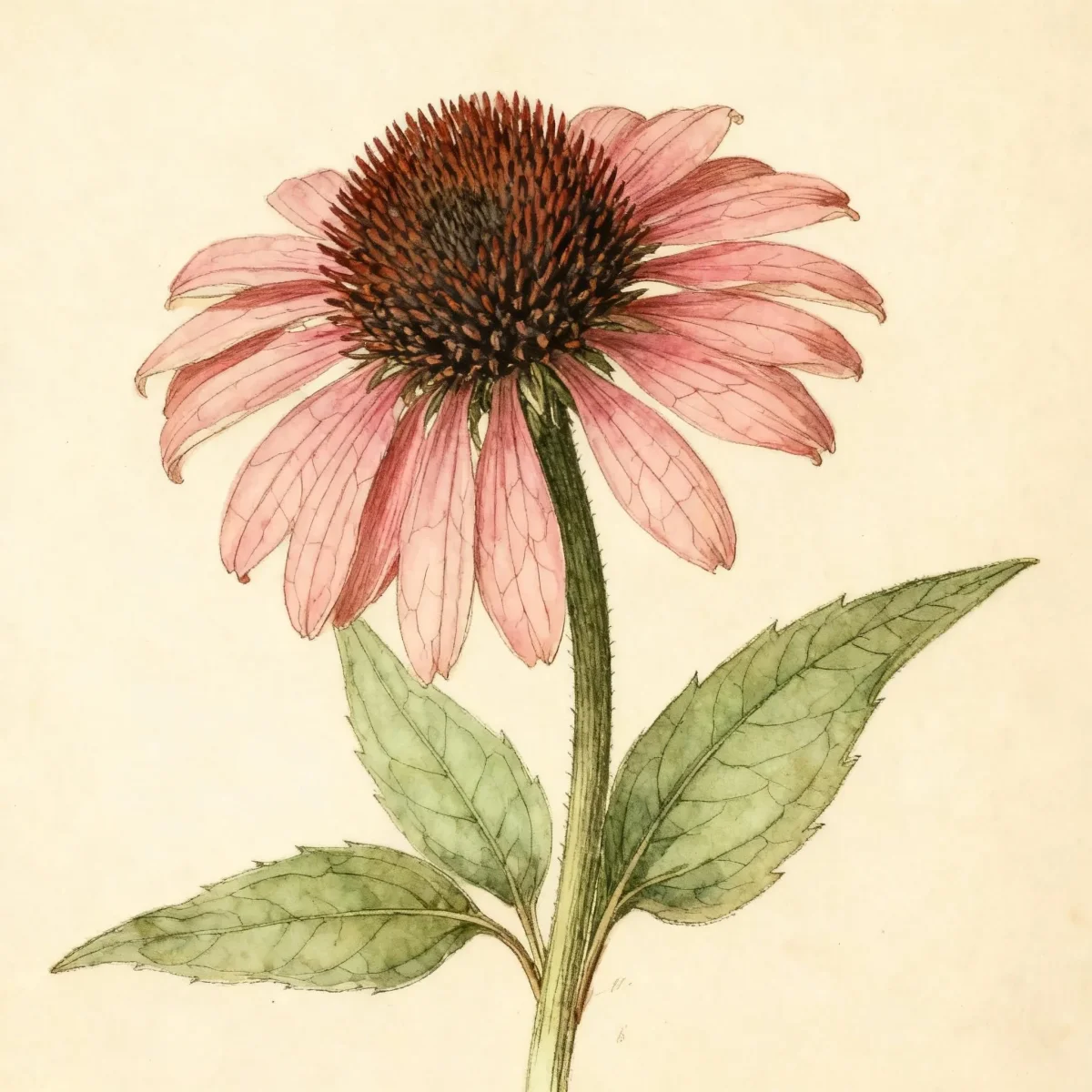
Coneflower (Echinacea 'Hot Summer')
Vibrant Echinacea 'Hot Summer' Coneflower provides showy yellow-orange to deep red blooms that attract pollinators. Low maintenance and drought tolerant.
Scroll down to discover growing tips, care requirements, companion plants, and more
Complete Plant Information
Overview
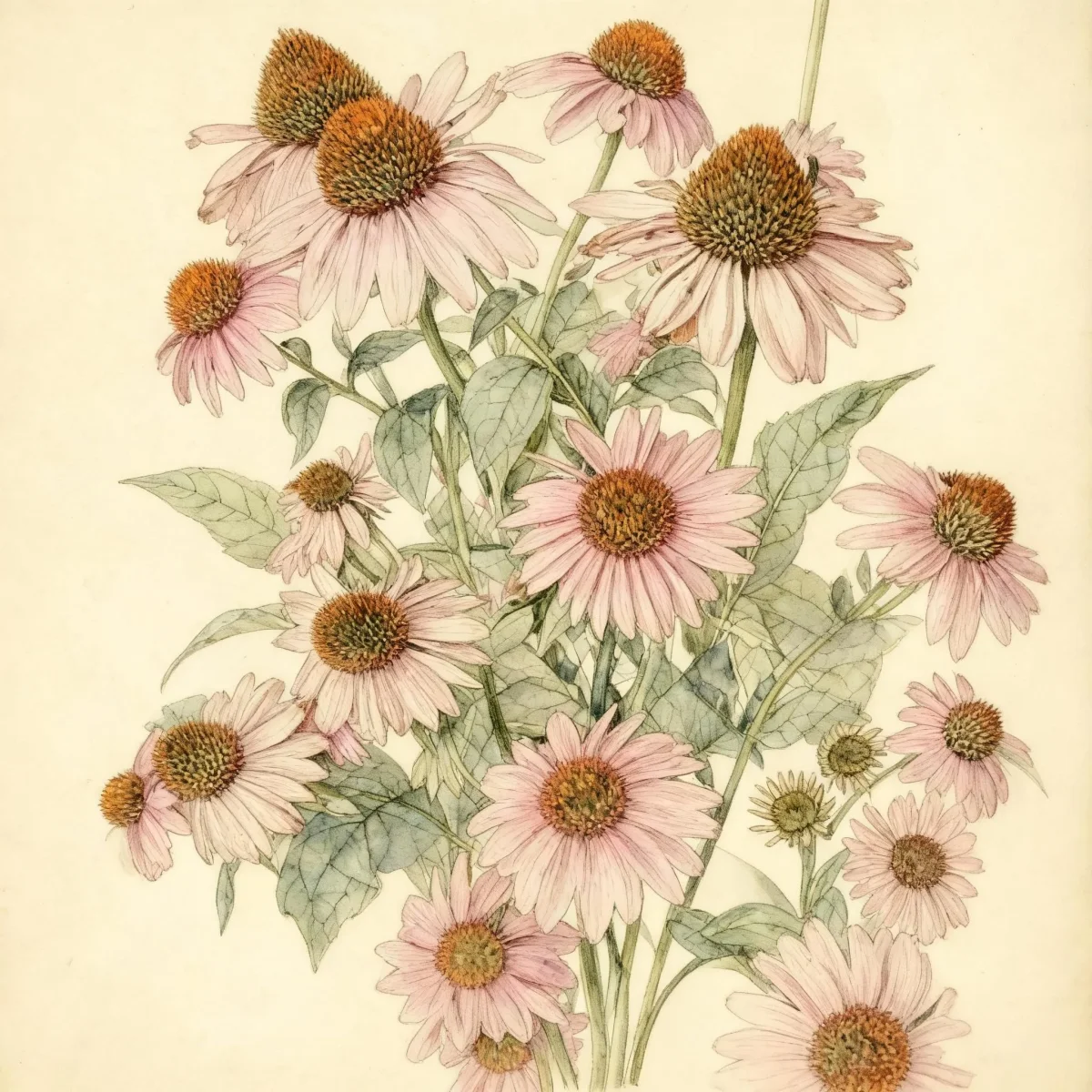
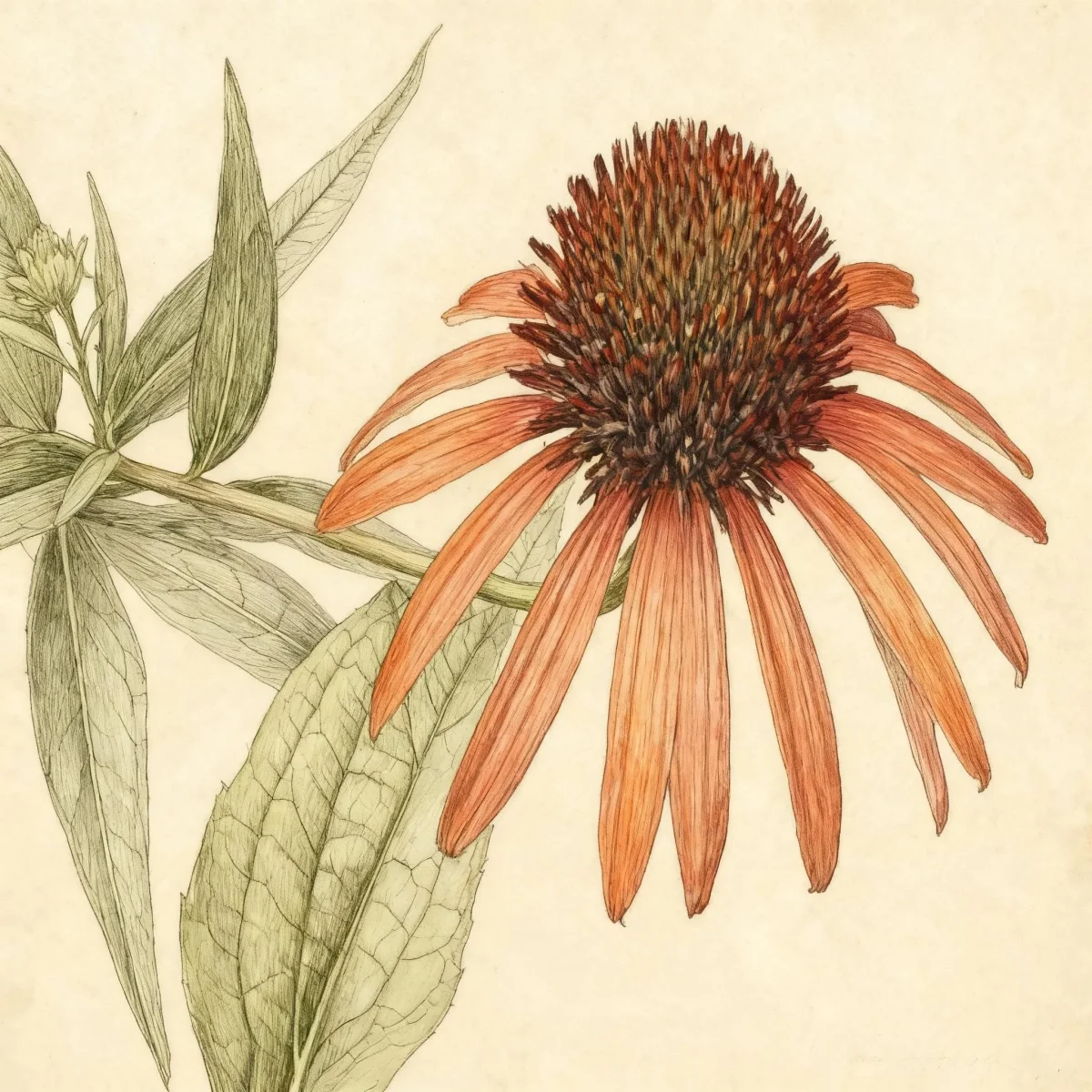
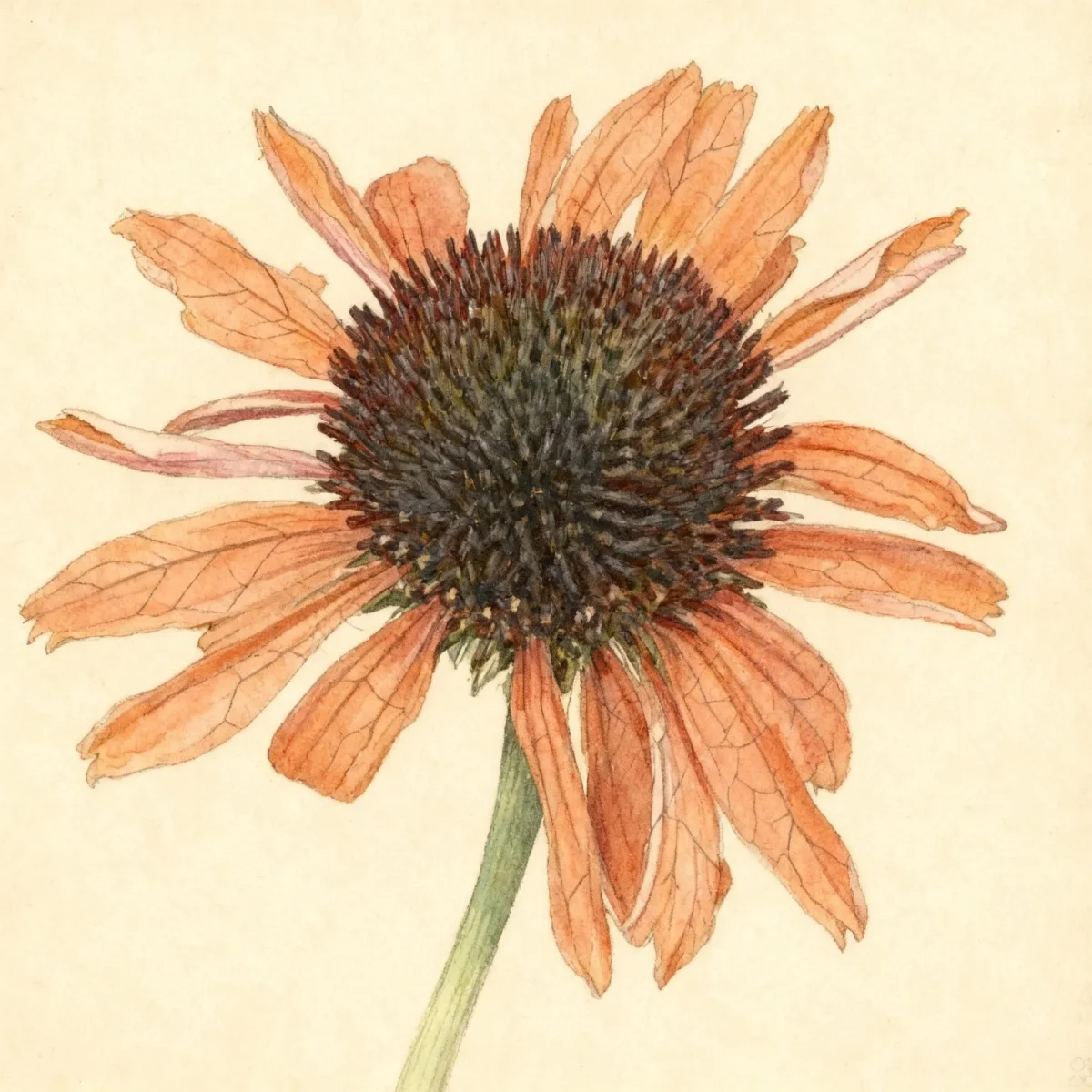
Echinacea ‘Hot Summer’ is a standout herbaceous perennial prized for its dynamic, color-changing flowers. These Coneflowers present a spectacular display as the ray flowers shift from bright yellow-orange in the bud stage to deep, fiery red upon maturity, often showing multiple shades on one plant simultaneously. This cultivar offers robust, upright growth, reaching heights up to 3 feet on sturdy stems, making it an excellent structural element in the perennial border.
As a North American native derivative, the Coneflower is celebrated for its resilience and low-maintenance profile once established. It adapts readily to various conditions, thriving even when exposed to heat, humidity, and poorer soils, making the striking Echinacea ‘Hot Summer’ a reliable source of midsummer color. Gardeners value it not only for beauty but also for its significant ecological contributions.
The persistent central cones, which remain erect well into winter, provide crucial late-season visual interest and serve as a food source for goldfinches and other seed-eating birds. Integrating Echinacea ‘Hot Summer’ into your garden ensures vibrance, attracts vital pollinators like butterflies, and provides excellent material for both fresh arrangements and dried flower crafts.
Fast Facts
- Plant Family: Asteraceae
- Plant Type: Herbaceous perennial
- Hardiness Zones: USDA Zones 3-8
- Size at Maturity:
- Height: 2-3 ft
- Spread: 1-1.5 ft
- Bloom Time: June to August
- Bloom Description: Yellow-orange to red rays with dark orange center cone
- Sun Exposure: Full sun to part shade
- Water Needs: Dry to medium
- Maintenance Level: Low
How to Grow
For the best performance of Echinacea ‘Hot Summer’, plant it in the spring or fall in a location receiving full sun; while it tolerates light shade, abundant sun promotes the best flowering and strongest stems. This Coneflower thrives in average, well-drained soils, though it displays remarkable adaptability to dry, clay, or shallow, rocky media once established. Ensure deep initial watering after planting to encourage robust root development.
Maintenance for Echinacea ‘Hot Summer’ is thankfully minimal. It performs happily in dry to medium moisture conditions and generally does not require supplemental feeding unless the soil is severely depleted. Although these plants rebloom well without intervention, prompt removal of spent flowers (deadheading) will significantly encourage continued blooming throughout the season and maintain a tidier appearance.
Divide overcrowded clumps every four years or so to maintain vigor. While drought tolerant once established, supplemental water during severe dry spells benefits overall health. The dead flower stems are often left standing through winter to provide habitat and seed for birds, offering valuable winter structure before cutting them back in early spring.
Landscape Uses
The architectural height and brilliant, changing color palette of Echinacea ‘Hot Summer’ make it an ideal choice for border fronts, adding vertical interest where needed. Planting these Coneflowers in drifts or masses creates a high-impact scene, transitioning beautifully from the bold hues of midsummer toward the drier textures of late autumn. They also serve as attractive specimen accents in contemporary garden designs.
Consider grouping Echinacea ‘Hot Summer’ with companions that share similar cultural needs, such as ornamental grasses or drought-tolerant salvias, to create layered textural interest. Their sturdy habit prevents them from flopping, making them excellent transitional plants between manicured beds and more naturalized landscape sections, such as the edge of an open woodland garden area.
Standout Features
Flower Qualities
- Showy
- Fragrant
- Good Cut
- Good Dried
Noteworthy Characteristics
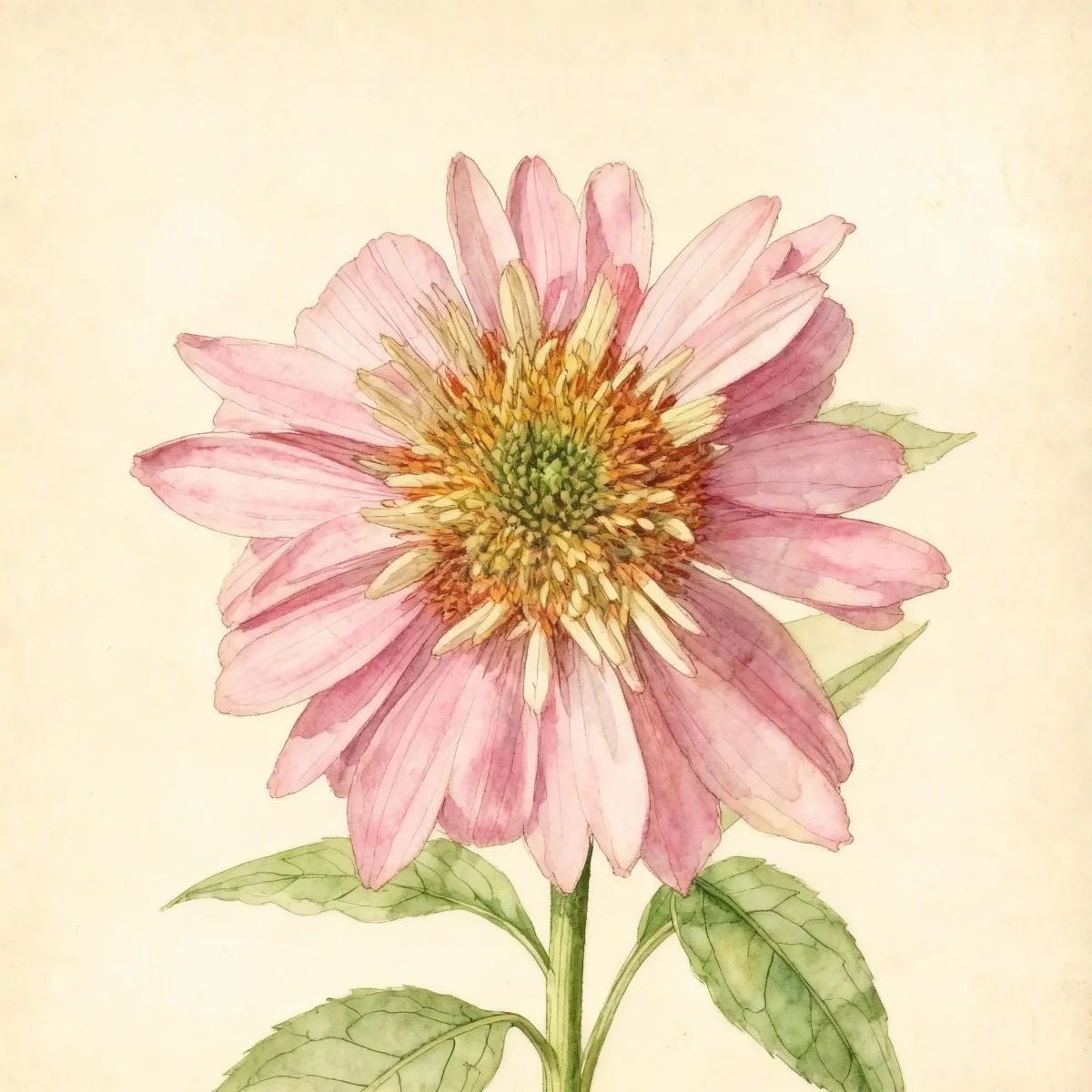
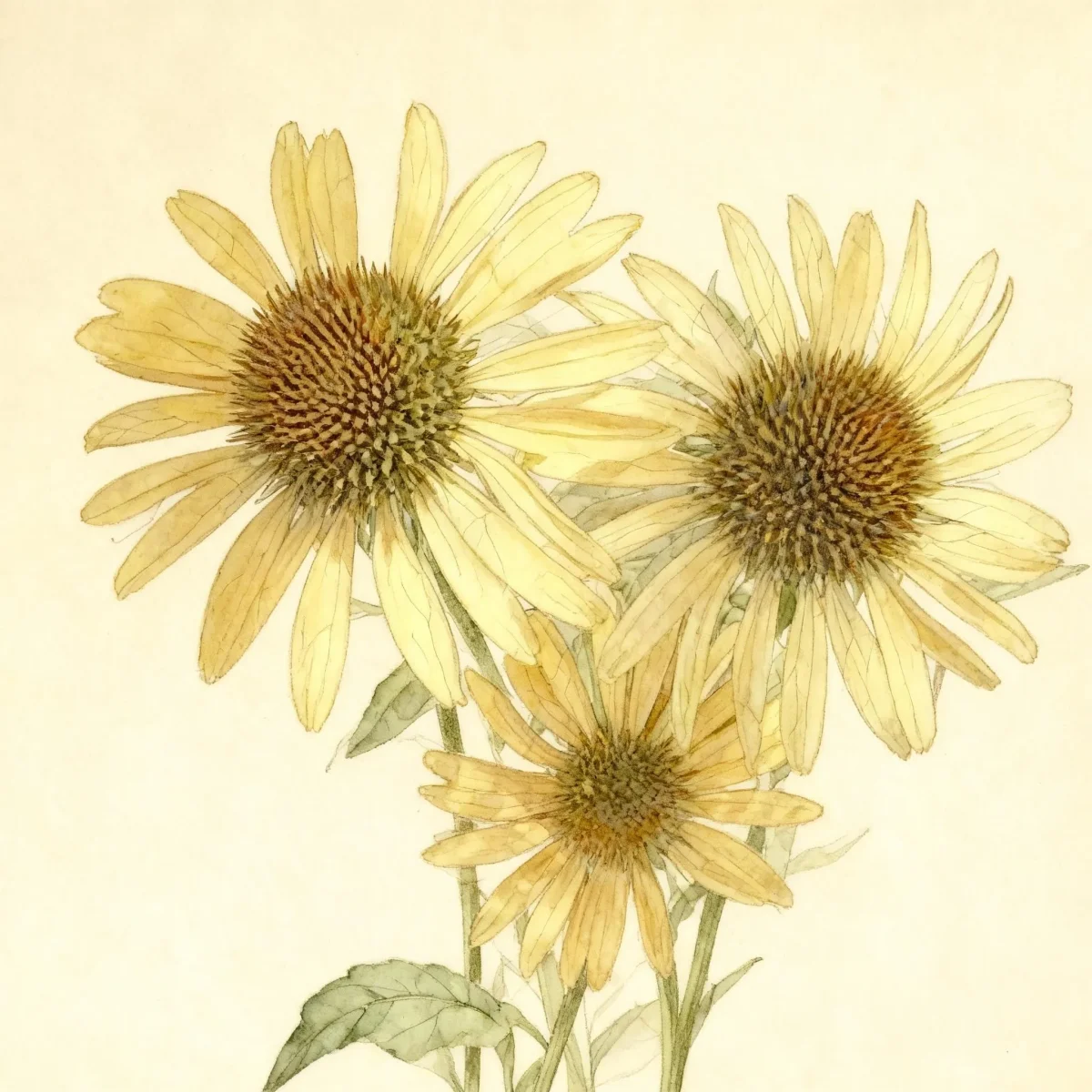
Echinacea is a genus of seven species all endemic to eastern and central North America. Coneflowers bloom from June to August with some sporadic later bloom, attracting butterflies and other insect pollinators, and the spent cones feed birds. The genus name, Echinacea, derives from the Greek word echinos, referring to the spiny center cone typical of the flowers. ‘Hot Summer’ is a particularly dynamic, upright coneflower whose blooms dramatically change color, opening yellow-orange, maturing to orange, and finally settling into deep red, often displaying all stages at once on the plant.
Tolerances
- Deer
- Drought
- Clay Soil
- Dry Soil
- Shallow-Rocky Soil
Potential Problems
All coneflowers, including Echinacea ‘Hot Summer’, can occasionally suffer from stress-related issues if cultural requirements are ignored. Fungus and bacterial leaf spots are common, often promoted by overly humid conditions or overhead watering that keeps foliage wet. Ensure good air circulation when planting masses of Coneflower to mitigate these risks.
Pests like Japanese beetles sometimes feed aggressively on the flowers, and erythroid mites can also be a concern. Regularly inspect plants; prompt removal of infested parts or targeted treatment for severe infestations will typically manage these issues without systemic intervention, aligning with the generally low-maintenance nature of this robust plant.
Frequently Asked Questions
What hardiness zones is Coneflower suitable for?
Echinacea ‘Hot Summer’ is reliably hardy across USDA Zones 3 through 8.
How large does Echinacea ‘Hot Summer’ grow?
This Coneflower typically reaches a mature height between 2 and 3 feet, with a spread of 1 to 1.5 feet wide.
What sun exposure does Coneflower need?
Echinacea ‘Hot Summer’ prefers full sun but adapts well to partial shade conditions.
When does Echinacea ‘Hot Summer’ bloom?
This variety blooms generously from June through August, producing stunning yellow-orange to red ray flowers surrounding a dark orange center cone.
Conclusion
The versatile and visually complex Echinacea ‘Hot Summer’ offers extended season color and critical wildlife value with remarkably little effort from the gardener. This adaptable Coneflower handles tough soils and dry spells with ease, securing its place as a garden staple. Check your local hardiness zone compatibility and plan to incorporate this vibrant perennial during the next prime planting window to enjoy reliable summer performance.
Companion Planting
Selecting appropriate companions enhances the visual impact of Echinacea ‘Hot Summer’ while supporting its environmental needs. Pair the Coneflower with other sun-loving, drought-tolerant perennials that bloom at different times to ensure continuous interest after the midsummer peak. Excellent partners include Russian Sage (Perovskia), which offers cool blue spires, or various ornamental grasses like Little Bluestem (Schizachyrium scoparium) to contrast texture.
When massing plants, ensure that your companions have similar dry to medium water requirements; overwatering tender Echinacea can lead to crown rot. By grouping plants with similar needs, you simplify cultural care, allowing this low-maintenance perennial to shine without requiring specialized attention away from its neighbors.
Wildlife Benefits
The structure of the Coneflower is invaluable beyond the peak bloom time of Echinacea ‘Hot Summer’. The stiff, erect stems hold the seed heads high above snow cover, providing essential winter forage for Goldfinches, who are famously attracted to the seeds held within the central cones. Furthermore, the open, composite flower heads are magnets for many types of beneficial insects.
During the main blooming window of June to August, the prominent structure and bright colors of the blooms serve as landing pads for butterflies seeking nectar. Planting Echinacea ‘Hot Summer’ actively supports local biodiversity, transforming your garden space into a vibrant habitat that sustains pollinators throughout the active growing season.