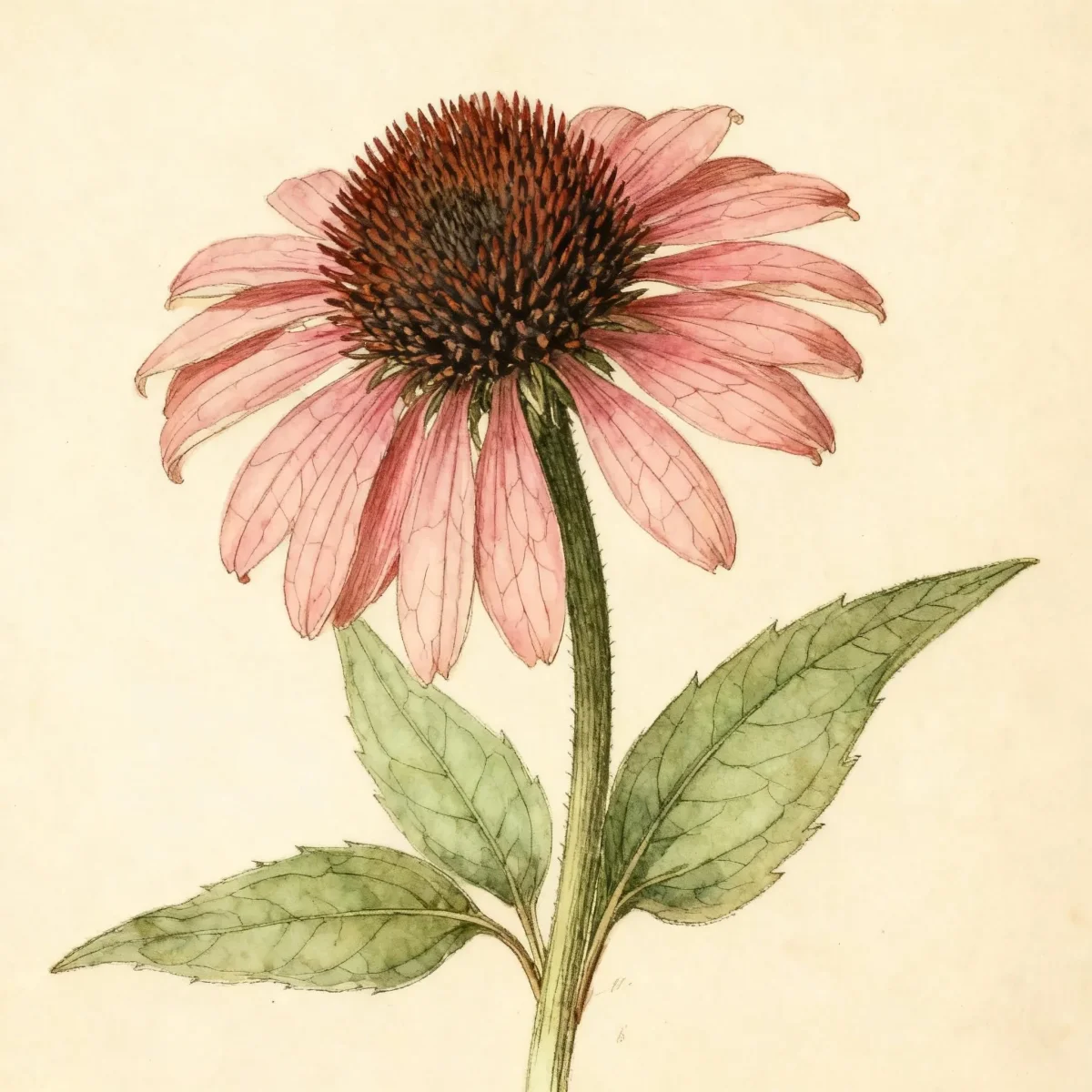
Coneflower (Echinacea 'Hot Papaya')
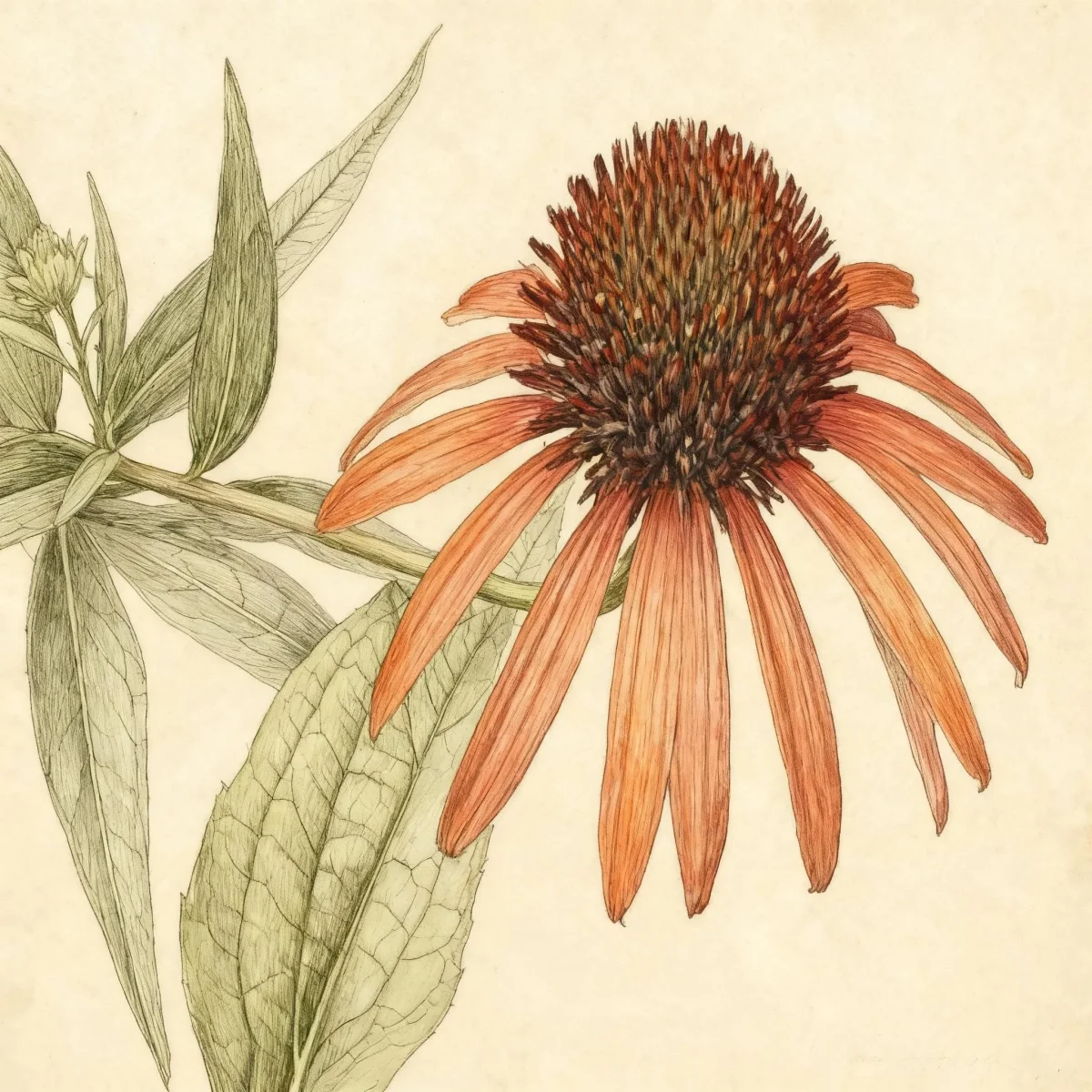
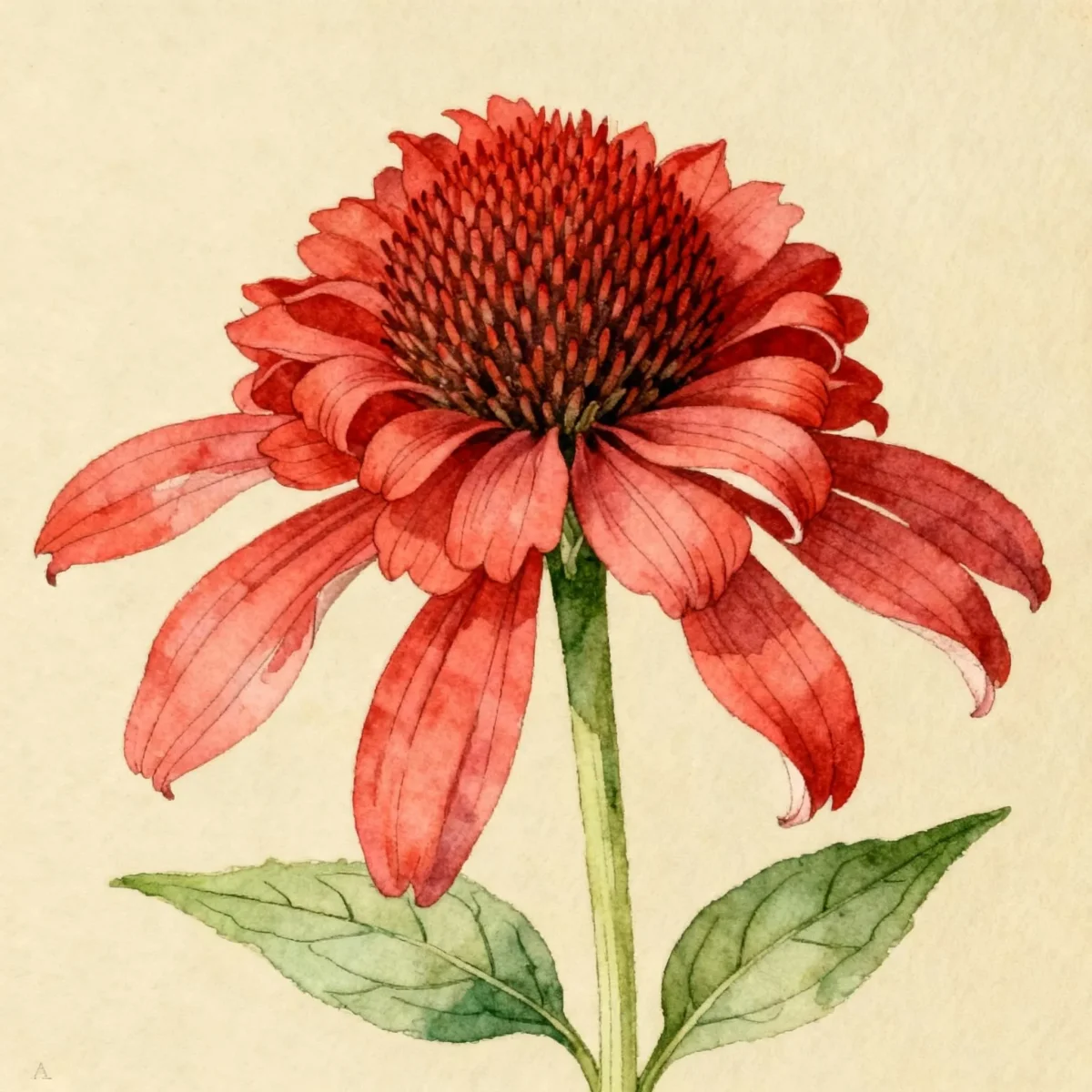
Echinacea 'Hot Papaya' Coneflower offers showy, orange-red double blooms from June to August, thriving in full sun.
Scroll down to discover growing tips, care requirements, companion plants, and more
Complete Plant Information
Overview
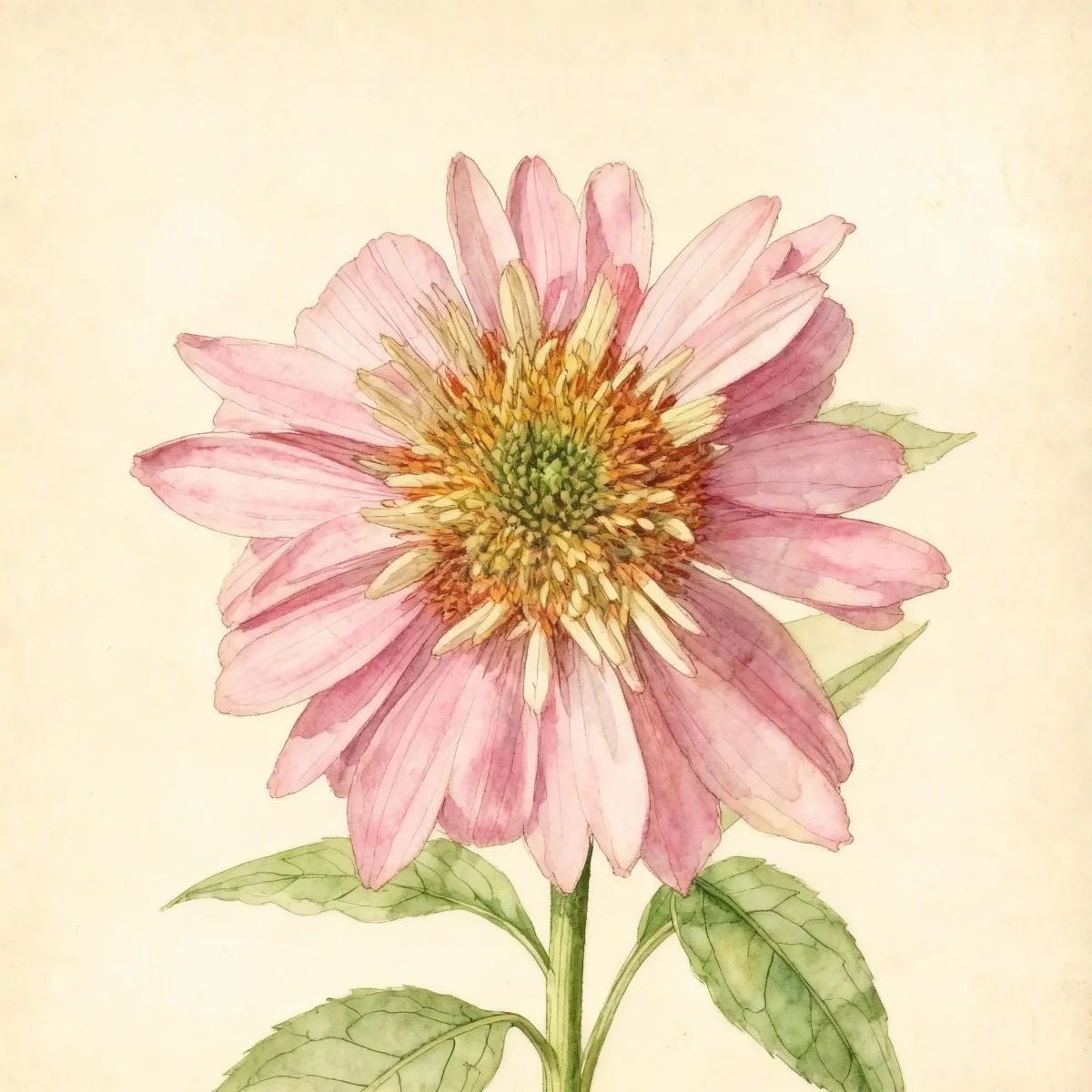
Echinacea ‘Hot Papaya’ is a striking herbaceous perennial known for its vibrant, double, anemone-type flowers. These large blooms feature intense orange-red ray and disc florets, making it a standout candidate for bringing warmth to summer borders. As an adaptable Coneflower, it handles humidity, heat, and less-than-ideal soils with relative ease once established.
This particular cultivar, part of the CONE-FECTIONS™ series, offers strong, upright growth, reaching heights of up to three feet on thick stems. While the striking nature of Echinacea ‘Hot Papaya’ provides exceptional aesthetic value, gardeners should note that the double blooms offer less pollen and nectar for wildlife compared to single-flowered varieties.
Providing low maintenance and blooming reliably from June through August, Echinacea ‘Hot Papaya’ is a robust addition to any sunny perennial garden. Its tolerance for diverse conditions, including clay and dry soils, makes successful cultivation straightforward for most gardeners aiming for long-lasting summer color.
Fast Facts
- Plant Family: Asteraceae
- Plant Type: Herbaceous perennial
- Hardiness Zones: USDA Zones 4-9
- Size at Maturity:
- Height: 2.5-3 ft
- Spread: 2-2.5 ft
- Bloom Time: June to August
- Bloom Description: Orange-red
- Sun Exposure: Full sun to part shade
- Water Needs: Dry to medium
- Maintenance Level: Low
How to Grow
Plant Echinacea ‘Hot Papaya’ during the spring or fall for the best establishment, ensuring it is placed where it receives full sun, although it will tolerate part shade. This adaptable plant prefers average, well-drained soils, even if they are on the drier side. Good drainage is essential for long-term health, especially when managing its dry to medium water needs.
Once established, this Coneflower is highly drought-tolerant, requiring minimal supplemental watering outside of prolonged dry spells. Fertilization is generally unnecessary, as rich soils can encourage floppier growth. Deadheading spent flowers is not strictly required for continued bloom, but prompt removal of faded blossoms improves the overall appearance of the Echinacea ‘Hot Papaya’.
For rejuvenation, divide clumps every four years when they start to become overcrowded, typically performed in the early spring or fall. These sturdy plants leave attractive, blackened seed heads that stand erect well into winter, offering textural interest. Avoid planting in areas prone to constant wet feet, as this can increase susceptibility to fungal issues common to all coneflowers.
Landscape Uses
The upright stature of Echinacea ‘Hot Papaya’ makes it excellent for the middle or back of mixed perennial borders, providing substantial height and fiery color contrast. Its robust texture works well when massed together, creating drifts of orange-red that are highly visible throughout mid-summer.
This cultivar performs admirably in rock gardens, where its drought and soil tolerance shine, or incorporated into naturalized settings, such as open woodland gardens where dappled light filters through. Because of its strong stems, it stands up well when used as an accent plant or specimen, drawing the eye toward the structure of the garden design.
Standout Features
Flower Qualities
- Showy
- Good Cut
Noteworthy Characteristics
Echinacea is native to eastern and central North America, and while most coneflowers attract pollinators, the specialized double blooms of ‘Hot Papaya’ are less beneficial to wildlife as they lack pollen and nectar. This specific cultivar was bred by Arie Blom and introduced in the United States. It features large, double, anemone-type flowers and maintains strong stems up to three feet tall, distinguishing it clearly from its single-flowered relatives.
Tolerances
- Deer
- Drought
- Clay Soil
- Dry Soil
- Shallow-Rocky Soil
Potential Problems
All coneflowers, including Echinacea ‘Hot Papaya’, are hosts for certain pests and diseases. Fungal and bacterial leaf spots can appear, especially in humid conditions or when air circulation is poor. To mitigate this, ensure adequate spacing during planting.
Be observant for insect activity, particularly erythroid mites and Japanese beetles which find the substantial blooms appealing. If aster yellows is suspected—a condition leading to distorted, greenish blooms—removal of the entire infected plant may be necessary as it is spread by leafhoppers.
Frequently Asked Questions
What hardiness zones is Coneflower suitable for?
Echinacea ‘Hot Papaya’ is robust across USDA hardiness zones 4 through 9, making it versatile across a wide climatic range.
How large does Coneflower grow?
This specific Coneflower cultivar typically reaches a mature height between 2.5 to 3 feet tall, with a spread of 2 to 2.5 feet wide.
When does Echinacea ‘Hot Papaya’ bloom?
Echinacea ‘Hot Papaya’ produces its signature orange-red flowers reliably from June into August, often intermittently blooming later if deadheaded.
What sun exposure does Coneflower need?
For the best performance and strongest stems, full sun is recommended, although Echinacea ‘Hot Papaya’ can tolerate light shade or part shade conditions.
Conclusion
Echinacea ‘Hot Papaya’ brings low-maintenance, vivid orange-red color to the summer garden, serving as an excellent performer even in challenging soil conditions common to many gardeners. While its double blooms are less supportive of pollinators than wild types, its aesthetic impact as a durable Coneflower remains unmatched for its color class. Before planting, confirm that your region falls within USDA Zones 4-9 and ensure excellent drainage to guarantee a long season of fiery display.
Companion Planting
When designing sunny perennial beds, selecting companions that share the dry-to-medium water needs of the Coneflower is crucial. Plants that bloom slightly before or after the June bloom time of Echinacea ‘Hot Papaya’ will ensure continuous interest. Consider pairing it with Russian Sage (Perovskia atriplicifolia) for contrasting silvery foliage and late-season blue spikes, or Baptisia, which offers contrasting foliage texture earlier in the year. Good companions should also have similar sun requirements, thriving in full sun to light shade environments without needing constant pampering.
Wildlife Benefits (Contextual)
While the highly cultivated double flowers of Echinacea ‘Hot Papaya’ mean reduced food resources (pollen/nectar) for bees compared to single coneflowers, the genus itself remains vital. The stiff stalks often retain their blackened seed heads long after flowering ceases. These late-season cones are frequently visited by goldfinches and other seed-eating birds throughout the winter months, offering valuable forage when other resources are scarce. Leaving the dead stems standing provides structure and wildlife value until spring cleanup.