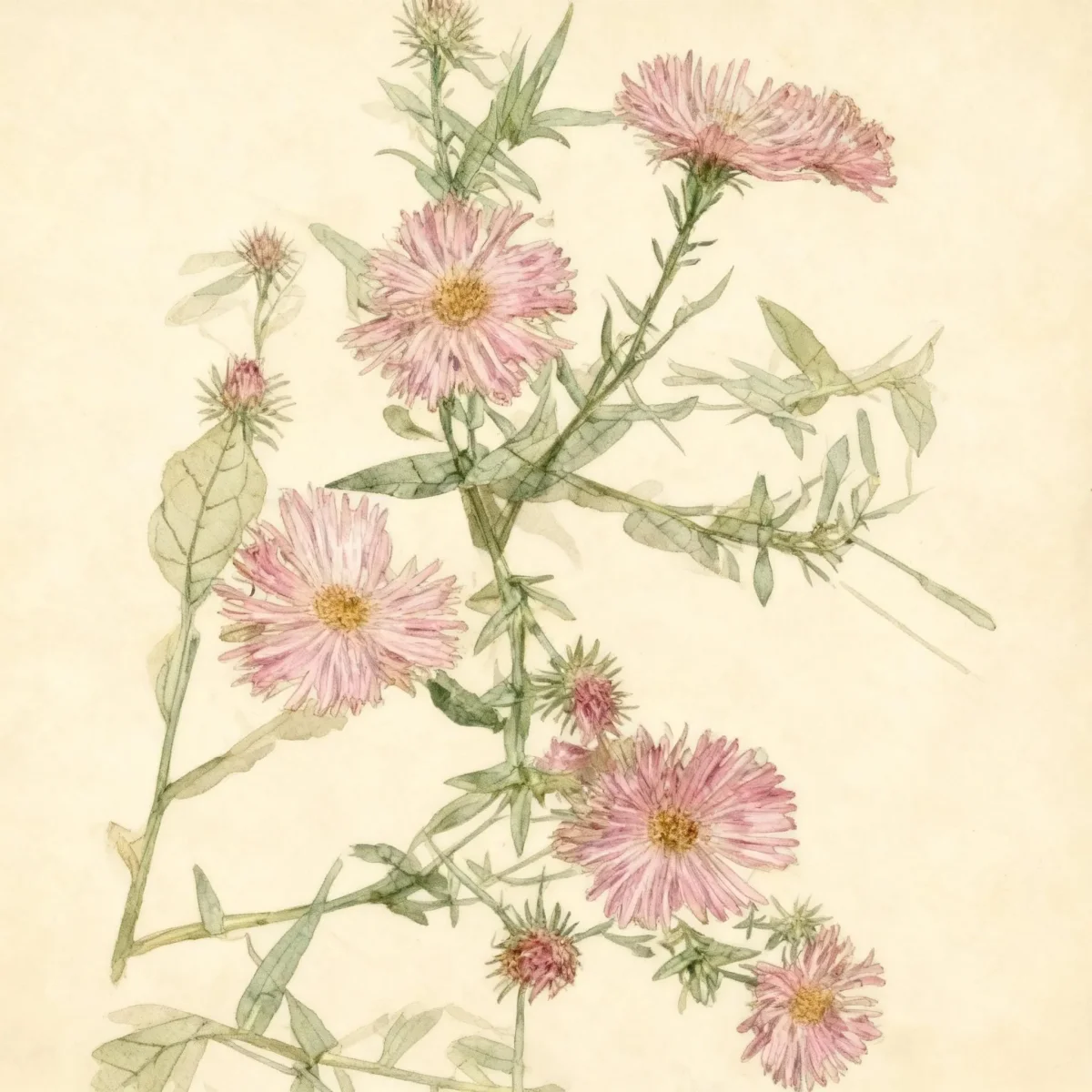
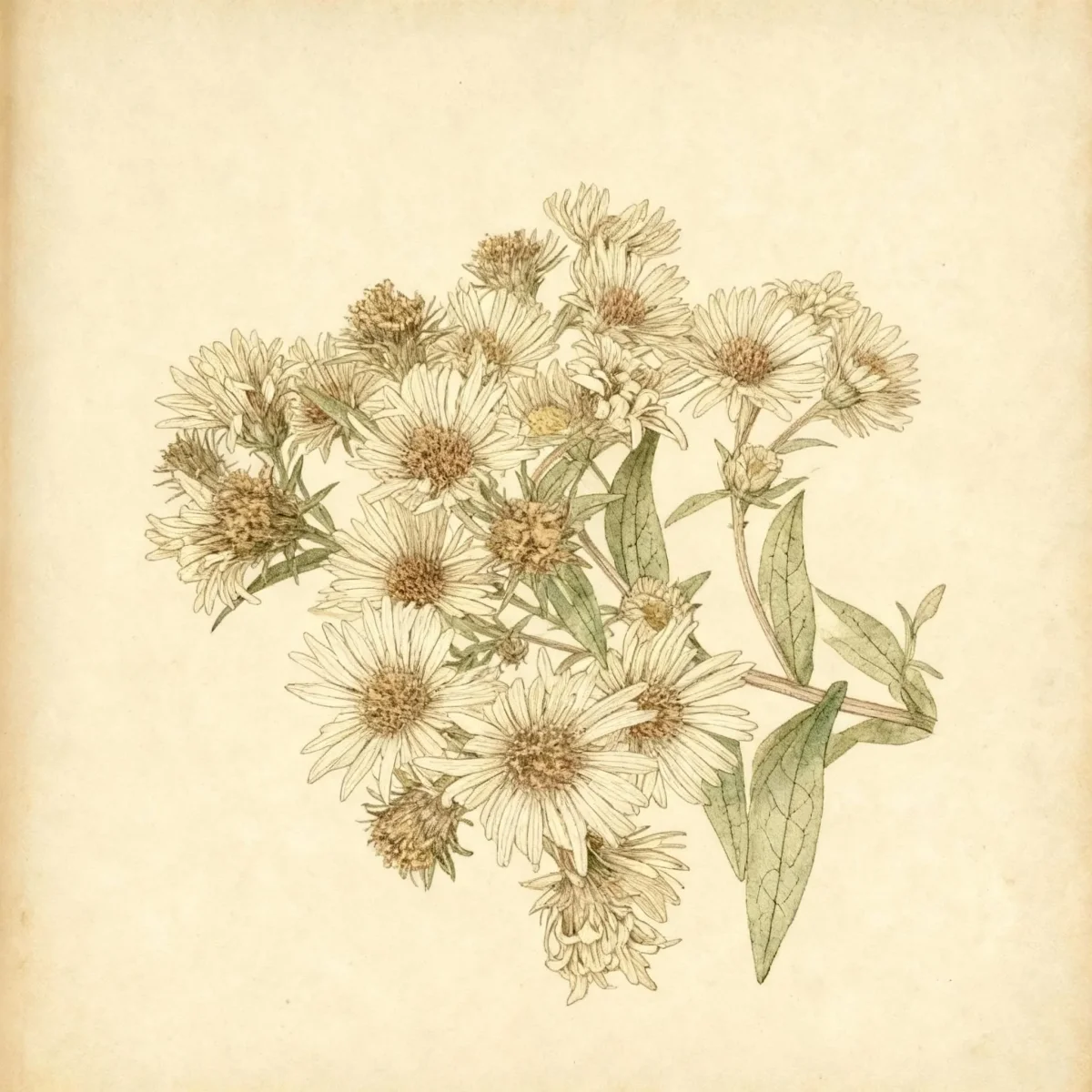
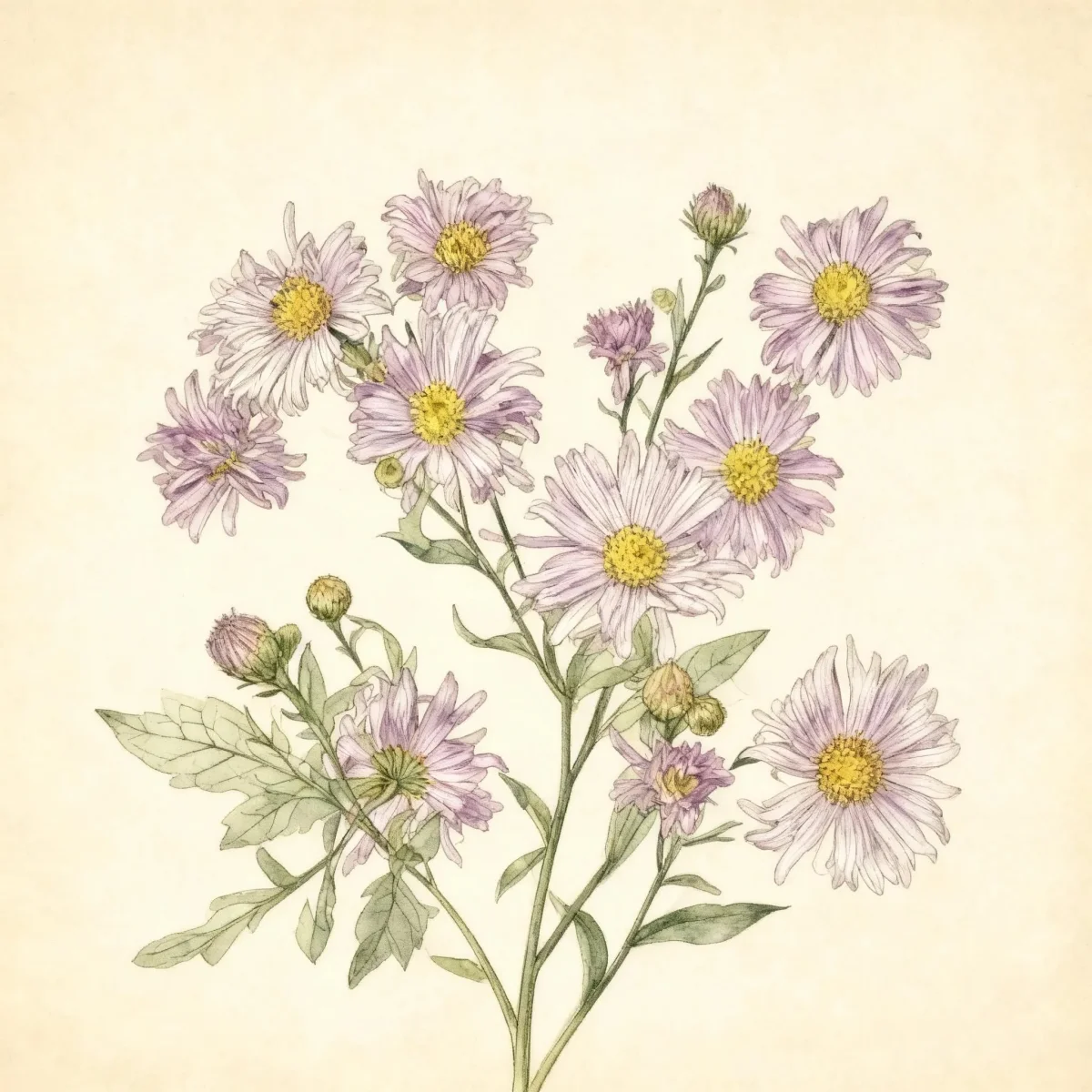
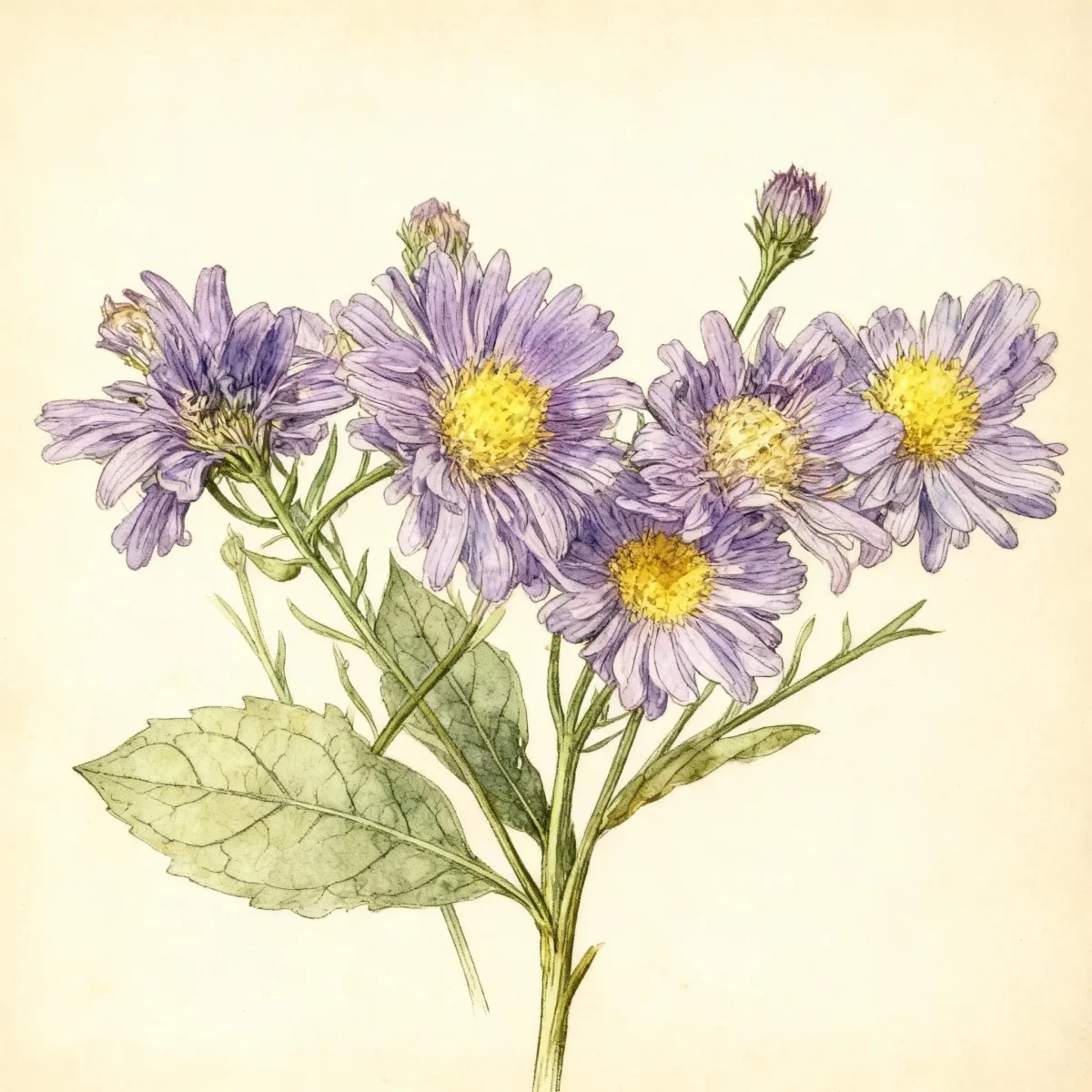
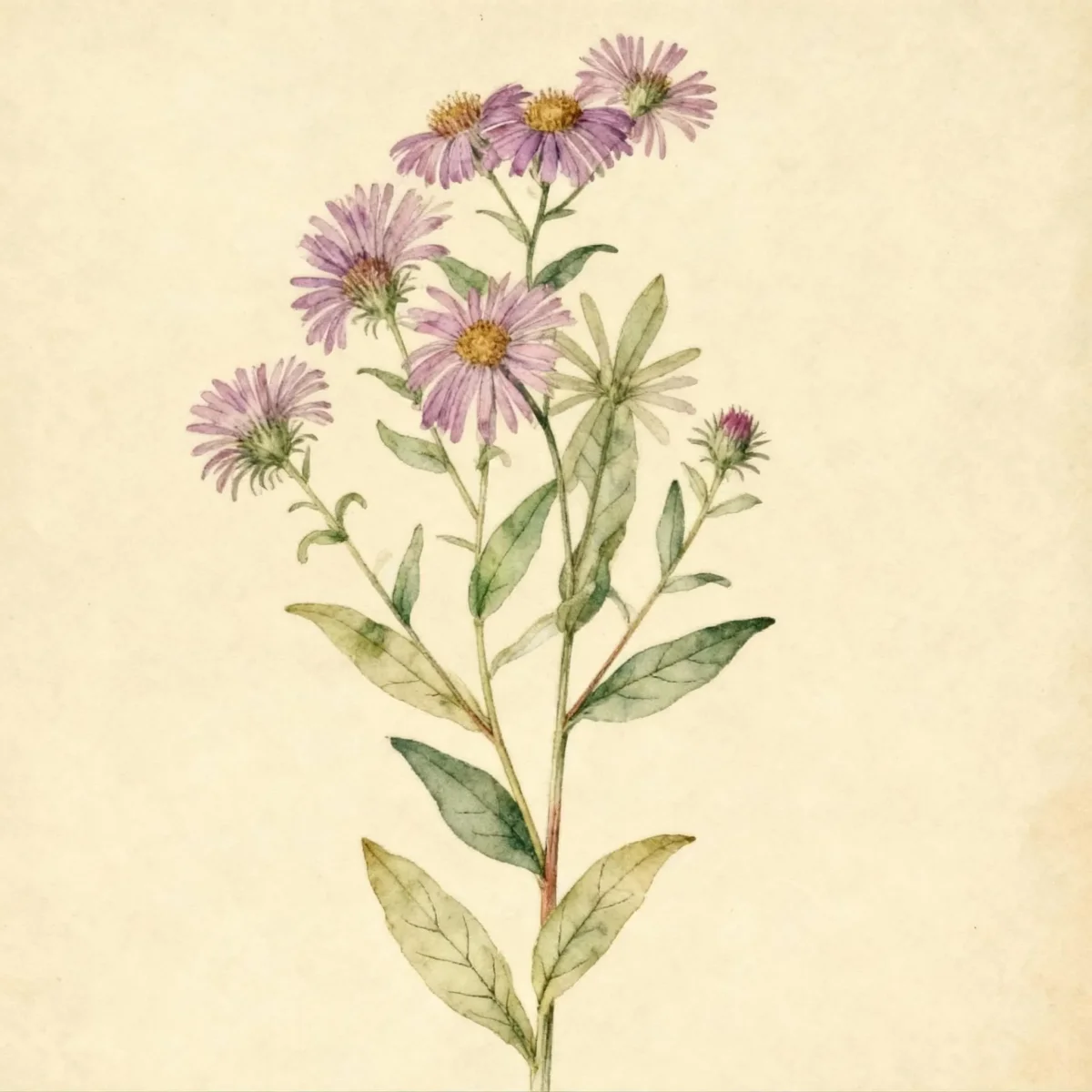
New England aster (Symphyotrichum novae-angliae 'Andenken an Alma Pötschke')
Symphyotrichum novae-angliae 'Andenken an Alma Pötschke' is a showy perennial New England aster providing rose-pink fall color. Low maintenance and attractive to butterflies.
Scroll down to discover growing tips, care requirements, companion plants, and more
Complete Plant Information
Overview
Symphyotrichum novae-angliae ‘Andenken an Alma Pötschke’ is a celebrated cultivar prized for its vigorous, compact habit and massive late-season floral display. As a type of New England aster, it provides crucial color in the garden when many other plants are fading, offering masses of daisy-like flowers radiating rose-pink petals around bright yellow centers. This herbaceous perennial readily integrates into mixed borders, standing stoutly upright to deliver visual impact and attract essential late-season pollinators.
Gardeners value this variety for its robust performance and relatively low maintenance requirements, even when compared to other fall bloomers. While generally hardy, it thrives with consistent moisture and excellent airflow, hallmarks of successful gardening practice for asters. Incorporating Symphyotrichum novae-angliae ‘Andenken an Alma Pötschke’ ensures a reliable source of late-season beauty and supports local ecosystems just before winter sets in.
Fast Facts
- Plant Family: Asteraceae
- Plant Type: Herbaceous perennial
- Hardiness Zones: USDA Zones 4-8
- Size at Maturity:
- Height: 2.5-4 ft
- Spread: 2.5-4 ft
- Bloom Time: September to October
- Bloom Description: Rose-pink with yellow centers
- Sun Exposure: Full sun
- Water Needs: Medium
- Maintenance Level: Low
How to Grow
Planting should occur in spring or fall, settling the New England aster into average, medium soils. While it tolerates a range slightly less perfect, it establishes best in well-drained conditions receiving full sun throughout the day. For optimal health and reduced disease pressure, ensure the planting site allows for good air circulation around the foliage of Symphyotrichum novae-angliae ‘Andenken an Alma Pötschke’.
Water needs are moderate; provide consistent moisture, especially during dry spells, as rich, moist soils are preferred. Fertilization is generally unnecessary if the soil is reasonably fertile. The most critical care aspect involves pruning: pinching back the stems several times before mid-July is highly recommended. This practice controls the final plant height, encourages a bushier shape, and can effectively reduce the need for staking later in the season, although even compact cultivars may occasionally need support.
If you skip the pinching described above, be prepared to stake taller strains of aster as the season progresses to prevent flopping under the weight of the dense blooms. In autumn, wait until after the flowers fade before cutting the stems back, allowing pollinators to utilize the late nectar source fully.
Landscape Uses
The late-season burst of color provided by Symphyotrichum novae-angliae ‘Andenken an Alma Pötschke’ makes it indispensable for finishing the perennial border. Plant this variety toward the front or middle where its mature height of 2.5 to 4 feet integrates well without obscuring shorter perennials. It also performs beautifully when massed or planted in drifts, recreating a vibrant meadow effect, making it suitable for native or wildflower gardens.
Given its preference for moisture, this specific form of New England aster is highly effective when incorporated into rain gardens or near the edges of ponds or swales, where it handles moisture fluctuations well alongside other moisture-tolerant species. Its upright, strong habit pairs nicely with structural late-season grasses or Mums that require similar sun exposure.
Standout Features
Flower Qualities
- Showy
- Good Cut
Noteworthy Characteristics
Symphyotrichum novae-angliae, commonly called New England aster, is a Missouri native perennial which occurs in moist prairies, meadows, thickets, low valleys and stream banks (Steyermark) throughout the State. It is a stout, leafy plant typically growing 3-6’ tall with a robust, upright habit. Features a profuse bloom of daisy-like asters (to 1.5” diameter) with purple rays and yellow centers from late summer to early fall. ‘Andenken an Alma Pötschke’ is specifically noted as a fast-growing, upright, compact plant measuring 30-42” tall, boasting masses of daisy-like flowers (to 2” across) with lovely rose pink rays that bloom profusely for six weeks or more starting in September.
Tolerances
- Clay Soil
Potential Problems
The primary concern for New England aster cultivation is susceptibility to powdery mildew, a fungal issue that coats the leaves in white. Implementing pruning techniques to increase air circulation is the best preventative measure, combined with appropriate watering practices that avoid wetting the foliage late in the day. Aster wilt presents another occasional complication, particularly if the plant is situated in poorly-drained clay soils, which can stress the root system. If you experience wilting, ensure soil drainage vastly improves for future plantings. Although the ‘Andenken an Alma Pötschke’ cultivar is compact, be prepared that most asters benefit from staking for support against wind and heavy bloom loads.
Frequently Asked Questions
What hardiness zones is New England aster suitable for?
Symphyotrichum novae-angliae ‘Andenken an Alma Pötschke’ is reliably hardy across USDA Zones 4 through 8.
How large does Symphyotrichum novae-angliae ‘Andenken an Alma Pötschke’ grow?
Mature height typically ranges between 2.5 and 4 feet tall, with a spread generally matching that range, though this cultivar is somewhat more compact than species standards.
When does New England aster bloom?
This plant offers excellent late-season color, beginning its impressive bloom time in September and often continuing well into October with masses of rose-pink flowers.
What sun exposure does this aster need?
For the best, most robust flowering display and to minimize disease, this variety requires full sun exposure throughout the growing season.
Conclusion
The New England aster, exemplified by the vibrant Symphyotrichum novae-angliae ‘Andenken an Alma Pötschke’, serves as an essential anchor for autumn gardens, delivering reliable color and supporting late-season pollinators. Its showy, long-lasting bloom and relatively low maintenance make it a worthwhile addition for most temperate landscapes. Before planting, confirm your site offers full sun and adequately drains, ensuring this spectacular perennial thrives for years to come.
Companion Planting
When planning the late-season border, pair this aster with plants that share its cultural needs for full sun and medium moisture. Sedum (Hylotelephium) varieties offer contrasting textures and structures, blooming concurrently or slightly earlier, preventing competition for sunlight. Tall ornamental grasses, such as Switchgrass (Panicum virgatum), provide an excellent textural foil and excellent wind protection near the New England aster, enhancing the naturalistic meadow feel.
Wildlife Benefits
The robust late-season bloom of Symphyotrichum novae-angliae ‘Andenken an Alma Pötschke’ is specifically attractive to butterflies and bees preparing for migration or winter dormancy. Providing dense landing pads and rich nectar just as other food sources dwindle makes this aster a key resource. Planting large drifts rather than single specimens maximizes its visual impact and provides a more substantial foraging area for wildlife visiting the garden.