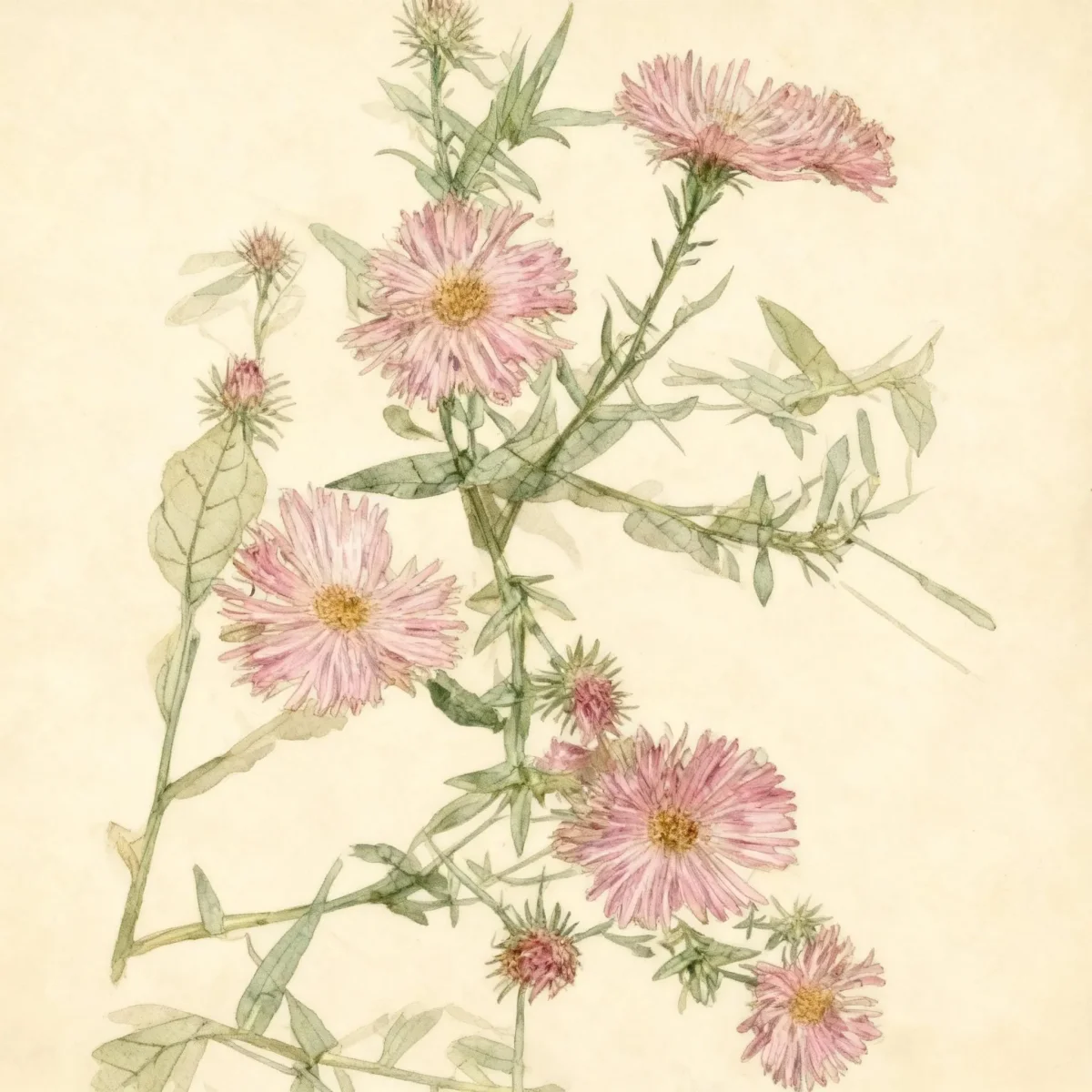
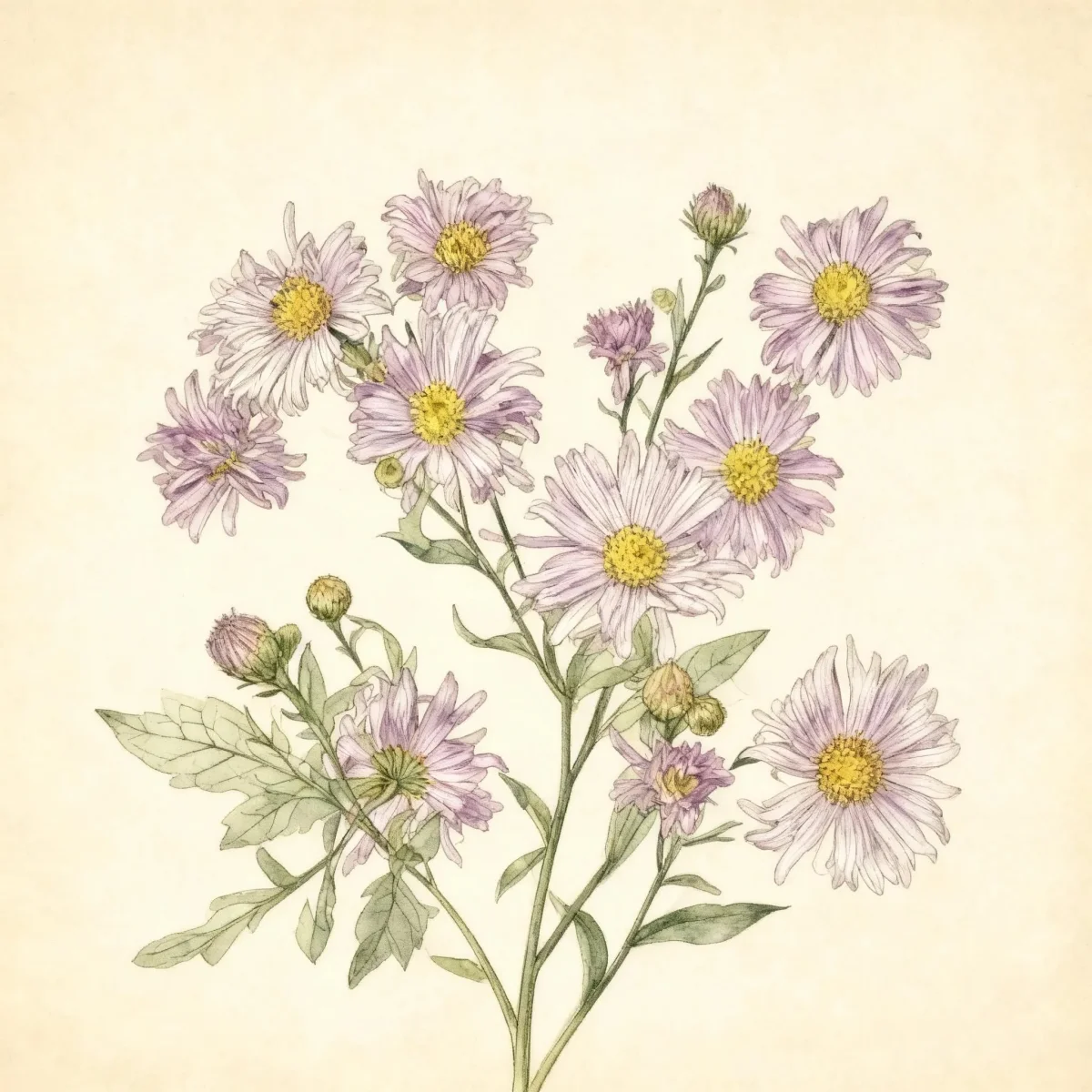
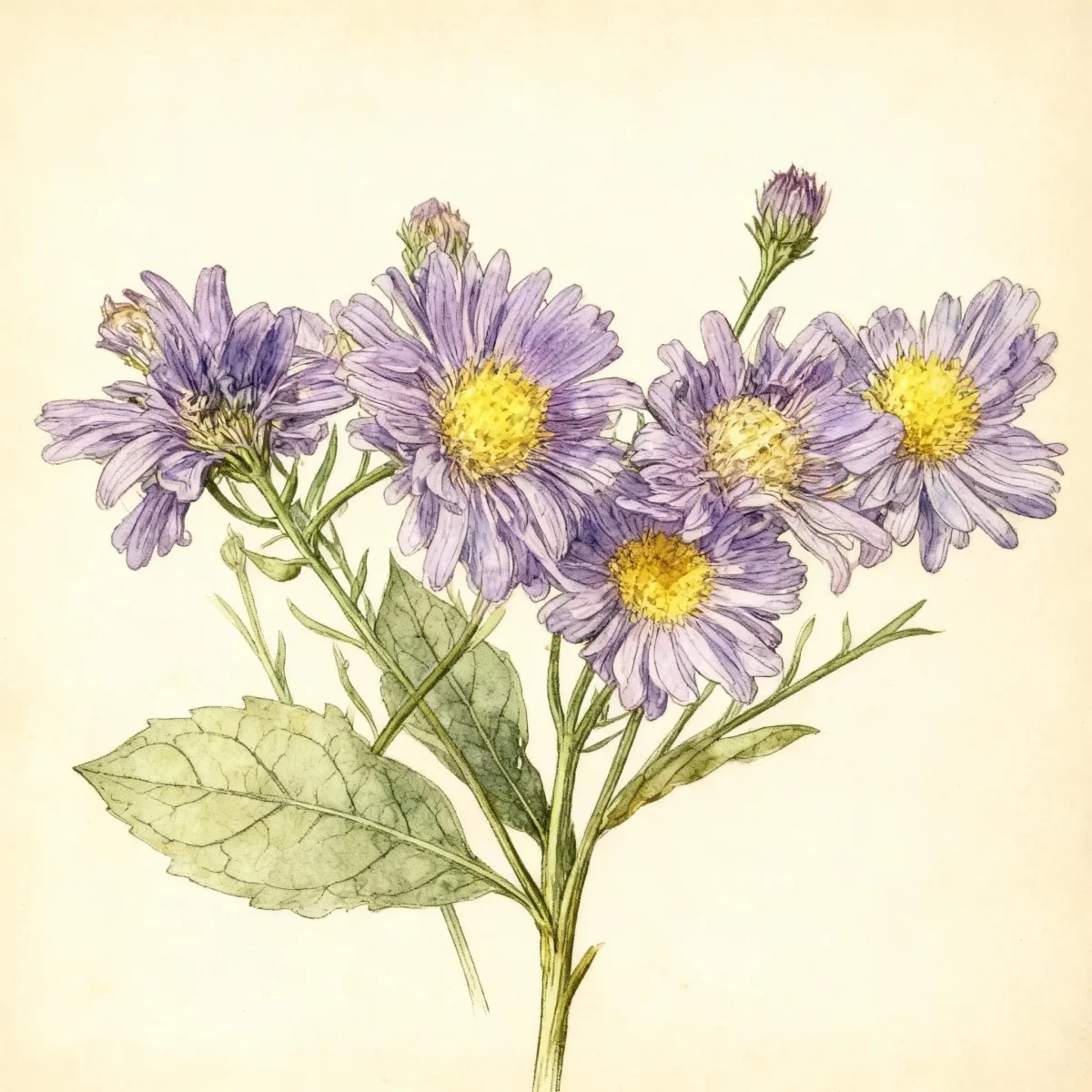
New England aster (Symphyotrichum novae-angliae 'Purple Dome')
Spectacular Symphyotrichum novae-angliae 'Purple Dome' offers low-maintenance, royal purple blooms perfect for late summer color.
Scroll down to discover growing tips, care requirements, companion plants, and more

Complete Plant Information
Overview
The Symphyotrichum novae-angliae ‘Purple Dome’ is a valuable, compact cultivar of the classic New England aster, essential for extending garden color deep into the autumn season. Known for its incredibly dense coverage of royal purple, daisy-like flowers, this variety provides a spectacular late-season show when many other perennials are fading. Gardeners highly prize this low-growing New England aster for its vibrant display and minimal structural demands.
This herbaceous perennial thrives in full sun and appreciates average to rich soil conditions, provided drainage is adequate. Even though it is generally considered a low-maintenance plant, strategic pruning can optimize its naturally bushy habit, ensuring the best possible flower presentation for the front of the border. The rich color palette of Symphyotrichum novae-angliae ‘Purple Dome’ makes it an excellent specimen for attracting late-season pollinators.
Beyond aesthetics, the New England aster offers functional biodiversity benefits. Its late bloom time serves as a critical nectar source for butterflies preparing for migration or overwintering. Incorporating this reliable bloomer ensures your garden maintains visual interest and ecological support right up until the first hard frost.
Fast Facts
- Plant Family: Asteraceae
- Plant Type: Herbaceous perennial
- Hardiness Zones: USDA Zones 5-8
- Size at Maturity:
- Height: 1.5-2 ft
- Spread: 2-3 ft
- Bloom Time: August to September
- Bloom Description: Royal purple
- Sun Exposure: Full sun
- Water Needs: Medium
- Maintenance Level: Low
How to Grow
Symphyotrichum novae-angliae ‘Purple Dome’ establishes best when planted in the spring or fall, choosing a location that receives consistent full sun exposure throughout the day. While it performs well in average, well-drained soil, this New England aster will flourish best if the soil is kept moist and rich; avoid overly heavy, waterlogged spots. Good air circulation around the foliage is key to preventing common fungal issues.
Water needs for this plant are medium; consistent moisture is preferred, especially during dry summer spells, but ensure the soil is not perpetually saturated, which can invite root stress. Fertilizing is rarely necessary if the soil is rich, but a balanced, slow-release feed in early spring can support robust growth. The primary cultural technique involves pinching back the stems.
Pinching encourages a shorter, denser habit, preventing the need for staking often associated with taller aster varieties. To achieve the best results, pinch stems several times before mid-July, removing about one-third of the new growth each time. Be aware that this pruning will delay the onset of flowering slightly, pushing the bloom peak later into September.
Landscape Uses
The compact structure of Symphyotrichum novae-angliae ‘Purple Dome’ makes it uniquely suited for the front edge of the perennial border where taller background plants live. Its low habit ensures that the brilliant royal purple flowers are visible without obscuring neighboring shorter specimens. Mass plantings or groupings create a stunning impact of fall color, perfect for transitioning colors between mid-summer perennials and late-season grasses.
This New England aster is also specified as a suitable choice for rain gardens due to its tolerance for medium moisture conditions, offering color where seasonal dampness might be present. When naturalized in meadow settings or wildflower gardens, it blends beautifully with late-blooming goldenrods and native grasses. Furthermore, its dense arrangement of flowers is highly attractive to butterflies, anchoring it firmly in any dedicated pollinator garden design.
Standout Features
Flower Qualities
- Showy
- Good Cut
Noteworthy Characteristics
The genus name, Symphyotrichum, references Greek roots meaning “coming together” and “hair,” likely referring to the flower anthers. The natural form of Symphyotrichum novae-angliae, the species from which ‘Purple Dome’ is derived, is a stout Missouri native growing substantially taller than this cultivar. ‘Purple Dome’ stands out by maturing at only 18-24 inches tall with a dense, bushy habit that is absolutely covered in dark purple flowers from mid-August well into October without requiring staking support.
Tolerances
- Clay Soil
Potential Problems
While generally robust, the New England aster can occasionally struggle with powdery mildew, which appears as a white dusting on the leaves, especially in humid conditions or where air circulation is poor. To mitigate this, ensure proper spacing and avoid overhead watering late in the day. Aster wilt is another concern, particularly if the plant is sited in heavy, poorly-drained clay soils where water pools. Choosing the right location and implementing the recommended pinching technique will significantly reduce stress and disease susceptibility for your Symphyotrichum novae-angliae ‘Purple Dome’.
Frequently Asked Questions
What hardiness zones is New England aster suitable for?
Symphyotrichum novae-angliae ‘Purple Dome’ is hardy across USDA Zones 5 through 8, providing reliable perennial performance across a wide range of regions.
How large does Symphyotrichum novae-angliae ‘Purple Dome’ grow?
This specific cultivar maintains a tidy, low profile, typically reaching 1.5 to 2 feet in height and spreading between 2 and 3 feet wide.
What sun exposure does New England aster need?
This plant requires full sun exposure to develop its characteristic dense bloom and maintain strong, upright growth habits.
When does New England aster bloom?
The bloom time for this cultivar is late season, spanning from August through September, offering royal purple flowers when garden interest wanes elsewhere.
Conclusion
The dense, low-growing habit and brilliant royal purple flowers confirm that Symphyotrichum novae-angliae ‘Purple Dome’ is an indispensable anchor plant for the fading perennial border. Its low maintenance requirements and excellent late-season visual impact make it a superior choice for both color gardens and native plant landscapes. Before planting, confirm your USDA hardiness zone falls within 5 to 8 and plan your pruning schedule to ensure the most compact and floriferous display possible.
Companion Planting
When planning placements for Symphyotrichum novae-angliae ‘Purple Dome’, consider companions that share its cultural preference for full sun and medium moisture. Grasses add welcome texture; consider pairing it with Panicums or Miscanthus varieties that offer architectural height contrast. For co-blooming color, look to plants that peak slightly earlier or bloom concurrently, such as Rudbeckia varieties or Sedum ‘Autumn Joy,’ ensuring continuous fall interest.
Wildlife Benefits
The New England aster is a magnet for late-season pollinators, making it vital for supporting local ecosystems. The daisy-like flowers offer accessible landing pads and ample nectar for various native and migratory butterflies, including Monarchs finishing their long journey south. Plant a drift of these asters to create a powerful late-summer food source, enhancing the overall health and vibrancy of your garden habitat.