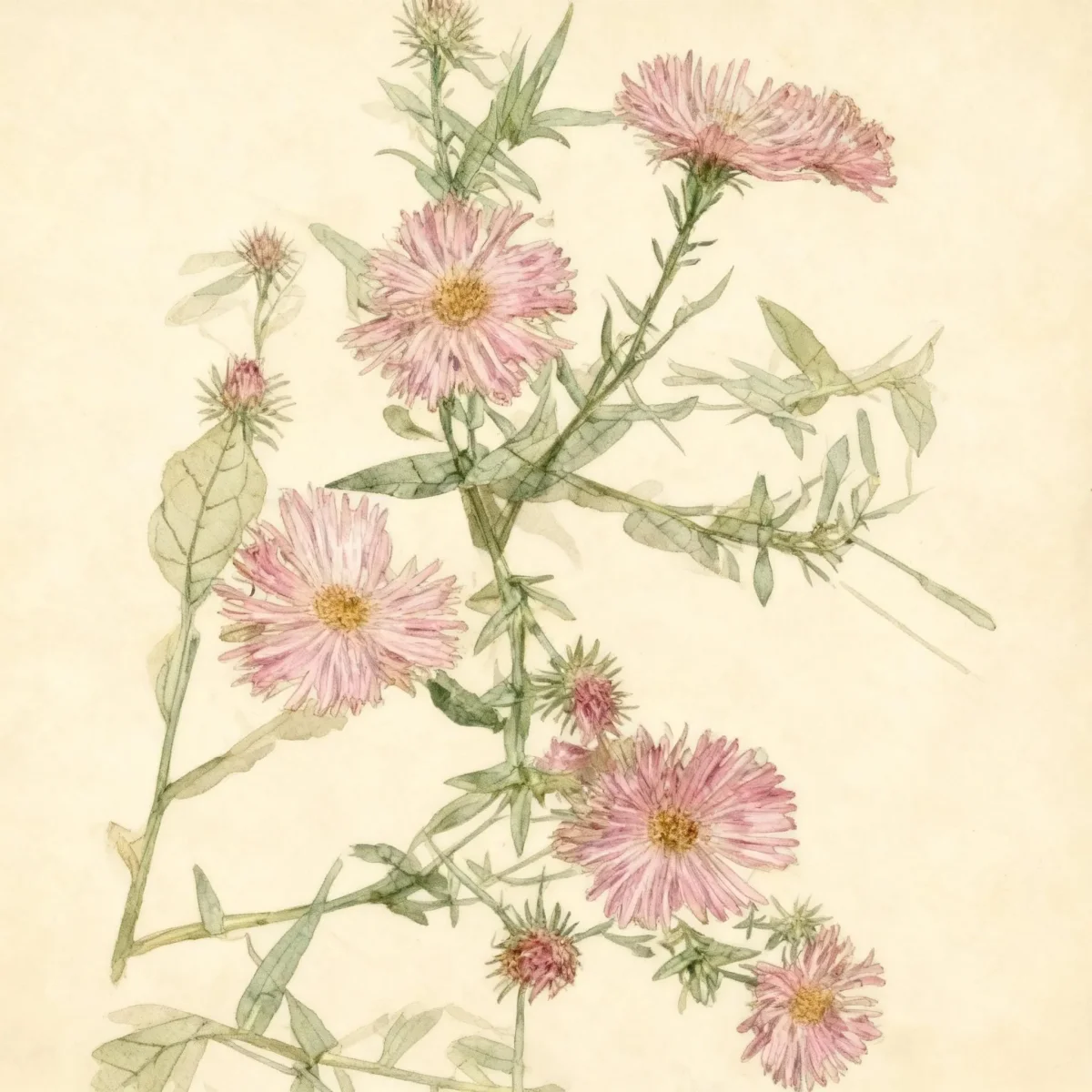
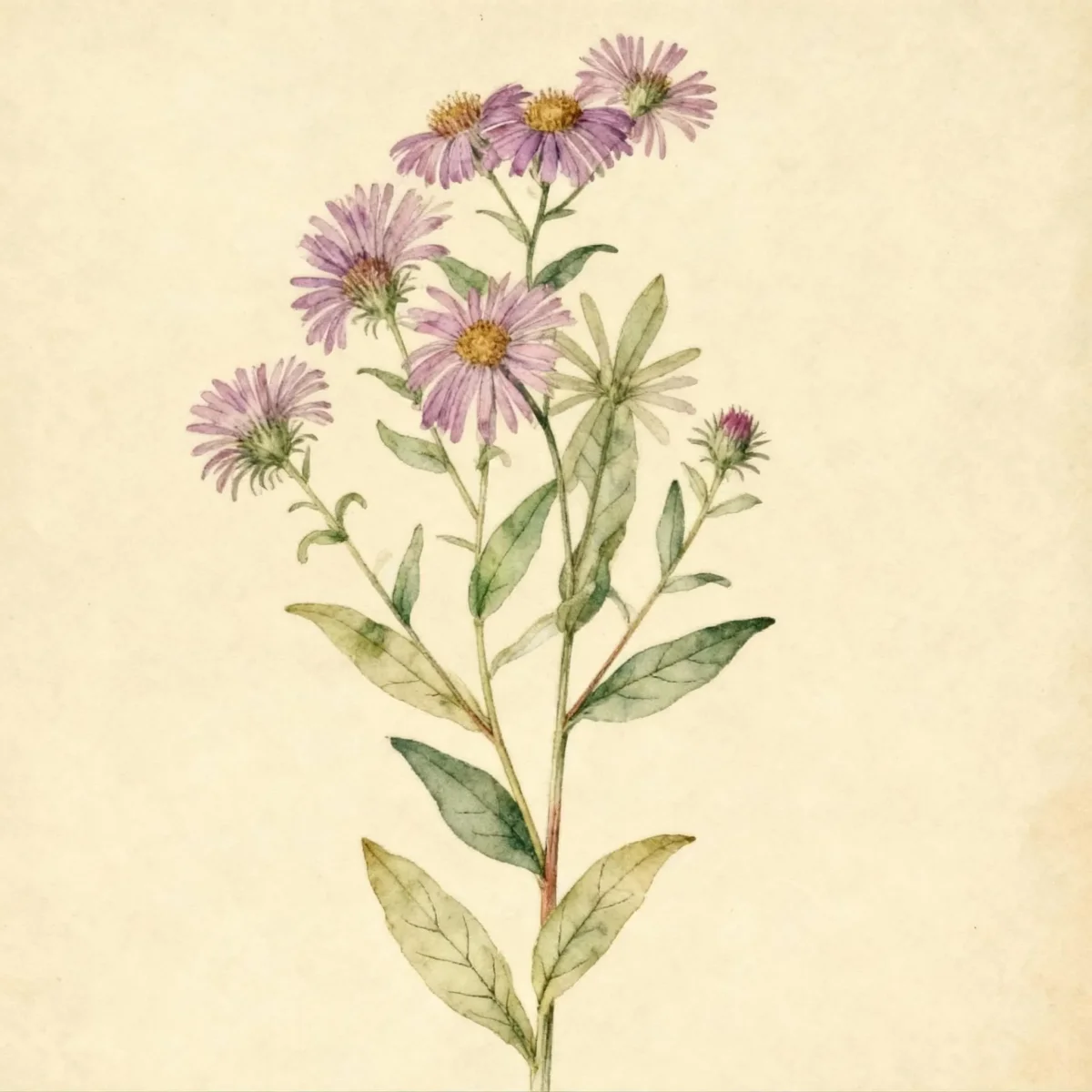
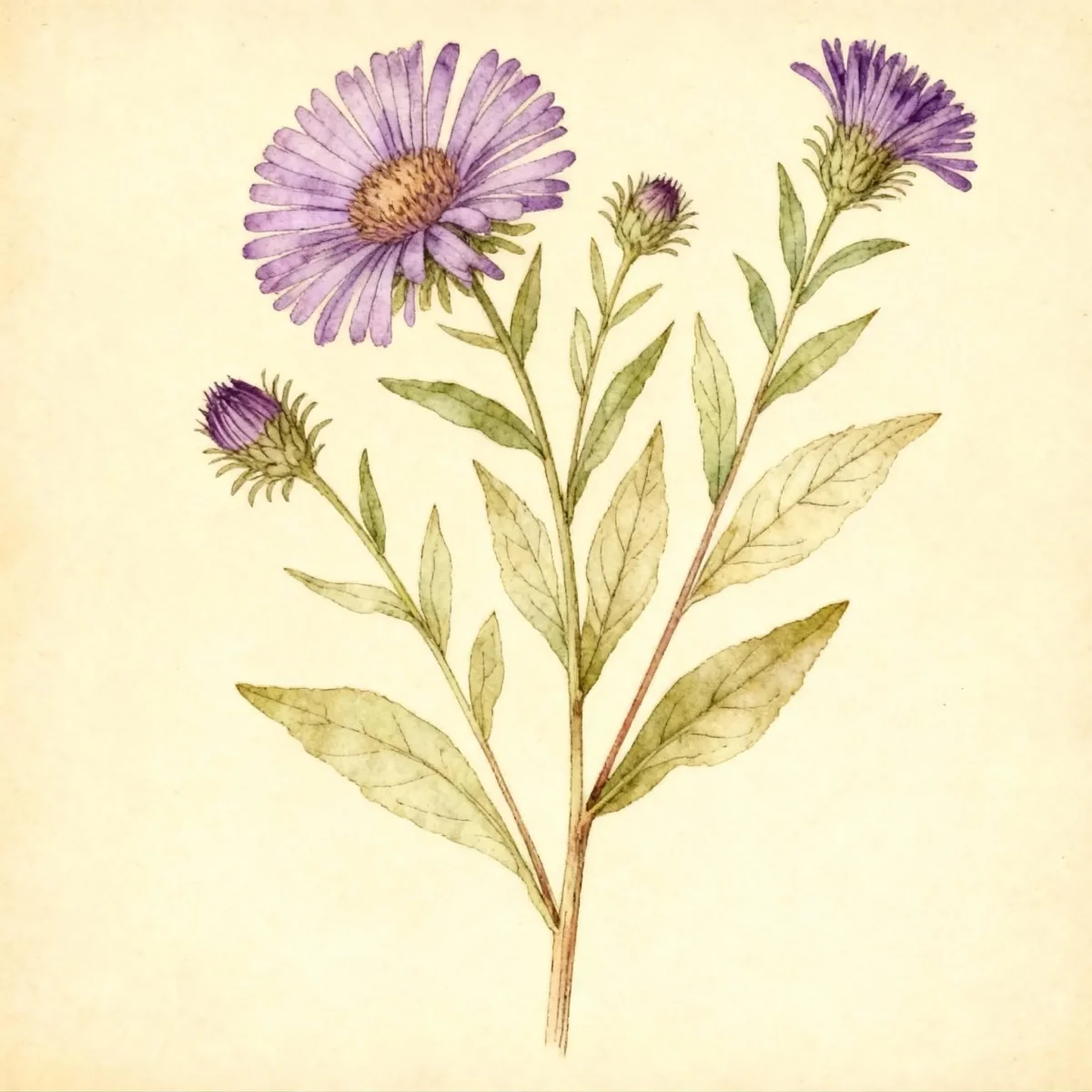
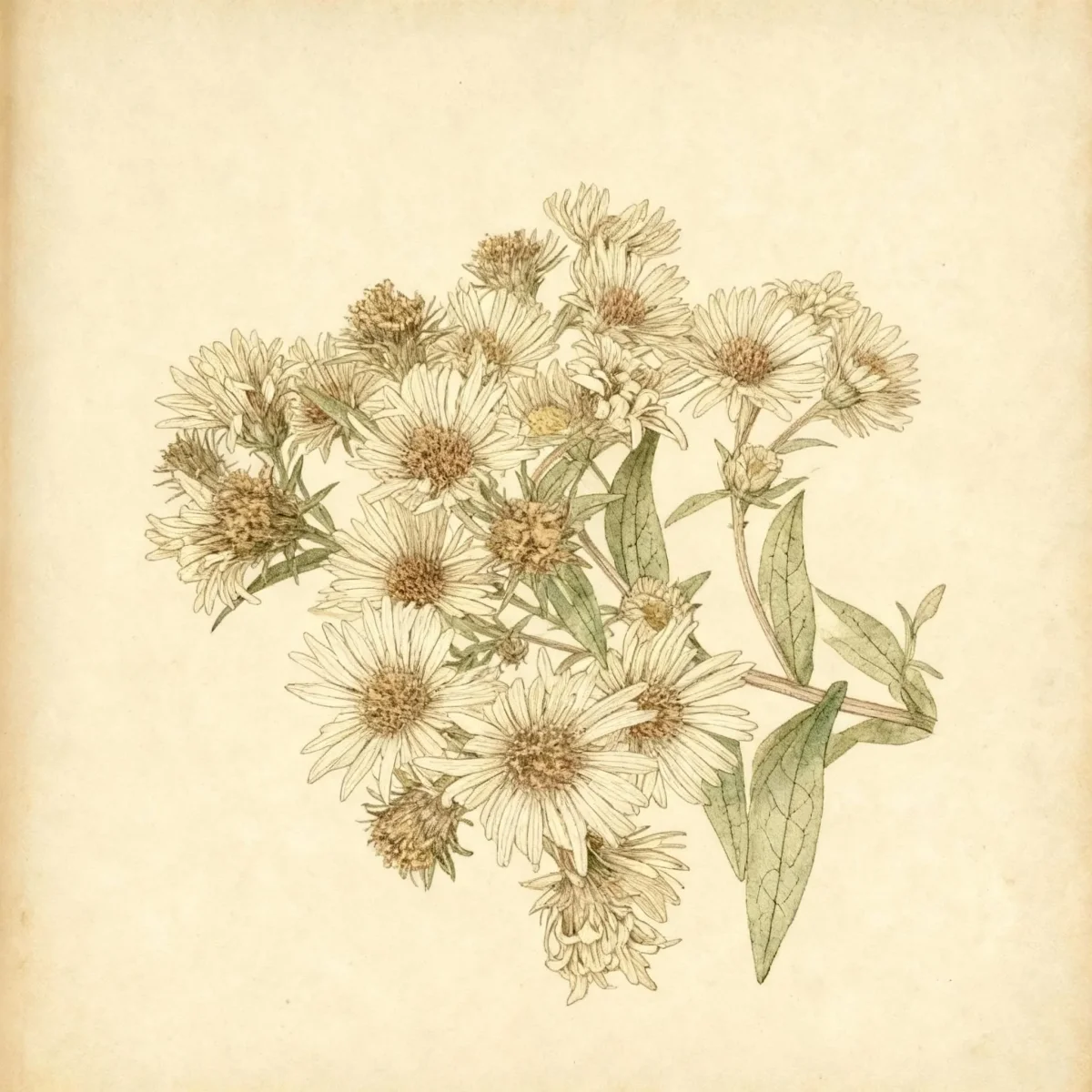
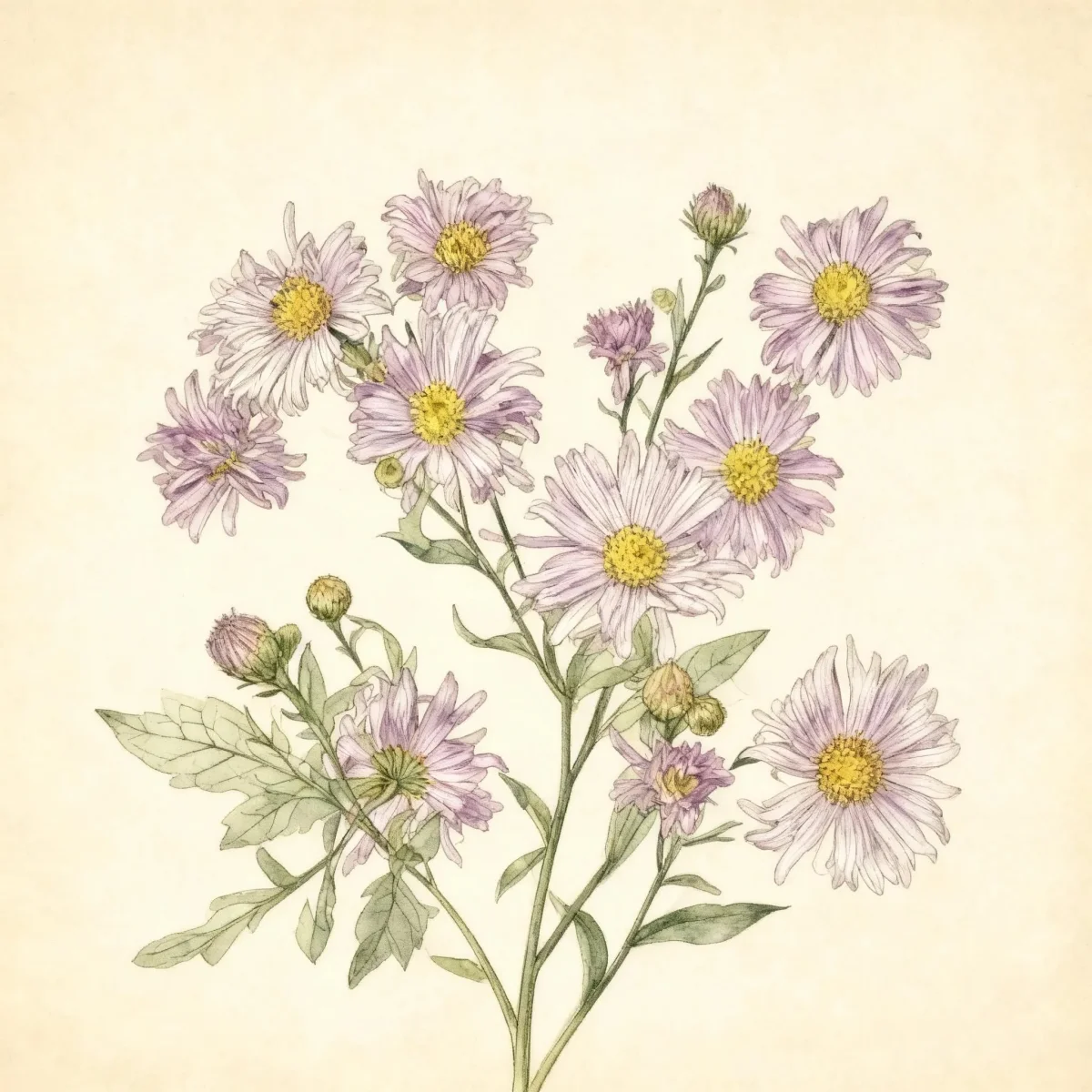
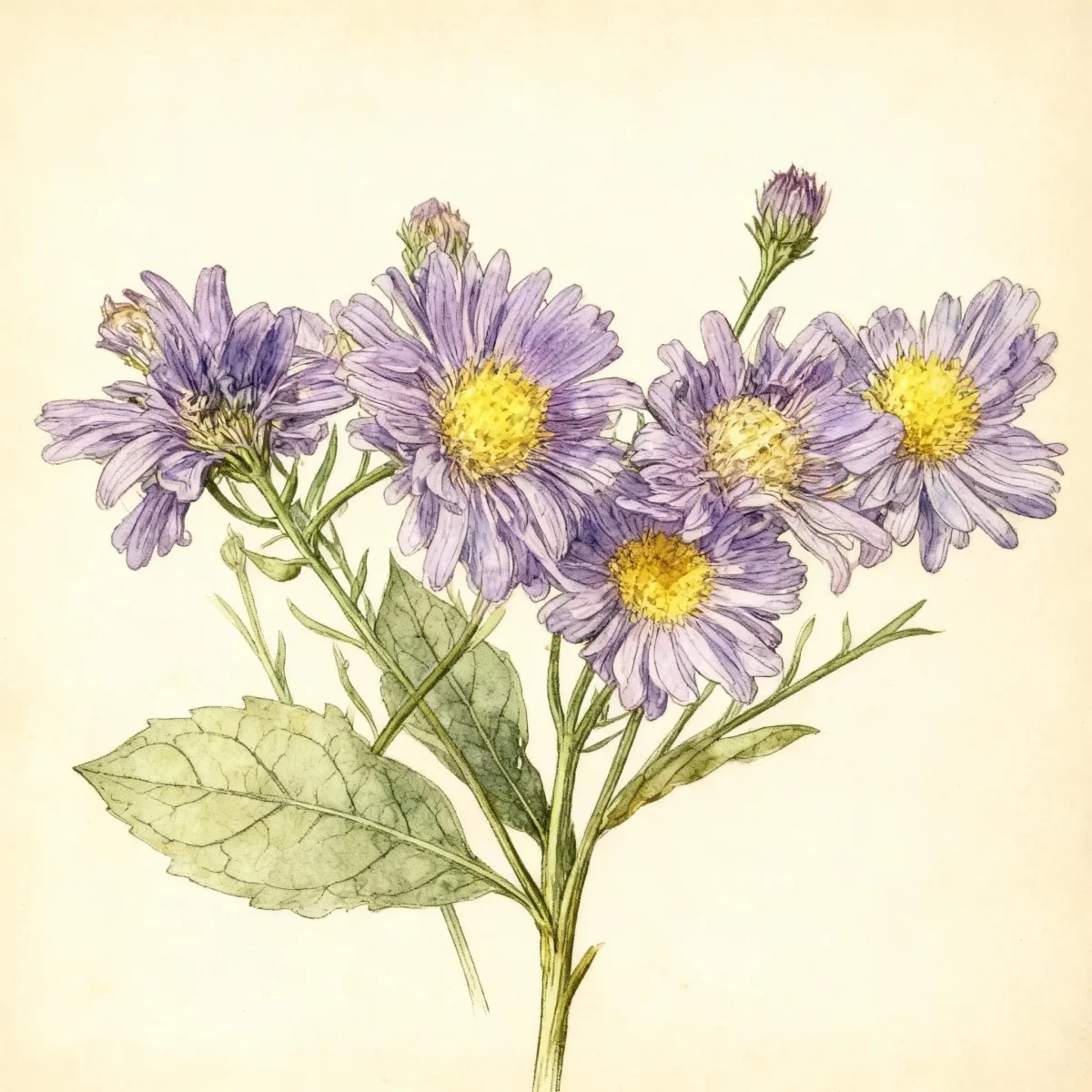
New England aster (Symphyotrichum novae-angliae 'Purple Pixie')
Discover Symphyotrichum novae-angliae 'Purple Pixie', a dwarf New England aster offering vibrant purple fall color with low maintenance needs.
Scroll down to discover growing tips, care requirements, companion plants, and more
Complete Plant Information
Overview
Symphyotrichum novae-angliae ‘Purple Pixie’ is a highly desirable, compact cultivar of the classic New England aster, bringing essential late-season color to dormant gardens. This variety retains the vigorous bloom power of its larger relatives while staying at a manageable short stature, perfect for modern landscape designs. Gardeners value this beautiful herbaceous perennial for its profuse display of rich purple, daisy-like flowers, often featuring bright yellow centers, that appear reliably in October.
This specific New England aster cultivar excels because it naturally maintains a tidy, upright habit without demanding significant intervention, providing excellent contrast when many other summer bloomers are fading. Its compact size (1–1.5 ft tall) and low maintenance profile make Symphyotrichum novae-angliae ‘Purple Pixie’ an outstanding choice for border fronts or rock gardens where space is limited. Finally, its late bloom time ensures a crucial food source for late-season pollinators, solidifying its role as both an aesthetic and ecological asset.
Fast Facts
- Plant Family: Asteraceae
- Plant Type: Herbaceous perennial
- Hardiness Zones: USDA Zones 4-8
- Size at Maturity:
- Height: 1-1.5 ft
- Spread: 1-1.5 ft
- Bloom Time: October
- Bloom Description: Purple with yellow centers
- Sun Exposure: Full sun
- Water Needs: Medium
- Maintenance Level: Low
How to Grow
The best time to plant this New England aster is typically in spring or early fall, allowing the roots to establish before the peak heat or deep freezes. Symphyotrichum novae-angliae ‘Purple Pixie’ thrives when situated in full sun, which is essential for dense flowering and disease prevention. While it tolerates average soil, it performs best when planted in moist, rich, well-drained conditions, although it possesses a notable tolerance for clay soils.
Ongoing care for Symphyotrichum novae-angliae ‘Purple Pixie’ is straightforward, requiring only medium water, especially during dry spells. Good air circulation is vital to help reduce the common incidence of foliar diseases like powdery mildew. A key cultural practice involves pinching back the stems several times, ensuring the cuts are made before mid-July. This pinching controls plant height, promotes a bushier shape, and can potentially eliminate the need for staking.
Pinching back, while beneficial for structure, will slightly delay the flowering time, but the resulting dense mound of bloom on the dwarf ‘Purple Pixie’ variety is well worth the trade-off. In late fall, after the foliage has died back, cut the stems down to the crown. This cleanup helps manage potential spring disease carryover, keeping the patch vigorous for the next season.
Landscape Uses
The diminutive size of Symphyotrichum novae-angliae ‘Purple Pixie’ opens up many design possibilities where taller asters might overwhelm the space. Its low-growing habit makes this aster an excellent choice for the front of the mixed perennial border, providing a vibrant, colorful edge right before winter sets in. It is also highly effective when planted in groups or massed together to create drifts of consistent purple color across the landscape.
For a naturalistic feel, the New England aster performs beautifully when naturalized in drifts within meadows or incorporated into native wildflower gardens. Furthermore, its ability to handle moist conditions and clay soil makes it a strong candidate for rain garden installations, where it complements structural grasses and other moisture-tolerant late-season bloomers. This plant provides essential late-season structure and contrast.
Standout Features
Flower Qualities
- Showy
- Good Cut
Noteworthy Characteristics
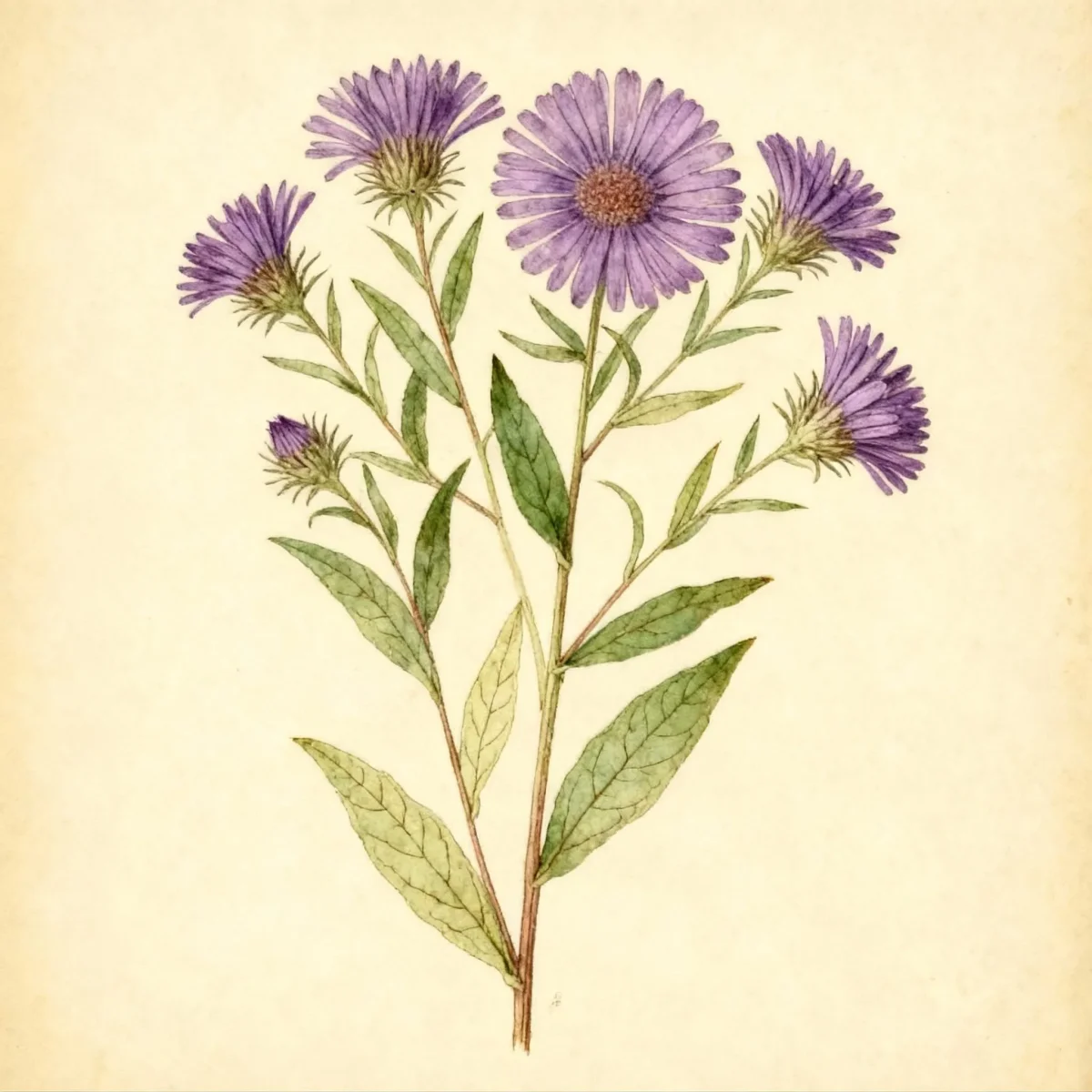
Symphyotrichum novae-angliae, commonly called New England aster, is a Missouri native perennial which occurs in moist prairies, meadows, thickets, low valleys and stream banks (Steyermark) throughout the State. This specific cultivar, ‘Purple Pixie’, grows to only 12-18” tall with a vigorous, upright habit, featuring a profuse bloom of daisy-like asters (to 1.5” diameter) with royal purple rays and yellow disks that typically cover the foliage mound with bloom in early fall. As an added benefit, these flowers are highly attractive to butterflies, providing late-season nectar.
Tolerances
- Clay Soil
Potential Problems
While generally tough, this New England aster cultivar exhibits some susceptibility to powdery mildew, especially when air circulation is poor or humidity is high. To mitigate this, ensure proper spacing during planting and adhere to the recommended practice of pinching back stems early in the season to maximize airflow. Aster wilt is another occasional concern, particularly if the plant is sited in poorly-drained soils, which can stress the root system.
If cultural needs are ignored, especially on taller varieties (though less common with ‘Purple Pixie’), the plants may require staking for support later in the season. By sticking to the provided guidelines—full sun, medium moisture, and ample air movement—most growing issues for Symphyotrichum novae-angliae ‘Purple Pixie’ can be successfully avoided.
Frequently Asked Questions
What hardiness zones is New England aster suitable for?
Symphyotrichum novae-angliae ‘Purple Pixie’ performs reliably across USDA Hardiness Zones 4 through 8.
How large does Symphyotrichum novae-angliae ‘Purple Pixie’ grow?
This dwarf New England aster typically reaches a height between 1 and 1.5 feet, with a spread of 1 to 1.5 feet.
When does New England aster bloom?
This variety produces its vibrant purple flowers, which have yellow centers, specifically during the month of October.
What sun exposure does Symphyotrichum novae-angliae ‘Purple Pixie’ need?
For best flowering results and health, this plant requires placement in a location receiving full sun throughout the day.
Conclusion
Symphyotrichum novae-angliae ‘Purple Pixie’ is an invaluable, colorful anchor for the late-season garden, delivering reliable purple blooms with minimal fuss. Its compact structure solves the common issue of floppy asters, making this New England aster a gardener’s favorite. Confirm your location falls within USDA Zones 4-8 and plan for plenty of summer sunshine to enjoy the abundant flowers of Symphyotrichum novae-angliae ‘Purple Pixie’.
Companions for Late Season Color
Companion planting near this New England aster should focus on species that share similar needs—full sun and medium moisture—while offering different textures or bloom times. Consider pairing the low mound of ‘Purple Pixie’ with ornamental grasses, such as Sporobolus or Panicum, whose upright plumes accentuate the aster’s low structure. Other reliable late-season bloomers like Sedums or Joe Pye Weed (Eutrochium) in richer colors can create dramatic planting combinations that carry the garden visually into the cooler months.
Designing with Dwarf Asters
The small stature of Symphyotrichum novae-angliae ‘Purple Pixie’ makes it ideal for container gardening on sunny patios or decks, provided containers are large enough to prevent rapid drying. In the ground, use this aster en masse along a pathway edge to create a bold, continuous ribbon of color that requires no maintenance other than annual cutting back. It functions perfectly as a transitional plant, bridging the gap between shorter border subjects and taller background perennials like shrubs that have already finished flowering.