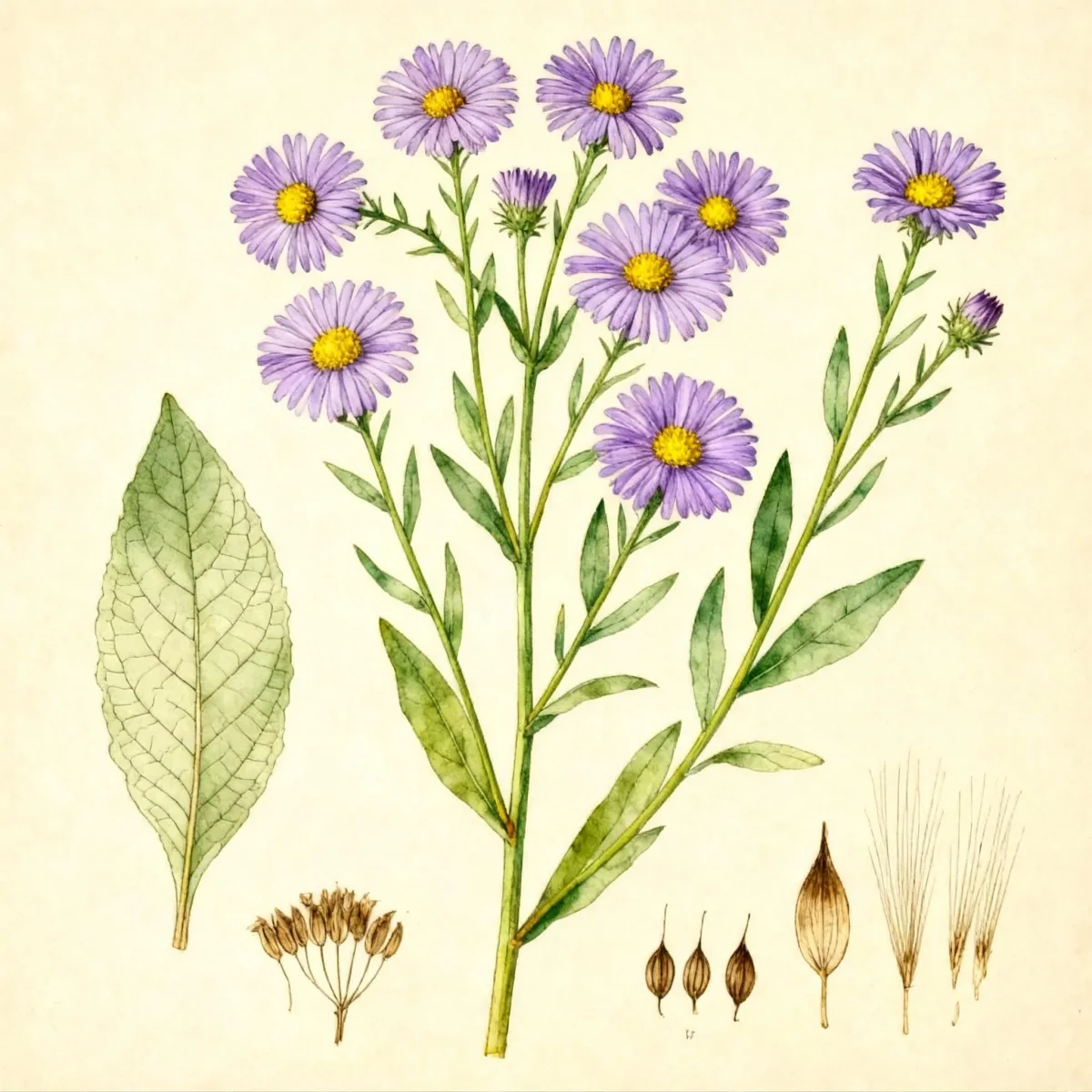
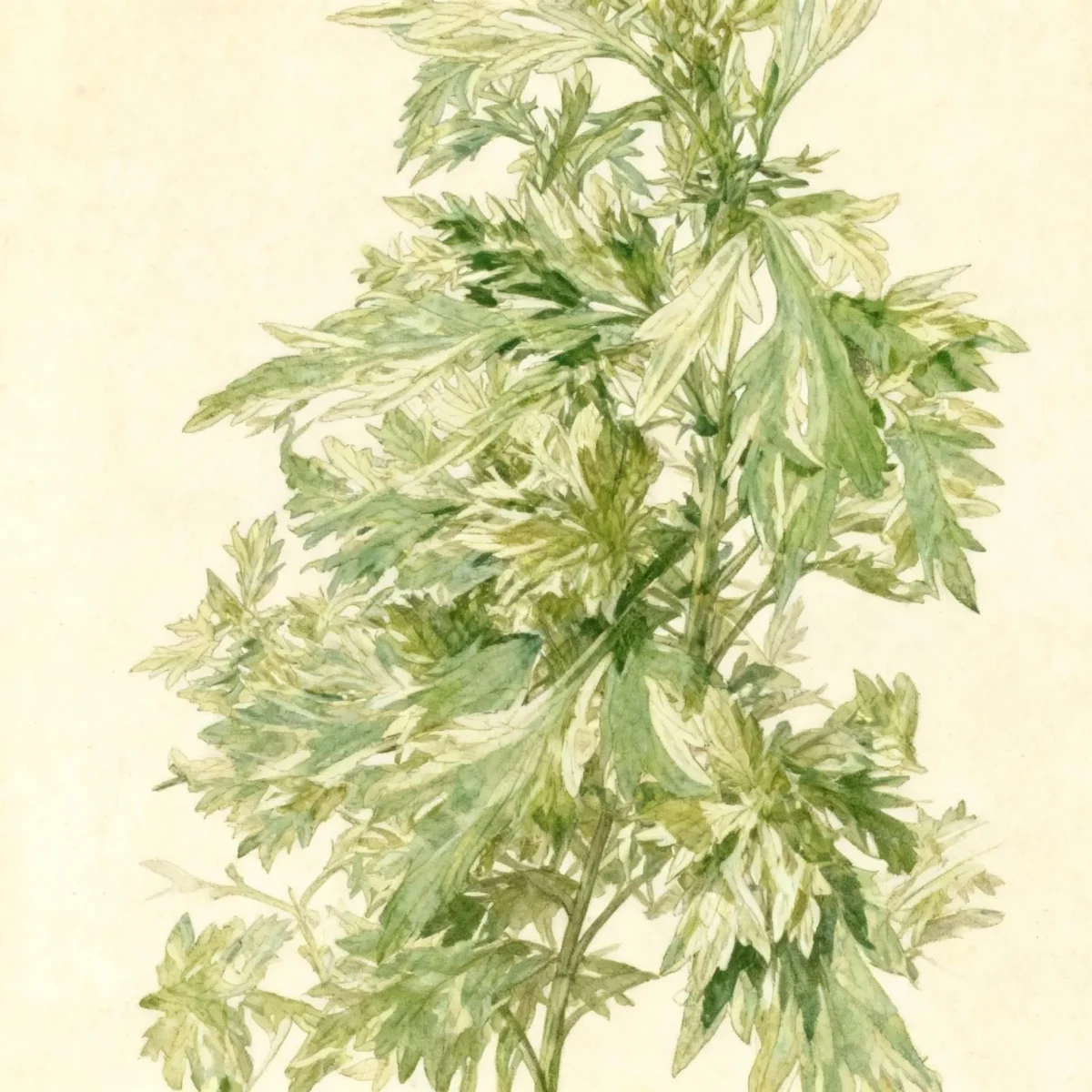
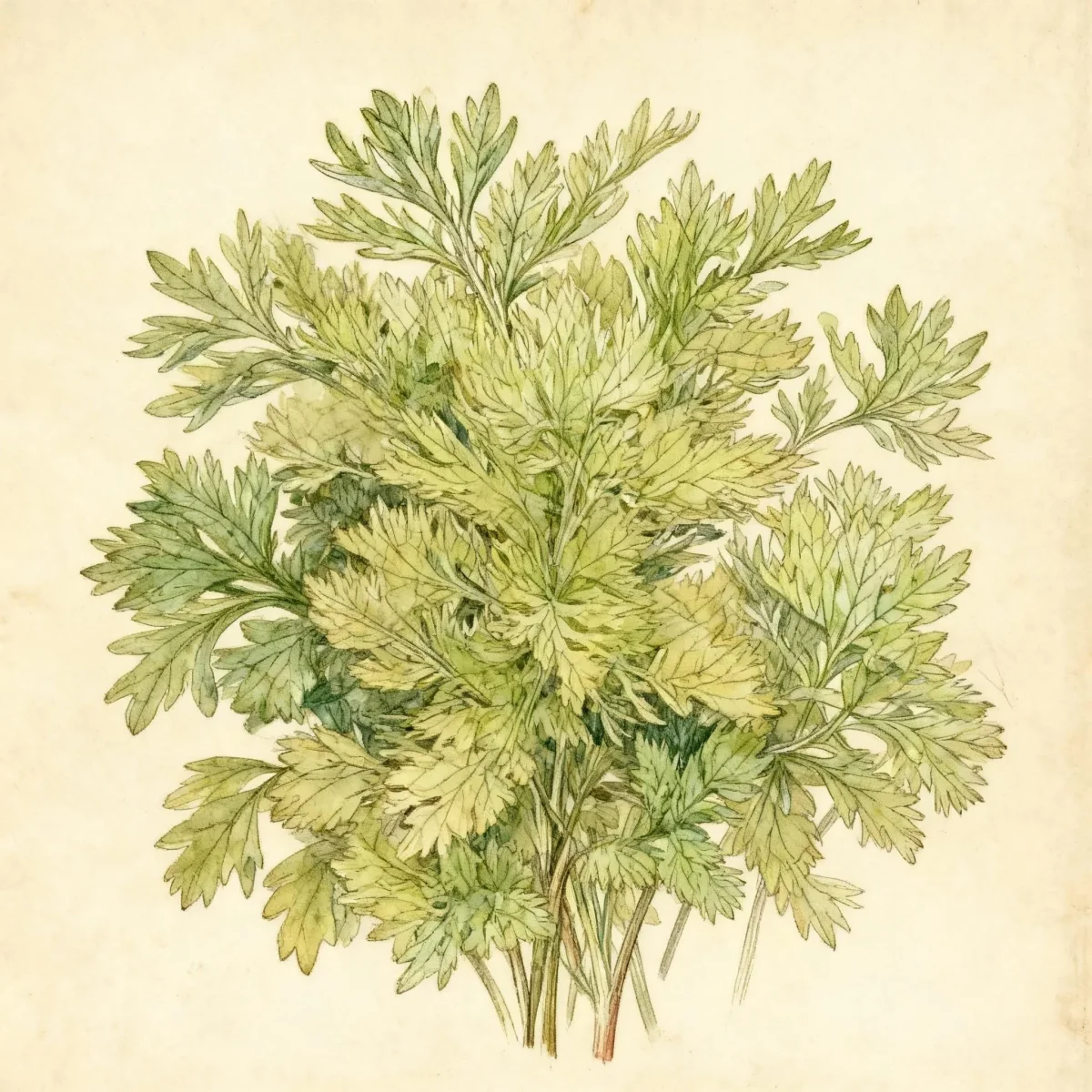
Aromatic aster (Symphyotrichum oblongifolium 'October Skies')
Symphyotrichum oblongifolium 'October Skies' provides late-season color with fragrant, dark sky blue blooms and handles drought well.
Scroll down to discover growing tips, care requirements, companion plants, and more
Complete Plant Information
Overview
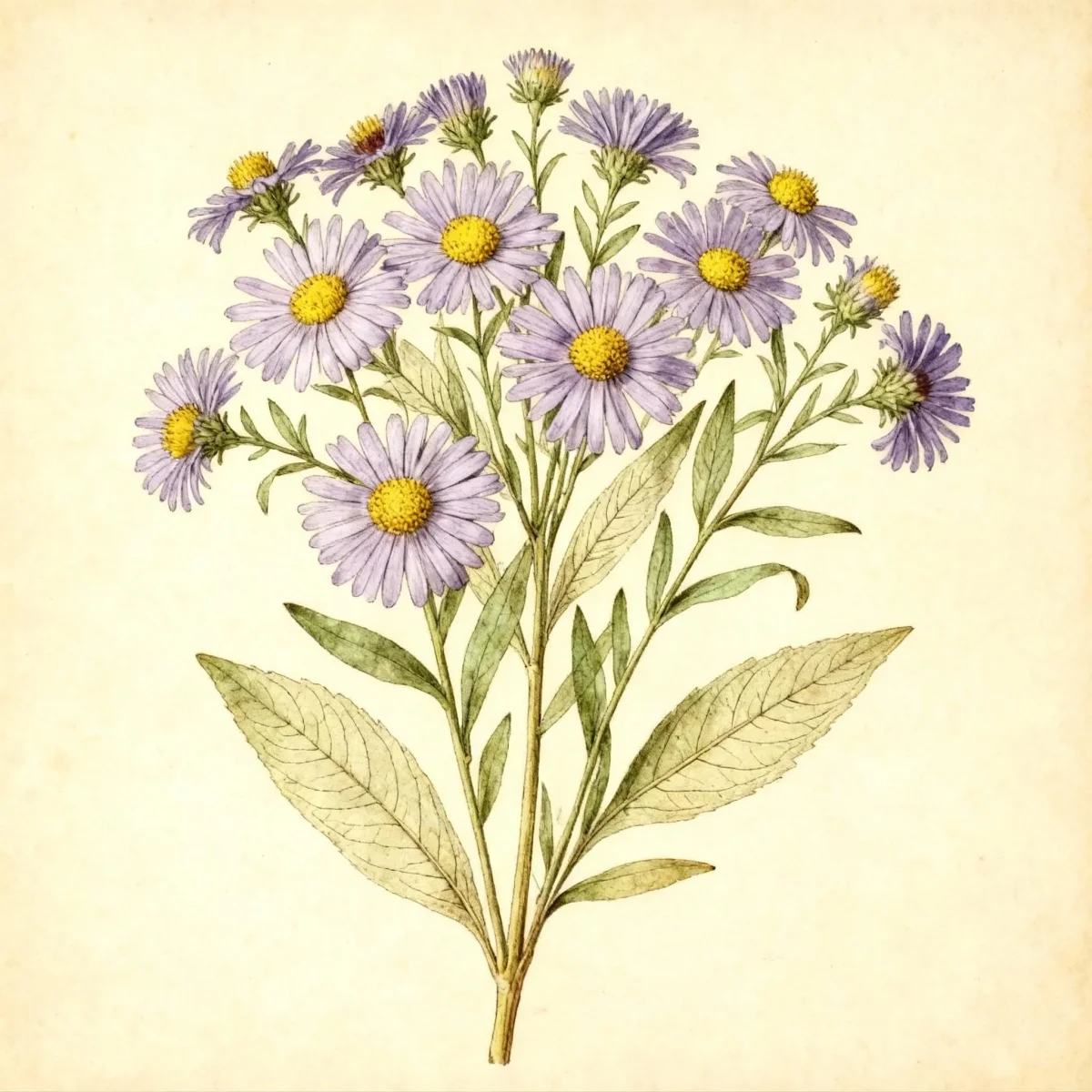
The Aromatic aster, scientifically known as Symphyotrichum oblongifolium ‘October Skies’, is a superb choice for gardeners seeking reliable, late-season color. This compact cultivar offers dense clusters of dark sky blue, daisy-like flowers extending the blooming season well into late fall. Its bushy habit and tolerance for poor soils make Symphyotrichum oblongifolium ‘October Skies’ a highly practical addition to the perennial border.
As a Missouri native, the aromatic aster thrives in challenging environments where other plants might falter, showcasing superior drought resistance once established. The leaves release a characteristic fragrance when crushed, lending credence to its common name, Aromatic aster. This species is exceptionally attractive to late-season foraging butterflies.
Gardeners appreciate the cultivar name ‘October Skies’ because its deep blue hue reliably peaks just as summer borders begin to fade. Growing this Aromatic aster ensures you have vibrant texture and color to attract pollinators preparing for winter migration. It represents low-maintenance excellence in the fall garden landscape.
Fast Facts
- Plant Family: Asteraceae
- Plant Type: Herbaceous perennial
- Hardiness Zones: USDA Zones 3-8
- Size at Maturity:
- Height: 1.5-2 ft
- Spread: 1.5-2 ft
- Bloom Time: August to October
- Bloom Description: Dark sky blue
- Sun Exposure: Full sun
- Water Needs: Dry to medium
- Maintenance Level: Medium
How to Grow
Plant Symphyotrichum oblongifolium ‘October Skies’ during the spring or fall under full sun conditions. This plant is remarkably adaptable, thriving in average, dry to medium soils, and performs well even in sandy or clay substrates. Ensuring good drainage is critical, though the species generally tolerates poor soils and drought conditions once established.
Maintenance for the Aromatic aster is generally considered medium. Water sparingly; allow the soil to dry out between irrigation sessions, especially as this plant prefers dry to medium moisture levels. Fertilization is rarely necessary, as excessive richness can lead to floppier growth rather than the desired compact form of ‘October Skies’.
Because plants grown from seed may not breed true, if you wish to maintain the specific characteristics of this cultivar, consider cutting back stems after the flowering period concludes. This practice also helps manage potential self-seeding and keeps the plant tidy heading into winter. There is no major required cleanup, letting the dried stems remain for winter interest.
Landscape Uses
Symphyotrichum oblongifolium ‘October Skies’ excels as a mass planting material due to its consistent two-foot spread and reliable blooming habit. While categorized for ground cover use, its upright structure works beautifully lining the middle or back of borders, providing a soft, continuous line of blue color. It is highly recommended for native plant gardens and naturalized areas where water conservation is a priority.
Consider planting this tough perennial alongside other sun-loving, drought-tolerant natives that finish blooming slightly earlier or later. Good companions include various native goldenrods (Solidago species) or Rudbeckia varieties that enjoy similar dry footing and full sun exposure. The dark blue flowers of ‘October Skies’ provide a striking cool contrast against the yellows and oranges prevalent in late summer and fall plantings.
For a more formal effect in woodland edges or open shade gardens, massing the Aromatic aster provides excellent texture contrast against broad-leaved shrubs or ferns that offer summer shade. Its resilience makes it a superb choice for meadow restorations or dry slopes where erosion control is a benefit.
Flower Qualities
- Showy
Noteworthy Characteristics
Symphyotrichum oblongifolium, commonly called aromatic aster, is a Missouri native plant that typically occurs on limestone glades, slopes, prairies and dry open ground. This Aromatic aster forms a bushy, stiff, compact, low-growing plant with hairy stems, typically reaching 1-2 feet tall, featuring small, daisy-like flowers with violet blue rays and yellow center disks, providing a long bloom period that lasts into late fall. The rigid, oblong, blue-green leaves are fragrant when crushed, and the cultivar ‘October Skies’ specifically grows more compactly, showcasing attractive deep sky blue coloration that peaks in October.
Tolerances
- Drought
- Erosion
- Clay Soil
- Dry Soil
- Shallow-Rocky Soil
Potential Problems
The Aromatic aster generally exhibits few serious pest or disease issues, making it a reliable choice. However, the primary cultural issue to monitor for Symphyotrichum oblongifolium ‘October Skies’ is susceptibility to powdery mildew. This fungal issue often appears in humid conditions or when the plant lacks adequate air circulation.
To mitigate powdery mildew, ensure the planting area receives full sun and avoid overhead watering late in the day, which keeps foliage damp overnight. Good garden hygiene and avoiding overcrowding will greatly reduce this potential problem. Aster wilt is another potential, though less common, risk for Aromatic aster.
Frequently Asked Questions
What hardiness zones is Aromatic aster suitable for?
The Aromatic aster, Symphyotrichum oblongifolium ‘October Skies’, performs best when grown in USDA Hardiness Zones 3 through 8.
How large does Aromatic aster grow?
Symphyotrichum oblongifolium ‘October Skies’ typically reaches a mature height between 1.5 and 2 feet tall, with a corresponding spread of 1.5 to 2 feet wide.
What sun exposure does Aromatic aster need?
This reliable perennial requires full sun exposure to achieve its best performance, flower density, and compact habit.
When does Aromatic aster bloom?
The bloom time for this plant extends from August through October, featuring distinctive dark sky blue flowers.
Companion Planting
Selecting suitable partners for Symphyotrichum oblongifolium ‘October Skies’ should emphasize plants that also prefer full sun and dry to medium soil conditions. Good companion choices include late-blooming coneflowers (Echinacea) or various sedums that offer structural contrast while sharing similar low-water needs. In native plantings, grouping the Aromatic aster with species of native grasses will enhance the naturalistic feel of the late-season garden.
Avoid planting this aster near moisture-loving perennials, as consistent wet feet will compromise its drought and dry soil tolerances and potentially encourage mildew issues. By matching cultural requirements, you ensure both your Aromatic aster and its neighbors thrive throughout the season.
Wildlife Benefits
The bright, late-season blooms of Symphyotrichum oblongifolium ‘October Skies’ are crucial for local ecosystems. Aster flowers, including this Aromatic aster variety, are highly attractive to a wide range of late-season native bees and butterflies preparing for migration or overwintering. Providing this late nectar source is a significant benefit for garden wildlife when most summer blooms have faded.
The dense structure of the Aromatic aster also offers good protective cover for ground-dwelling insects. Furthermore, leaving dried stems standing over winter offers valuable overwintering habitat for beneficial insect pupae, reinforcing its ecological value in the landscape.
Conclusion
The reliable, deep blue flowers and exceptional toughness make Symphyotrichum oblongifolium ‘October Skies’ an indispensable component for autumn color schemes and low-water gardening designs. Embrace the low-maintenance beauty of the Aromatic aster by ensuring your site provides full sun and well-drained conditions. Check your local USDA Zone compatibility today and plan to incorporate this dependable perennial for years of late-season enjoyment.