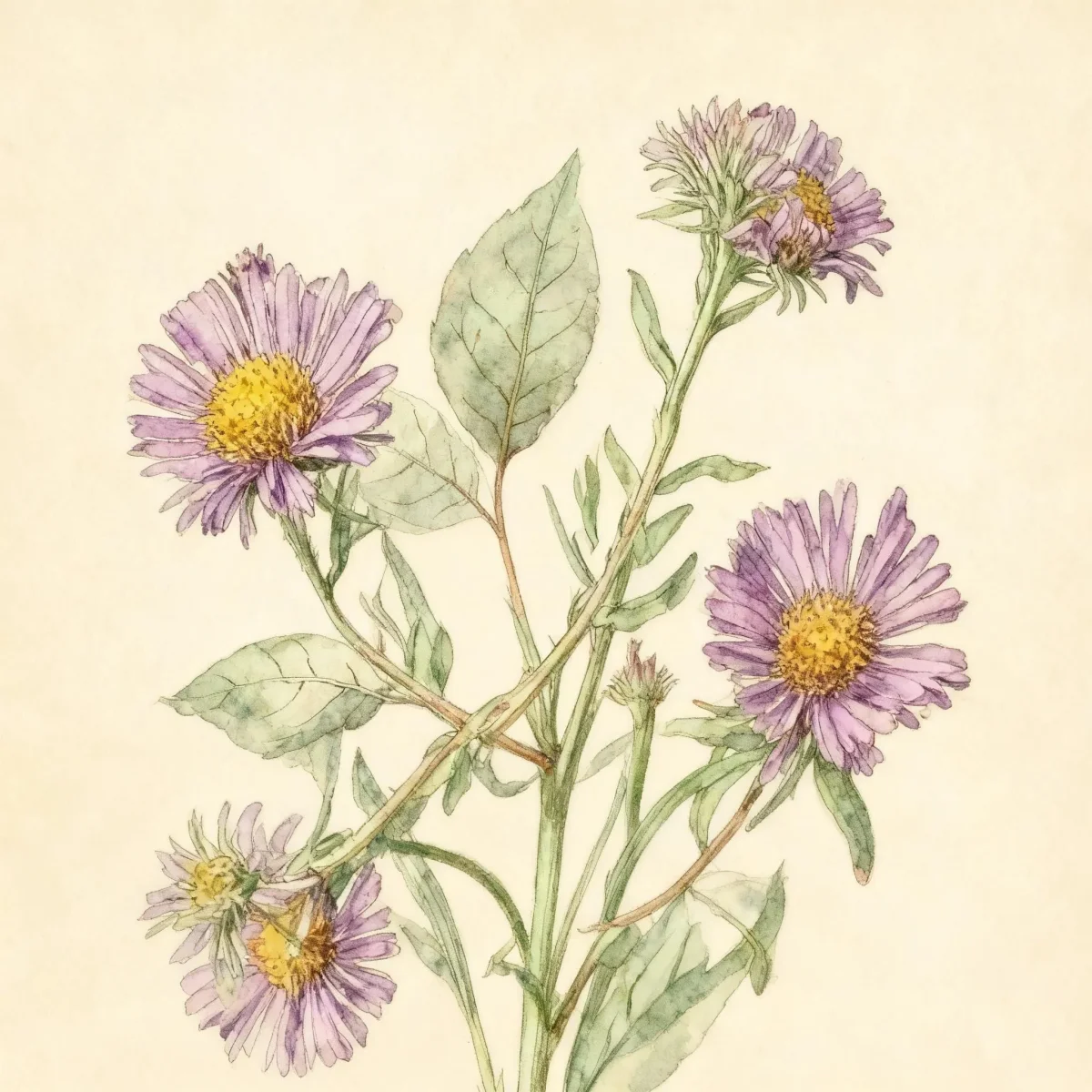
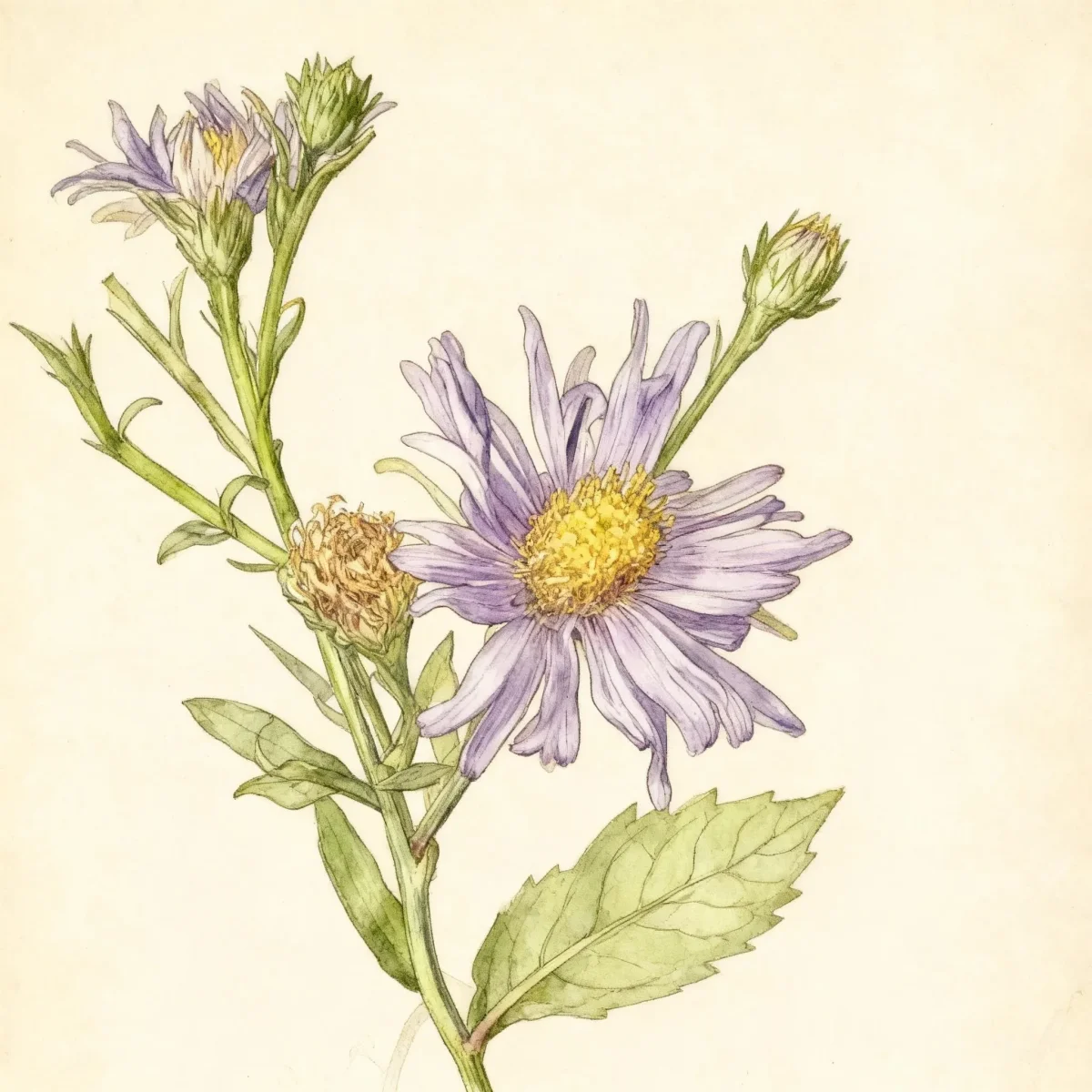
Michaelmas daisy (Symphyotrichum novi-belgii 'Peter Harrison')
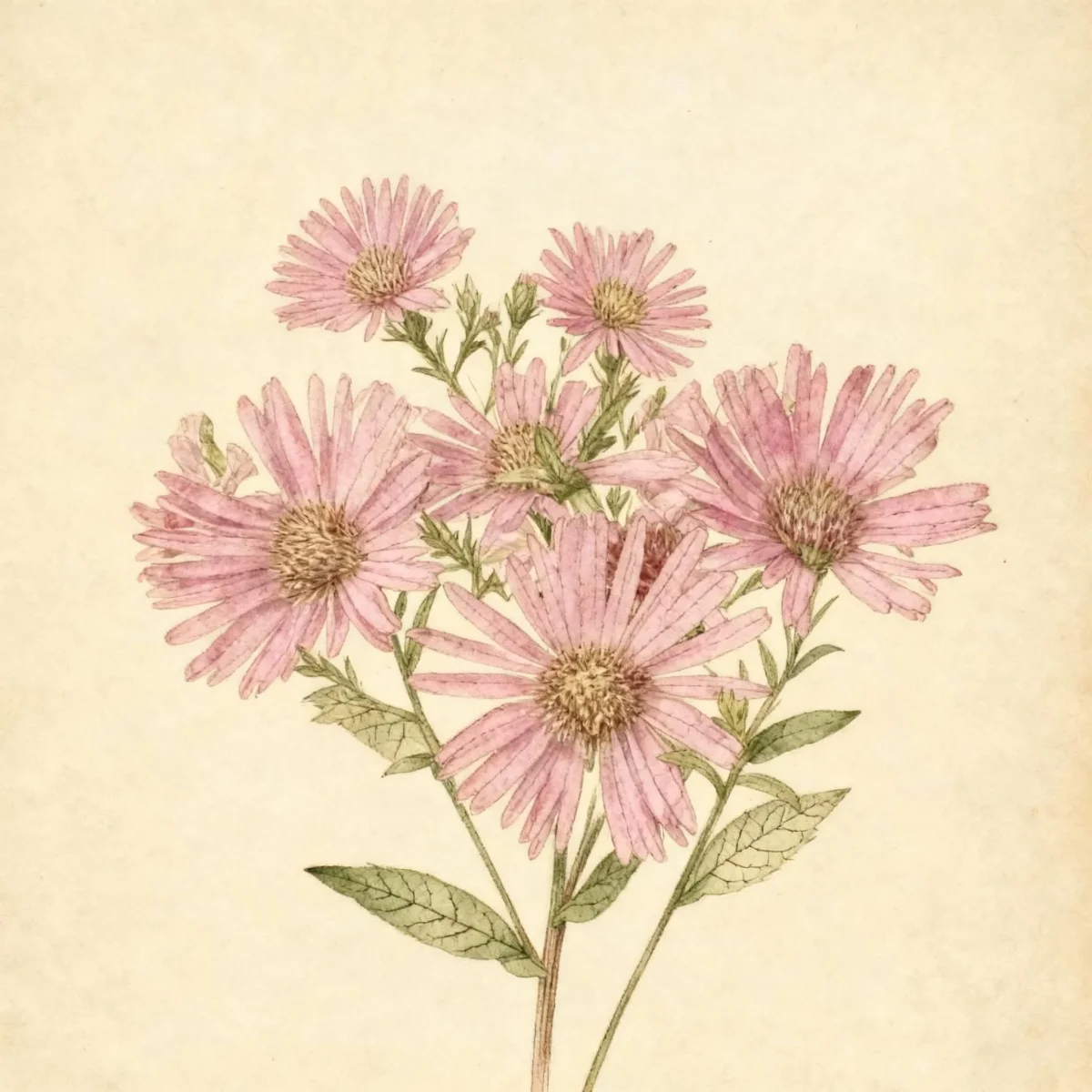
Symphyotrichum novi-belgii 'Peter Harrison' is a low-growing Michaelmas daisy offering profuse pink blooms from late summer through early fall in full sun.
Scroll down to discover growing tips, care requirements, companion plants, and more
Complete Plant Information
Overview
Symphyotrichum novi-belgii ‘Peter Harrison’ brings late-season color to the garden with its dense habit and profuse explosion of pink flowers. As a cultivar of the New York aster, this Michaelmas daisy offers reliable structure and zero fuss, making it indispensable for autumn displays. Its compact size means it resists flopping, providing excellent borders or edging contrast.
This herbaceous perennial thrives in sunny locations and appreciates consistent moisture, making it an ideal candidate for rain gardens or consistently damp borders. Gardeners value the low maintenance required by Symphyotrichum novi-belgii ‘Peter Harrison’, especially its tolerance for heavier soils that sometimes challenge other perennials. It provides essential nectar for pollinators winding down their season.
The key appeal of this specific Michaelmas daisy cultivar is its dwarfed stature, reaching only 1 to 1.5 feet tall without the need for staking. Enjoy the vibrant pink hue of Symphyotrichum novi-belgii ‘Peter Harrison’ from mid-August well into October, long after many summer bloomers have faded.
Fast Facts
- Plant Family: Asteraceae
- Plant Type: Herbaceous perennial
- Hardiness Zones: USDA Zones 4-8
- Size at Maturity:
- Height: 1-1.5 ft
- Spread: 1-2 ft
- Bloom Time: August to September
- Bloom Description: Pink
- Sun Exposure: Full sun
- Water Needs: Medium to wet
- Maintenance Level: Low
How to Grow
Plant Symphyotrichum novi-belgii ‘Peter Harrison’ in its permanent location during the spring or early fall. Ensure the chosen spot receives full sun—six or more hours daily—to promote strong stems and abundant blooms. While it prefers organically rich, evenly moist soil, this New York aster is notably tolerant of both sandy and clay soils, provided drainage is adequate to prevent standing water.
Watering should be consistent, especially during dry spells, as this Michaelmas daisy prefers medium to wet conditions. Good air circulation is crucial; ensure plants are spaced properly to mitigate the risk of powdery mildew, the most common fungal issue. To achieve the best bushy habit, prune the stems back hard to about 6 inches in late spring or early summer.
Deadheading spent flowers is optional, but cutting back the entire plant after the season concludes will reduce potential self-seeding and keep the area tidy for winter. Propagation of Symphyotrichum novi-belgii ‘Peter Harrison’ is easily achieved through simple division of established clumps in spring or fall, or via cuttings if desired.
Landscape Uses
The compact, bushy form of Symphyotrichum novi-belgii ‘Peter Harrison’ makes it perfect for numerous landscape applications where space or height is a consideration. Its low stature allows it to serve brilliantly as a permanent front-of-border plant, softening the edge of a perennial bed without obscuring shorter accents. Because it handles wet conditions well, it excels in designated rain gardens, managing runoff while providing late-season color.
Consider using this variety as a natural substitute for summer-ending chrysanthemums, offering a similar warm color palette but with generally lower maintenance requirements. It integrates beautifully into cottage gardens alongside ornamental grasses or preceding taller late asters. Its strong visual appeal in autumn also makes it a superb choice for container arrangements flanking doorways or patios.
The reliable bloom time of this New York aster makes it excellent for filling gaps that appear after spring and early summer flowers fade entirely. Grouping clumps of Symphyotrichum novi-belgii ‘Peter Harrison’ provides a unified sweep of pink that guides the eye toward autumn interest features.
Standout Features
Flower Qualities
- Showy
Noteworthy Characteristics
Symphyotrichum novi-belgii, commonly called New York aster, is a herbaceous perennial native to the eastern United States and Canada, from Newfoundland south to Georgia. It is typically found at lower elevations in coastal, brackish marshlands, forest edges, and meadows as well as inland riverbanks, lake shores, fens and bog edges. The specific epithet novi-belgii means “of or from New York,” referring to part of its native range. ‘Peter Harrison’ is a dwarf New York aster cultivar that typically grows 15-18” tall and up to 2’ wide with a low, bushy habit, featuring a profuse bloom of pink flowers (to 1.5” across) which can entirely cover the plant with bloom from mid-August until early October.
Tolerances
- Clay Soil
- Wet Soil
Potential Problems
The primary concern when growing Michaelmas daisy varieties, including Symphyotrichum novi-belgii ‘Peter Harrison’, is susceptibility to powdery mildew. This white, dusty fungal growth typically appears on the leaves, often late in the season when humidity is high and air circulation is poor. To successfully manage this, ensure plants are spaced adequately during planting, and avoid overhead watering late in the day.
Pruning in early summer to shorten stems also helps thin the foliage, increasing airflow through the plant structure. If mildew presents a persistent problem, ensure you are growing Symphyotrichum novi-belgii ‘Peter Harrison’ in its preferred full sun location.
Frequently Asked Questions
What hardiness zones is Michaelmas daisy suitable for?
Symphyotrichum novi-belgii ‘Peter Harrison’ is reliably hardy in USDA Zones 4 through 8.
How large does Symphyotrichum novi-belgii ‘Peter Harrison’ grow?
Maturity size for this cultivar is typically compact, reaching 1 to 1.5 feet in height and spreading between 1 and 2 feet.
When does Symphyotrichum novi-belgii ‘Peter Harrison’ bloom?
This New York aster flowers profusely from August into September, displaying lovely pink blooms that can last until early October.
What sun exposure does Symphyotrichum novi-belgii ‘Peter Harrison’ need?
This perennial requires full sun exposure for the healthiest growth and best flowering performance.
Conclusion
Symphyotrichum novi-belgii ‘Peter Harrison’ offers exceptional value as a low-maintenance, late-season powerhouse, delivering abundant pink color when many gardens begin to wane. This dependable Michaelmas daisy stands out due to its compact, non-flopping habit, making it a superior choice for defined borders. Before planting, ensure your site offers full sun and consistent moisture to best enjoy the season-long display of this wonderful New York aster.
Propagation Tips
Division is the easiest and most reliable method for propagating healthy clumps of Symphyotrichum novi-belgii ‘Peter Harrison’. Perform this task in early spring just as new growth begins, or in early fall after flowering, being careful not to disturb the root zone too severely. Dig up the entire clump and manually separate it into smaller sections, ensuring each division retains a good mass of roots and several growing points. Replant the divisions immediately at the same depth as the parent plant, watering in well.
If you prefer to start from scratch, cuttings can be taken from soft, new stems in late spring or early summer. Select non-flowering tips, cut four to six inches long, remove the lower leaves, and place them in a sterile, moist propagation medium. While seed is also an option, be aware that hybrid cultivars like ‘Peter Harrison’ grown from seed may not breed true to the parent plant’s pink color or dwarf habit.
Wildlife Benefits
The late-blooming nature of this Michaelmas daisy makes it a vital resource for late-season pollinators. As many summer nectar sources disappear, the vibrant pink flower heads of Symphyotrichum novi-belgii ‘Peter Harrison’ attract a host of butterflies, bees, and native insects preparing for winter or migration. Its dense foliage also offers beneficial cover and structure late into the season. Planting this New York aster is an effective way to extend your garden’s ecological contribution right through the transition into autumn.