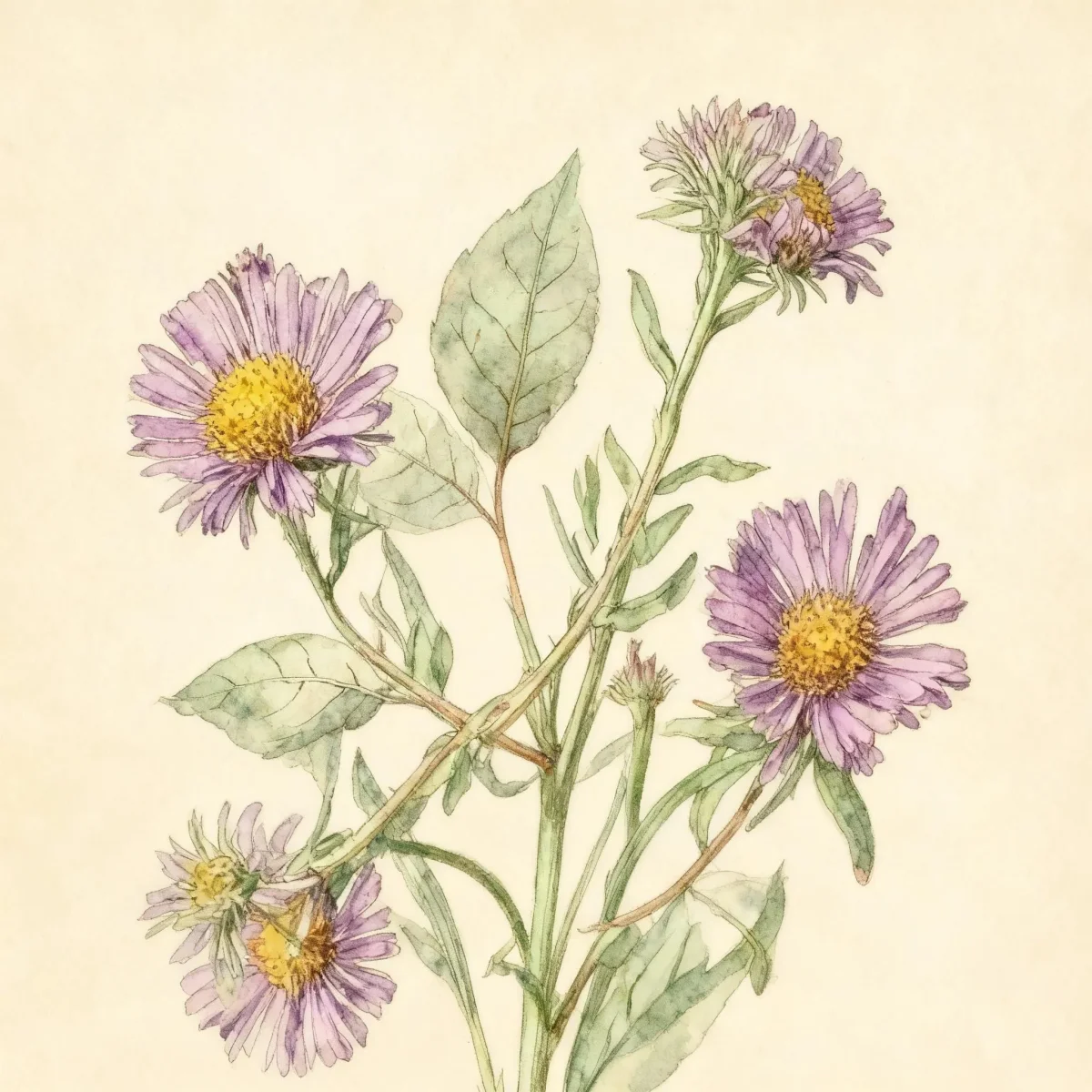
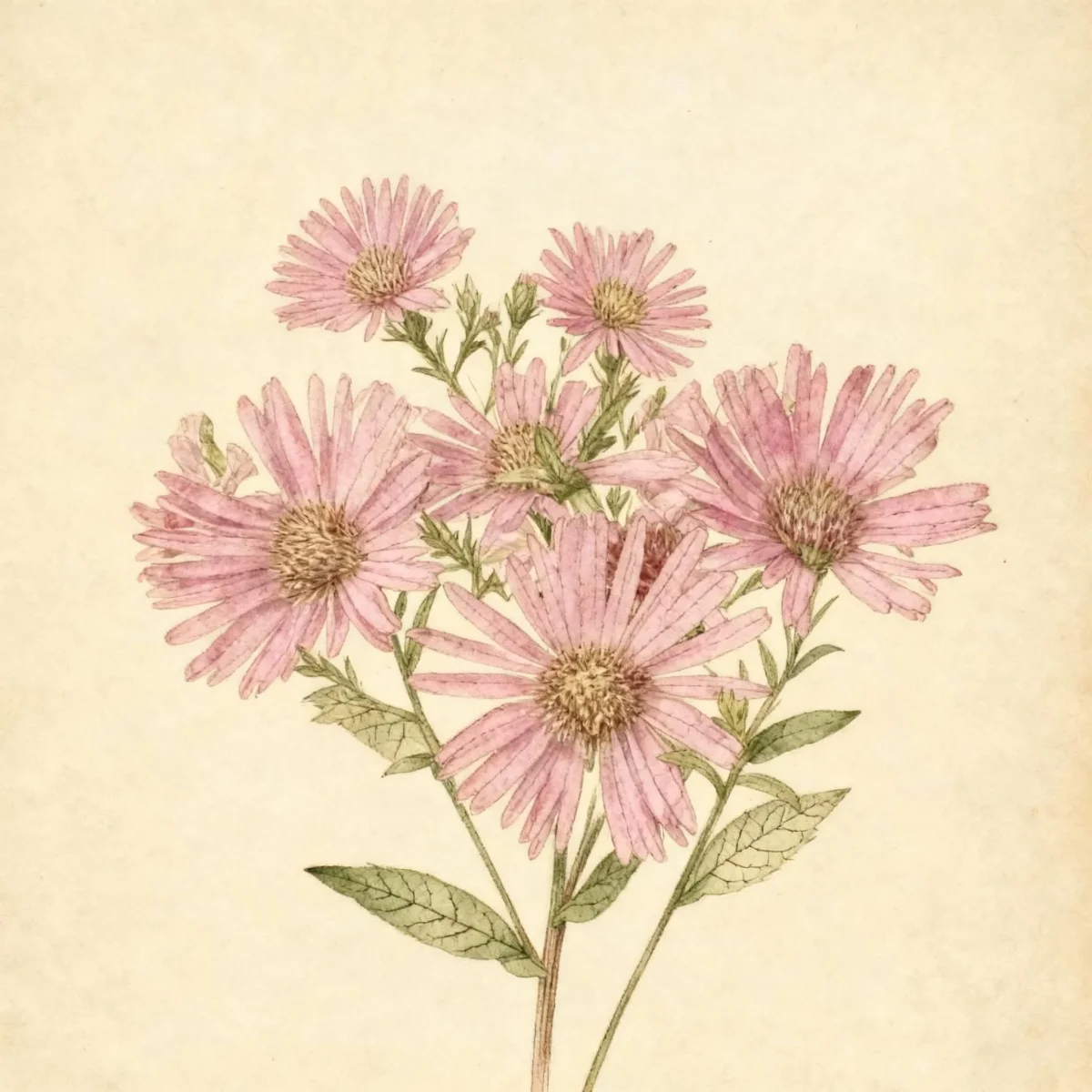
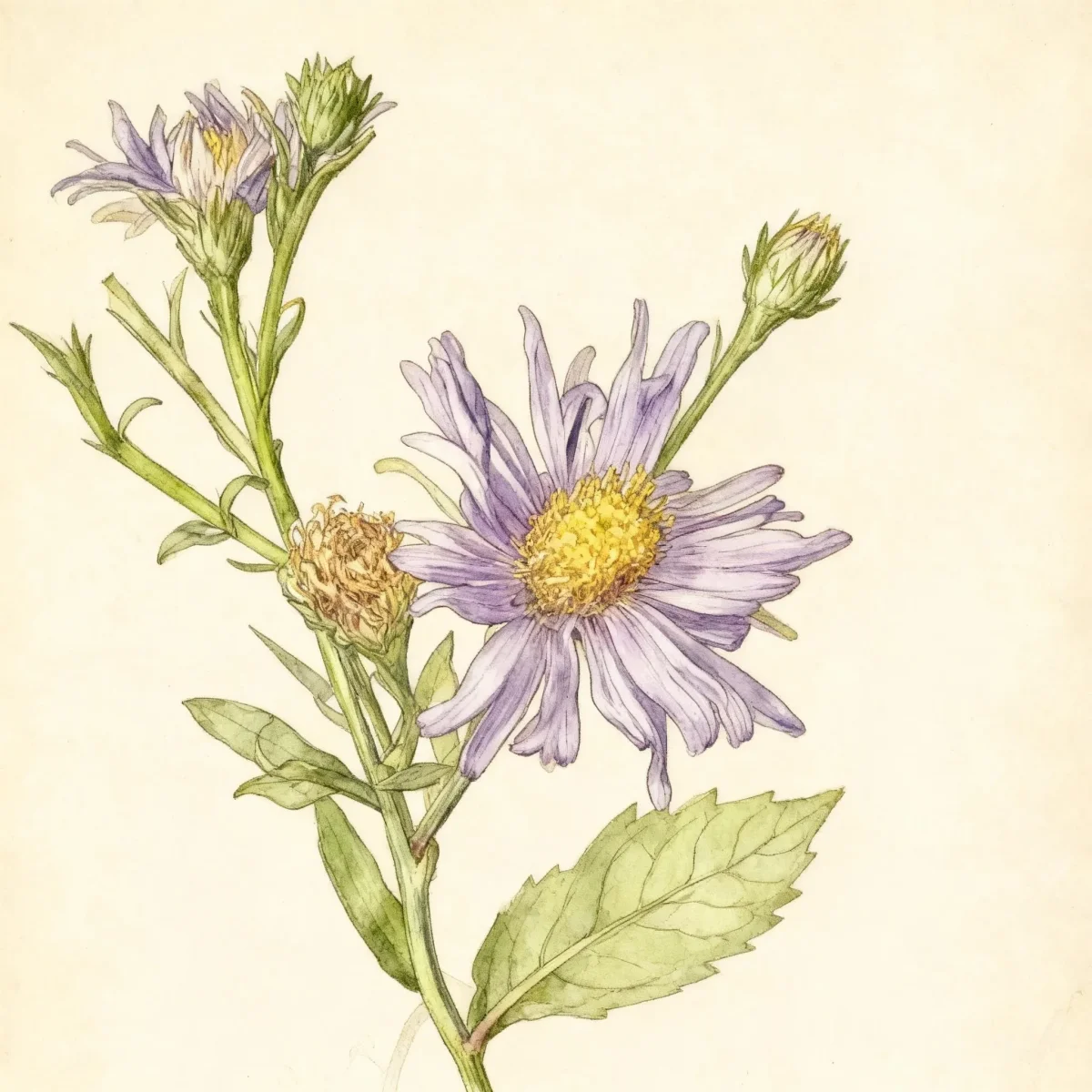
Michaelmas daisy (Symphyotrichum novi-belgii 'Professor Anton Kippenburg')
Symphyotrichum novi-belgii 'Professor Anton Kippenburg' is a low-maintenance Michaelmas daisy offering lavender-blue blooms in late summer and fall.
Scroll down to discover growing tips, care requirements, companion plants, and more
Complete Plant Information
Overview
The Symphyotrichum novi-belgii ‘Professor Anton Kippenburg’ provides a fantastic source of late-season color, earning its popular name, Michaelmas daisy, as it blooms near St. Michael’s Day. This dwarf cultivar is highly valued for its compact habit and profuse flowering, making it an excellent front-of-border plant when many summer bloomers are fading. Its dense display of lavender-blue blooms brings valuable nectar to pollinators preparing for winter.
As a dependable herbaceous perennial hailing from the Asteraceae family, this variety rarely demands intense attention, fitting well into low-maintenance garden designs. It thrives best with consistent moisture, reflecting its origins near various water bodies in its native range. Gardeners plant Symphyotrichum novi-belgii ‘Professor Anton Kippenburg’ to instantly brighten the late summer and early autumn landscape.
This selection of New York aster creates a neat, mounding effect perfect for adding vibrant texture and color contrast to mixed borders. Its ability to handle wet soils and clay further increases its versatility across different soil conditions, ensuring the Michaelmas daisy remains a staple for fall garden interest.
Fast Facts
- Plant Family: Asteraceae
- Plant Type: Herbaceous perennial
- Hardiness Zones: USDA Zones 4-8
- Size at Maturity:
- Height: 1-1.5 ft
- Spread: 1-1.5 ft
- Bloom Time: August to October
- Bloom Description: Lavender-blue rays and yellow centers (semi-double)
- Sun Exposure: Full sun
- Water Needs: Medium to wet
- Maintenance Level: Low
How to Grow
Planting your Symphyotrichum novi-belgii ‘Professor Anton Kippenburg’ is best done in the spring or early fall, allowing the roots time to establish before the extreme temperatures of summer or winter arrive. Ensure the location receives full sun for the best flowering performance, although some light afternoon shade is tolerated. This Michaelmas daisy prefers organically rich soils that remain evenly moist; it is tolerant of clay and sandy soils, provided drainage is not completely impeded.
Watering should remain consistent, especially during dry spells, as these plants prefer medium to wet conditions, making them excellent candidates for rain gardens. Fertilization is generally unnecessary if the soil is rich, but a light application of balanced, slow-release fertilizer in spring can support robust growth. Good air circulation is crucial to minimizing common fungal issues.
To maintain the compact, desirable shape of Symphyotrichum novi-belgii ‘Professor Anton Kippenburg’, apply a hard pinch or prune the stems back to about six inches during late spring or early summer. This technique encourages bushier growth and shorter, stronger stems, preventing floppiness. After the blooms fade, cut plants back to reduce unwanted self-seeding, though division every few years will refresh overcrowded clumps.
Propagation of this perennial is straightforward through division in spring, summer cuttings, or seed collection after the flowers mature. Remember that consistent moisture coupled with good drainage is the key cultural requirement for a healthy display of these classic fall flowers.
Landscape Uses
The compact nature of Symphyotrichum novi-belgii ‘Professor Anton Kippenburg’ makes it an outstanding choice for the front edge of mixed perennial borders where its 1 to 1.5-foot height will not obscure later-season companions. It serves as a wonderful substitute for traditional chrysanthemums, offering a fresher look well into autumn. Furthermore, its love for moisture aligns perfectly with its suggested use in rain gardens, where it can handle wetter soil conditions near downspouts or boggy areas.
Creating dedicated pollinator habitats is another excellent application; the late-season flowers of this Michaelmas daisy are highly attractive to butterflies seeking fuel before migration or winter dormancy. Pair it with other robust late bloomers like Sedum, late-flowering ornamental grasses, or Joe-Pye Weed for a dynamic fall tapestry.
Because of its manageable size and upright form, this cultivar also performs admirably in containers, used either as a primary specimen or mingled with trailing annuals for season-long balcony interest. Its tolerance for various soil types, including clay, means gardeners with challenging sites can still successfully incorporate the reliable color of the New York aster.
Standout Features
Flower Qualities
- Showy
Noteworthy Characteristics
Symphyotrichum novi-belgii, commonly called New York aster, is a herbaceous perennial native to the eastern United States and Canada, from Newfoundland south to Georgia. It is typically found at lower elevations in coastal, brackish marshlands, forest edges, and meadows as well as inland riverbanks, lake shores, fens and bog edges. The blooms are attractive to butterflies and other insect pollinators. The specific epithet novi-belgii means “of or from New York,” and the common name Michaelmas daisy honors St. Michael’s Day, which falls during the time this aster is in bloom. The cultivar ‘Professor Anton Kippenburg’ is a dwarf selection growing in a compact mound, celebrated for its semi-double flowers with lavender-blue rays blooming profusely from late summer to early fall.
Tolerances
- Clay Soil
- Wet Soil
Potential Problems
The main concern when growing Symphyotrichum novi-belgii ‘Professor Anton Kippenburg’ is susceptibility to powdery mildew. This white, dusty fungal growth often appears late in the season when humidity is high and airflow is restricted. To prevent this, ensure the plant receives adequate space between specimens for good air circulation.
Planting in full sun and ensuring the soil drains acceptably, even though the plant tolerates wet conditions, will significantly reduce the incidence of foliar diseases. If mildew is severe, promptly prune out the affected foliage mid-season and apply a targeted fungicide according to label directions.
Frequently Asked Questions
What hardiness zones is Michaelmas daisy suitable for?
This variety is reliably hardy in USDA Zones 4 through 8, offering reliable perennial performance across a wide range of climates.
How large does Symphyotrichum novi-belgii ‘Professor Anton Kippenburg’ grow?
Maturity generally sees this cultivar reaching a height between 1 and 1.5 feet, with a similar spread, making it quite compact.
What sun exposure does Michaelmas daisy need?
For the most vibrant and plentiful blooms, Symphyotrichum novi-belgii ‘Professor Anton Kippenburg’ requires a location receiving full sun daily.
When does Symphyotrichum novi-belgii ‘Professor Anton Kippenburg’ bloom?
This Michaelmas daisy lights up the garden from August through October, displaying its signature lavender-blue rays and yellow centers.
Conclusion
The reliable, compact growth and late-season floral reward make Symphyotrichum novi-belgii ‘Professor Anton Kippenburg’ an essential component for any late-season garden scheme. Whether you need a sturdy border component or a reliable splash of color for a rain garden, this Michaelmas daisy delivers exceptional results with minimal fuss. Check your local USDA zone compatibility and plan to incorporate this low-maintenance perennial this coming planting season.
Propagation Tips
Dividing established clumps of Symphyotrichum novi-belgii ‘Professor Anton Kippenburg’ is the easiest way to increase your stock and maintain plant vigor. Perform this division in early spring just as new growth begins to emerge, or in early fall after blooming. Dig up the entire clump, carefully sever the root ball into sections using a sharp spade or knife, ensuring each new division has several healthy shoots. Replant these divisions immediately at the same depth they were previously growing.
Alternatively, you can successfully propagate this aster from softwood cuttings taken during the early summer when new stems are flexible but not woody. Take cuttings about three to four inches long, remove the lower leaves, and dip the base in rooting hormone. Plant them in a well-draining, moist medium, cover them to maintain humidity, and keep them in bright, indirect light until roots form.
Companion Planting
When designing late-summer and autumn displays, companion planting around your Michaelmas daisy should focus on plants that share similar cultural needs—full sun and medium to wet soils. Consider pairing it spatially with Coneflowers (Echinacea) that bloom earlier, providing continuous interest as the aster takes over. Grasses, such as Switchgrass (Panicum virgatum), work beautifully by offering vertical texture and movement that contrasts with the mounding sturdiness of Symphyotrichum novi-belgii ‘Professor Anton Kippenburg’.
For color coordination, plants with deep burgundy foliage or darker purple flowers create a sophisticated backdrop for the bright lavender-blue hues of this aster. Good matches include late-blooming Sedum cultivars or dark-leaved Heucheras, provided the Heucheras are placed where they receive adequate water. Planting these companions ensures that all elements of the border thrive under the same watering and light regimen required by the Michaelmas daisy.