Tulip tree (Liriodendron tulipifera 'Aureo-marginatum' MAJESTIC BEAUTY)
Discover Liriodendron tulipifera 'Aureo-marginatum' MAJESTIC BEAUTY, the variegated Tulip tree. A majestic shade specimen for zones 4-9.
Scroll down to discover growing tips, care requirements, companion plants, and more
Complete Plant Information
Overview
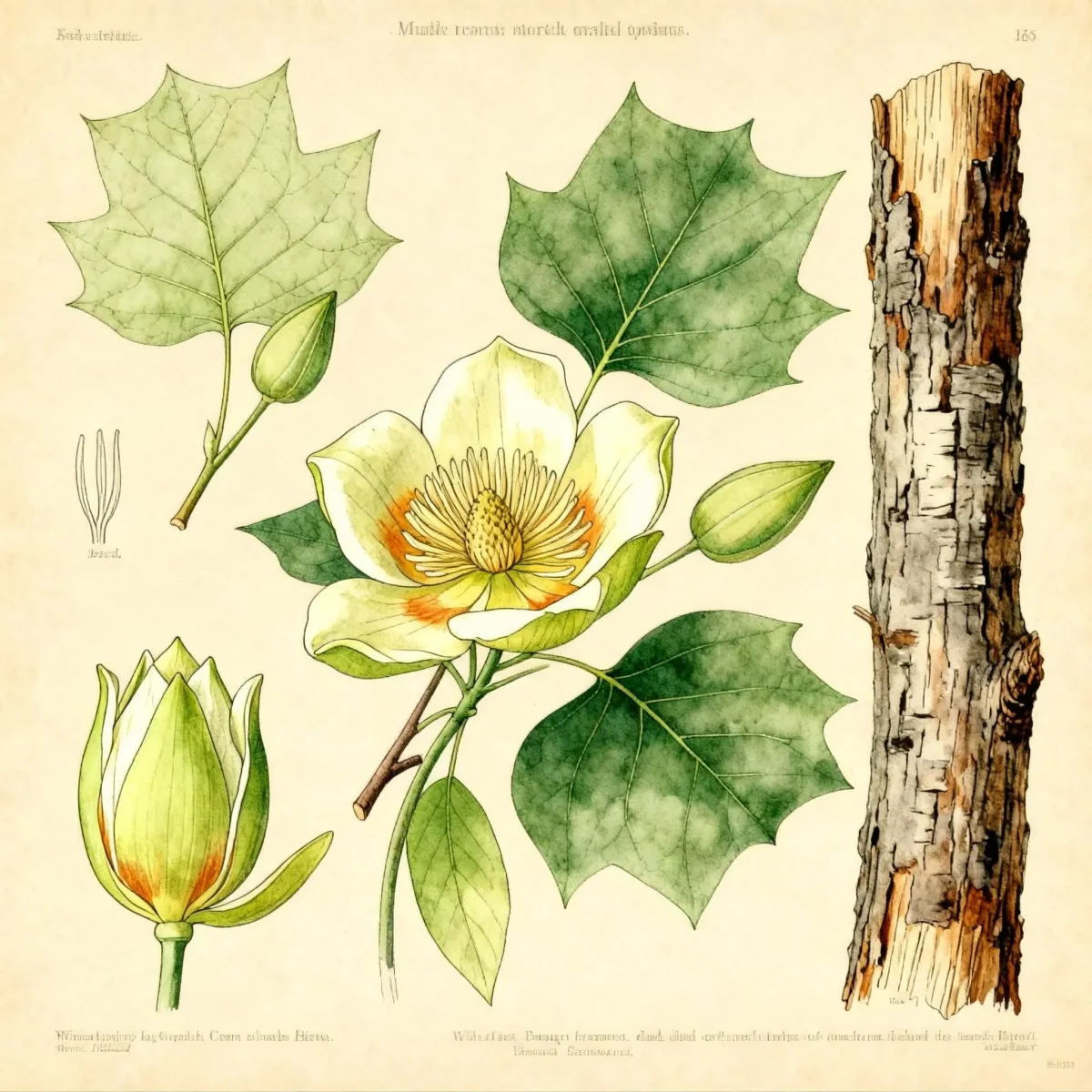
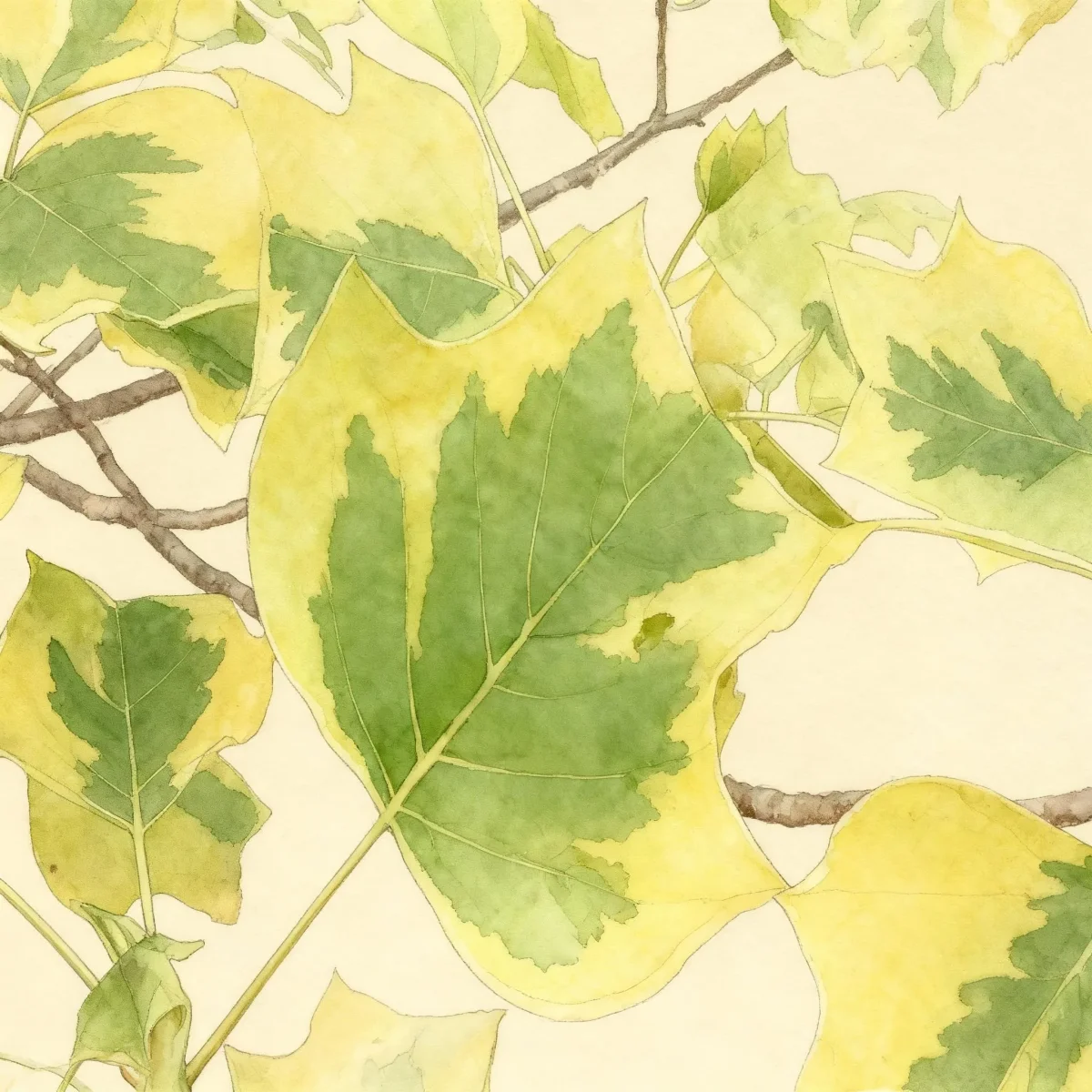
Liriodendron tulipifera ‘Aureo-marginatum’ MAJESTIC BEAUTY is a show-stopping cultivar of the native Tulip tree, prized for its distinctive foliage. This large, deciduous specimen offers vibrant green leaves neatly outlined in bright yellow margins, adding unique brightness to the landscape when mature height reaches 70-80 feet. As a stately shade tree, it provides substantial coverage while developing the notable cup-shaped, yellow, tulip-like flowers in late spring.
This specific variegated form, often sold under the trade name MAJESTIC BEAUTY, maintains similar growth habits to the species but brings enhanced ornamental appeal through its variegated leaf margins. Gardeners seeking a truly large, low-maintenance focal point will appreciate the beauty of the Tulip tree, especially when it displays its golden fall color.
While the impressive blooms of the Tulip tree can be easily missed hidden high in the canopy, the reliable growth and striking leaf color ensure that Liriodendron tulipifera ‘Aureo-marginatum’ MAJESTIC BEAUTY remains an excellent investment for expansive properties needing vertical structure.
Fast Facts
- Plant Family: Magnoliaceae
- Plant Type: Tree
- Hardiness Zones: USDA Zones 4-9
- Size at Maturity:
- Height: 70-80 ft
- Spread: 30-50 ft
- Bloom Time: May to June
- Bloom Description: Yellow
- Sun Exposure: Full sun
- Water Needs: Medium
- Maintenance Level: Low
How to Grow
Establish your Liriodendron tulipifera ‘Aureo-marginatum’ MAJESTIC BEAUTY in the spring or early fall to allow roots time to establish before extreme temperatures hit. Optimal placement requires full sun exposure, although the species tolerates part shade, which may slightly diminish flowering and variegation intensity. Site this massive tree where it has ample room, considering its 30 to 50-foot spread.
The Tulip tree thrives best when planted in moist, organically rich, well-drained loams. Ensure the planting site does not remain waterlogged, as this can stress the species. Water regularly during the first few growing seasons to encourage deep root development. Once established, Liriodendron tulipifera ‘Aureo-marginatum’ MAJESTIC BEAUTY exhibits medium water needs and is generally self-sufficient.
Maintenance for this fast-growing specimen is low. Avoid heavy fertilization, as this can encourage overly soft growth, which exacerbates limb breakage susceptibility. Pruning should be limited primarily to removing dead, damaged, or crossing branches when the tree is dormant. Be aware that its shallow root system makes planting smaller shrubs directly under the canopy challenging.
Landscape Uses
The primary role for the magnificent Liriodendron tulipifera ‘Aureo-marginatum’ MAJESTIC BEAUTY is as a specimen or shade tree in very large landscapes. Its upright, broad conical habit makes for an impressive sight when allowed to grow without restriction, creating expansive cooling shade over lawns or open areas. While sometimes used as a street tree species, the inherent weakness of its wood suggests caution when placing it near overhead wires or high-traffic pedestrian areas where limb breakage could pose a risk.
Use this cultivar to anchor large garden designs or to provide scale contrast against smaller evergreen foundations near substantial homes or estates. Due to its size and shallow rooting nature, consider companion plantings carefully; turf grass often fares best directly beneath the maturing canopy of the Tulip tree.
Standout Features
Flower Qualities
- Showy
Noteworthy Characteristics
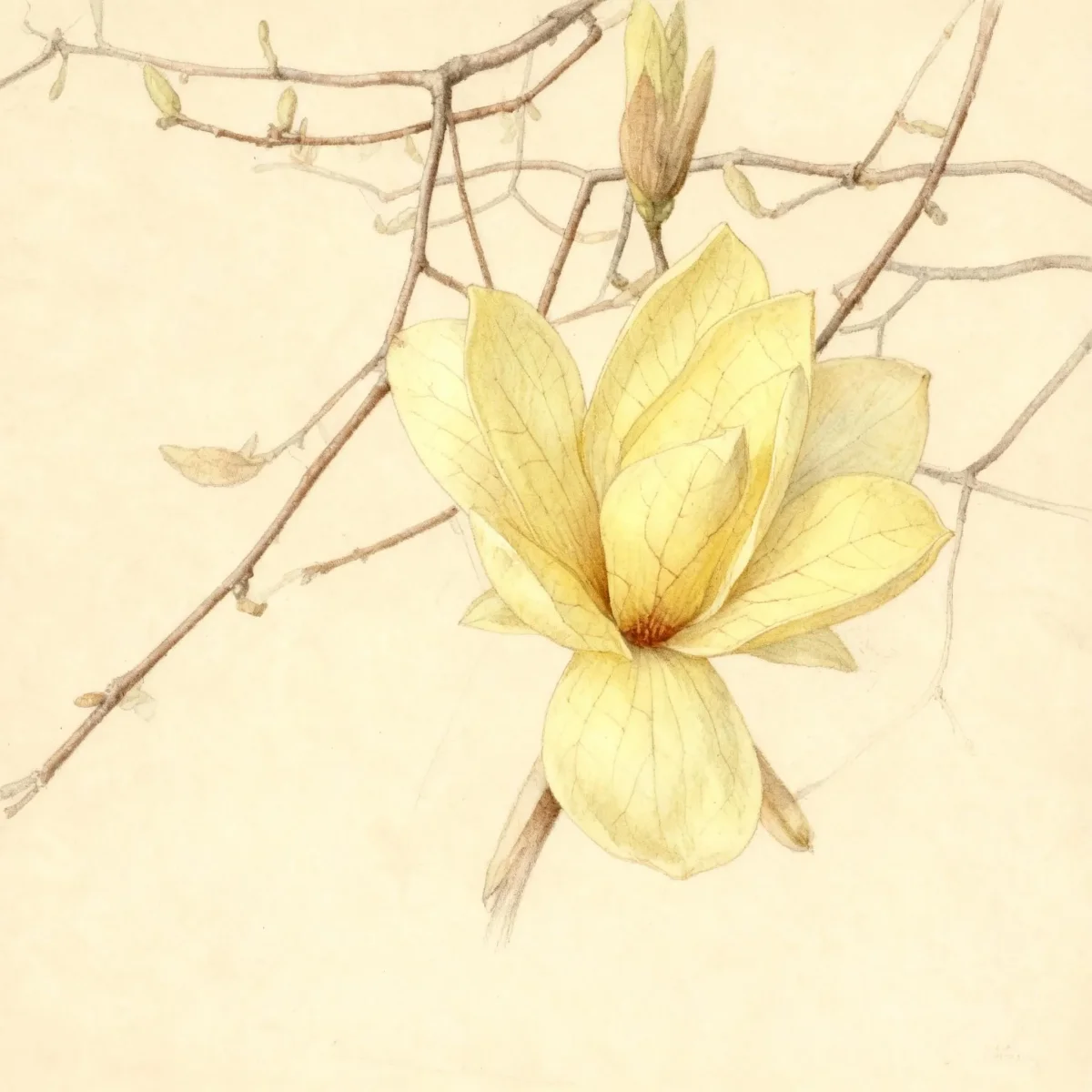
Liriodendron tulipifera, commonly called tulip tree or yellow poplar, is a large, stately, deciduous tree of eastern North America that typically grows 60-90’ (less frequently to 150’) tall with a pyramidal to broad conical habit. It is named and noted for its cup-shaped, tulip-like flowers that bloom in spring, which are yellow with an orange band at the base of each petal. The four-lobed bright green leaves turn a striking golden yellow in the fall, adding seasonal interest. The cultivar ‘Aurea-marginata’, known as MAJESTIC BEAUTY, features green leaves variegated with prominent yellow margins and was introduced into commerce in 1986 by Monrovia Nurseries.
Tolerances
- Rabbit
- Deer
- Clay Soil
Potential Problems
Be vigilant for aphids and scale insects, which can sometimes infest the structure of Liriodendron tulipifera ‘Aureo-marginatum’ MAJESTIC BEAUTY. Large aphid populations lead to sticky honeydew secretions coating the leaves, which subsequently allows sooty mold to develop, impairing aesthetics. Potential fungal and bacterial issues include verticillium wilt, mold, mildew, and canker. Because the Tulip tree is fast-growing and somewhat weak-wooded, limb breakage from heavy ice or snow loads, or high winds, is a genuine possibility that requires proper initial site selection.
Frequently Asked Questions
What hardiness zones is Tulip tree suitable for?
Liriodendron tulipifera ‘Aureo-marginatum’ MAJESTIC BEAUTY performs reliably across USDA Zones 4 through 9.
How large does the Tulip tree grow?
At maturity, this cultivar typically reaches heights between 70 and 80 feet, with a spread spanning 30 to 50 feet wide.
When does Tulip tree bloom?
The characteristic yellow, tulip-shaped flowers appear relatively late in the season, generally from May through June.
What sun exposure does Liriodendron tulipifera ‘Aureo-marginatum’ MAJESTIC BEAUTY need?
For the best performance, especially regarding bloom production and vibrant leaf variegation, full sun exposure is required.
Conclusion
The Liriodendron tulipifera ‘Aureo-marginatum’ MAJESTIC BEAUTY stands out as a massive, low-maintenance shade solution distinguished by its bright, variegated foliage. This striking cultivar guarantees vertical interest throughout the growing season in large yards, making the Tulip tree a worthwhile centerpiece. Always confirm your planting site offers the necessary space and excellent drainage required for this magnificent native tree specimen.
Companion Planting Under Large Canopies
The Tulip tree’s shallow root system competes aggressively for surface moisture and nutrients, which limits what thrives directly beneath its drip line. Focus on groundcovers that tolerate dry shade once the tree is mature, or maintain a wide mulched ring if possible to suppress turf grass competition. For areas just outside the immediate canopy, consider shade-tolerant natives like Asarum canadense (Wild Ginger) or Heuchera species (Coral Bells) that prefer rich, well-drained soils similar to those enjoyed by the Liriodendron tulipifera ‘Aureo-marginatum’ MAJESTIC BEAUTY.
Assessing Limb Strength and Storm Resistance
Although low maintenance, gardeners should actively monitor the strength of branches on their Magnolia family members, as the wood is known to be somewhat brittle compared to hardwoods like Oak. After severe ice or snow storms, conduct a careful inspection, removing any cracked or broken limbs promptly. Proper thinning pruning in the dormant season can help reduce the sail area and weight carried by high branches, mitigating the risk of failure in future high-wind events for your splendid Tulip tree.