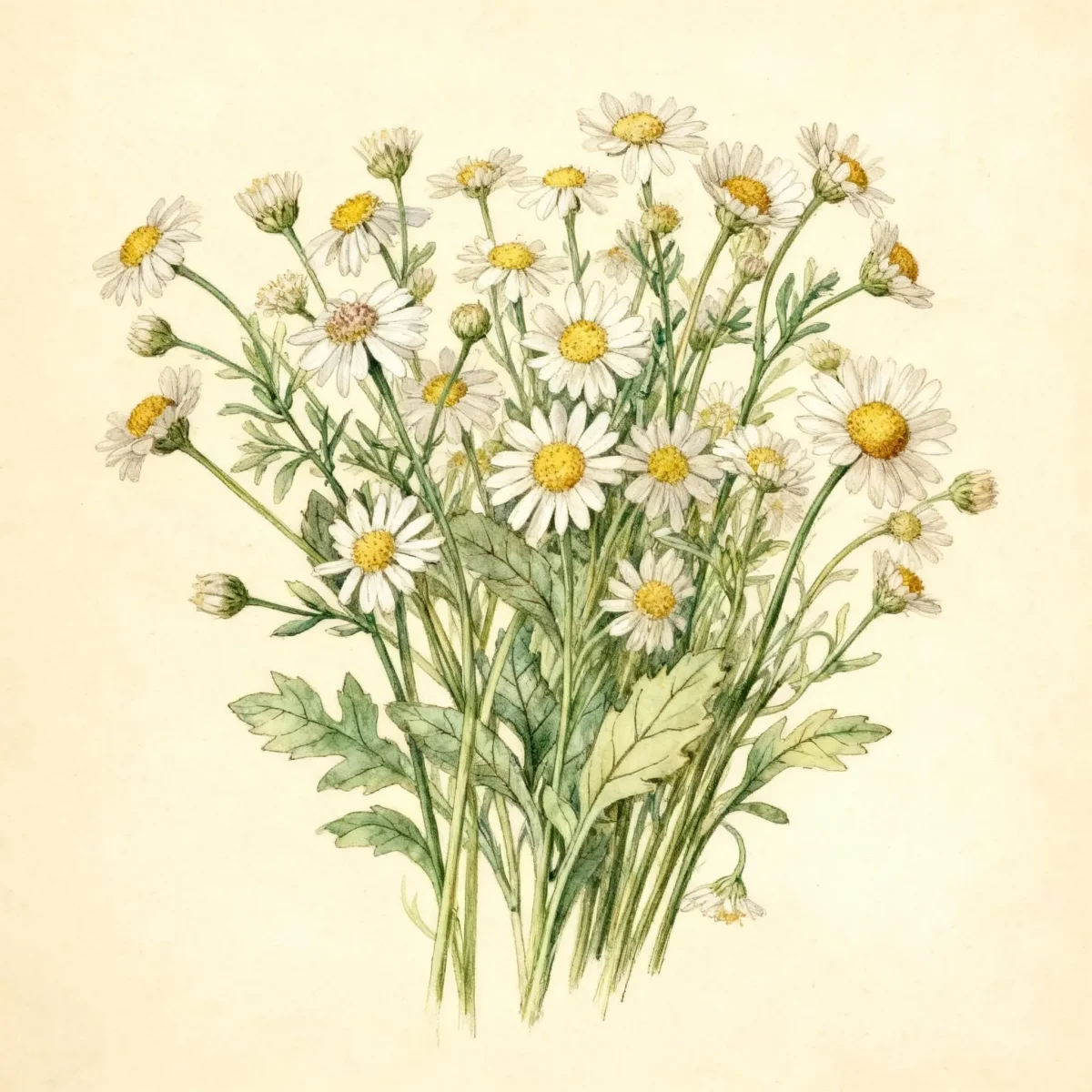
Heath aster (Symphyotrichum ericoides 'Snow Flurry')
Symphyotrichum ericoides 'Snow Flurry' (Heath aster) is a low-growing perennial blooming white in fall. Excellent drought tolerance.
Scroll down to discover growing tips, care requirements, companion plants, and more
Complete Plant Information
Overview
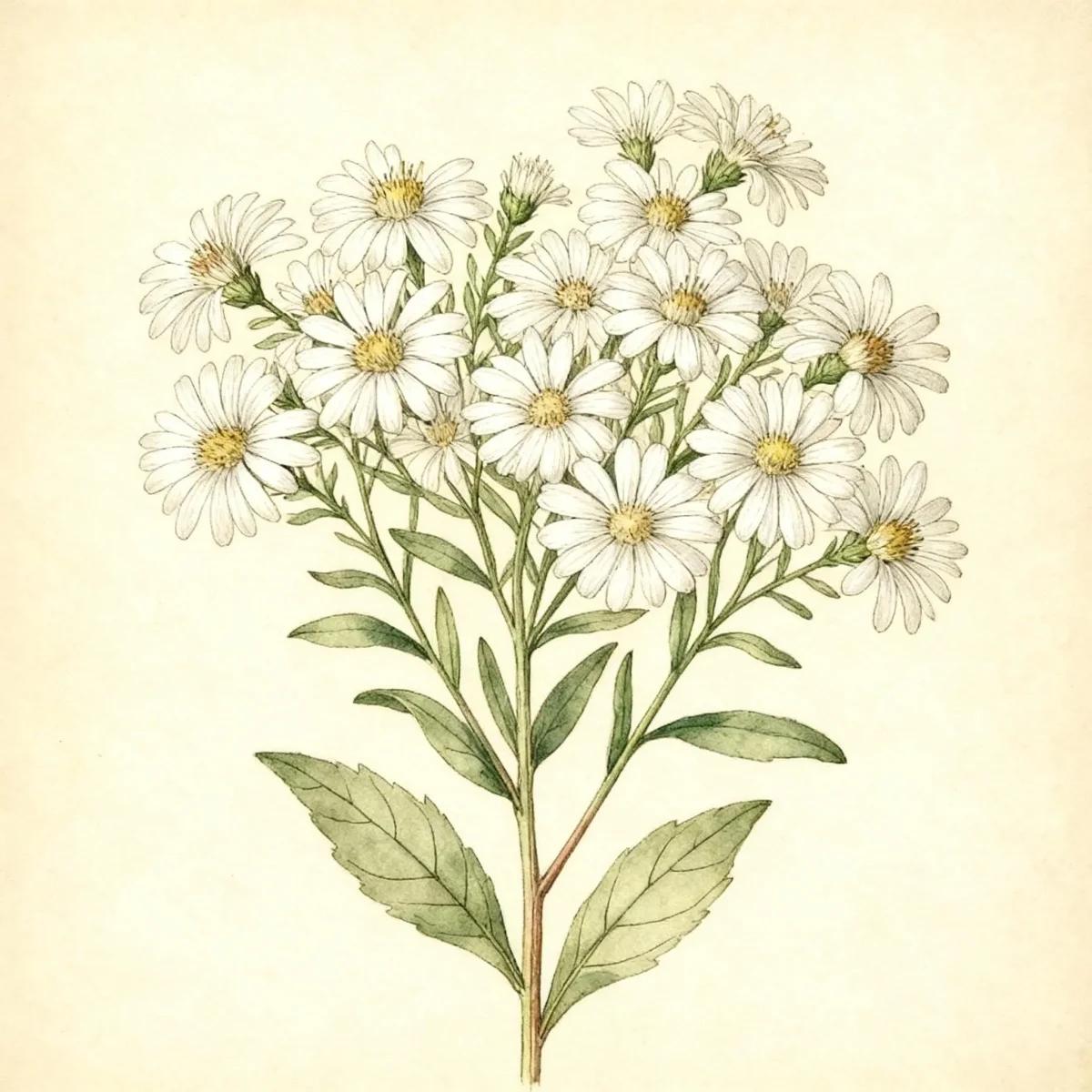
Symphyotrichum ericoides ‘Snow Flurry’, commonly known as Heath aster, is a superb, low-maintenance ground cover prized for its spectacular late-season bloom display. This cultivar forms a dense mat covered in small, daisy-like flowers that are pure white with bright yellow centers, offering crucial color when many other perennials fade. As a Missouri native, the Heath aster integrates well into regional ecosystems while providing excellent structural interest in gardens.
This herbaceous perennial thrives in difficult conditions, making it a reliable choice for challenging spots in the landscape. It requires full sun and tolerates dry, poor soils exceptionally well, making it ideal for xeriscaping or rock gardens. The short stature of Symphyotrichum ericoides ‘Snow Flurry’ ensures it does not obstruct views or overwhelm smaller plants.
Beyond aesthetics, the profusion of late summer and early fall flowers attracts numerous butterflies seeking nectar before migration or winter dormancy. Gardeners seeking low inputs combined with high visual impact will find Symphyotrichum ericoides ‘Snow Flurry’ an indispensable addition to their planting schemes.
Fast Facts
- Plant Family: Asteraceae
- Plant Type: Herbaceous perennial
- Hardiness Zones: USDA Zones 3-9
- Size at Maturity:
- Height: 0.25-0.5 ft
- Spread: 0.25-1 ft
- Bloom Time: September to October
- Bloom Description: White with yellow centers
- Sun Exposure: Full sun
- Water Needs: Dry to medium
- Maintenance Level: Low
How to Grow
The best time to establish Symphyotrichum ericoides ‘Snow Flurry’ is in the spring, allowing it time to fully settle its roots before the intense heat or cold arrives. This Heath aster cultivar demands full sun exposure to produce its characteristic dense mats and abundant white flowers. Ensure the planting site offers excellent drainage, as standing water is detrimental to its long-term health.
This plant is remarkably adaptable regarding soil quality. It is easily grown in average, dry to medium, well-drained soils but performs admirably even in sandy or clay contexts. Never feel compelled to amend poor soils heavily; this plant thrives on the leaner conditions it naturally prefers. Water sparingly once established; only provide supplemental water during prolonged, severe droughts.
Maintenance for the Heath aster is minimal throughout the season. No significant fertilization is typically needed, as rich soil can encourage excessive, floppy vegetative growth rather than compact flowering. In late winter or early spring, cut back the previous season’s growth to tidy the appearance, though it is somewhat mildew resistant, requiring little fuss otherwise.
Landscape Uses
The low, trailing habit of Symphyotrichum ericoides ‘Snow Flurry’ makes it exceptionally valuable where ground coverage is paramount. Plant it in rock gardens where it can sprawl naturally along ledges and cascade gently over stones, mimicking its natural rocky habitat. Its dense foliage acts as an effective living mulch, suppressing weeds in beds and borders.
Consider using this cultivar as a unique, low front-of-border accent instead of traditional edging plants. It softens the transition between pathways and taller plantings in cottage gardens or mixed perennial beds. Because of its drought tolerance, it integrates perfectly into naturalized areas or hot, dry slopes where erosion control is needed alongside seasonal beauty.
Companion planting should focus on species that appreciate similar dry, sunny conditions. Pair this Heath aster with other late-season bloomers like Sedums, ornamental grasses, or late-blooming Coneflowers (Echinacea) to create a cohesive fall tapestry that benefits pollinators.
Standout Features
Flower Qualities
- Showy
Noteworthy Characteristics
Symphyotrichum ericoides, commonly called heath aster, is a Missouri native plant that typically occurs in open rocky woods, prairies and along roads and railroads. The variety ‘Snow Flurry’ is specifically bred as a prostrate heath aster cultivar that typically grows to 4-6” tall and spreads along the ground to form a dense foliage mat. These small, single asters (to 1/2” diameter) feature white rays and desirable yellow centers, blooming profusely in late summer and early fall.
Tolerances
- Drought
- Erosion
- Clay Soil
- Dry Soil
- Shallow-Rocky Soil
Potential Problems
This plant generally presents no serious insect or disease problems; it is notably mildew resistant for an aster. Occasional issues might arise if cultural needs are ignored, such as overly rich soil leading to weakness. While staking is rarely necessary for the low-growing ‘Snow Flurry’ cultivar, taller forms of heath aster might require support in windy locations or if growth becomes too lush. Management involves ensuring adequate sun and air circulation.
Frequently Asked Questions
What hardiness zones is Heath aster suitable for?
Symphyotrichum ericoides ‘Snow Flurry’ is resilient and suitable for a wide range of climates, thriving in USDA Zones 3 through 9.
How large does Symphyotrichum ericoides ‘Snow Flurry’ grow?
This specific cultivar is a low-growing perennial, typically reaching a height between 0.25 and 0.5 feet, while spreading from 0.25 to 1 foot wide.
What sun exposure does the Heath aster need?
For optimal performance, Symphyotrichum ericoides ‘Snow Flurry’ requires full sun exposure throughout the day.
When does Heath aster bloom?
The bloom time for this variety is late in the season, typically running from September into October, noted for its white flowers with yellow centers.
Conclusion
The Heath aster cultivar Symphyotrichum ericoides ‘Snow Flurry’ offers unmatched value as a tough, dependable, low-growing perennial perfect for late-season color. Its exceptional tolerance for dry and poor soils simplifies gardening, making it a backbone plant for xeriscapes and naturalized settings. Plan your planting now to maximize ground coverage and butterfly attraction next fall.
Companion Planting
Choosing companions that share the high-light and dry-soil preferences of Symphyotrichum ericoides ‘Snow Flurry’ ensures a harmonious planting arrangement. Group it near plants that mature earlier in the season, allowing the Heath aster to take center stage in autumn. Excellent pairings include hardy Sedums, which provide textural contrast, or low-mounding ornamental grasses that move gracefully in the breeze above the low aster mat.
Wildlife Benefits
The late bloom window of the Heath aster is a significant ecological advantage in the garden ecosystem. As many summer-blooming sources fade, the masses of white flowers on Symphyotrichum ericoides ‘Snow Flurry’ provide essential late-season nectar for migrating pollinators. Ensure placement where these butterflies—and later, beneficial foraging insects—can easily access the profusion of blooms.