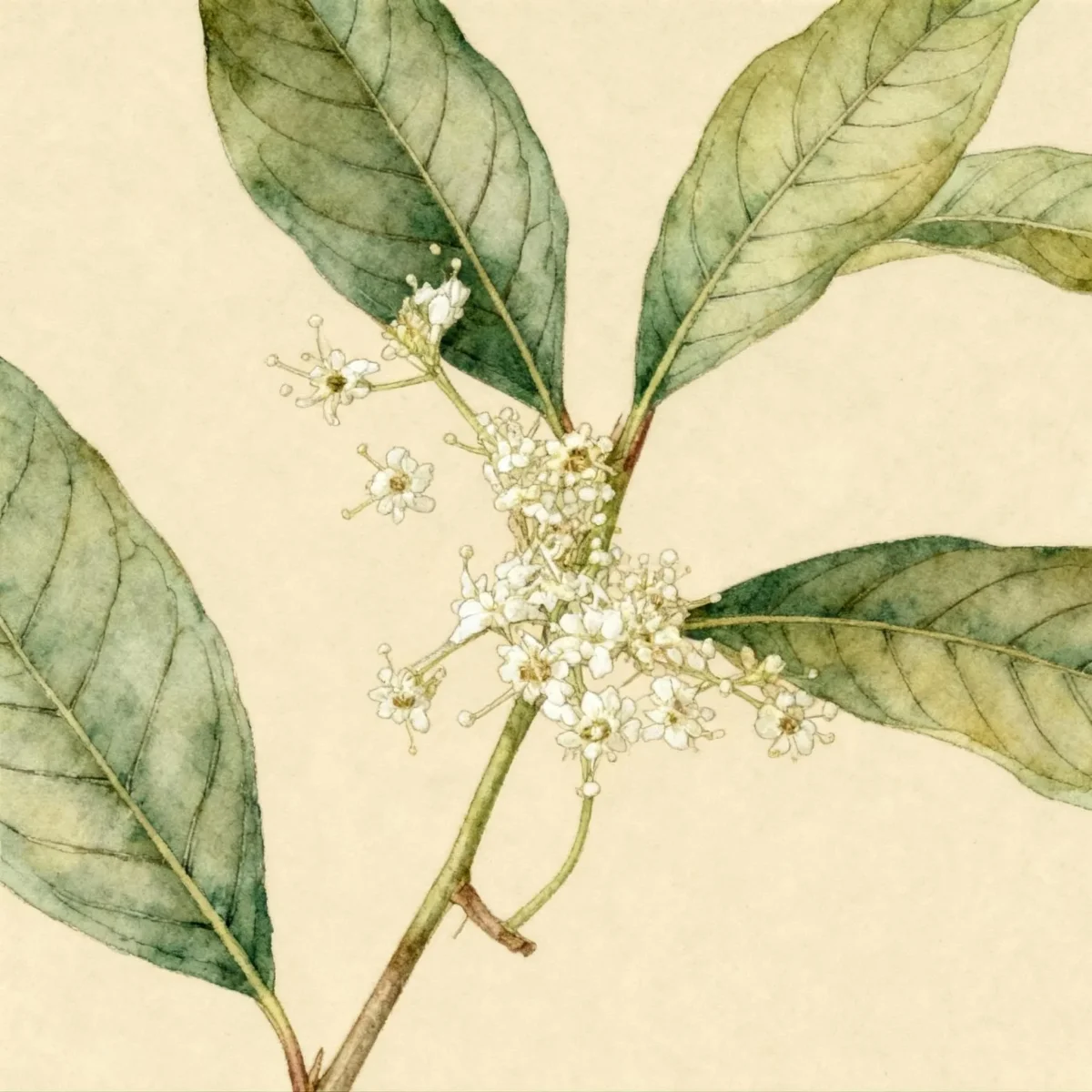
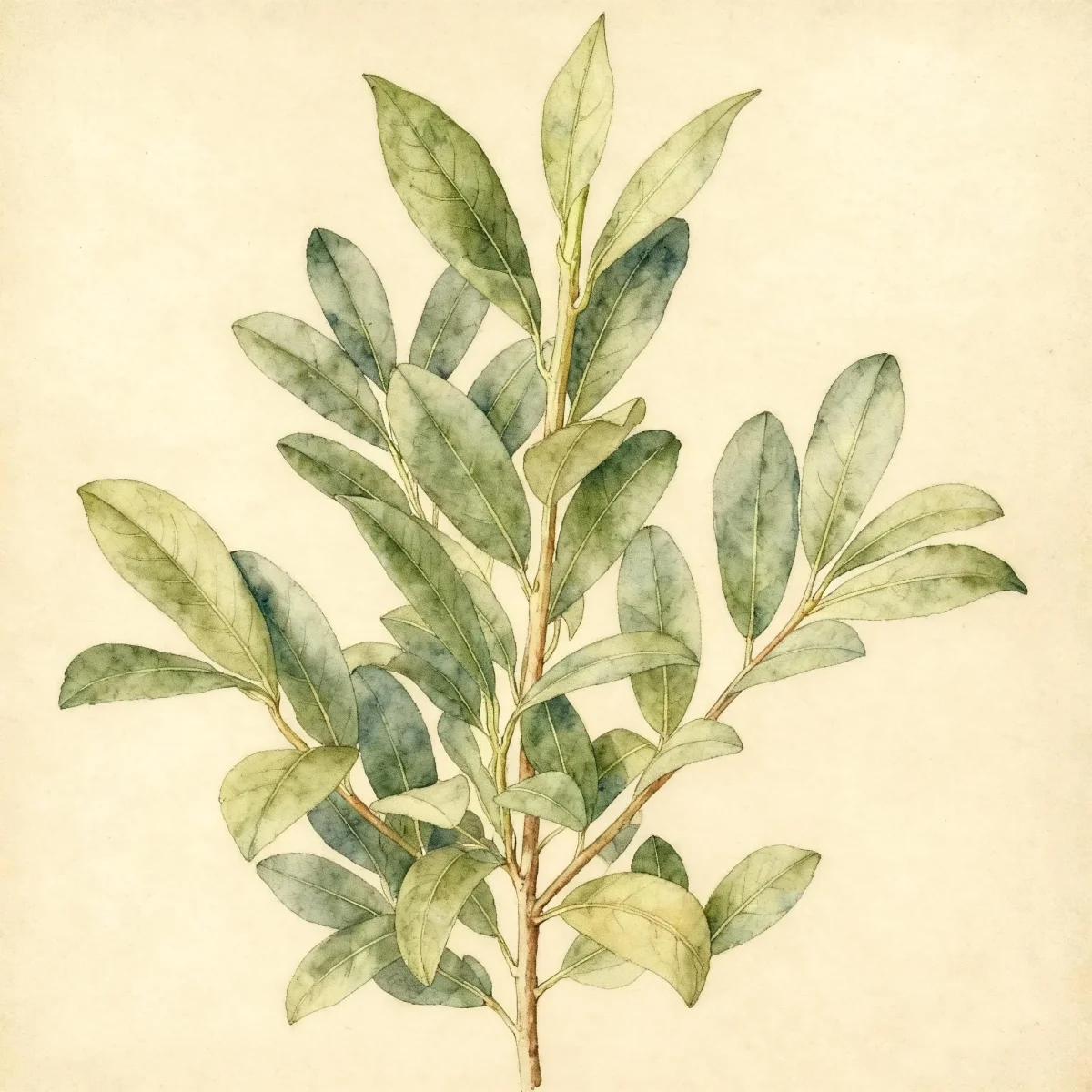
Fraser photinia (Photinia × fraseri)
Fraser photinia (Photinia × fraseri) is a showy broadleaf evergreen shrub known for its vibrant red new growth. Ideal for hedges in Zones 7-9.
Scroll down to discover growing tips, care requirements, companion plants, and more
Complete Plant Information
Overview
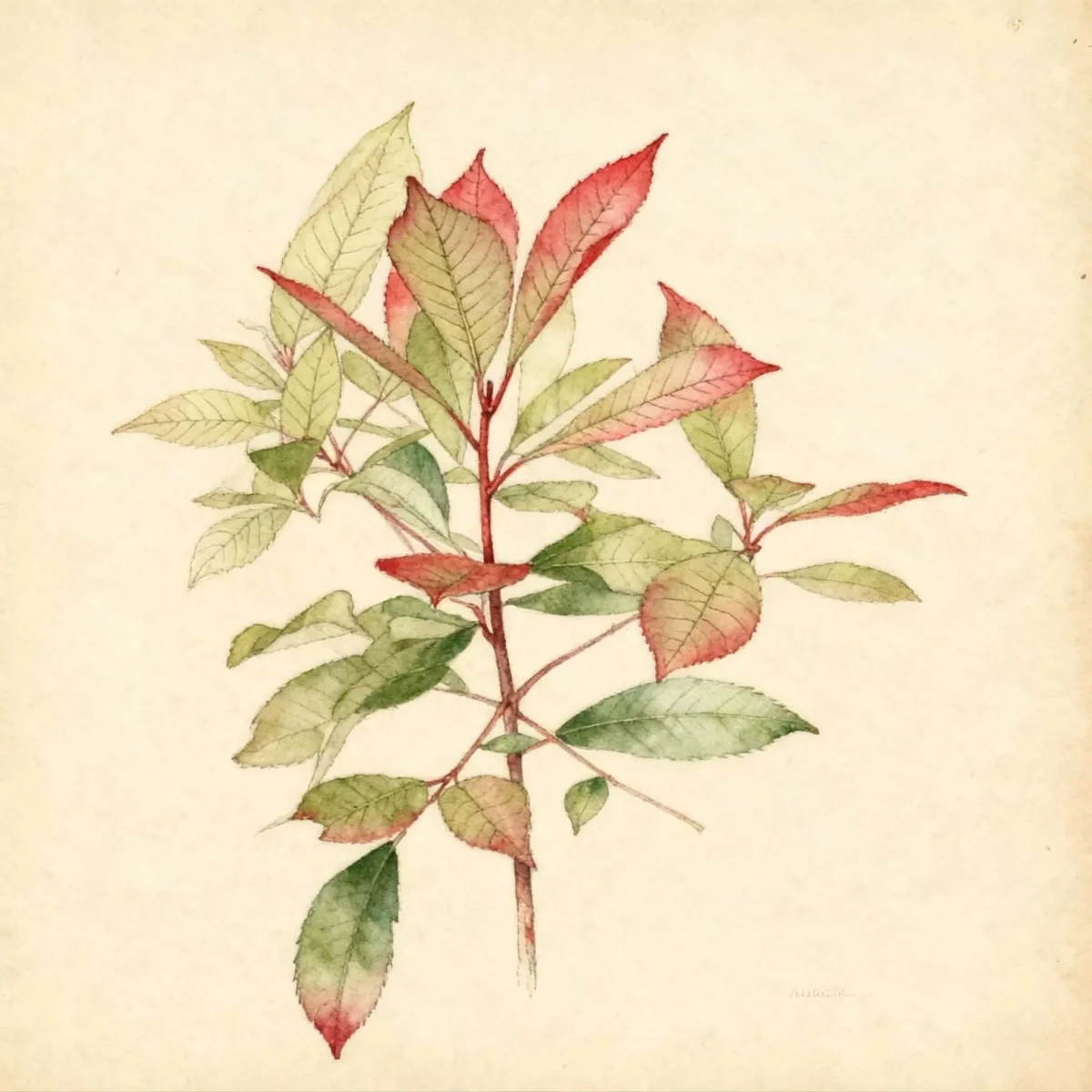
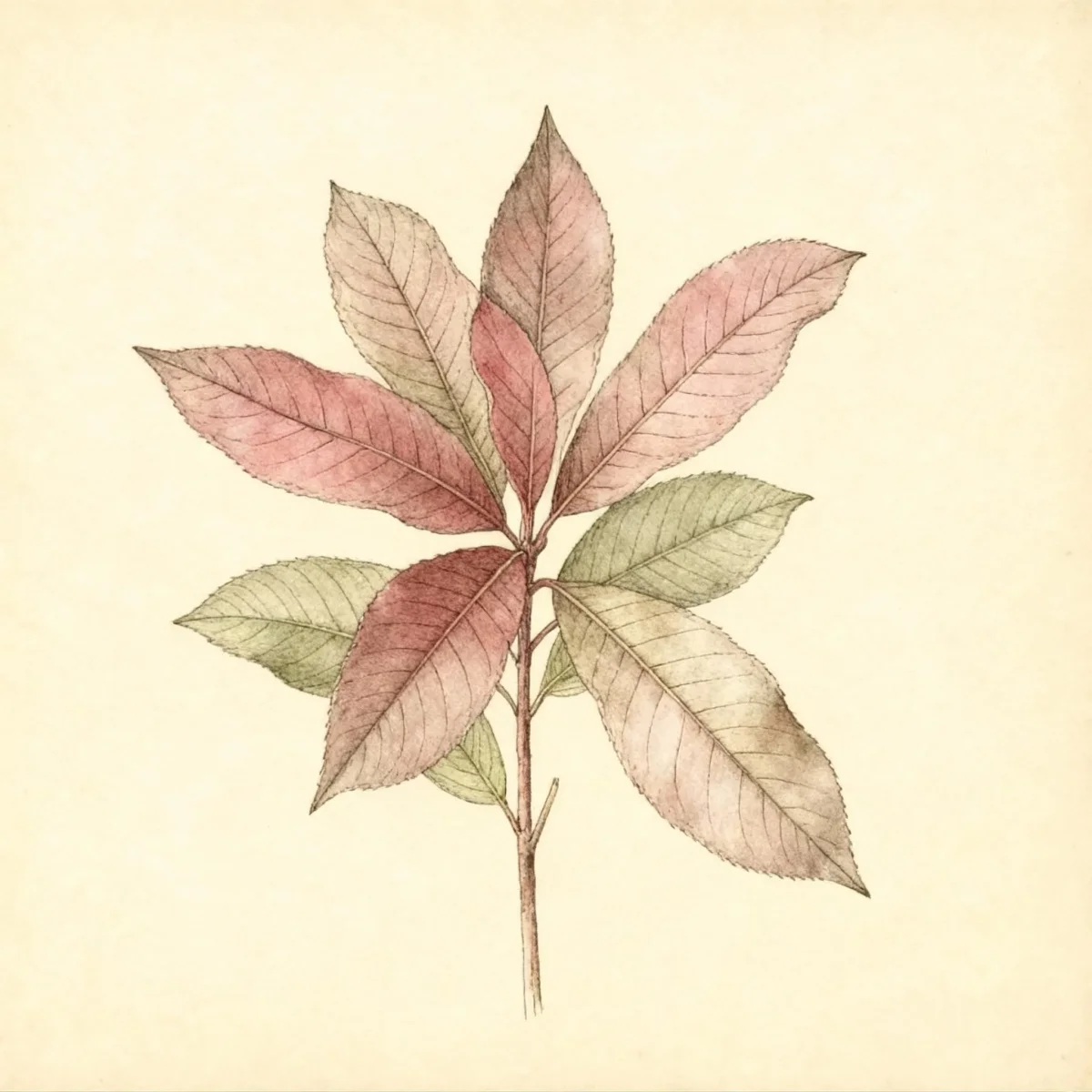
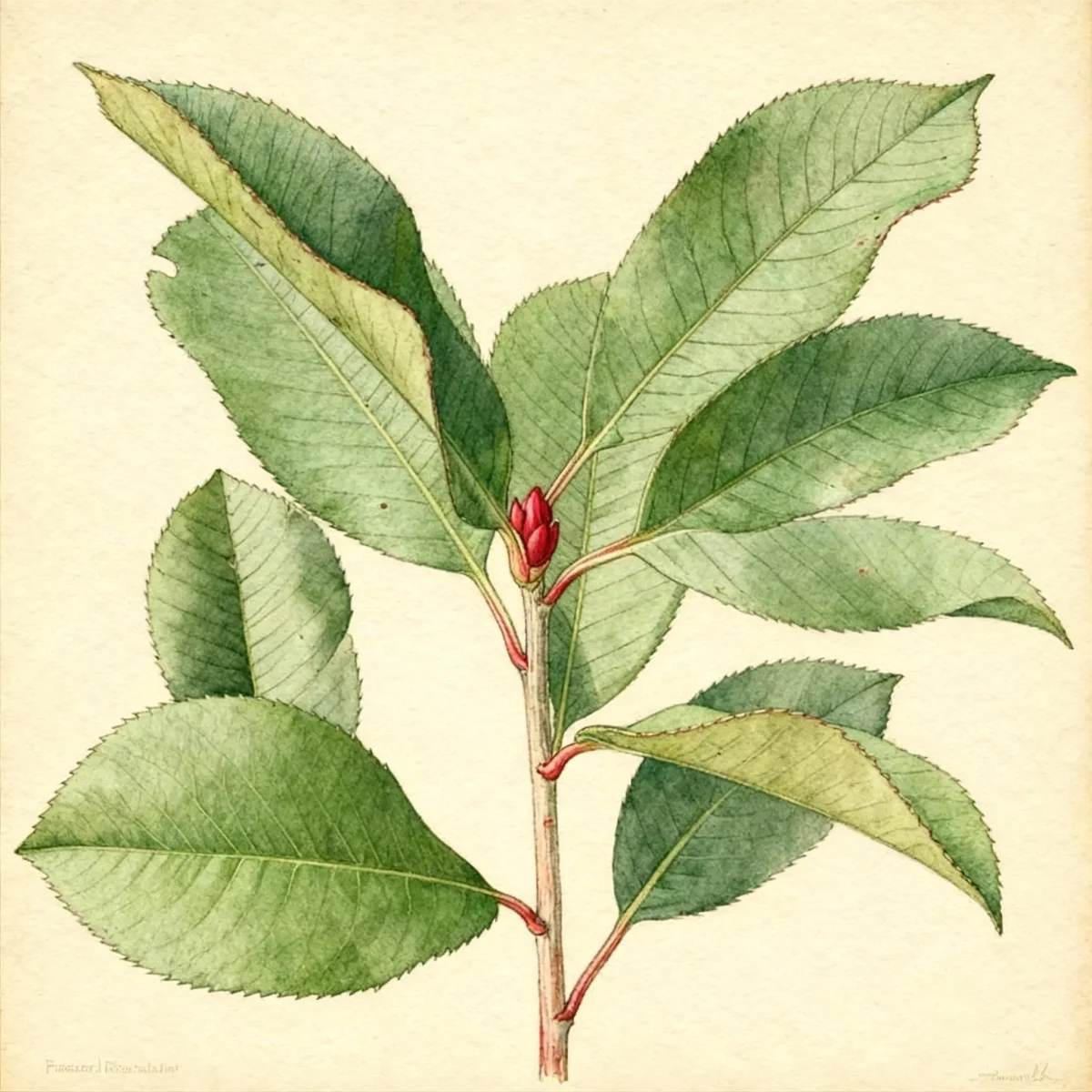
The Photinia × fraseri, commonly known as Fraser photinia, is a highly valued broadleaf evergreen prized for providing dramatic structural interest throughout the year. Its primary appeal lies in the spectacular flush of bronze-red to bright red new leaves that emerge in spring, creating a vibrant display that fades to glossy dark green. This popular hybrid provides excellent screening and texture in the landscape.
Growing reliably in USDA Zones 7 through 9, this large shrub typically reaches 10 to 15 feet in both height and spread. While Photinia × fraseri is relatively adaptable once established, understanding its specific cultural needs, particularly regarding air circulation and humidity, is key to long-term success. Gardeners seeking year-round structure combined with seasonal color rely on the Fraser photinia.
This adaptable shrub serves beautifully as a specimen or used en masse for hedging. While its flowers possess a noticeable aroma, the evergreen foliage and seasonal red tips make the Photinia × fraseri a long-standing garden favorite, provided cultural conditions minimize disease susceptibility.
Fast Facts
- Plant Family: Rosaceae
- Plant Type: Broadleaf evergreen
- Hardiness Zones: USDA Zones 7-9
- Size at Maturity:
- Height: 10-15 ft
- Spread: 10-15 ft
- Bloom Time: April to May
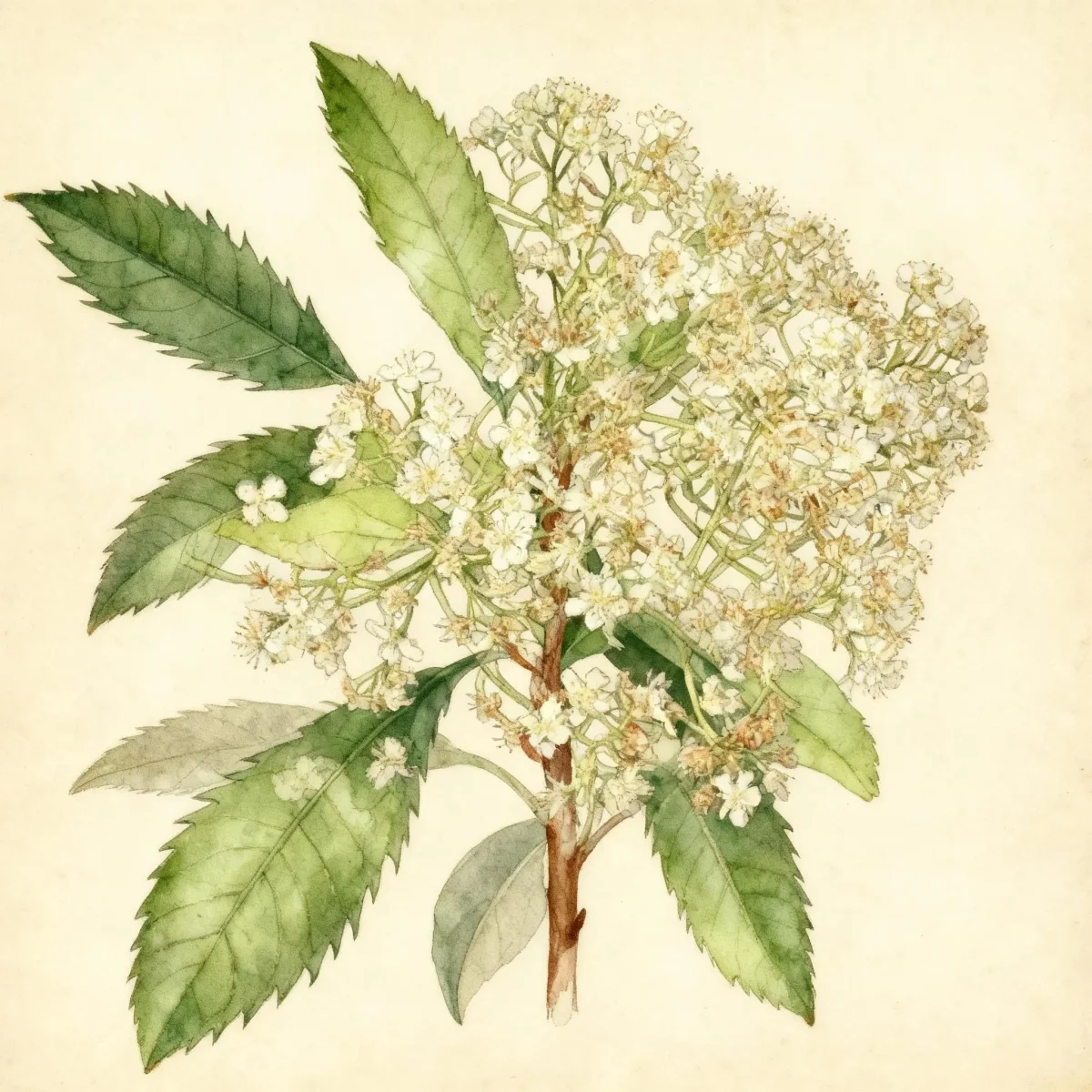
- Bloom Description: White
- Sun Exposure: Full sun to part shade
- Water Needs: Medium
- Maintenance Level: Medium
How to Grow
Planting Photinia × fraseri should ideally occur during the cooler parts of the year, allowing roots to establish before summer heat. Ensure the location offers average, medium moisture, well-drained soil. While capable of tolerating full sun, partial shade will also suffice, though dense shade can reduce flowering and increase susceptibility to leaf spot.
Watering should be consistent, applying water directly to the root zones and actively avoiding wetting the foliage, especially during humid weather. This shrub is somewhat drought tolerant once maturity is reached, but consistent moisture is preferred for optimal growth. Pruning is crucial for aesthetics and plant health; thin out older growth in winter, or prune in spring after the initial red growth fades to stimulate subsequent red flushes during late spring and summer.
For optimal performance and to promote air circulation—which helps mitigate potential fungal issues—site plants where air movement is good. Gardeners in borderline Zone 6 environments should select protected sites, such as against a south or west-facing wall. Avoid planting in areas where the soil remains perpetually wet.
Landscape Uses
The versatility of the Fraser photinia makes it indispensable for several landscape applications. Its dense, evergreen nature lends itself perfectly to serving as a formal or informal screen, creating privacy where needed. Using Photinia × fraseri in borders provides foundational structure that remains effective even during winter dormancy of deciduous neighbors.
When used as a hedge, consistent pruning encourages a denser habit suitable for shaping. Furthermore, this robust shrub shines as a specimen planting where its yearly display of bright red new growth can be fully appreciated against a more muted background palette. It pairs well with plants that prefer similar sun exposures and soil drainage.
Standout Features
Flower Qualities
- Showy
- Fragrant
Fruit Qualities
- Showy
Noteworthy Characteristics
Photinia × fraseri is a substantial, hybrid evergreen shrub, often known colloquially as red tip due to its brilliant new spring foliage. Discovered near Birmingham, Alabama, this plant exhibits leathery, dark green leaves contrasted by new growth emerging in stunning bronze-red hues for several weeks each spring. Small white flowers appear in late April followed by persistent red fruit, completing its year-round appeal.
Tolerances
- Drought
Potential Problems
The most significant concern for the Fraser photinia is a damaging leaf spot disease, Entomosporium maculatum. This disease is most troublesome in the humid environments of the deep South, potentially causing defoliation, which has led to reduced usage in those regions.
To manage fungal issues like leaf spot or powdery mildew, ensure excellent air circulation and avoid overhead watering, directing moisture only to the soil. Plants in cooler northern zones (Zone 7) typically experience fewer issues with this particular blight. Fireblight is another less common threat gardeners should monitor for.
Frequently Asked Questions
What hardiness zones is Fraser photinia suitable for?
The Fraser photinia is reliably hardy in USDA Zones 7 through 9. Shrubs in Zone 6 require siting in protected locations.
How large does Fraser photinia grow?
Maturing Photinia × fraseri typically reaches 10 to 15 feet tall and spreads to a similar width, forming a substantial screen or specimen.
When does Fraser photinia bloom?
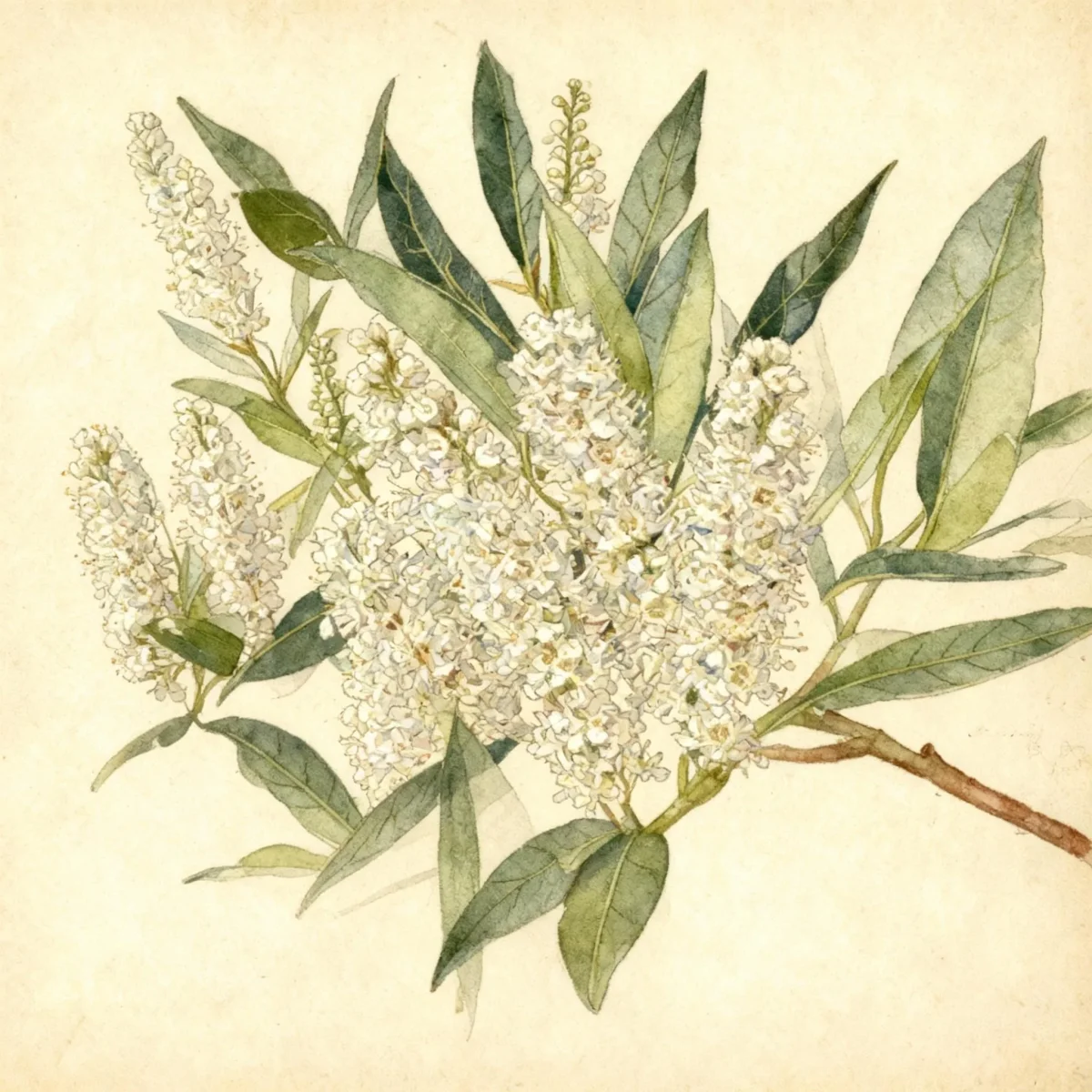
This evergreen shrub produces clusters of small white flowers from April to May. While these flowers are considered fragrant, they carry an odor some gardeners find unpleasant.
What sun exposure does Fraser photinia need?
For best flowering and densest growth, provide Photinia × fraseri with full sun. It tolerates partial shade but may flower less prolifically.
Conclusion
The Photinia × fraseri delivers reliable evergreen structure and one of the most exciting seasonal color displays in the landscape with its vivid red new growth. By managing moisture carefully and ensuring good air flow, gardeners can enjoy the benefits of the Fraser photinia hedge or screen for many years. Always confirm your microclimate matches the USDA Zone 7-9 requirement before planting this adaptable hybrid shrub.
Companion Planting
When designing around the Photinia × fraseri, select shrubs and perennials that appreciate similar sun exposure and soil drainage. Consider pairing the high-contrast evergreen with lighter green or fine-textured plants that allow the red spring growth to pop. Plants that thrive in partial shade, such as certain varieties of Japanese Anemone or Helleborus, can provide interest under slightly shaded specimens.
Avoid dense underplanting directly against the base of mature shrubs, as this harms air circulation, which is vital for keeping fungal diseases at bay. Instead, focus on keeping the ground plane open or using only sparse, well-spaced groundcovers that do not retain excessive moisture right against the trunk of the Fraser photinia.
Design Ideas: Year-Round Structure
The evergreen nature of Photinia × fraseri makes it a cornerstone for providing winter interest. Use it along property lines where a solid, year-round screen is desired, which is one of its primary suggested uses. Its medium size (10-15 feet) fits well in many suburban landscapes but requires adequate horizontal space (10-15 feet spread).
For maximum visual impact, plant several specimens in a row and commit to the spring pruning schedule to maximize the red flush effect. This creates a dynamic, living barrier. If you desire fragrance, place the shrub where the spring blooms can be appreciated up close, while remaining mindful that the scent is often described as unpleasant.