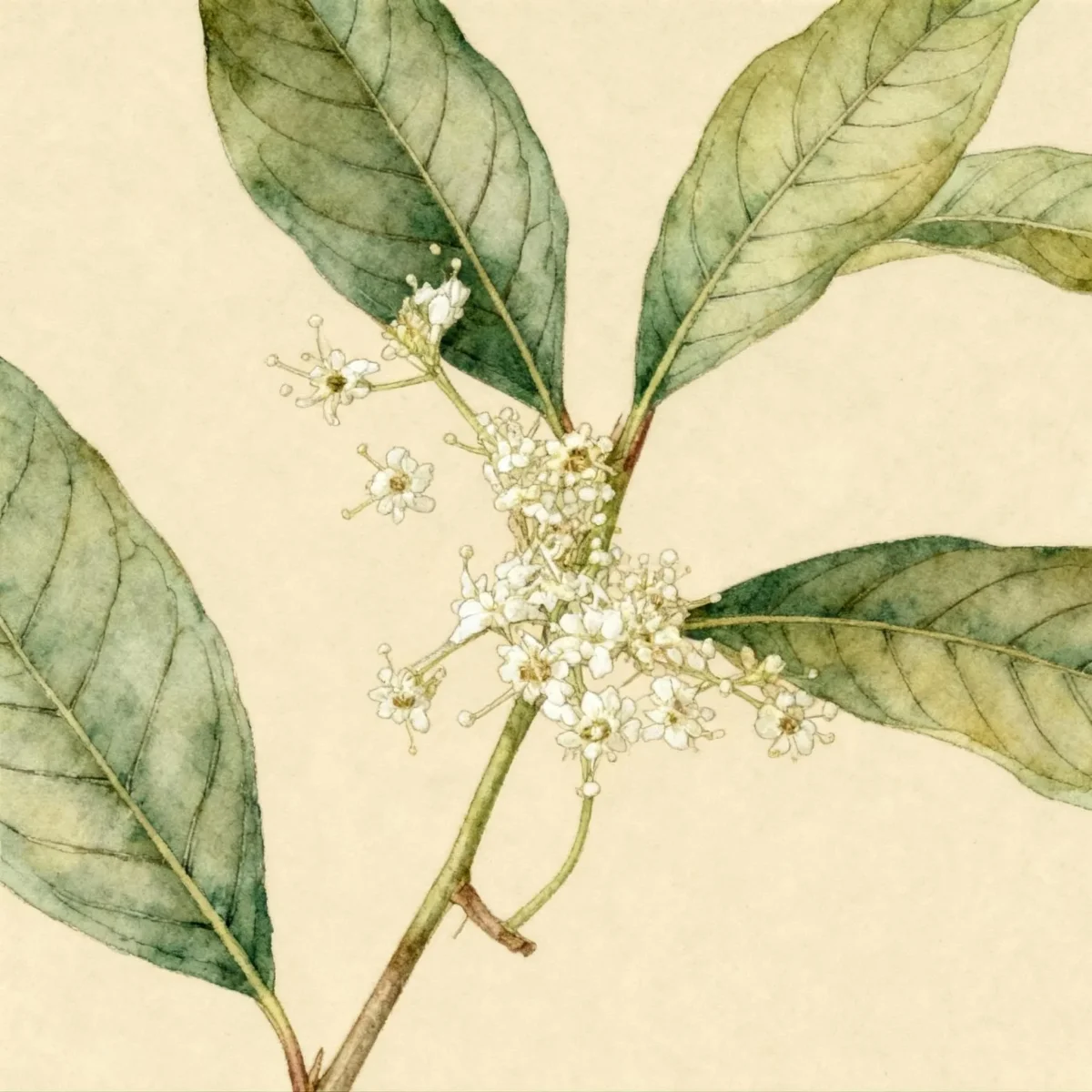
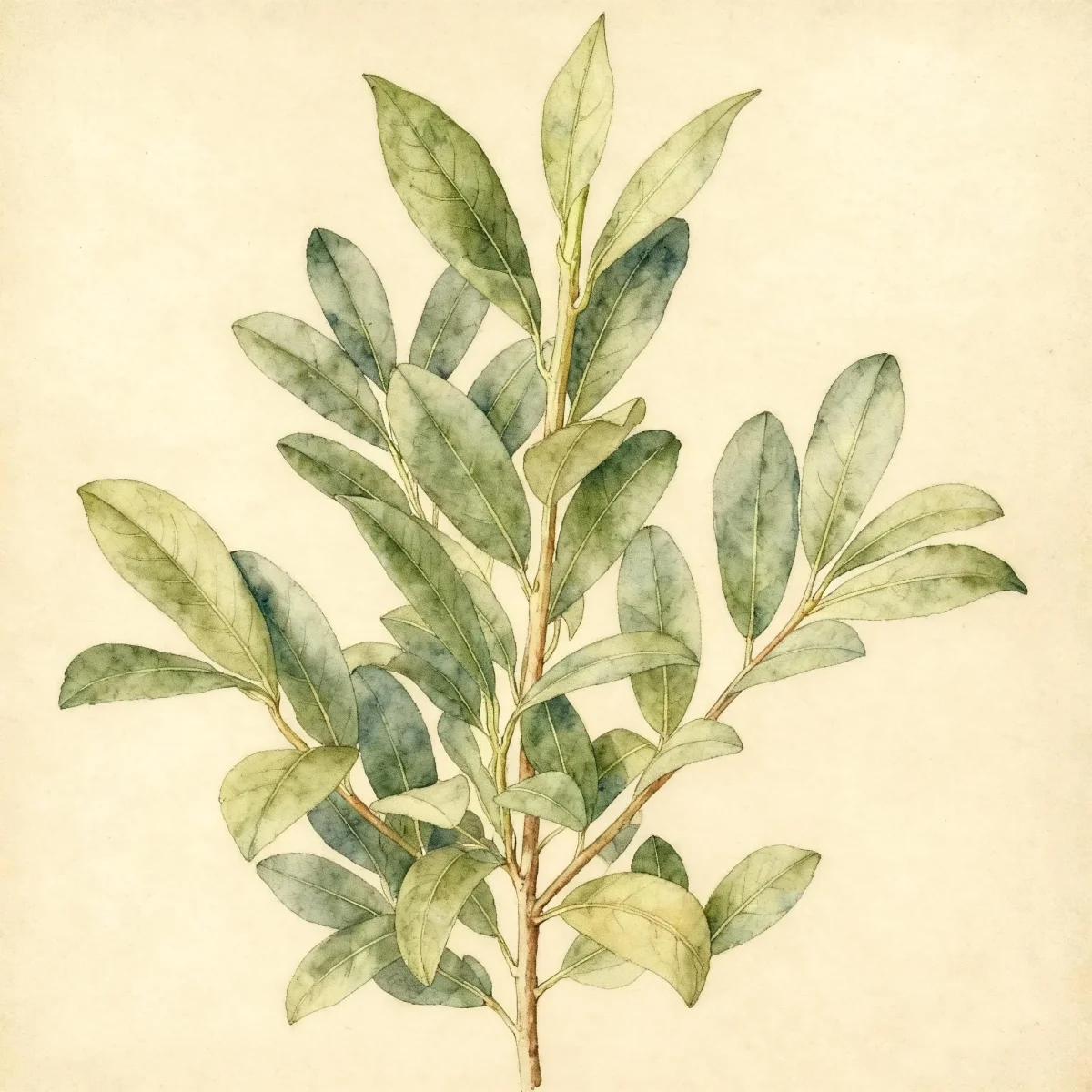
Fraser photinia (Photinia × fraseri 'Red Robin')
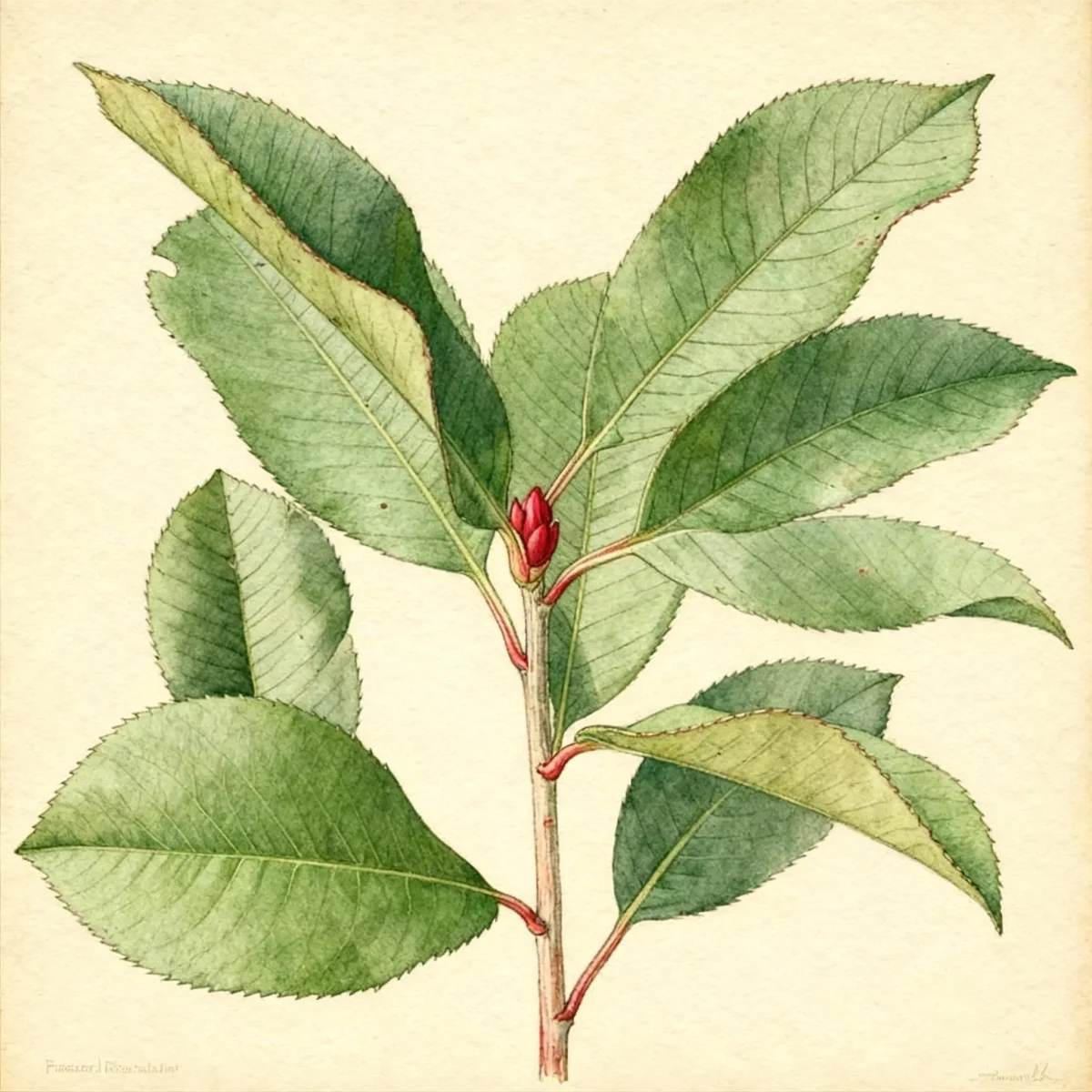
Fraser photinia 'Red Robin' is an evergreen shrub renowned for its striking, year-round red new growth, ideal for hedges.
Scroll down to discover growing tips, care requirements, companion plants, and more
Complete Plant Information
Overview
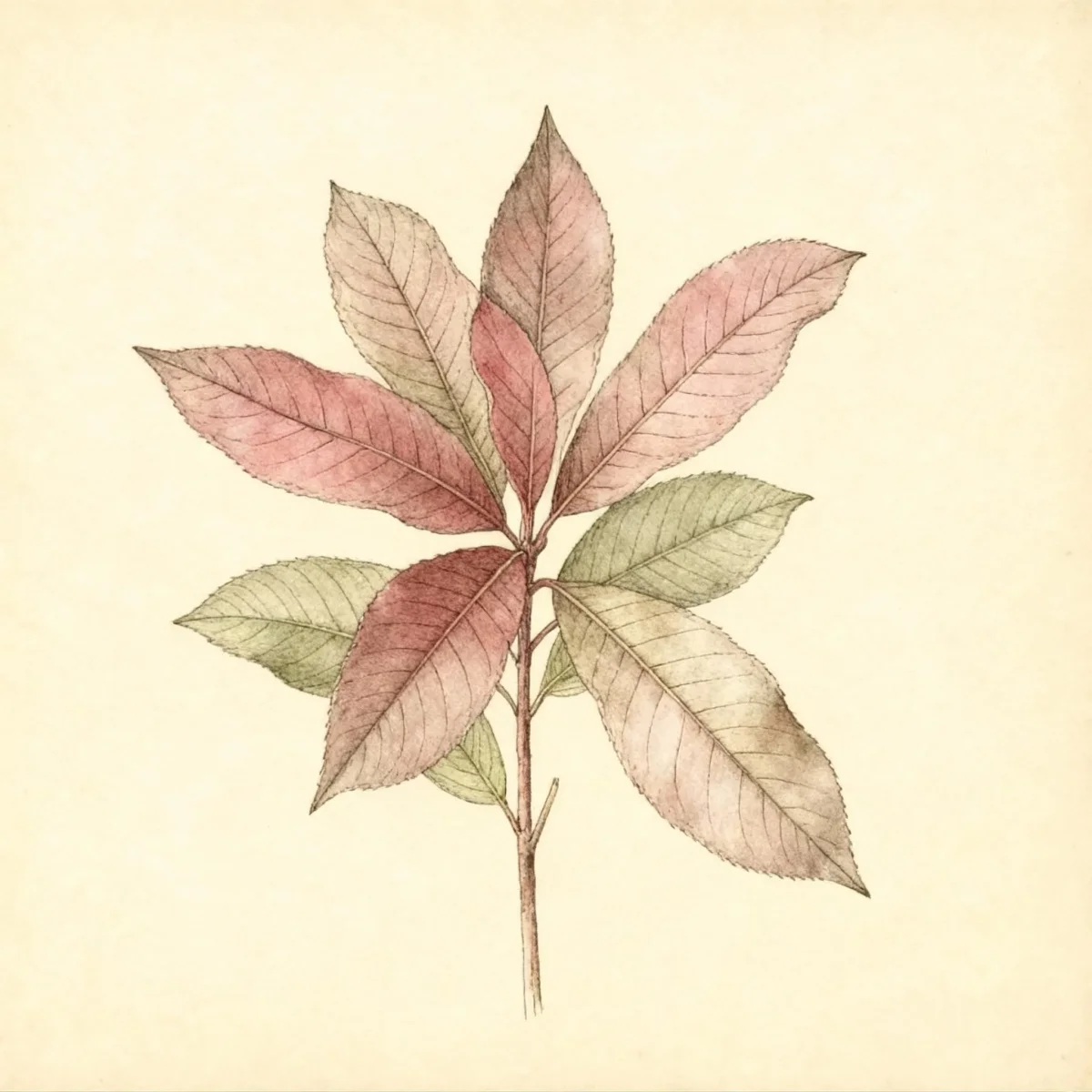
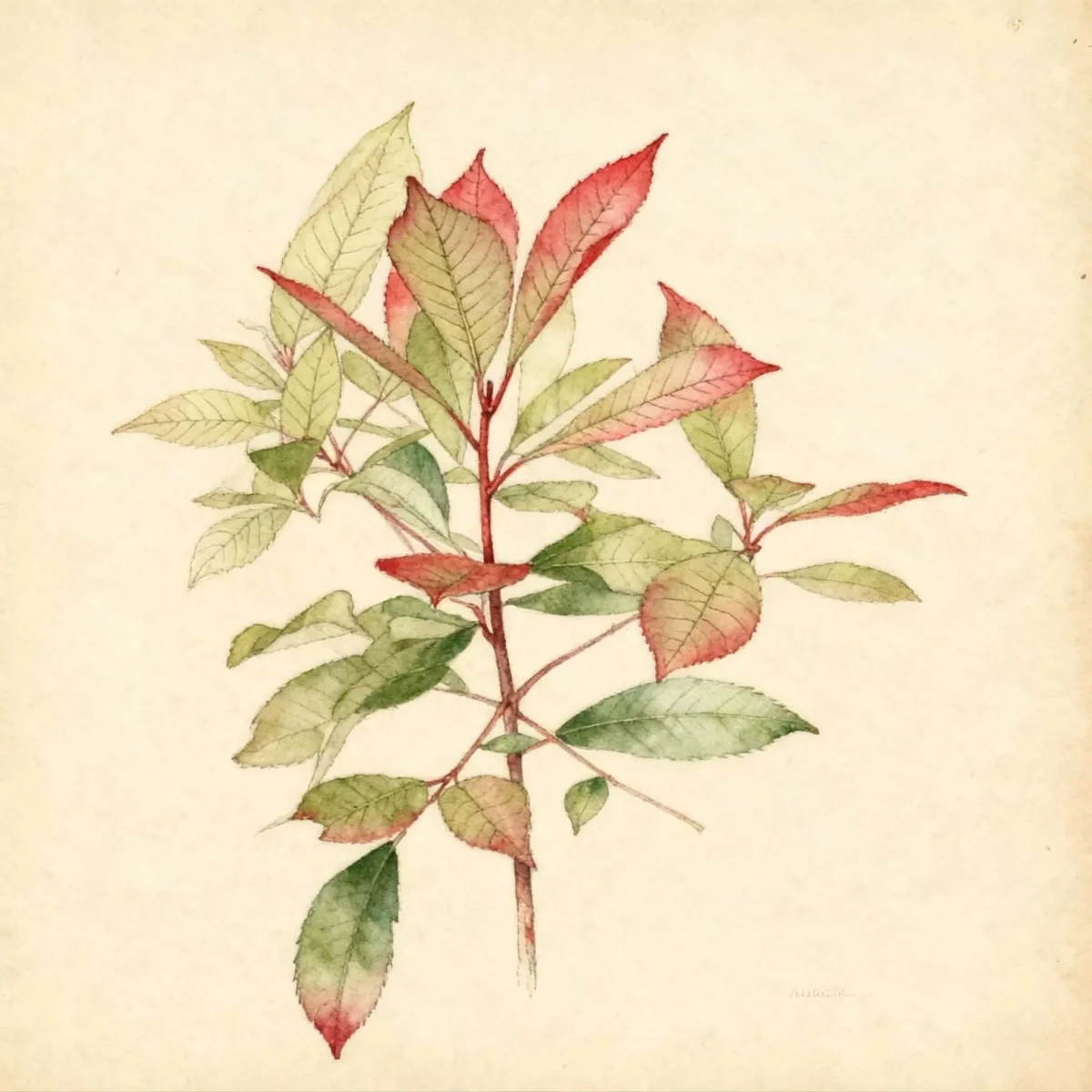
The allure of Photinia × fraseri ‘Red Robin’ lies primarily in its spectacular seasonal display of bright, coppery-red new foliage emerging against the backdrop of older, glossy dark green leaves. This robust broadleaf evergreen shrub, commonly known as Fraser photinia, offers year-round structure and vibrant color, making it a premier choice for screening and formal hedging in temperate gardens. Discovered originally in Alabama, this hybrid reliably provides a focal point, though its successful cultivation depends heavily on proper siting and attentive care, particularly regarding moisture and air circulation. While the spring flowers are less notable for their scent, the fresh burst of color that defines the Photinia × fraseri ‘Red Robin’ cultivar ensures its lasting popularity in landscape design.
Fast Facts
- Plant Family: Rosaceae
- Plant Type: Broadleaf evergreen
- Hardiness Zones: USDA Zones 7-9
- Size at Maturity:
- Height: 9-12 ft
- Spread: 9-12 ft
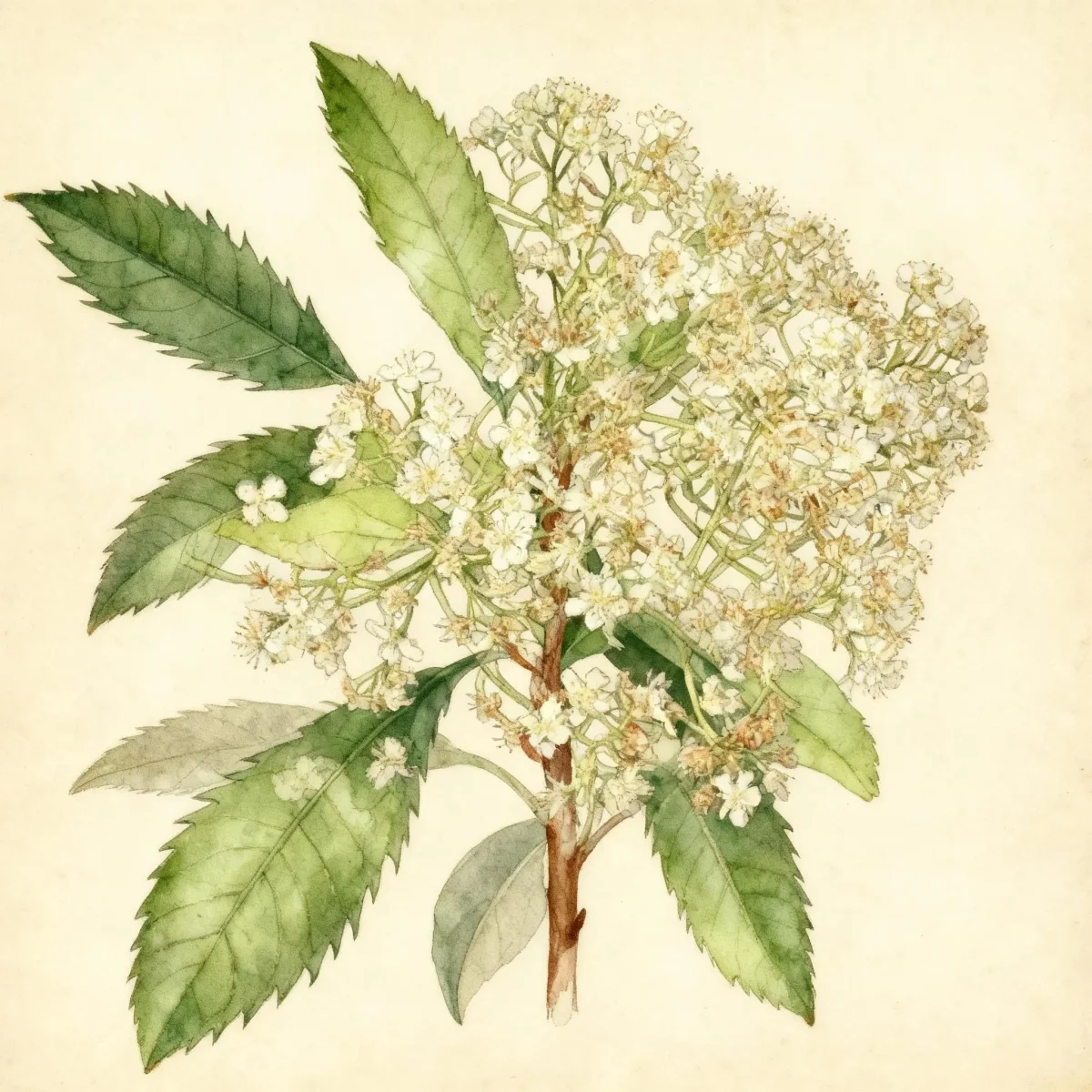
- Bloom Time: April to May
- Bloom Description: White
- Sun Exposure: Full sun to part shade
- Water Needs: Medium
- Maintenance Level: Medium
How to Grow
Plant Fraser photinia during the cooler seasons—spring or fall—to minimize transplant shock, ensuring it settles into average, medium-moisture, well-drained soil. While it prefers full sun, it tolerates part shade; however, heavy shade increases susceptibility to leaf spot disease. Once established, this shrub exhibits some drought tolerance, although consistent moisture is crucial for optimal performance. Avoid planting in wet soils, which can quickly lead to root issues, and ensure good air circulation around the plants.
Water the root zones deeply, taking care to avoid wetting the foliage, especially when watering during humid periods, which helps prevent fungal development. Pruning is an important aspect of maintaining the aesthetic appeal of Photinia × fraseri ‘Red Robin’. Prune in the winter to thin out crossing branches and improve air movement through the canopy. To maximize flushes of that signature red growth, prune again in the spring just after the initial red growth begins to fade. Gardeners in borderline Zone 6 should locate their shrubs in protected spots, like near the southern or western sides of buildings, offering essential winter protection.
Landscape Uses
The primary function of the Photinia × fraseri ‘Red Robin’ is structural screening and formal hedging, utilizing its dense, evergreen habit to create strong garden lines throughout the year. Its striking red new growth also makes it an excellent specimen plant where a burst of color is needed without resorting to seasonal perennials. Consider using this hybrid in woodland gardens where dappled sunlight prevails or along borders requiring significant height and year-round screening. Its formality pairs well with structured evergreens or beneath taller deciduous shade trees.
Standout Features
Flower Qualities
- Showy
- Fragrant
Fruit Qualities
- Showy
Noteworthy Characteristics
Photinia × fraseri is a large, hybrid evergreen shrub known for its bronze to bright red new leaves that emerge in spring for a showy display lasting several weeks before maturing to glossy dark green. This hybrid, often called red tip, originated at Fraser Nursery prior to 1955. The cultivar ‘Red Robin’, specifically, is favored for possessing brighter red coloration on its new foliage than the species type.
Tolerances
- Drought
Potential Problems
The most significant concern for growers of Fraser photinia is Entomosporium maculatum, a fungal leaf spot disease that can cause severe defoliation. This issue is most prevalent and troubling in the hot, humid conditions often found in the deep South, leading to declining use there. To mitigate this, site plants where air circulation is excellent and water carefully at the base only. While ‘Red Robin’ reportedly shows somewhat improved resistance compared to older selections, the threat remains; northern gardeners in Zone 7 typically experience far fewer issues. Fireblight and powdery mildew are secondary concerns that may also arise on your Photinia × fraseri ‘Red Robin’.
Frequently Asked Questions
What hardiness zones is Fraser photinia suitable for?
Fraser photinia thrives best in USDA Hardiness Zones 7 through 9. Gardeners in Zone 6 should provide extra protection during severe winters.
How large does Photinia × fraseri ‘Red Robin’ grow?
This evergreen shrub matures to an average height and spread between 9 and 12 feet, creating a substantial screen or hedge.
What sun exposure does Photinia × fraseri ‘Red Robin’ need?
For the best flowering and strongest foliage color, ensure your shrub receives full sun, though it will tolerate part shade conditions.
When does Fraser photinia bloom?
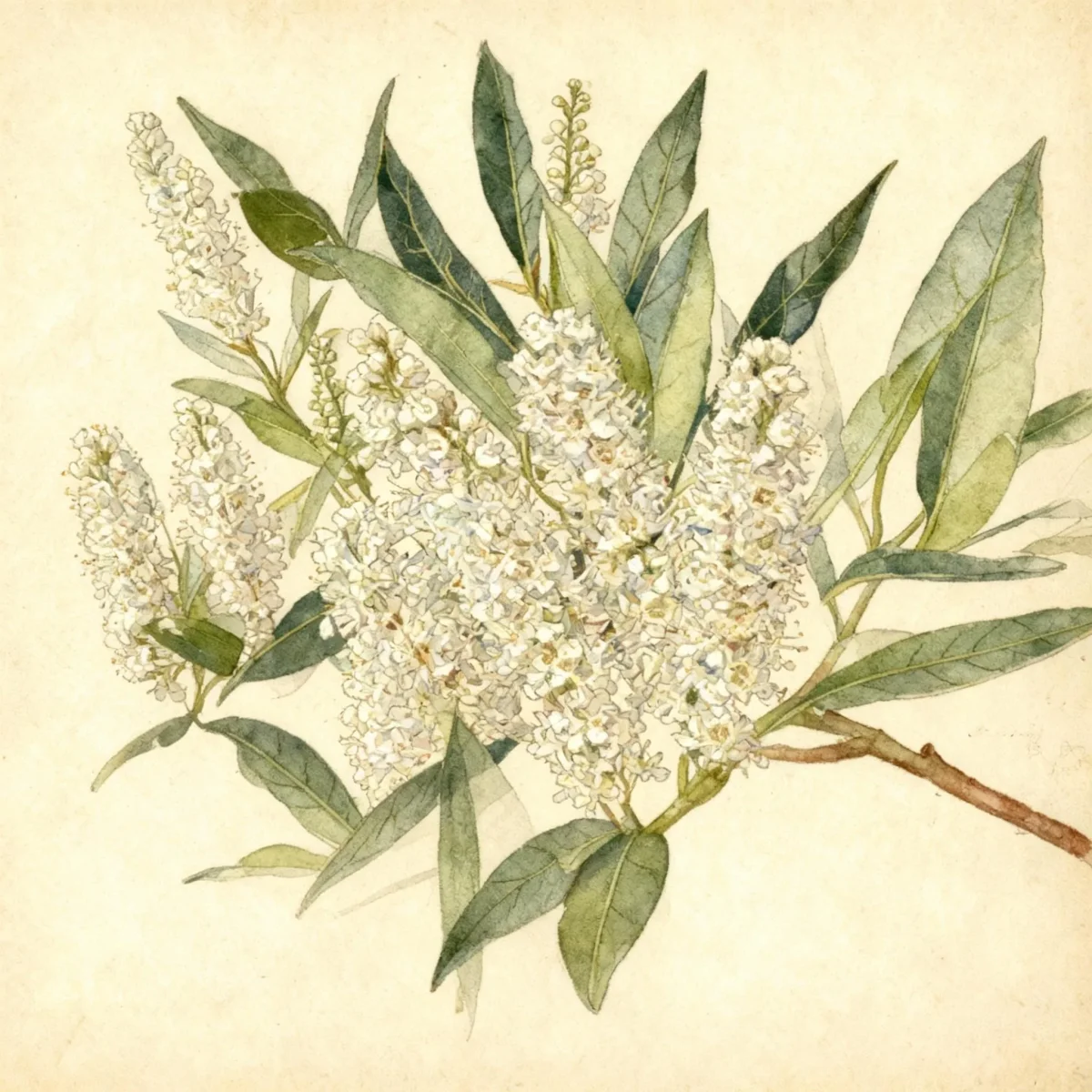
The plant produces small, white flowers on wide panicles during the late spring, typically blooming from April to May.
Conclusion
The Fraser photinia, particularly the vibrant ‘Red Robin’ cultivar, offers gardeners unparalleled evergreen structure punctuated by brilliant new red growth each season, making it invaluable for screens and focal points. Successful cultivation of Photinia × fraseri ‘Red Robin’ relies on providing well-drained sites with good airflow to minimize disease risk. Before planting, always confirm that your local growing zone falls within USDA Zones 7-9 to ensure this striking shrub provides years of reliable performance.
Companion Planting Ideas
Selecting appropriate neighbors prevents competition and enhances the visual impact of your shrubs. Consider pairing the Photinia × fraseri ‘Red Robin’ with plants that thrive in similar sun and water requirements but offer contrasting textures or colors. Due to its upright habit, medium-sized groundcovers or low-mounding perennials work well at the base to soften the soil line. Plants with bluer or gray foliage, such as certain varieties of Lavender or Russian Sage, provide a striking cool-toned contrast to the warm, fiery red new growth of the Fraser photinia.
Seasonal Care Calendar
Spring marks the most critical time for aesthetic maintenance. As the initial red growth emerges and begins to fade, this is the perfect moment to shear the hedge lightly; this action stimulates subsequent flushes of color throughout the late spring and summer months. In the fall, ensure the soil is kept moist leading into winter, especially if your area experiences dry springs. Winter care focuses on protecting borderline plants in Zone 6 by ensuring they are situated in sheltered microclimates away from harsh prevailing winds.