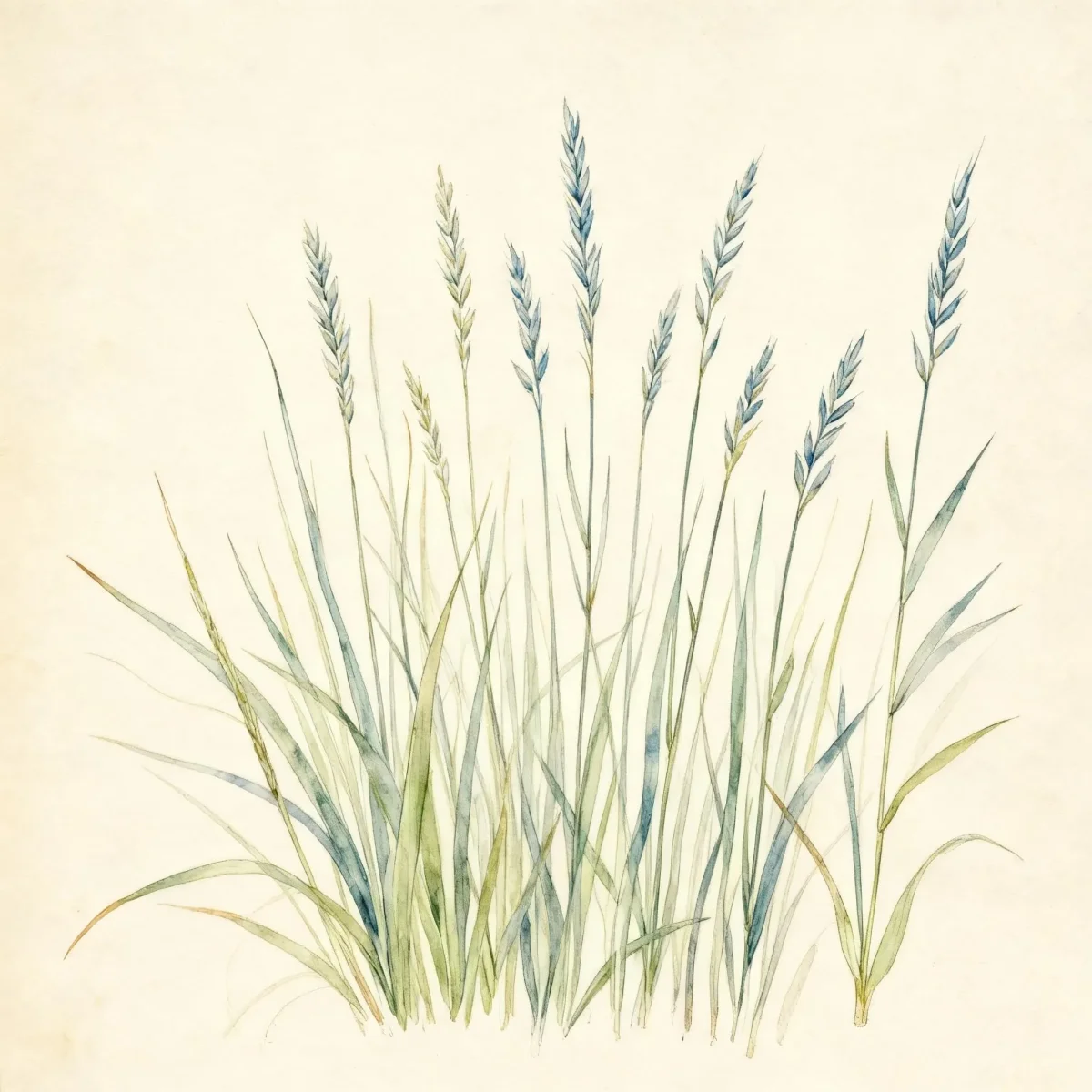
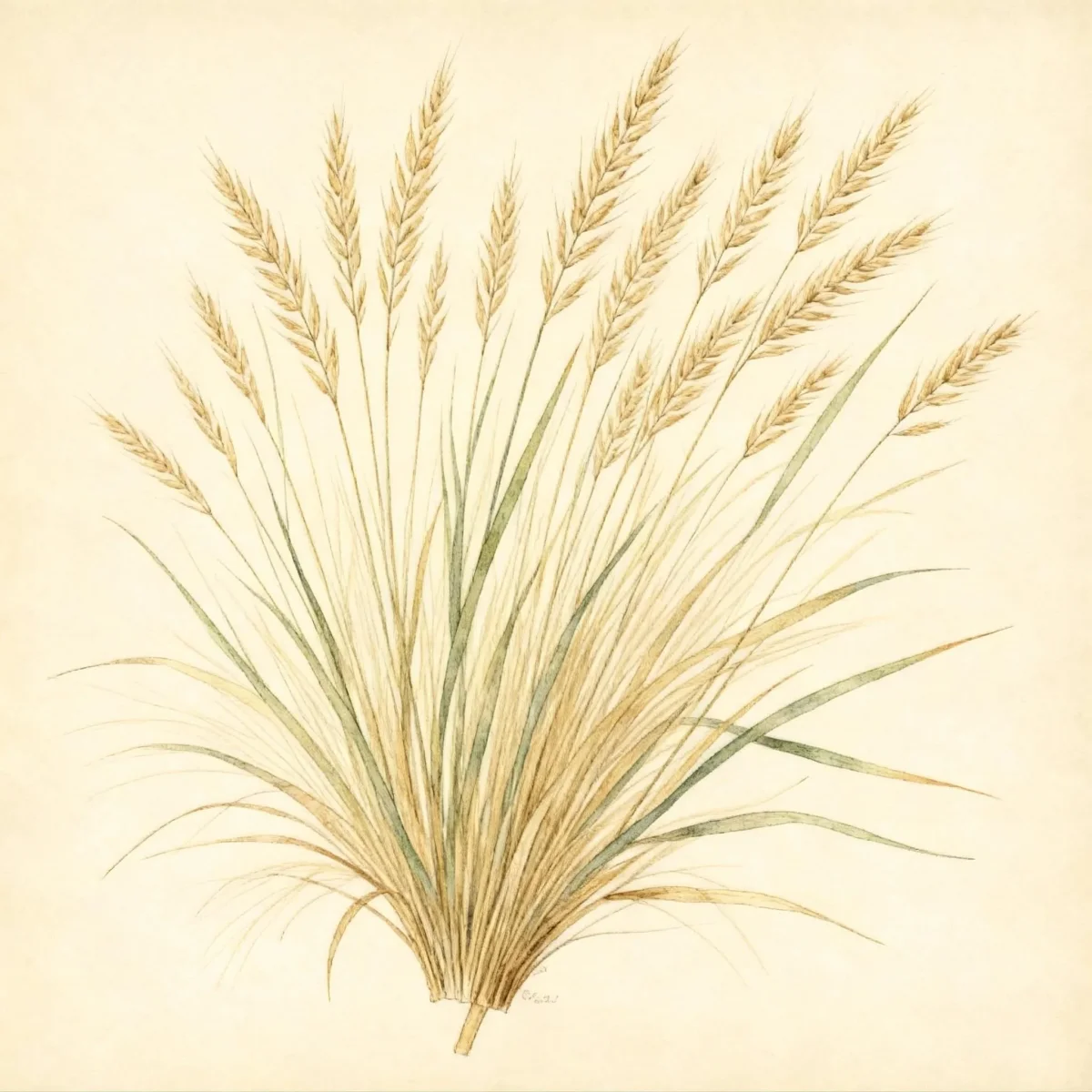
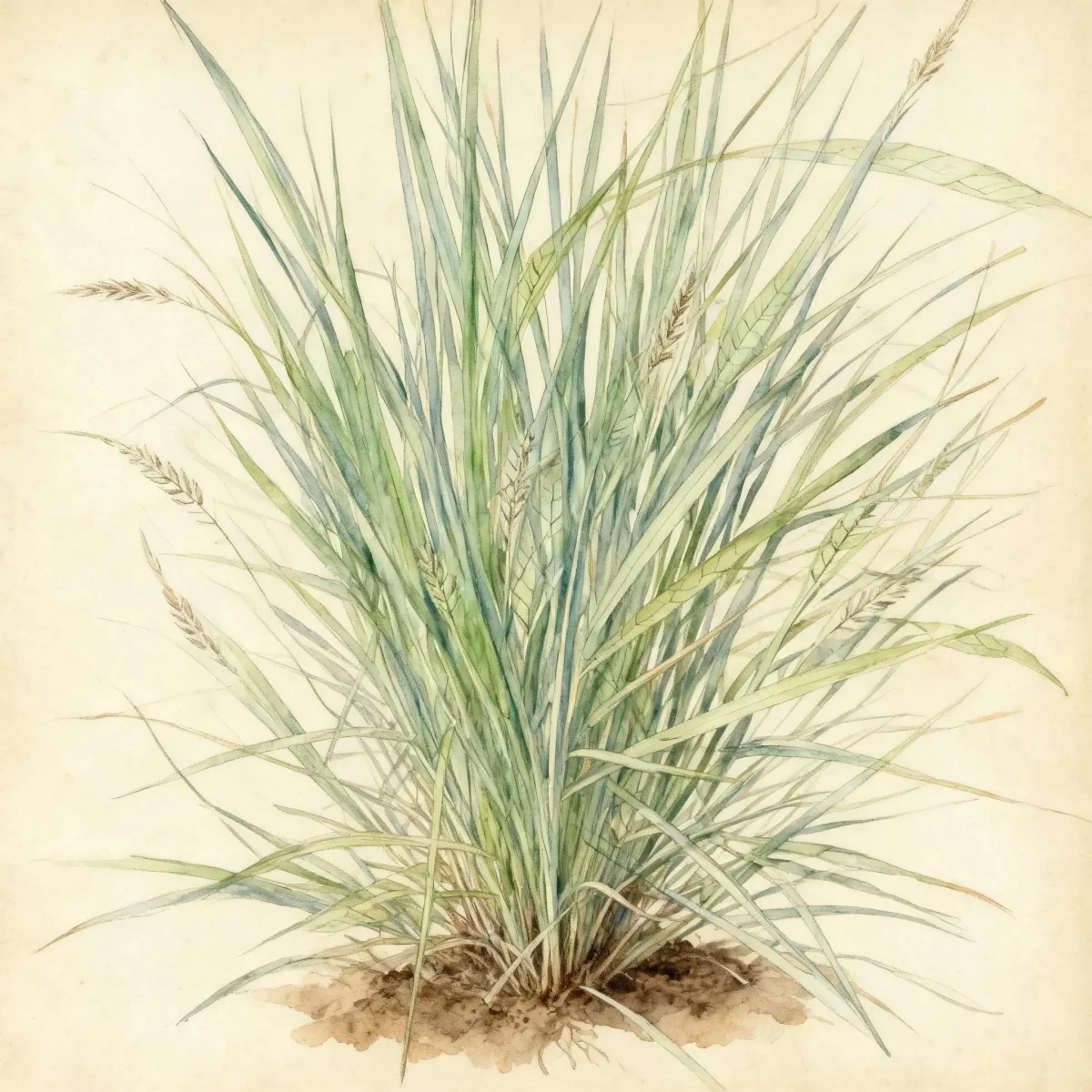
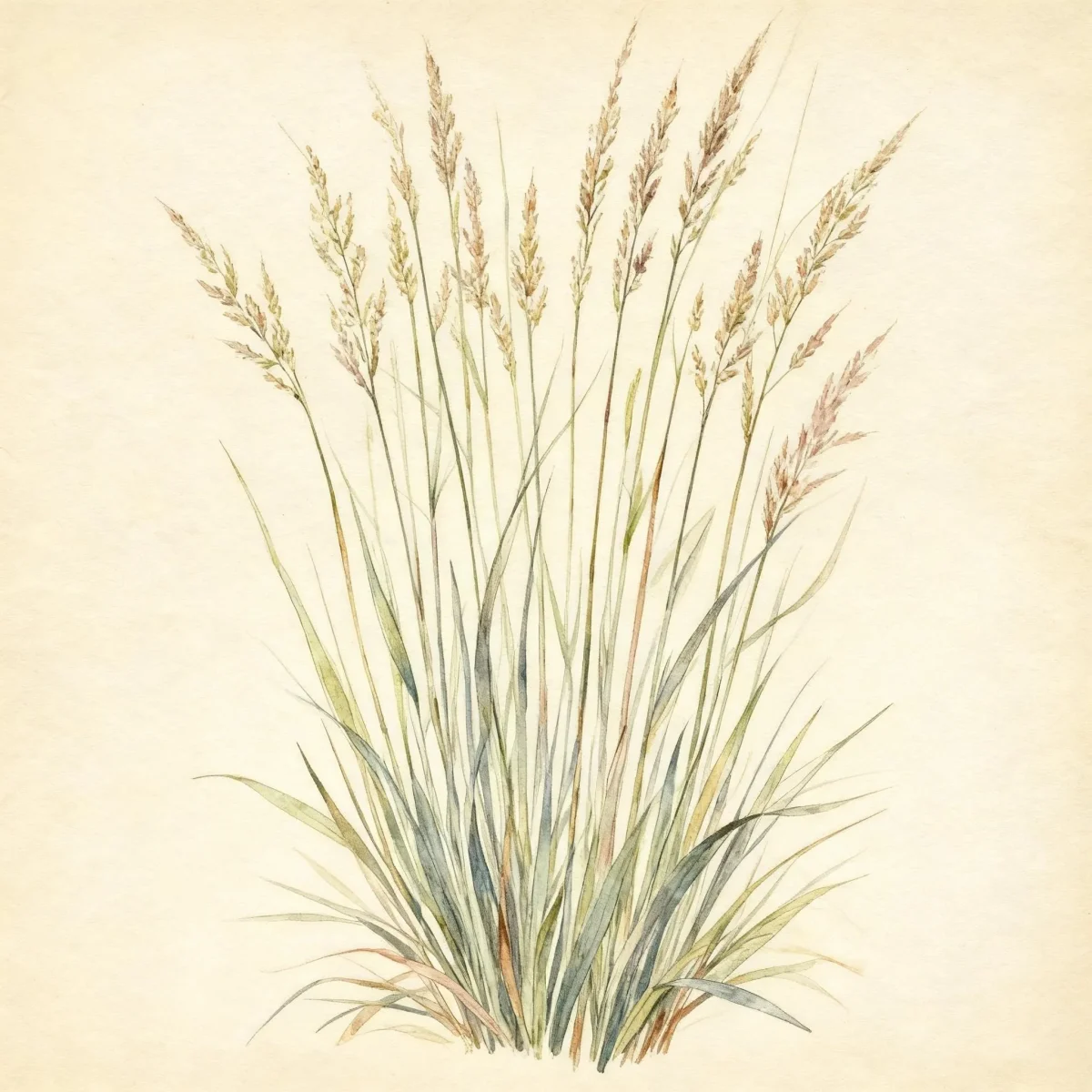
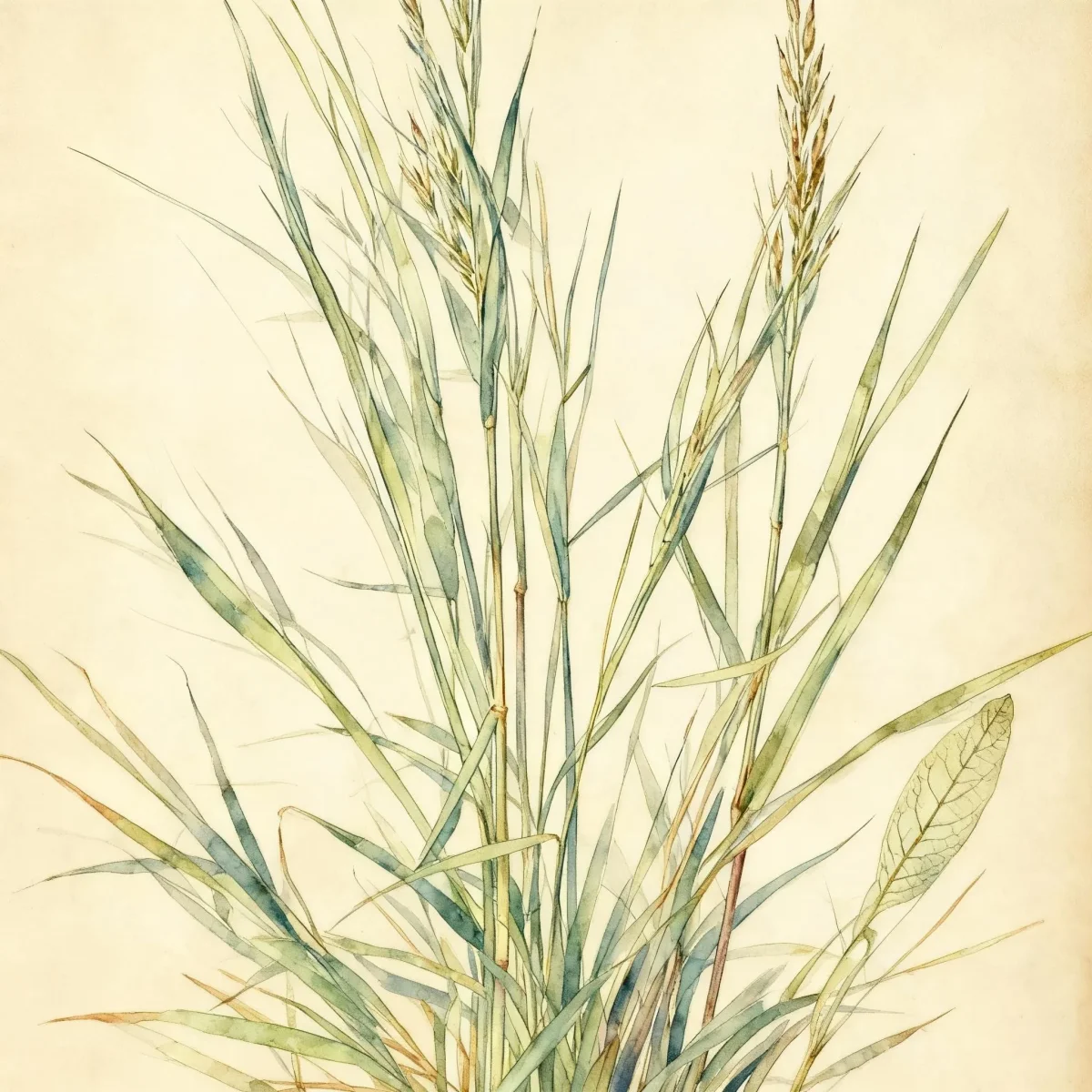
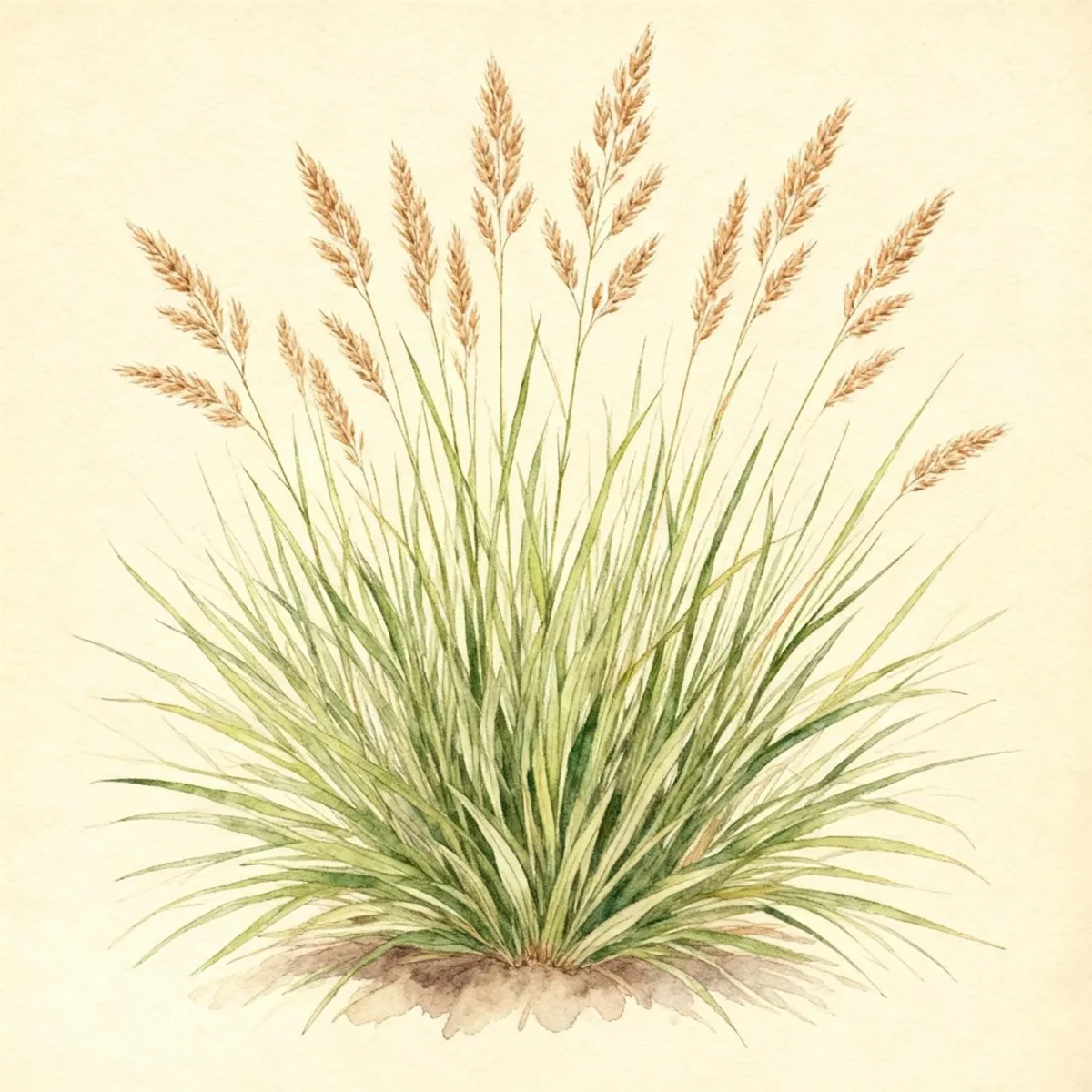
Blue grama (Bouteloua gracilis 'Hachita')
Bouteloua gracilis 'Hachita' (Blue grama) is a drought-tolerant ornamental grass noted for unique, eyelash-like seed heads and low maintenance needs.
Scroll down to discover growing tips, care requirements, companion plants, and more
Complete Plant Information
Overview
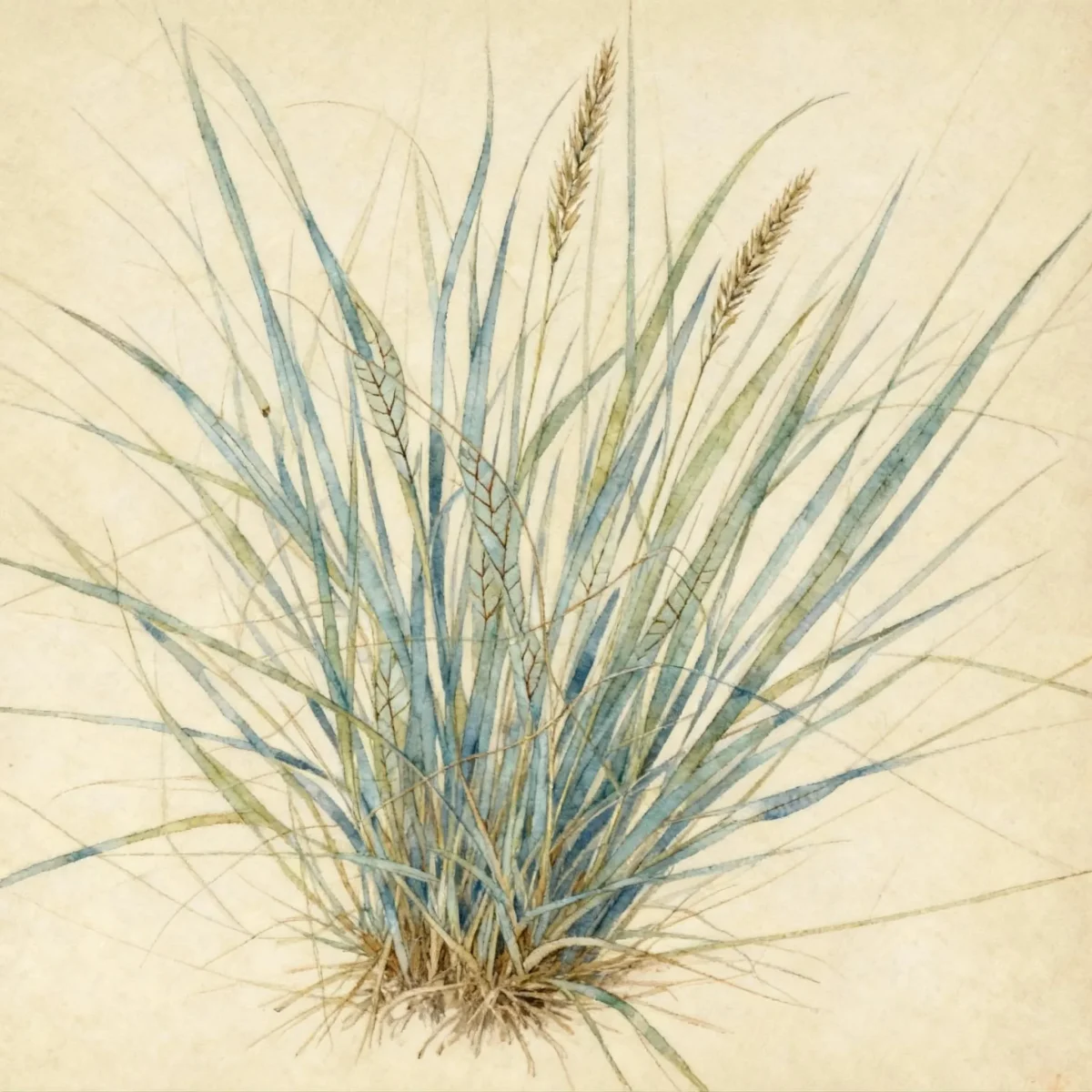
Bouteloua gracilis ‘Hachita’ is a valuable inclusion for gardeners seeking durable, attractive texture in challenging sites. This cultivar of Blue grama is celebrated for its unique inflorescences, which resemble tiny, curved-out eyelashes, providing subtle movement and interest throughout the summer. Its narrow, bluish-gray foliage forms neat clumps, making it a fantastic, water-wise alternative to traditional turfgrasses.
As a warm-season, tufted grass, this variety exhibits exceptional drought tolerance once established, thriving in conditions where many ornamental grasses struggle. The Bouteloua gracilis ‘Hachita’ selection was specifically chosen for its resource conservation attributes, making it ideal for sustainable landscape design across wide temperature variations.
Beyond formal beds, this Blue grama excels in naturalized settings or as a fine-textured ground cover. Its low stature and fine leaves contrast beautifully with bolder perennials, offering structure through the hottest months until its foliage turns golden brown in autumn.
Fast Facts
- Plant Family: Poaceae
- Plant Type: Ornamental grass
- Hardiness Zones: USDA Zones 3-10
- Size at Maturity:
- Height: 1-3 ft
- Spread: 0.5-1 ft
- Bloom Time: June to August
- Bloom Description: Reddish purple
- Sun Exposure: Full sun
- Water Needs: Dry to medium
- Maintenance Level: Low
How to Grow
Planting Bouteloua gracilis ‘Hachita’ is best accomplished in spring after the danger of frost has passed, ensuring warm soil temperatures encourage root establishment. Locate this ornamental grass in spots receiving full sun and ensure the soil is well-drained. While it tolerates a wide range of soil types, it strongly rejects heavy, poorly-drained, or wet conditions.
Care is minimal once established, reflecting its low-maintenance status. Water sparingly; the ‘Hachita’ selection is remarkably drought tolerant, requiring only dry to medium moisture levels. Fertilization is generally unnecessary; excessive nutrients can lead to floppier growth, detracting from its naturally neat habit.
Pruning involves cutting the entire clump back to the ground in late winter or early spring, just before new shoots begin to emerge. This late cleanup prevents the plant from looking messy over winter but allows the dried summer flower spikes to remain aesthetically pleasing for several months. Be aware that Bouteloua gracilis ‘Hachita’ readily self-seeds, which can be beneficial for filling in larger areas, but plan for some natural propagation.
Landscape Uses
The small stature and exceptional drought resistance of Bouteloua gracilis ‘Hachita’ make it highly versatile. It is frequently employed as a superior ground cover, particularly suitable for xeriscaping or on slopes where erosion control is necessary due to its fibrous root system. Its ability to thrive in dry, shallow, and rocky soils places it perfectly in rock gardens or along dry borders where other grasses fail.
For a more naturalistic design, incorporate Blue grama into native plant gardens or unmowed meadows alongside coneflowers and other shortgrass prairie species. It can even function as a durable, short turfgrass if regularly mowed to a height of about two inches, offering a unique, low-water lawn alternative. The mature flower spikes are also excellent additions when harvested for dried flower arrangements, retaining their structure and color.
Consider pairing the fine texture of Bouteloua gracilis ‘Hachita’ with plants that offer contrasting foliage, such as Sedum or ground-covering succulents, in sunny, dry borders. Utilizing it as an informal edging plant showcases the unique quality of its horizontal seed heads against hardscaping features.
Standout Features
Flower Qualities
- Showy
- Good Dried
Noteworthy Characteristics
Bouteloua gracilis, commonly called blue grama or mosquito grass, is a tufted, warm season, Missouri native grass noted for its distinctive arrangement of mosquito larvae-like seed spikes which hang from only one side of its flowering stems. It is native to prairies, plains, open rocky woodlands and along railroad tracks throughout the Western U.S. It was a dominant grass of the dry shortgrass prairies. Narrow, bluish-gray leaf blades (to 1/4” wide) typically form a dense clump growing 12-15” tall, with specialized cultivars like ‘Hachita’ offering superior drought performance, with total clump height reaching around 20 inches when flowering.
Tolerances
- Drought
- Erosion
- Dry Soil
- Shallow-Rocky Soil
- Black Walnut
- Air Pollution
Potential Problems
This grass is highly resilient, reporting no serious insect or disease problems under normal cultivation. Its primary challenge arises from cultural mismanagement, specifically placement in overly wet or poorly draining soils, which is the cause of most potential failure. Ensure sharp drainage in its planting site to maintain the excellent vigor for which Bouteloua gracilis ‘Hachita’ is known.
Frequently Asked Questions
What hardiness zones is Blue grama suitable for?
This ornamental grass is adaptable across a wide range, thriving in USDA Zones 3 through 10.
How large does Bouteloua gracilis ‘Hachita’ grow?
When grown naturally, this clump-forming grass typically reaches a height between 1 and 3 feet tall, with a spread of 0.5 to 1 foot wide.
What sun exposure does Bouteloua gracilis ‘Hachita’ need?
For best performance and dense clumping, this species requires full sun exposure throughout the day.
When does Blue grama bloom?
Inflorescences appear mid-season, typically blooming from June through August, showcasing their unique reddish purple, eyelash-shaped structures.
Conclusion
The Bouteloua gracilis ‘Hachita’ remains a standout choice for sustainable, low-input gardening due to its exceptional drought tolerance and unique aesthetic appeal provided by its distinctive seed heads. Incorporating this Blue grama variety ensures year-round texture and vibrant color even in harsh, dry conditions. Before planting, confirm your local climate falls within USDA Zones 3-10 and prepare a full-sun location with excellent drainage for the best results.
Companion Planting
Given that Bouteloua gracilis ‘Hachita’ thrives in full sun and prefers dry to medium moisture, companion plants should share these demanding cultural needs. Pair this ornamental grass with other prairie natives adapted to dry conditions, such as various species of Penstemon or Gaura lindheimeri (Whirling Butterflies), which tolerate heat and low rainfall. In rock garden settings, low-growing succulents or creeping thyme make excellent textural and color contrasts against the fine, airy blades of the Blue grama.
Seasonal Care Calendar
For optimal performance, focus care around the plant’s warm-season growth habit. In early spring (late February to early March), prune the previous season’s dried foliage down to the crown just before new growth commences. Summer care is minimal; rely on natural rainfall once established, as overwatering is detrimental. In autumn, appreciate the foliage transition to golden brown hues; avoid cutting back flowering stems until late winter to enjoy the dried flower spikes.