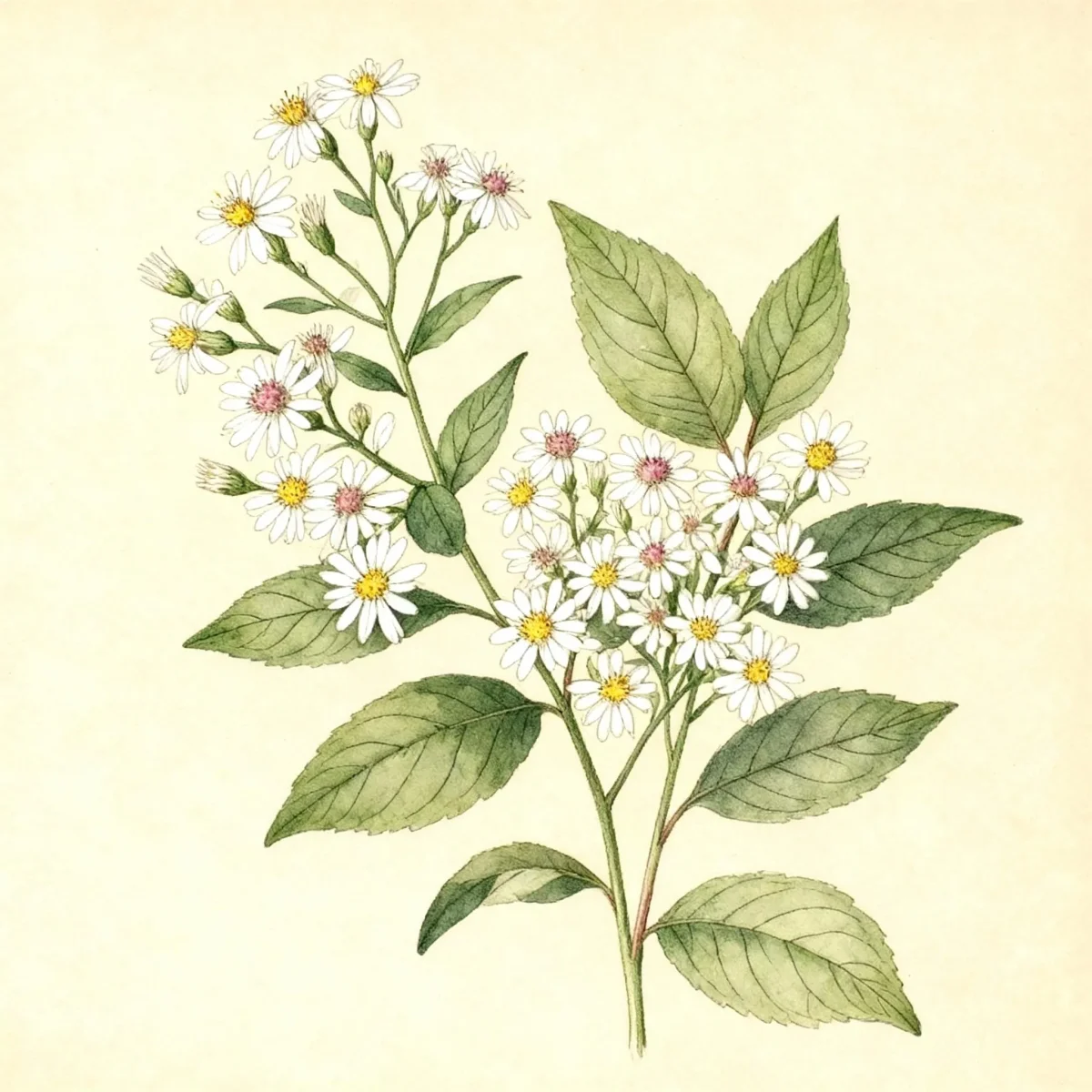
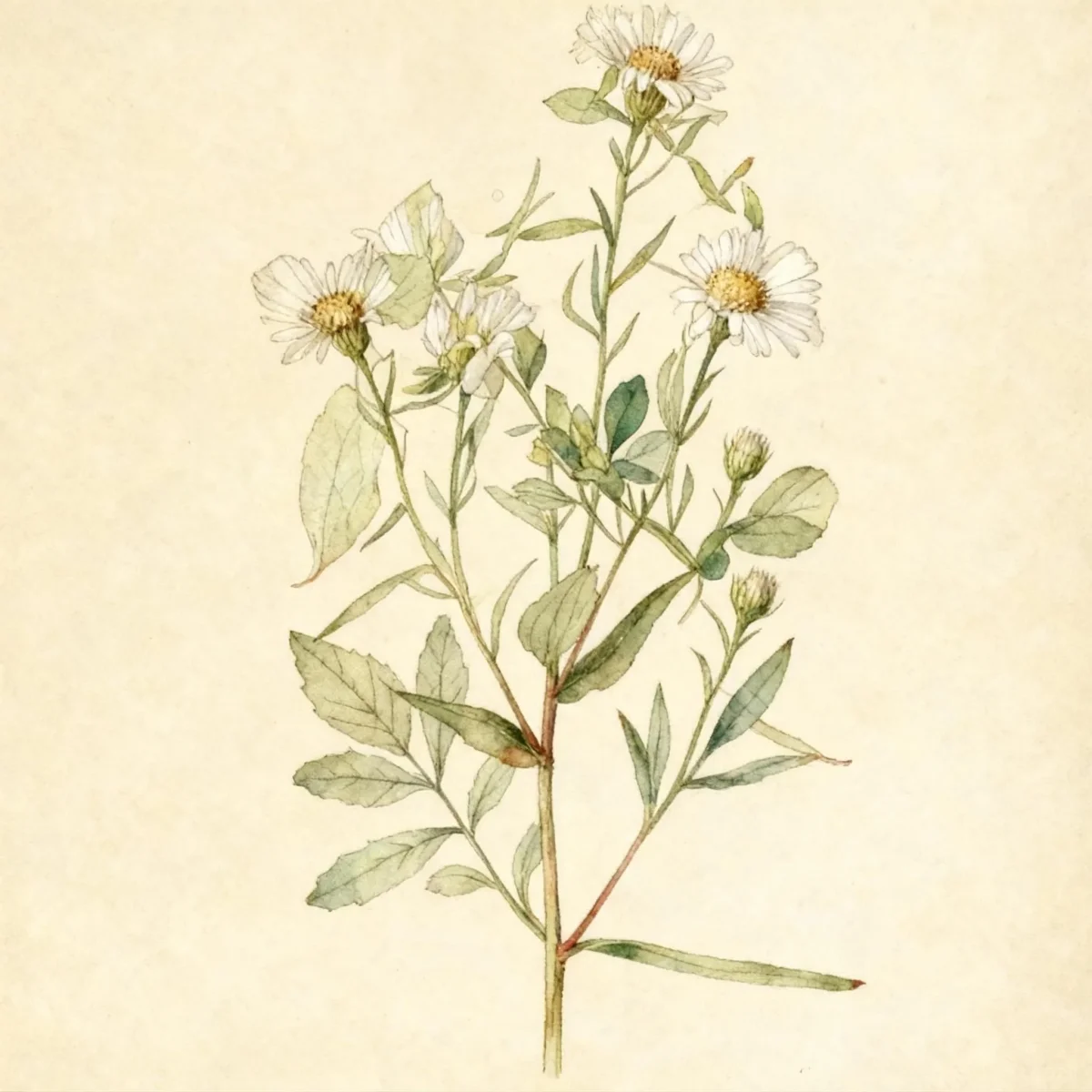
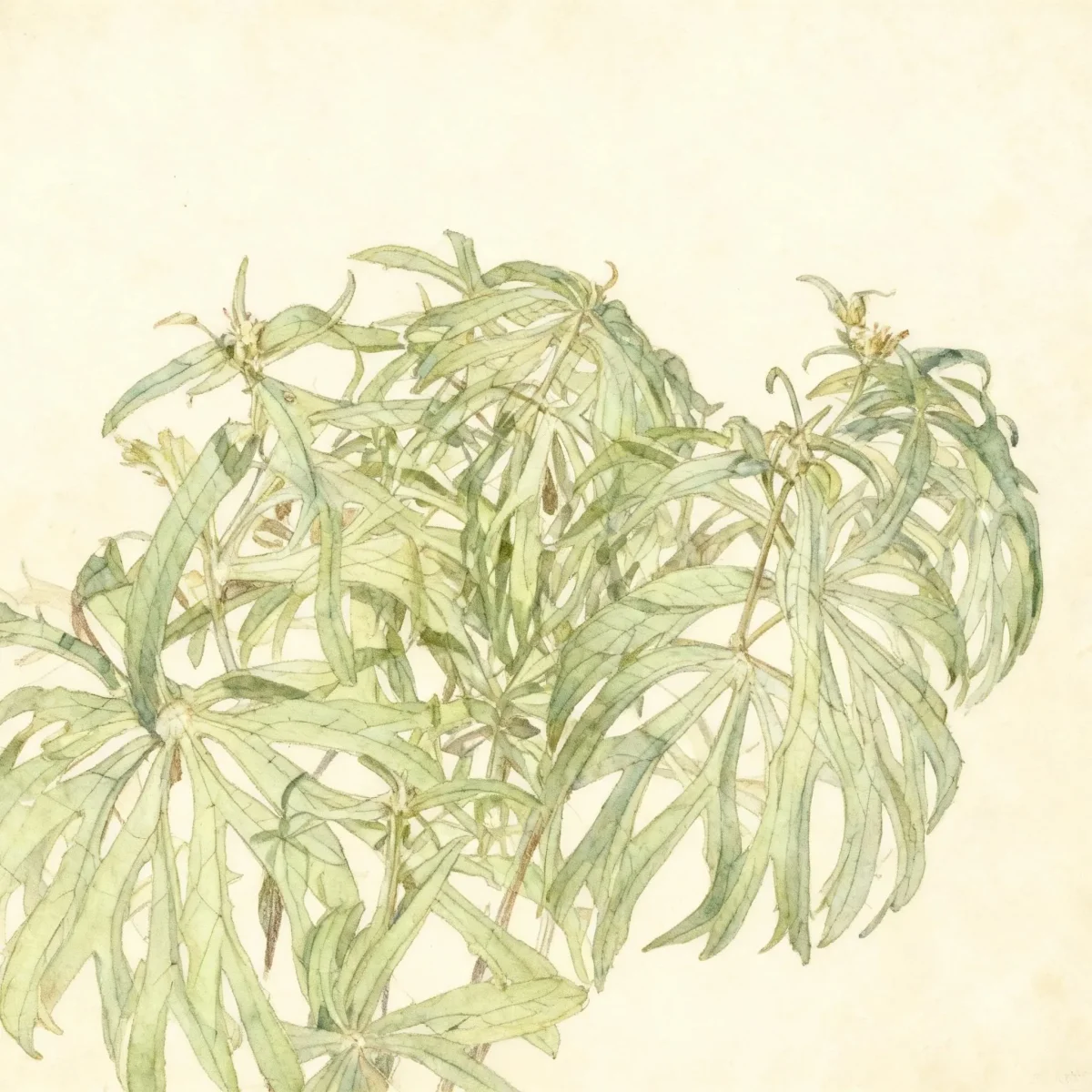
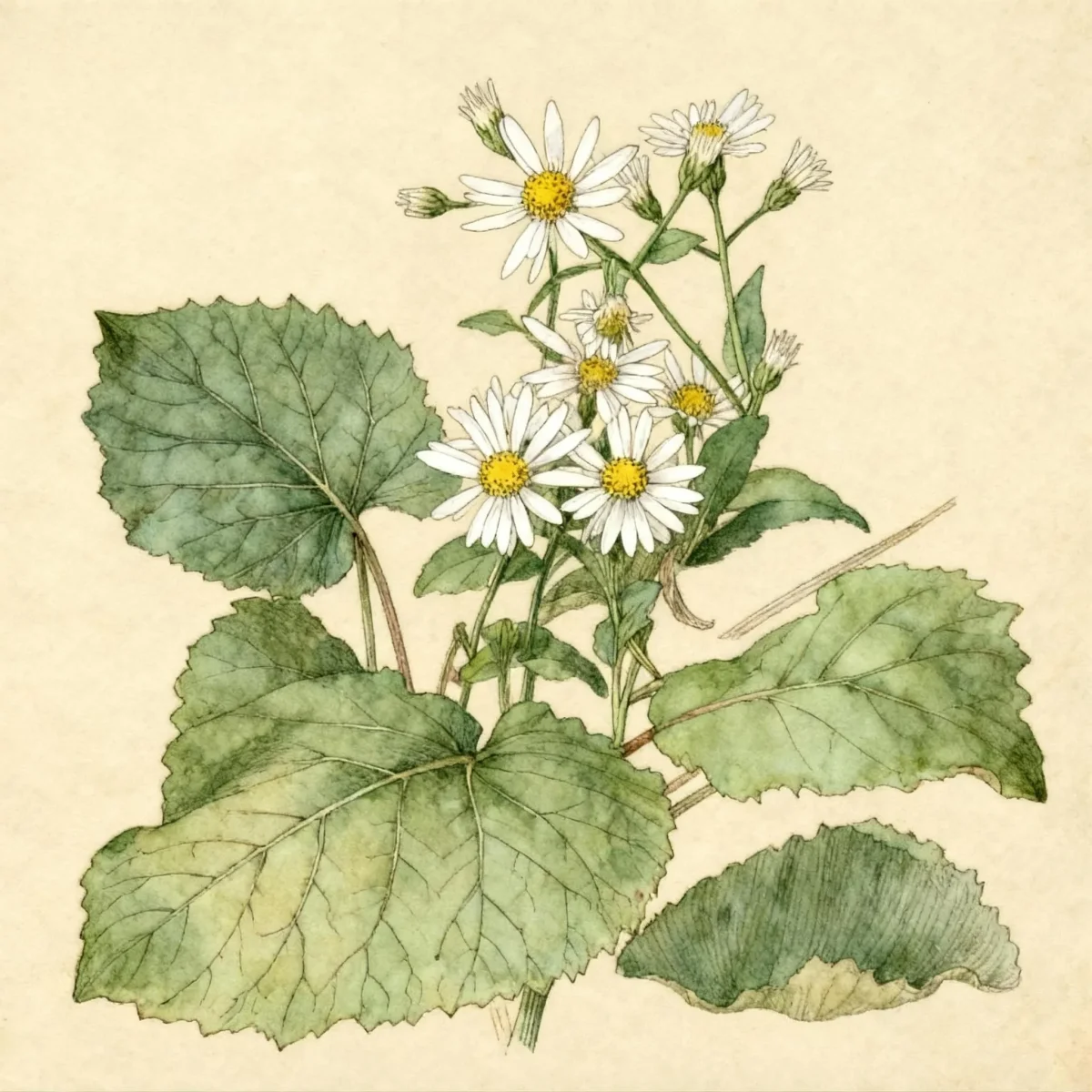
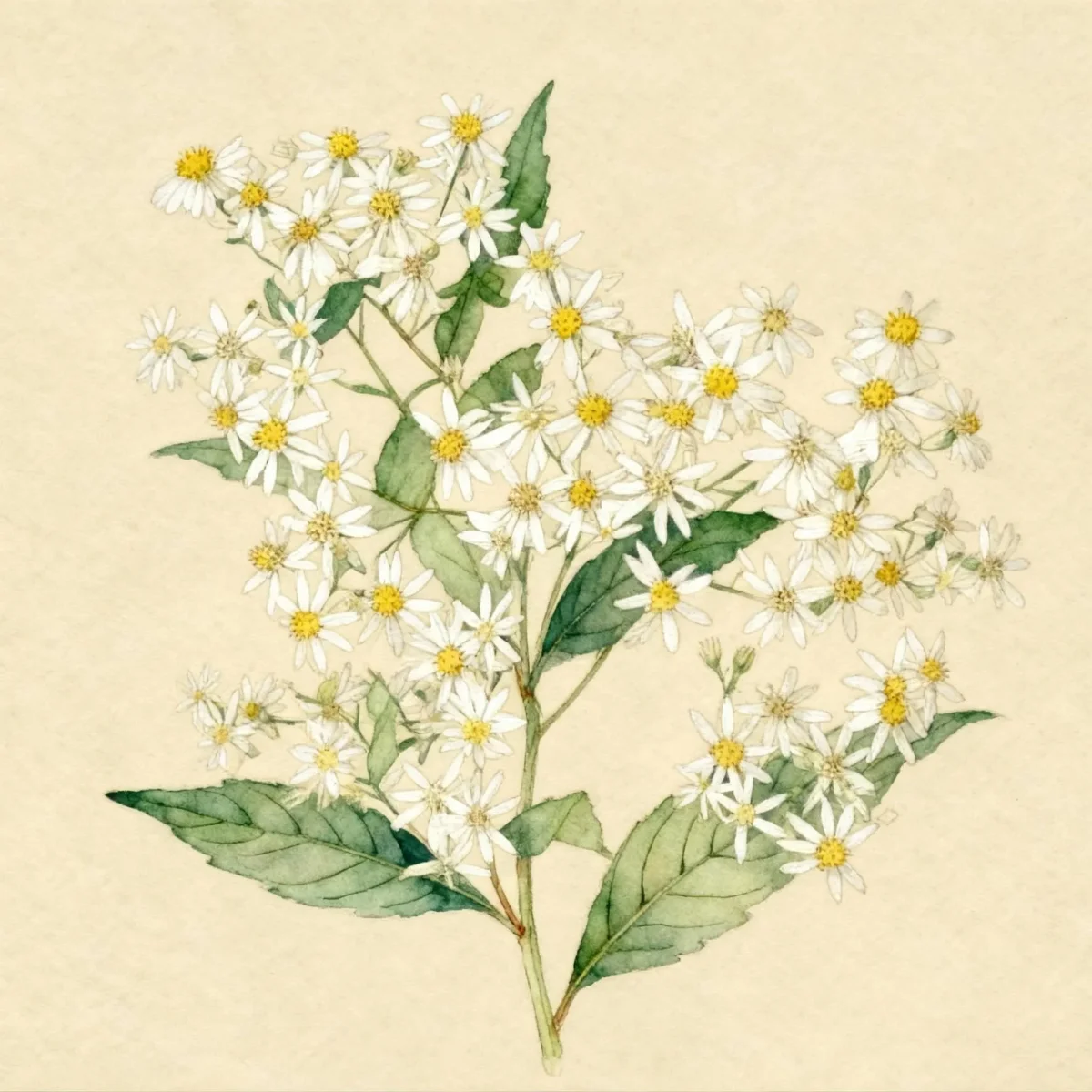
White wood aster (Eurybia divaricata 'Eastern Star')
Eurybia divaricata 'Eastern Star' (White wood aster) shines in shade, offering low-maintenance, elegant white blooms from late summer.
Scroll down to discover growing tips, care requirements, companion plants, and more
Complete Plant Information
Overview
The White wood aster, Eurybia divaricata ‘Eastern Star’, is a prized native perennial cherished for its ability to thrive where many flowering plants fail—in dry, deep shade. This cultivar is especially valued for its compact habit, vigorous flowering clusters, and distinctive dark, somewhat mahogany-colored stems that add year-round structure. Gardeners turn to Eurybia divaricata ‘Eastern Star’ for reliable late-season color that attracts crucial pollinators like butterflies.
This herbaceous perennial forms loose clumps featuring heart-shaped, coarsely toothed leaves that display well throughout the growing season. In late summer to early fall, it blankets itself in abundant, small daisy-like flowers with cheerful white rays and yellow centers, bringing light to dark corners of the garden. Its hardiness and adaptability make the White wood aster an excellent foundational plant for naturalized settings.
Growing Eurybia divaricata ‘Eastern Star’ is straightforward, as it handles dry soil conditions well once established and demands very little attention. Its presence naturally enhances woodland gardens or shaded borders, providing an essential nectar source just as many summer bloomers begin to fade.
Fast Facts
- Plant Family: Asteraceae
- Plant Type: Herbaceous perennial
- Hardiness Zones: USDA Zones 3-8
- Size at Maturity:
- Height: 1-1.5 ft
- Spread: 1-1.5 ft
- Bloom Time: August to September
- Bloom Description: White
- Sun Exposure: Part shade to full shade
- Water Needs: Dry to medium
- Maintenance Level: Low
How to Grow
For optimal success, plant Eurybia divaricata ‘Eastern Star’ in the spring or fall in well-drained soil. This aster thrives in average conditions, performing best when situated in part shade to full shade settings where it is protected from intense afternoon sun. While it tolerates dry conditions, ensure consistent water until the plant is established in its new location.
Maintenance for the White wood aster is notably low. It generally dislikes consistently wet or overly rich clay soils, so excellent drainage is key to discouraging common fungal issues. If necessary, provide supplemental water during prolonged drought, but otherwise, the plant is quite self-sufficient. Good air circulation, sometimes aided by thinning nearby growth or providing morning sun exposure, helps mitigate the minor risk of foliar diseases like powdery mildew.
Propagation is best achieved by division in the spring, as ‘Eastern Star’ does not reliably come true from seed. If you wish to control the spread or prevent natural seedlings from populating your garden, consider cutting back the flowering stems immediately after bloom concludes. This simple step prevents unwanted reseeding while keeping the plant tidy heading into winter.
Landscape Uses
The compact stature and shade tolerance of Eurybia divaricata ‘Eastern Star’ make it an outstanding choice for filling out difficult, darker areas of the landscape. It integrates seamlessly into open shade gardens where a low-growing, late-season bloomer is needed to maintain interest. Consider planting it beneath mature deciduous trees where competition for moisture is sometimes high.
This White wood aster is a natural fit for woodland areas, mimicking its dry woods origins. Pair it with other shade-loving natives like woodland geraniums, ferns, or foamflower (Tiarella) to create a rich, layered texture in your design. For cottage gardens, the abundance of small white flowers creates a charming, airy contrast against darker foliage plants, providing brightness late in the season.
Its tough nature, surviving drought and heavy shade, qualifies Eurybia divaricata ‘Eastern Star’ as an excellent, reliable inclusion in native plant gardens aiming for low-input, high-impact results.
Flower Qualities
- Showy
Noteworthy Characteristics
Eurybia divaricata is native to Eastern U.S. and typically grows in the wild in dry open woods. It grows in loose clumps with dark, sprawling, sometimes zigzag stems up to 2.5’ tall. Distinctive leaves are heart-shaped, stalked and coarsely toothed. Small but abundant flowers (to 1 inch across) have white rays and yellow to red center disks and appear in flat-topped, terminal clusters in late summer to early fall, making Eurybia divaricata ‘Eastern Star’ attractive to butterflies. The cultivar ‘Eastern Star’ is specifically noted for its compact size, dark stems, and floriferous bloom in shady conditions, producing shiny, dark mahogany stems reaching 12-18” tall with sharply-toothed, heart-shaped leaves.
Tolerances
- Drought
- Heavy Shade
- Dry Soil
- Shallow-Rocky Soil
Potential Problems
Eurybia divaricata ‘Eastern Star’ is generally considered robust, presenting no serious insect or disease problems under ideal growing conditions. The primary disease concern is some susceptibility to powdery mildew, which manifests as a white, powdery coating on the leaves, especially when air circulation is poor or humidity is high late in the summer.
To manage mildew, ensure adequate spacing between plants and avoid overhead watering late in the day. For soil management, gardeners must be cautious about poor drainage; Aster wilt can occasionally become a problem specifically when these plants are forced into heavy, poorly-drained clay soils. Selecting a site that favors dry to medium conditions is the best preventative measure.
Frequently Asked Questions
What hardiness zones is White wood aster suitable for?
Eurybia divaricata ‘Eastern Star’ is suitable for USDA Hardiness Zones 3 through 8.
How large does Eurybia divaricata ‘Eastern Star’ grow?
This cultivar typically reaches a mature height between 1 and 1.5 feet tall with a comparable spread of 1 to 1.5 feet.
What sun exposure does Eurybia divaricata ‘Eastern Star’ need?
This aster prefers part shade to full shade conditions, thriving best where it receives protection from intense midday or afternoon sun.
When does White wood aster bloom?
The White wood aster blooms reliably from August through September, producing masses of white flowers.
Conclusion
The Eurybia divaricata ‘Eastern Star’ remains a superstar for shady, dry locations, offering reliable late-season flower power and low maintenance requirements. This White wood aster provides essential late nectar in a handsome package of dark stems and bright white blooms. Before planting, confirm your garden offers dry to medium soil and part to full shade, and enjoy this adaptable native perennial.
Companion Planting
When designing a border for Eurybia divaricata ‘Eastern Star’, select companions that appreciate similar dry, shaded conditions and bloom at contrasting times. Hostas with blue or chartreuse foliage offer excellent textural contrast to the aster’s delicate white flowers in mid-summer before the bloom period begins. Consider planting early spring ephemerals like Bloodroot (Sanguinaria canadensis) or Epimediums (Barrenwort) to provide groundcover and early interest while waiting for the aster to emerge fully and flower in the fall.
Wildlife Benefits
One of the greatest assets of Eurybia divaricata ‘Eastern Star’ is its value to late-season pollinators. As many summer flowers fade, the massed white flowers of this aster feed bees, butterflies, and moths preparing for migration or overwintering. Its status as an Eastern U.S. Native means it supports local insect populations effectively. Planting Eurybia divaricata ‘Eastern Star’ ensures a crucial food source is available deep into autumn.