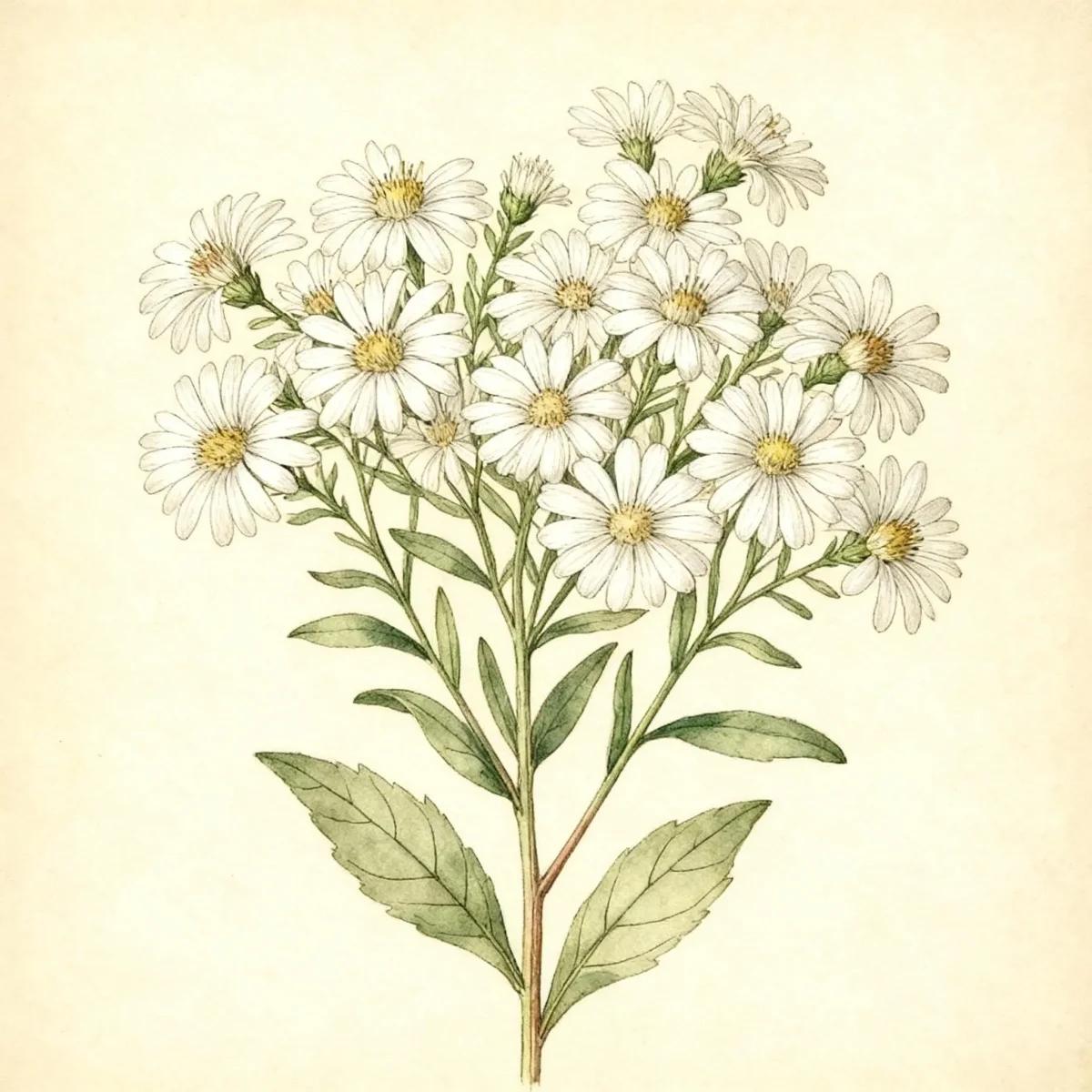
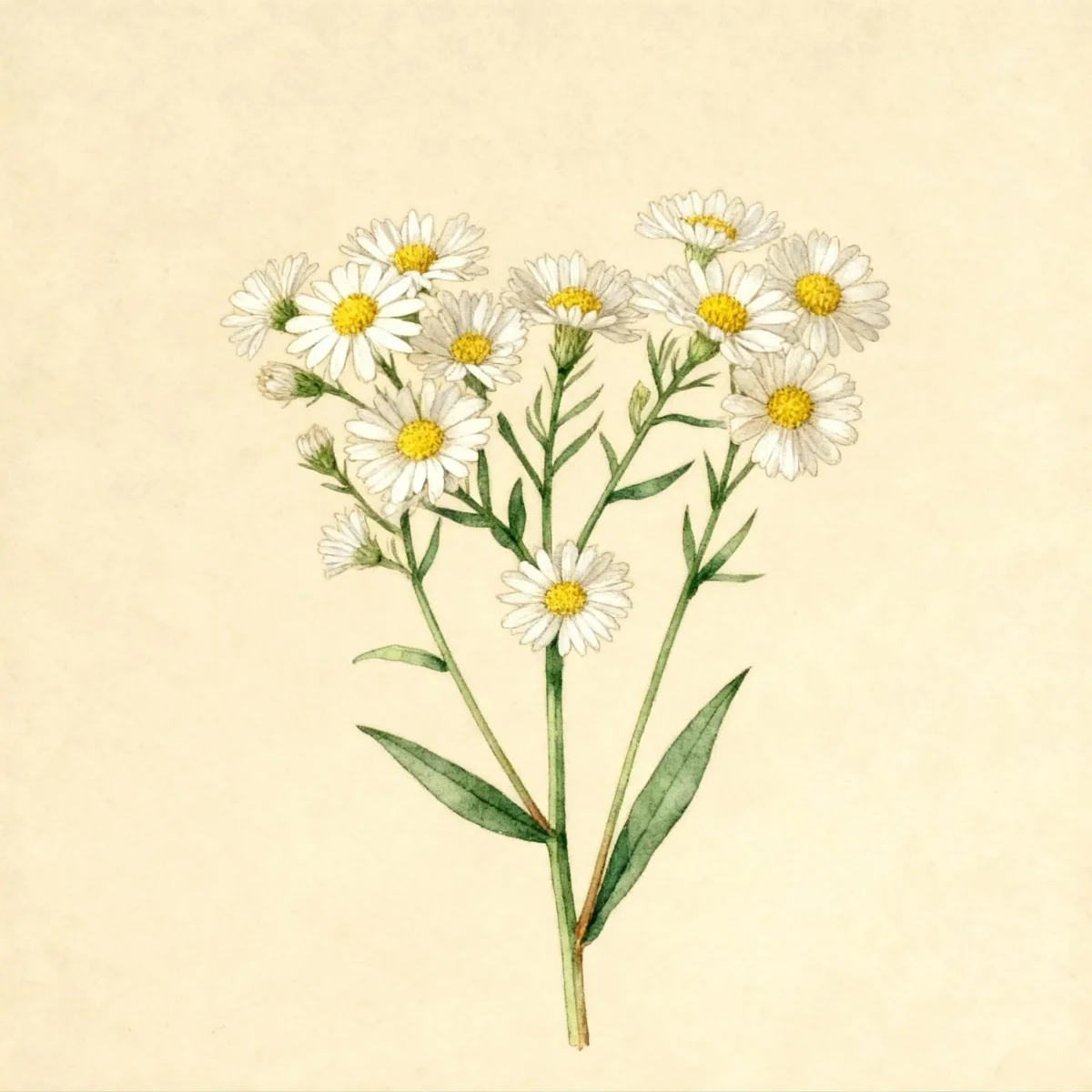
Heath aster (Symphyotrichum ericoides 'Blue Star')
Symphyotrichum ericoides 'Blue Star' (Heath aster) is a low-maintenance perennial offering profuse powdery blue late-season blooms for sunny, dry sites.
Scroll down to discover growing tips, care requirements, companion plants, and more
Complete Plant Information
Overview
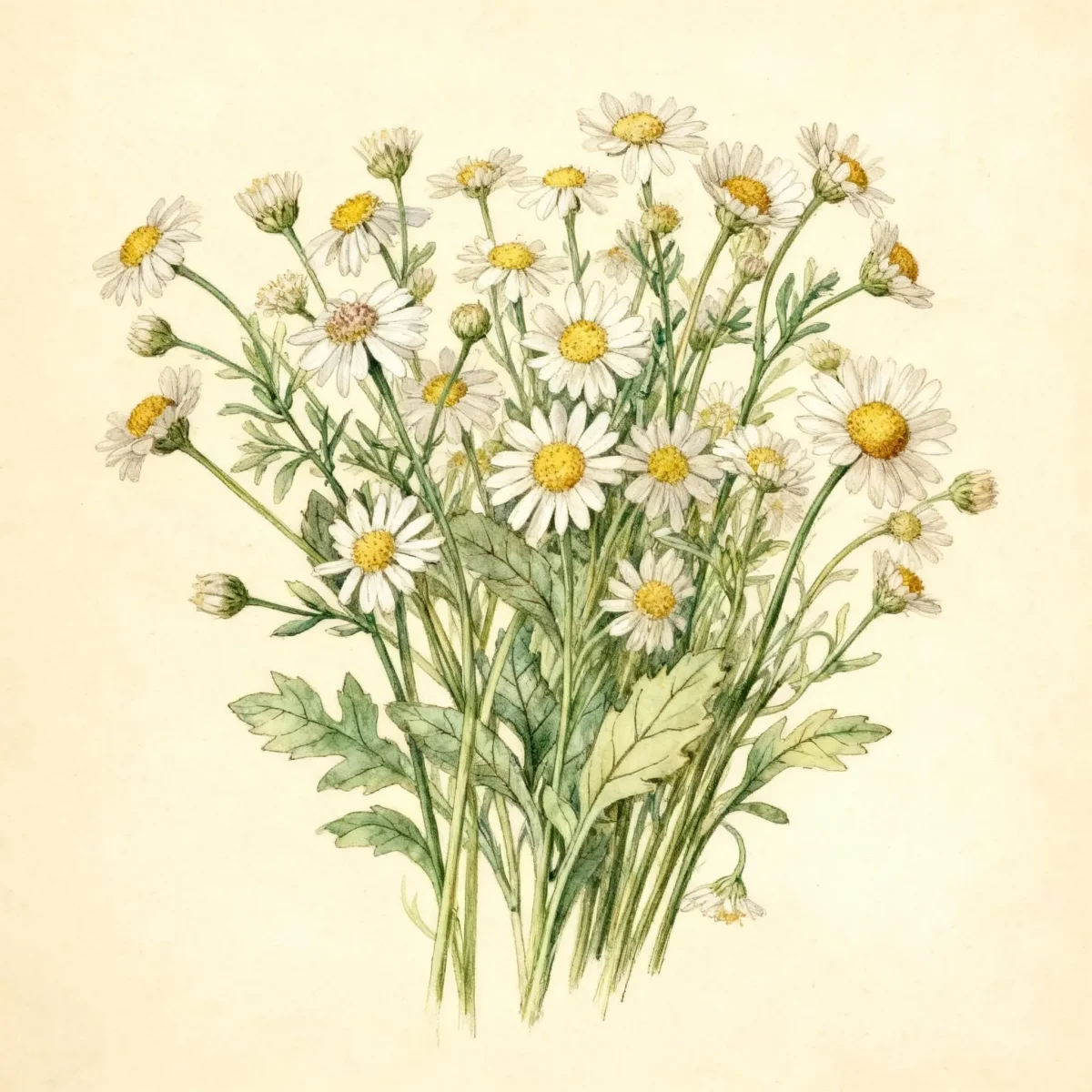
The Symphyotrichum ericoides ‘Blue Star’, commonly known as Heath aster, is a highly valuable, bushy herbaceous perennial celebrated for its spectacular late-season floral display. This cultivar stands out due to its abundance of small, daisy-like flowers featuring distinct powdery blue ray florets surrounding bright yellow centers, providing crucial late nectar sources. As a tough, low-maintenance native selection, it thrives where many garden plants struggle, making it an indispensable asset for sustainable landscapes.
This compact plant typically reaches 1 to 3 feet tall with a similar spread, forming attractive mounds of fine, rigid, heath-like foliage. The structure of Symphyotrichum ericoides ‘Blue Star’ lends itself well to mass plantings, offering texture even when not in bloom. Gardeners appreciate its resilience, as it tolerates poor, dry, or clay soils readily, requiring minimal intervention once established.
Whether used in native gardens or mixed borders, the Heath aster provides significant aesthetic appeal right up until the first hard frost. Its structure and tolerance make the Symphyotrichum ericoides ‘Blue Star’ a perfect choice for reliably filling late summer and early autumn gaps in the landscape design.
Fast Facts
- Plant Family: Asteraceae
- Plant Type: Herbaceous perennial
- Hardiness Zones: USDA Zones 3-9
- Size at Maturity:
- Height: 1-3 ft
- Spread: 1-3 ft
- Bloom Time: September to October
- Bloom Description: Powdery blue rays and yellow center disks
- Sun Exposure: Full sun
- Water Needs: Dry to medium
- Maintenance Level: Low
How to Grow
Planting Symphyotrichum ericoides ‘Blue Star’ should occur in the spring or early fall to allow time for root establishment before harsh weather extremes. Ensure the chosen location receives full sun, as adequate light is essential for preventing floppiness and promoting dense blooming. This perennial handles a wide range of soil textures, doing well in both sandy or clay matrices, provided the drainage is adequate, even if the natural soil is poor.
Maintenance for the Heath aster is decidedly low, fitting perfectly into drought-tolerant or low-input garden schemes. Watering should be consistent during the first season but becomes unnecessary once established, as the plant handles drought effectively. Fertilizing is generally not required; overly rich soil can actually lead to weaker stems.
Pruning is minimal. You can shear back the stems by about one-third in early spring before new growth begins to encourage a bushier habit. While resistant to mildew, staking might occasionally be necessary if the plant is sited in richer soil or shaded conditions; however, the cultivar ‘Blue Star’ tends toward compactness.
Landscape Uses
The profuse, late-season bloom offered by Symphyotrichum ericoides ‘Blue Star’ makes it an excellent anchor for the back or middle of perennial borders where sustained autumn color is desired. Its upright, sturdy habit prevents it from sprawling, integrating seamlessly near shorter ornamental grasses or contrasting well with broad-leafed sedums. For ecological design, this native selection is ideal for wildflower gardens or native plant restoration projects.
Consider using the Heath aster in rock gardens, leveraging its tolerance for shallow, dry, and rocky soil conditions where many other flowering plants fail to thrive. Due to its drought tolerance, it performs admirably in xeriscapes or naturalized areas along roadsides or banks needing erosion control, stabilizing soil while providing reliable splashes of blue color in early fall.
Standout Features
Flower Qualities
- Showy
- Good Cut
Noteworthy Characteristics
Symphyotrichum ericoides, commonly called heath aster, is a Missouri native plant that typically occurs in open rocky woods, prairies and along roads and railroads. This specific cultivar, ‘Blue Star’, is a bushy, somewhat compact plant with many-branched stems which typically grows 1’ to 3’ tall, bearing small, daisy-like flowers with powdery blue rays and yellow center disks. Distinctive leaves are narrow, rigid, linear and heath-like, giving the plant its common name.
Tolerances
- Drought
- Erosion
- Clay Soil
- Dry Soil
- Shallow-Rocky Soil
Potential Problems
Symphyotrichum ericoides ‘Blue Star’ is generally robust and displays no serious insect or disease problems; it is notably mildew resistant compared to some other asters. The primary management concern involves its structure, as dense growth, especially in rich soil, may occasionally necessitate staking to maintain an upright presentation throughout the bloom period. Adequate spacing and full sun exposure will mitigate this risk significantly.
Frequently Asked Questions
What hardiness zones is Heath aster suitable for?
Symphyotrichum ericoides ‘Blue Star’ is reliably hardy and appropriate for planting across USDA Zones 3 through 9.
How large does Symphyotrichum ericoides ‘Blue Star’ grow?
This herbaceous perennial typically achieves mature dimensions between 1 to 3 feet in both height and spread, maintaining a bushy, somewhat compact form.
When does Heath aster bloom?
The Heath aster provides its signature display from September into October, featuring its distinct powdery blue rays and yellow center disks.
What sun exposure does Symphyotrichum ericoides ‘Blue Star’ need?
For optimal health and the most profuse blooming, ensure this variety receives full sun exposure throughout the growing season.
Conclusion
The combination of easy cultivation, extreme resilience to poor soils, and its late-season burst of blue flowers makes the Symphyotrichum ericoides ‘Blue Star’ an indispensable plant for late summer interest. This reliably low-maintenance Heath aster supports pollinators right before winter sets in. Ensure you check your local USDA hardiness zone compatibility, and plan to plant this tough perennial in the sunniest, driest spot you have available.
Companion Planting
Companion planting with Heath aster is straightforward due to its preferred dry, sunny conditions and late bloom time. Pair it with summer-blooming prairie natives that fade as fall nears, such as Rudbeckia species or Coreopsis varieties, allowing the aster to take over the color display successfully. For textural contrast, grasses like Little Bluestem (Schizachyrium scoparium) or Prairie Dropseed (Sporobolus heterolepis) complement the fine texture of the Symphyotrichum ericoides ‘Blue Star’ elegantly.
Wildlife Benefits
A key benefit of planting Symphyotrichum ericoides ‘Blue Star’ is its exceptional value to late-season wildlife. As many primary nectar sources diminish, this robust aster provides crucial fuel for migrating butterflies and late-season bees. Its dense flower sprays are highly visible targets, ensuring pollinators find rich stores of pollen and nectar when it is most needed for overwintering preparation.