Pond cypress (Taxodium distichum var. imbricarium)
Discover Pond cypress (Taxodium distichum var. imbricarium), a low-maintenance deciduous conifer perfect for wet soils in USDA Zones 5-9.
Scroll down to discover growing tips, care requirements, companion plants, and more
Complete Plant Information
Overview
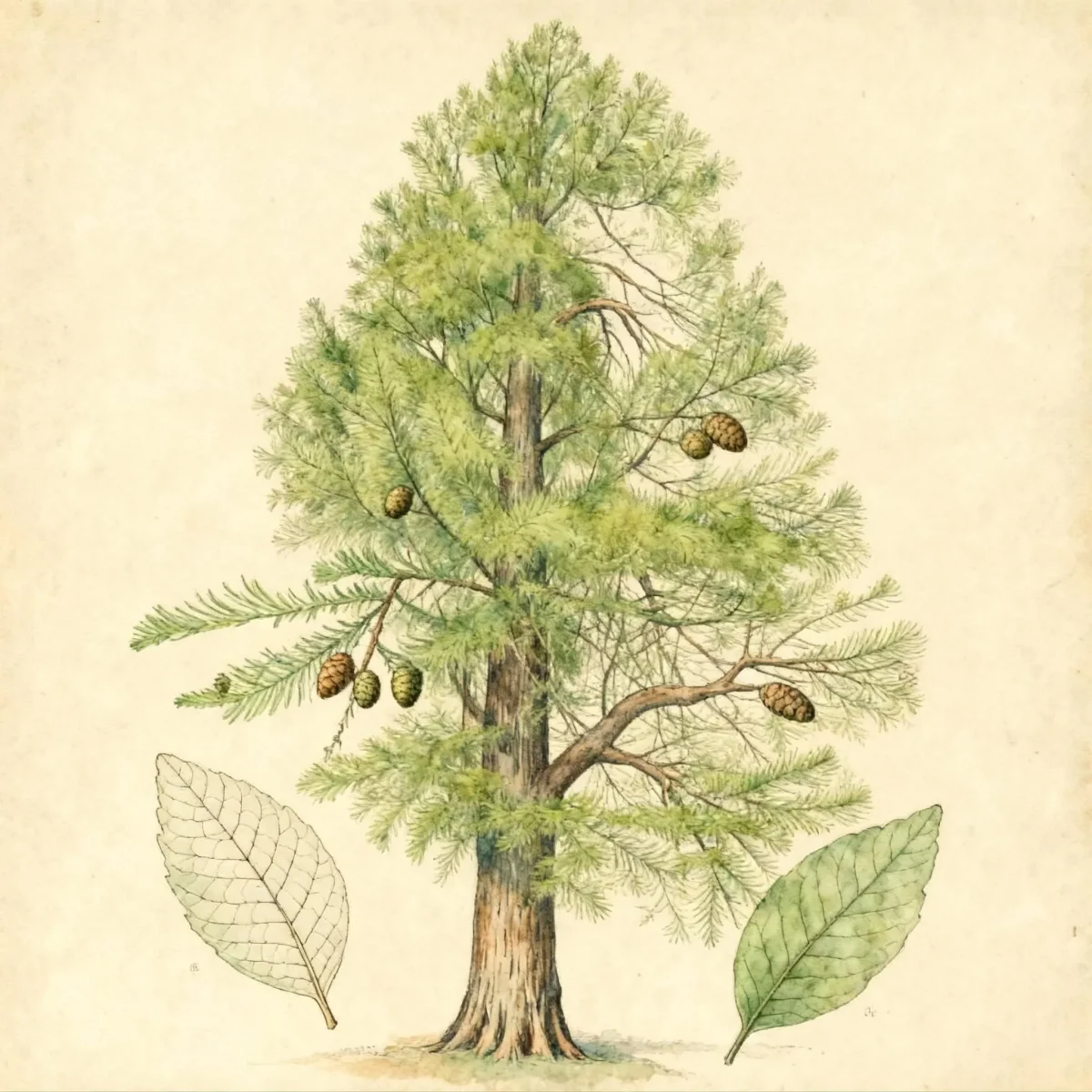
The Pond cypress, scientifically known as Taxodium distichum var. imbricarium, is a striking deciduous conifer invaluable for challenging, damp landscapes. This variety is highly valued for its ability to thrive where many other ornamental trees would fail, particularly in areas with consistently moist or wet soils adjacent to water features. Distinguished from the common bald cypress (Taxodium distichum), the pond cypress generally maintains a slightly smaller and narrower stature.
Native to the coastal plain of the Southeastern United States, Taxodium distichum var. Imbricarium offers important seasonal texture changes, turning eye-catching orange-brown before dropping its awl-like, deciduous leaves in autumn. Its low maintenance requirements and resilience make it a perfect choice for naturalized settings or large rain garden installations.
Gardeners seeking substantial vertical interest that can handle soggy conditions should strongly consider introducing the Pond cypress into their landscape plan. It provides excellent structure year-round, offering year-round silhouette interest even after leaf drop.
Fast Facts
- Plant Family: Cupressaceae
- Plant Type: Tree
- Native Range: Southeastern United States
- Hardiness Zones: USDA Zones 5-9
- Size at Maturity:
- Height: 30-70 ft
- Spread: 15-20 ft
- Bloom Time: Non-flowering
- Bloom Description: Non-flowering
- Sun Exposure: Full sun
- Water Needs: Medium to wet
- Maintenance Level: Low
How to Grow
Plant Taxodium distichum var. imbricarium during the cooler seasons—spring or fall—to allow it to establish roots before summer heat stress. It thrives best in average, moisture-retentive soils, showing a particular preference for moist, acidic, and sandy conditions. However, its adaptability means it tolerates a wide range of soil types, even managing wet soils with some standing water, making it a superior choice for boggy areas.
Watering requirements are straightforward; ensure the designated area remains consistently moist, especially for young specimens. Once established, the natural habitat of the Pond cypress suggests it requires little supplemental watering unless a prolonged drought occurs, as it is adapted to fluctuating moisture levels. Fertilization is generally unnecessary for a healthy tree established in its preferred environment.
Pruning is minimal, focusing mainly on removing dead or damaged wood for safety or aesthetics. Unlike many conifers, Taxodium distichum var. Imbricarium is naturally resistant to many common pest and disease issues when sited correctly. Avoid planting in extremely dry, high-and-dry locations, as this is where the tree will struggle the most, deviating from its preferred wet habitat.
Landscape Uses
The primary strength of the Pond cypress lies in its ability to manage and accent wet areas of the landscape. It serves as an excellent specimen tree in low spots where water tends to accumulate after heavy rains, effectively integrating this drainage issue into the design. Utilizing the Pond cypress in a rain garden design helps slow and filter runoff naturally.
For larger properties, groupings of Taxodium distichum var. imbricarium along the margins of ponds or stream banks offer a beautiful, naturalistic screen or backdrop. Because it is a large, upright structure, pair it with lower-growing, moisture-loving companions like irises, ferns, or moisture-tolerant shrubs that benefit from partial shade cast by the tree’s mature canopy. This choice eliminates the need to find aesthetically pleasing solutions for persistent wet soil saturation.
Standout Features
Noteworthy Characteristics
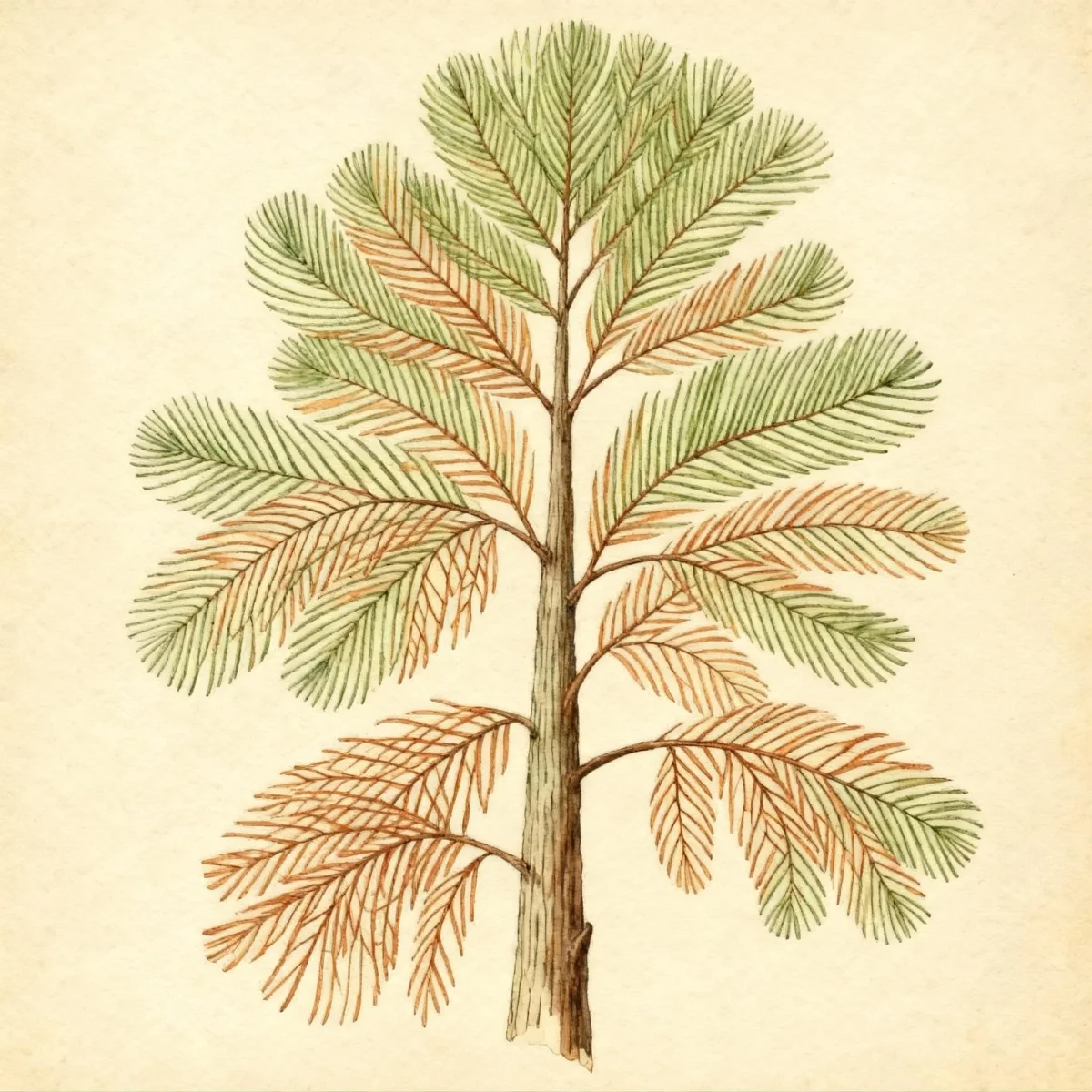
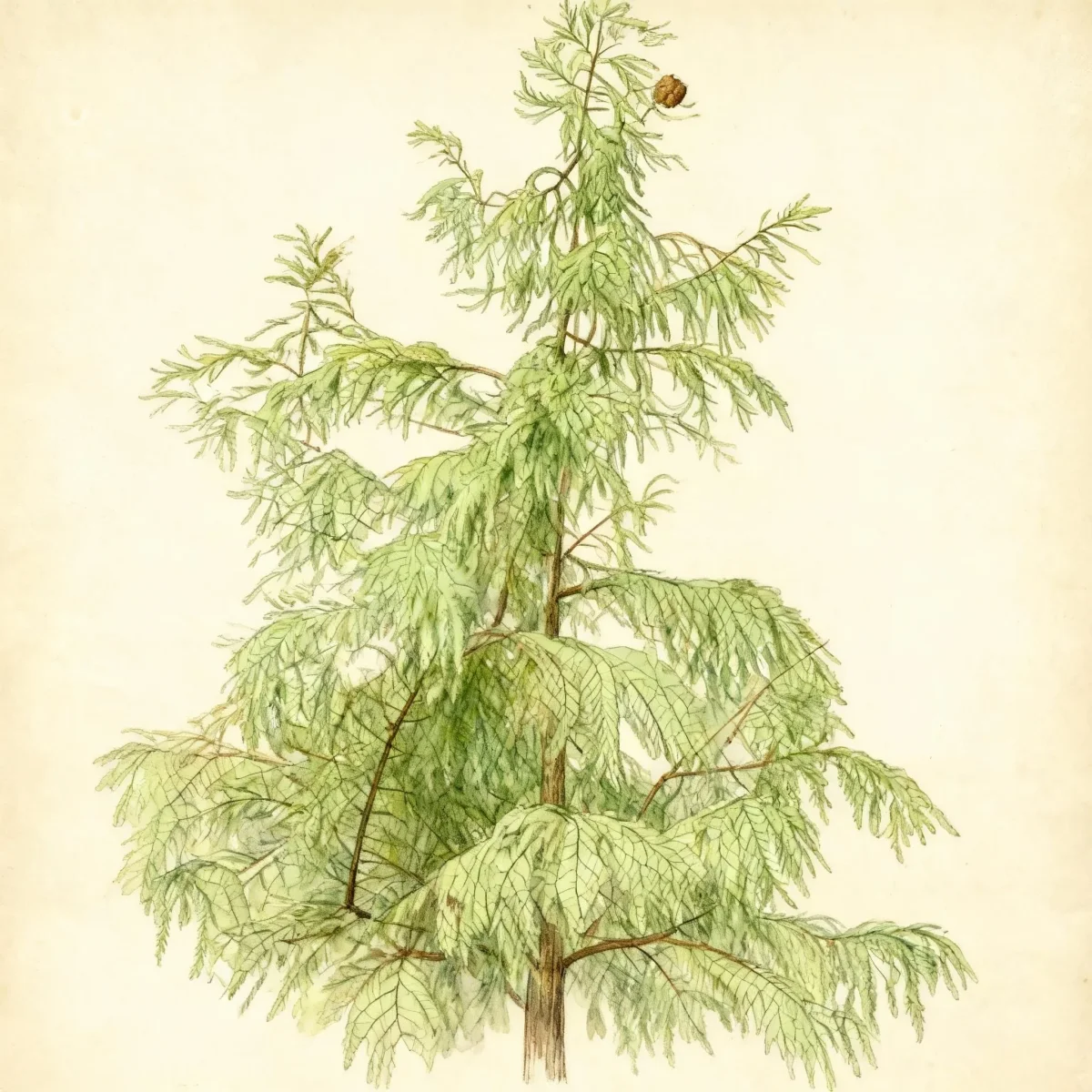
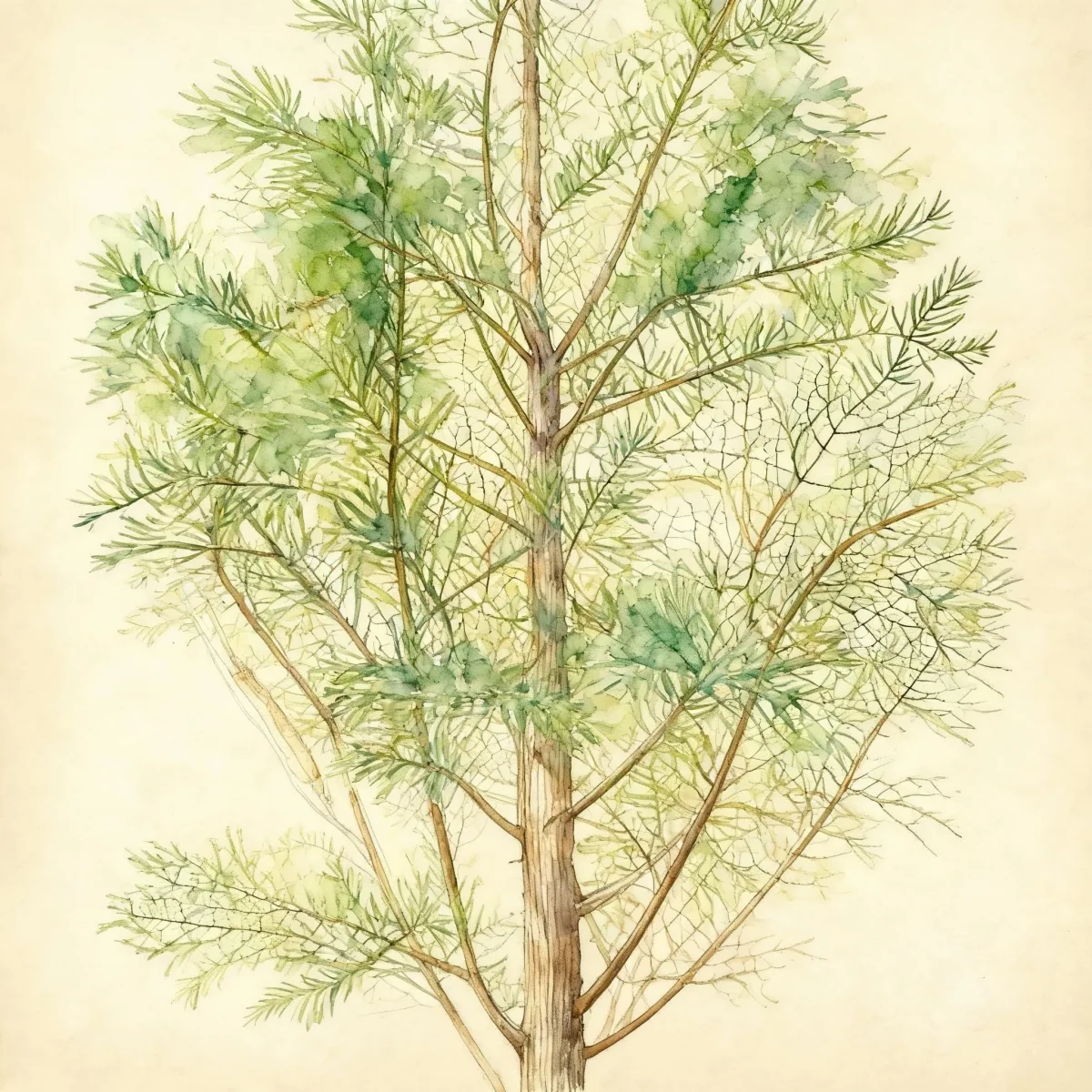
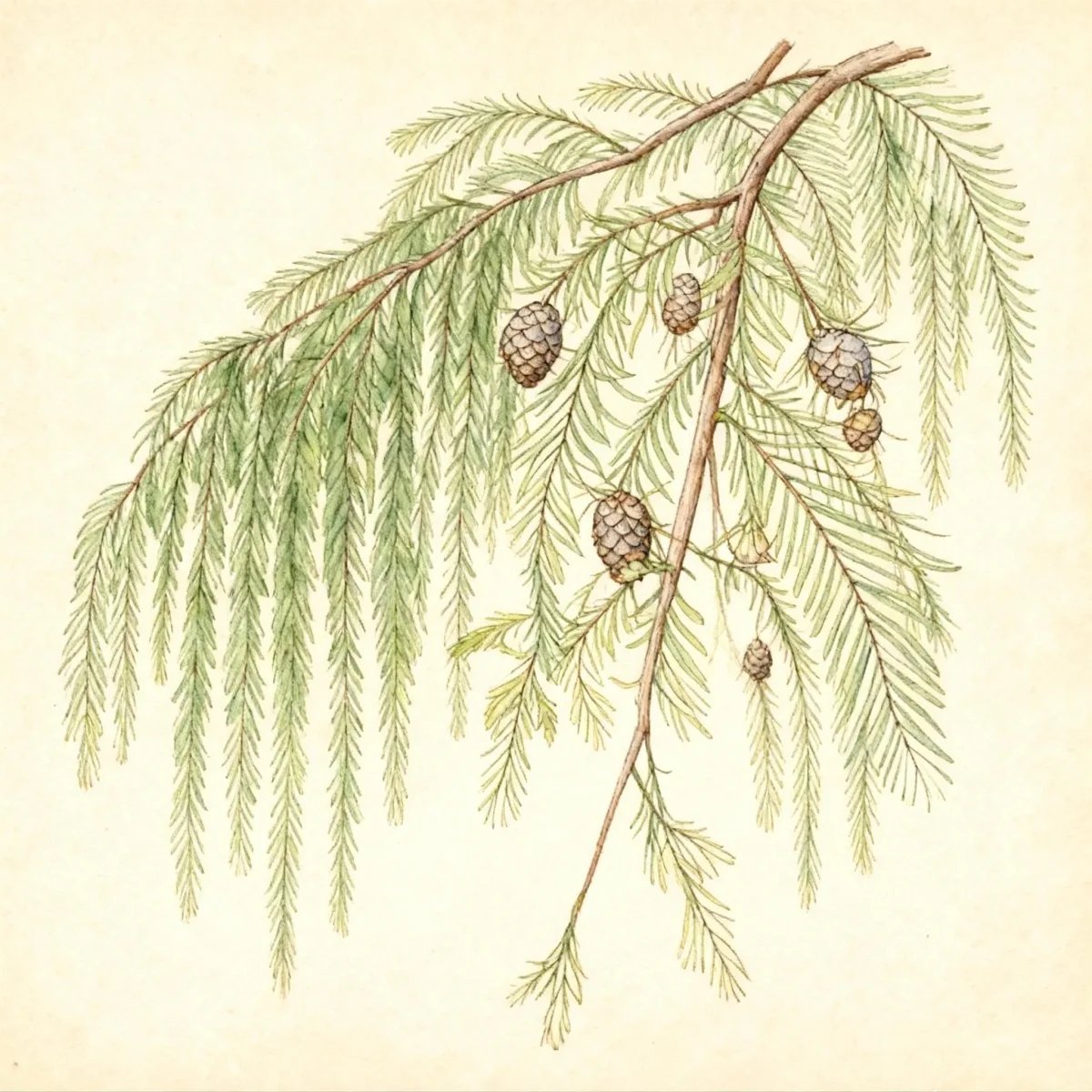
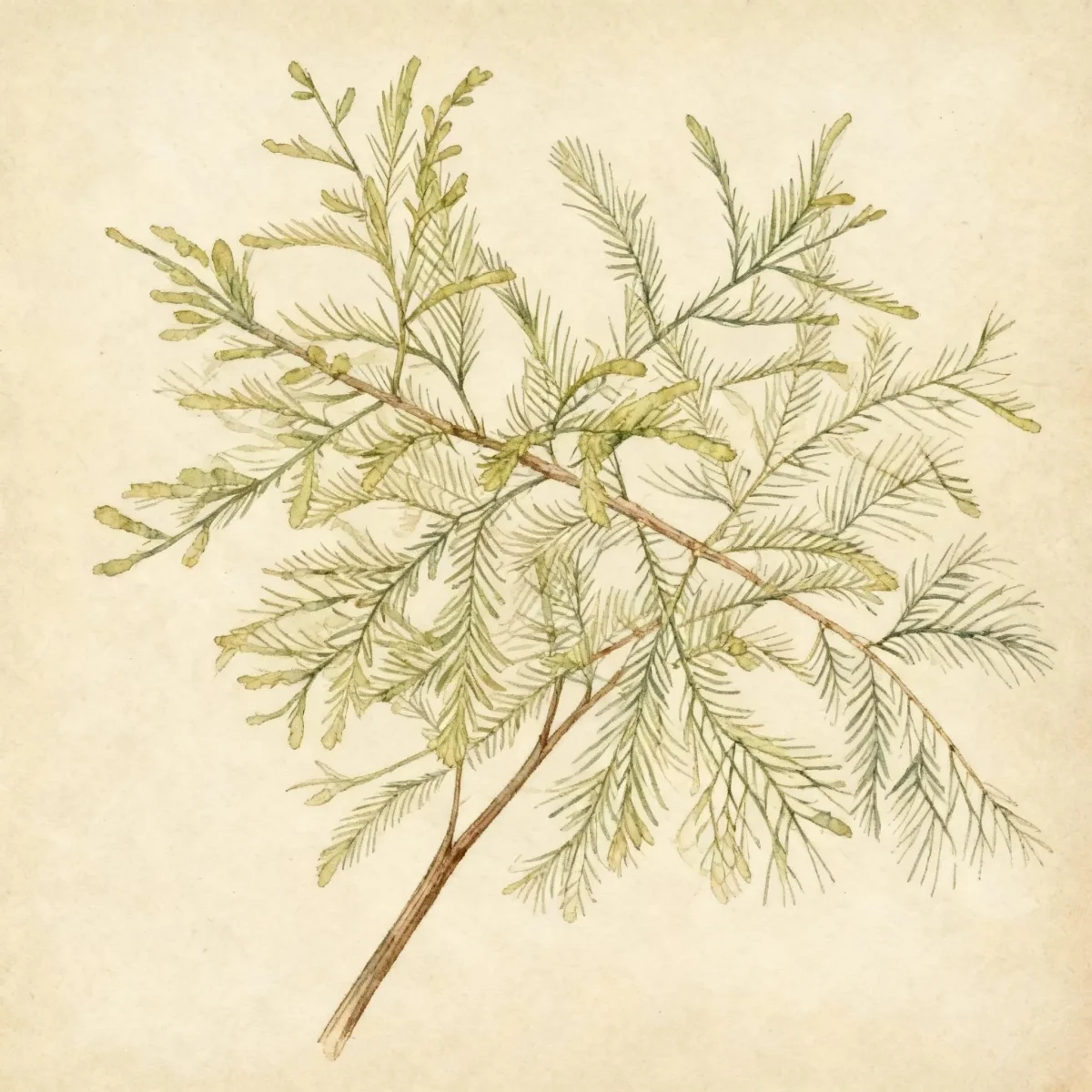
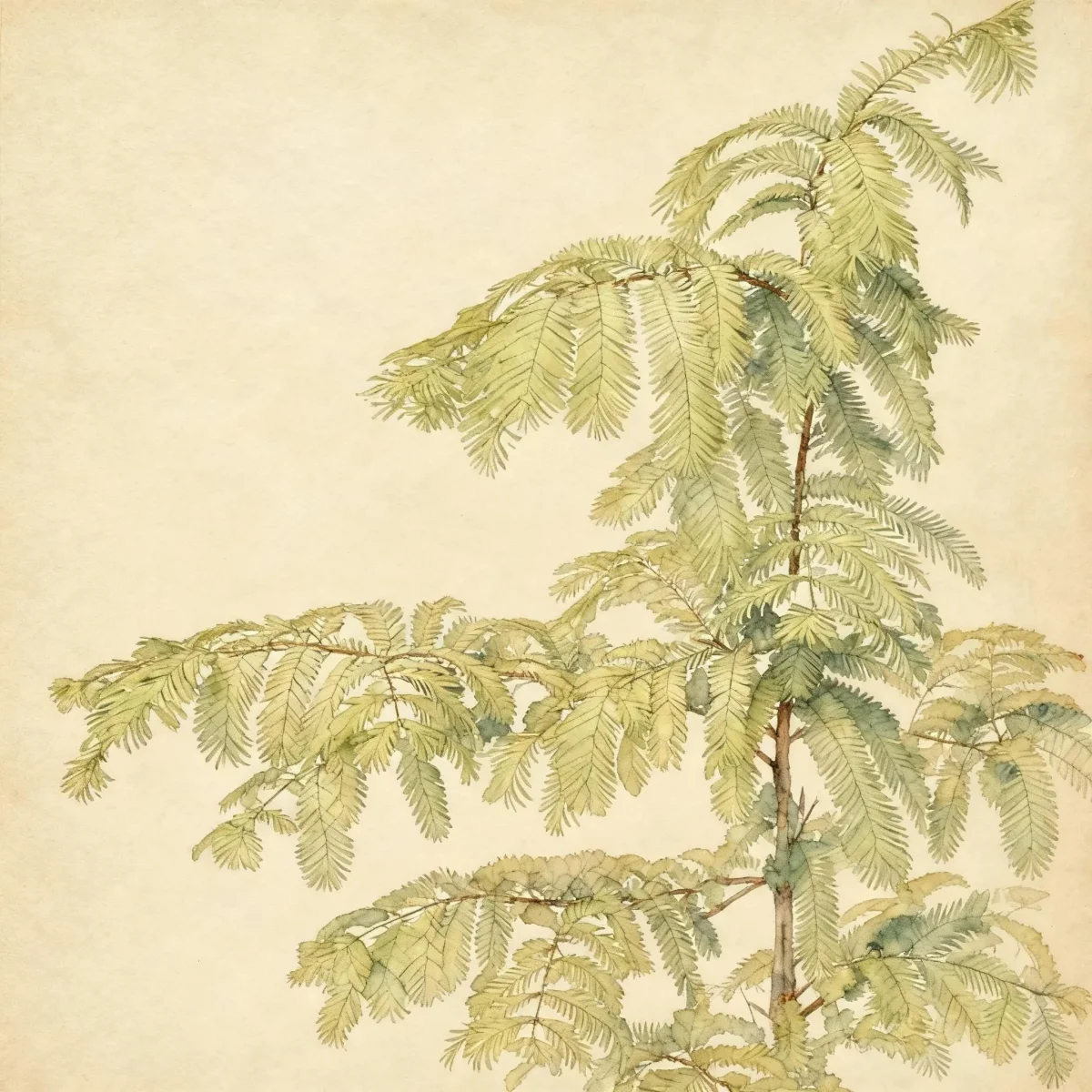
Taxodium distichum var. Imbricarium, commonly called pond cypress, is a deciduous conifer that is native to the coastal plain from Virginia to Florida to Louisiana. It is most often found on the peripheries of ponds and lakes, hence the common name. It is very similar in form and habit to the common bald cypress (Taxodium distichum). Moreover, the two trees share some of the same indigenous areas and reportedly will hybridize in the wild. Pond cypress is generally a smaller and narrower tree, typically rising to 30-70’ tall. Young trees have cylindrical crowns, but older trees develop more flattened irregular crowns. Bark is gray-brown to red-brown. Horizontal to ascending branching. Awl-like, appressed, deciduous leaves are spirally arranged. Foliage turns orange-brown in fall. In comparison to bald cypress, pond cypress trees (1) are somewhat smaller; (2) have appressed, spirally arranged leaves, (3) have root knees that are more rounded, and (4) usually grow on pond margins as opposed to in the water. Some experts consider pond cypress to be a different species, namely T. Ascendens. Also commonly called dwarf cypress or hat-rack cypress.
Tolerances
- Deer
- Clay Soil
- Wet Soil
- Air Pollution
Potential Problems
Healthy, well-maintained trees in the proper growing conditions usually have few problems. The biggest threat to the Pond cypress is improper site selection, namely planting it in dry, well-drained upland soils where it will struggle to achieve its mature size and vigor. Root rot can occur if the soil is only poorly drained intermittently, rather than consistently wet, but Taxodium distichum var. imbricarium is highly adapted to saturated conditions. Ensure excellent air circulation around the crown to minimize potential fungal issues that thrive in dense, humid conditions.
Frequently Asked Questions
What hardiness zones is Pond cypress suitable for?
The Pond cypress (Taxodium distichum var. imbricarium) is reliably hardy in USDA Zones 5 through 9.
How large does Taxodium distichum var. imbricarium grow?
This impressive tree typically reaches mature heights between 30 and 70 feet, with a spread of 15 to 20 feet wide.
What sun exposure does Pond cypress need?
Taxodium distichum var. Imbricarium requires full sun exposure to develop properly and maintain its dense structure.
When does Taxodium distichum var. imbricarium bloom?
This conifer is categorized as non-flowering.
Conclusion
The Taxodium distichum var. imbricarium offers gardeners a magnificent, resilient structure uniquely suited for managing saturated soils in USDA Zones 5-9. As a low-maintenance feature, the Pond cypress delivers excellent visual impact, especially with its seasonal foliage color shifts. Before installation, confirm your site provides the medium to wet conditions necessary for this impressive native tree to thrive.
Companion Planting for Wet Soils
Selecting suitable companions is key when planting Taxodium distichum var. imbricarium in low spots. Focus on bog and wetland natives that share its cultural requirements for moisture and tolerate similar light levels. Good aesthetic partners include various moisture-loving ferns, such as Cinnamon Fern (Osmundastrum cinnamomeum), which contrasts nicely with the cypress’s needle-like foliage.
Another excellent pairing involves deep-rooted, moisture-tolerant shrubs like Swamp Rose (Rosa palustris) or buttonbush (Cephalanthus occidentalis). These plants provide necessary foreground structure around the base of the taller Pond cypress, enhancing the naturalistic, waterside ecosystem you are creating. Ensure they do not compete aggressively with the established root zone of the tree.
Seasonal Care Calendar
Spring cleanup involves raking away dormant debris once leaf tissue has dropped and new growth begins to emerge on the Taxodium distichum var. imbricarium. This is the best time to assess tree health before the active growing season kicks in. If growth seems stunted due to extremely poor soil quality, a light application of a slow-release fertilizer balanced for acid-loving plants can be beneficial, though usually unnecessary.
Summer maintenance for established Pond cypress is primarily observational, focusing on checking water availability during dry spells—though this tree is durable, extreme stress should be avoided. In the fall, enjoy the transition as the deciduous needles turn a handsome orange-brown hue. Winter preparation is minimal; prune any broken branches caused by ice or wind immediately when safely accessible, but structural pruning should be avoided during deep freezes.