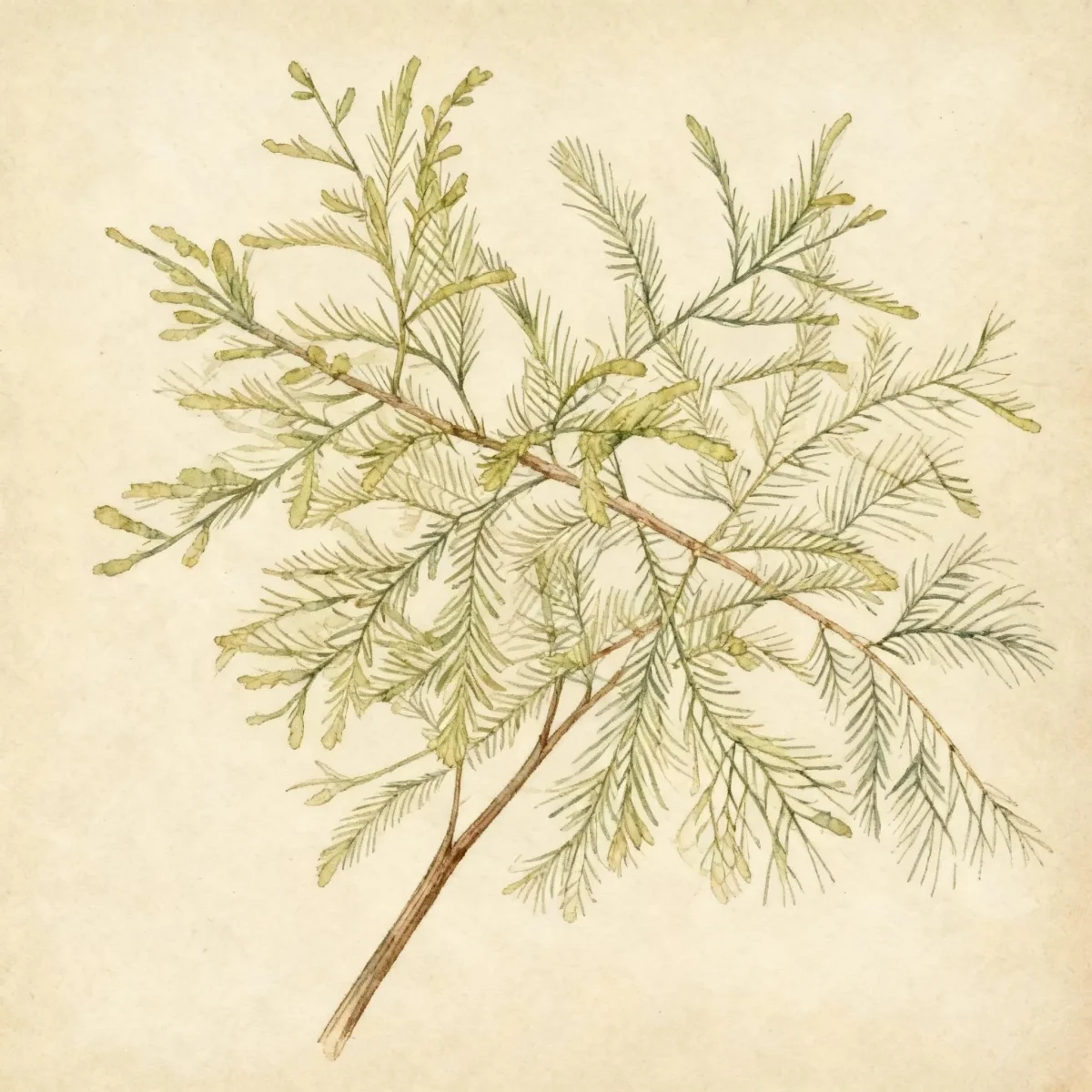
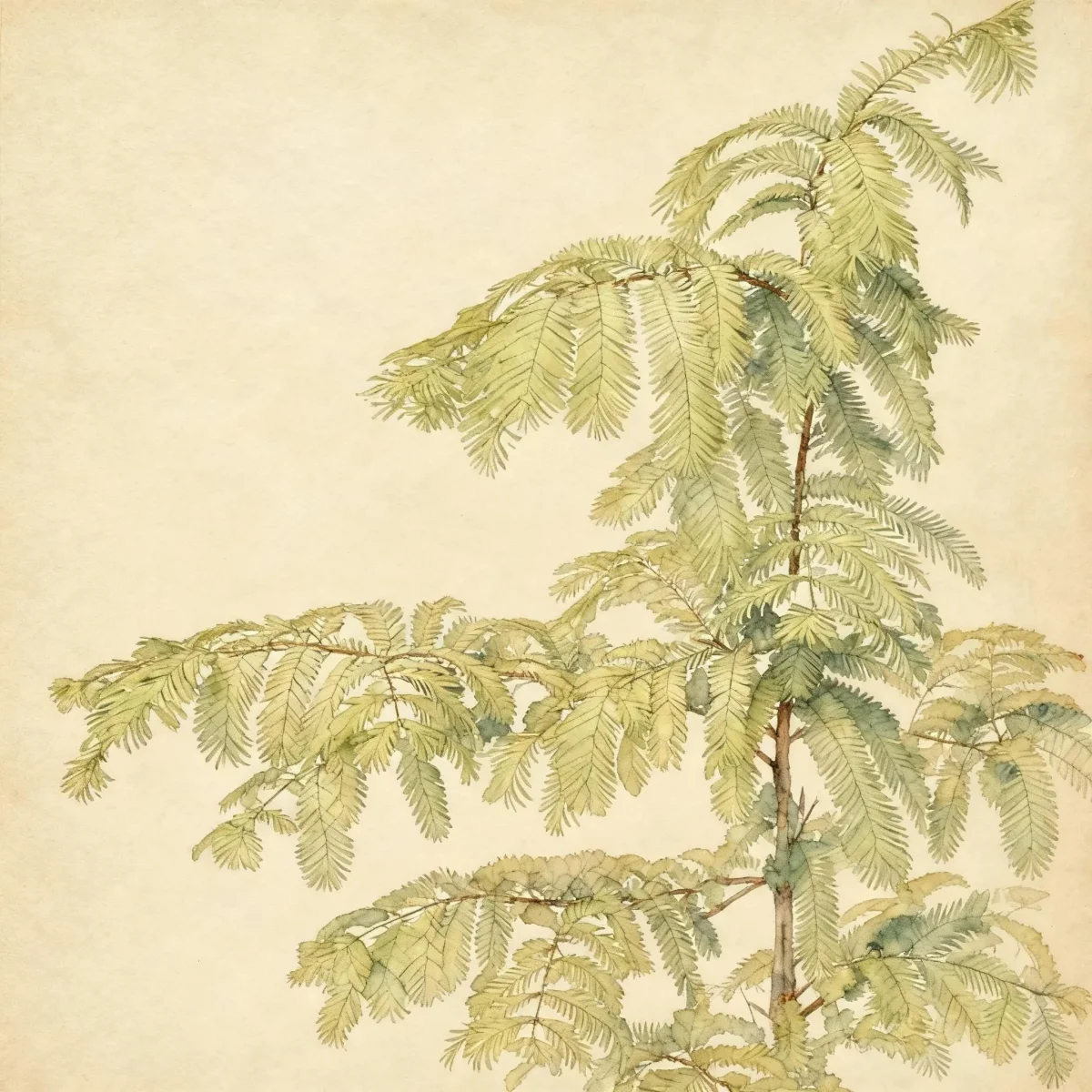
Pond cypress (Taxodium distichum var. imbricarium 'Nutans')
Pond cypress, Taxodium distichum var. imbricarium 'Nutans', is a narrow, graceful conifer ideal for wet sites, offering low maintenance beauty in USDA Zones 5-9.
Scroll down to discover growing tips, care requirements, companion plants, and more
Complete Plant Information
Overview
The Pond cypress (Taxodium distichum var. imbricarium ‘Nutans’) is a striking deciduous conifer celebrated for its elegant, narrow habit and tolerance for moist conditions. This cultivar, sometimes known as weeping pond cypress, provides excellent vertical accent in the landscape where many trees struggle due to saturated soils. It shares ancestry with the common bald cypress but often maintains a more compact and upright form.
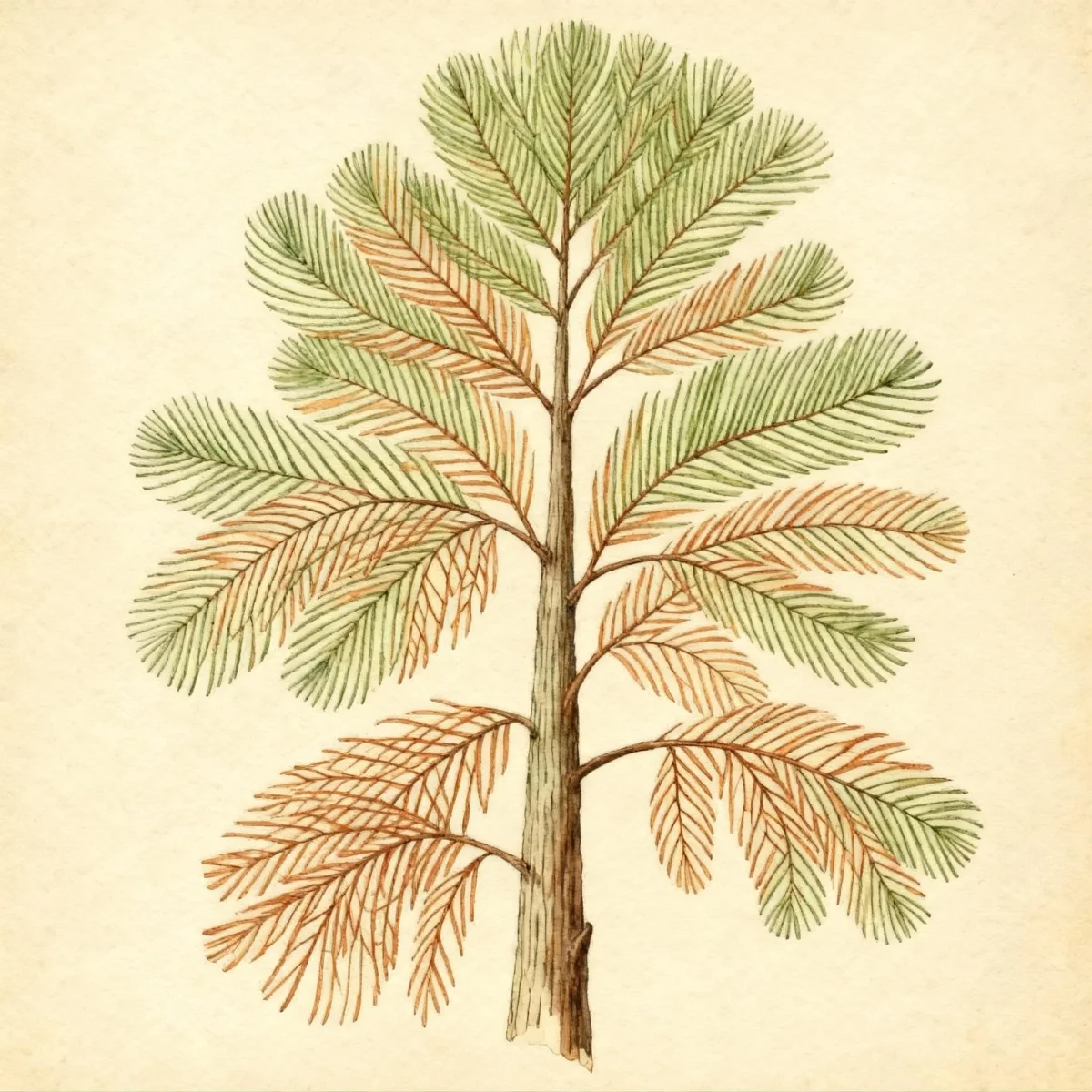
Native primarily to the coastal plains from Virginia through Louisiana, Taxodium distichum var. imbricarium ‘Nutans’ thrives near pond margins and in areas prone to periodic flooding. Its awl-like, spirally arranged leaves provide soft texture, turning an appealing orange-brown hue before dropping in the autumn, typical of deciduous conifers.
For gardeners seeking low-maintenance specimen plants suited for difficult, wet locales, the Pond cypress offers a superb solution. Its ability to handle clay and poor drainage makes it invaluable, particularly when considering sustainable landscape designs like rain gardens.
Fast Facts
- Plant Family: Cupressaceae
- Plant Type: Tree
- Hardiness Zones: USDA Zones 5-9
- Size at Maturity:
- Height: 30-70 ft
- Spread: 15-20 ft
- Bloom Time: Non-flowering
- Bloom Description: Non-flowering
- Sun Exposure: Full sun
- Water Needs: Medium to wet
- Maintenance Level: Low
How to Grow
The Taxodium distichum var. imbricarium ‘Nutans’ performs best when planted in full sun, which ensures dense foliage and good fall color development. Ideal cultural conditions involve average, moisture-retentive soils, though the species is remarkably adaptive. It actively prefers consistently moist, even wet, acidic, sandy soils, and tolerates areas with some standing water, making it perfect for low spots.
Planting should occur when the tree is dormant, typically in late fall or early spring. Site selection should account for its mature size; while narrower than its cousins, it still easily reaches 70 feet tall. Minimal soil preparation is required beyond ensuring the root ball is adequately hydrated before backfilling the planting hole.
Maintenance for the Pond cypress is generally low once established. Supplemental irrigation is usually unnecessary, especially if planted in its preferred wet environment. Pruning is rarely required, focusing only on removing obviously damaged or dead branches to maintain the weeping habit of the cultivar. Mulching helps retain soil moisture consistency, which benefits the tree throughout the growing season.
Landscape Uses
The primary aesthetic role for Taxodium distichum var. imbricarium ‘Nutans’ is as a dramatic specimen tree, highlighting its naturally narrow, pendulous branching structure. Due to its affinity for water, it is an indispensable component of rain gardens, where it effectively manages stormwater runoff while providing vertical interest. It thrives near the edges of constructed or natural ponds, streams, or retention basins.
Avoid placing this tree in perfectly dry, elevated locations if you desire its fastest growth rate, though it will tolerate average garden soils. When massed along a water feature, the collective texture of the weeping foliage creates a softer, more unified screen than many other upright evergreens. It pairs well with moisture-loving broadleaf shrubs like Swamp Rose or native ferns that enjoy similar wet feet.
Standout Features
Noteworthy Characteristics
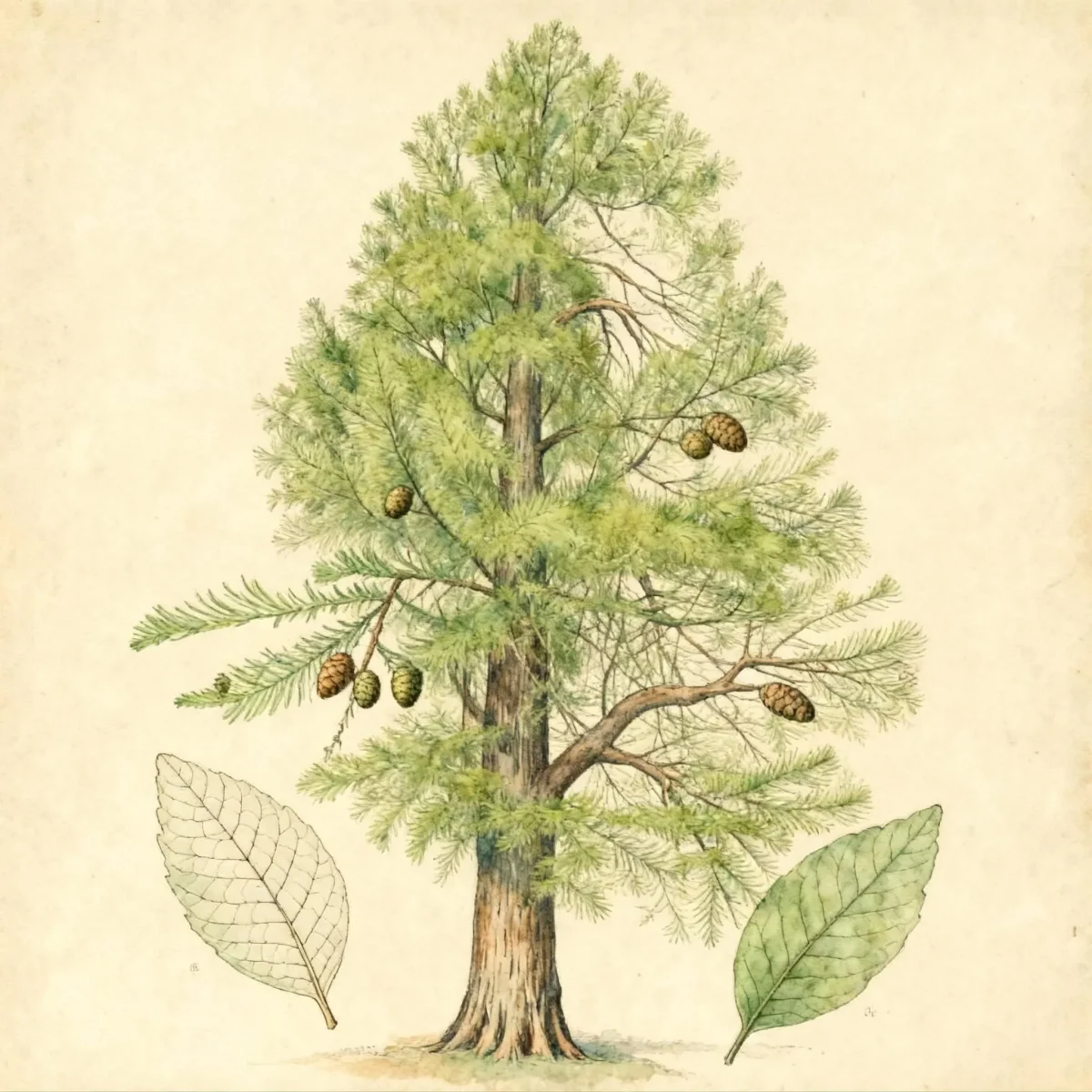
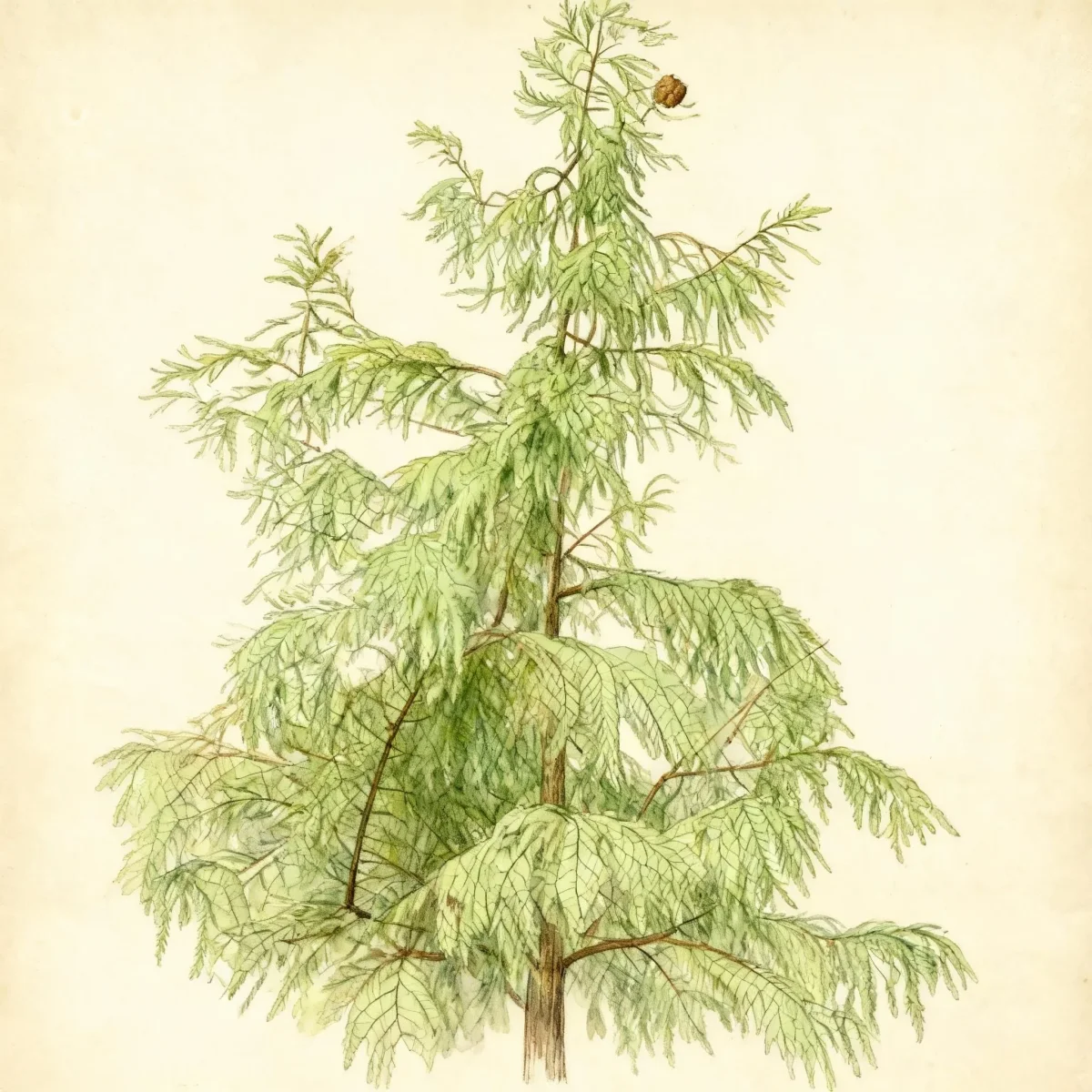
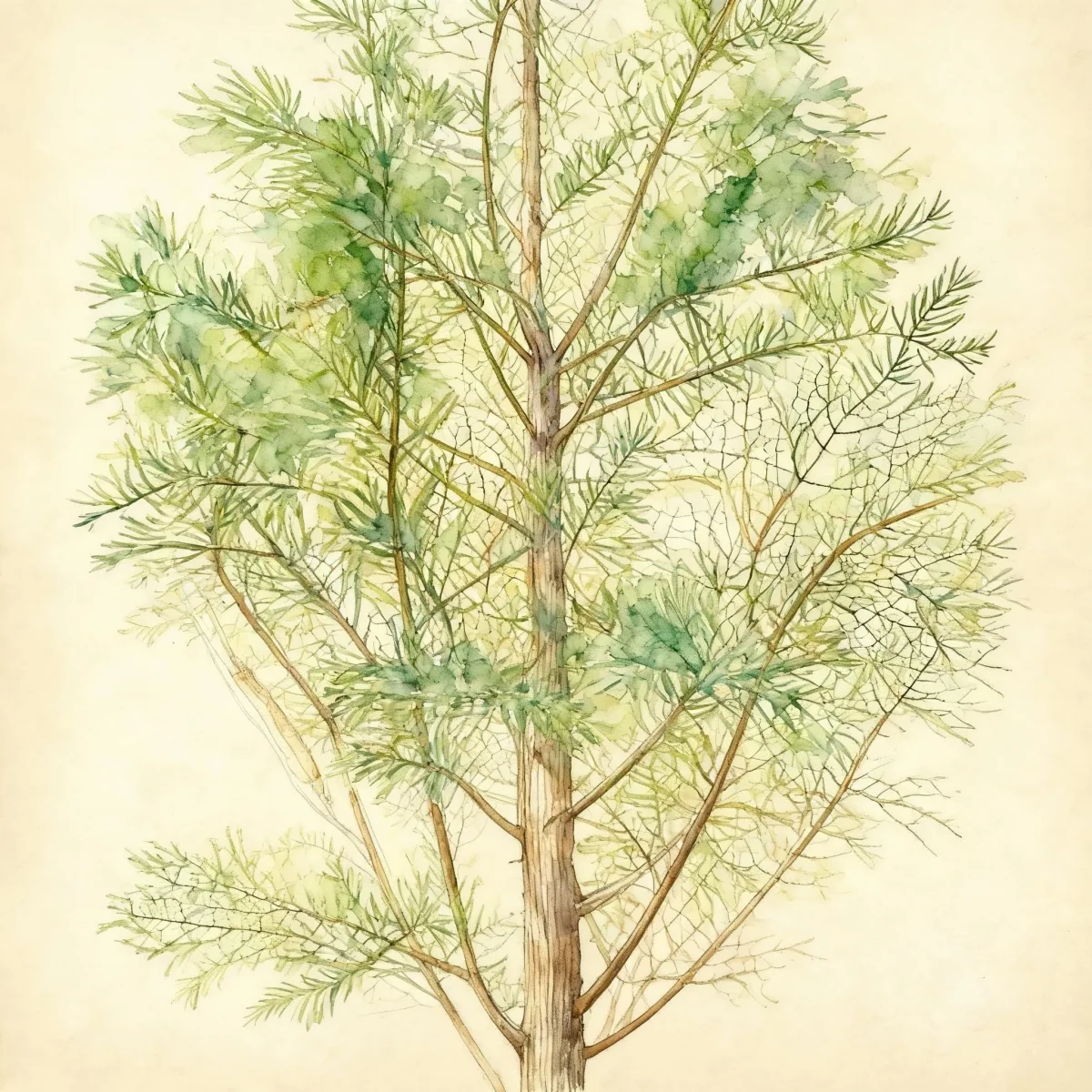
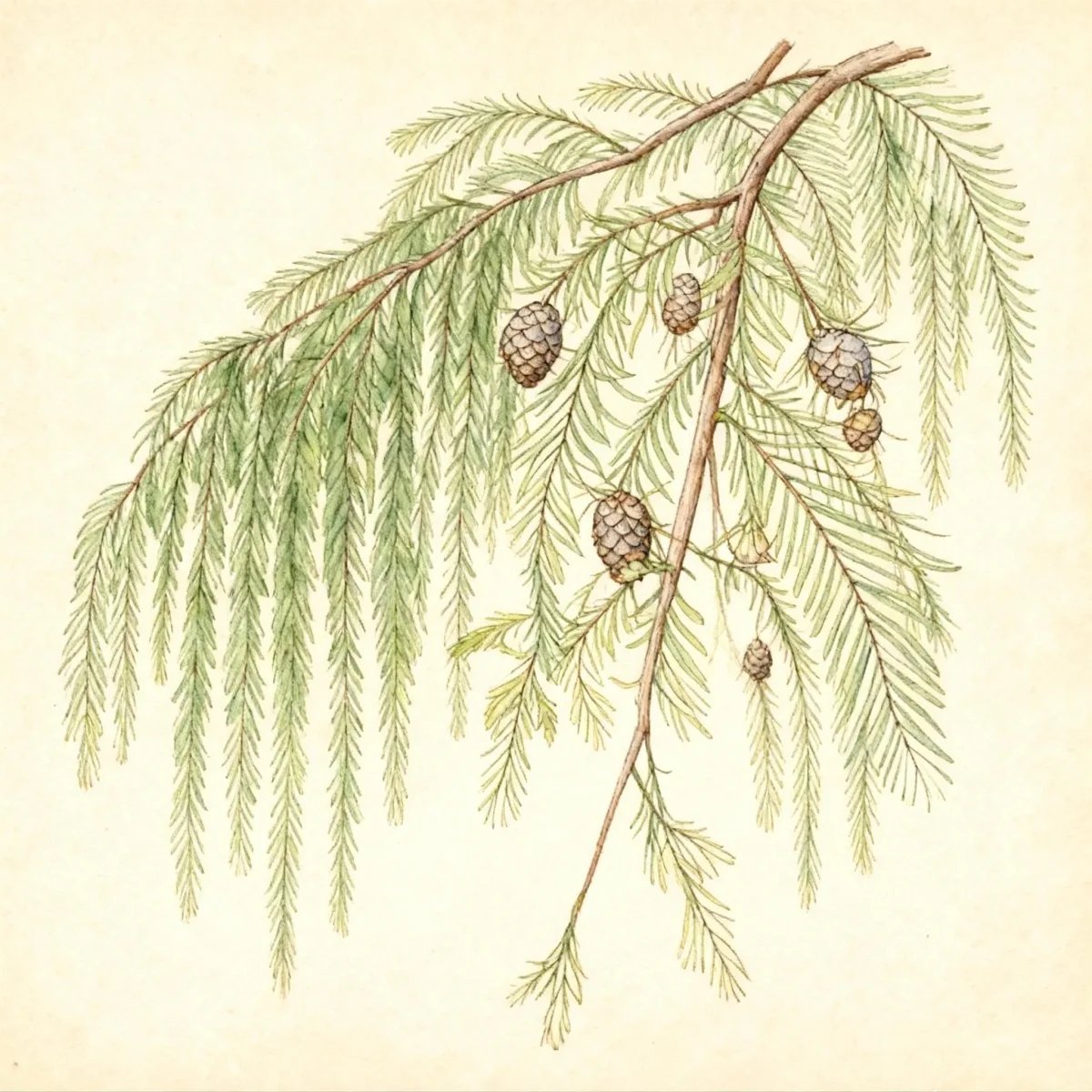
Taxodium distichum var. Imbricarium, commonly called pond cypress, is a deciduous conifer that is native to the coastal plain from Virginia to Florida to Louisiana. It is most often found on the peripheries of ponds and lakes, hence the common name. It is very similar in form and habit to the common bald cypress (Taxodium distichum). ‘Nutans’, sometimes commonly called weeping pond cypress or pendant pond cypress, is a narrow conical cultivar that typically grows to 30-70’ tall over time and features very short, horizontal branching with drooping branchlets. Linear, needle-like, soft green leaves turn orange-brown in fall.
Tolerances
- Deer
- Clay Soil
- Air Pollution
Potential Problems
Healthy, well-maintained Pond cypress trees in the proper growing conditions usually have few significant pest or disease problems. Because this Taxodium distichum var. imbricarium ‘Nutans’ variety prefers saturated soil, the biggest potential issue arises if it is planted in an area with heavy, slow-draining soil that remains overly dry. Ensure adequate moisture, especially during establishment, but resist the urge to fertilize heavily, which can promote weak, rapid growth susceptible to wind damage.
Frequently Asked Questions
What hardiness zones is Pond cypress suitable for?
Pond cypress, Taxodium distichum var. imbricarium ‘Nutans’, is suitable for USDA Hardiness Zones 5 through 9.
How large does Taxodium distichum var. imbricarium ‘Nutans’ grow?
This cultivar typically reaches a mature height range of 30 to 70 feet, with a relatively narrow spread of 15 to 20 feet.
What sun exposure does Pond cypress need?
This tree requires full sun exposure to develop optimally.
When does Pond cypress bloom?
Pond cypress is a non-flowering conifer, meaning it does not produce noticeable flowers or fruit clusters.
Conclusion
The Pond cypress (Taxodium distichum var. imbricarium ‘Nutans’) is a valuable, low-maintenance conifer distinguished by its weeping form and exceptional ability to thrive in wet depressions or constructed rain gardens. Its tolerance for clay soil and air pollution further enhances its usability in challenging urban or suburban settings. Before planting, confirm that your site receives full sun and that moisture levels are medium to wet to ensure the long-term success of your Taxodium distichum var. Imbricarium ‘Nutans’.
Companion Planting for Wet Soils
When integrating the Pond cypress into a water-wise or wetland landscape, selecting companions that share its love for abundant moisture is key. Consider planting moisture-loving shrubs around the perimeter of the planting zone to help transition from the wet edge to drier upland areas gradually. Good evergreen companions include Southern Wax Myrtle (Myrica cerifera) or certain cultivars of Inkberry Holly (Ilex glabra), which provide year-round structure beneath the deciduous canopy of the cypress.
For ground cover and textural contrast in the wetter areas immediately surrounding the base of the Taxodium distichum var. imbricarium ‘Nutans’, native grasses and sedges are excellent choices. Species such as Blue Flag Iris or various types of rushes can soften the base transition zone. These options allow the weeping branchlets of the Pond cypress to drape attractively over adjacent plantings without competition for resources in the wet zone.
Seasonal Care Calendar
Early spring is the ideal time to prepare planting sites for Pond cypress establishment. Check that no winter soil compaction has occurred and amend heavy sites slightly with compost if necessary, although excessive amendment is usually discouraged for water-loving trees. Keep the area consistently moist as the new season’s foliage emerges.
Summer care focuses almost entirely on monitoring during dry spells—a rare occurrence for this species. If the area dries out significantly, provide deep, slow watering. Since maintenance is otherwise low, summer is the best time to appreciate the mature form of the Pond cypress providing vertical punctuation in the landscape.
Autumn signals the change in foliage color for this deciduous conifer. Rake any fallen leaves from immediate vicinity if desired, though leaving them to decompose naturally contributes organic matter to the soil. Winterizing this tree is unnecessary for cold protection in its established zones (5-9), allowing it to gracefully enter dormancy.