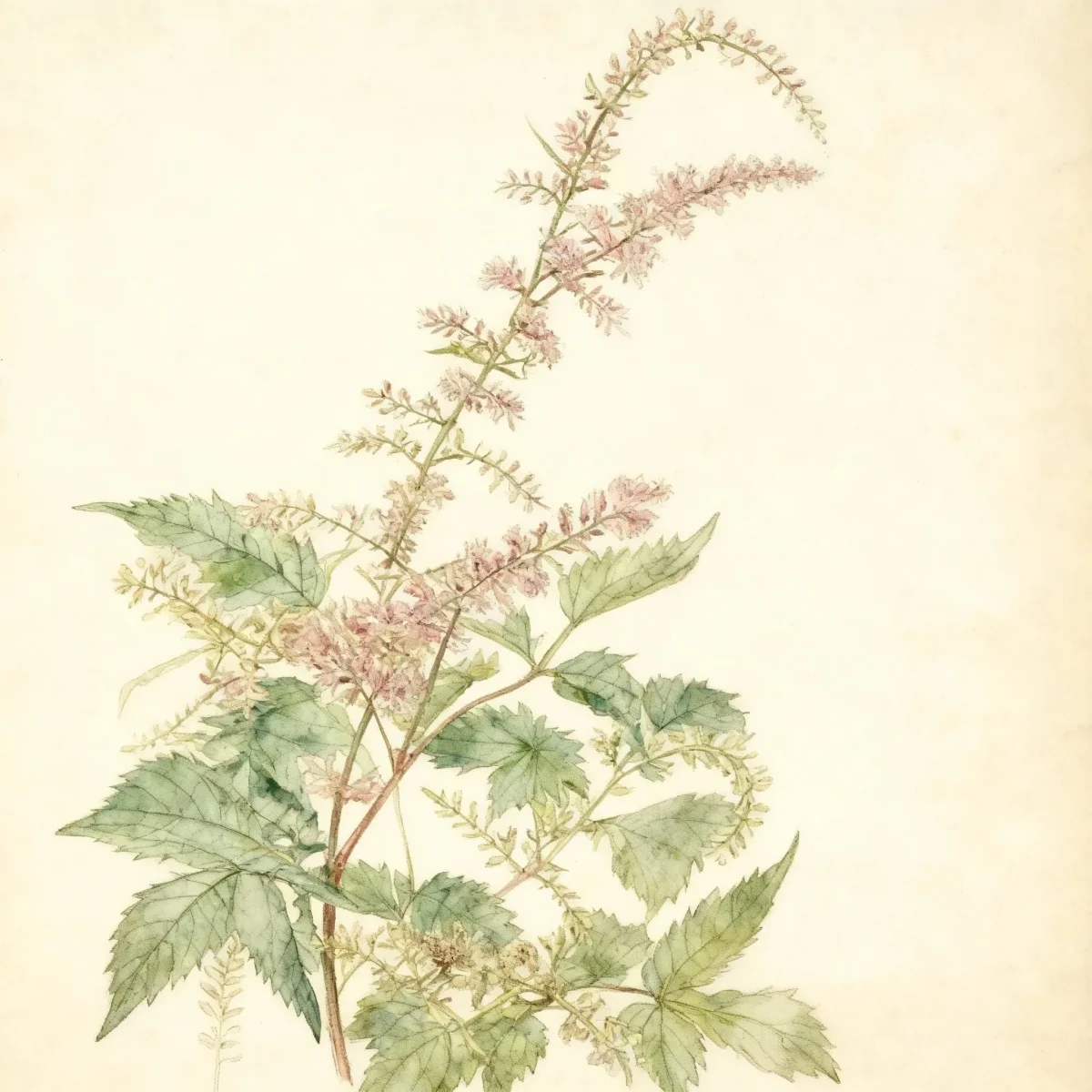
Rockfoil (Saxifraga × arendsii)
Saxifraga × arendsii, or Rockfoil, forms dense, mossy mats that bloom pink to white in late spring.
Scroll down to discover growing tips, care requirements, companion plants, and more
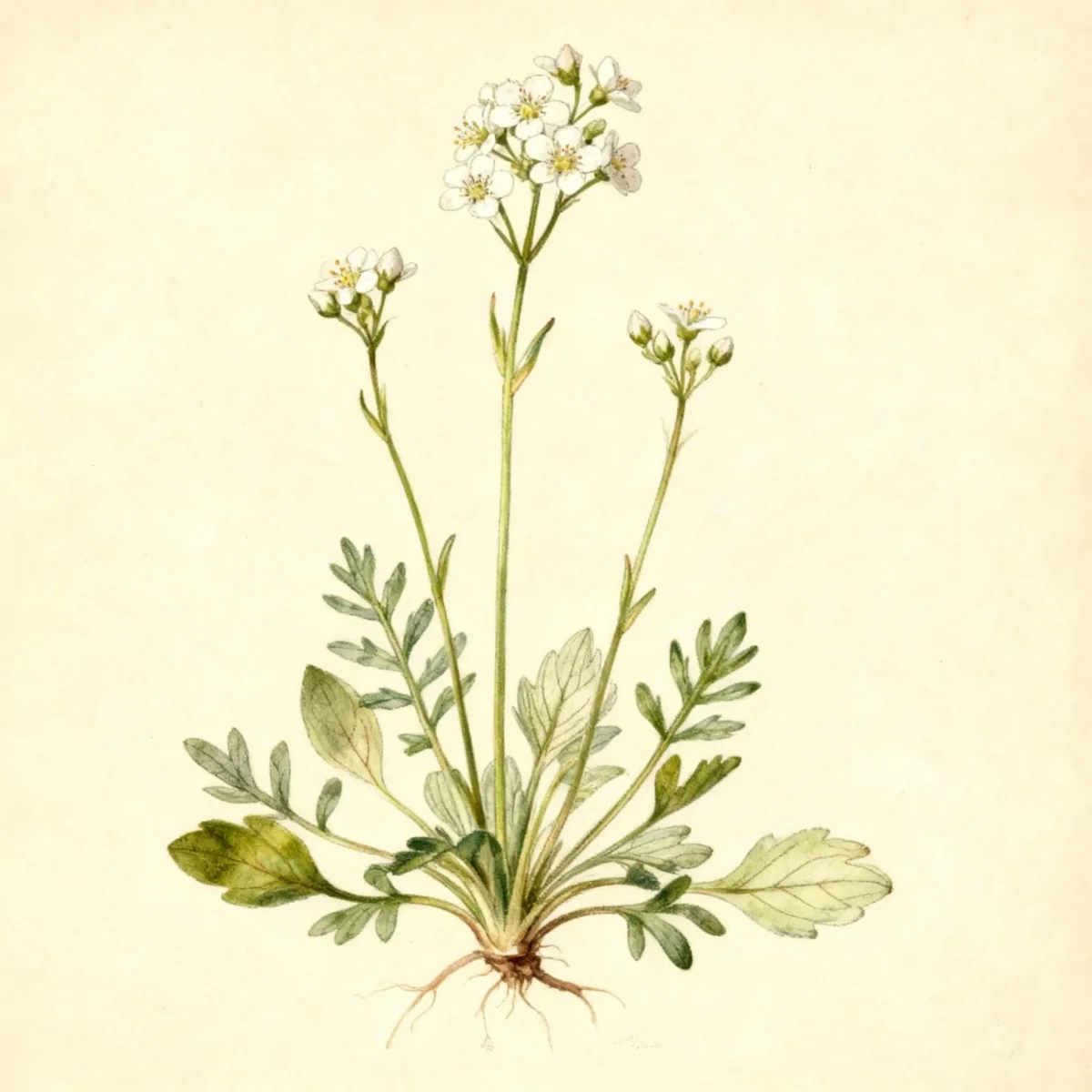
Complete Plant Information
Overview
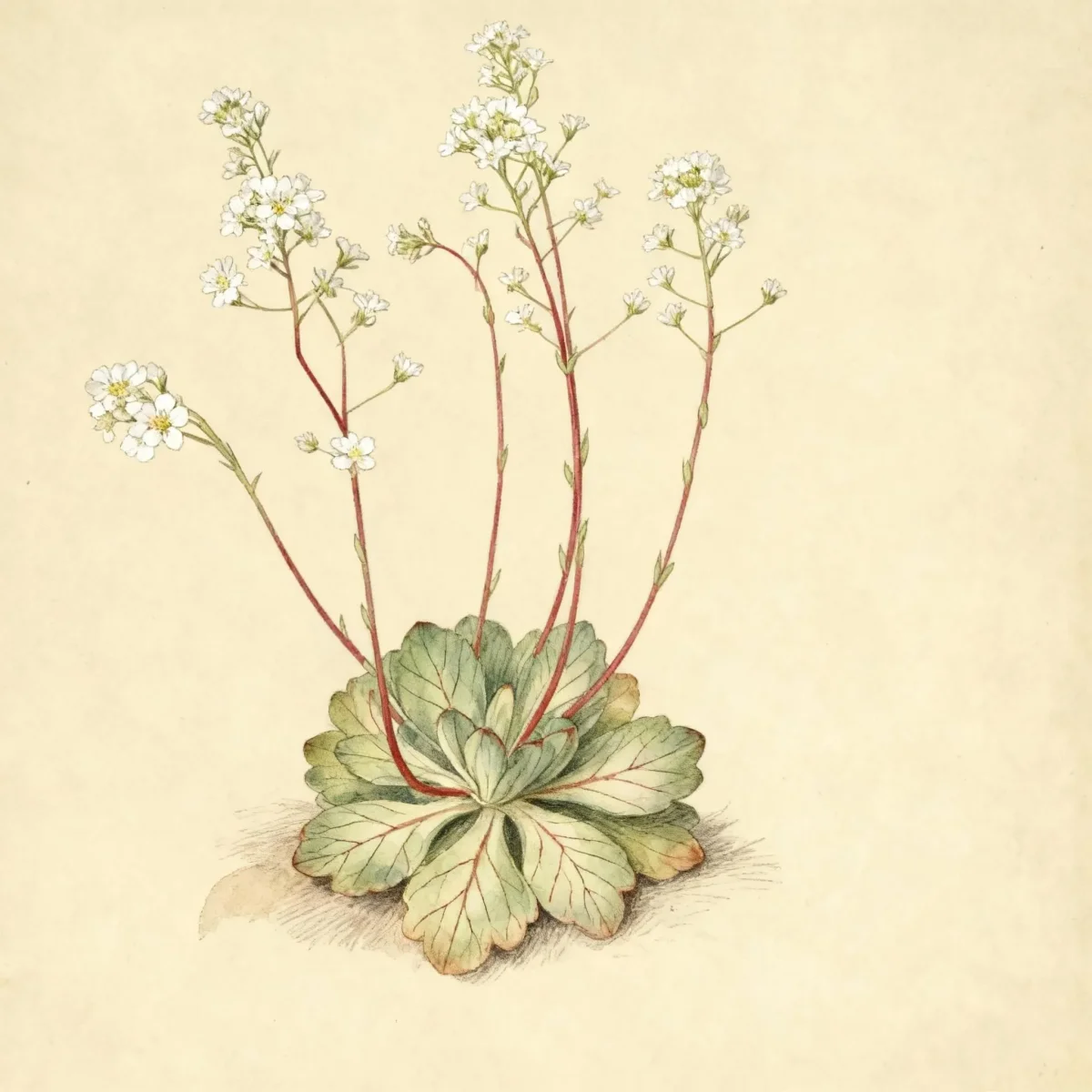
Saxifraga × arendsii, commonly known as Rockfoil, presents an excellent option for gardeners seeking dense, low-growing evergreen texture accented by charming spring blooms. These Arendsii hybrids create attractive, moss-like foliage mats that hug the ground, making them indispensable for specialized garden areas. Flowering profusely in late spring, the delicate pink, rose, red, or white star-shaped flowers hover just above the dense foliage mounds.
Valuable for their year-round presence, Rockfoil plants are specifically bred ground covers that thrive where traditional lawn grasses struggle. They offer significant aesthetic value nestled between stones or cascading gently over retaining walls, proving their name by effectively softening hardscape elements. Successful cultivation centers on providing sharply drained, humusy soil in partial shade conditions.
This group of hardy perennials offers subtle variations in height and flower color among its cultivars, ensuring versatility within rock gardens and borders. Planting Saxifraga × arendsii strategically ensures that your garden maintains structure and color interest long after the primary spring flush has ended.
Fast Facts
- Plant Family: Saxifragaceae
- Plant Type: Herbaceous perennial
- Hardiness Zones: USDA Zones 5-7
- Size at Maturity:
- Height: 0.5-0.75 ft
- Spread: 0.75-1 ft
- Bloom Time: May to June
- Bloom Description: Pink, rose, red or white
- Sun Exposure: Part shade
- Water Needs: Medium
- Maintenance Level: Medium
How to Grow
The best time to plant Saxifraga × arendsii is typically in the spring or fall when soil temperatures are moderate. These Rockfoils require consistently moist conditions but absolutely demand sharp drainage; plant them in organically rich, gritty soils. They perform best situated in partial shade, thriving where they receive protection from intense afternoon sun, although they tolerate deeper shade well.
Maintain medium moisture levels throughout the growing season, ensuring the soil never becomes waterlogged, which is crucial for preventing root rot. While they appreciate regular moisture, avoid overwatering, especially in humid summer climates where these hybrids often suffer. Fertilizing is usually unnecessary if the base soil is rich in organic matter.
Gardeners in cool summer regions might succeed with more sun, provided moisture is meticulously managed. In contrast, plants perform poorly in hot, humid southern climates, often rotting out during the summer heat. To propagate, use softwood cuttings or divide existing clumps during the growing season.
Landscape Uses
The mat-forming habit of Saxifraga × arendsii makes it an exceptional choice for ground cover applications, especially in challenging spots like tight crevices or between paving stones. Its evergreen nature ensures that these spreading mats provide attractive texture year-round, softening foundations and border fronts effectively. Arendsii hybrids are perennial favorites for traditional rockeries due to their aesthetic harmony with stone.
These low-growing perennials are perfectly suited for edging walkways or cascading over low walls, creating a dense, moss-like drape that requires minimal intervention once established. Consider planting Rockfoil alongside other shade-tolerant, low-water plants like small ferns or creeping thyme for complementary textures in a mixed border setting. They naturalize slowly, filling in gaps to create a lush, carpet-like effect underneath taller shrubs or trees in a woodland garden setting.
Standout Features
Flower Qualities
- Showy
Noteworthy Characteristics
Saxifraga × arendsii, known as the Arendsii hybrids, are a group of over forty (40) evergreen saxifrage cultivars which were developed by Arends Nursery in Germany. These hybrids typically form foliage mats of tiny mossy oval dark green leaves, topped by pink, rose, red, or white flowers in May and June. The genus name references the plant’s habit of growing in rock fissures, often appearing to “break” the rock over time.
Tolerances
- No serious insect or disease problems.
Potential Problems
While generally robust, the primary concern for Saxifraga × arendsii cultivation revolves around environmental stress, particularly poor drainage. Root rot is a significant threat if the soil remains soggy, especially during warm, humid summers. Monitoring moisture is key to preventing structural failure in the center of established clumps.
Pest pressure is usually light, though gardeners should watch for occasional sightings of aphids, slugs, weevils, or spider mites. Management often involves physical removal or targeted applications if infestations become problematic. Ensure air circulation is adequate, as dense foliage can sometimes harbor moisture that encourages minor fungal issues.
Frequently Asked Questions
What hardiness zones is Rockfoil suitable for?
Rockfoil, or Saxifraga × arendsii, is winter hardy in USDA Zones 5 through 7.
How large does Saxifraga × arendsii grow?
This species typically reaches a height between 0.5 and 0.75 feet, with a spread ranging from 0.75 to 1 foot wide.
What sun exposure does Rockfoil need?
Saxifraga × arendsii prefers sites with part shade exposure for optimal growth and flowering.
When does Rockfoil bloom?
The characteristic blooms of this Rockfoil variety appear from May to June, displaying colors like pink, rose, red, or white.
Conclusion
The low-growing, mat-forming habit and attractive evergreen foliage ensure that Saxifraga × arendsii provides lasting interest in the garden. As a classic Rockfoil, it excels in sunny screes and shady rock crevices alike, provided drainage is perfect. Verify your USDA hardiness zone compatibility before planning planting arrangements for these superb alpine perennials.
Propagation Tips
Propagating Saxifraga × arendsii is straightforward, primarily achieved through softwood cuttings taken during the growing season or by simple division. Dividing established clumps of Rockfoil is an excellent way to increase your stock quickly and refresh older plants. While named Arendsii hybrids may sometimes be grown from seed, be aware that the resulting offspring may not faithfully retain the distinct traits of the parent plant.
Companion Planting
Due to their shared preference for gritty, well-drained, humusy soil and partial shade, Saxifraga × arendsii pairs beautifully with other spring-blooming alpines and shade lovers. Consider planting close to creeping Phlox varieties, dwarf Sedums, or low-growing alpine Thymes for textural contrast that mirrors their growth habit. In shadier spots, small, slow-growing Hostas or native woodland ephemerals make excellent neighbors for this Rockfoil.