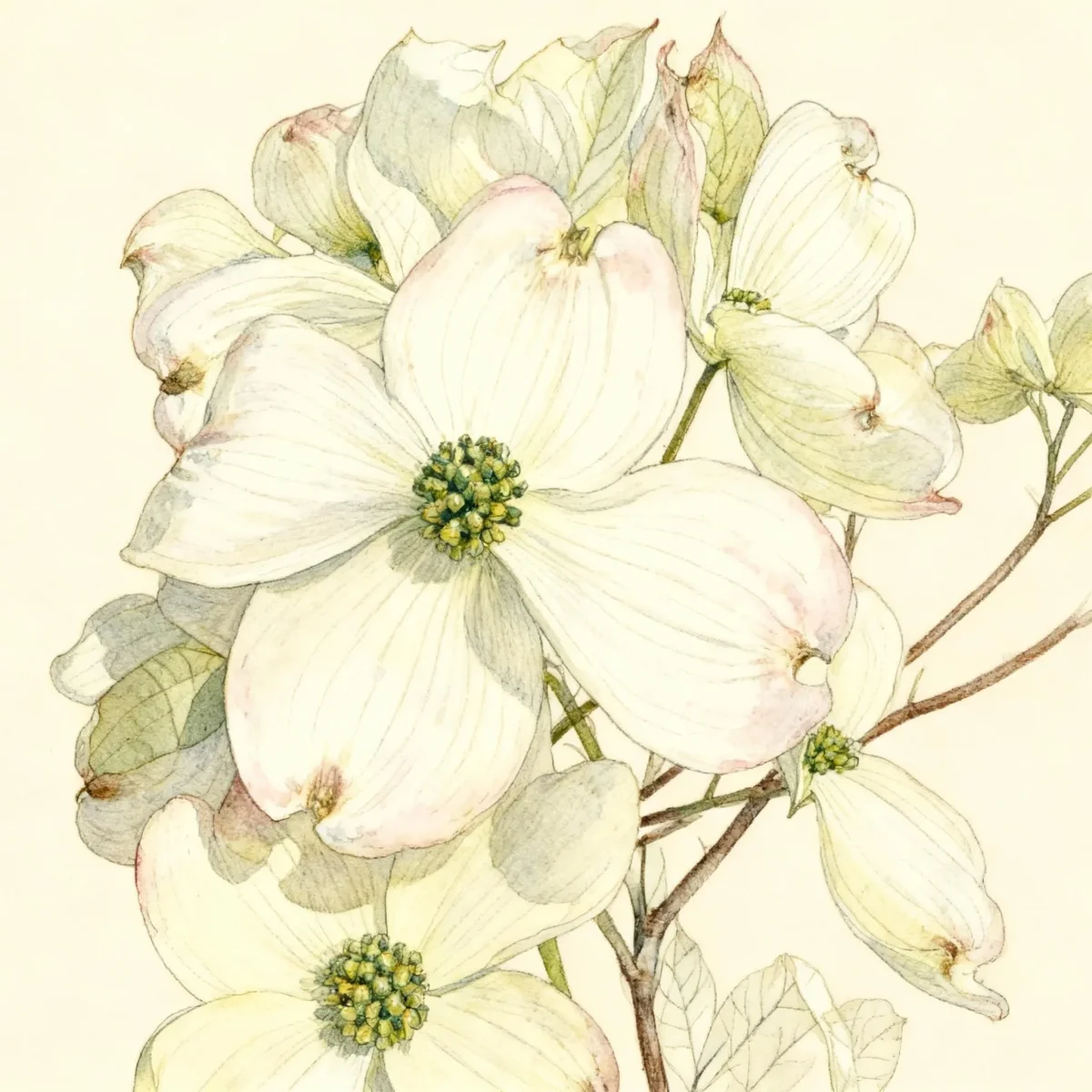
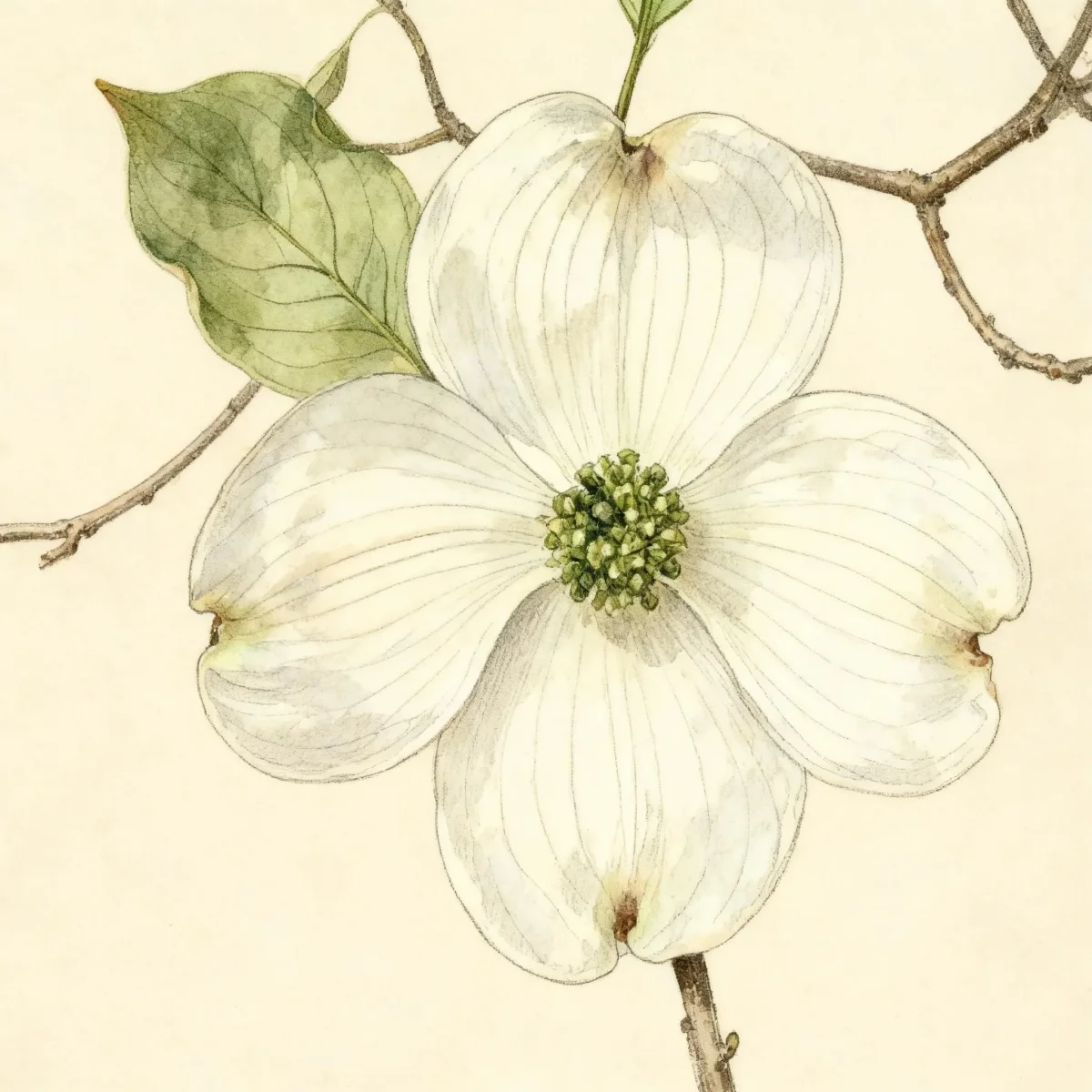
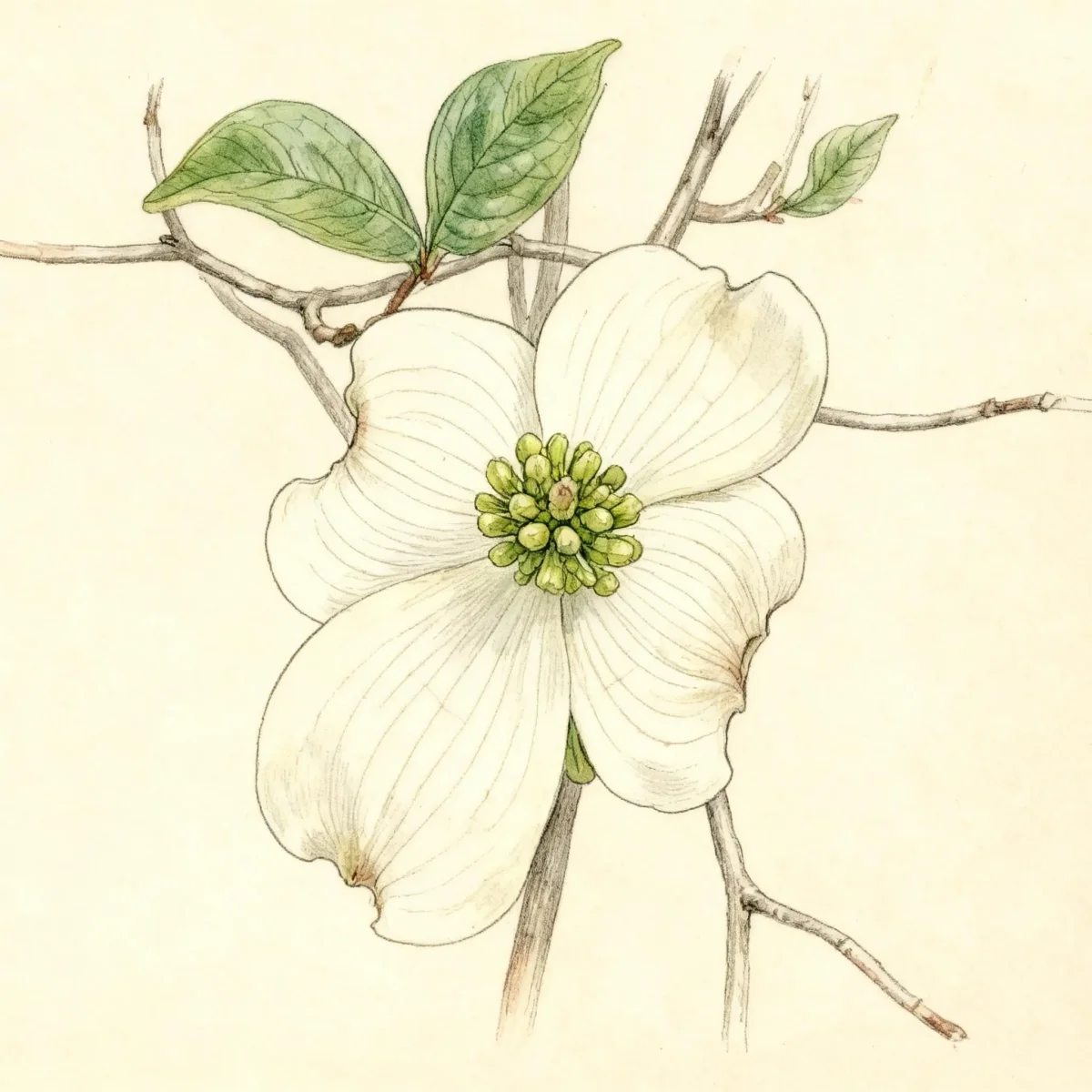
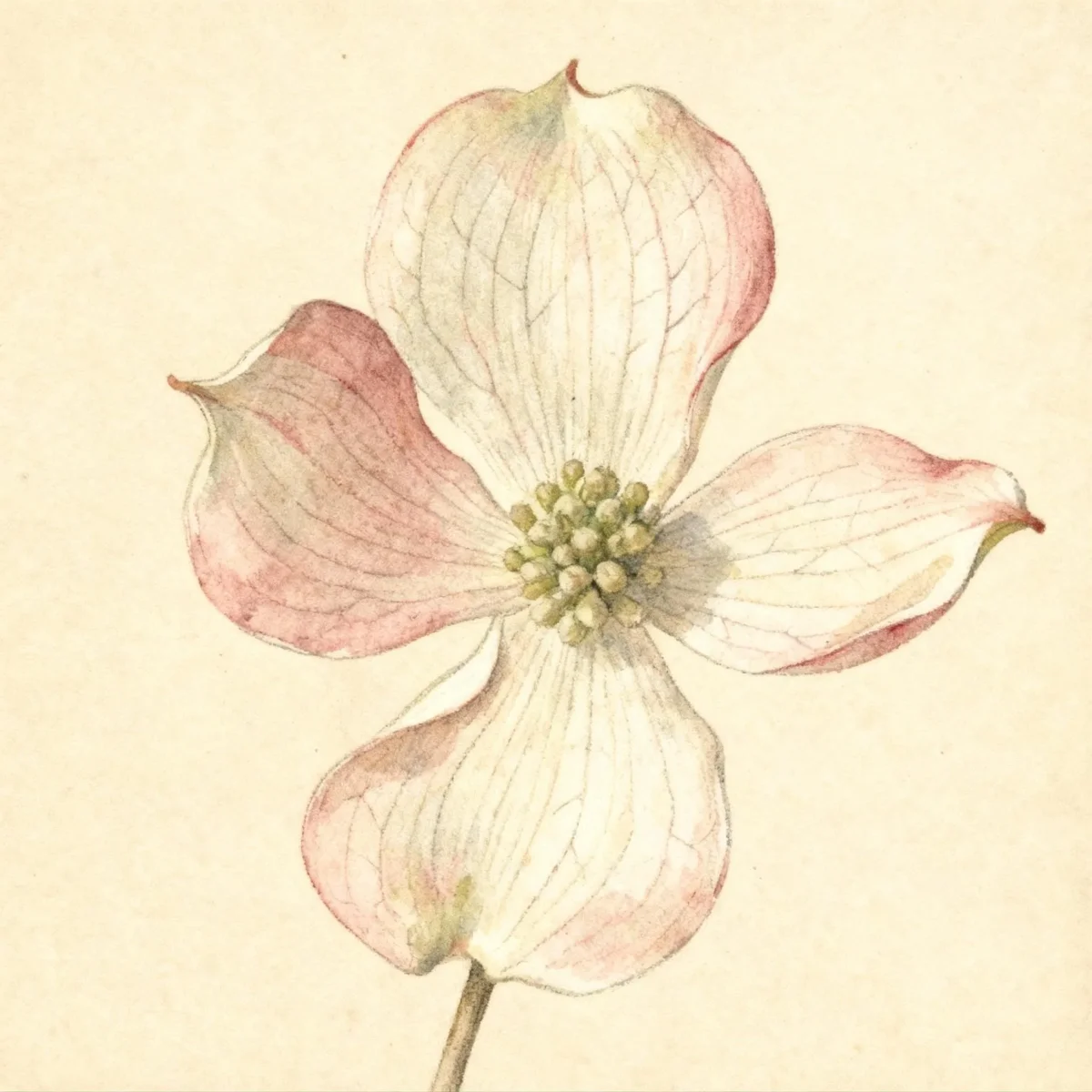
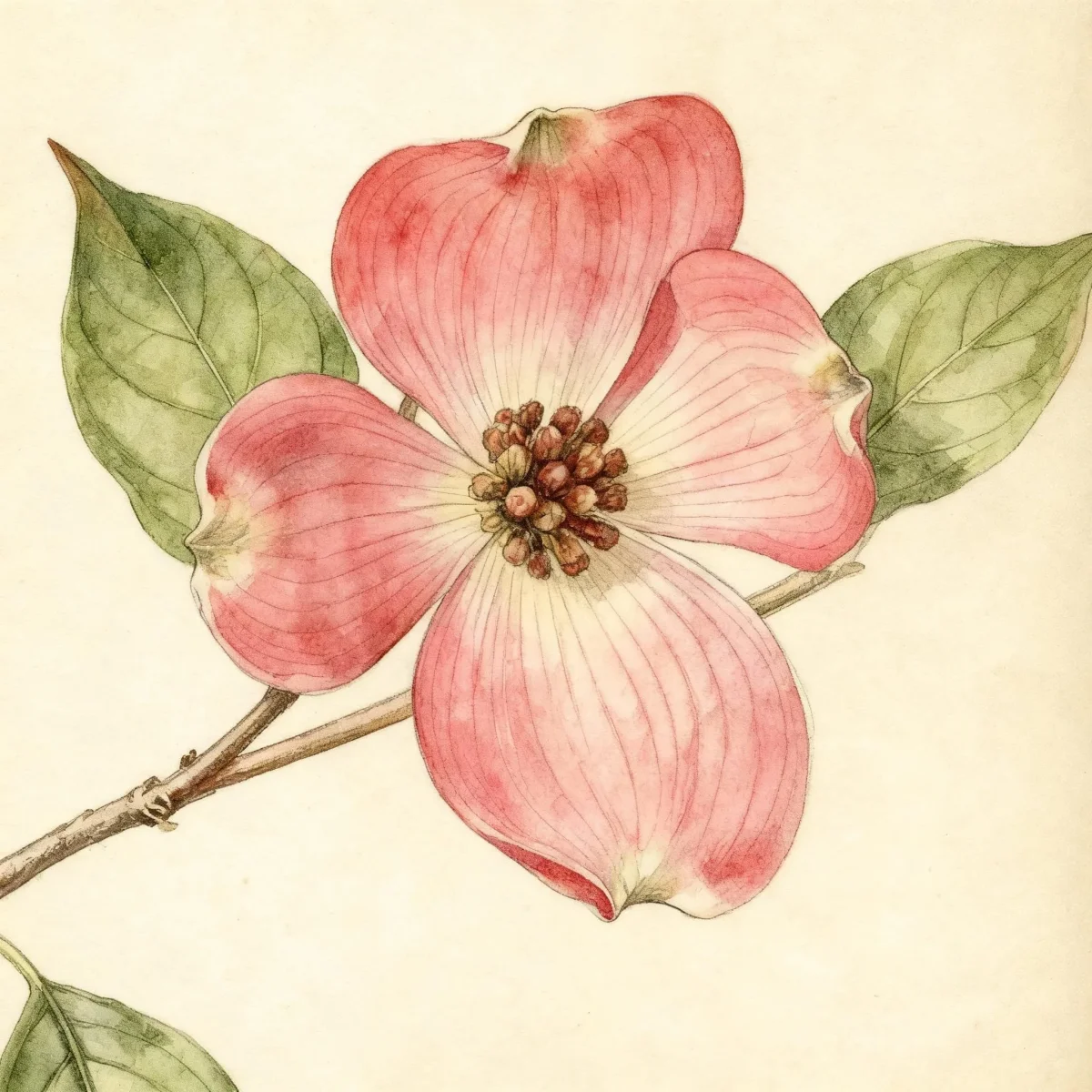
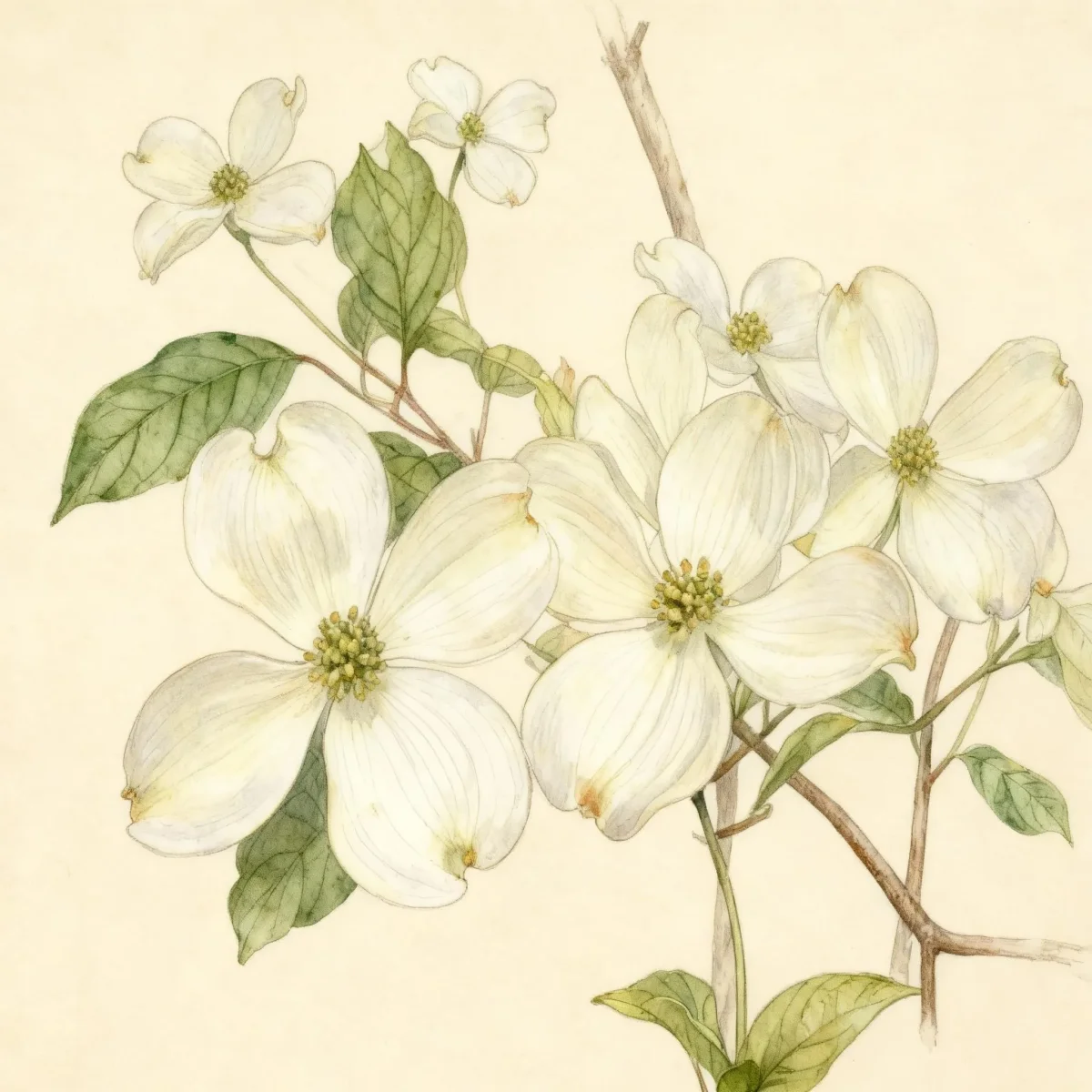
Flowering dogwood (Cornus florida 'Royal Red')
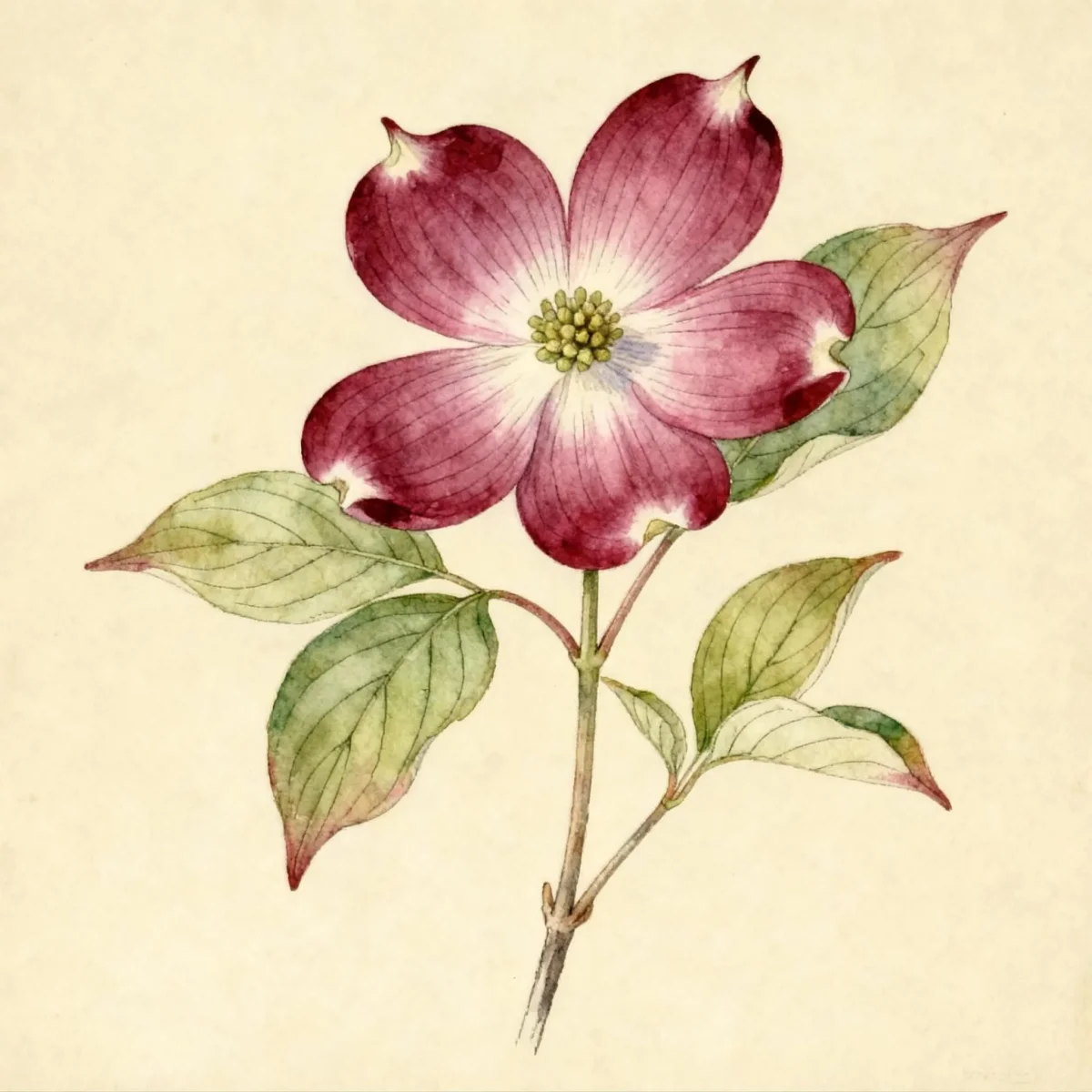
Stunning Cornus florida 'Royal Red' offers deep ruby red bracts, making it an essential flowering dogwood for spring landscapes. Hardy in zones 5-9.
Scroll down to discover growing tips, care requirements, companion plants, and more
Complete Plant Information
Overview
The Cornus florida ‘Royal Red’, a highly prized variety of the native Flowering dogwood, is renowned for its spectacular early spring display. This cultivar elevates the typical white bloom by presenting deep rose red floral bracts that create a powerful focal point in the landscape. Beyond its famous spring show, this deciduous tree offers excellent texture and seasonal interest, turning traditional shades of red in the autumn.
Growing to a manageable size, Cornus florida ‘Royal Red’ fits perfectly into residential settings where a smaller, ornamental tree is desired. It is celebrated as one of America’s most beautiful native flowering trees, offering four-season appeal from its spring blooms to its persistent red fall fruit, which birds readily enjoy. Careful placement ensuring part shade exposure maximizes its distinctive coloration while protecting it from stress.
Gardeners seeking native charm combined with dramatic color will appreciate this Flowering dogwood. While it needs consistent moisture, its medium maintenance requirements are easily met with proper cultural care, leading to many years of reliable beauty in established landscapes across USDA Zones 5 through 9.
Fast Facts
- Plant Family: Cornaceae
- Plant Type: Tree
- Hardiness Zones: USDA Zones 5-9
- Size at Maturity:
- Height: 15-30 ft
- Spread: 15-30 ft
- Bloom Time: April to May
- Bloom Description: Pink to ruby red
- Sun Exposure: Full sun to part shade
- Water Needs: Medium
- Maintenance Level: Medium
How to Grow
For optimal performance, plant Cornus florida ‘Royal Red’ in the early spring or fall when temperatures are mild. Select a location that provides full sun to light afternoon shade, as excessive heat can scorch the delicate bracts. This tree thrives in organically rich, moderately moist, acidic, and well-drained soils.
Maintain consistent moisture, especially during dry spells, as this Flowering dogwood prefers medium watering levels. To help keep the root zone cool and moist during the hot summer months, apply a thick layer of 2-4 inches of organic mulch around the base, ensuring the mulch does not touch the trunk flare. Avoid planting in areas currently experiencing severe dogwood anthracnose outbreaks.
Routine pruning should be kept minimal, focusing only on removing dead, damaged, or crossing branches in the winter when the tree is dormant. Avoid heavy pruning, as this can stress the plant. As the tree matures, focus on deep, infrequent watering rather than shallow daily sprinkling to encourage deep root development.
Landscape Uses
The Flowering dogwood serves exceptionally well as a specimen tree, commanding attention near entryways or flanking residential homes. Its moderate height and broad, flat-topped canopy create beautiful, accessible shade perfect for placement near patios or seating areas where its spring color can be fully appreciated.
This tree is also an excellent component in woodland gardens or native plant landscapes, blending harmoniously with ferns, rhododendrons, and azaleas, all of which appreciate similar acidic soil conditions. Using Cornus florida ‘Royal Red’ in small groupings provides repeated seasonal interest across a wider area without overwhelming a small yard.
Standout Features
Flower Qualities
- Showy
Fruit Qualities
- Showy
Noteworthy Characteristics
Cornus florida, commonly known as flowering dogwood, is a small deciduous tree that typically grows 15-30’ tall with a low-branching, broadly-pyramidal but somewhat flat-topped habit. The true dogwood flowers are tiny, but each cluster is surrounded by four showy petal-like bracts opening flat, giving the appearance of a large flower. The specific cultivar ‘Royal Red’ is noted for its deep rose red floral bracts, and its new foliage is often tinged with red.
Tolerances
- Deer
- Clay Soil
- Black Walnut
Potential Problems
The most significant threat to the Flowering dogwood is dogwood anthracnose, a destructive fungal disease that has caused devastation in some regions. To mitigate this serious issue, avoid planting stressed trees and check local extension reports for current outbreak severity before siting your tree.
Plants are also susceptible to issues like powdery mildew, leaf spot, and root rot, often triggered when the tree is stressed by drought or poor drainage. Promoting good air circulation, never crowding the tree, and providing consistent water in well-drained soil significantly reduces disease susceptibility. Stressed trees may also attract borers, which require immediate removal of infested wood.
Frequently Asked Questions
What hardiness zones is Flowering dogwood suitable for?
The Cornus florida ‘Royal Red’ performs best in USDA Hardiness Zones 5 through 9. Ensure your planting location falls within this range for optimal success.
How large does Cornus florida ‘Royal Red’ grow?
This small ornamental tree typically reaches a mature height between 15 and 30 feet, with a similar spread of 15 to 30 feet, offering a relatively broad, flat-topped silhouette.
When does Flowering dogwood bloom?
The showy bloom time for this Flowering dogwood variety occurs in early spring, generally from April to May, featuring its distinctive deep ruby red bracts.
What sun exposure does Cornus florida ‘Royal Red’ need?
This cultivar prefers a location that receives full sun to part shade. Protection from intense late-day sun is often beneficial, especially in hotter regions, to prevent foliar scorch.
Conclusion
The Cornus florida ‘Royal Red’ remains an indispensable specimen tree due to its manageable size and stunning deep pink to ruby red spring flowers. Its low-branching habit and excellent fall color ensure multi-season interest, making the Flowering dogwood an excellent landscape investment. Before planting, confirm your site offers the acidic soil and reliable moisture needed for this magnificent tree to flourish.
Companion Planting
When designing a space for Cornus florida ‘Royal Red’, focus on companions that share a requirement for acidic, well-drained soil and thriving in similar light conditions. Understory planting with native shade-lovers such as various fern species or woodland ephemerals provides a lush, natural appearance that complements the dogwood’s graceful structure beautifully.
Consider using shade-tolerant evergreens like broadleaf evergreens such as rhododendrons or azaleas near the drip line. These choices create excellent winter structure and provide a dark green backdrop that makes the springtime pink to ruby red blooms of the Flowering dogwood stand out vividly.
Wildlife Benefits
The fruit production of the Cornus florida ‘Royal Red’ is a significant benefit for local fauna, though the fruits are not palatable for human consumption. The bright red drupes mature in late summer and early fall, providing a crucial, calorie-rich food source for numerous species of songbirds preparing for migration or overwintering.
While the flowering bracts are generally not a primary nectar source for bees due to their structure, birds and other small mammals utilize the tree structure for nesting and shelter throughout the year. Planting native species like the Flowering dogwood inherently supports local biodiversity by providing necessary components of a healthy habitat.