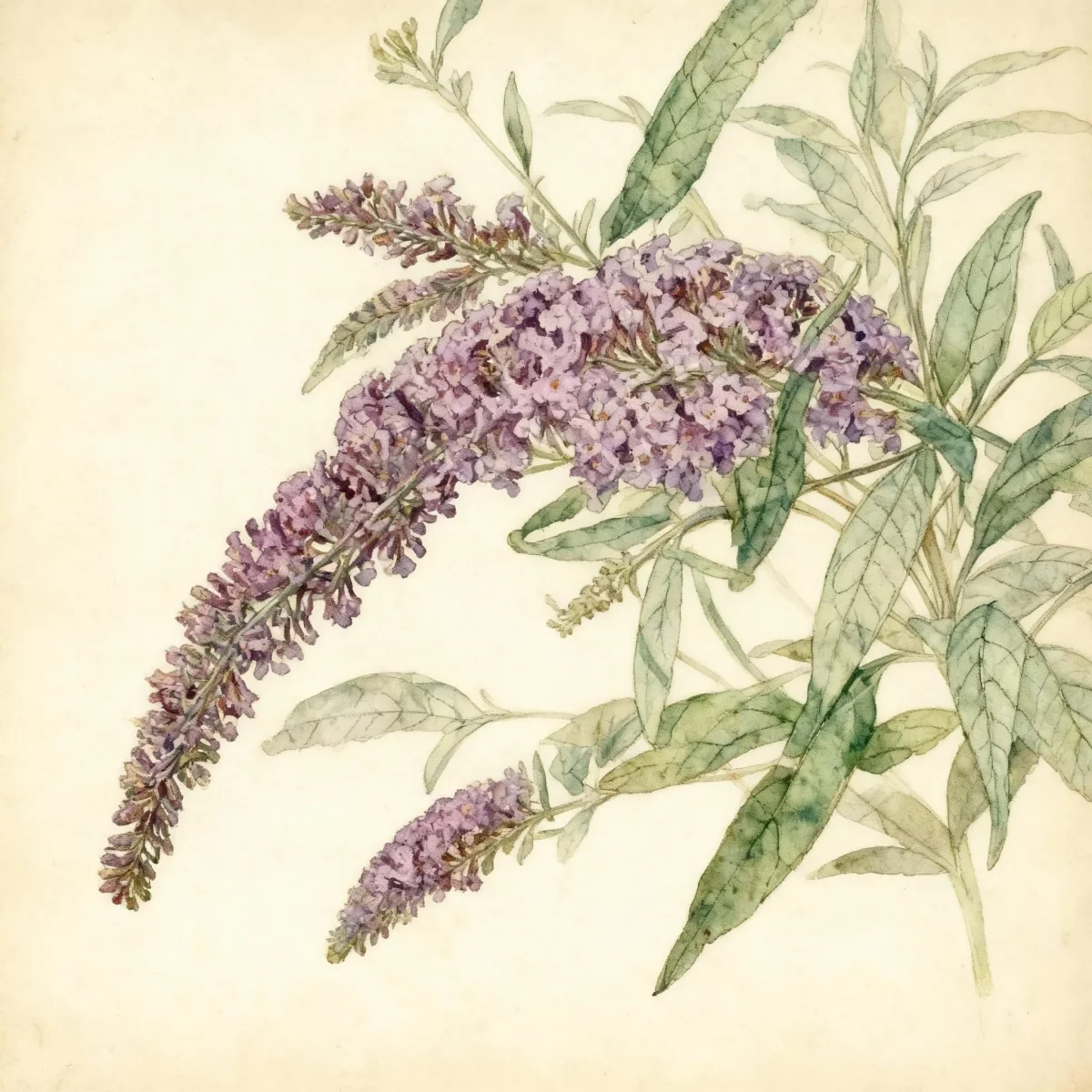
Butterfly bush (Buddleja davidii)
Buddleja davidii, the Butterfly bush, is a vigorous, low-maintenance shrub known for its fragrant, long-lasting summer blooms that attract pollinators.
Scroll down to discover growing tips, care requirements, companion plants, and more
Complete Plant Information
Overview
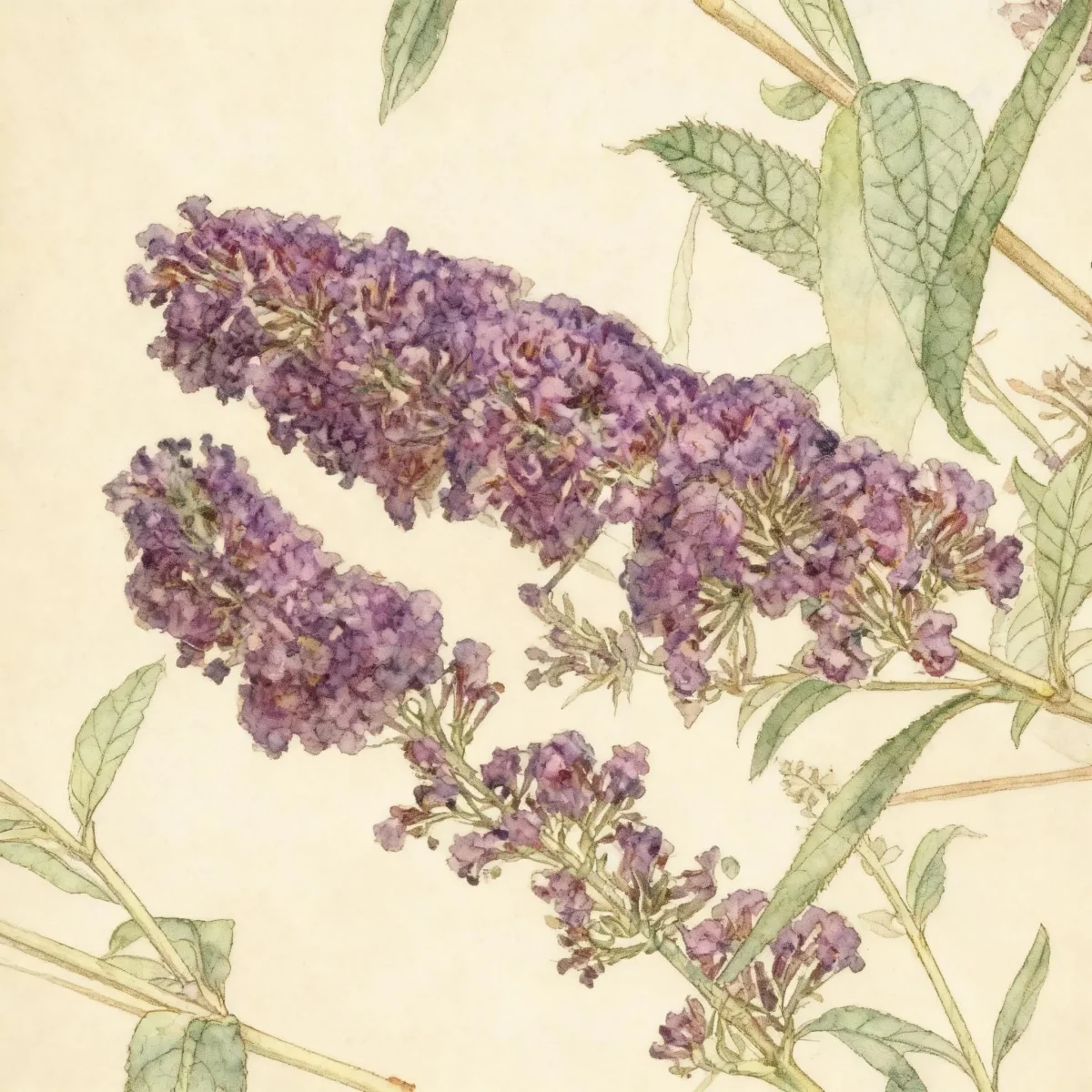
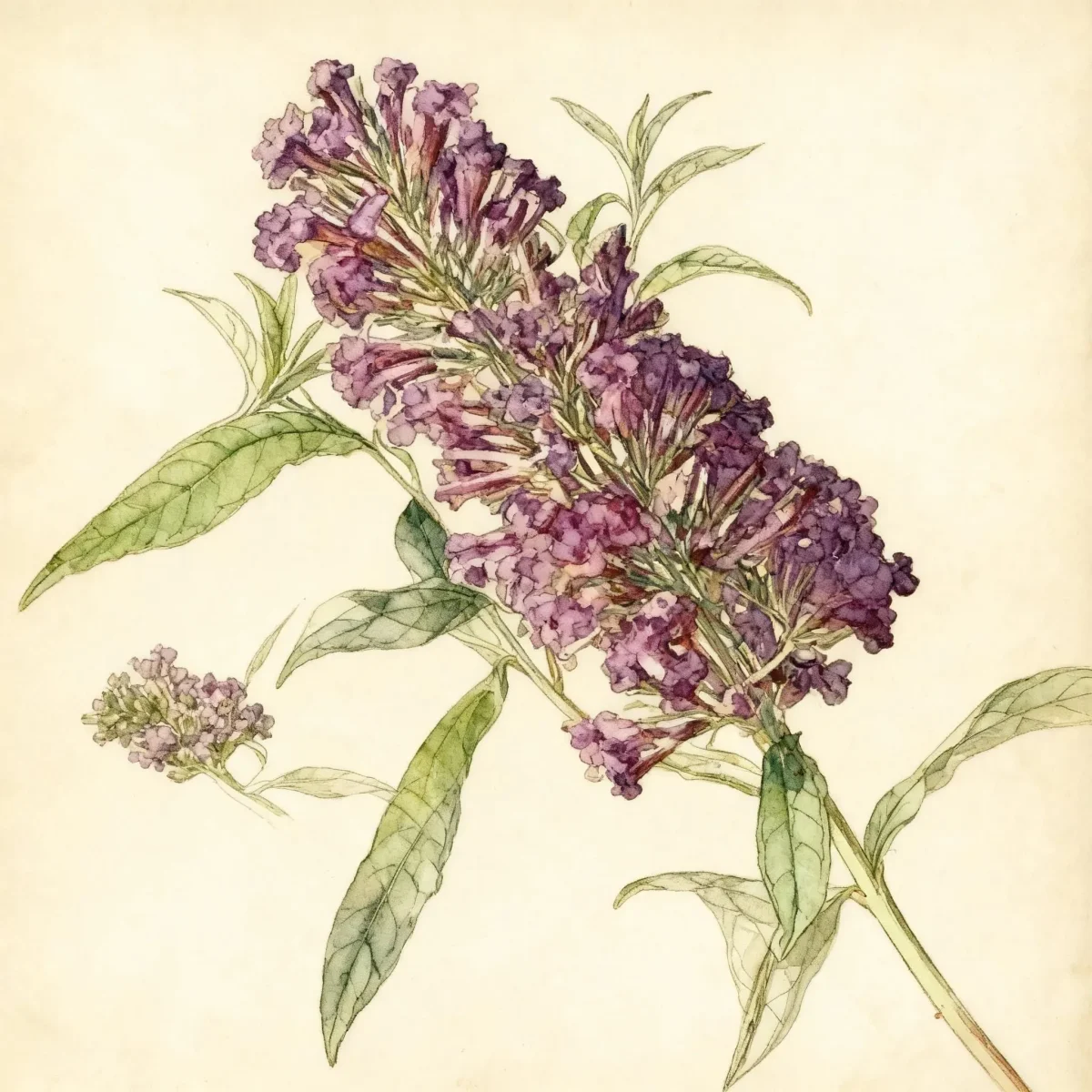
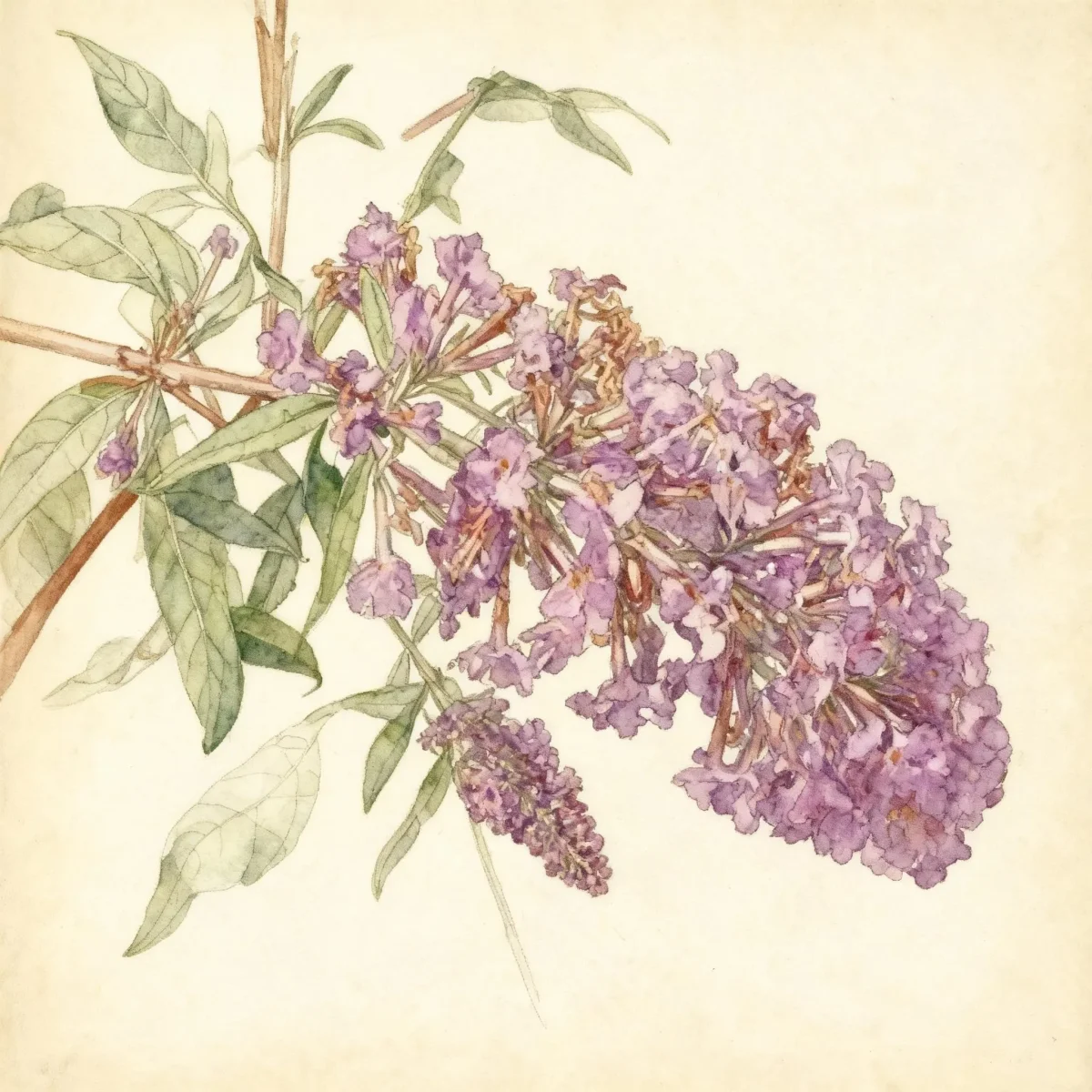
The Buddleja davidii, commonly known as the Butterfly bush, is celebrated by gardeners across temperate regions for its spectacular, long bloom period stretching from early summer well into autumn. This vigorous deciduous shrub produces dense, cone-shaped clusters of fragrant flowers, which are highly effective at drawing in butterflies and hummingbirds, making it a cornerstone plant for wildlife gardens. While native to Asian thickets, this species has adapted remarkably well to many garden settings, offering reliable color when many other shrubs are fading.
This shrub is prized for its generally low maintenance requirements and rapid growth rate. Buddleja davidii thrives when given plenty of sunlight, which is crucial for maximizing flower production and maintaining a dense shape. However, its vigorous nature means that consistent pruning is often necessary, especially in milder climates, to prevent declining vigor and overly sparse habit.
A key consideration for gardeners is its propensity to self-seed aggressively in certain regions, sometimes leading to invasive status. Gardeners should be mindful of this ecological aspect by promptly deadheading spent blooms to manage seed dispersal. Despite potential management needs, the unparalleled visual impact and pollinator attraction cement the Butterfly bush’s place in borders, cottage gardens, and landscapes needing reliable late-season interest.
Fast Facts
- Plant Family: Scrophulariaceae
- Plant Type: Deciduous shrub
- Native Range: China, Japan
- Hardiness Zones: USDA Zones 5-9
- Size at Maturity:
- Height: 6-12 ft
- Spread: 4-15 ft
- Bloom Time: June to September
- Bloom Description: Lilac to purple with orange throat
- Sun Exposure: Full sun
- Water Needs: Medium
- Maintenance Level: Low
How to Grow
Planting your Buddleja davidii is best done in spring or early fall, ensuring it establishes roots before harsh weather extremes. Locate this shrub where it receives continuous, unfiltered full sun; insufficient light quickly leads to weedy growth and significantly diminished flowering performance. While it adapts to average, well-drained soils, it absolutely struggles in perpetually wet or boggy conditions. If your site involves heavy material, such as clay soil, amend the planting area thoroughly to ensure adequate drainage.
Care requirements revolve heavily around pruning and watering consistency. Water mediumly, especially when young or during extended dry spells, though established plants show good drought tolerance. Fertilizing is usually unnecessary due to the shrub’s vigorous nature. The most vital cultural practice involves yearly pruning; plants should be cut back hard, often nearly to the ground, in late winter, particularly in Zones 5 and 6 where they may die back naturally. This hard prune encourages vigorous new growth and superior flowering structure.
To continuously encourage bloom production throughout the season until the first frost, make it a habit to promptly remove spent flower spikes as they fade. If aggressive naturalization via wind-dispersed seed is a concern in your locale, this deadheading ritual is crucial, as it prevents the formation and disbursement of viable seeds. Managing these spent clusters is the primary way to maintain control over this otherwise easily grown shrub.
Landscape Uses
The Buddleja davidii excels when integrated into mass plantings where its arching form can create soft movement. It provides excellent summer to fall flowers when many other woody shrubs appear finished, making it invaluable for extending seasonal interest. The straight species is often utilized in mixed borders, cottage garden settings, or specialized butterfly gardens where pollinator attraction is the main design goal.
While it performs best when grouped or used within matrix plantings, this shrub can sometimes appear awkward as a solitary specimen due to its occasionally gangly habit. Its tolerance for clay soil makes it a resilient choice for stabilizing slopes or filling larger foundation gaps where other, less forgiving flowering shrubs might struggle. The fragrant flowers also make it a popular, albeit temporary, choice for fresh-cut flower arrangements, though timely removal of faded spikes is necessary for garden aesthetics.
Standout Features
Flower Qualities
- Showy
- Fragrant
- Good Cut
Noteworthy Characteristics
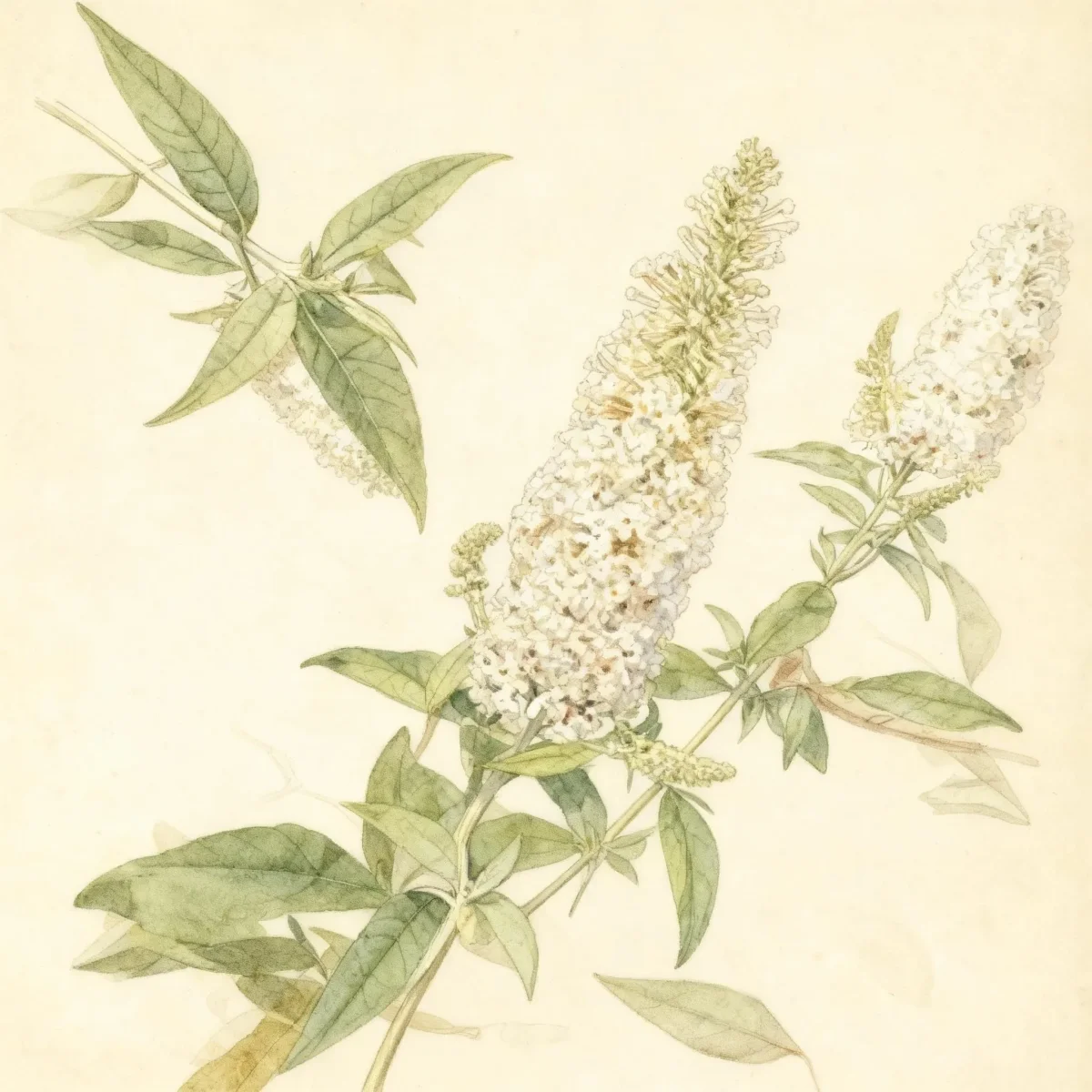
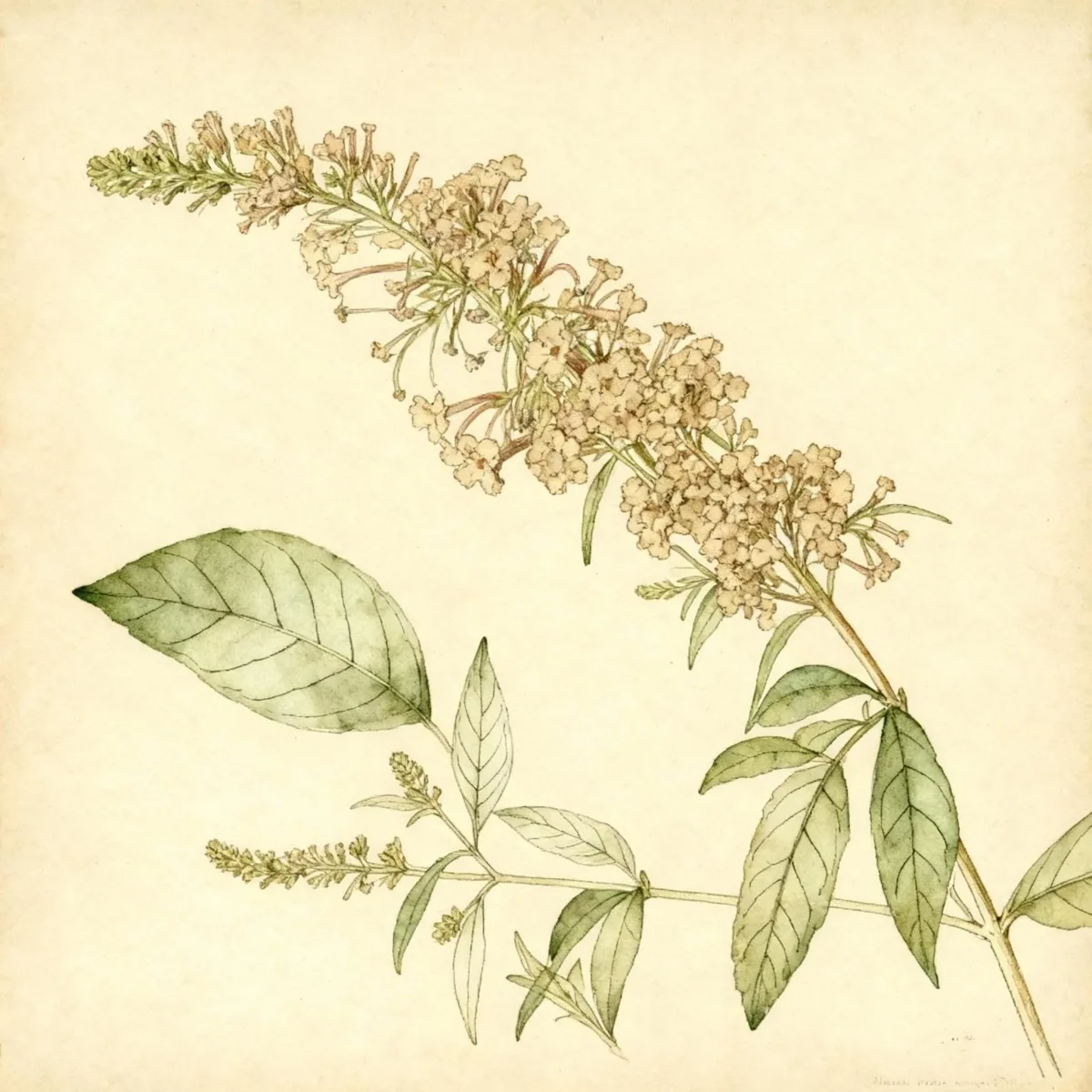
Buddleja davidii, commonly called butterfly bush, is a deciduous shrub that is native to thickets on mountain slopes, limestone outcrops, forest clearings and rocky stream banks in China. It typically grows to 6-12’ (less frequently to 15’) tall with a spread to 4-15’ wide when not killed back by cold winter temperatures. It is noted for its bushy habit, arching stems, showy/fragrant flowers and vigorous growth. Flowers are densely clustered in showy cone-shaped panicles from 6-18” long, and as the common name suggests, they are very attractive to butterflies and hummingbirds.
Tolerances
- Rabbit
- Clay Soil
Potential Problems
The Butterfly bush generally exhibits strong resilience against major insect or disease infestations, contributing to its low maintenance reputation. Gardeners should remain vigilant, however, for minor issues such as spider mites, particularly during hot, dry periods, which can often be managed with strong sprays of water or insecticidal soap. In Southern growing regions, nematodes can occasionally present management challenges, weakening the root system over time. Proactive garden hygiene and ensuring optimal soil health are the best defenses against these sporadic issues.
Frequently Asked Questions
What hardiness zones is Butterfly bush suitable for?
Buddleja davidii is typically hardy and reliably perennial in USDA Zones 5 through 9.
How large does Butterfly bush grow?
When not severely cut back by winter cold, this deciduous shrub commonly reaches heights between 6 and 12 feet tall, with a spread reaching 4 to 15 feet wide.
What sun exposure does Butterfly bush need?
This genus requires full sun exposure to achieve optimal flowering potential and maintain a desirable, tight structure.
When does Butterfly bush bloom?
The primary bloom period for the Butterfly bush runs consistently from June through September, sometimes continuing until the first frost.
Conclusion
The Buddleja davidii remains a garden favorite due to its extremely long bloom season and its unparalleled ability to serve as a magnet for vital pollinators like butterflies. While managing its aggressive growth and monitoring for self-seeding are responsible steps, its low maintenance profile and vibrant summer color make it highly rewarding. Before planting, confirm that the Butterfly bush is suited for your local climate and that aggressive spreading will not be an issue in your specific ecosystem.
Companion Planting
Choosing companions for the Butterfly bush requires prioritizing plants that share its love for full sun and generally well-drained conditions. Good aesthetic partners often include late-flowering perennials whose structure contrasts nicely with the airy plumes of the Buddleja. Consider pairing it with upright Coneflowers (Echinacea) or sturdy Sedums, which provide textural contrast and bloom concurrently. Because Buddleja davidii can become quite large, ensure companion plants are robust enough not to be physically shaded out by the shrub’s rapid summer growth.
Wildlife Benefits
Beyond its powerful draw for butterflies, the rich pollen and nectar sources provided by the flowers are highly attractive to a variety of beneficial insects. Hummingbirds are frequently observed feeding from the flower spikes, especially when the plant is in peak bloom throughout mid-summer. Cultivating the Buddleja davidii specifically supports local biodiversity, turning garden spaces into vibrant ecological hubs during the hottest months when many native flowering resources may be depleted.