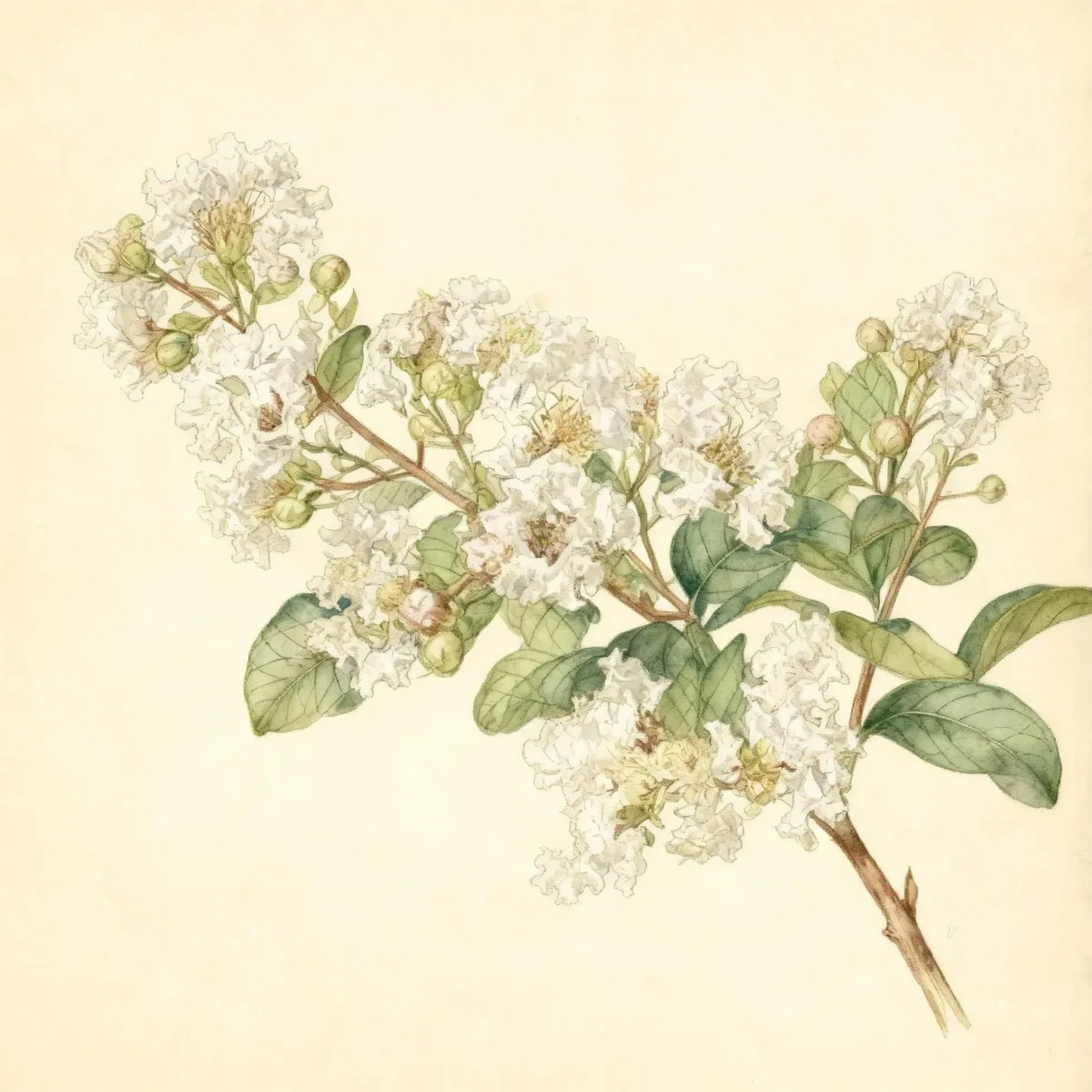
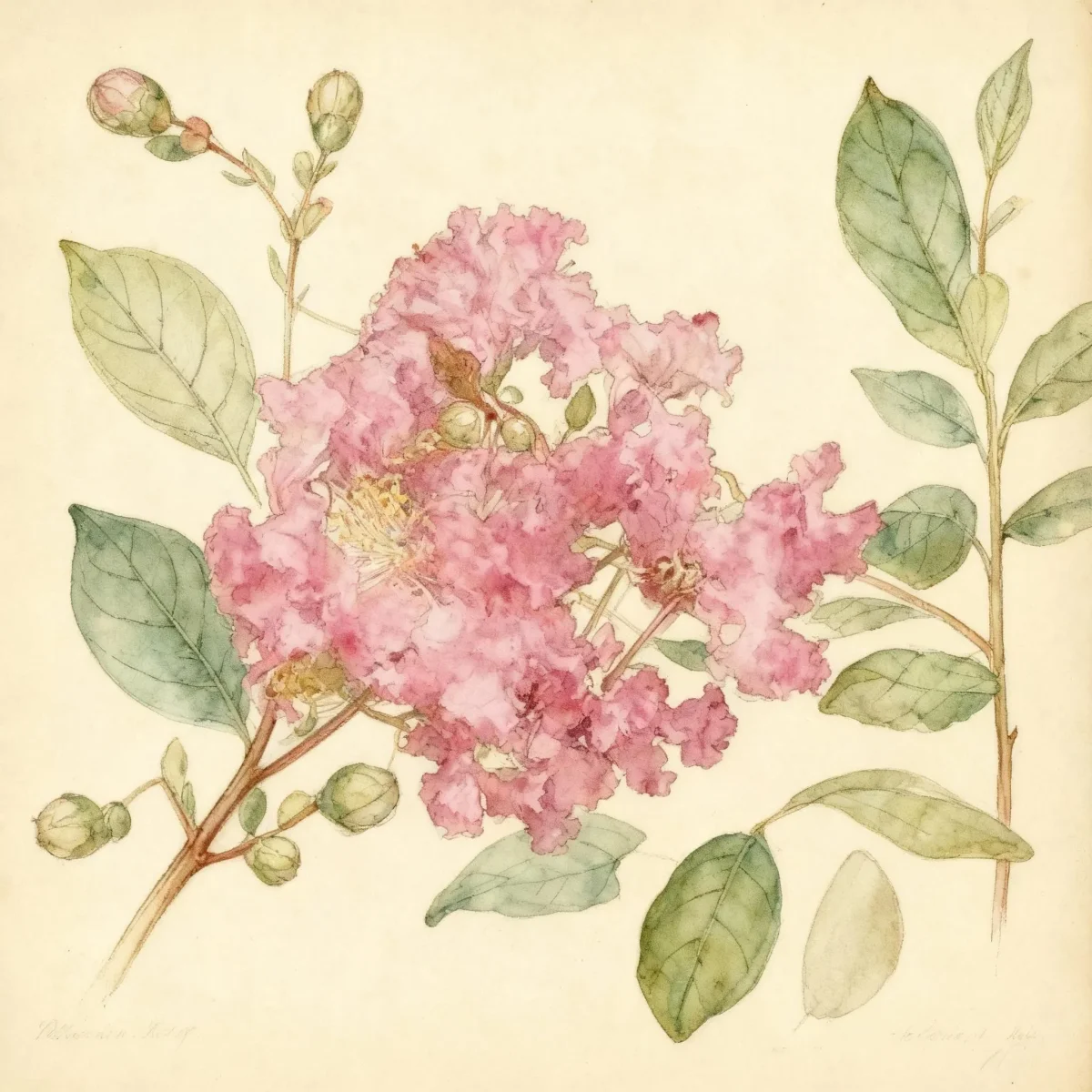
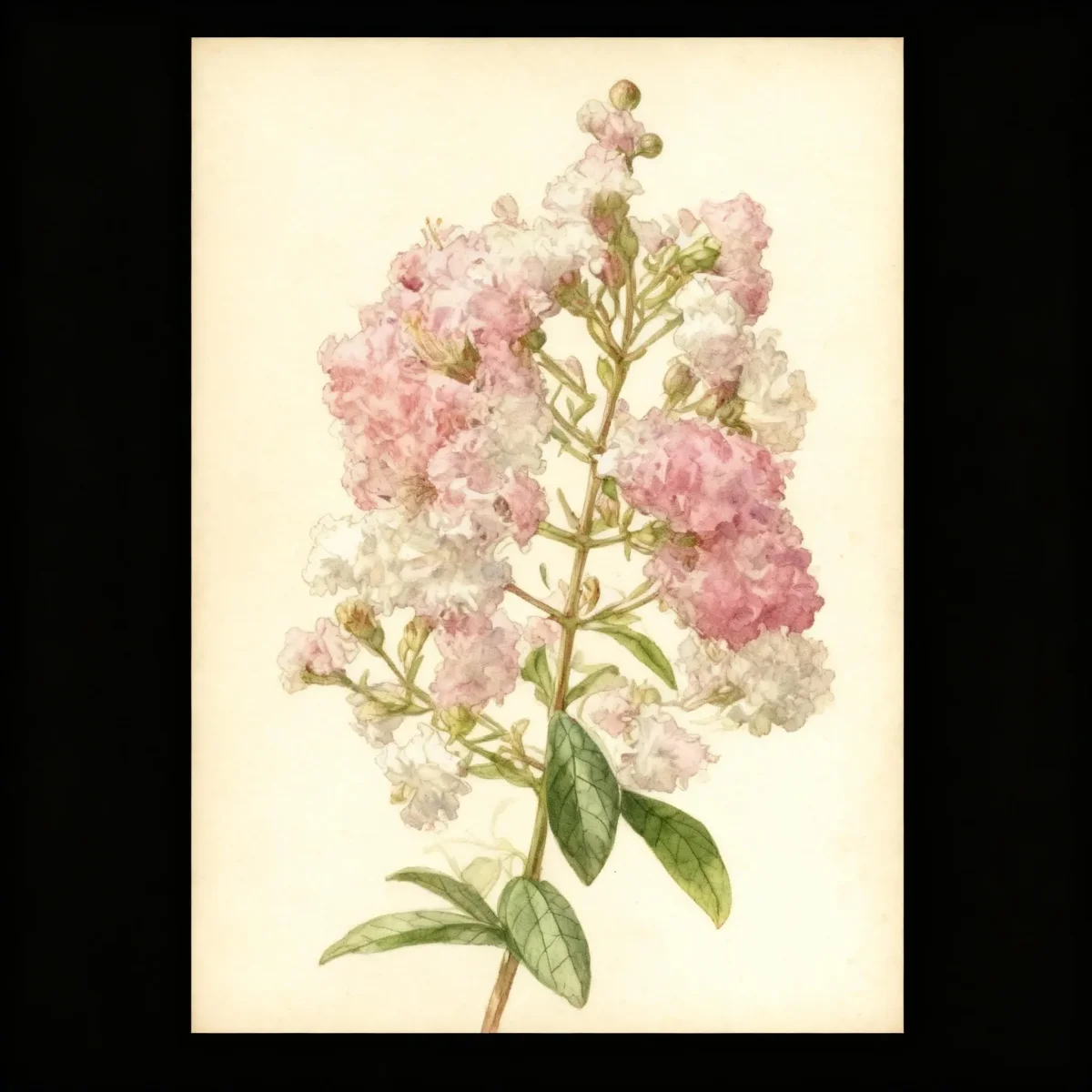
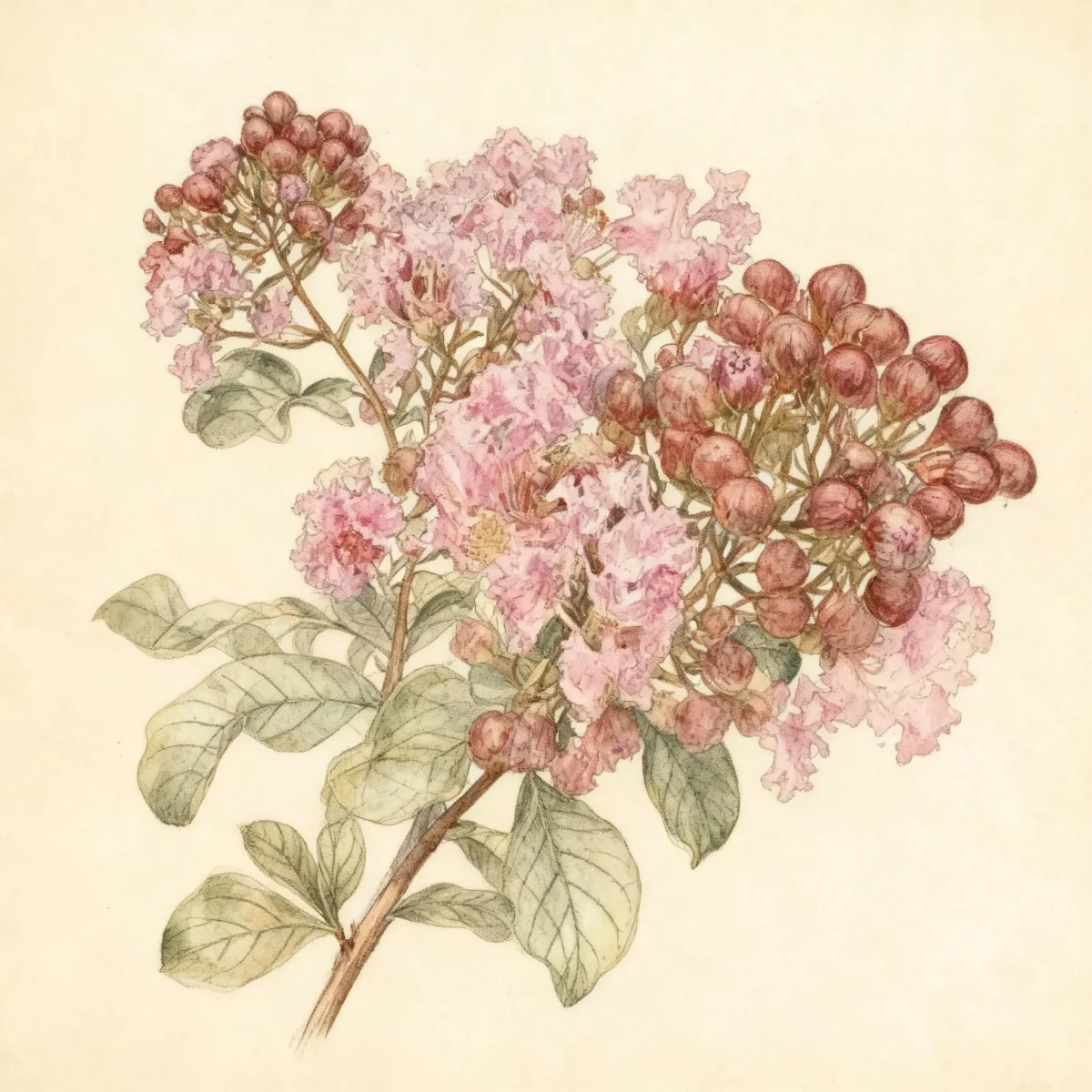
Crape myrtle (Lagerstroemia 'JD900' EARLY BIRD WHITE)
Discover Lagerstroemia 'JD900' EARLY BIRD WHITE, a compact Crape myrtle producing showy white blooms from May to frost. Perfect for sunny, medium-water gardens.
Scroll down to discover growing tips, care requirements, companion plants, and more
Complete Plant Information
Overview
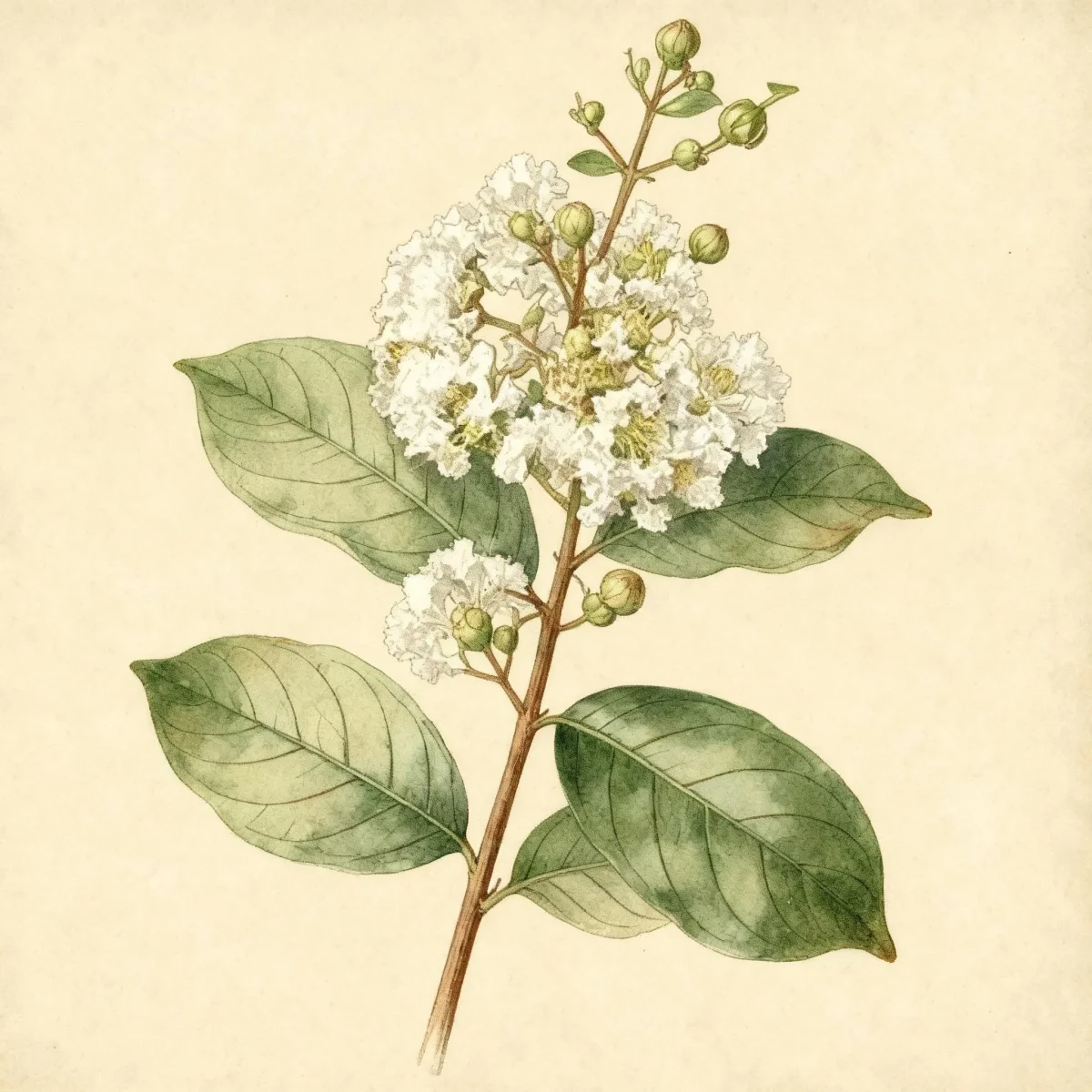
Lagerstroemia ‘JD900’ EARLY BIRD WHITE is a highly valued cultivar of Crape myrtle, selected by John McNair Davy for its exceptionally long and early bloom cycle. This variety distinguishes itself by initiating flowering in late May, often continuing for over 100 days, providing reliable summer color where other varieties have yet to begin. It develops into a dense, broad shrub or small tree, ideal for adding vertical interest and stunning white flowers to the garden landscape.
This particular Crape myrtle is part of the Early Bird™ series, making it a versatile addition suitable for gardens requiring impact without massive stature. While thriving in warmer climates as a small tree, in borderline cold areas, Lagerstroemia ‘JD900’ EARLY BIRD WHITE responds well to being managed as a larger shrub, reliably blooming on new wood each year. Its grayish, exfoliating bark adds crucial winter interest once the foliage drops.
Gardeners appreciate the manageable size (5 to 8 feet tall) and toughness of this deciduous shrub. Offering excellent drought and pollution tolerance once established, Lagerstroemia ‘JD900’ EARLY BIRD WHITE provides long-lasting, showy blooms complemented by attractive exfoliating bark, making it a cornerstone for sunny perennial borders or specimen planting.
Fast Facts
- Plant Family: Lythraceae
- Plant Type: Deciduous shrub
- Hardiness Zones: USDA Zones 7-10
- Size at Maturity:
- Height: 5-8 ft
- Spread: 3-4 ft
- Bloom Time: May to frost
- Bloom Description: White
- Sun Exposure: Full sun
- Water Needs: Medium
- Maintenance Level: Medium
How to Grow
Planting Lagerstroemia ‘JD900’ EARLY BIRD WHITE is best achieved in spring or fall, ensuring the roots establish before extreme temperatures hit. The ideal location demands full sun exposure to maximize flowering potential. This Crape myrtle adapts well to average, medium-moisture, well-drained soils, including clay types, provided drainage is adequate.
Ongoing care involves deep watering, especially during dry spells, focusing the water directly on the root zone and avoiding wetting the foliage to minimize disease risk. A slow-release fertilizer applied periodically aids overall vigor and flowering performance. Avoid overly rich soils, as excessive fertility promotes leafy growth at the expense of the desired summer blossoms and may increase winter vulnerability.
In colder zones (7 and below), providing winter protection, such as applying mulch around the base and planting in a somewhat protected spot, is highly recommended. Gardeners in zones where top growth may freeze back, like Zone 5 or 6, should plan to prune in early spring by cutting stems back, allowing new flowering shoots to emerge from the hardy roots. This method ensures a reliable display of white blooms on the new wood each season.
Landscape Uses
The intermediate stature of Lagerstroemia ‘JD900’ EARLY BIRD WHITE (5 to 8 feet tall) makes it superbly effective as a specimen shrub, drawing attention with its dense white summer display. In southern landscapes where winter dieback is not a concern, these plants are frequently utilized in groups to form an informal screen or a low, flowering hedge along property lines or walkways.
For layered plantings, place this Crape myrtle in the mid-ground, showcasing its exfoliating bark against a backdrop of broader-leafed evergreens or against a light-colored wall that highlights the blooms. Its tolerance for clay soil and air pollution makes it an excellent choice for urban settings where tougher plants are necessary.
Consider pairing Lagerstroemia ‘JD900’ EARLY BIRD WHITE with low-growing perennials that offer contrasting foliage texture, such as ornamental grasses or certain hostas (in part shade areas adjacent to its full sun spot), to create interest before and after the primary bloom time extends from May onward.
Standout Features
Flower Qualities
- Showy
Noteworthy Characteristics
Lagerstroemia is a genus historically known for very showy, lovely blooms from summer into fall, often growing as small trees in warm areas but resprouting from the ground in colder climates. Cultivar ‘JD900’ EARLY BIRD WHITE was specifically introduced for its dense habit and impressively early flowering, starting in late May and continuing for 100 to 120 days. Its flowers transition from light pink to pure white, and the gray bark exfoliates to reveal attractive beige inner layers.
Tolerances
- Drought
- Clay Soil
- Air Pollution
Potential Problems
The primary cosmetic concerns for Crape myrtles involve fungal issues, namely powdery mildew and leaf spot; ensure good air circulation around the branches to mitigate these risks. Foliage may exhibit yellowing (chlorosis) if the soil pH is too alkaline, which can sometimes be managed with soil amendments or iron supplements. Furthermore, aphids and scale insects occasionally pose a minor threat, often managed by encouraging beneficial insects or using horticultural oils.
Winter injury remains the most significant concern in cooler growing zones (USDA 5 and 6). While the roots often survive temperatures down to Zone 5, the above-ground woody structure is only reliably hardy to Zone 7. Gardeners in these marginal areas must prepare for potential dieback or commit to cutting the shrub back hard each spring to ensure flowering proceeds on the resulting new growth.
Frequently Asked Questions
What hardiness zones is Crape myrtle suitable for?
Lagerstroemia ‘JD900’ EARLY BIRD WHITE performs best in USDA Zones 7 through 10.
How large does Crape myrtle grow?
This cultivar typically reaches a mature height between 5 to 8 feet tall and spreads approximately 3 to 4 feet wide.
What sun exposure does Crape myrtle need?
This shrub requires full sun exposure to achieve its best flowering performance throughout its long season.
When does Crape myrtle bloom?
Lagerstroemia ‘JD900’ EARLY BIRD WHITE is notable for blooming early, starting in May and continuing until the first frost, bearing white flowers.
Conclusion
Lagerstroemia ‘JD900’ EARLY BIRD WHITE offers exceptional garden value by delivering one of the longest and earliest bloom periods among the Crape myrtles, accented by attractive exfoliating bark. This dependable white-flowering shrub is relatively adaptable to various soil conditions, including clay, provided it receives ample sunlight. Before planting, always verify local USDA Zone compatibility and plan for either winter protection or hard pruning if situated near the cold edge of its range.
Companion Planting
When selecting partners for your Lagerstroemia ‘JD900’ EARLY BIRD WHITE, focus on plants that thrive in full sun and share similar medium water needs. Low-growing, silvery groundcovers or drought-tolerant ornamental grasses planted near the base provide excellent textural contrast to the shrub’s fine foliage and striking white blooms. Consider using plants that establish deep roots to compete effectively with the Crape myrtle for moisture during hot summers.
For a classic warm-climate border, pair this early-blooming variety with summer-flowering salvias or coreopsis cultivars. In slightly larger foundation plantings, ensure companions do not grow tall enough to shade the lower branches of the Crape myrtle, as light is essential not just for flowering but also for maintaining the attractive peeling bark look.
Designing with Exfoliating Bark
The exfoliating bark of Lagerstroemia ‘JD900’ EARLY BIRD WHITE is a key feature often celebrated in four-season gardening. To highlight this texture, position the shrub against a dark mulch or a structure painted in a deep, matte color, making the beige and gray tones of the bark truly pop during winter dormancy. For close viewing opportunities, consider planting a single specimen near a patio or entrance path.
As a transitional planting element, this medium-sized shrub fits perfectly between the stature of small trees and the low profile of foundation plantings. Use its consistent white color to bridge color schemes across the garden, allowing other, bolder perennials to change annual color next to its permanent woody structure.